Israel's Good Name

Archive for June, 2023|Monthly archive page

Ramat Gan Safari

In Central Israel, Israel on June 26, 2023 at 7:38 AM

Recently, in the middle of May, I was invited to take my family to the Ramat Gan Safari, free of charge. This was an initiative spearheaded by some bureaucratic branch of the IDF, aiming to “give back” to civilians like myself who partake in active reserve duty. Since I had served a 16-day stint in the previous calendar year, I qualified for some quality time with the safari animals, free of charge and complete with free food and activities for the children.
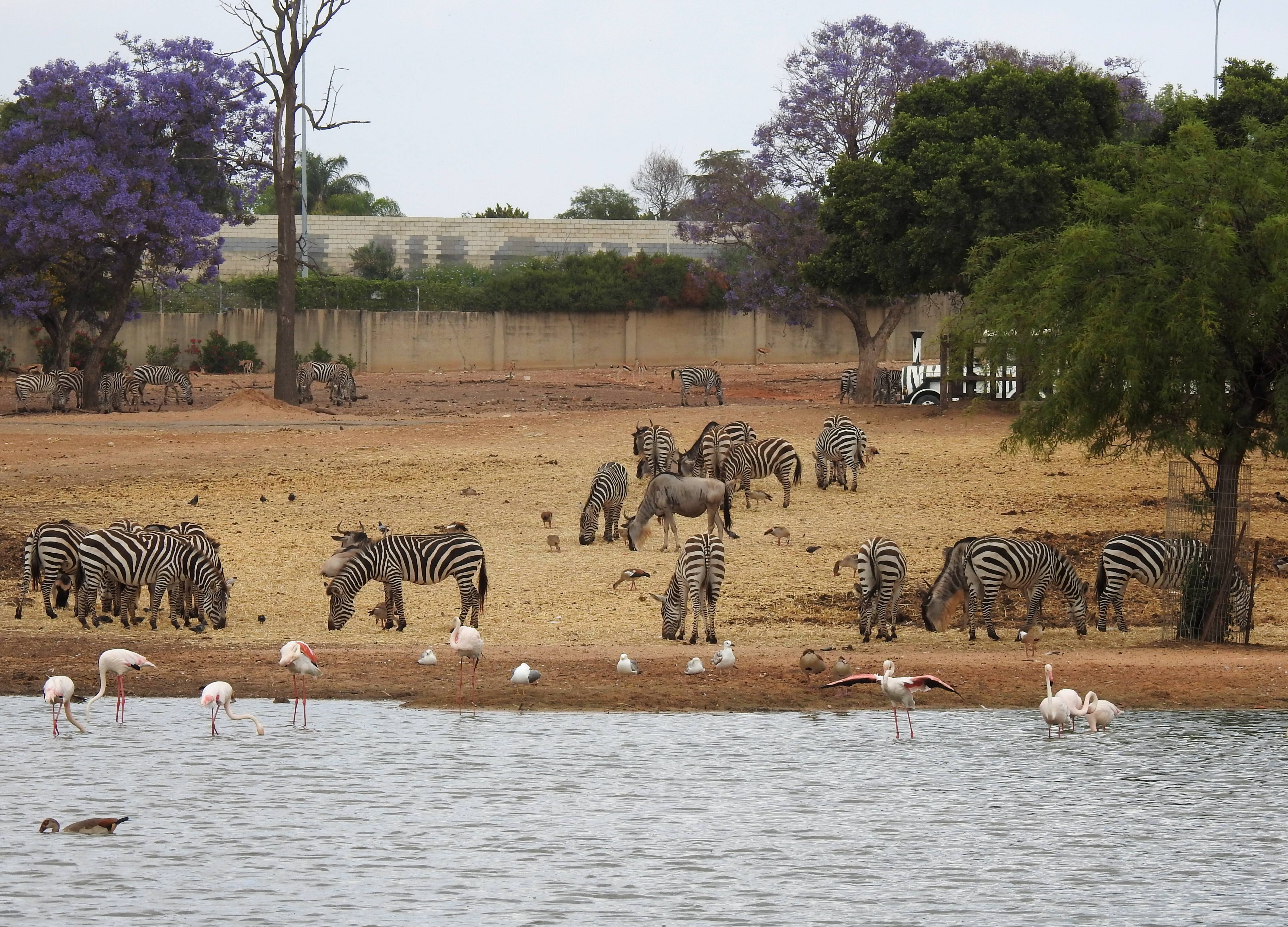
Idyllic safari scene

Idyllic safari scene

Aiming to align our visit with our son Amir’s nap schedule, we only headed over in the mid-afternoon – but thankfully, we only live a few kilometres away, so the drive was decidedly quick. Arriving in our new-to-us Honda Civic, soldiers ushered us in and we began to drive through the safari segment of the park. I had been wanting to visit the safari for quite some years, and couldn’t wait to see what lay in store for us.
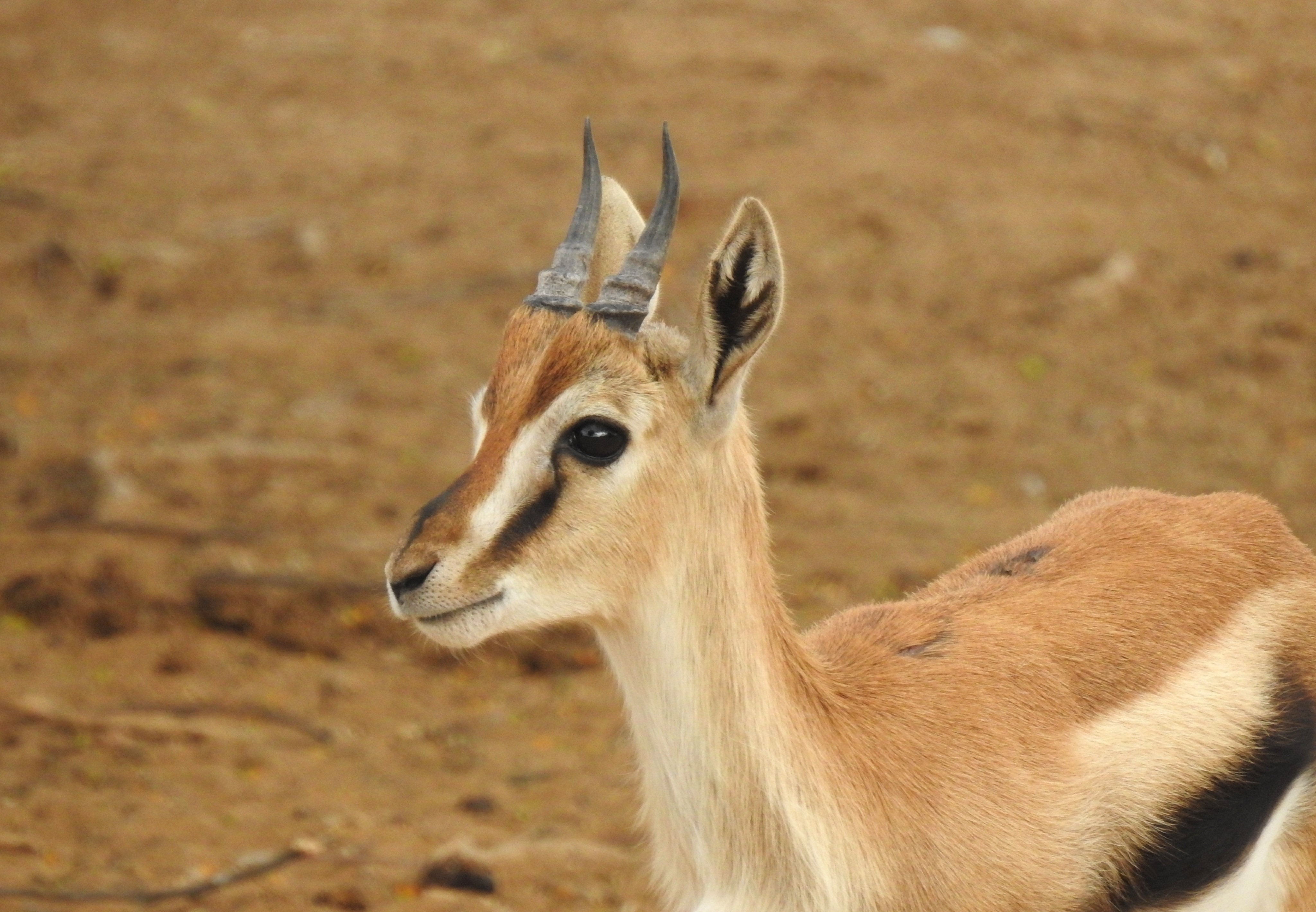
A cute Thomson's gazelle

A cute Thomson’s gazelle

The first of the animals to be seen were a variety of herbivores, primarily giant elands and Thomson’s gazelles – a scene straight out of Africa. Some plains zebras and local spur-winged lapwings dotted the landscape too, keeping with the strict colour scheme of black, brown and white. A white rhinoceros or two added some grey to the mix, although the real colour was yet to come.
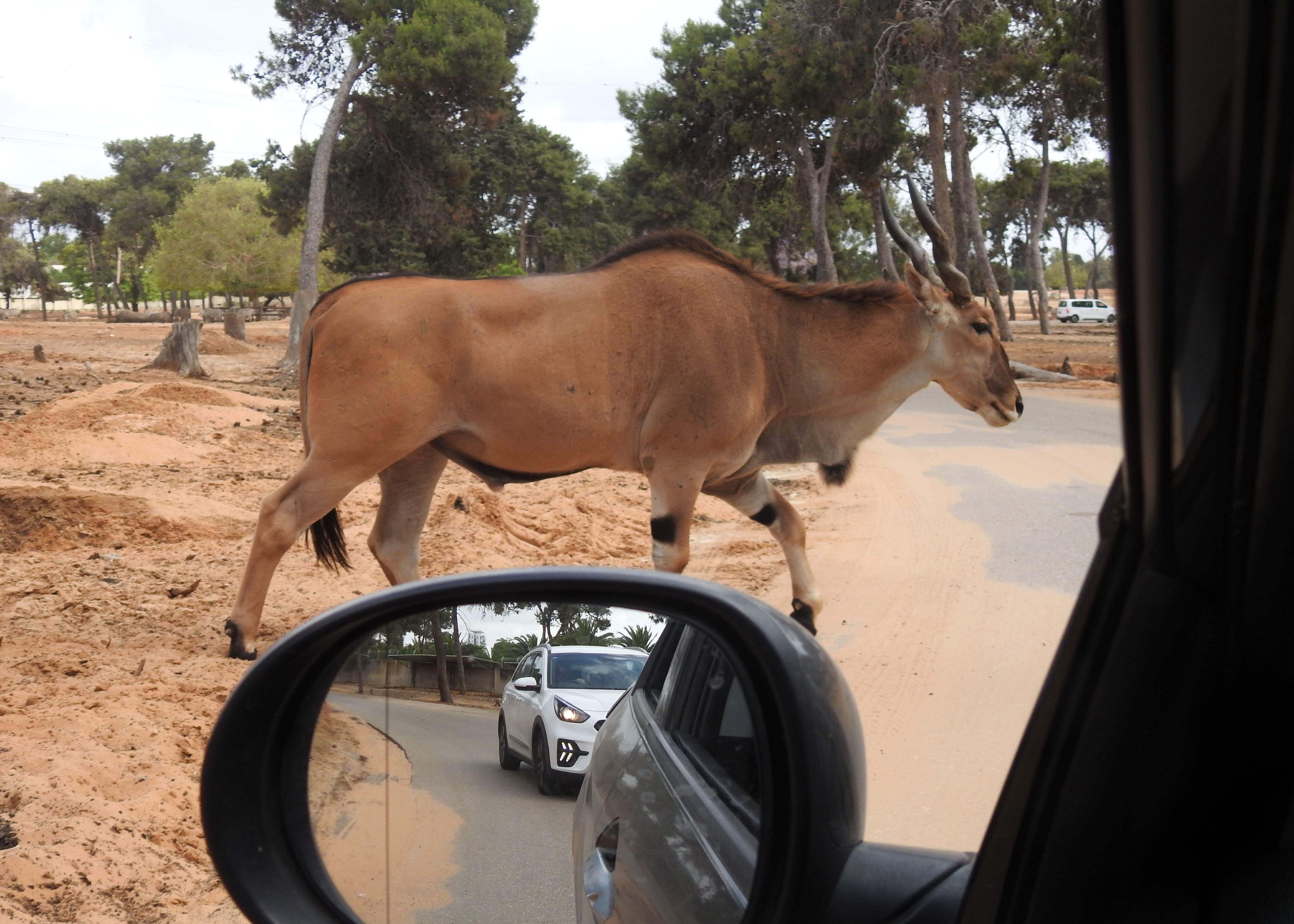
Typical safari moment

Typical safari moment

I snapped pictures here and there as we drove through the safari’s paved network of roads, hoping to spot something interesting. Some of the animals ventured relatively close by, some dashed out in front of the cars and some avoided us altogether. We kept hoping for something to be right up alongside the car, like one sees from Kruger and other parks, so that Amir would really get a good look with his little eyes. That animal was a plains zebra of sorts, can’t be too sure of the subspecies without more intensive research, and Amir got a good look as it ambled off.
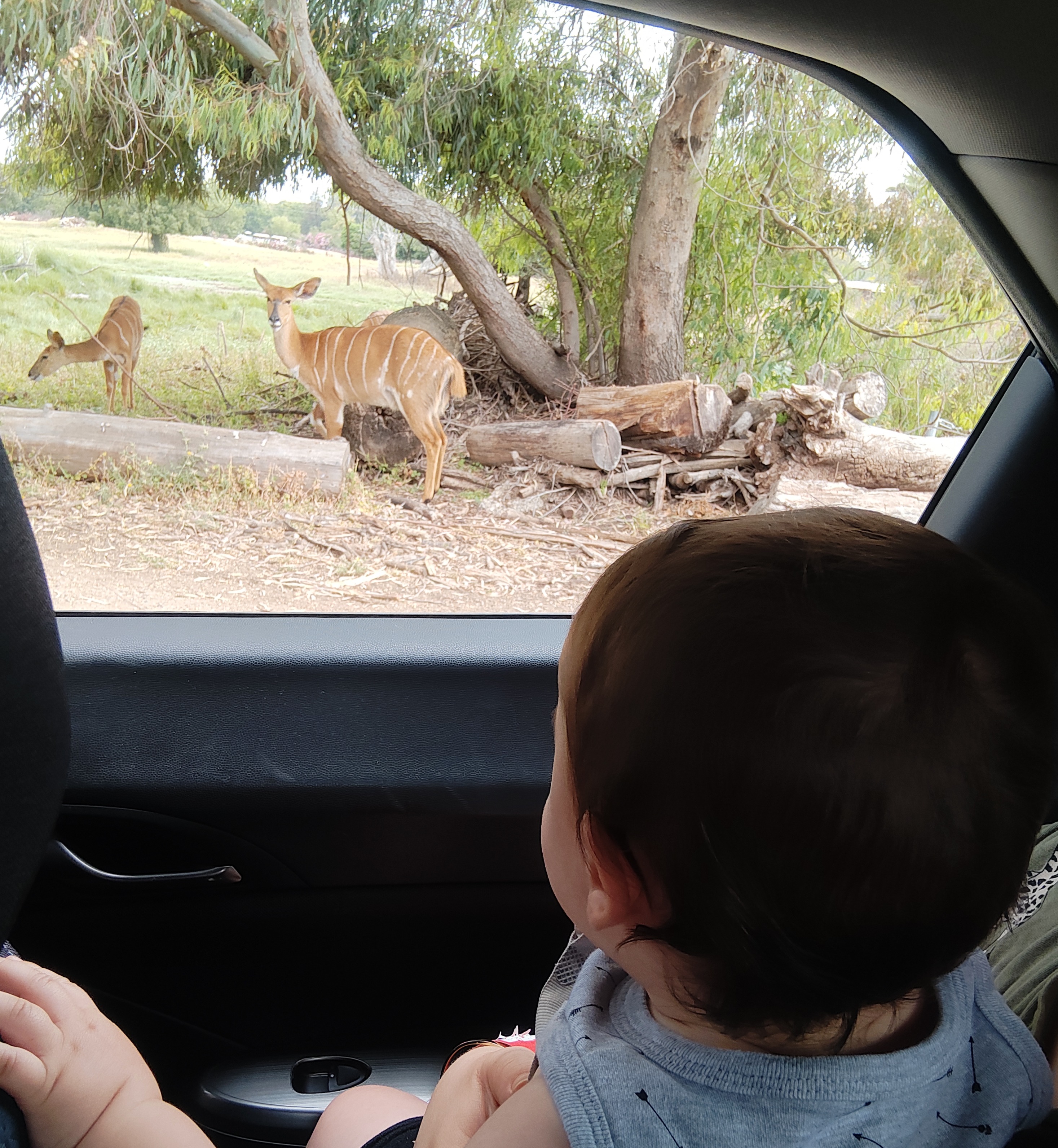
Amir getting a closer look at the kudu

Amir getting a closer look at the kudu

An upcoming watering hole held promise as I spotted both crowned cranes and marabou storks at the water’s edge. I’ve always been amused by marabou storks and it was so nice to finally see one semi-free, standing ominously with the grim appearance of a plague doctor-cum-undertaker. Some great white pelicans on the road seized our attention next, and suddenly one of the nondescript dirty lumps in the pond’s centre began to move – hippos!
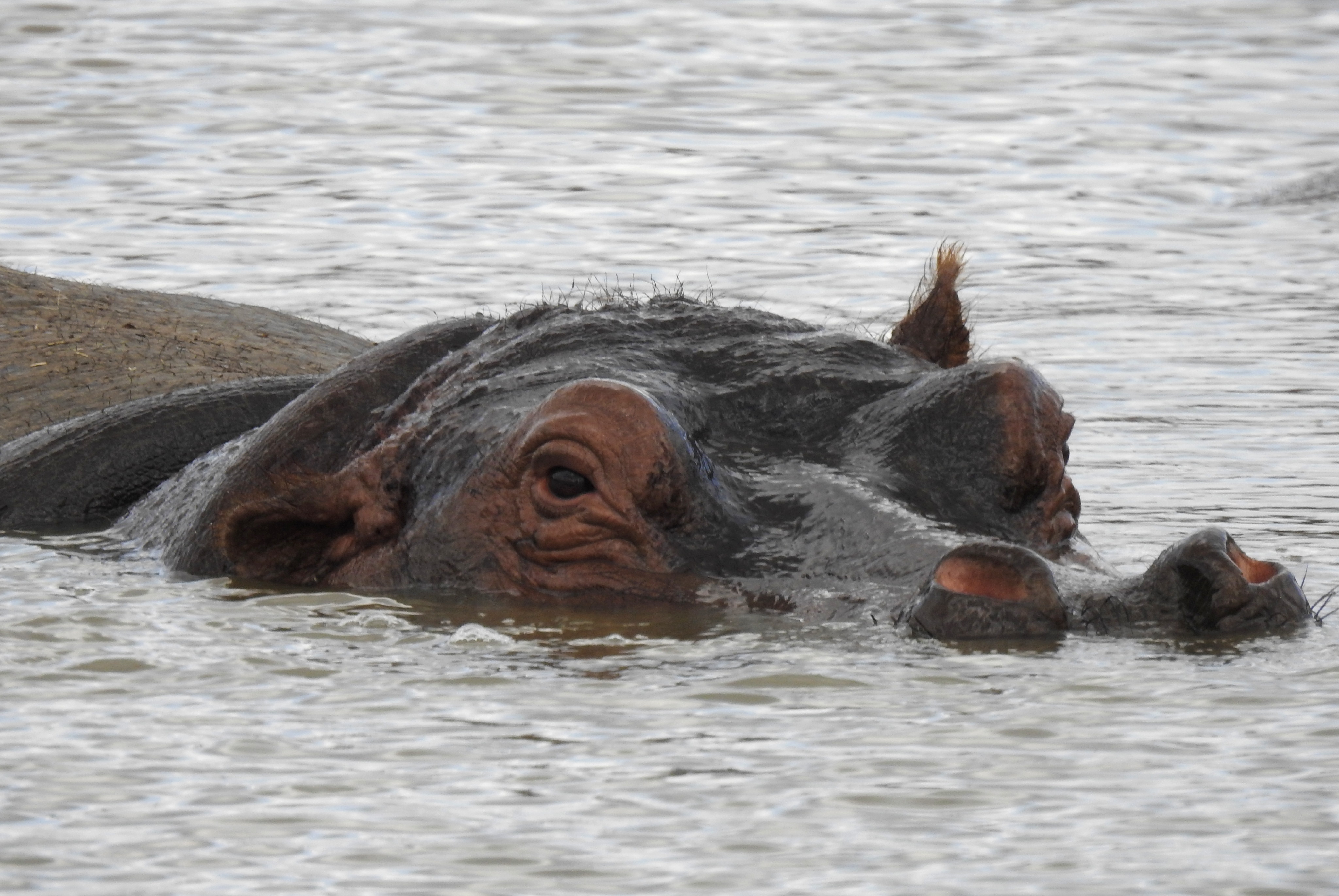
Hippo emerging from the water

Hippo emerging from the water

Greater flamingos danced in the background, flashing their rosy pink accents and brightening up the scene, a scene that was becoming more and more African. A handful of wildebeests and scimitar oryxes were seen next, mingling with the plains zebras and Thomson’s gazelles. As we progressed towards the lion enclosure, we began to see other species such as kudus and an undetermined species of giraffe.
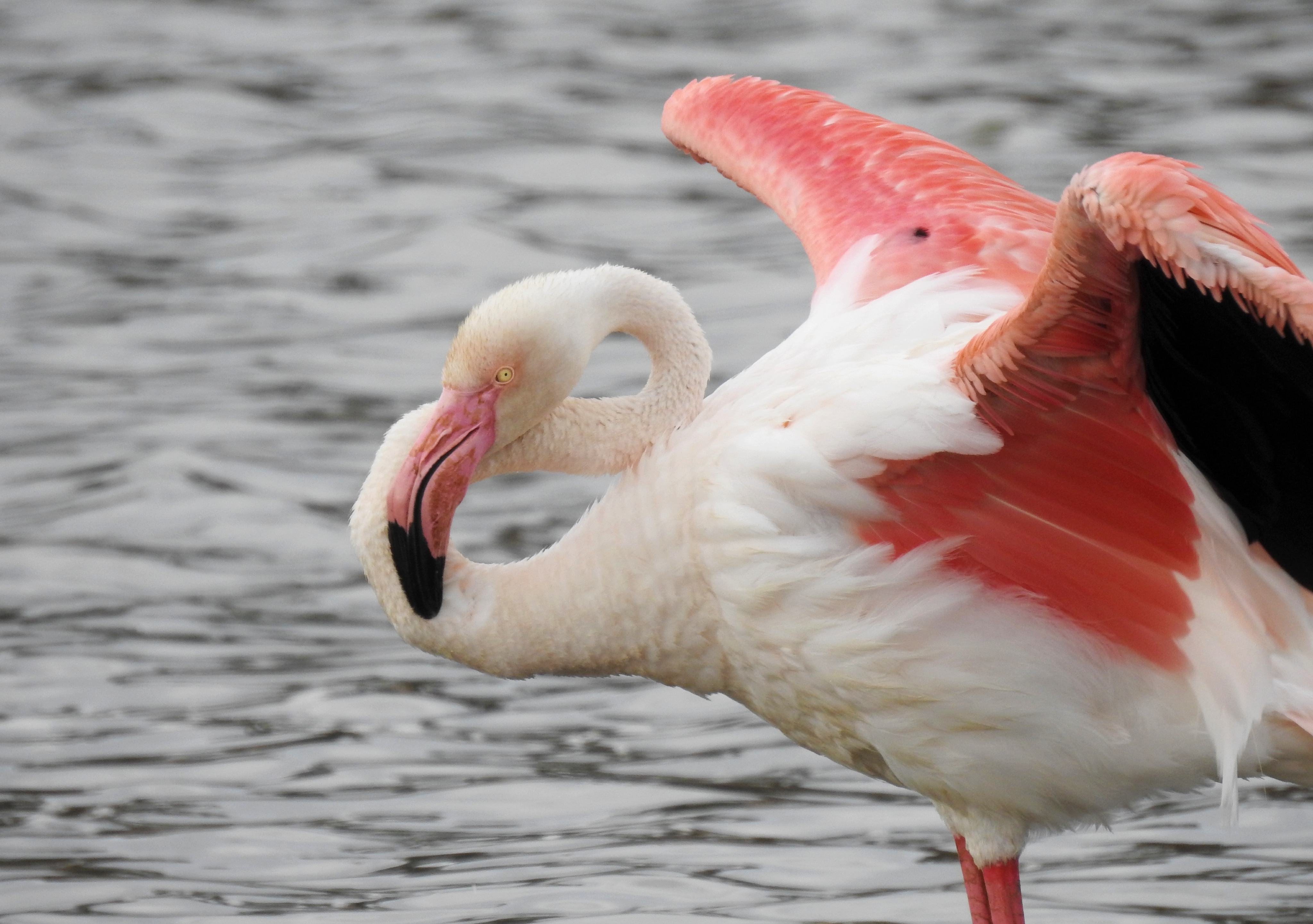
A greater flamingo showing off

A greater flamingo showing off

At last we reached the lion enclosure, protected by a double gate and manned watchtowers. We rolled up our windows and entered, peering about here and there in search of the yellow-furred predators. It was a relatively small enclosure so it didn’t take long before we found a pride of African lions lounging about the grassy hillock that was flanked by the paved road. A maned male was making some moves on one of the females, but it was atrociously difficult to take decent pictures through the glass.
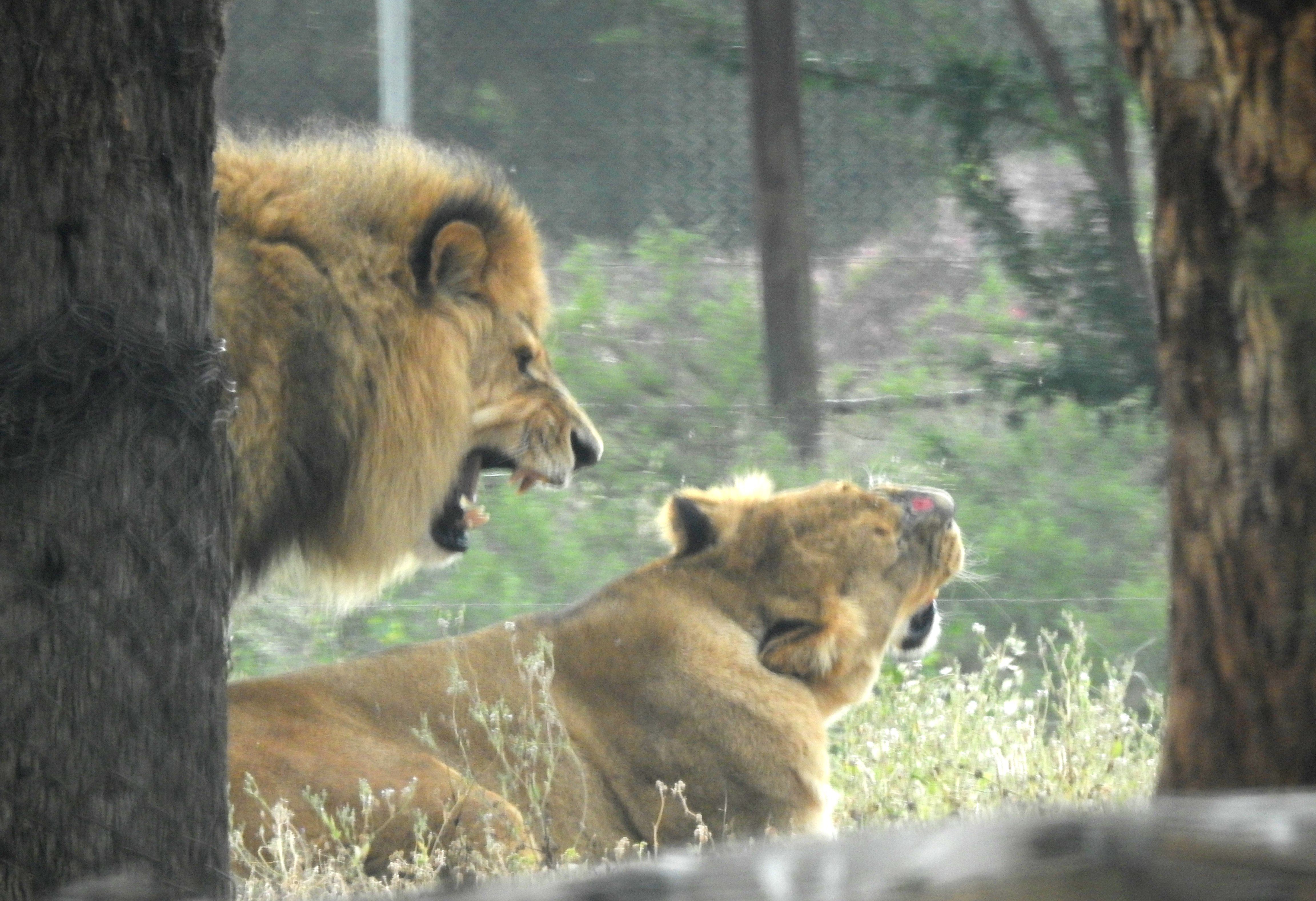
Photographing the lions through the window

Photographing the lions through the window

With the rest of the lions in late afternoon stupor, we rolled on out with the rest of the cars and headed for the zoo section of the safari. Parking and entering by foot, we saw that the IDF reservist day event had practically taken over the park. We were handed water bottles and found tables of pastries just begging to be eaten. Amir chewed on a croissant as we headed for the animal enclosures, starting with the distinctly Australian kangaroos.
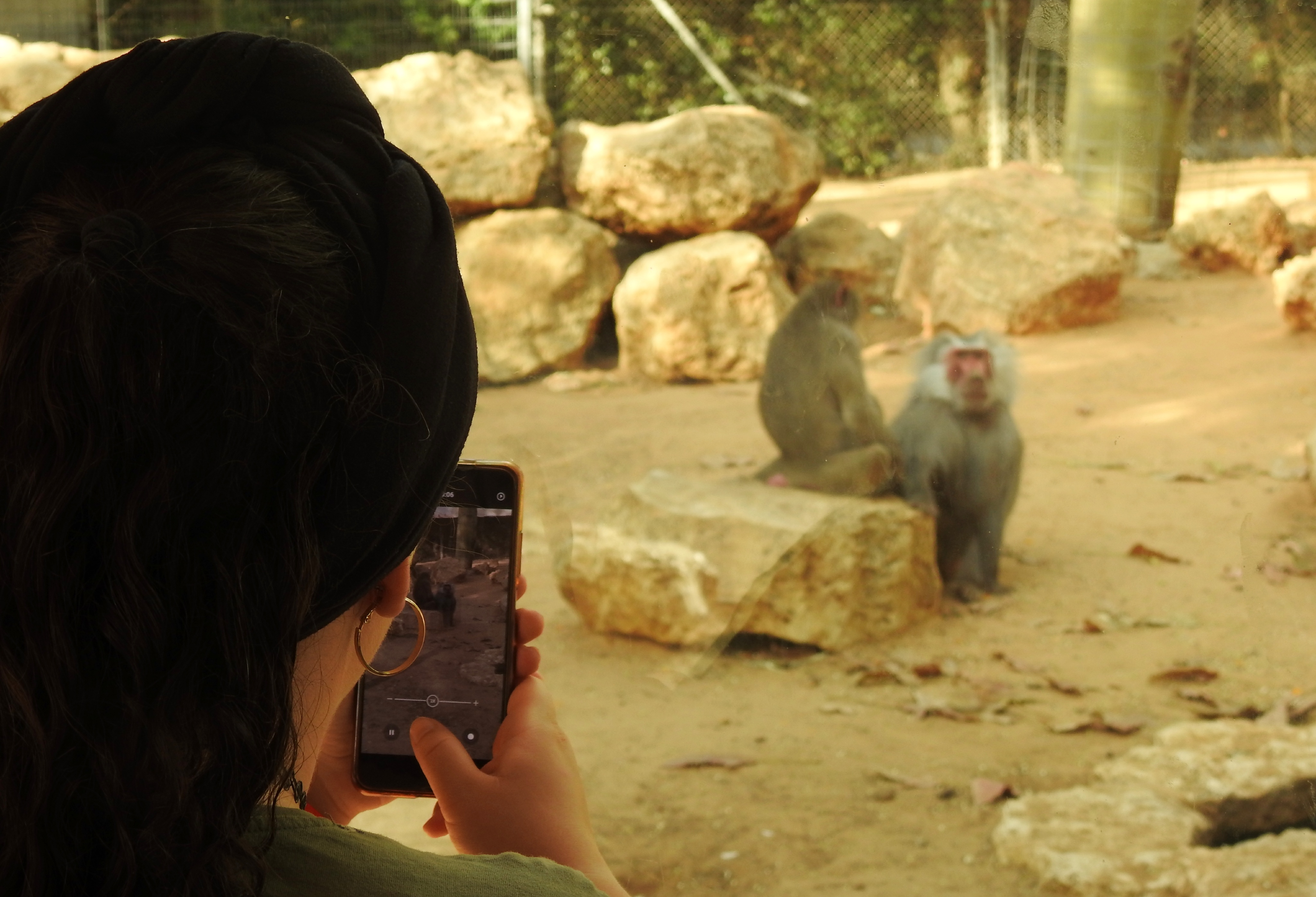
Bracha enjoying the grooming baboons

Bracha enjoying the grooming baboons

We moved on to African wild dogs and a variety of different primate species, including mandrills and baboons with their delightful seat cushions. In between the animal enclosures we found the time to get some popcorn and cotton candy (Bracha’s favourite), and then introduced Amir to some peacocks for educational and amusement purposes. We posed here and there, but for some reason Amir wasn’t having as much fun as we were, as the photos showed.

Capturing the moment as a family

Capturing the moment as a family

A quick stop at the playground, and some rejuvenating minutes on the swing, pumped new energy into Amir and Bracha alike. We moved on to the meerkats – such fun little creatures, an absolute joy to be around. One final stop at the Nile crocodile enclosure, where a behemoth of a lizard laid placid at the edge of a small murky pool, and we felt like we had seen enough.
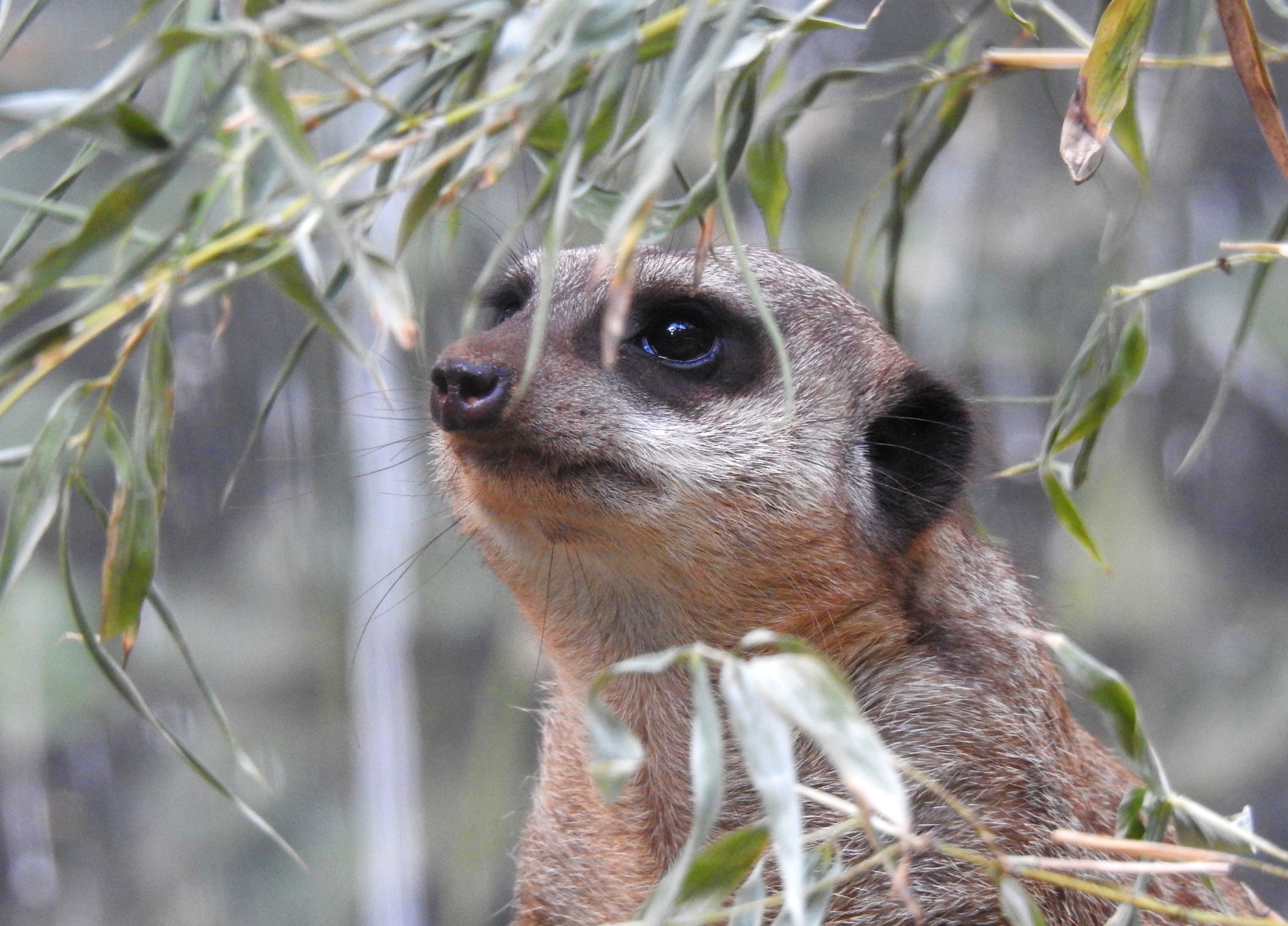
The ever-watchful meerkat

The ever-watchful meerkat

It wasn’t that the zoo wasn’t nice – I was rather pleased by the leafy abundance all over, something that lended to a more natural feeling, despite the fences and cages. Certainly, it was more impressive than the Haifa Educational Zoo which Bracha and I had visited a year prior, but in the end it is still just a zoo.

Bracha and her cotton candy

Bracha and her cotton candy

For nature lovers, there feels to be something lacking when seeing the animals cooped up as such, even if these same animals can’t be reintroduced to the wild for many valid reasons. Nonetheless, I’m happy that I finally had the chance to visit the local safari, but with the same breath, I’m happy it was free.
The Sir David Salomons Collection of Watches and Clocks

In Israel, Jerusalem on June 15, 2023 at 7:11 AM

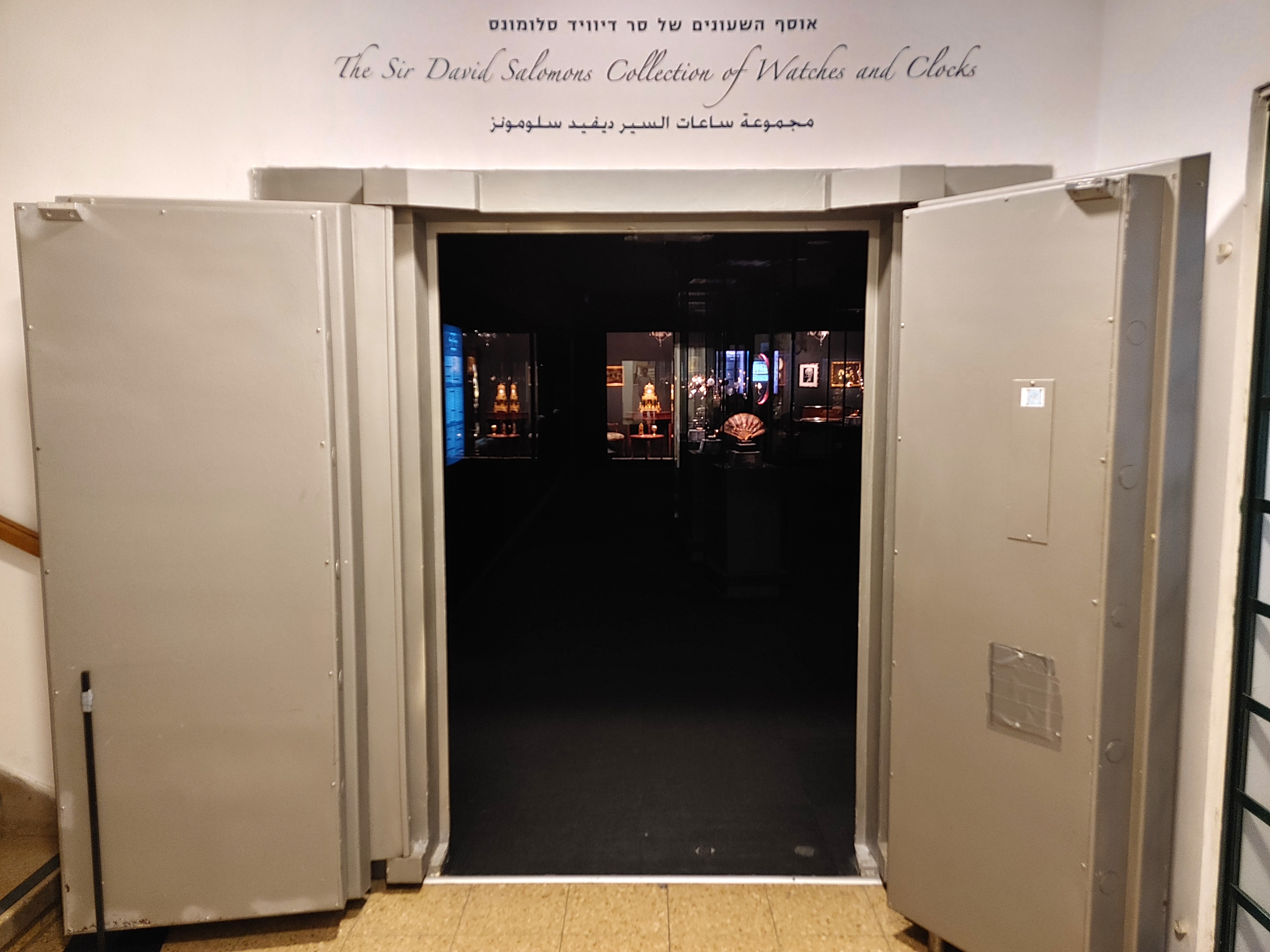
Resuming the report on the Museum for Islamic Art, our final destination was to a very special exhibit – one that deserves, and merits, its own blog post. I speak of the Sir David Salomons Collection of Watches and Clocks, hosted in a dark bomb shelter in the museum’s lower floor. Interestingly enough, I was unaware that this exhibit existed when planning our trip to the museum, but having a soft spot for horology, this came as quite the welcome surprise.

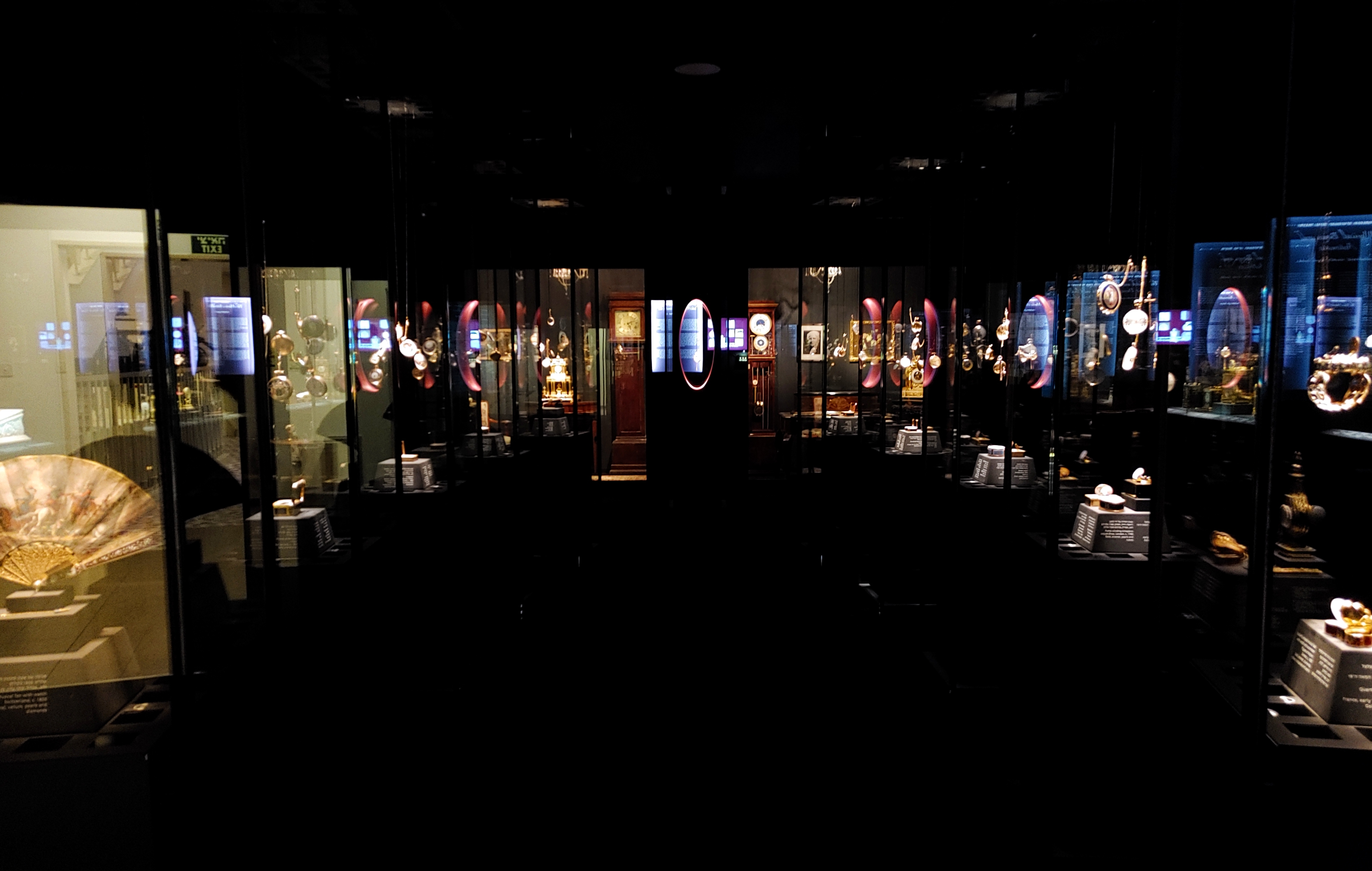
Rows of timepieces on display

Rows of timepieces on display

As stated before, we finished exploring the rest of the museum and came upon the open heavy bomb shelter doors that kept the watch collection safe in relative darkness. We crossed the threshold and began to examine the 200 or so timepieces in the collection. I was immediately struck by the simplistic beauty of the timepieces dangling in the darkness, perfectly illuminated as to give the appearance of time suspended indefinitely.

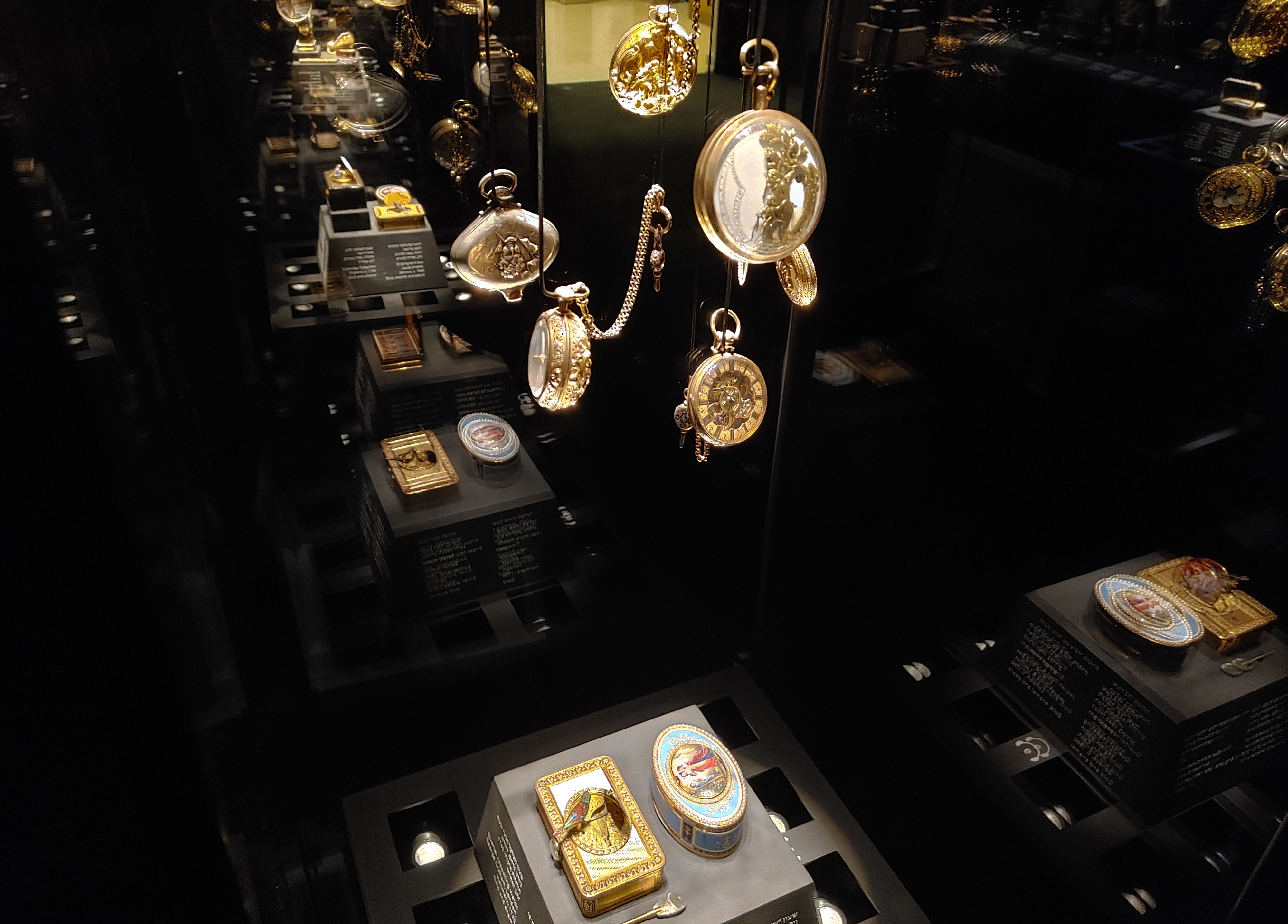
So many precious timepieces

So many precious timepieces

My perusal began with an assortment of gold French and Swiss timepieces from the 1800s, each one more magnificent than the next. It was hard not to marvel endlessly at the incredibly fine craftsmanship with each and every piece. The fine detailing that complimented the elegant and timeless designs showcased a mechanical marvel that ticked away ever so gently.

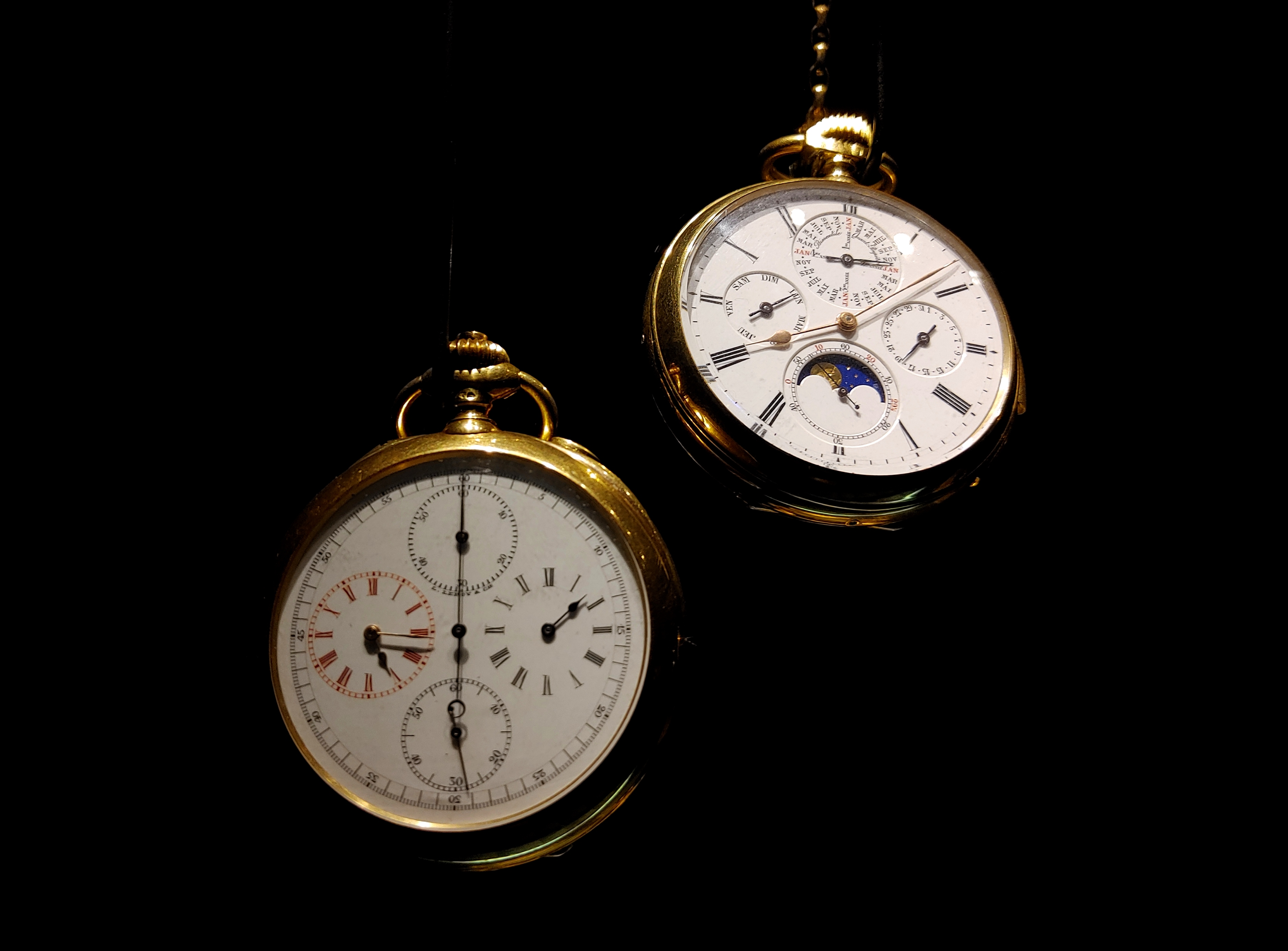
Two L. Leroy et Cie pocket watches

Two L. Leroy et Cie pocket watches

While the collection does feature a good number of stationary clocks, it was the handheld pocket watches that intrigued me most. Unbeknownst to many, my friend and frequent guest on this blog, Adam Ota, has been dabbling in the world of watch movement mechanics for a couple of years now. His speciality is in the timepieces that were crafted in the Soviet Union, practical and relatively inexpensive to source.

The rare exhibit's humble setting

The rare exhibit’s humble setting

Over these years he has gifted me two elegant Soviet wristwatches, both of which he personally cleaned, tuned and realigned to proper working order. The first, which I wore to my wedding (see HERE), was a gold-plated, 23-jeweled Luch timepiece from the 1970-80s or so. The second is a 16-jeweled Svet watch, dated to around the same time, which can be seen HERE.

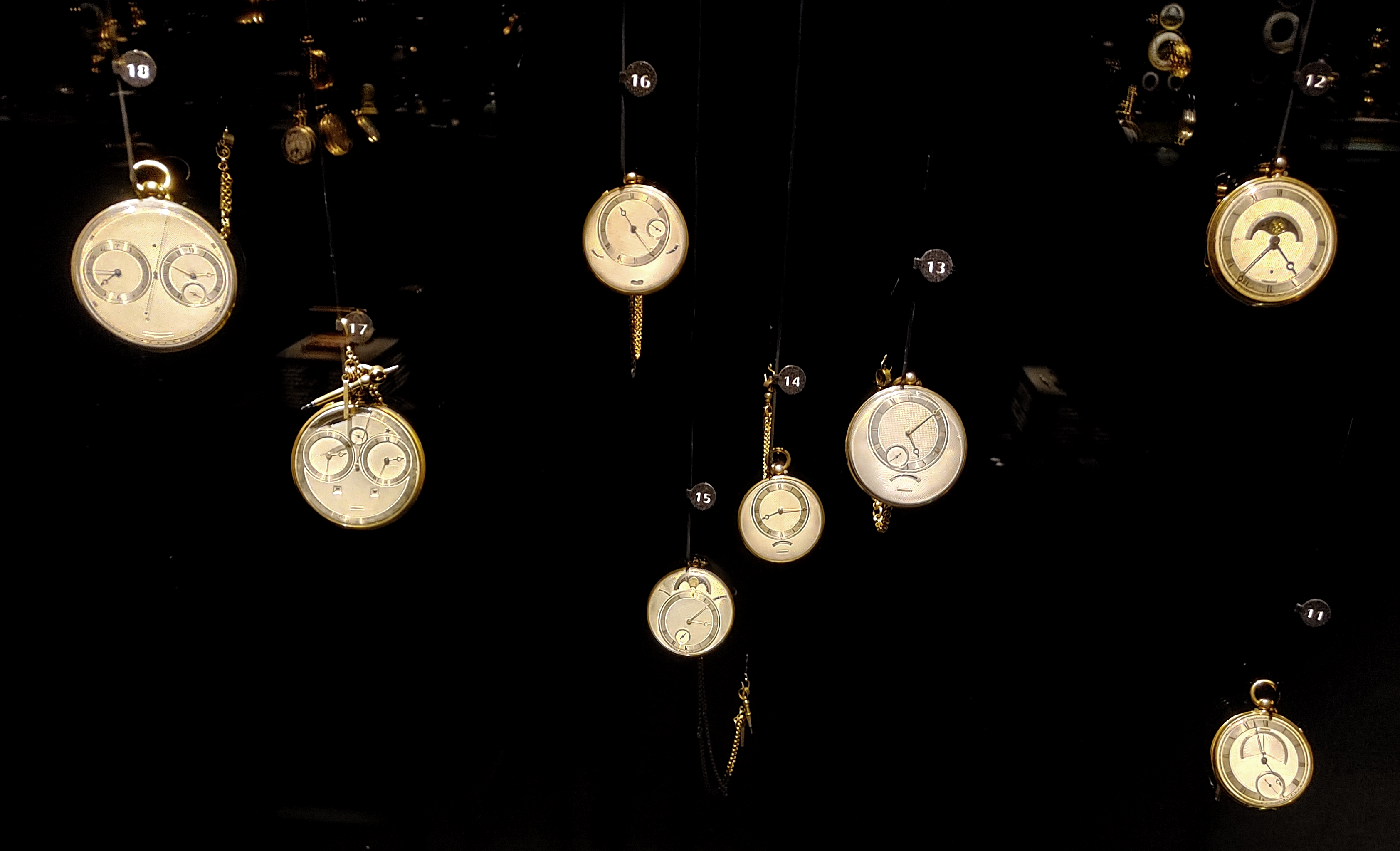
A variety of Breguet pocket watches

A variety of Breguet pocket watches

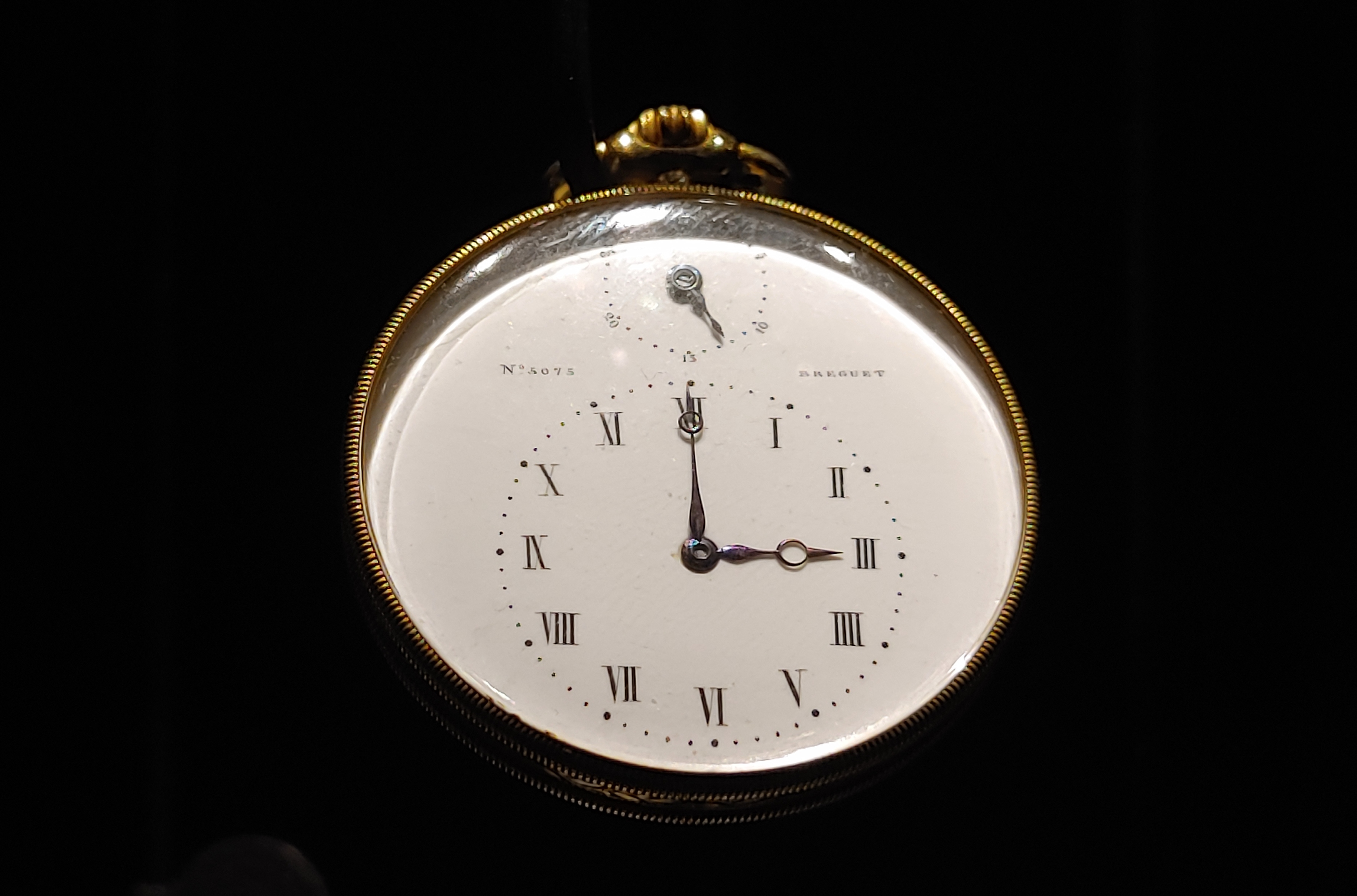
Needless to say, I can appreciate a fine timepiece, and so when we delved into the incredible masterpieces of Breguet, one of the foremost horologists of all time, I may have been slightly euphoric. Of the Breguets on display, the following two caught my eye the most: Breguet No. 148 from 1792 and Breguet No. 5075 which was sold in 1857, both tastefully crafted of gold and enamel.

Breguet No. 5075

Breguet No. 5075

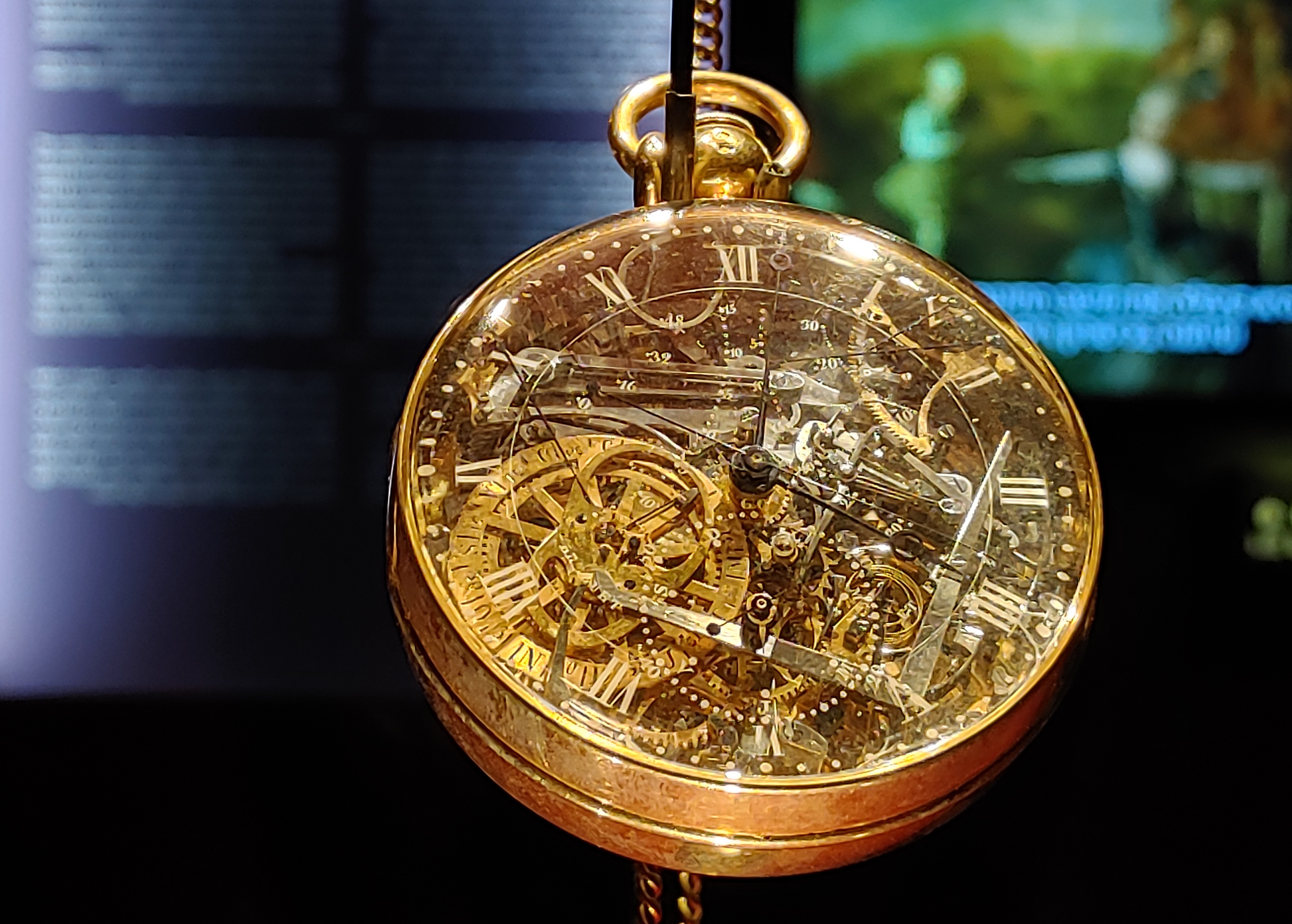
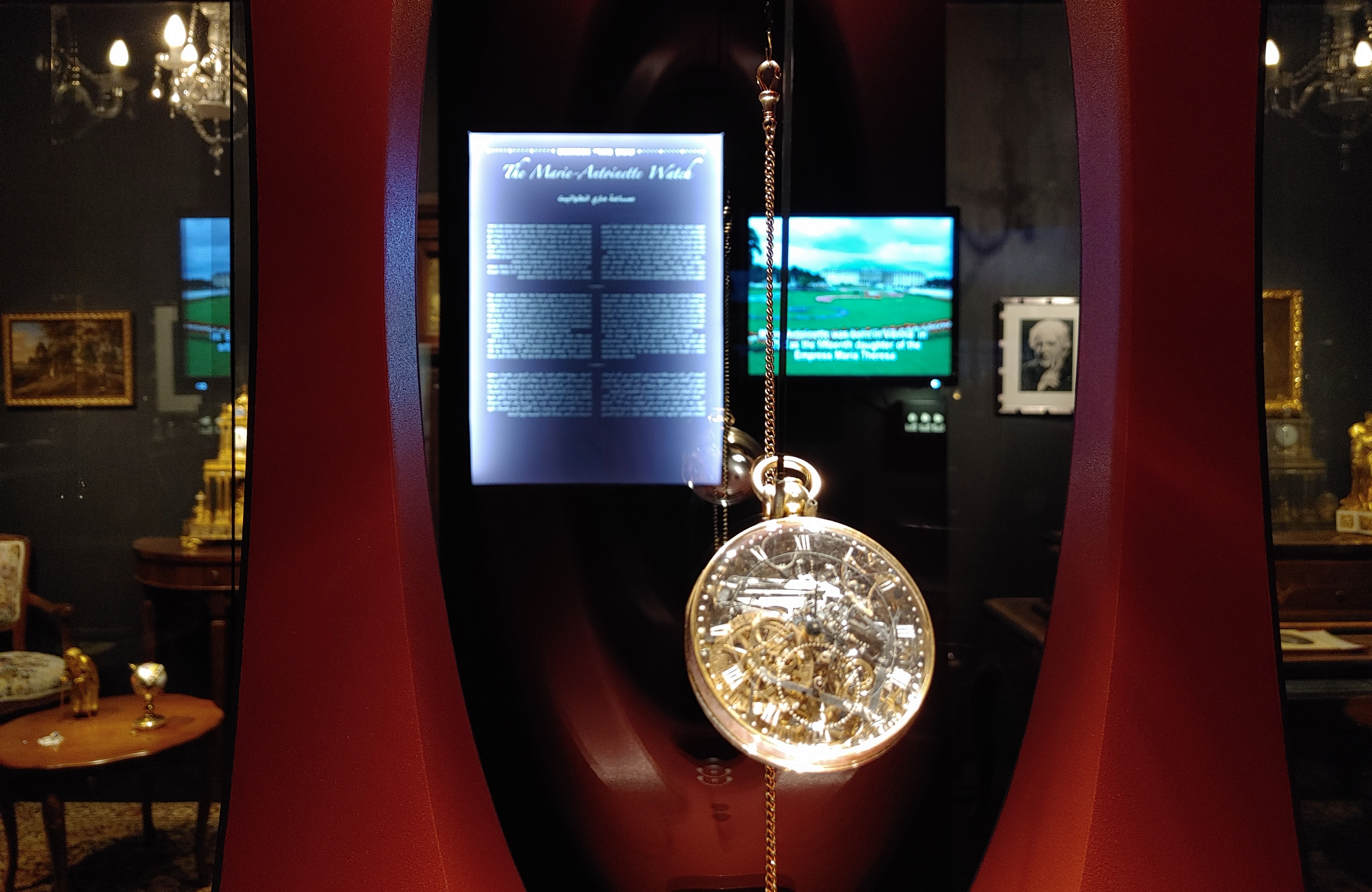
The pièce de résistance of the collection, and of Breguet as a man and brand, is the magnificent Marie Antoinette watch (or officially, the Breguet No. 160 “The Grand Complication”). To quote the BBC, it is “the most valuable and famous watch in the world” and it befuddles my mind to realise that it was relatively humbly displayed in the basement of an obscure museum, when put into worldwide proportions. But there it was, suspended and illuminated inside a special glass case, for all to see.

Breguet's Marie Antionette watch

Breguet’s Marie Antionette watch

It was commissioned in 1783 for Marie Antoinette, then-Queen of France, and wasn’t completed until 1802. The objective given to master horologist Abraham-Louis Breguet was to add every possible feature, or complication, to the watch, so that it would be the most fantastic timepiece ever. However, once finished, Marie Antoinette wasn’t around to receive it, having been famously executed by guillotine. The watch remained in the watch firm’s hands until the late 1880s when it was sold, and then purchased again by Sir David Salomons in the 1920s and eventually put on public display. 

The Marie Antionette watch on display

The Marie Antionette watch on display

Fascinatingly, and something that I had not known before, it and over 100 other invaluable timepieces were stolen in the 1980s in what is known as one of the biggest museum heists in history. In a sensational story which ended with the death of the thief in 2004, his widow’s attempt to resell the stolen contraband, a criminal investigation, and the eventual recovery of only some of the missing timepieces – sadly, some are still at large. 

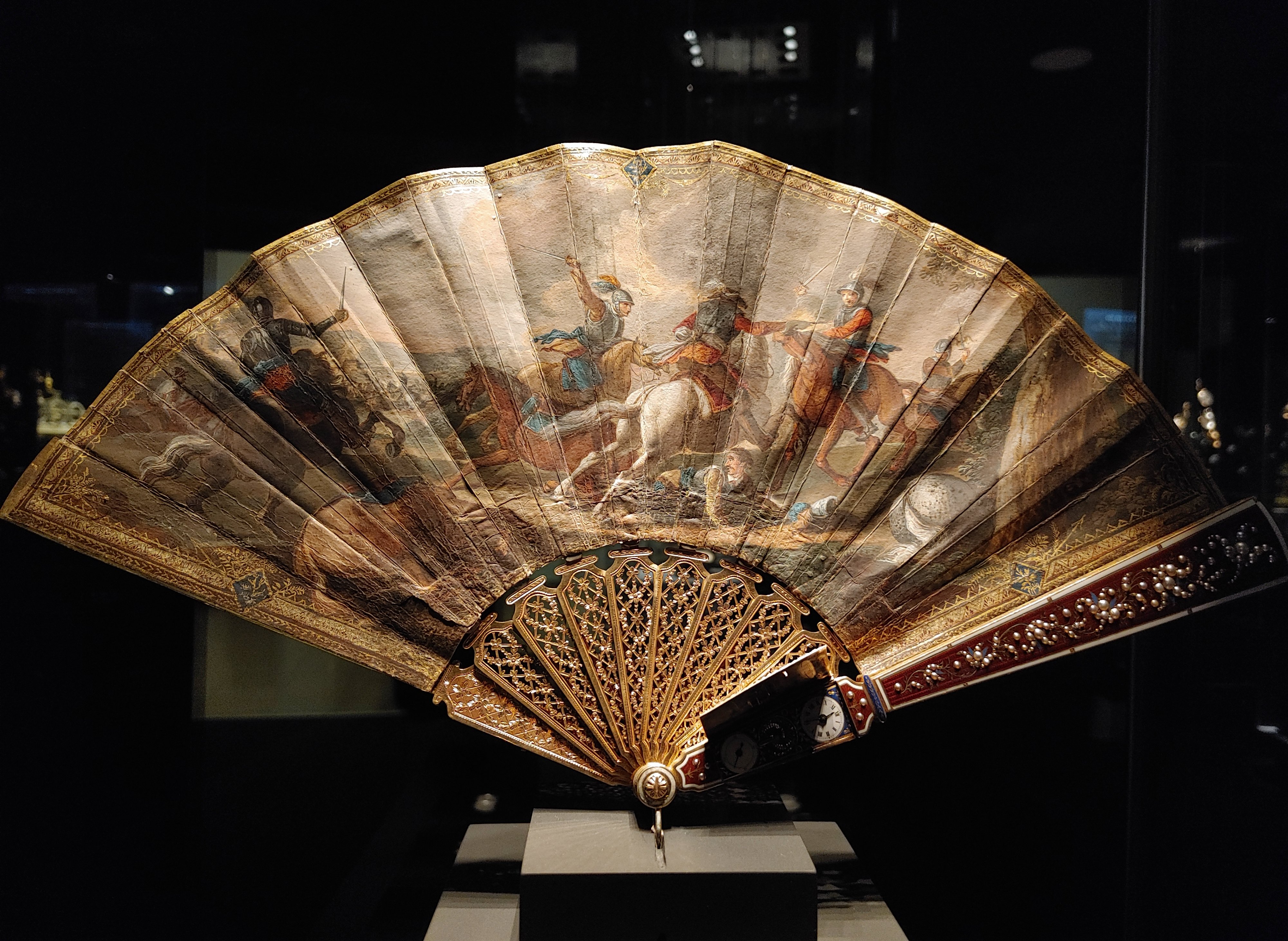
A Swiss musical fan with watch

A Swiss musical fan with watch

After our trip to the museum I did a moderate amount of research to learn more about the Marie Antionette watch, and of course the infamous theft, and came across some rather interesting content. Topping the chart was a BBC piece from 2016 where nonagenarian watch enthusiast Nicholas Parsons goes on a journey retracing the life of the Marie Antionette watch from Abraham-Louis Breguet’s first workshop on Paris’s Quai de l’Horloge to Israel, the watch’s new home. This hour-long video is conveniently available on YouTube, and can be watched HERE.

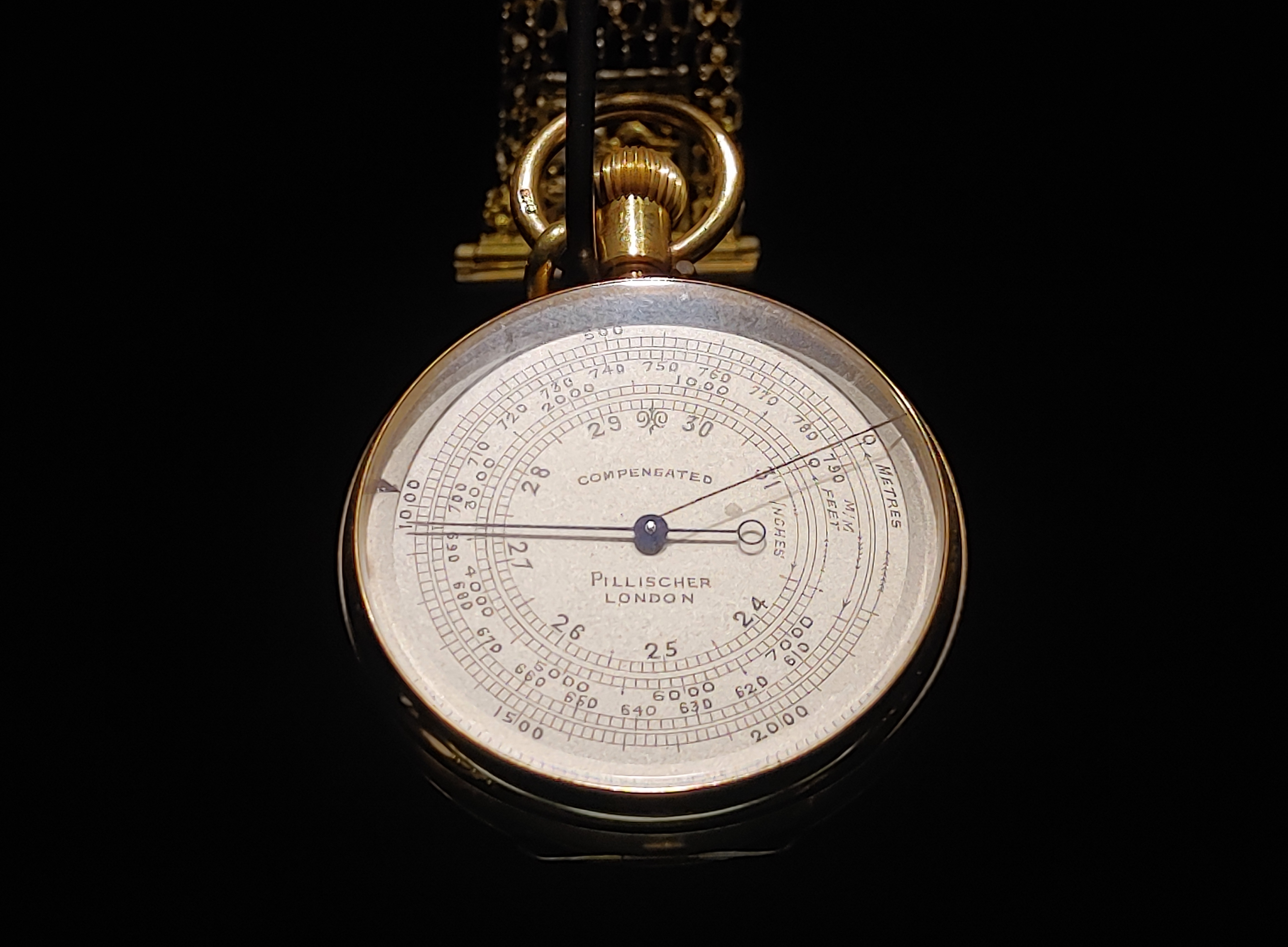
An aneroid barometre by M Pillischer of London

An aneroid barometre by M Pillischer of London

Moving along, I have always had an affinity for skeleton watches, the intricate movement laid bare to the viewer’s eye, so thankfully for me there were a few skeleton clocks on display as well. That and a good handful of obscure pieces such as barometres, thermometers, sundials, pocket telescopes and compasses were more than enough to diversify the impressive collection.

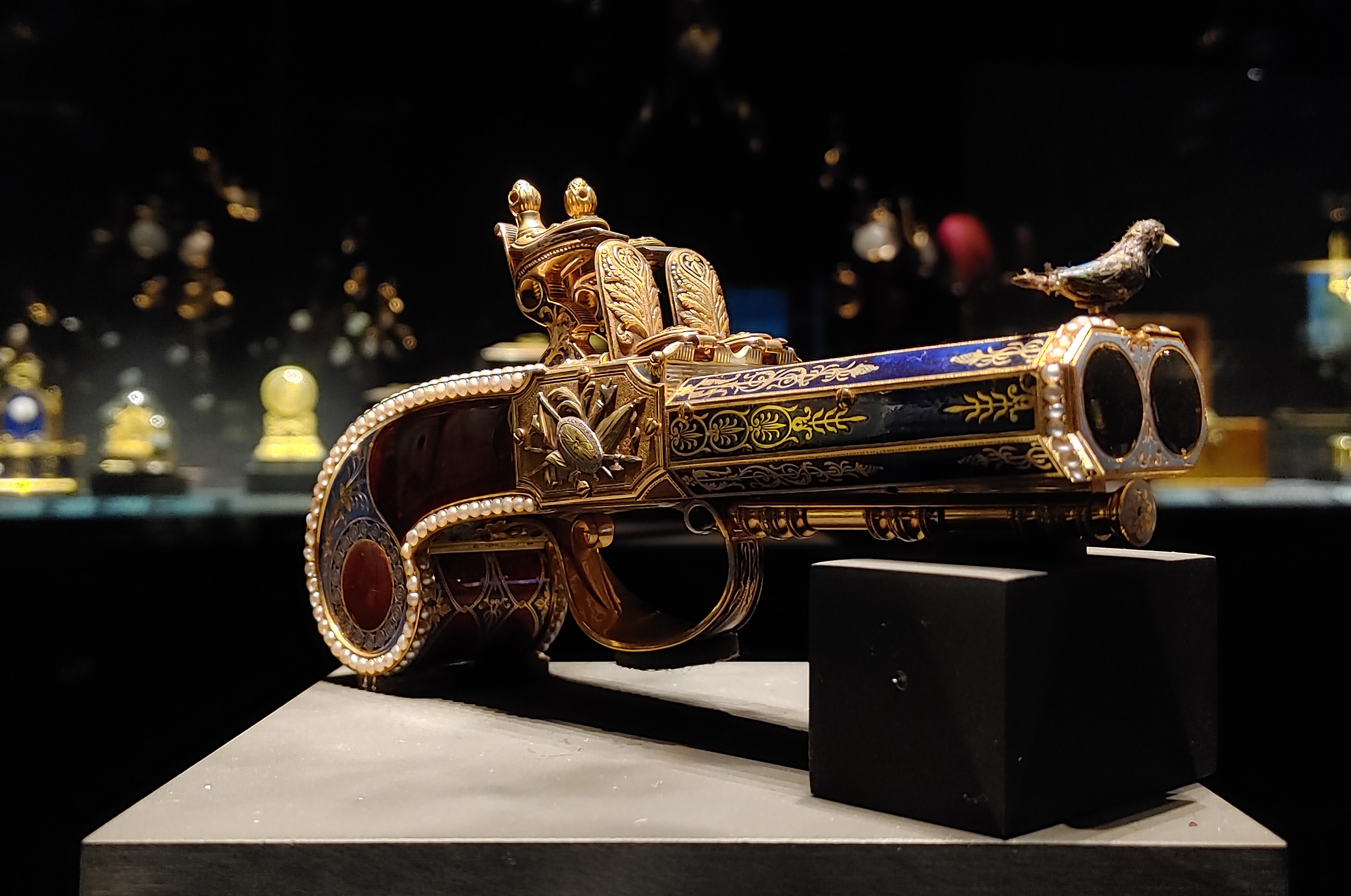
Frères Rochat's singing bird pistol

Frères Rochat’s singing bird pistol

There were timepieces of all sorts, including astronomical clocks, mantel clocks and automated musical boxes. Yet, it was the still simple pocket watches that excited me most – particularly those with cleanly designed dials, such as a pair of L. Leroy et Cie pocket watches. Some of the timepieces were more on the creative side, such as a collapsible Swiss musical fan, adorned with pearls and diamonds. A singing bird pistol with a small watch embedded in the butt was the innovation of Swiss watchmaker Frères Rochat in the early 1800s. 

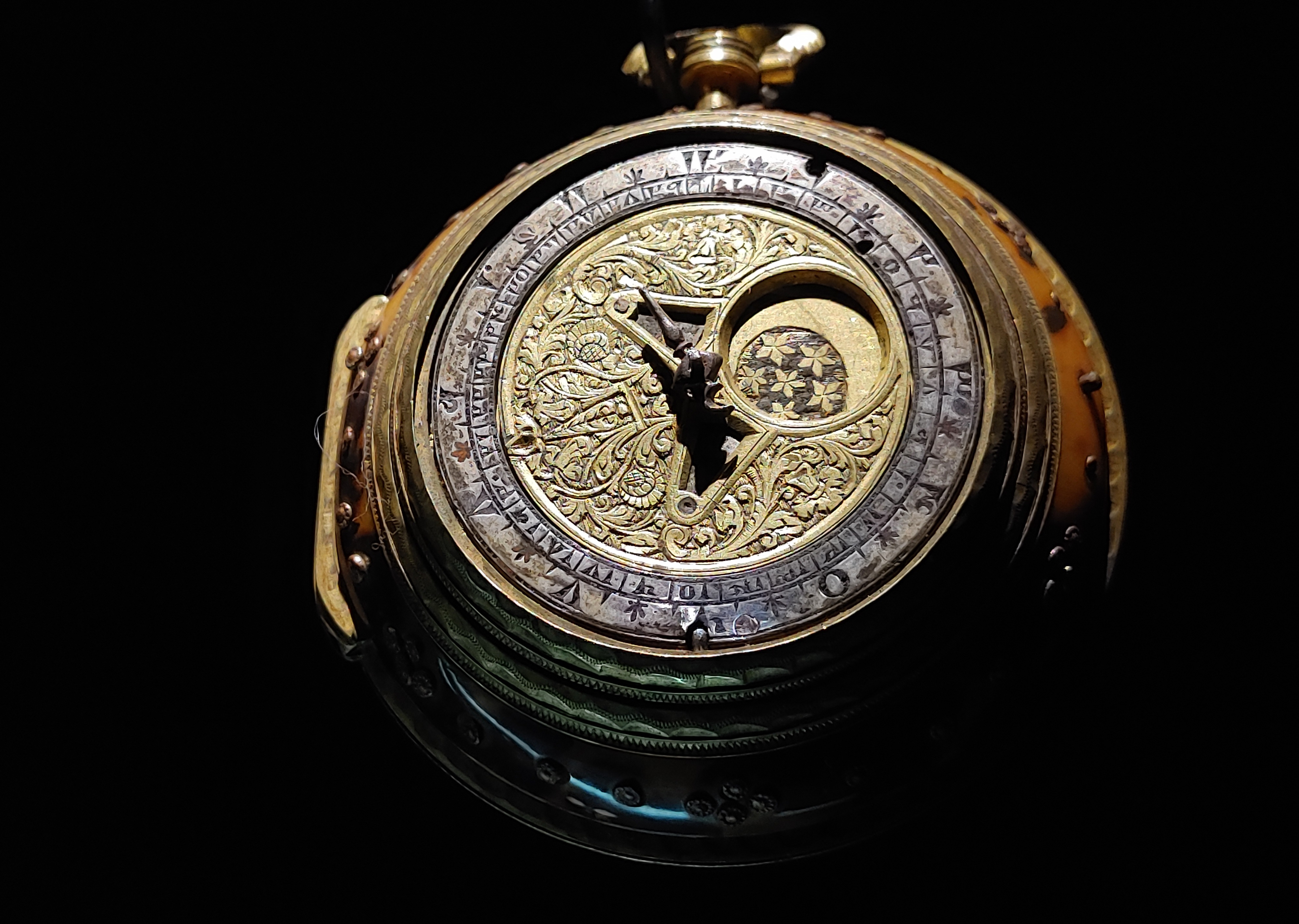
A Turkish calendar watch from the 1600s

A Turkish calendar watch from the 1600s

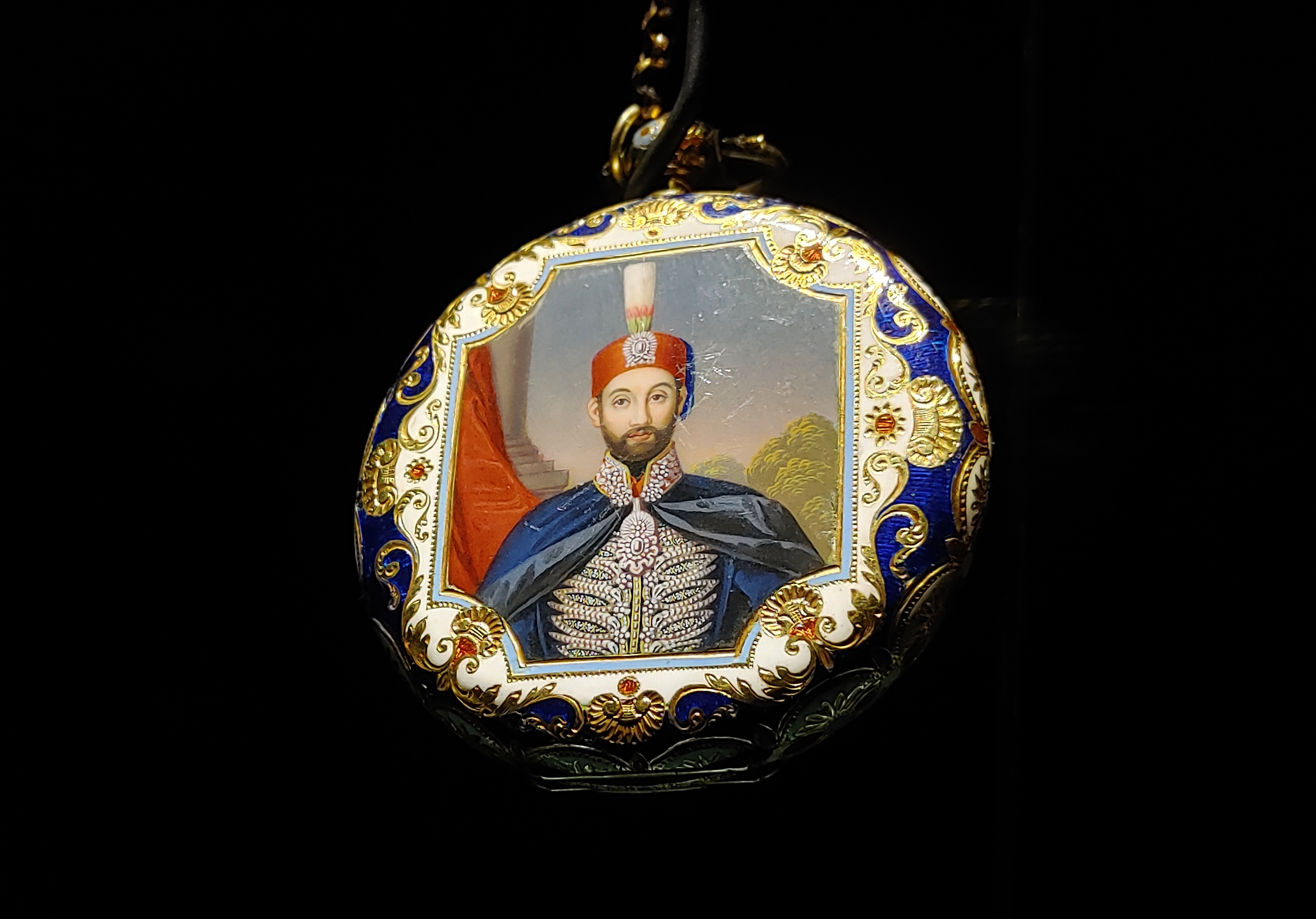
Fine craftsmanship was not limited to the French and Swiss, on display were representatives of timepieces from countries such as England, Japan and Turkey. Some were, in fact, Swiss-made for foreign markets, such as one featuring the portrait of Ottoman sultan Abd al-Majid, crafted by Augt. Courvoisier & Cie in around 1850.

Augt. Courvoisier & Cie timepiece for Turkish markets

Augt. Courvoisier & Cie timepiece for Turkish markets

It took but twenty minutes or so to peruse the priceless collection, but it was a moment captured in time that I should be hard pressed to forget. Never have I seen such an awe-inspiring collection of timepieces, and when will such occasions rise again. I left the museum feeling slightly odd, that the last – seemingly unrelated exhibition – had eclipsed the sensations created by the rest of the artefacts and collectibles on display. At least it was a good sort of odd, feeling thankful for my opportunity to visit at long last.