The final chapter in the adventures of summer 2025 took place closest to home, just outside the security fence of Elkana, about 500 metres from our front door. Being at the edge of the Shomron (Samaria), the topography is of low stony hills with a fair amount of short greenery, much of which turns golden brown in the heat of the summer. I invited steadfast travel partner Adam along to explore the open land just west of Elkana, where a questionable blackwater stream flows between the gentle hills.
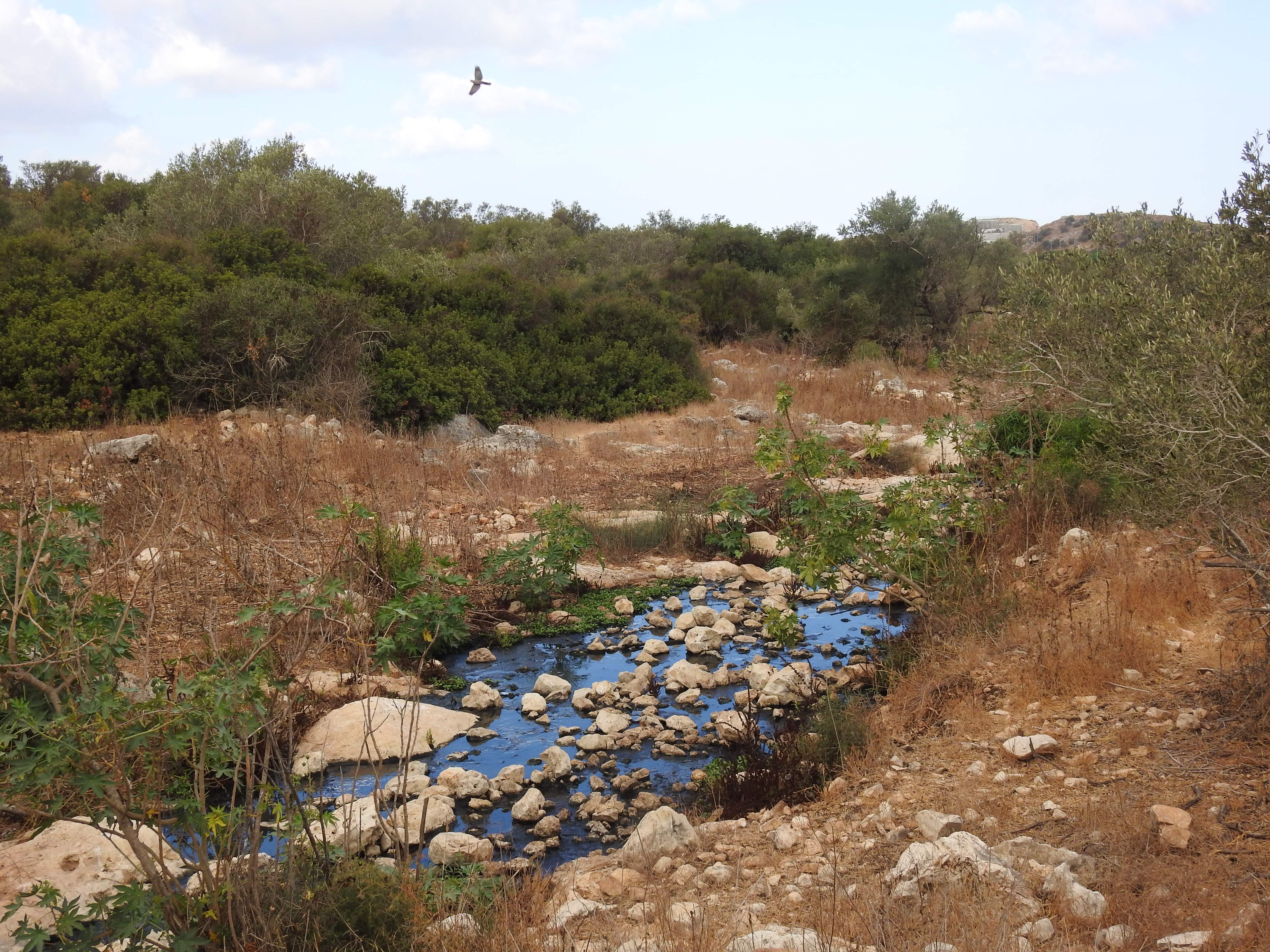
Blackwater stream flowing west
Having explored a bit of the area closest to us over the months of operating a trail camera, I had a rough idea of how to make the most of our chosen Friday morning, the first day of August. My initial plan was to hike parallel to the stream for as long as we could, and then cross over and hike back on the other side. Little did I know, there was much to see along the way, and a whole lot more that was left yet-unexplored for another time, whenever that may be.
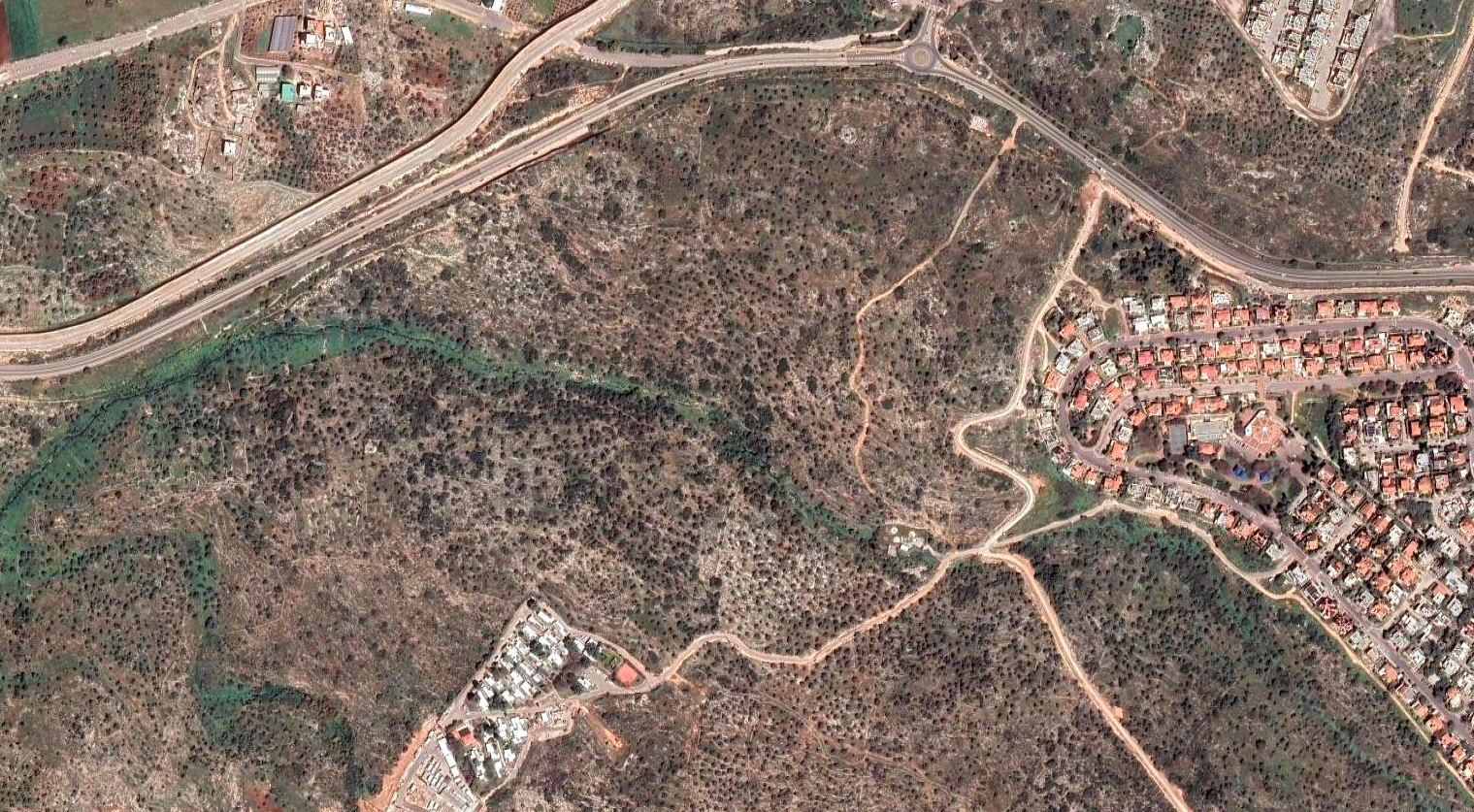
Aerial map of the region with Elkana to the right (photo Google Maps)
We parked beside the water treatment structure between Elkana and Magen Dan and began our little hike with gusto. As always, there was a particularly unappealing odour that emanated from the semi-processed sewage water but we steeled our resolve and stuck as close to the stream as we could. There were multitudes of glossy ibises and European bee-eaters to keep us company, to say nothing of the many Lycaenidae (or gossamer-winged) butterflies that distracted us plenty.
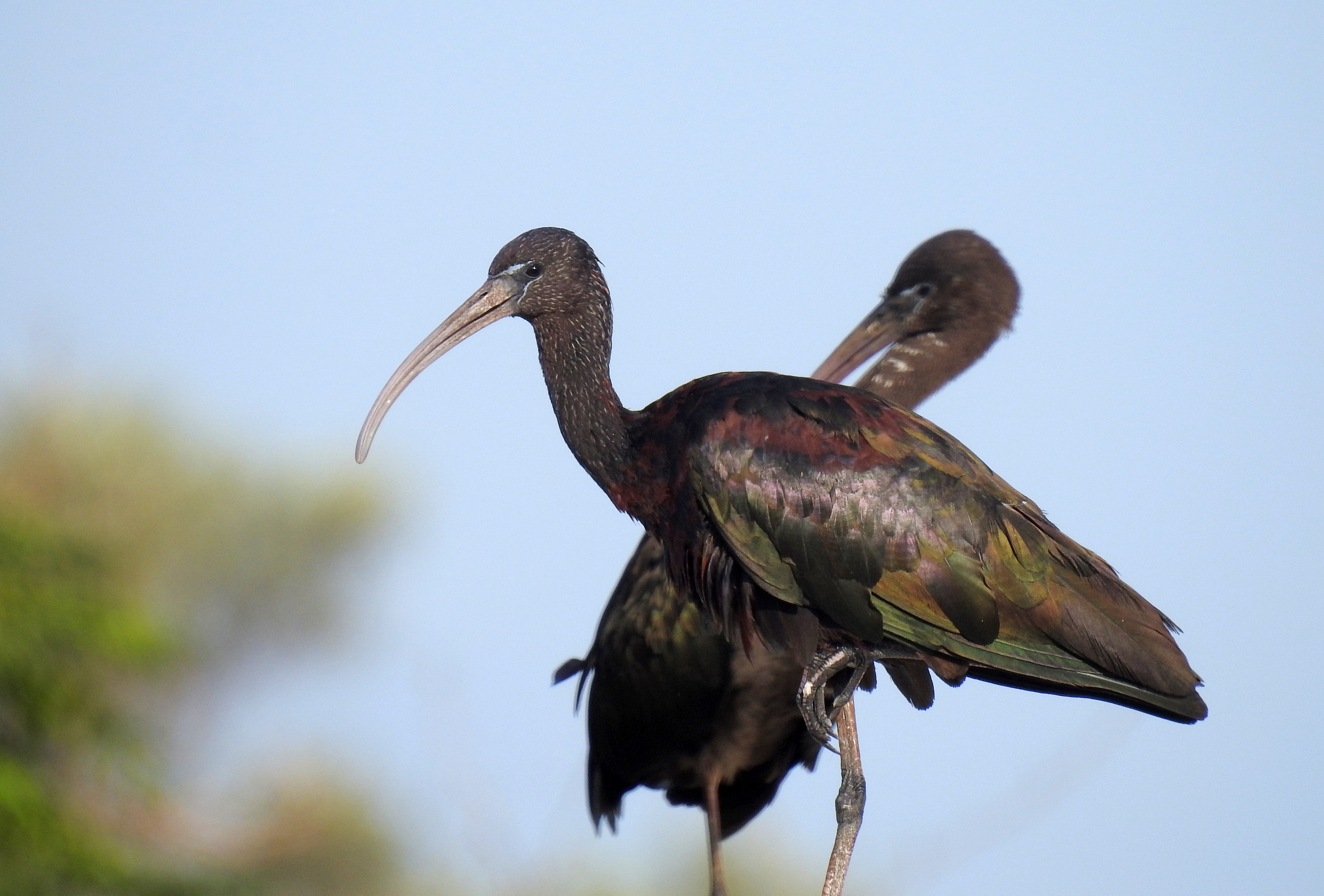
Glossy ibises
After just a few minutes, we reached the tree which my trail camera was strapped to – a video from the location can be seen HERE. From that point onward, it was new territory for me and I constantly kept my eyes peeled for a suitable location to film from. Over the span of a few months, an impressive eight compilation videos were produced from the nature content gleaned around the fetid stream – clearly the animals don’t mind it!
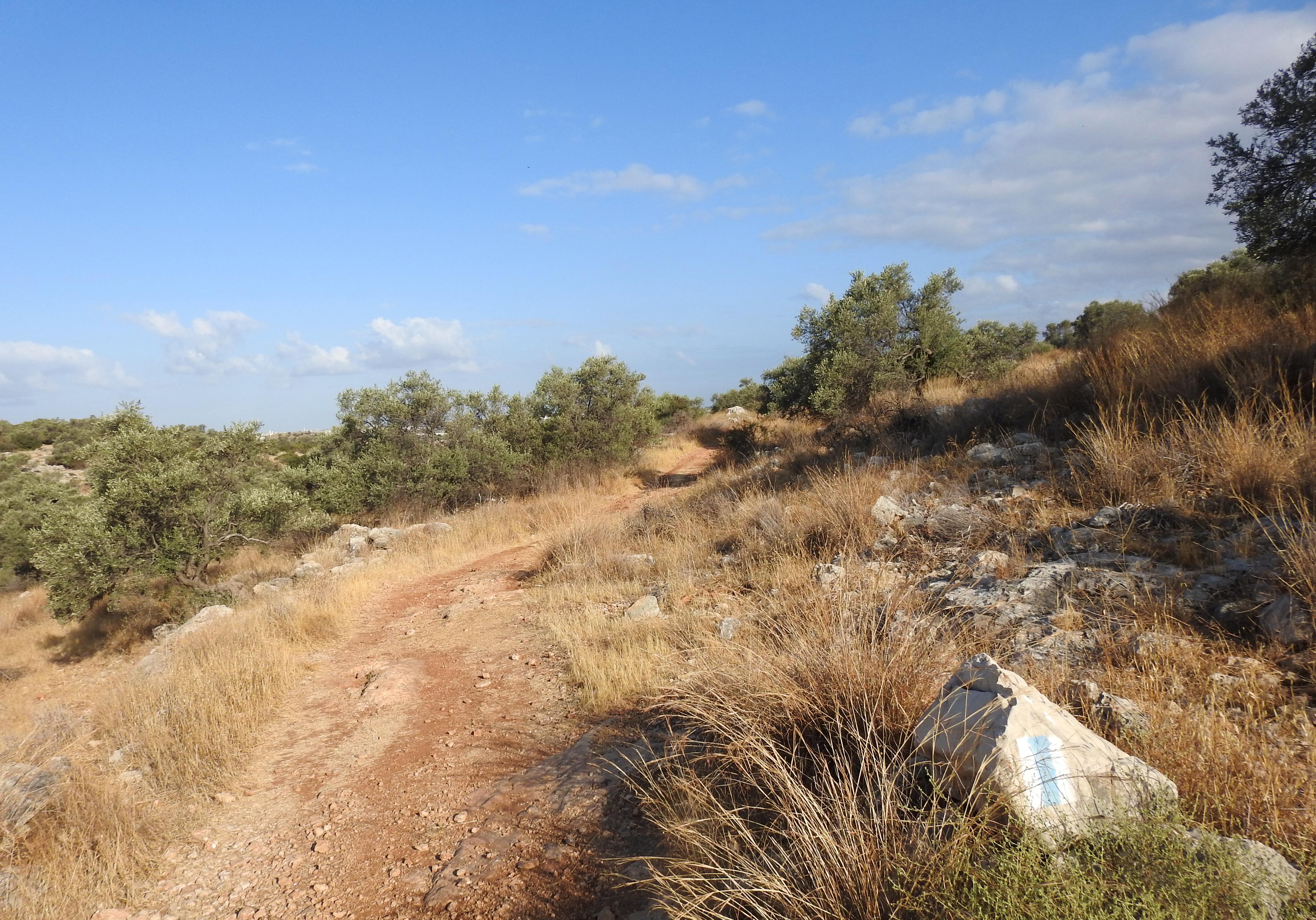
Entering my local nature patch
Adam found a very unique-looking leafhopper, one that I had never seen before, identified later as a Dictyophara xiphias. Some chukars were flushed and a short-toed eagle made a rather close appearance as we pushed westward, following the lush streamside. Indeed, while the surrounding area is rocky with intermittent olive trees, the streambed is flush with greenery including oleander, willow and the occasional fig tree.
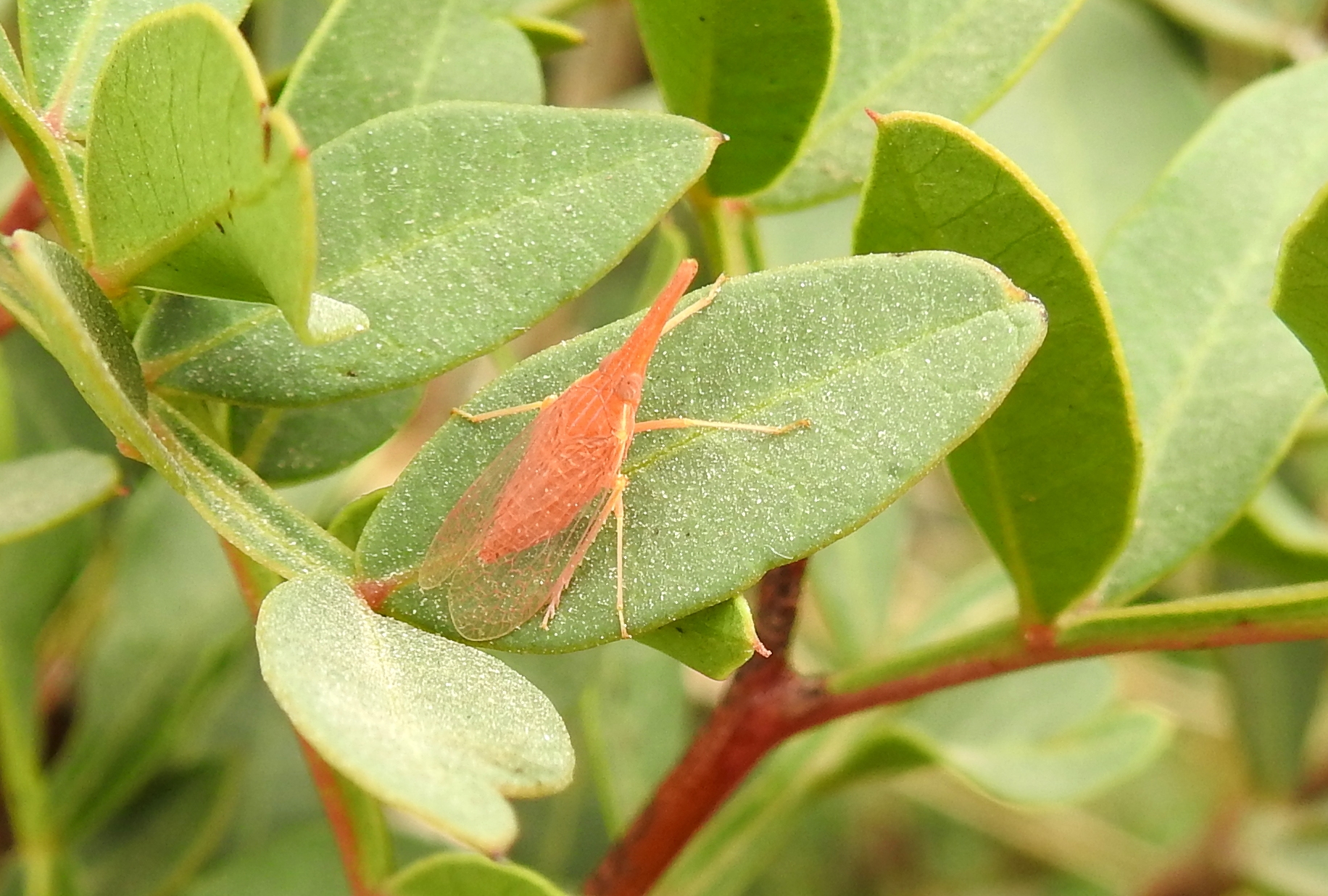
Cute little leaphopper
At some point we flushed a green sandpiper, which flew off to a further segment of the stream to then be flushed again – quite incidentally, I assure. As we reached closer to the main road, the 505, the landscape changed a bit. The land became flatter and the grasses were thick and dried by the harsh summer heat. We stumbled upon some interesting painted green glass, perhaps Ottoman, perhaps more modern. A giant argiope spider, waiting patiently in her web, gave us a bit of a shock, but then something even more startling occurred.
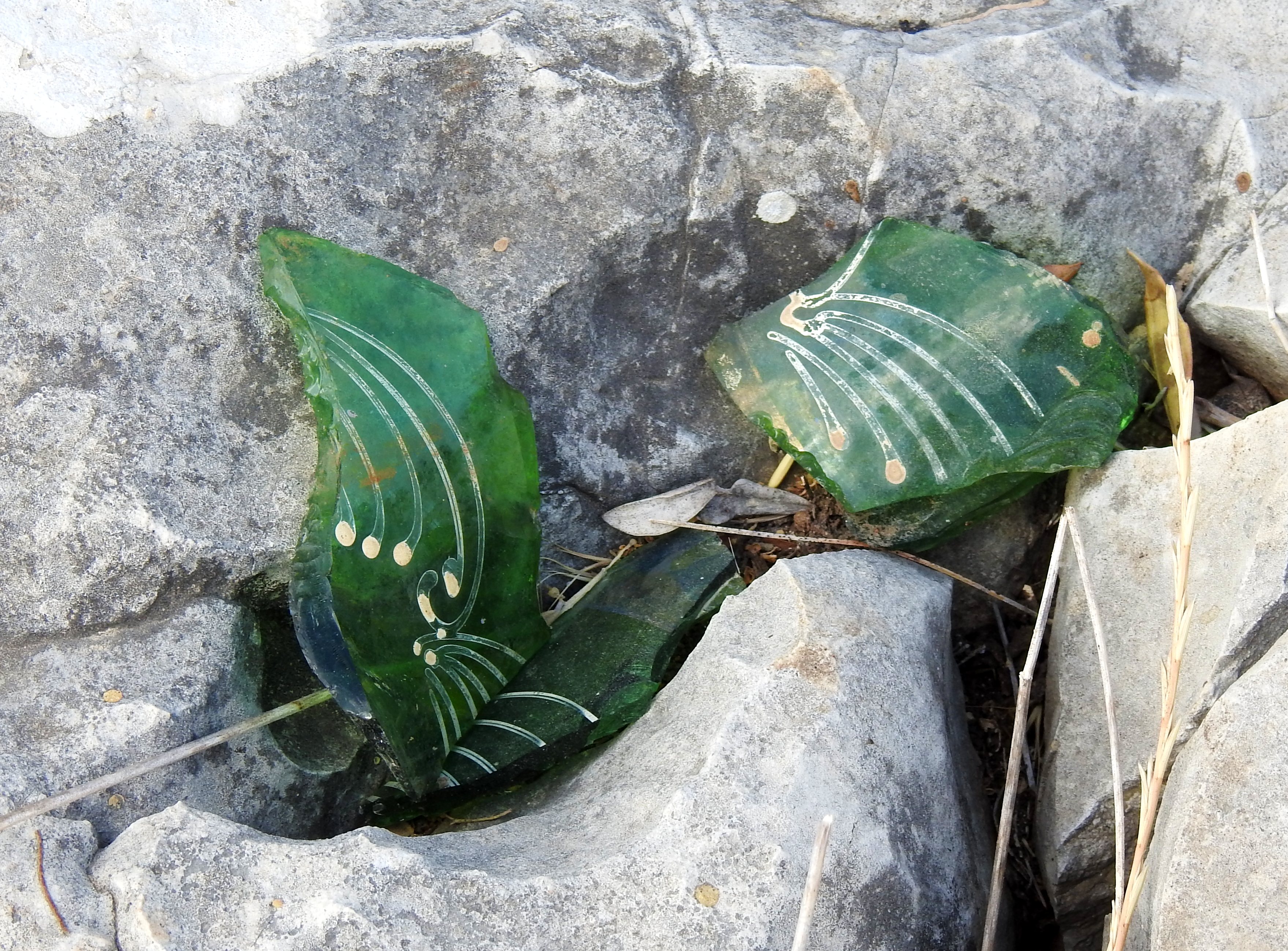
Hand-painted glass
There was a large crash in the vegetation beside us as a muscular male mountain gazelle leapt up from his resting place and bolted across the stream in panic. I’ve become accustomed to the gazelles around Elkana but this made me think of the dreaded wild boars which also inhabit the natural area. Loud crashing sounds in foliage is often associated with the imposing boars, probably the local animal I least want to have a run-in with.
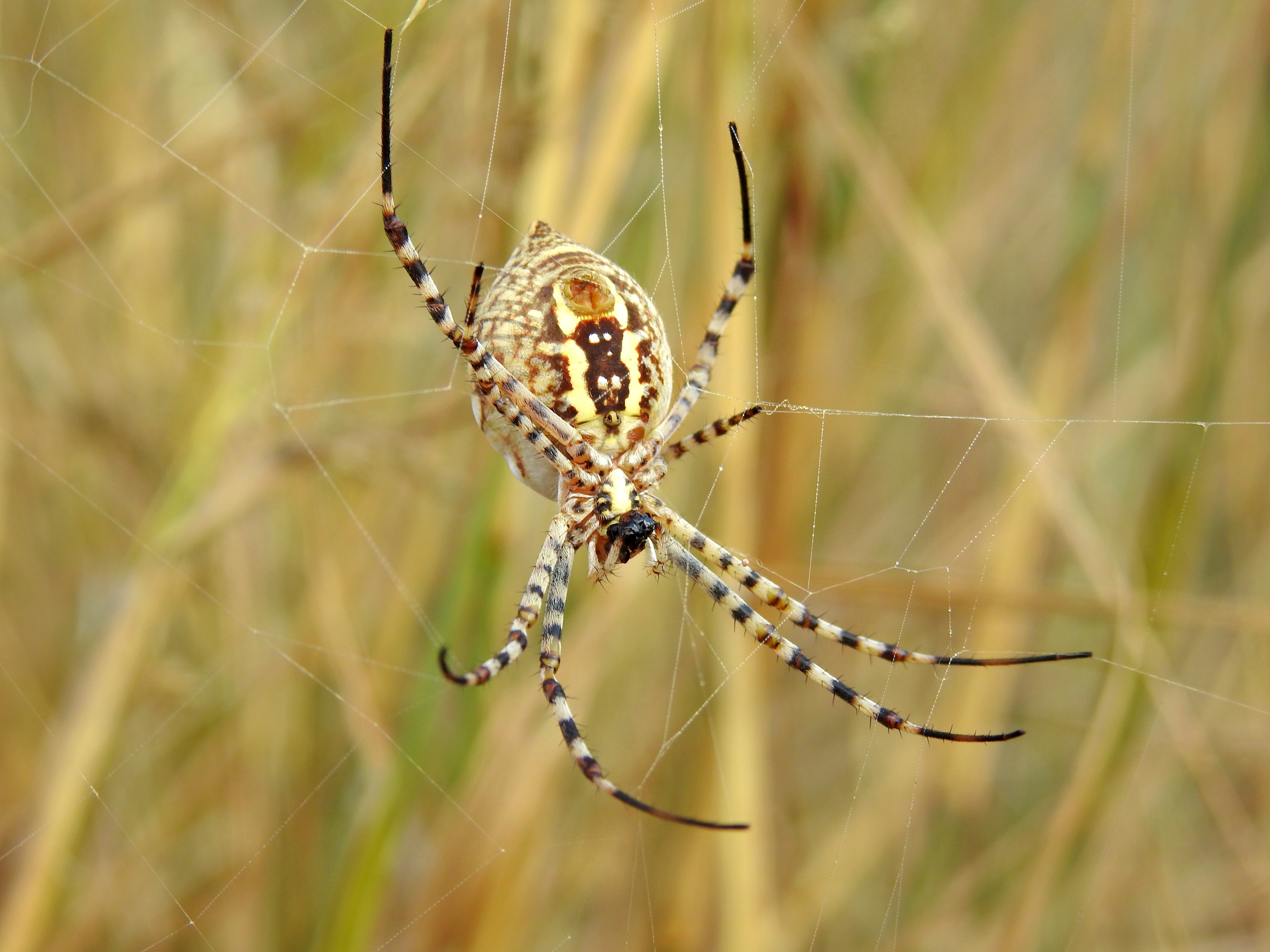
Argiope spider lurking beside us
We too crossed over and found some old encampment where some people seem to have stayed. Among the rubbish were some faded food wrappers which were mostly in Arabic, one being a tomato paste produced in or distributed from Hevron (Hebron). Leaving the refuse behind, we began to hike uphill in an easternly direction. There were many fieldstone walls, acting as terraces on the slope, and then something interesting came into sight.
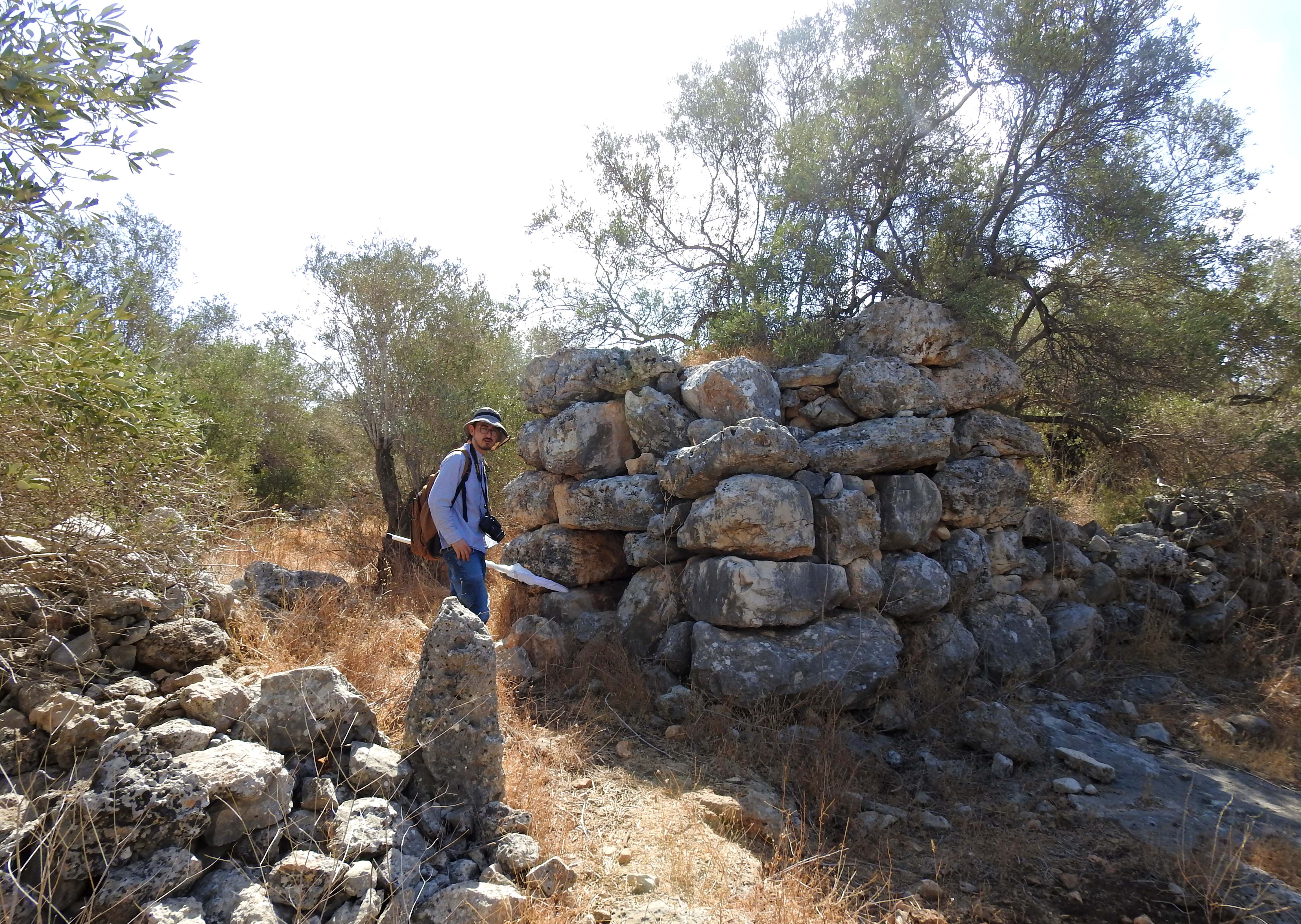
Exploring the shomera-like structure
There was a small stone structure before us, with a very cramped interior, similar to the shomera-style watchtowers that were used to safeguard agricultural resources in days of old. I haven’t seen anything online explaining this particular structure, but some research revealed that we were within the confines of an old village called Sirisia, the ruins of which are referred to as Khirbet Sirisia.
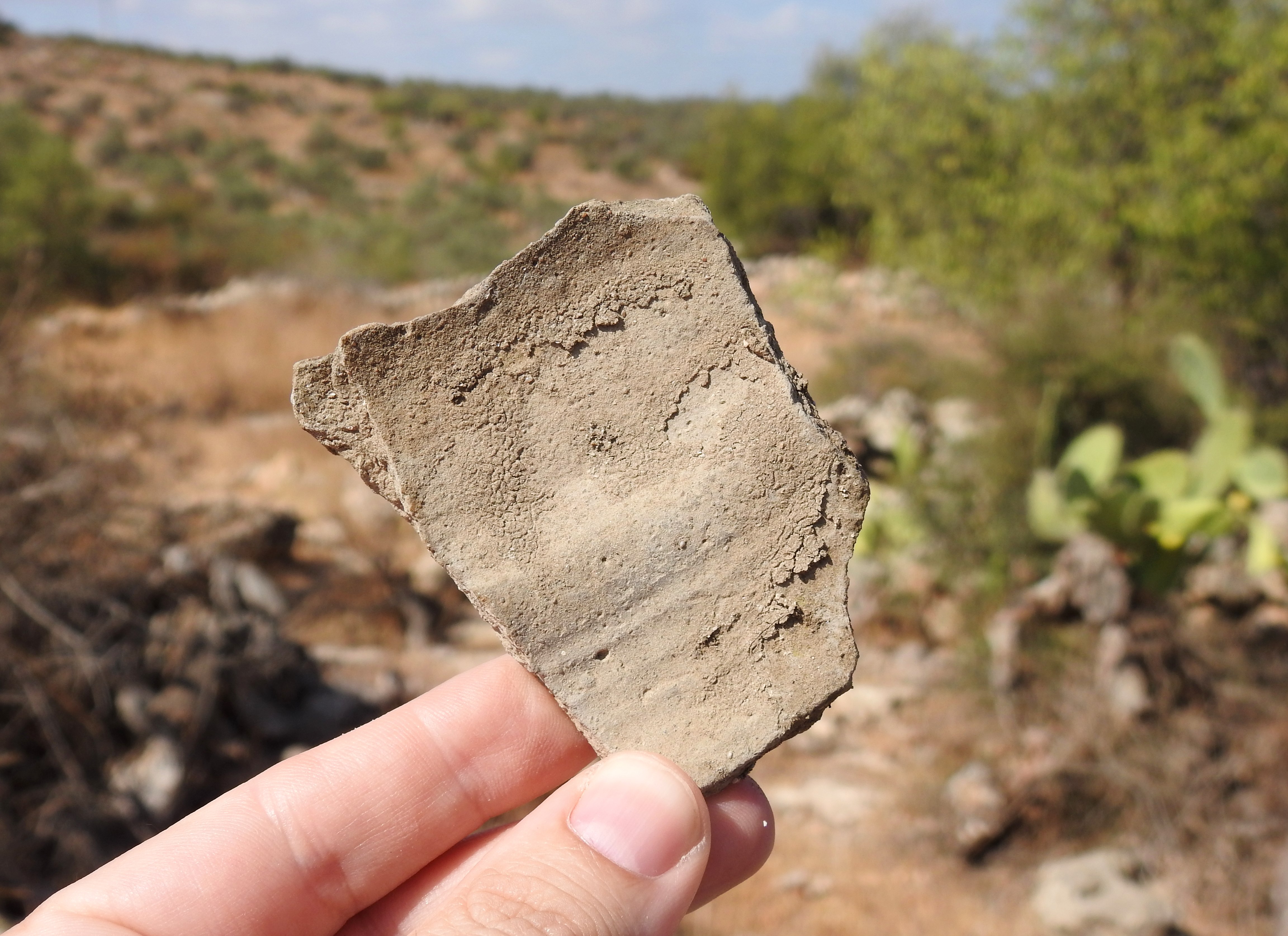
Old potsherd
In fact, in the brief research I did when writing this, I hadn’t managed to find anything about the village’s total timeline of existence; Archaeological reports mention ruins dating to the Roman period and potentially being the Bethsarisa site mentioned by Eusibius in his Onomasticon. The delightful, and ever-useful, Palestine Exploration Fund map from 1880 has the location marked as Khirbet Sirisia (implying ruins) just north of Wady el-Bahûteh.
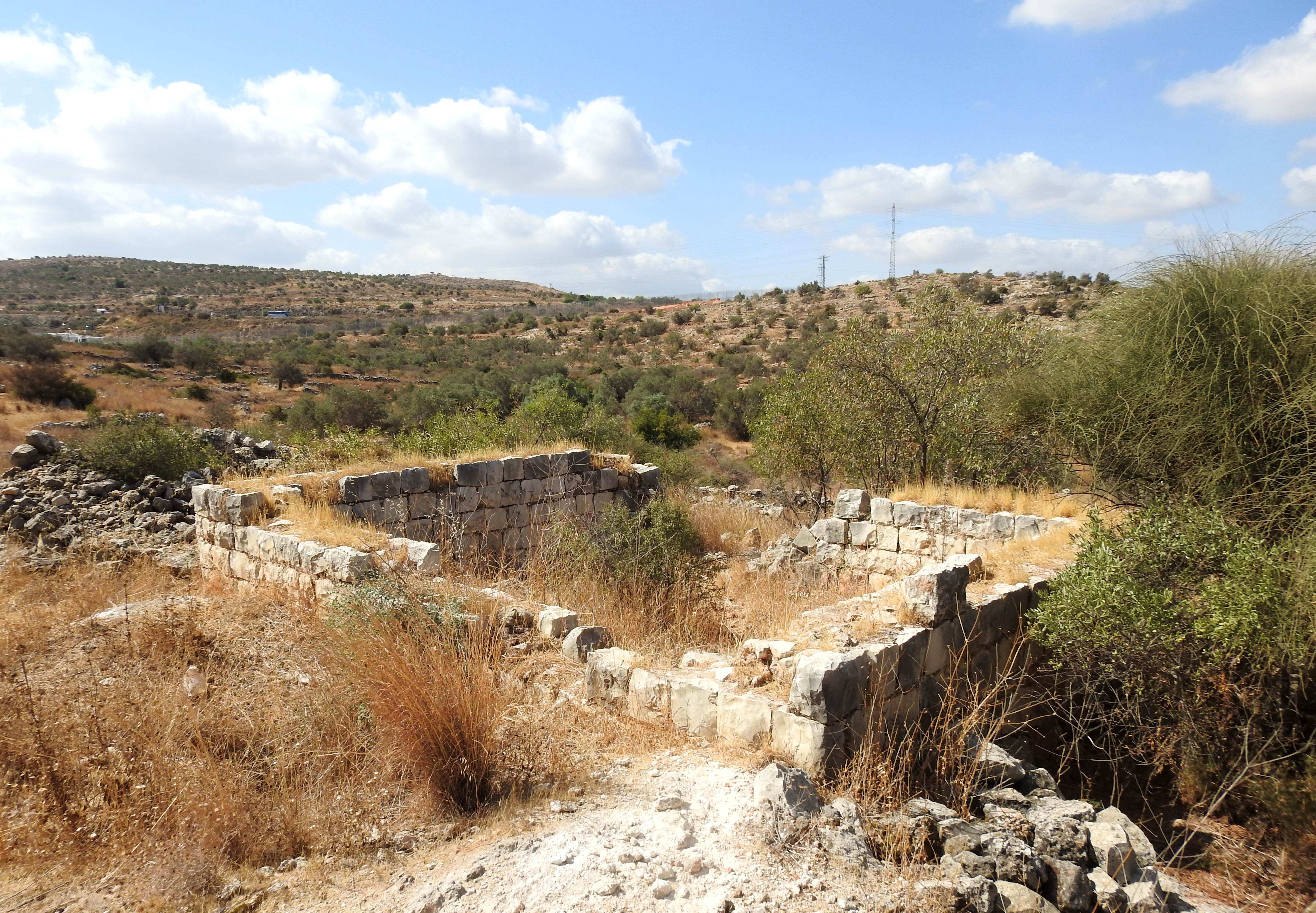
Fine masonry work in Khirbet Sirisia
Wandering about the terraced ruins, we found some more architectural remains including one particularly impressive rectangular structure built with ashlars as opposed to fieldstones. Immediately outside the thick walls, we found the mouth of an underground cistern overgrown with vegetation. Gladdened that we didn’t accidentally fall in, we were subsequently more ginger as we stepped about, checking for other cisterns in the area. Our diligence paid off as we found more cisterns and more structures, even an open stretch that felt like an old street running through the village.
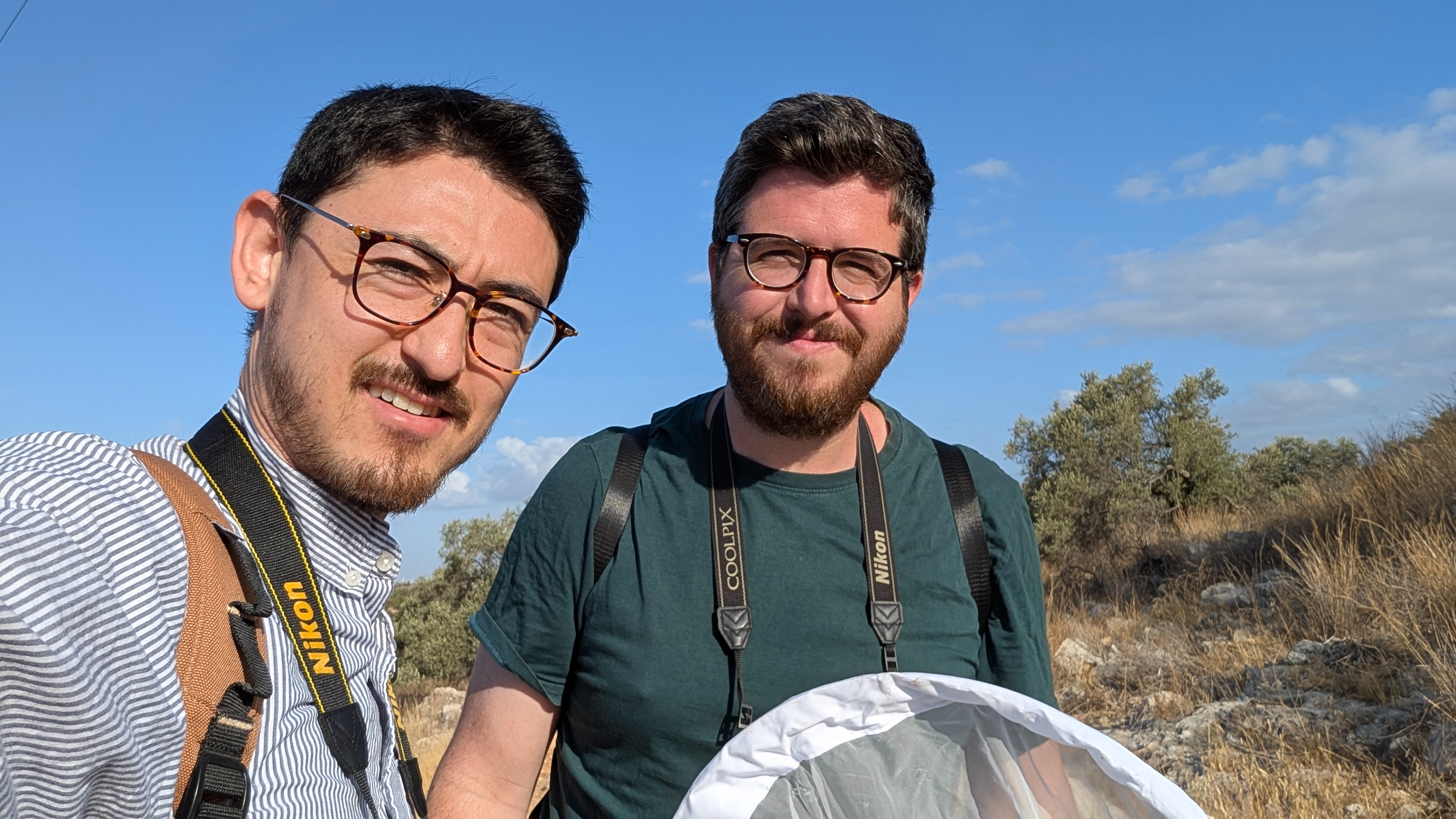
Infrequent explorers (photo Adam Ota)
Eventually, as we were leaving the eastern confines of Khirbet Sirisia, we found a mound that showed up as a patch of white in the satellite imagery we consulted as we traveled. It was an old lime kiln, where white quicklime was burnt out of limestone for a variety of industrial and household purposes. We climbed the mound and gazed into the overgrown interior, trying to conjure up images of a raging fire scorching the rocks in the rudimentary kiln. A relatively common feature around ancient settlements, we had seen many limekilns not too far away outside the Crusader ruins of Mirabel (Migdal Afeq).
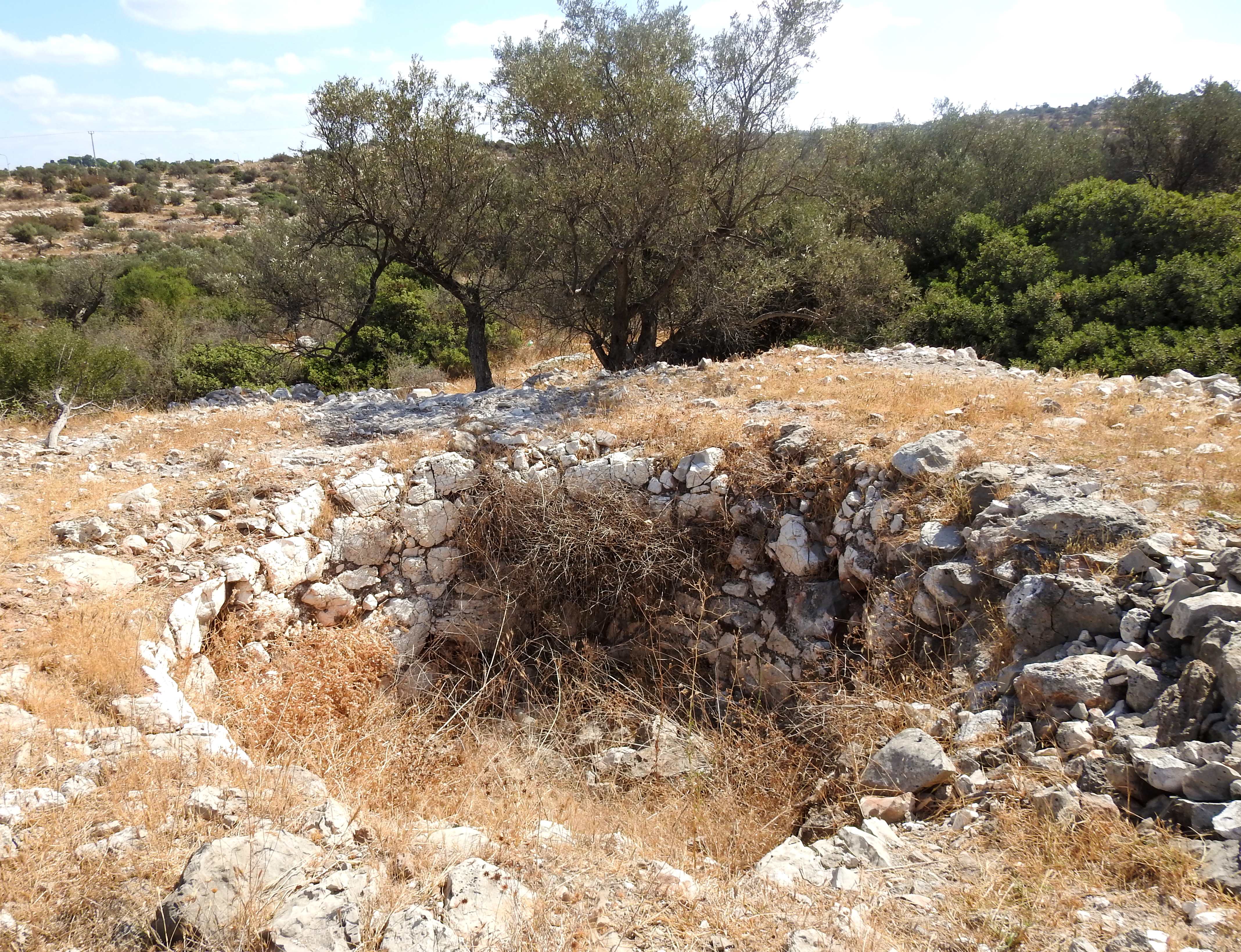
Old limekiln
From the ruins we made our way back towards the stream, and merged onto a marked trail that was maintained and easy to hike on. The sun was starting to become oppressive and the animals were slowly becoming more scarce as the temperature climbed. En route, we found another male mountain gazelle, watching us from the opposing slope, and then a sparrowhawk which graciously entertained us in attempts to hunt some nearby birds.
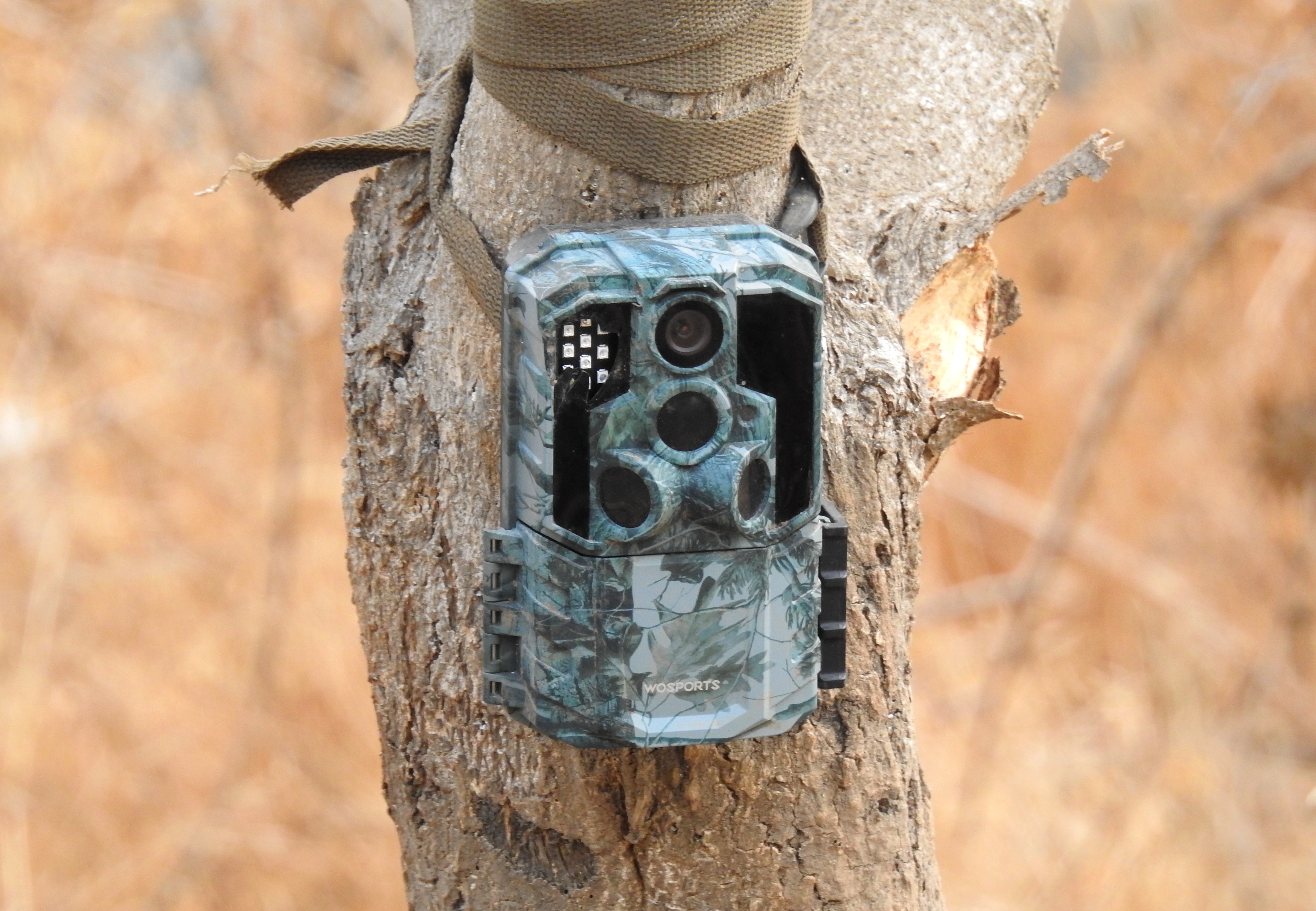
My trusty (yet damaged) trail camera
We reached Adam’s parked car at the water treatment structure and brought our little adventure to a reluctant end. Due to the area’s size, another trip or two will be needed to fully explore the environs, whenever the opportunity arises. Until then, other adventures are forever waiting.
 Israel's Good Name