Israel's Good Name

Archive for the ‘Galilee’ Category

Renaissance Festival at the Yehiam Fortress

In Galilee, Israel on September 24, 2013 at 8:23 AM

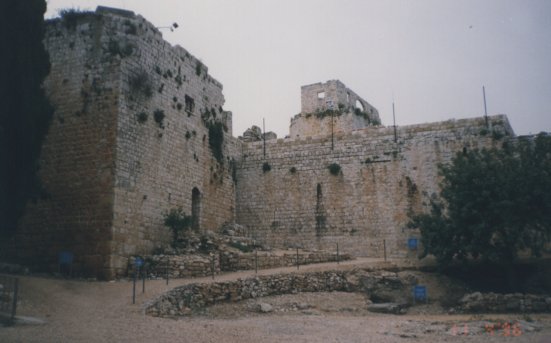
Yesterday we took a little trip down Road 89 to the old Crusader castle, the Yehiam Fortress, for a 2-day Renaissance Festival. Just 15-km from our house, and 10-km from the nearby Montfort Castle, this area of the Galilee was the home base in the Holy Land for Crusaders in the 12th and 13th centuries.

The Yehiam Fortress

The Yehiam Fortress

Built sometime after 1220 by the Teutonic Knights, the fortress was then called Judyn (and then after its destruction, the local Arabs called it Khirbat Jiddin – or “Ruins of Judyn”). Today we call it the Yehiam Fortress and it was at this magnificent ruin that the Renaissance Festival was hosted.
Renaissance Festival logo

Renaissance Festival logo

Now, despite the fact that I grew up in Detroit and the Michigan Renaissance Festival was a pretty big annual event, this was my first time attending a “RenFest.” This event, in Yehiam, ended up being more of a crafts fair set in and around a Crusader fortress with a sprinkling of Renaissance flavour added for good measure. I’m sure that if they hosted it next year at Yehiam, but under expensive American production, it would be far more epic than anything you’d see in the USA.

Metal silhouette against fortress wall

Metal silhouette against fortress wall

First, after parking the car under the watchful gaze of the fortress, we saw a trail heading to the Yehiam Stream. We turned, followed the trail for a few feet and were greeted with a lovely view overlooking the valley of the Yehiam Stream. There was a little stone wall protecting us from the dangers of the abyss but some like to take a ride on the wild side:

Living dangerously

Living dangerously

So, after that little detour, we entered the park and meandered through the fortress grounds, passing tables of crafts and various themed products for sale (wooden sculptures, carved toys and musical instruments, edibles, etc). There were also costumed individuals performing on-stage and on the paths. One such performer, a man dressed in a red gown, told me that my unruly beard made me look like a “vilde chaya” (“wild animal” in Yiddish, his words). That was a bit odd but I explained that I was on break from the army and thought it would be fun not to worry about hair length for a few days…
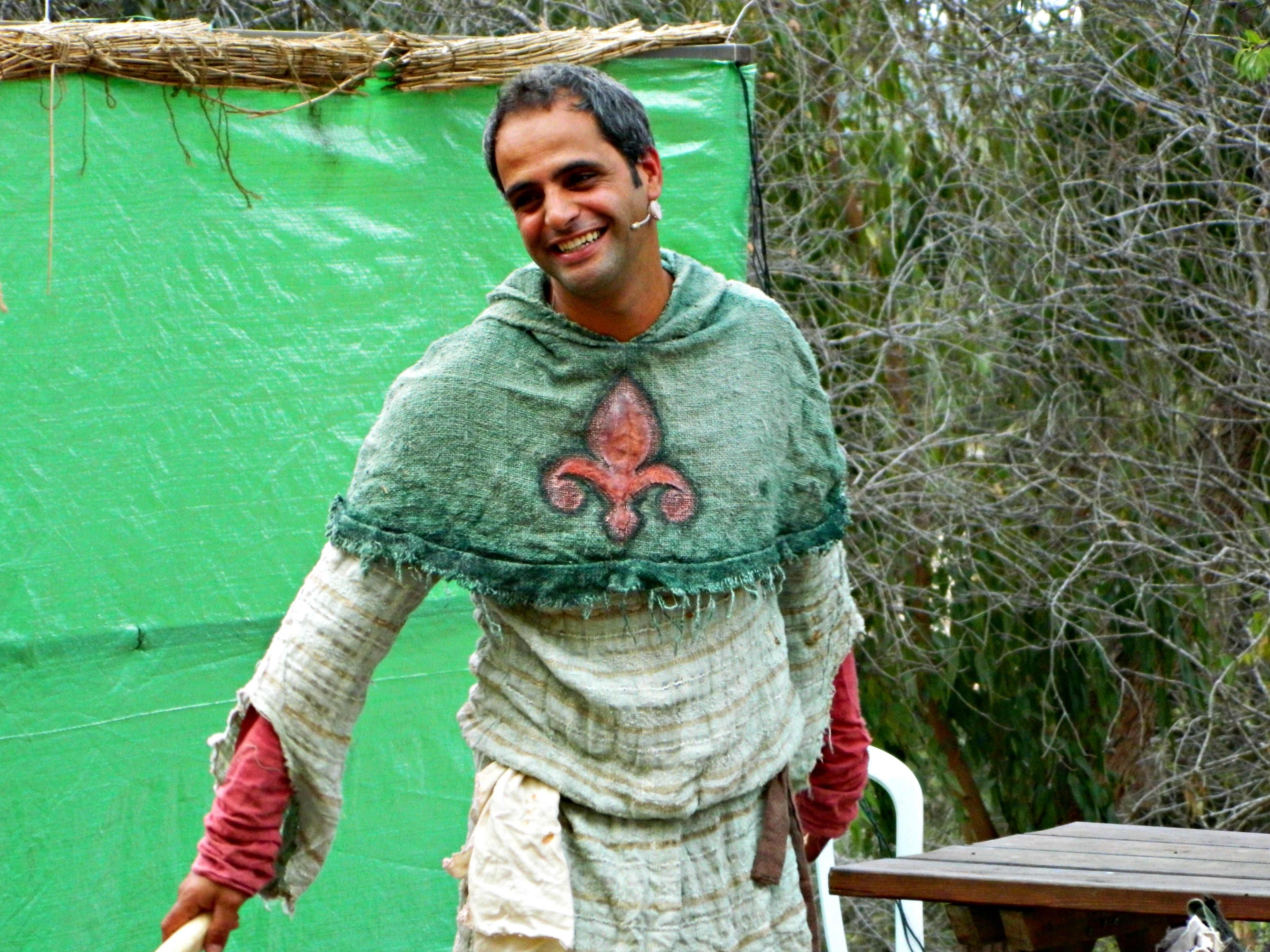
Stage performer

Stage performer

We headed on inside the fortress and saw the end of a musical performance by three musicians and a voice actor, which was actually the main featured concert of the day. The name of the performance can be translated to “The Wonderful Journey to Greek Mythology with Accompaniment of Greek Musical Sounds.” Set on a breezy terrace overlooking the grounds of the fortress, the Yehiam Stream below and the Mediterranean Sea over the gentle green hills.

A glimpse of the grounds

A glimpse of the grounds

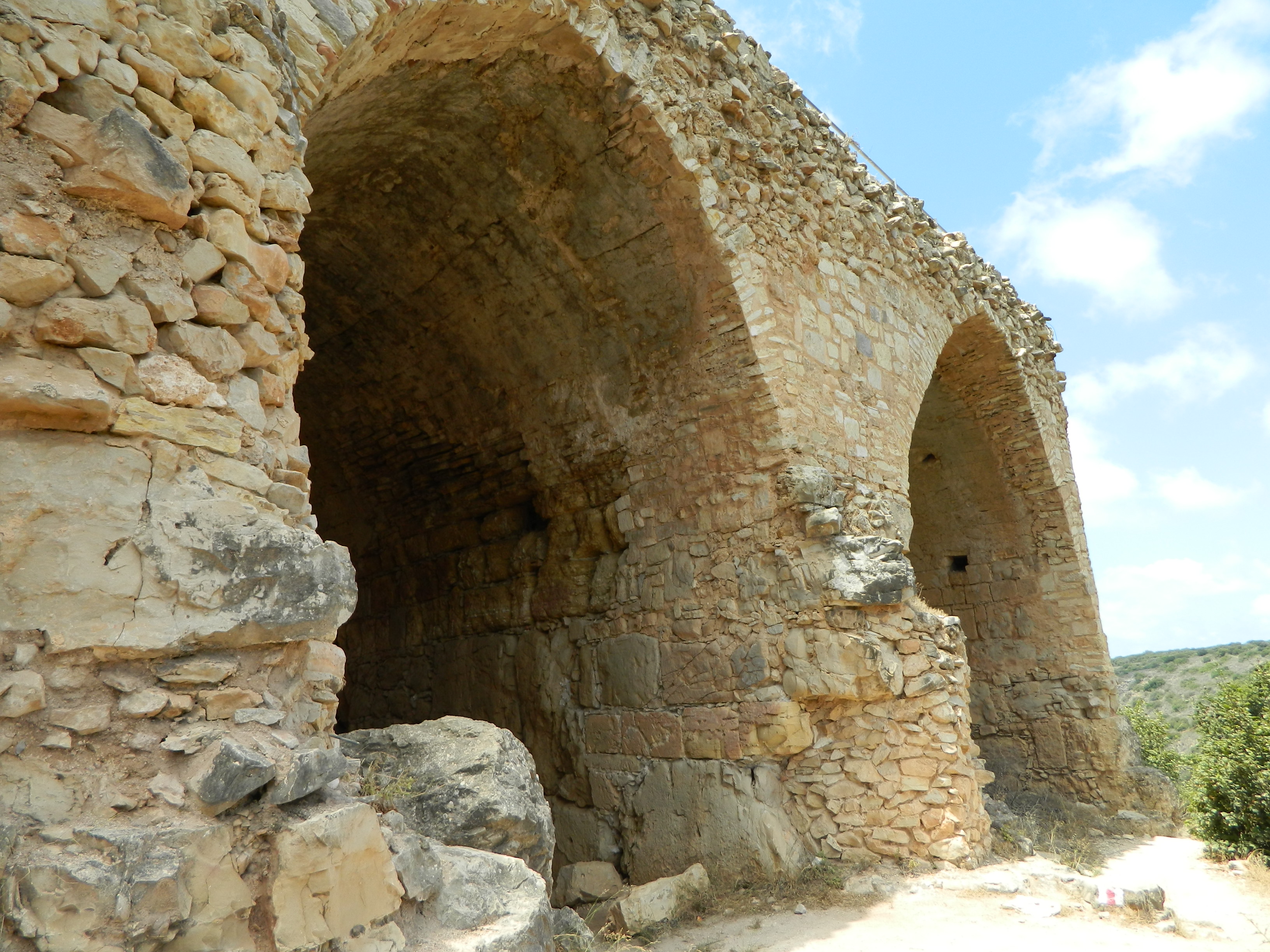
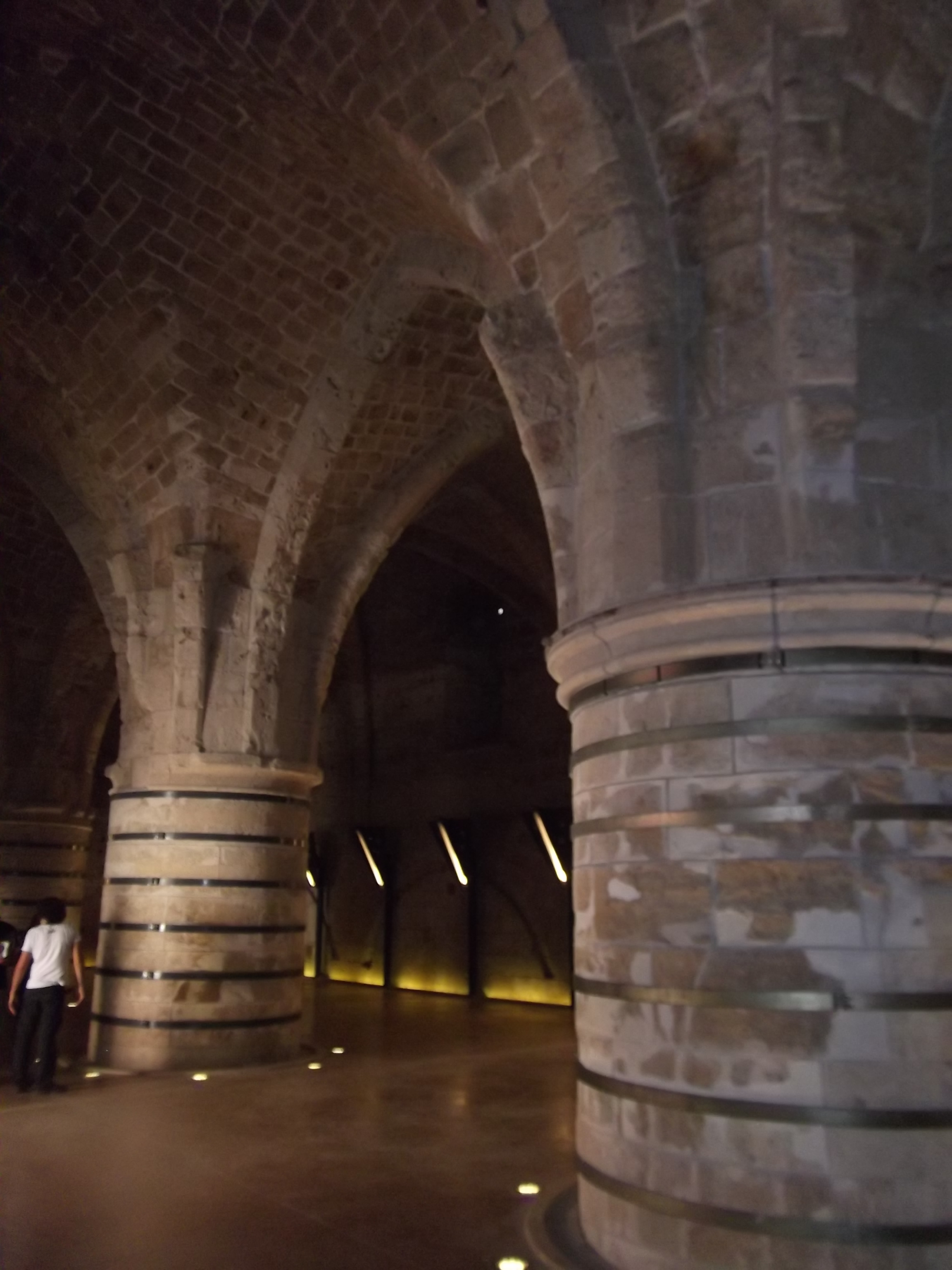
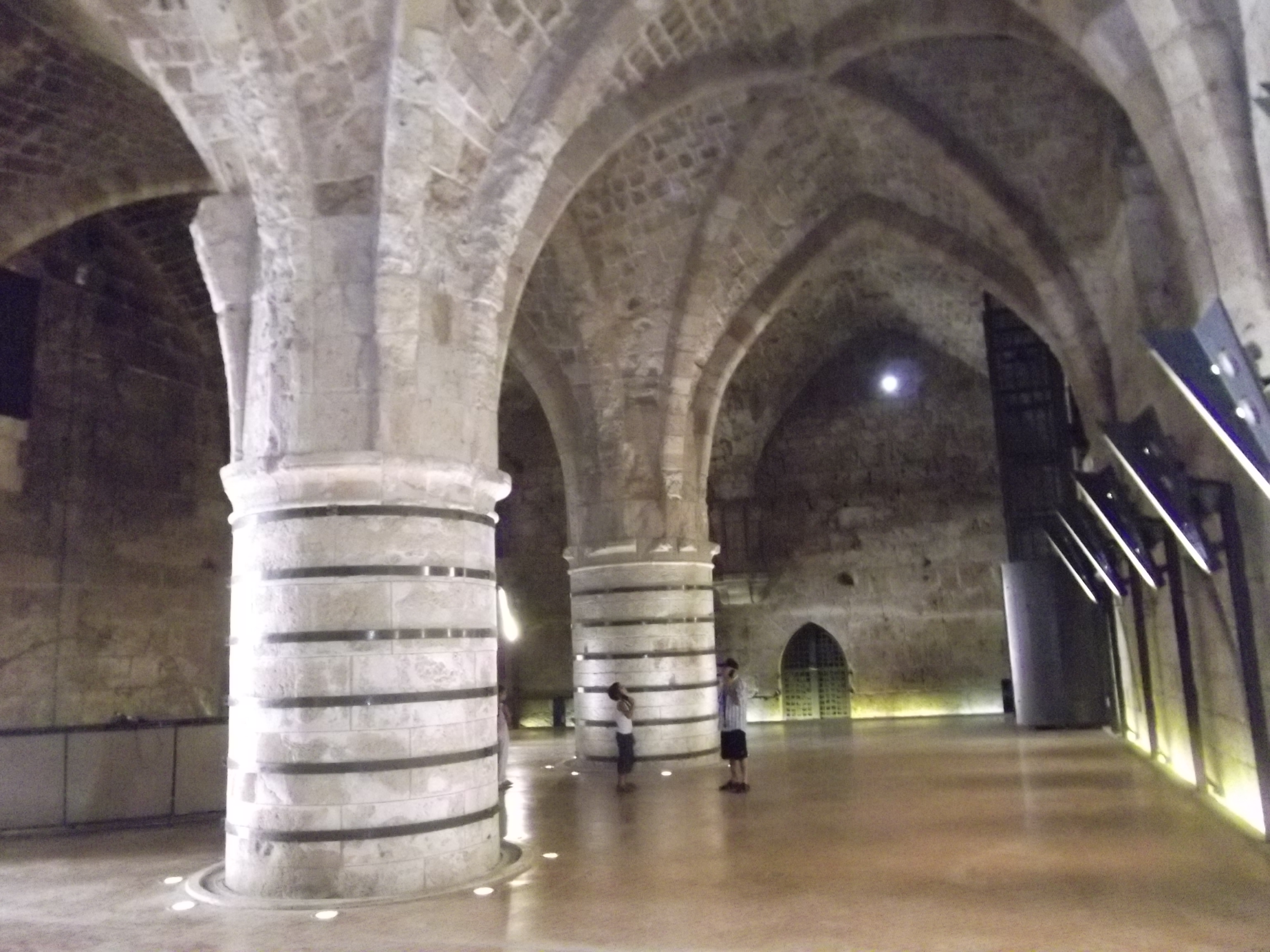
Inside, below the terrace is a great hall with many, many arches, magnificently built by Dahr el-Omar in the 1700s. Here is the southern wall with its array of small windows:
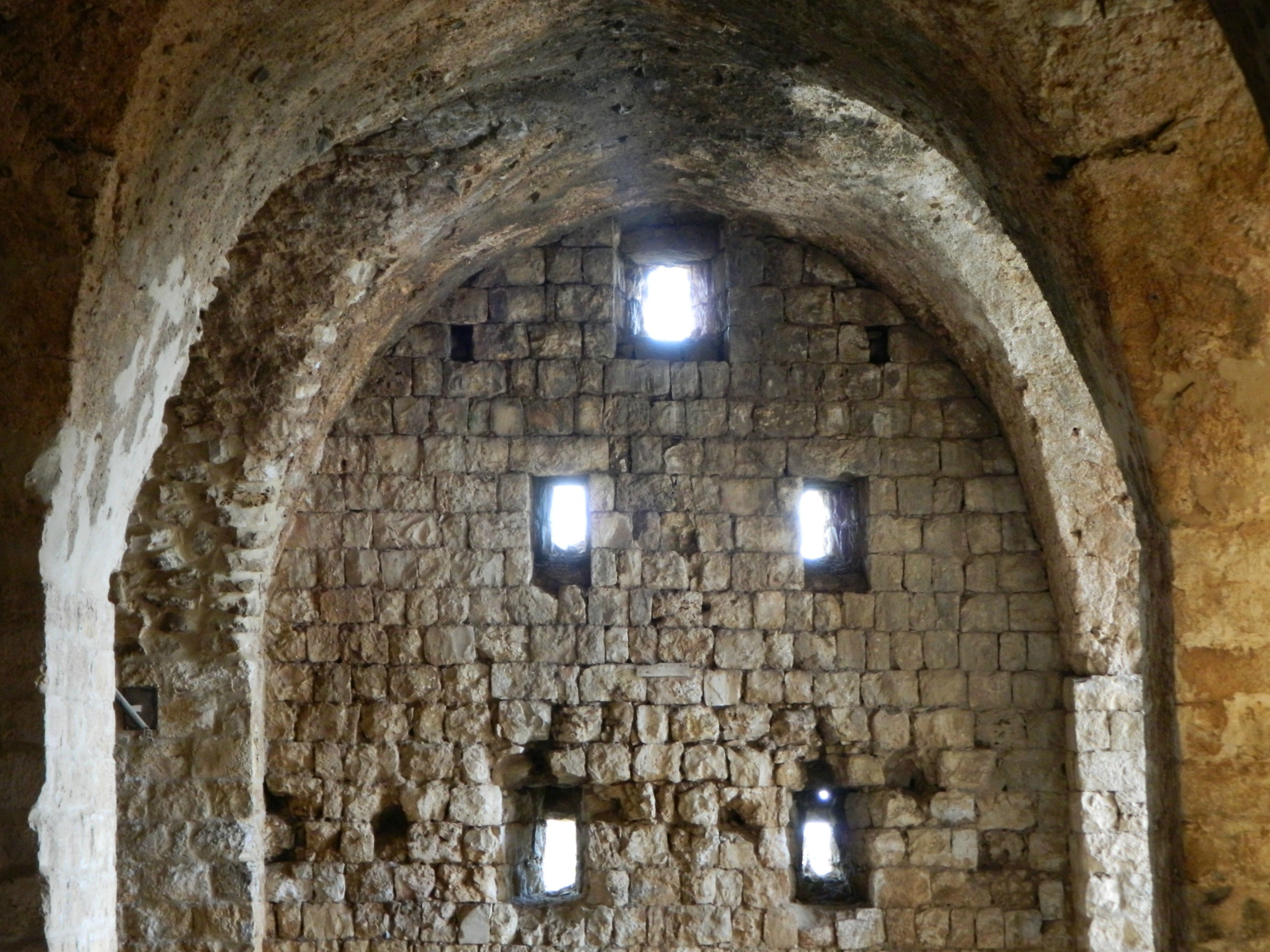
Arched wall with windows

Arched wall with windows

Back outside we stopped by a table bedecked with wine bottles and glasses, the presentation and sales table of Kerem Ben Zimra winery, a new kid on the block. My father sampled the wine, pronounced it “good” or something and we relieved them of two bottles. I think it’s fun visiting wineries and buying wines but sadly, I cannot abide the taste of wine – although there is a really delectable port, Har Sinai by Or HaGanuz winery, introduced to me by a friend, which I rather enjoyed. I personally prefer the world of the micro-brewery, and have a newfound love for stouts (current favourite: Salara Smoked Stout). But, regardless, I love to support these wineries and breweries and so I write about them and link their sites to my blog, so do take a gander.
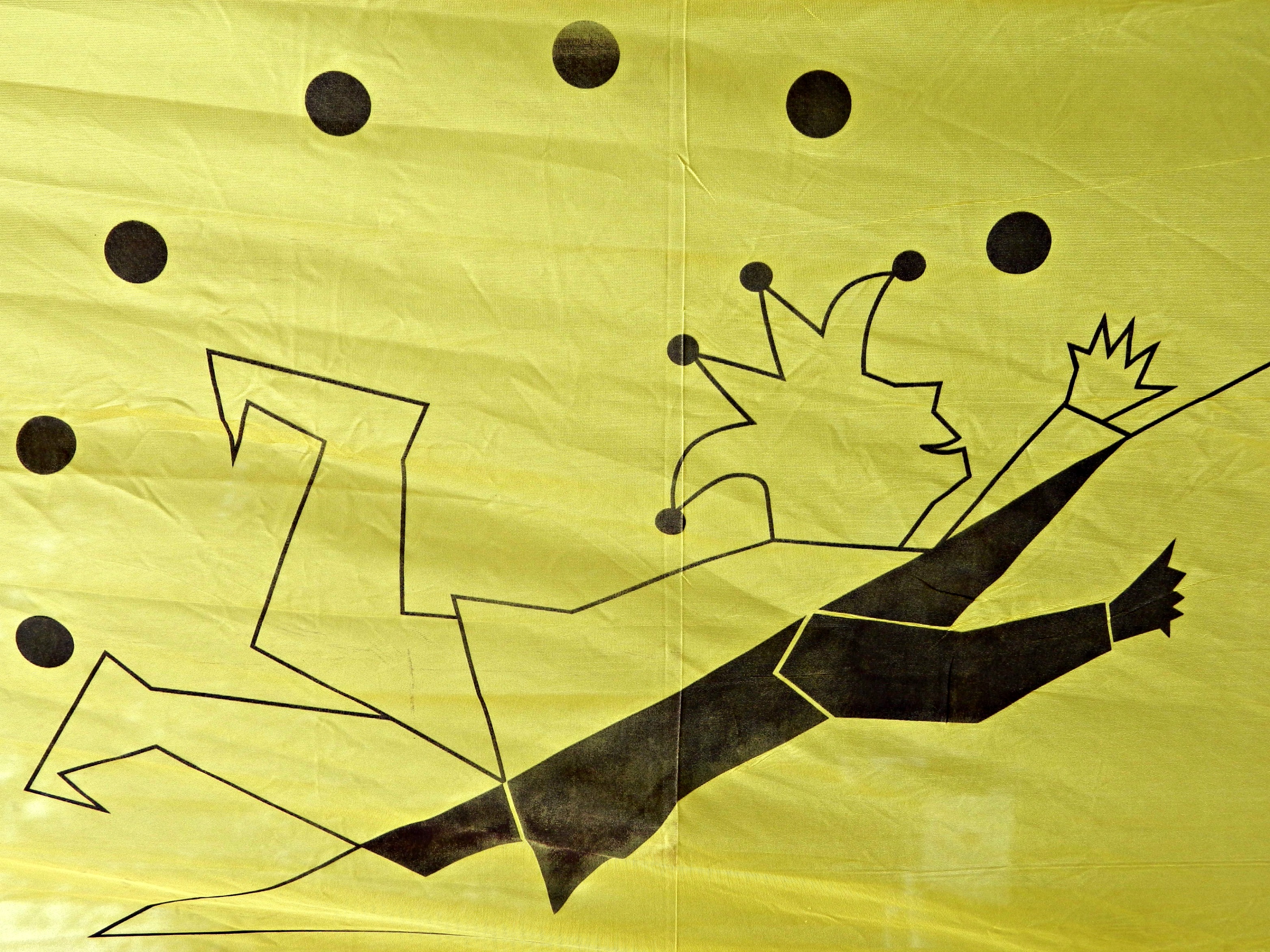
Jester banner

Jester banner

And our last activity, the crafts tables where hordes of children clamored about constructing art out of natural ingredients (and glue from glue guns) which, technically, fits in the “RenFest” setting. Nissim, my little brother, made a superb little knight, see for yourself:
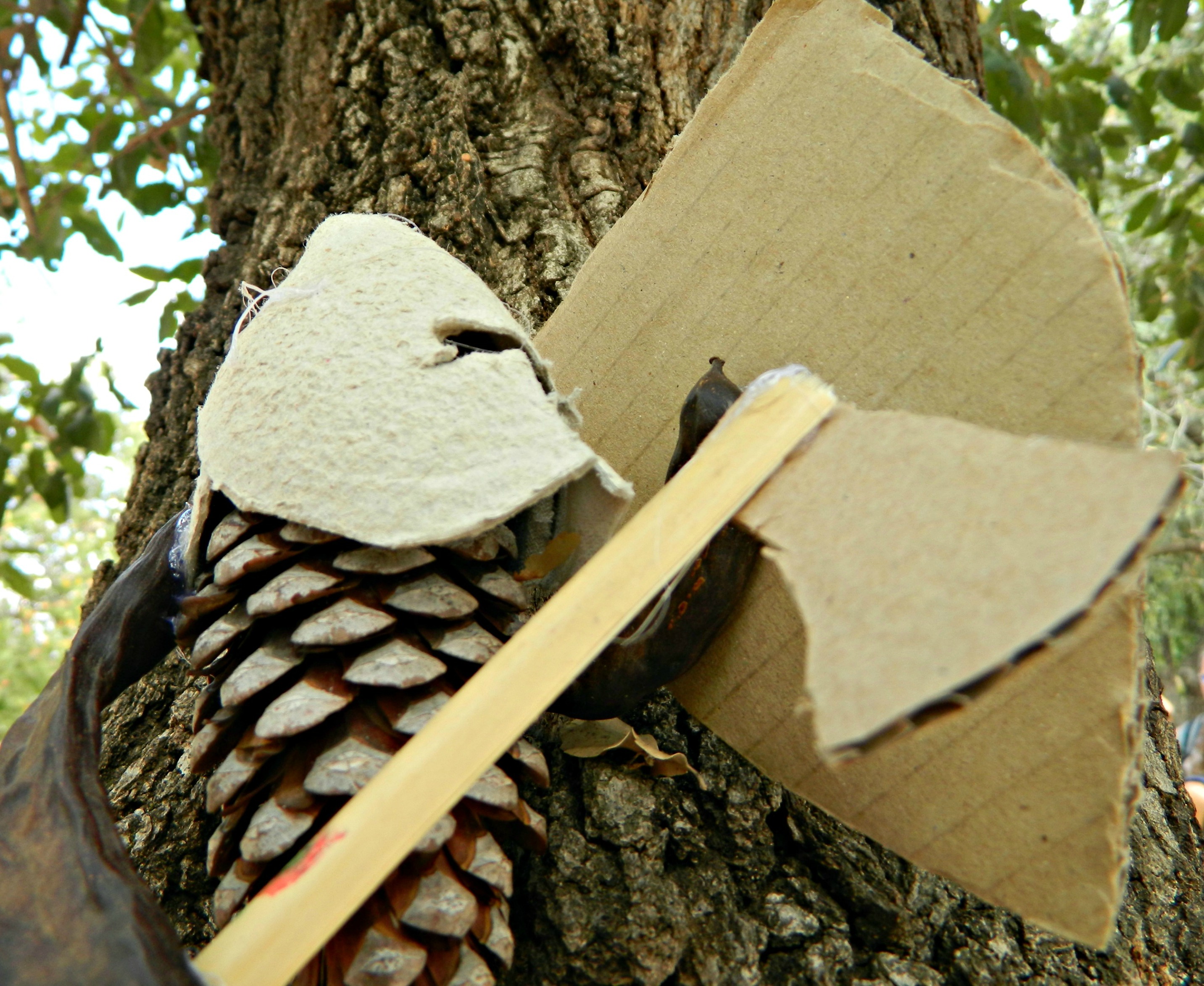
''PineKnight''

”PineKnight”

Bringing this post to a close, here is a photo I needed to include simply because I love the rich colouring and the metalwork, a Crusader soldier bearing a flag of sorts:
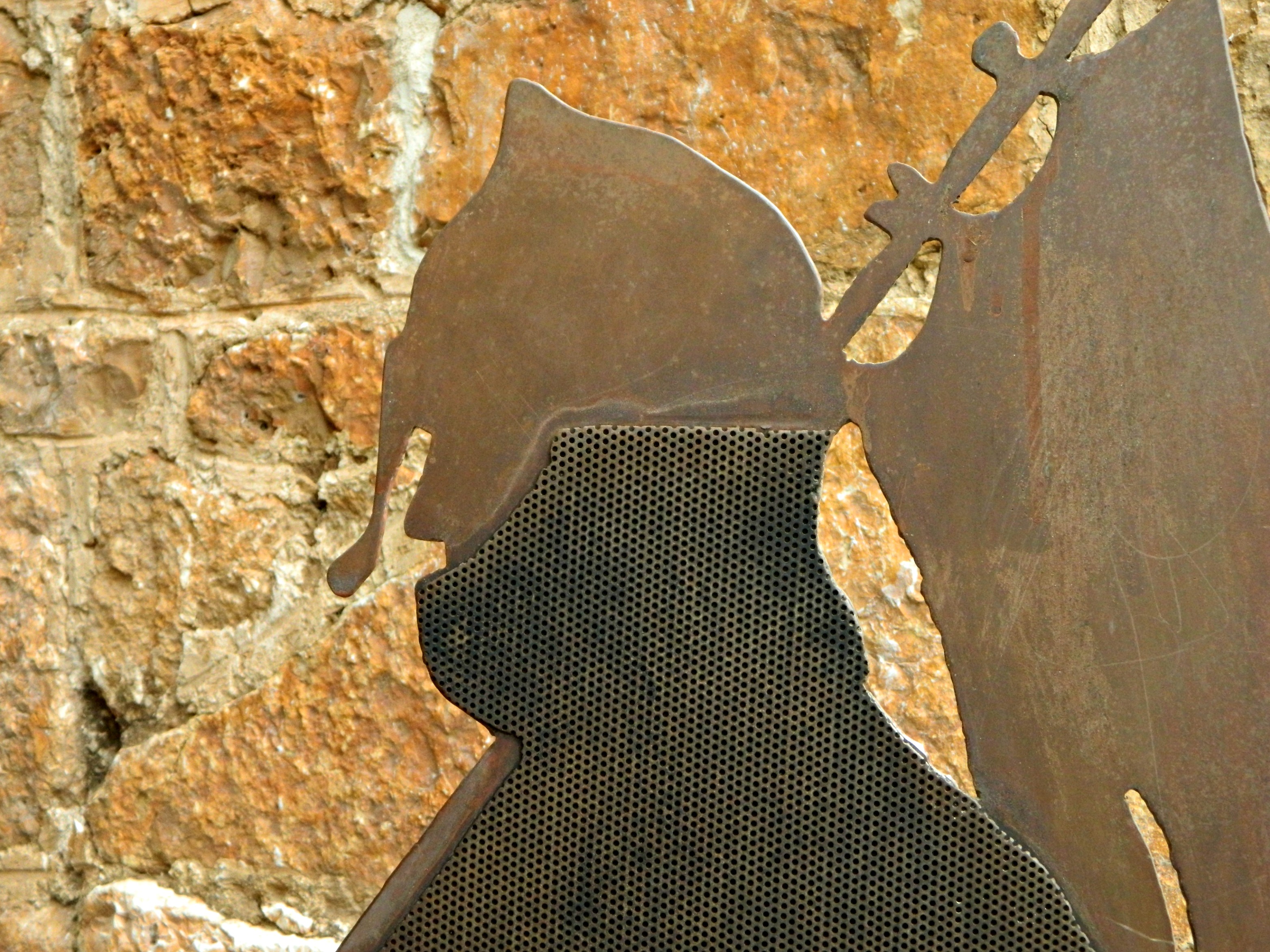
Crusader soldier
Crusader soldier

Nachal Kziv

In Galilee, Israel on July 24, 2013 at 3:43 AM

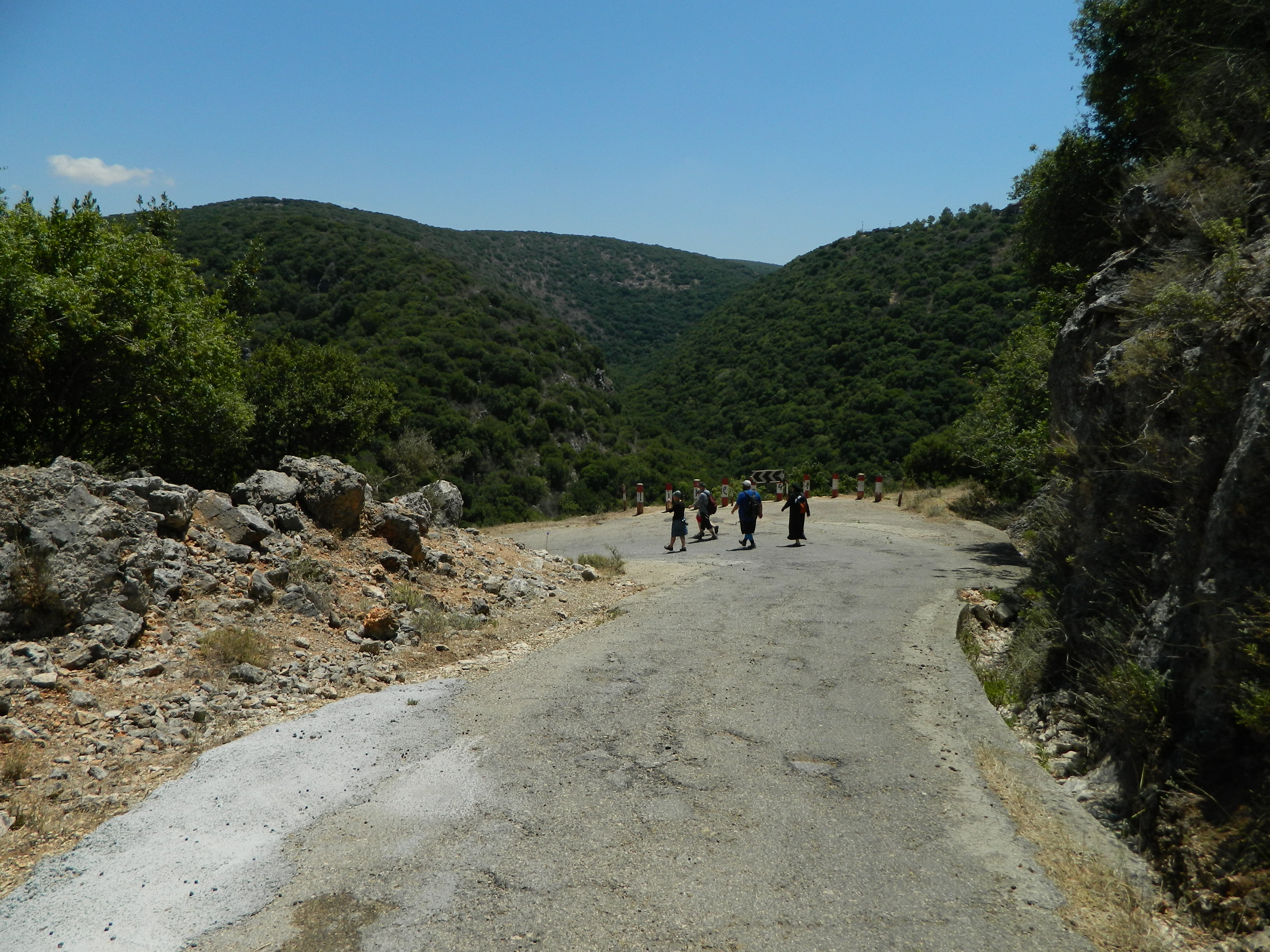
Back on the Fourth of July, before I got bogged down with army and other work, I partook in a small hike in Nachal Kziv, a nature reserve at the outskirts of Ma’alot. Also in attendance, in our little expedition, were some family members and some family friends – including the talented photographer Mandy Detwiler. We drove to the Zeitim neighbourhood, parked our cars and began walking the long winding way down to the stream-bed, where the trail is.

The road going down to the stream

The road going down to the stream

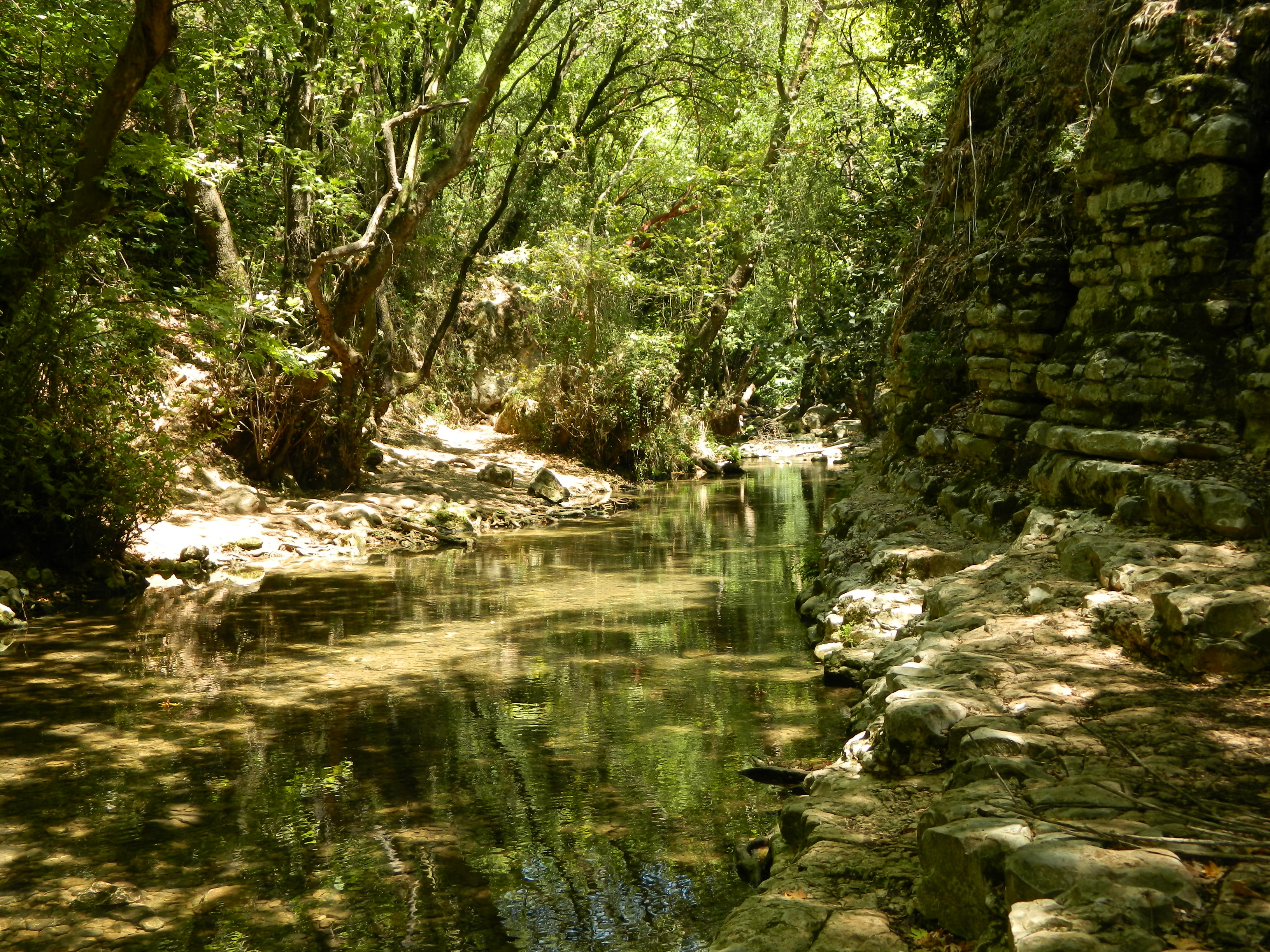
Nachal Kziv actually starts near Mount Meron, but due to the fact that it is a perennial stream, that area dries up in the summer months. The area that we hiked, from Ma’alot towards the Mediterranean Sea, is rehabilitated by a pumping station which uses water from underground springs. The water in Nachal Kziv is really clean and just about every time I hike there, I take the opportunity to fill up my water bottle for the continuation of hydration on the walk.

The gentle Nachal Kziv

The gentle Nachal Kziv

So, in due time we were at the stream-bed and passing the pumping station, some old Crusader building and the beginning of the stream (as it looks above). One of the day’s objectives was to find some geodes, or tapuchai eliyahu. I have never found one, nor did I know what to look for, but our family friends knew the secrets. So, after we had crossed over some of the little bridges, crossing back and forth over the little stream, we found a good spot to search.

The trail and the stream

The trail and the stream

I followed the masters and eventually found my first geode. And then my second, and then my third. Before long I was finding geodes all over the rocky banks of the stream. If you too seek out geodes, be sure to scour the ground for ball-like rocks that have a brain-like surface. When you pick up the rock, it should feel heavy – to be sure, crack it open and you will see the crystal insides.

A geode

A geode

I cracked open one of the geodes I found but was unable to capture the inner beauty so I turned to Mandy for help. Here is the gorgeous crystal interior:

Inside of a geode (courtesy of Mandy Detwiler)

Inside of a geode (courtesy of Mandy Detwiler)

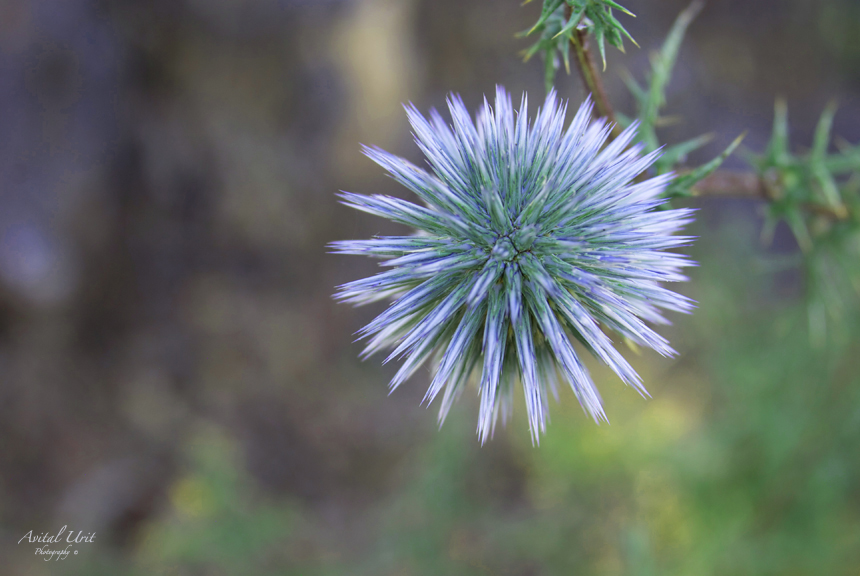
After pillaging the stream-bed for geodes, loading some choice ones into my backpack, we continued with our hike, occasionally stopping to photograph nature’s beauty.

Thistle (courtesy of Mandy Detwiler)

Thistle (courtesy of Mandy Detwiler)

Along the way we passed by the Ein Tamir cave, spring and pools complex – my favourite section of Nachal Kziv. I love squeezing into the slit of a cave, stooping and crawling my way down the long windy tunnel. With icy cold water covering the floor of the cave, the going is terribly fun and being submerged chest-deep in the cold water, with no outside light, is just too awesome to be put to words. This time, however, we passed the cave and the pools and continued on.

Ein Tamir cave tunnel entrance (courtesy of Mandy Detwiler)

Ein Tamir cave tunnel entrance (courtesy of Mandy Detwiler)

Shortly thereafter, after repeatedly crossing the stream back and forth at the whim of the trail markers, we made it to a cool spot where one of the banks was a rock wall. It was remarkably green there and the lighting was poor, thus the photo came out a tad greener than it really was, to the naked eye:

Nachal Kziv with rock wall

Nachal Kziv with rock wall

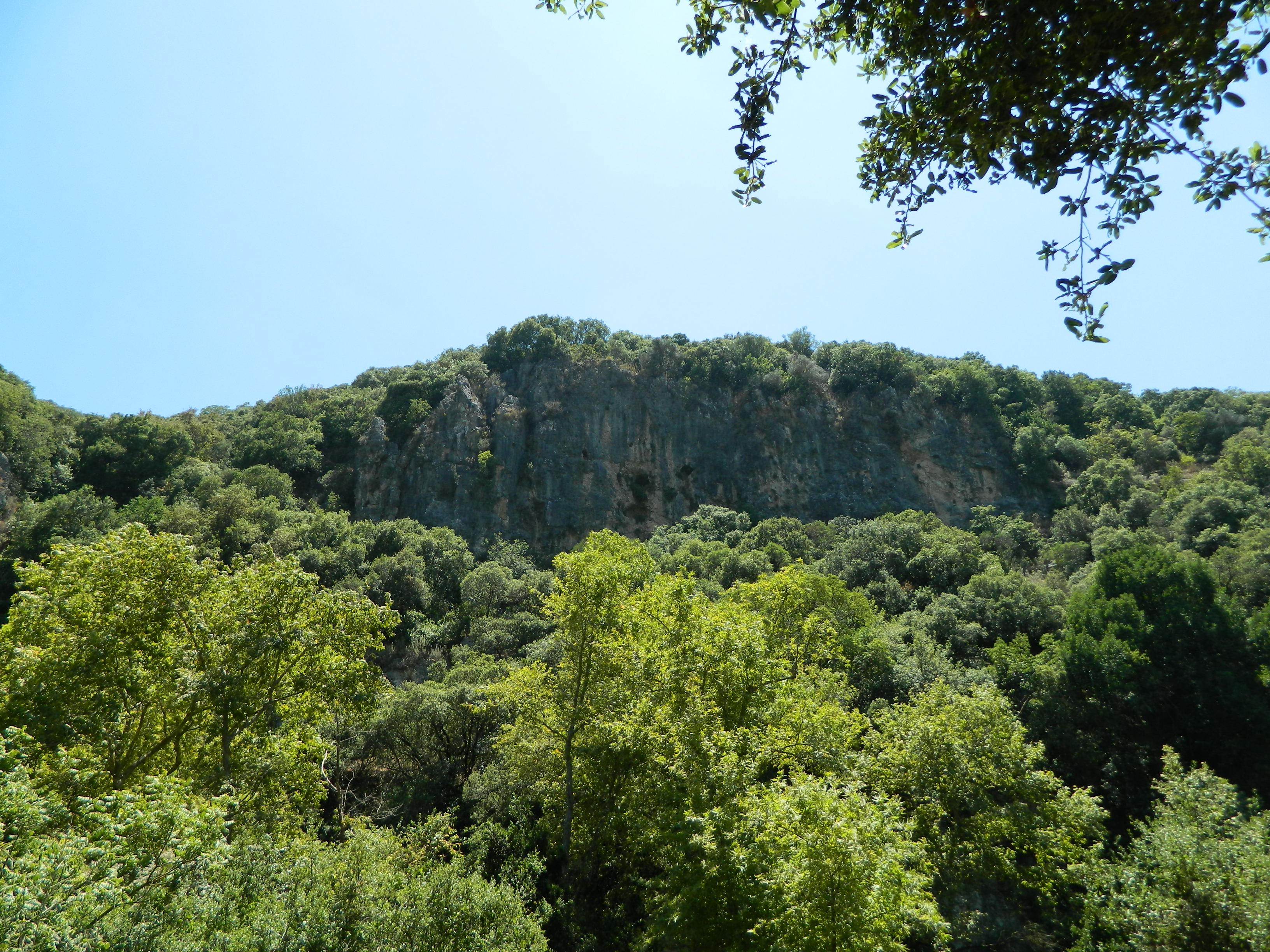
In that area, some members of our expedition had a run-in with the supernatural… Reports of tapping on the heads of fellow party members made our short melon-eating break all the more exciting. I didn’t have my head tapped, but there is a place just a bit further down that has a different energy about it. I can’t say I am too in-touch with energy detection but the world is much larger and much more complex than how we see it at face-value. At this point we decided to turn back, and not to continue on for what would be hours longer (we hadn’t even reached Montfort Castle). So we headed back, walking beneath the magnificent stone cliffs as seen here:

Cliff walls along Nachal Kziv

Cliff walls along Nachal Kziv

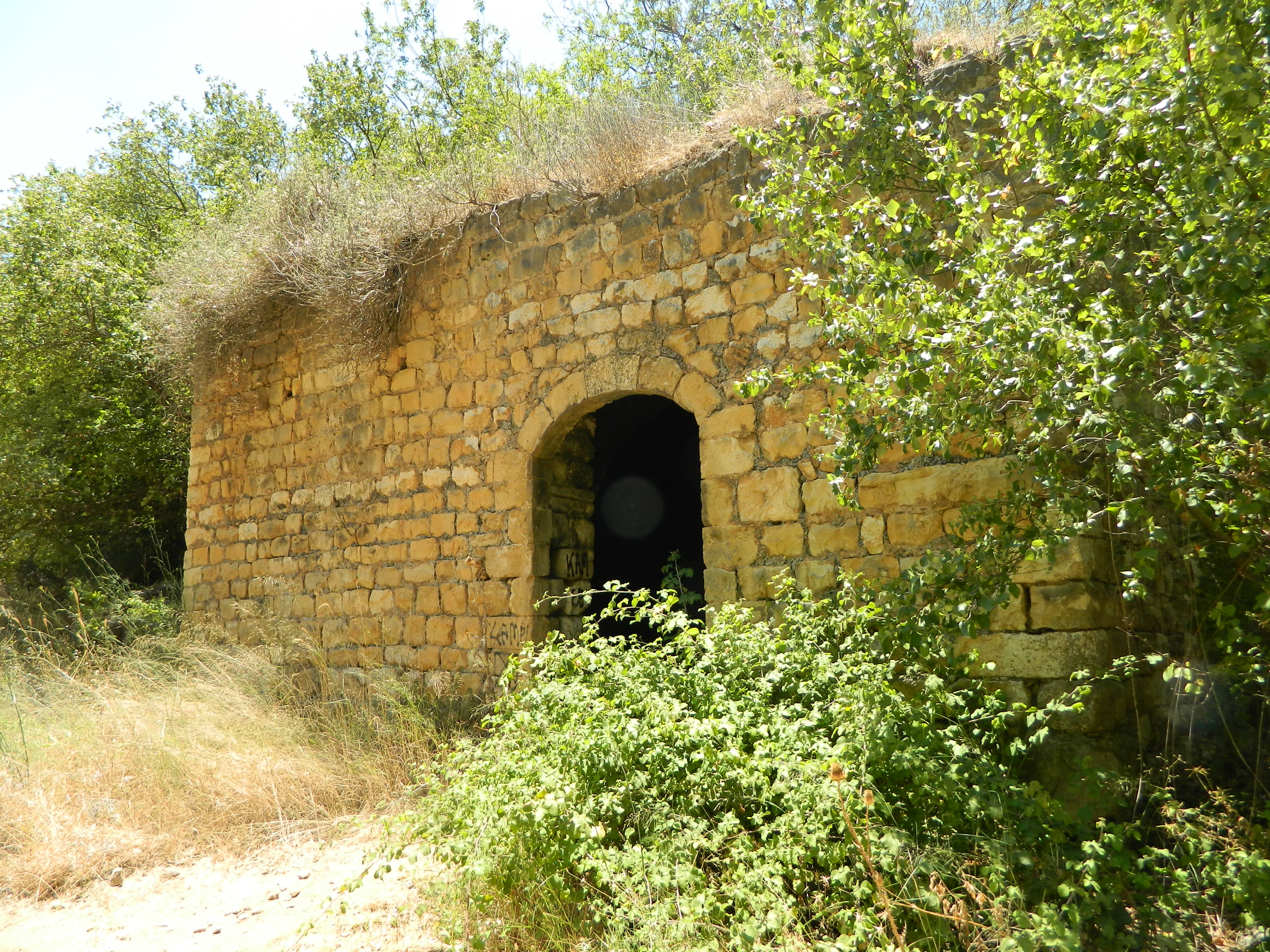
On the way back, kind of close to the pumping station, I stepped into the old Crusader inn that rests empty at the side of the trail:

A Crusader inn

A Crusader inn

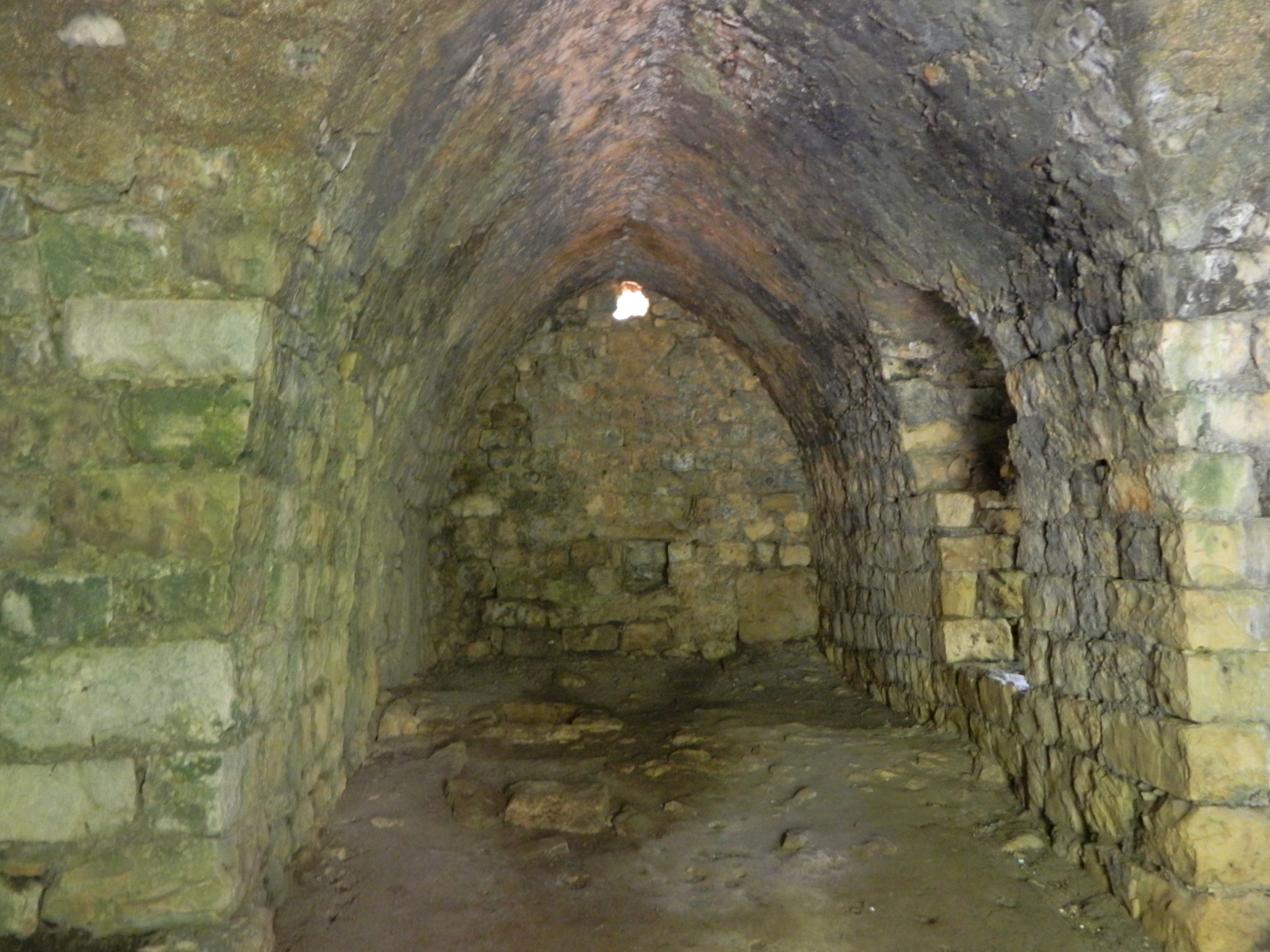
And a look at the arched interior:

Inside the Crusader inn

Inside the Crusader inn

After that it was a quick walk to the pumping station and then a somewhat grueling hike back up the mountain, following the long windy road we took down. At last we made it to our cars, said our farewells and headed home – where I emptied the heavy geodes from my bag and placed them in the living room.

Until next trip!

Montfort Castle

In Galilee, Israel on June 30, 2013 at 4:51 AM

This past Thursday, having received a day off due to my hard work in the army, I went out with my father for a late morning hike to a local favourite: Montfort Castle. An old Crusader castle, just off Nachal Kziv (Kziv Stream), Montfort is one of my favourite historical sights in Israel and it’s so close to my house! Grabbing some trivia off Wikipedia, Montfort Castle is just 10 miles from the Lebanese border and probably about a mere three miles from where we live.

Castle area from the tower

Castle area from the tower

Sometime in the 1100s, after the First Crusade, the De Milly family received the land and built the castle, as well as a water mill down the mountain. An irregular Crusader-era castle, it was built at first to sustain an agricultural estate. Later, when Saladin reconquered the land for the Muslims, the castle fell into their hands. When King Richard the Lionheart led the Third Crusade in 1189, the castle was returned to the De Milly family who, in turn, sold it to the Teutonic Knights from Germany. They renovated the castle and after a falling out with the Knights Templar and Hospitaller, they left the then-capital Akko (Acre) and set up shop at Castle Montfort. The Teutonic Knights expanded the castle and turned it into a magnificent building, the pride of their order. In 1271, after repeated attempts, the Mamluks, under Baibars, besieged and conquered the castle, allowing the Teutonics to leave peacefully. Since then the castle has simply fallen apart, but it is still magnificent, and its location is superb.

Looking out to the Mediterranean

Looking out to the Mediterranean

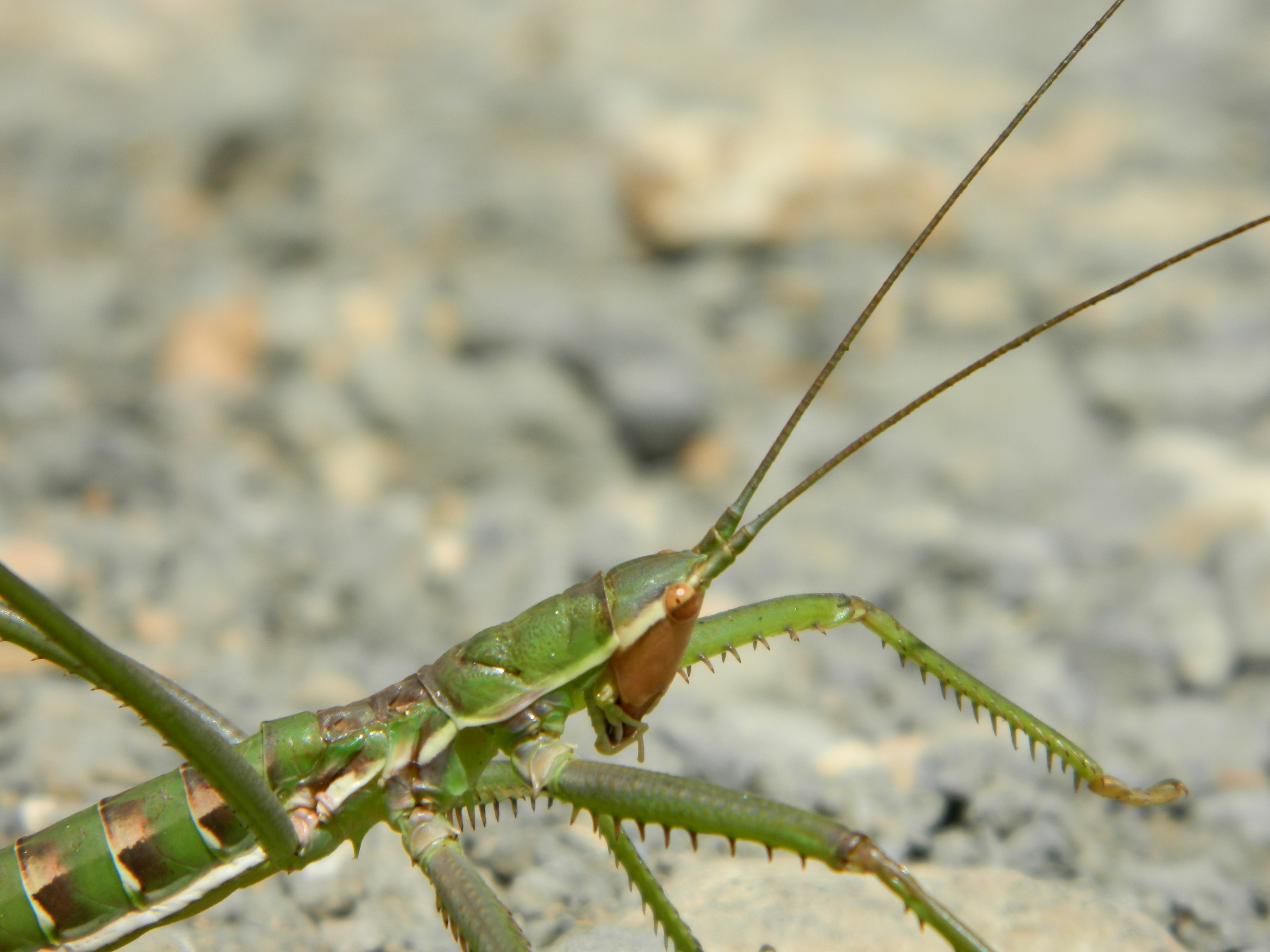
My father and I started our hike on the wilderness side of Mi’ilya and Mitzpe Hila (Christian and Jewish villages, respectively). In the early stages of the walk we encountered a very large insect, which I believe is a Phasmid (or stick insect). Regardless of what he is, he made a great model for photography:

Large insect on the trail

Large insect on the trail

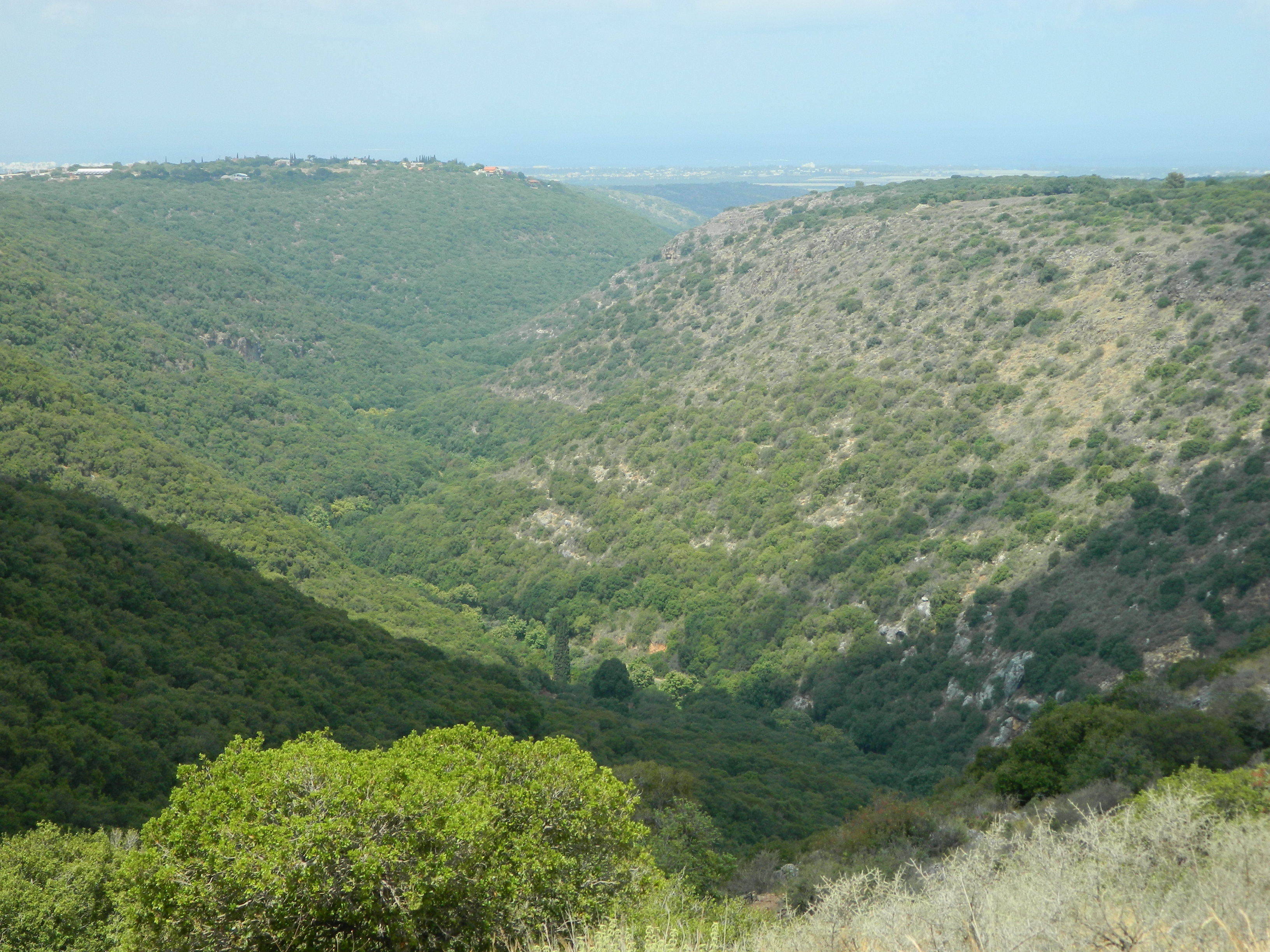
Shortly after, the trail dipped and we trotted down the mountain. A pleasant walk, especially with mild weather, the going was good and before long we heard the sounds of fellow hikers. Having come from a high elevation, we were hiking basically across from the castle, just having to go down and back up to enter. Other hikers were down below, walking the Nachal Kziv trail, along the stream.

The trail down below, running along Nachal Kziv

The trail down below, running along Nachal Kziv

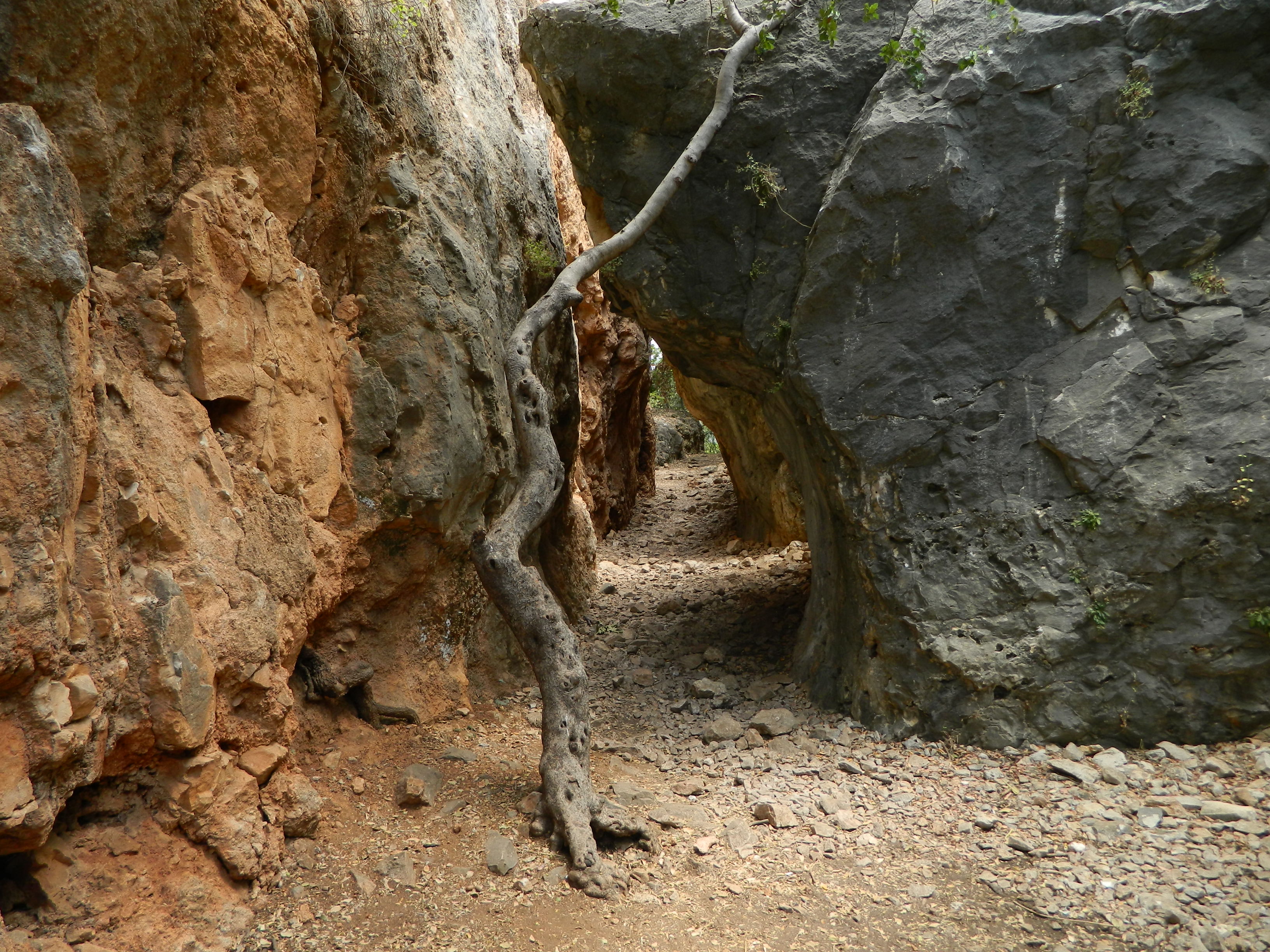
Just before climbing the last bit up to the castle itself, there is a great little pass between two boulders. I’d say that they are more “parts of the mountain” than boulders but that just sounds weird.

Through the crack...

Through the crack…

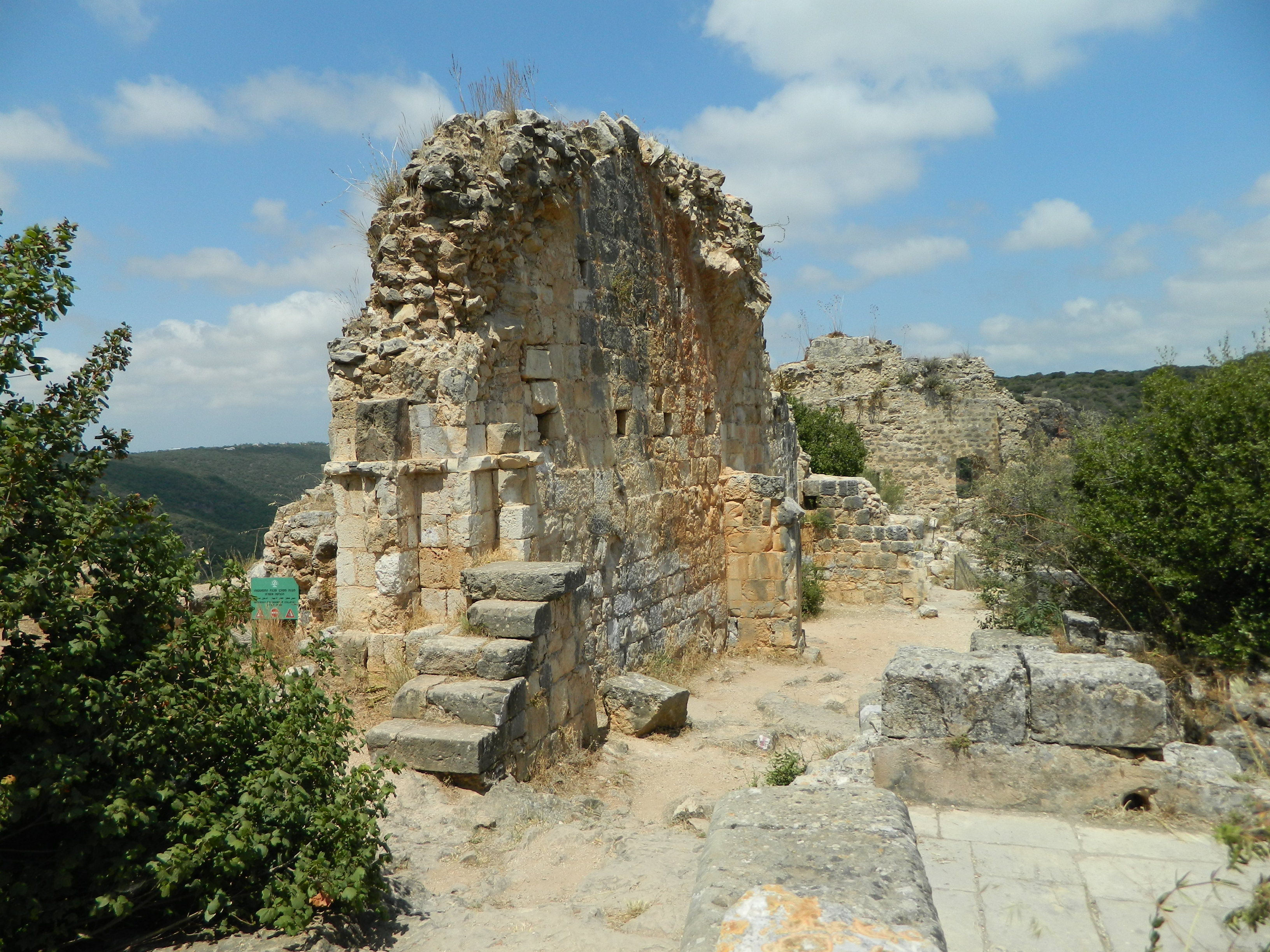
While perhaps not as noble and expansive as the Hopitaller Castle of Akko, the Nimrod Fortress of the Upper Golan or the nearby Teutonic Castle of Yehiam, the Montfort Castle strikes me as most fascinating. Up in the castle, there are many levels and areas to explore. From the highest tower to the low arched chambers there are many greats places to be photographed. Here is a large standalone wall in the middle of the castle:

Castle remnant

Castle remnant

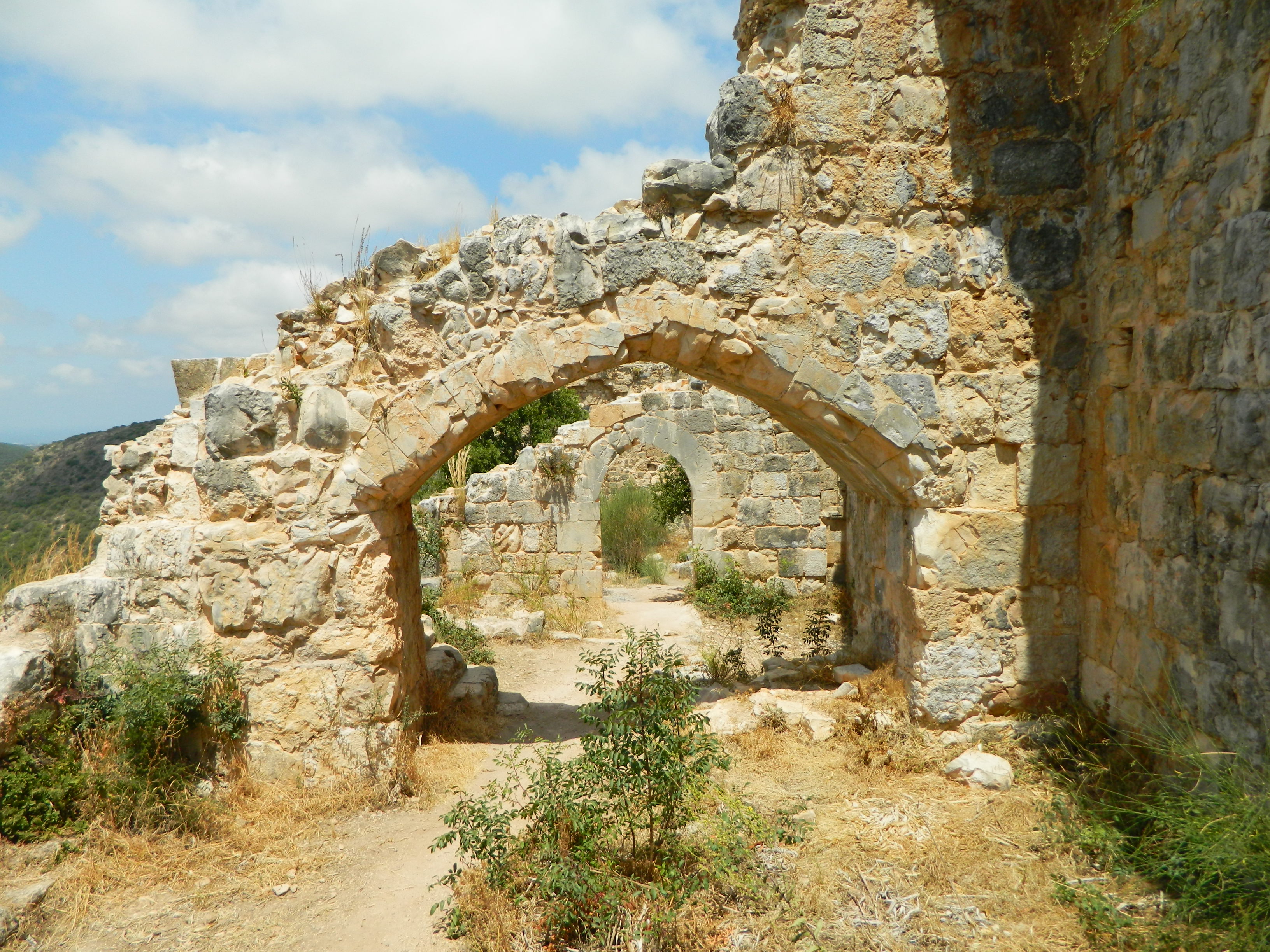
Here are two doorways to the left side of that great wall, each a different build:

Castle doorways

Castle doorways

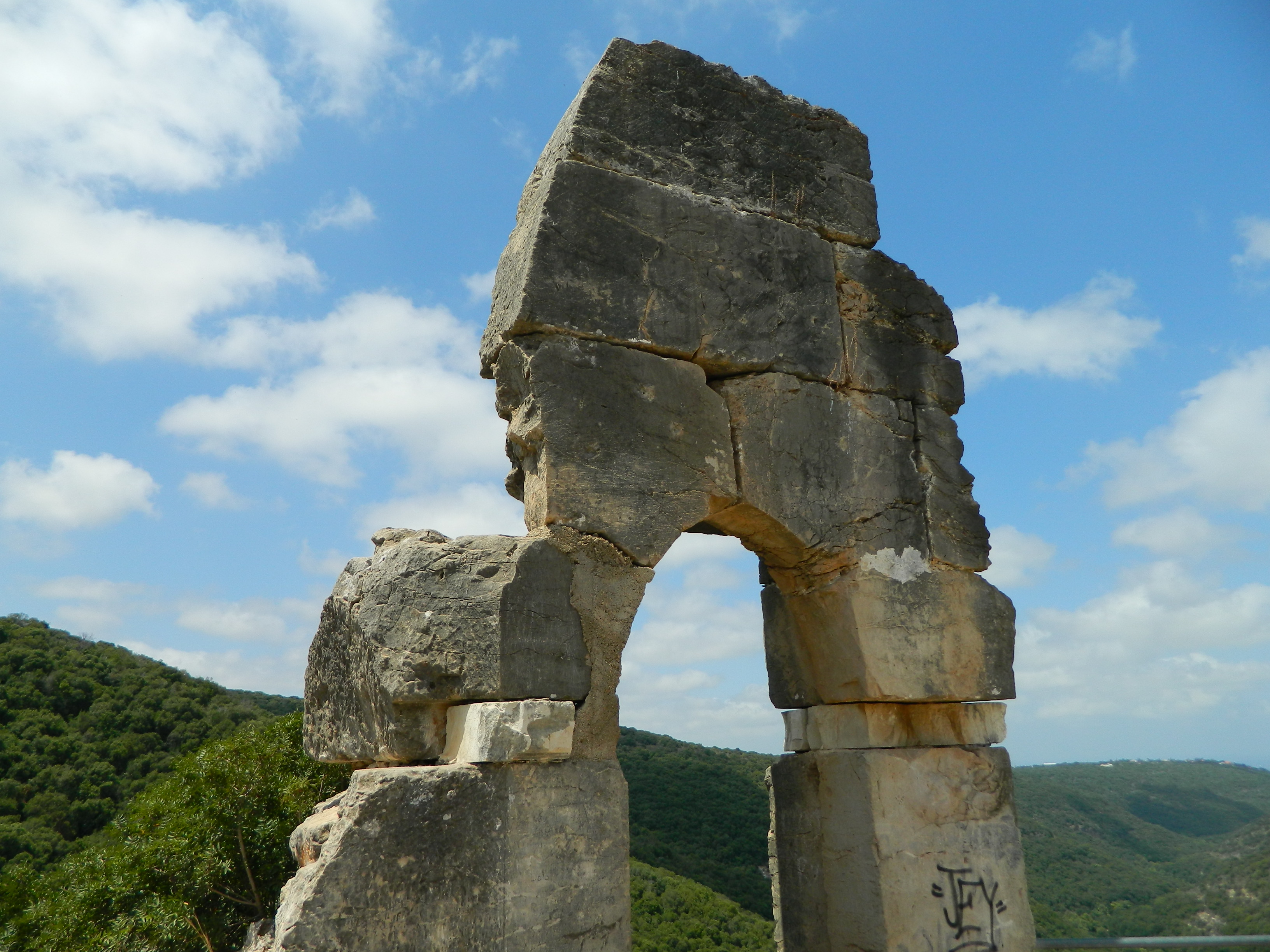
Climbing the old stone steps to the highest tower of the castle, the open-air room would make the perfect observatory for stargazing or nighttime photography (something I’d really like to do). Here is one of the two wall chunks that has survived the test of time:

Up on the tower

Up on the tower

We stayed up there for a few minutes, watching the tiny people walking the trails down below, and then continued on the the western side of the castle. There, passing through a great wall, the breeze was phenomenal. Coming off the Mediterranean Sea and channeled through the gentle Galilean mountains, the wind hits the castle with a cool crispness that sweaty hikers find most desirable. First, the wall that blocks the wind:

The wall that blocks the wind

The wall that blocks the wind

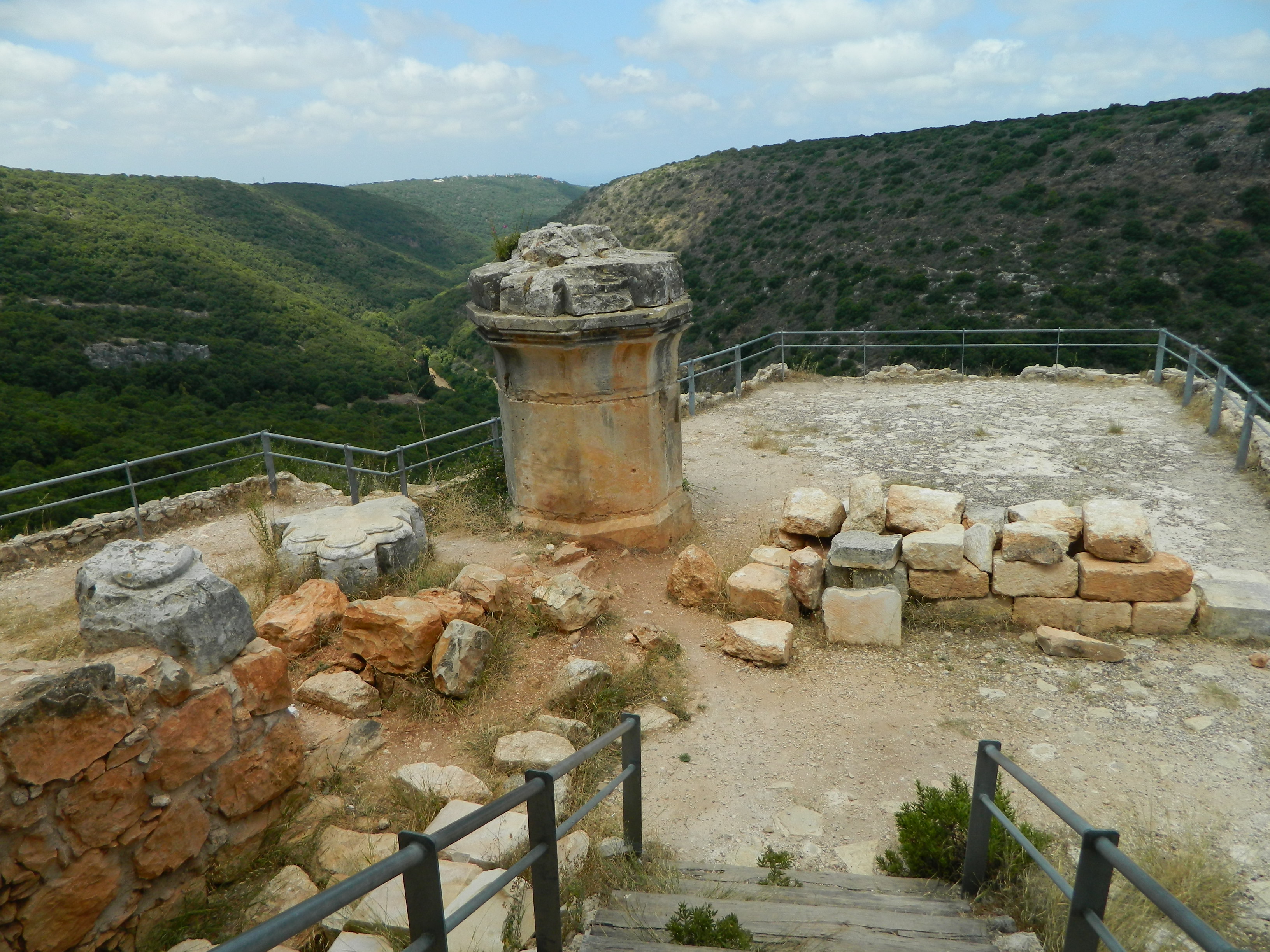
And here, a thick Crusader pillar amongst the rubble where the wind hits best:

A thick pillar, where the wind comes in strong

A thick pillar, where the wind comes in strong

At the north-western corner, separate from the main castle building, is a perfect guard tower, reminding me of the rook in the game of chess:

Lower guard tower

Lower guard tower

And beside the guard tower, the area under the thick pillar, large arched chambers can be entered. I’ve heard that these rooms were either stables, barracks or dining halls, but whatever they are, their previous use is not evident:

Arched chambers

Arched chambers

Going downhill, heading for the stream, we came across the water mill that was one of the fundamental pieces of the agricultural estate that the De Milly family created. The last time I entered the mill, from around the side, I had an unfortunate run-in with some plant that enjoyed piercing my pants and injecting plant venom into my poor legs. So this time I was a tad wary and decided to enjoy the mill from afar, as you can too:

The mill

The mill

Just a few feet from the mill is the stream, which due to the dry part of the year, wasn’t as full as I usually see it. However, thanks to the bountiful winter rains, the stream wasn’t too dry. First we waded in, then my father laid down in the cold water, the little fish venturing closer and closer. While we relaxed in the refreshing water, the sun got more and more intense. Fearing sunburn, I dried off and took the liberty of filling up my water bottle from the spring water, something I usually do.

The refreshing Nachal Kziv

The refreshing Nachal Kziv

We then climbed back up to the castle, skirted it and fell back onto the trail that headed to where we parked the car. The way back was definitely on the harder side, and I was very glad to be seated, at last, in an air-conditioned car for the five minute drive back to the house.

Up next, that very night’s “White Night” in Tel Aviv, an annual event.

Tel Dan

In Galilee, Israel on March 31, 2013 at 6:45 AM

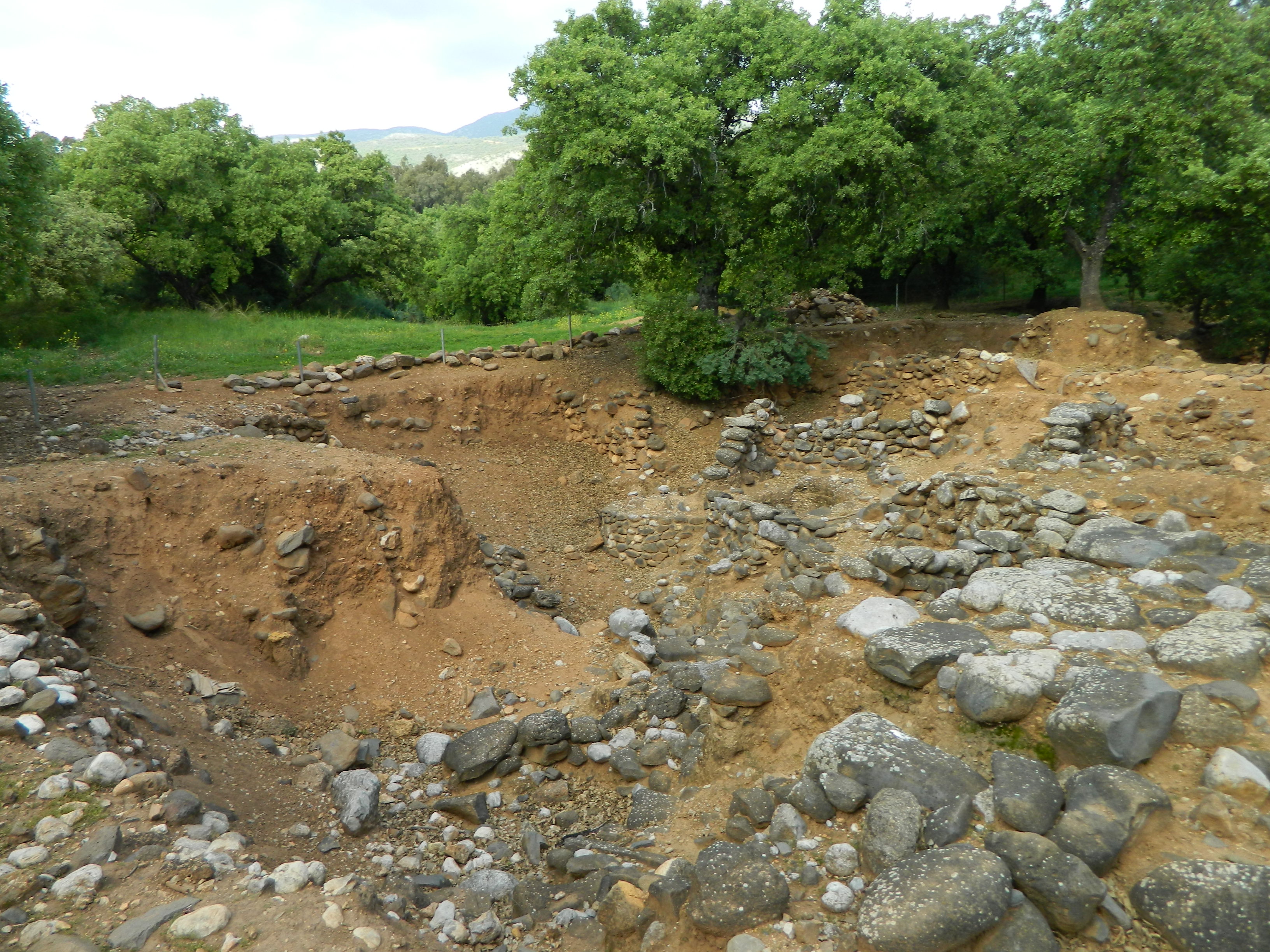
On Wednesday, the first day of Pesach Chol HaMoed, we took a (partial) family trip to Tel Dan, an ancient city on a nature reserve way up in the Upper Golan. Belonging to the Tribe of Dan, this northern city was known under a variety of names throughout the generations: Laish, Leshem and Dan. Located beside Banias, the Dan River park is quite lush and green, coupling it nicely with the ancient ruins.

Excavated ruins of Tel Dan

Excavated ruins of Tel Dan

Melted ice flowing down from Mount Hermon, together with gushing cold water from underground springs, the Dan River joins two other small streams to form the Jordan River. Within the park itself one sees a trickling spring transform into a rushing stream, perfect for rafting and kayaking.

The Dan River

The Dan River

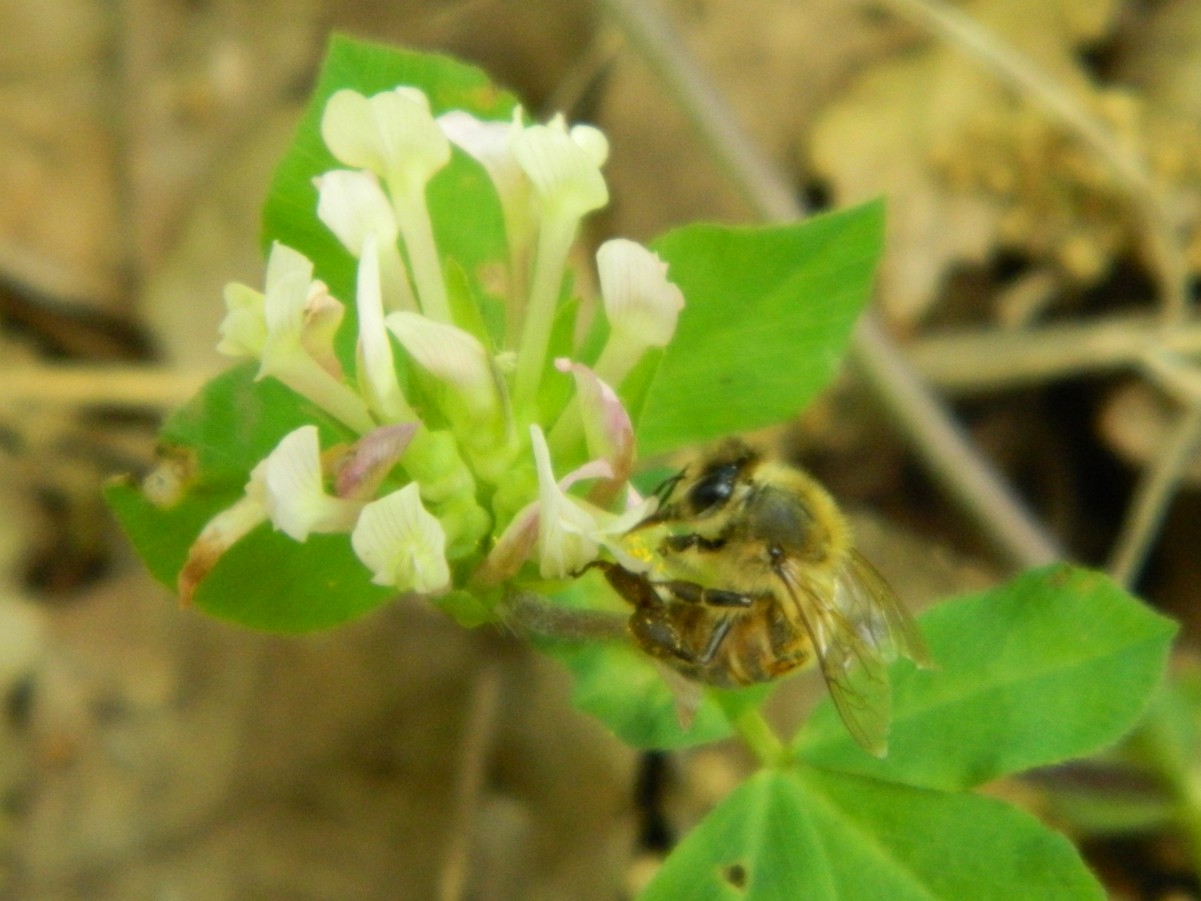
We took the long trail, which included stops at the Israelite Gate and the “High Place” where idol worship went on during the kingship of Jeroboam ben Navat, who ruled the first Israelite Kingdom of Israel for 22 years, following the split between Israel and Judah. Bringing along a new camera, this one featuring 21x optical zoom, I was keen on photographing plants and animals which come out great with a DSLR camera. Being that I was in a nature park, the opportunities were abound.

Close-up of a bee on a flower

Close-up of a bee on a flower

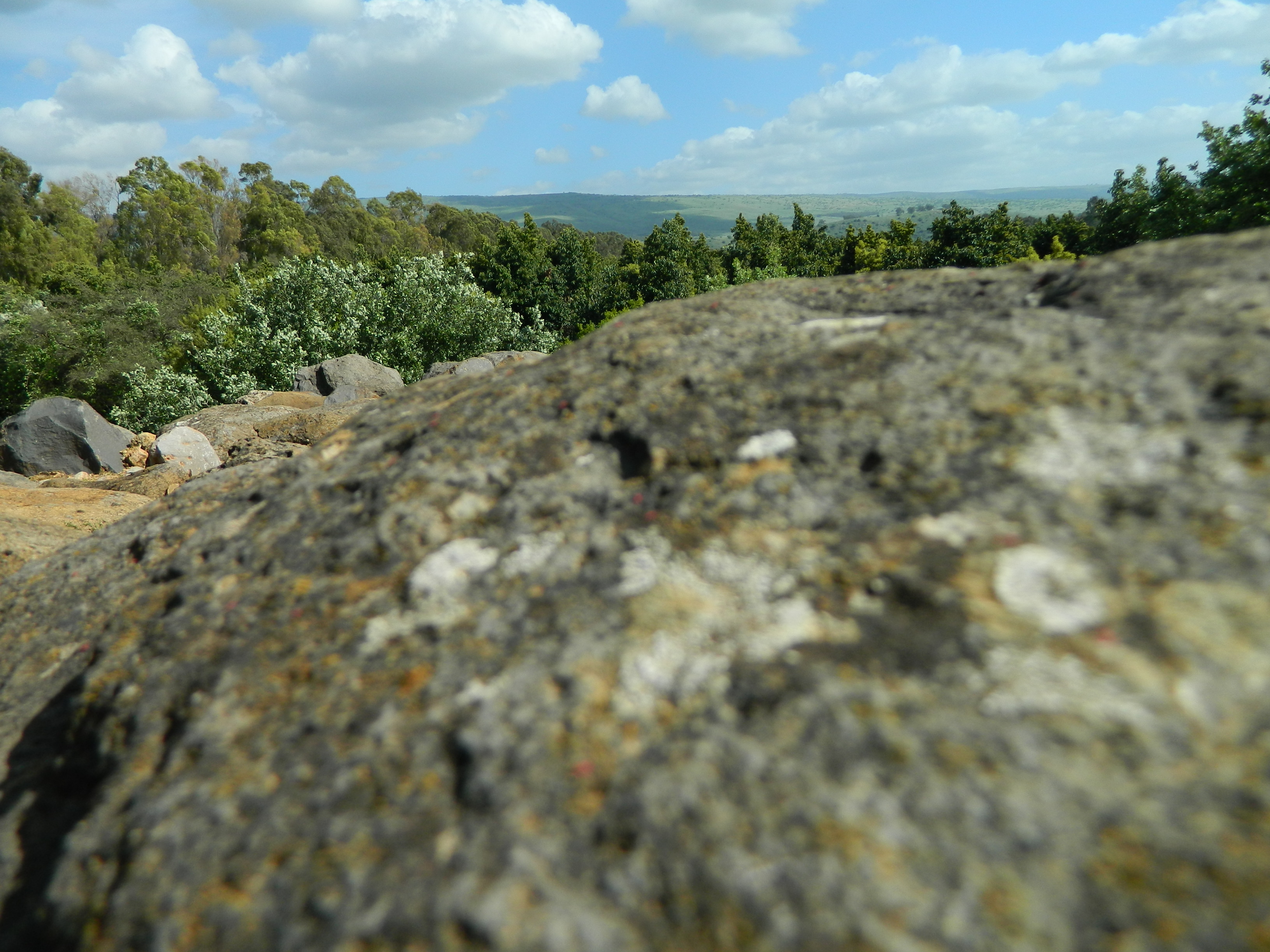
I also played with zoom and focus, using the great landscape to capture deep photographs. Here, a lichen-covered rock, belonging to an ancient wall in the Israelite Gate, and the rolling levels of trees in the background:

Lichen-covered rock and the green beyond

Lichen-covered rock and the green beyond

When we approached the High Place, a man came up to us and asked us if we knew the history. We chimed in as he began to tell over the despicable tale of the Israelite king introducing idols into the area, slaughtering animals to the idols just feet away from where we stood. He was royally miffed and was pleased to know that we too knew the tragic Biblical tale. Here is a cistern from beside the altar which may have been used to hold blood (from the sacrifices) or wine (from the libations):

Stone and plaster cistern

Stone and plaster cistern

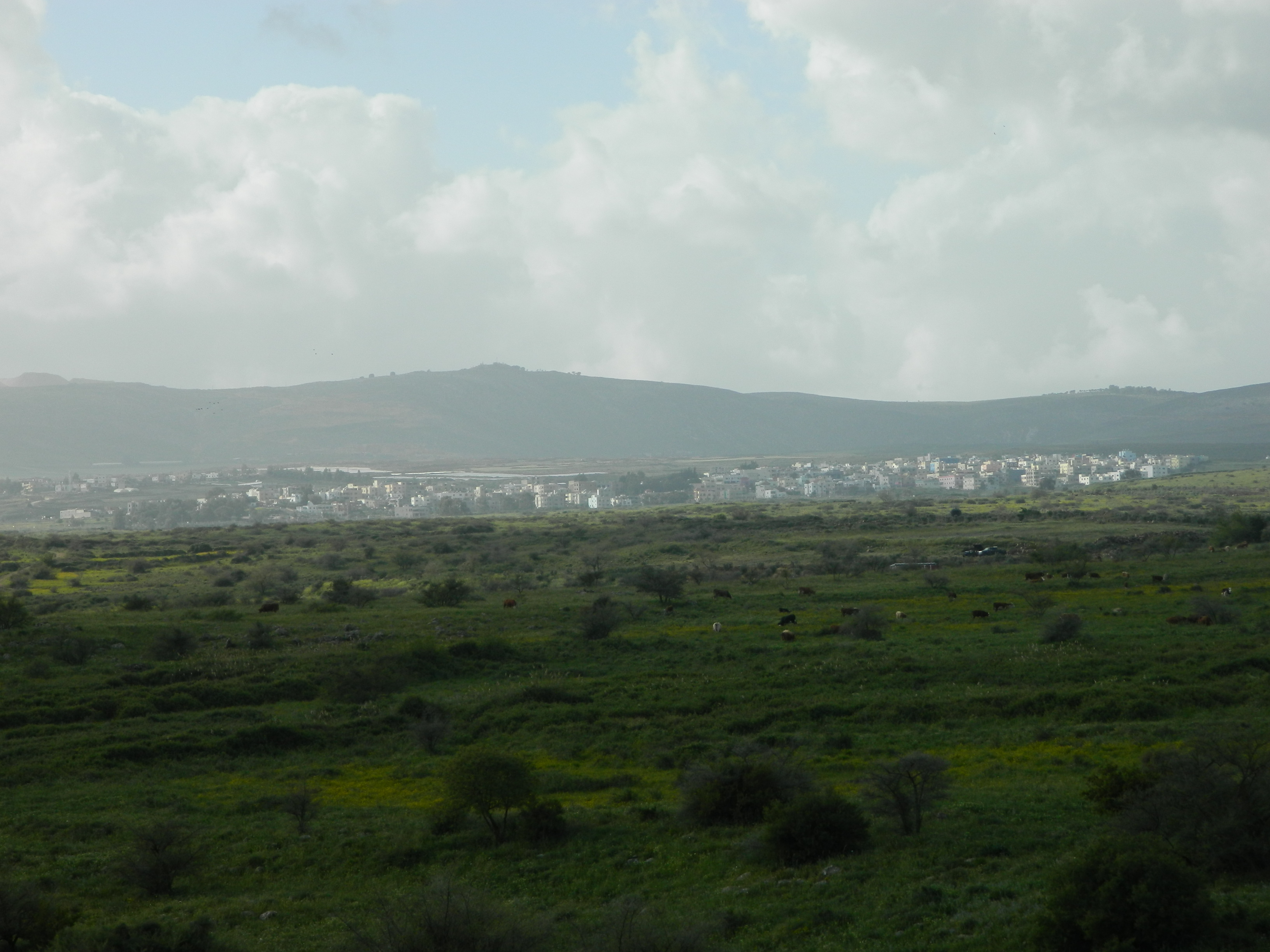
In more modern times, the area was used by the IDF to secure the northern area of the Golan. Here is a shot of the nearby Lebanese town of Arab el-Luweize (I wonder whose cows those are…):

Lebanese town of Arab el-Luweize

Lebanese town of Arab el-Luweize

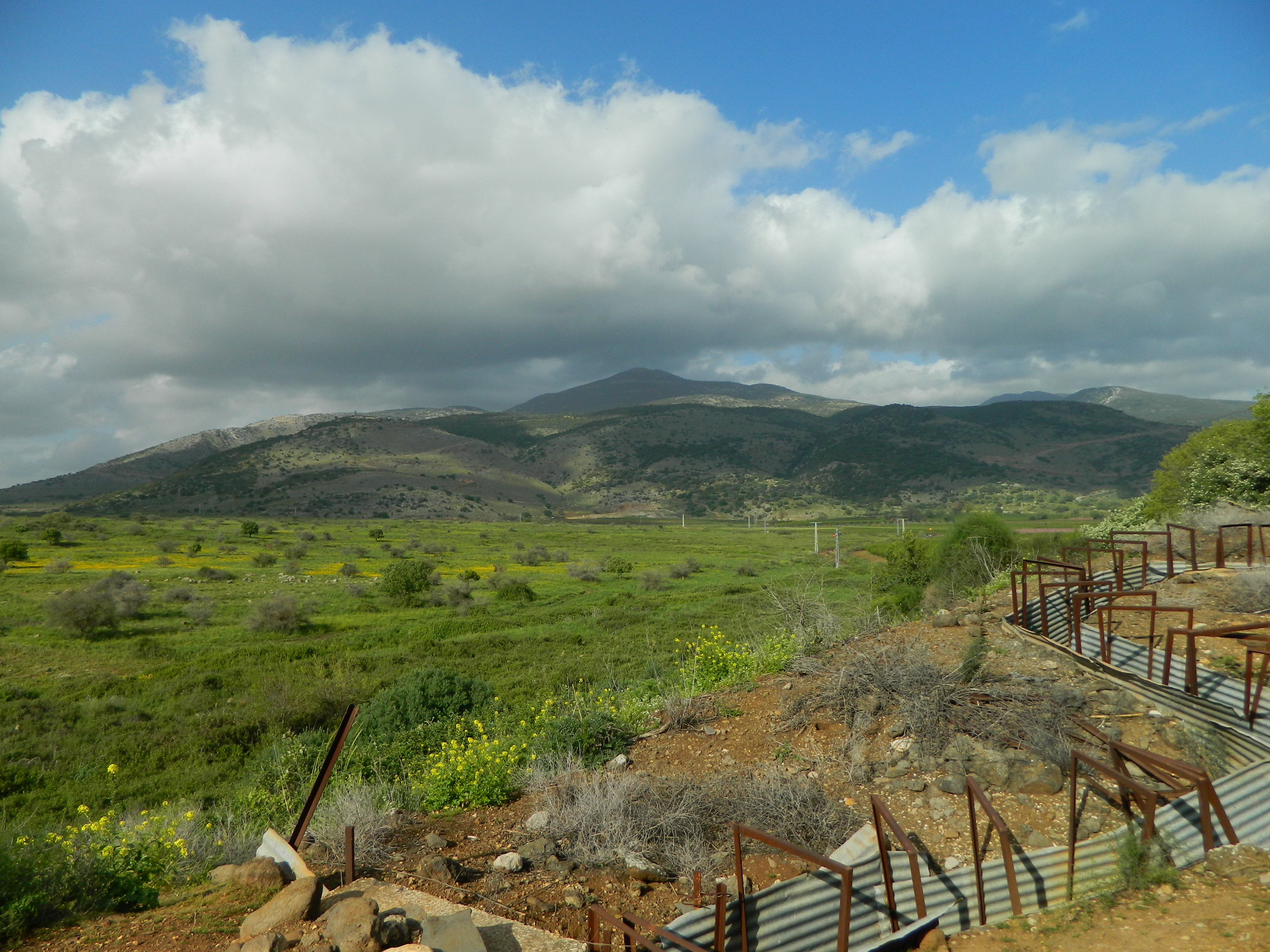
With the Lebanese to the north-west and the Syrians to the north-east, a bunker was built into the hill beside the “High Place”.  Here the trenches can be seen, with odd frame pieces every few feet. The peak in the distance is Mitzpe Ramta, with Mount Hermon on the far side (not visible):

Greenery, trenches and Mitzpe Ramta

Greenery, trenches and Mitzpe Ramta

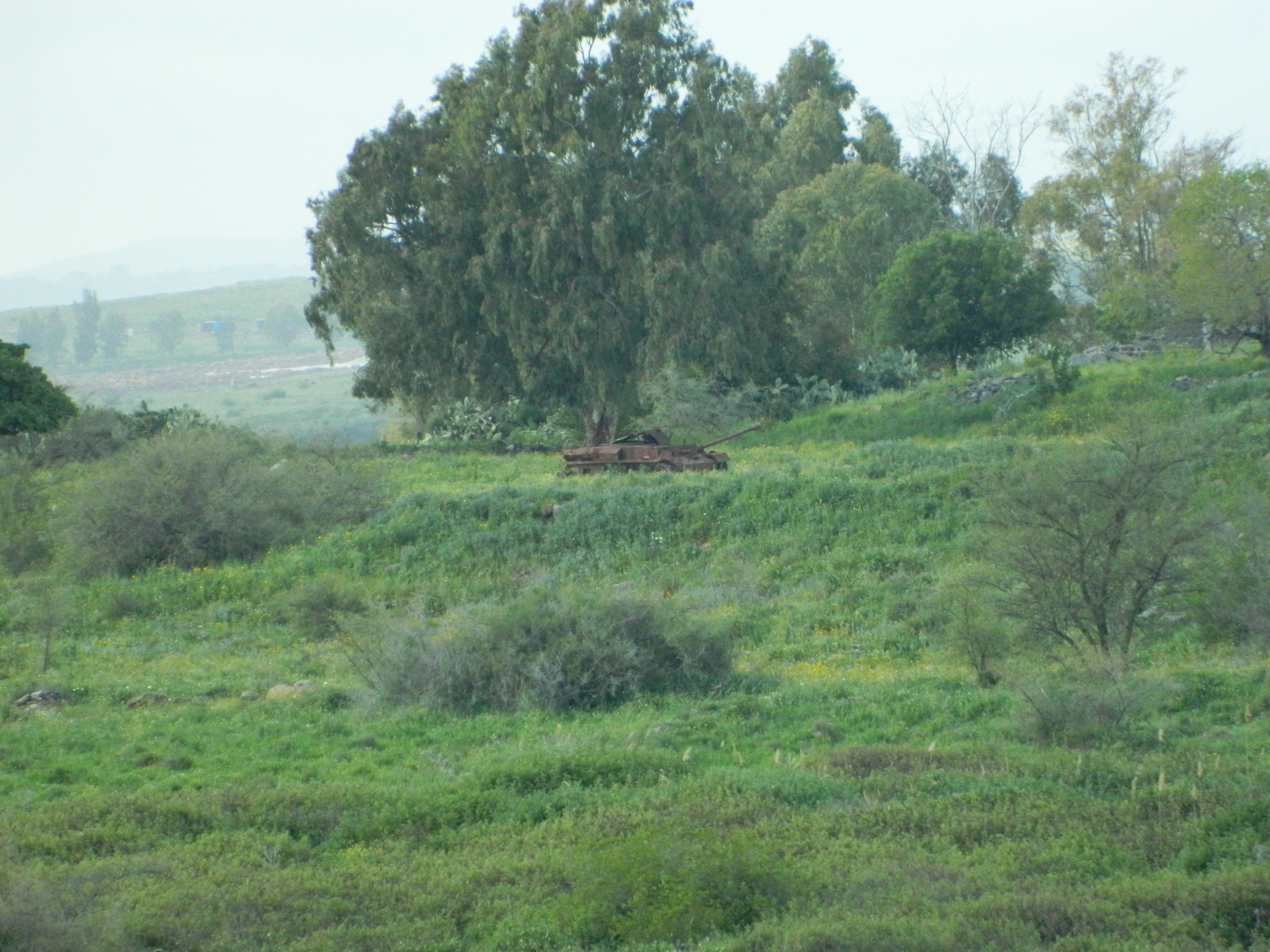
And here, thanks to the 21x optical zoom, a rusted Syrian tank from the Six Day War in 1967 can be seen, way off in the distance:

A rusted Syrian tank

A rusted Syrian tank

Descending into the trench, I entered the bunker and crouched behind the mount for the .50-calibre machine gun, looking out at the lush green fields:

The view from the bunker

The view from the bunker

After a nice picnic beside the alter, we continued on with the hike, turning back to the Dan River. But first, a shot of the Israelite Gate area, not too far away from a stone throne:

Walls from the Israelite Gate area

Walls from the Israelite Gate area

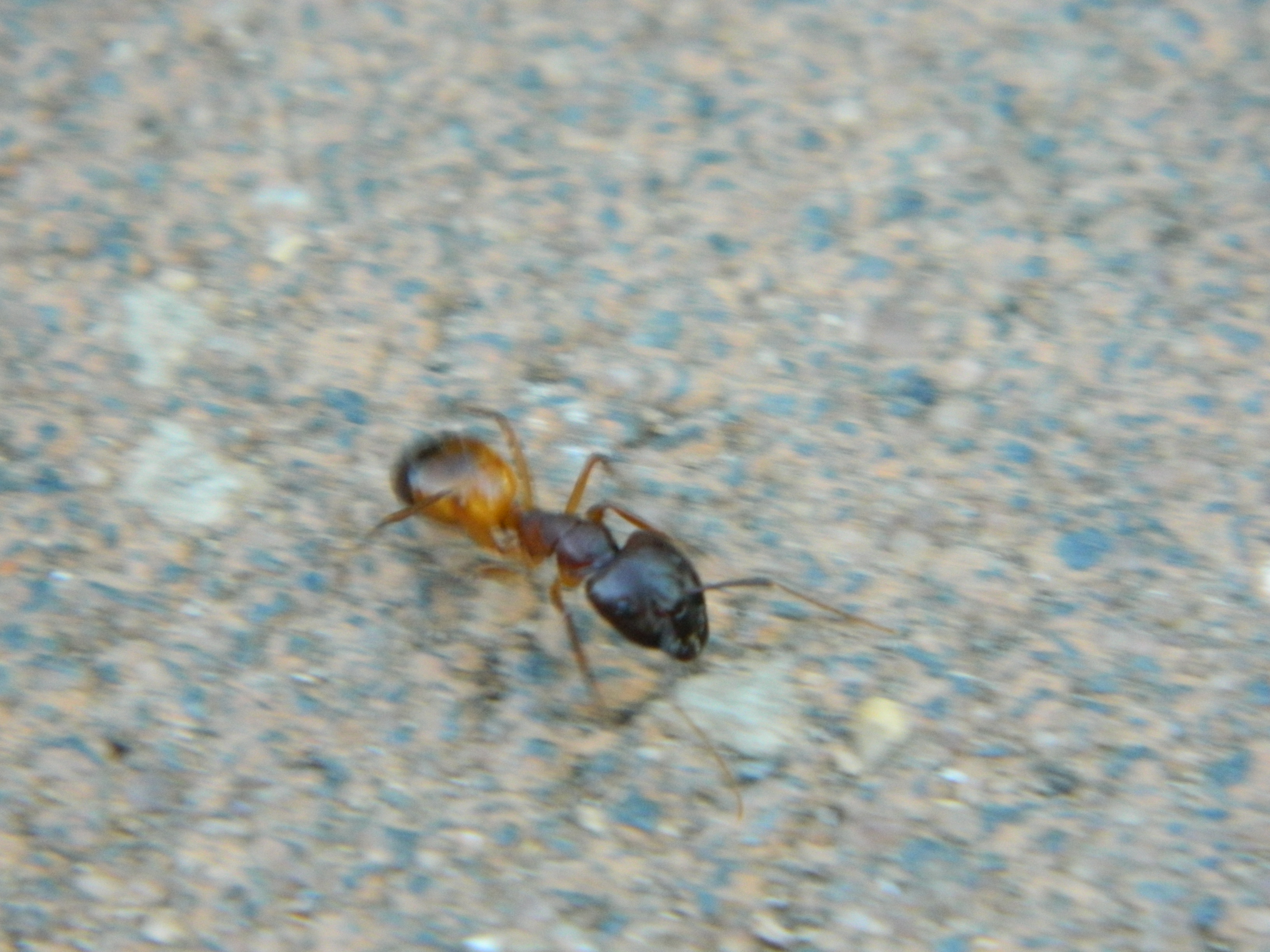
Back at the parking lot, I found a large ant which became my model for macro-photography. This ant was very elusive and nary a good photo was taken of the minuscule beast. This is the best shot, I hope to capture better and more in upcoming adventures.

Elusive ant

Elusive ant

Day 2 of Chol HaMoed (next post): Castra and the Atlit “Illegal” Immigration Camp!

Army Trip: Canada Centre

In Galilee, Israel on January 6, 2013 at 5:22 AM

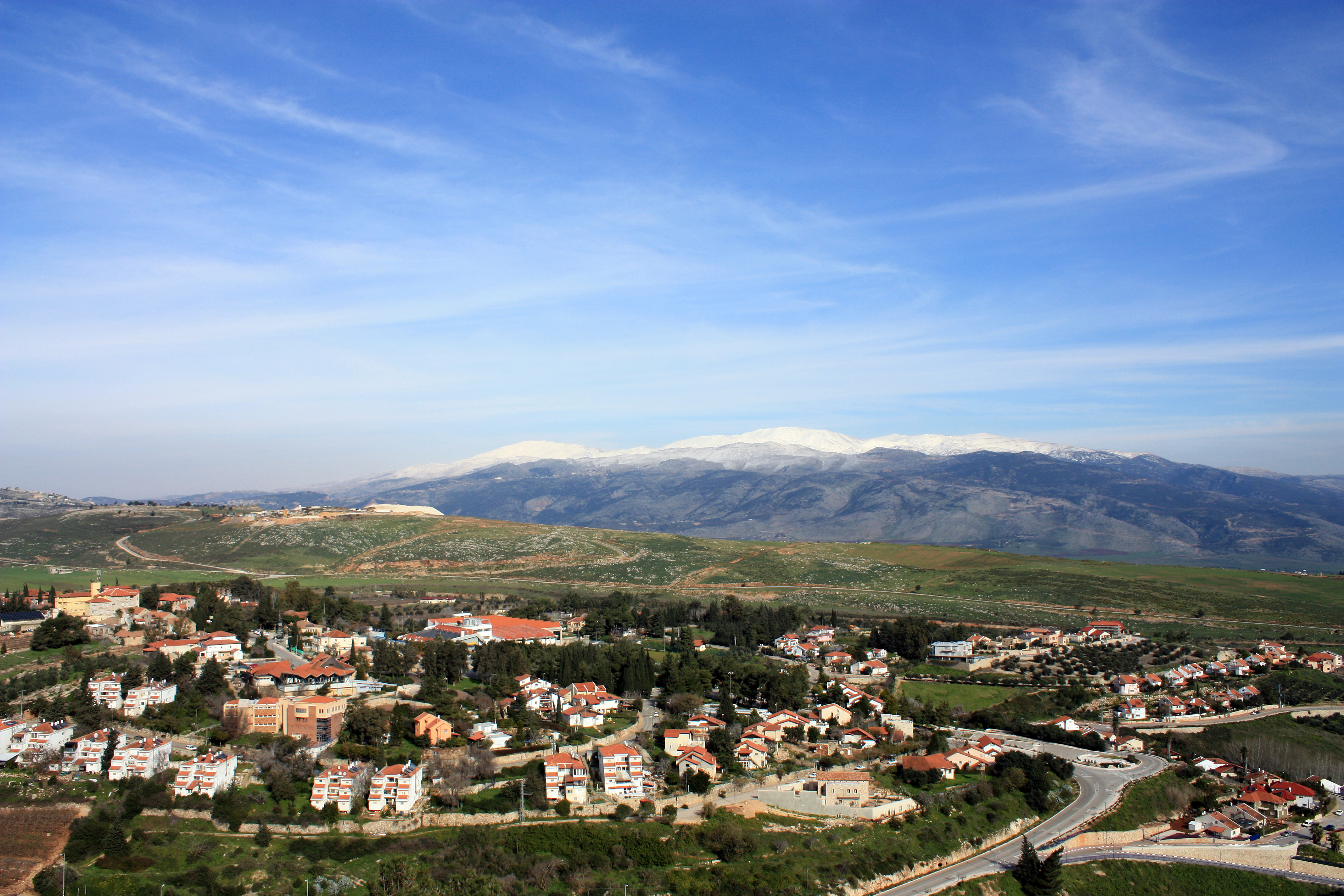
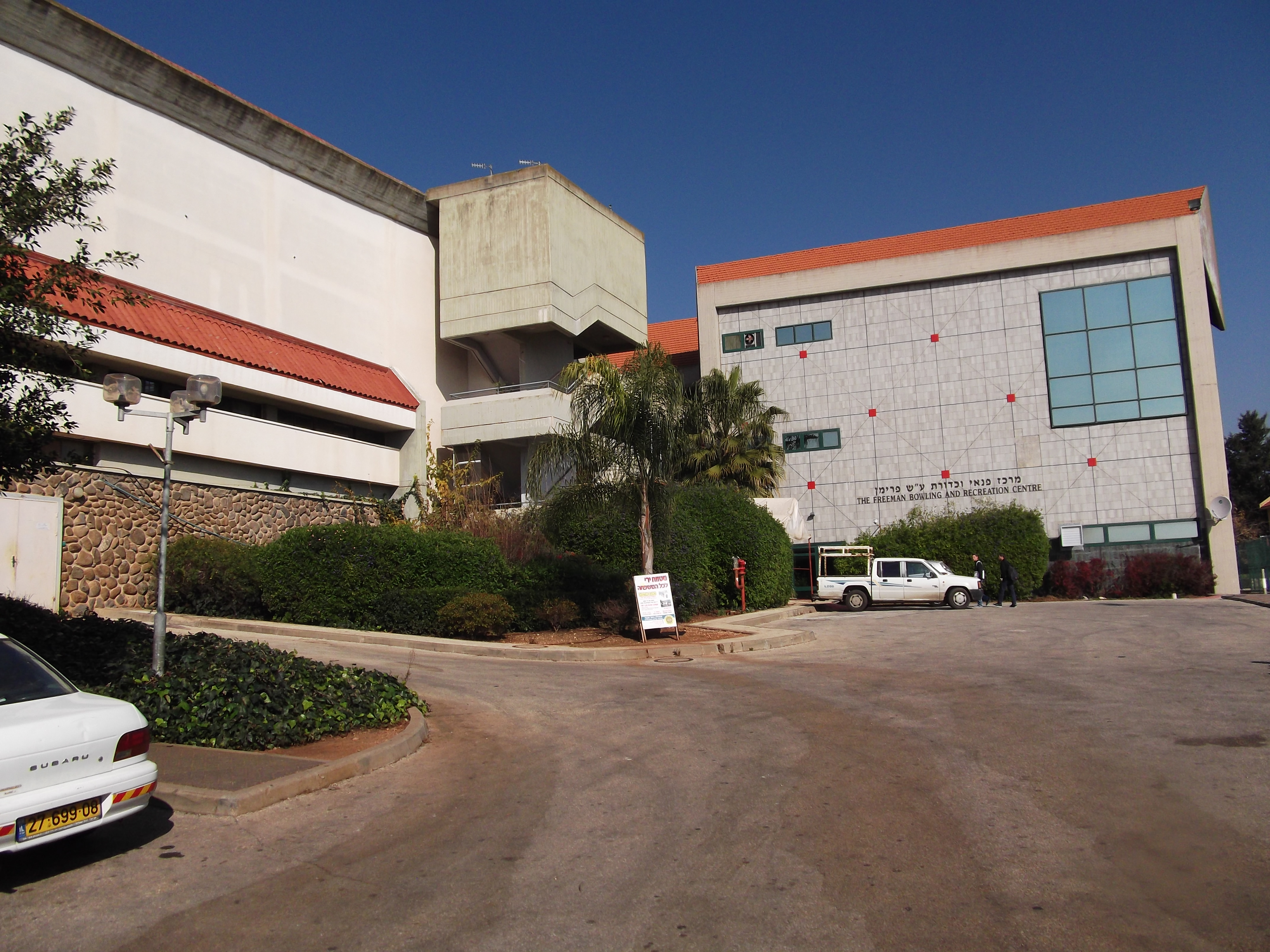
This past week I was taken, quite unexpectedly, on yet another Army trip. This adventure was to the oddly-named Canada Centre in Metula, a recreational centre most famous for its ice skating rink. Being on the very border with Lebanon, near the now-closed border crossing “Good Fence”, Metula is the farthest north I have been yet – just a wee bit further north than the Nimrod Fortress. While everyone agrees that Metula is amazingly picturesque, we were mostly indoors enjoying the attractions at Canada Centre.

Metula with Mt Hermon

Metula with Mt Hermon

As it was a large chunk of my base’s population all visiting the Canada Centre at once, we basically took the place over and had a great time doing so. For some reason, perhaps not to overwhelm the locals, we dressed in civilian clothing and only a handful of us brought guns.

Canada Centre

Canada Centre

When we got inside, getting our hands stamped as we did, my two American friends and I embarked on a mission to find some food. We only found Pringles so we went swimming, and since I didn’t really want to go swimming I sat on the side and guarded my friends’ possessions. After swimming we had some Army lunch and then headed for the famous, Olympic-sized ice skating rink.

A Zamboni ice resurfacer on the rink

A Zamboni ice resurfacer on the rink

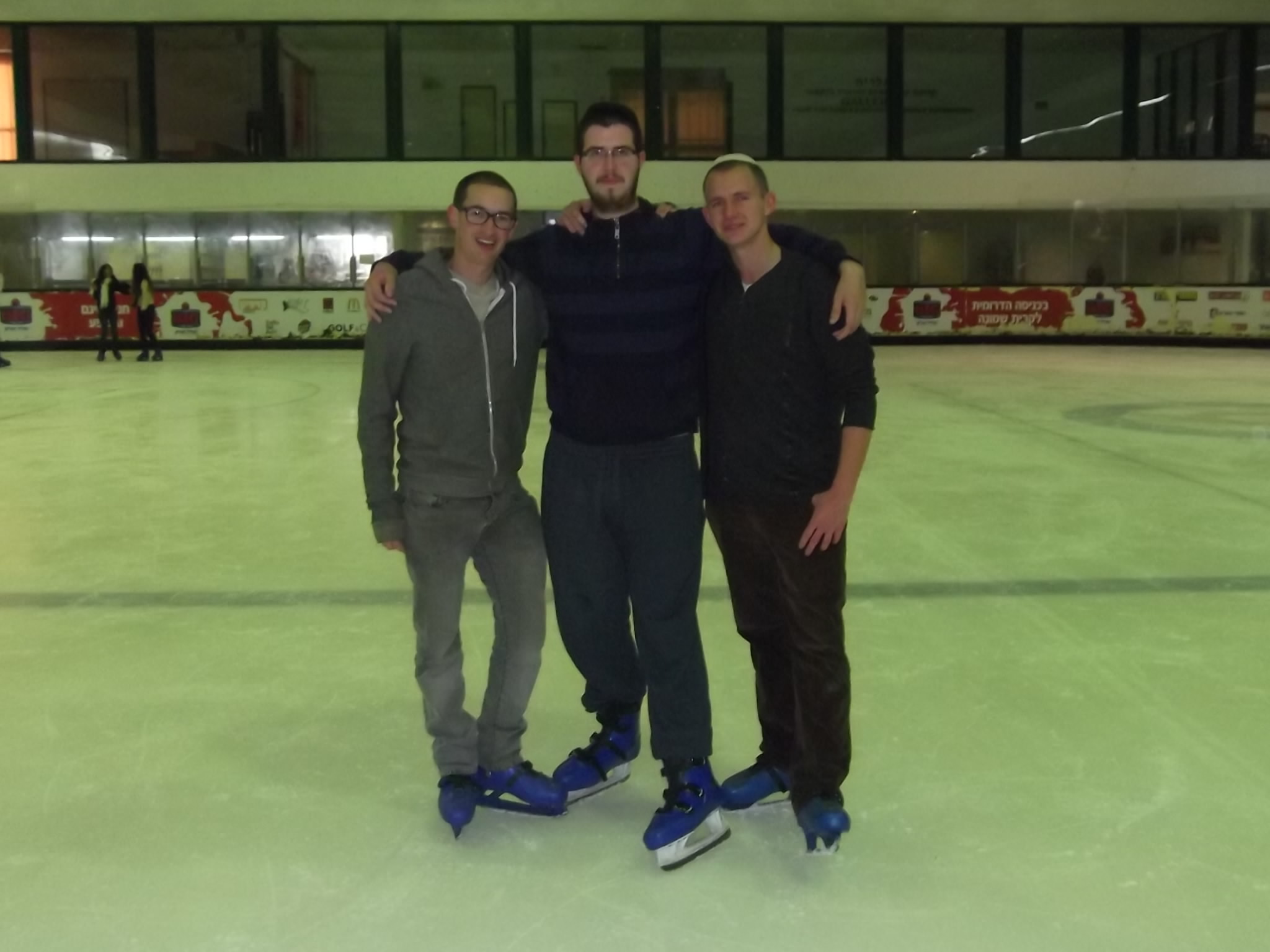
As soon as I strapped on those beginner skates I was just itching to get on the ice. With probably close to ten years spanning the gap between my last ice skating experience and this one, I gingerly stepped onto the gleaming ice, my hand clutching the wood wall at my side. My two friends are, simply put, better ice skaters than me but after a few cautious loops around the rink I detached myself from the wall and began to make steady progress. I must say, having to help a Russian learn to ice skate makes for good jokes but there were some Bedouins who, despite being semi-nomadic herders, were surprisingly agile on the ice. Before long I was slicing through the hordes of people and, without falling even once the entire time, enjoyed a quick game of tag with my friends.

On the ice with my American friends

On the ice with my American friends

After ice skating we were quickly ushered into a basketball court where a comedy troupe from the Army entertained us with jokes, skits and songs. Once that was done we were hustled back onto our Volvo tour buses and headed back to our base in the Haifa area. This has got to be one of the shortest blog posts I have written, especially within the last year, but despite the fact that all I really did of interest was skating, it was an army trip and it was a great time.

Until the next sporadic trip!

Leket Picking in Nahalal

In Galilee, Israel on October 10, 2012 at 1:03 PM

Yesterday, which happened to have been Isru Chag for us living in the Holy Land (and still Sukkot for those living in the Diaspora), a special trip to collect “leket” for people in need was arranged. Leket is, to be short and sweet, grain or produce that the farmer drops, accidentally, in the field which is then abandoned for the poor people to gather. There are certain Rabbinical laws that define what leket exactly is, for example if the farmer was pricked by a thorn while harvesting wheat and consequently drops the sheaves or produce from his hand, he can gather them back up and does not have to leave them for the poor. So, in today’s times there is a noble organisation that takes the initiative to collect this leket and dole it out to those in need. This organisation is aptly named Leket Israel:

Leket Israel logo

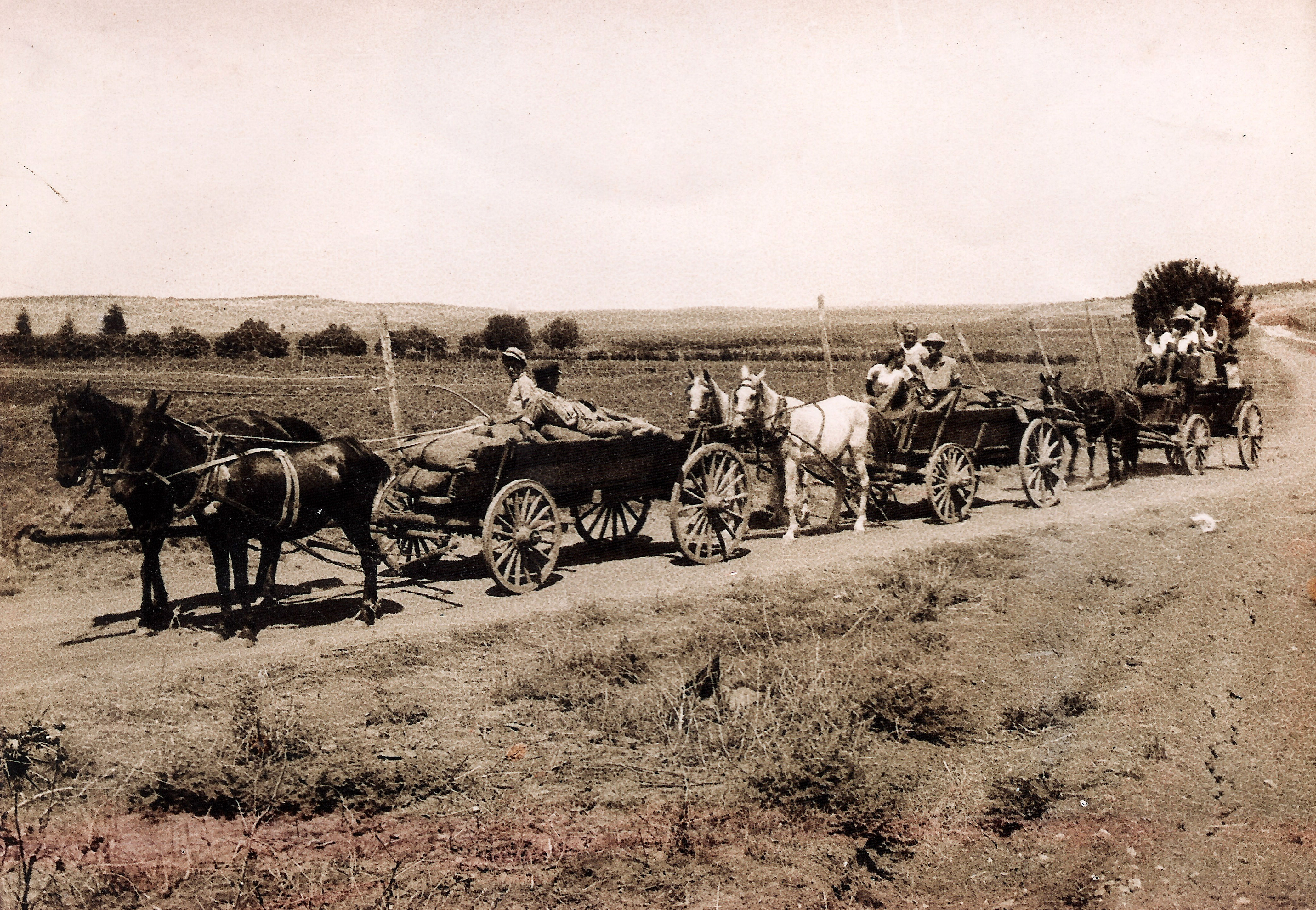
Our morning leket gathering trip was coordinated by Nefesh B’Nefesh and the clincher that secured my agreement to partake was due to the fact that this trip was to take place in Nahalal. Located between Nazareth and Mount Carmel, in the lush Jezreel Valley, Nahalal was founded in 1921 and was Israel’s first moshav. Having recently read Yael Dayan’s biography about her father, Moshe Dayan, and having read all about Nahalal in the early days when Yael Dayan was a child, I figured it would be interesting to see this famous moshav in person, and to actually work the land, no less.

Nahalal in 1921 – the first settlers arriving

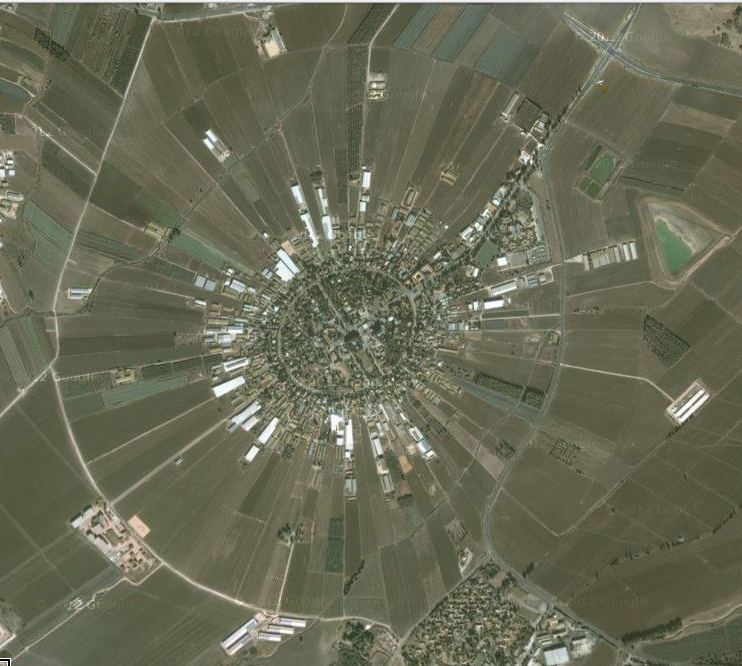
One of the things that makes Nahalal so famous is the circular shape in which it was built up; the families’ houses occupying the centre of the circle with their tracts of land stretching out behind, so that each family had a livelihood. Here is an aerial view of Nahalal these days, taken from Google Maps, and the field where we picked yesterday is in the lower left corner.

Nahalal

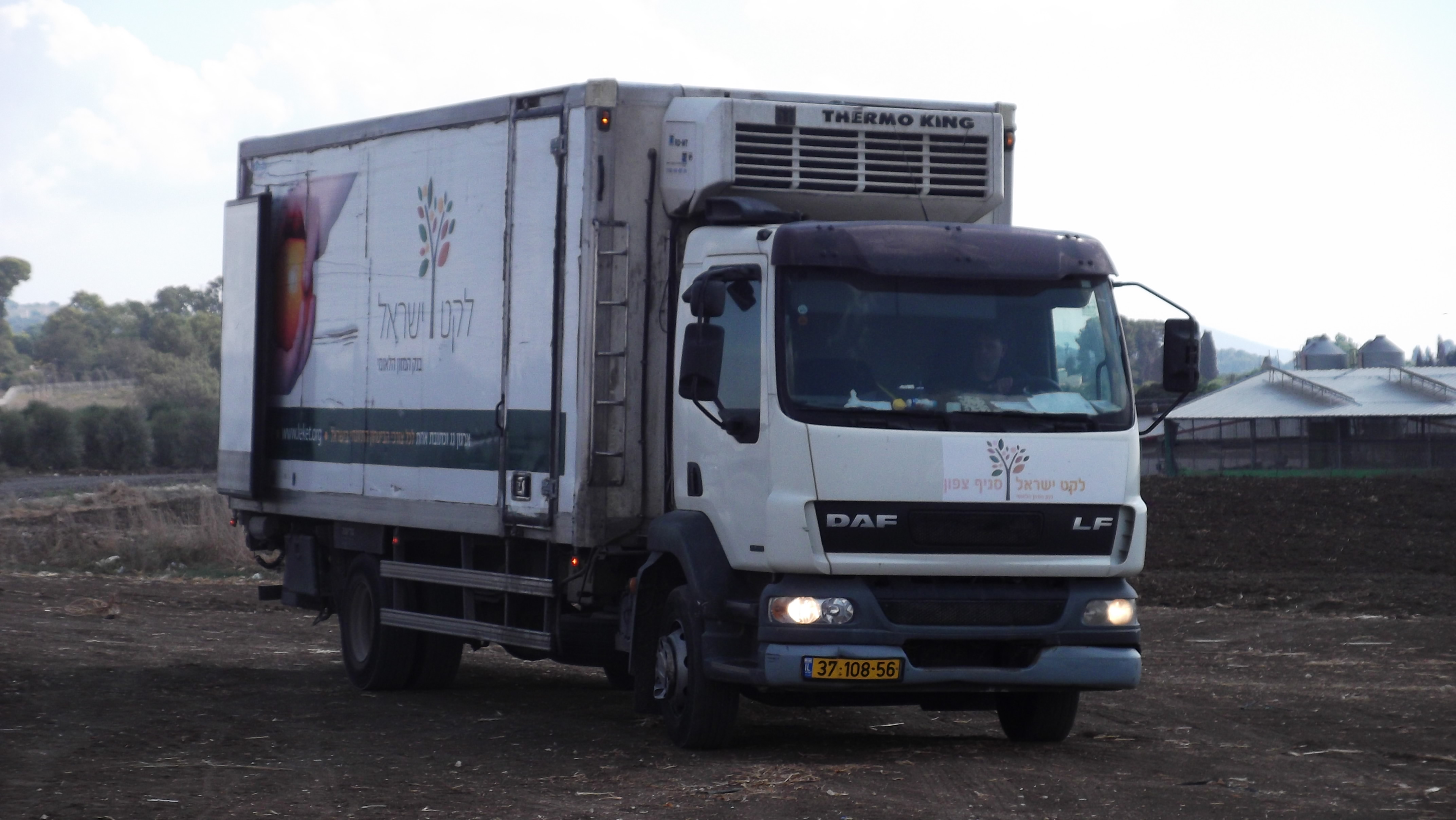
As we all gathered at the field, some coming by car and some by special transport scheduled for this event, a Leket Israel truck followed us and parked, ready to pass along all that we would pick:

Leket Israel truck following us

Now, just to put things into perspective, all of us that gathered there came as volunteers (even paying for transportation) and yet we had not a clue as to what we were going to be picking. We passed tomatoes and beets before stopping at what seemed to be an empty field, furrowed and littered with tawny dead vegetation. There, Ran, the Leket Israel representative hailing from Kibbutz Mizra, explained to us that we were to pick onions and that the crop of choice varies as to the supply and demand.

Ran of Leket Israel

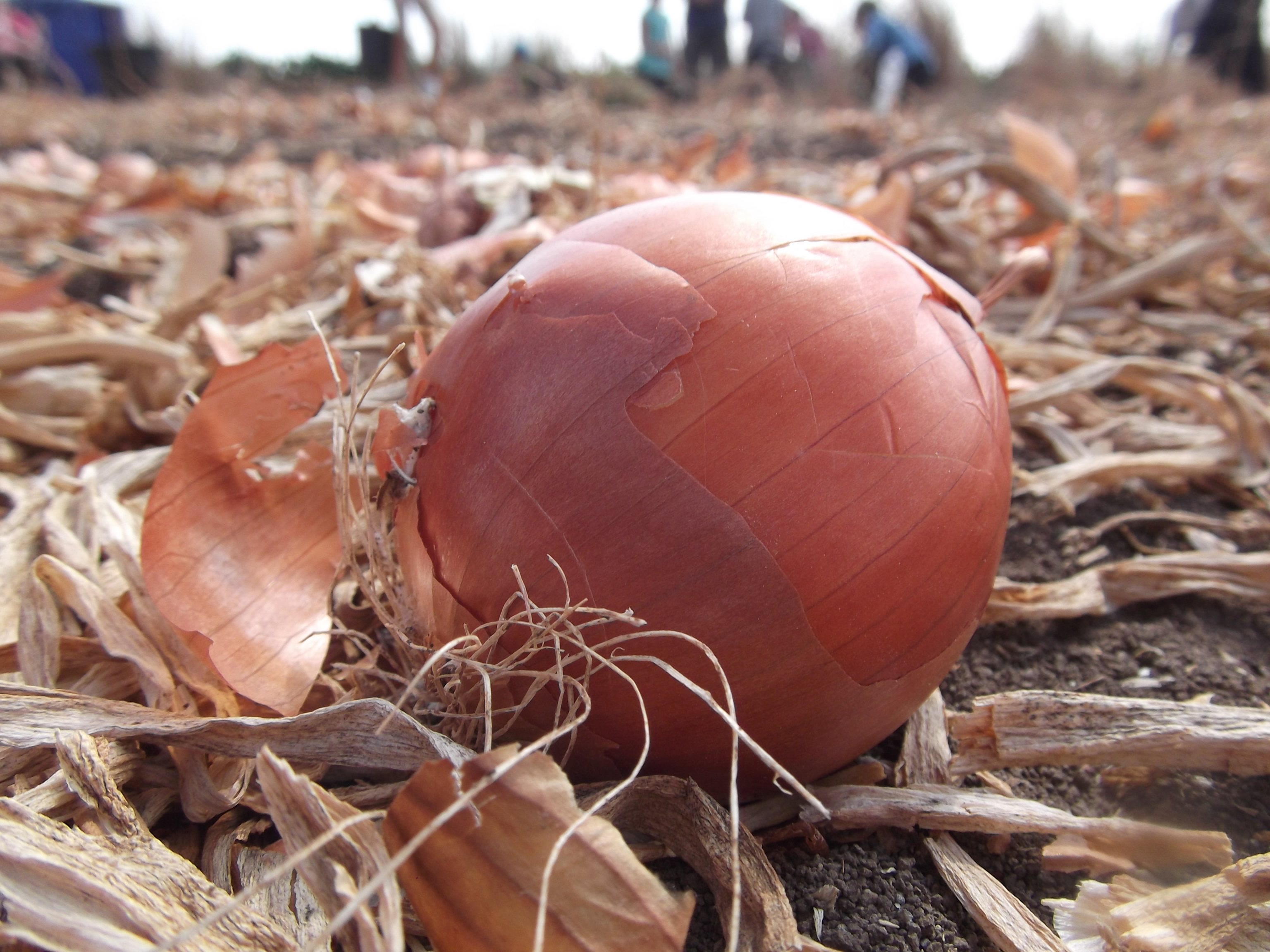
He proceeded to kneel in the dirt and pull onions out of their semi-buried state and demonstrate which onions were to be discarded and which were to be placed into the bucket. Once we were briefed he turned us loose, handing buckets all around. Here is a fine specimen of an onion that I picked, note my fellow pickers in the background:

An onion in the field

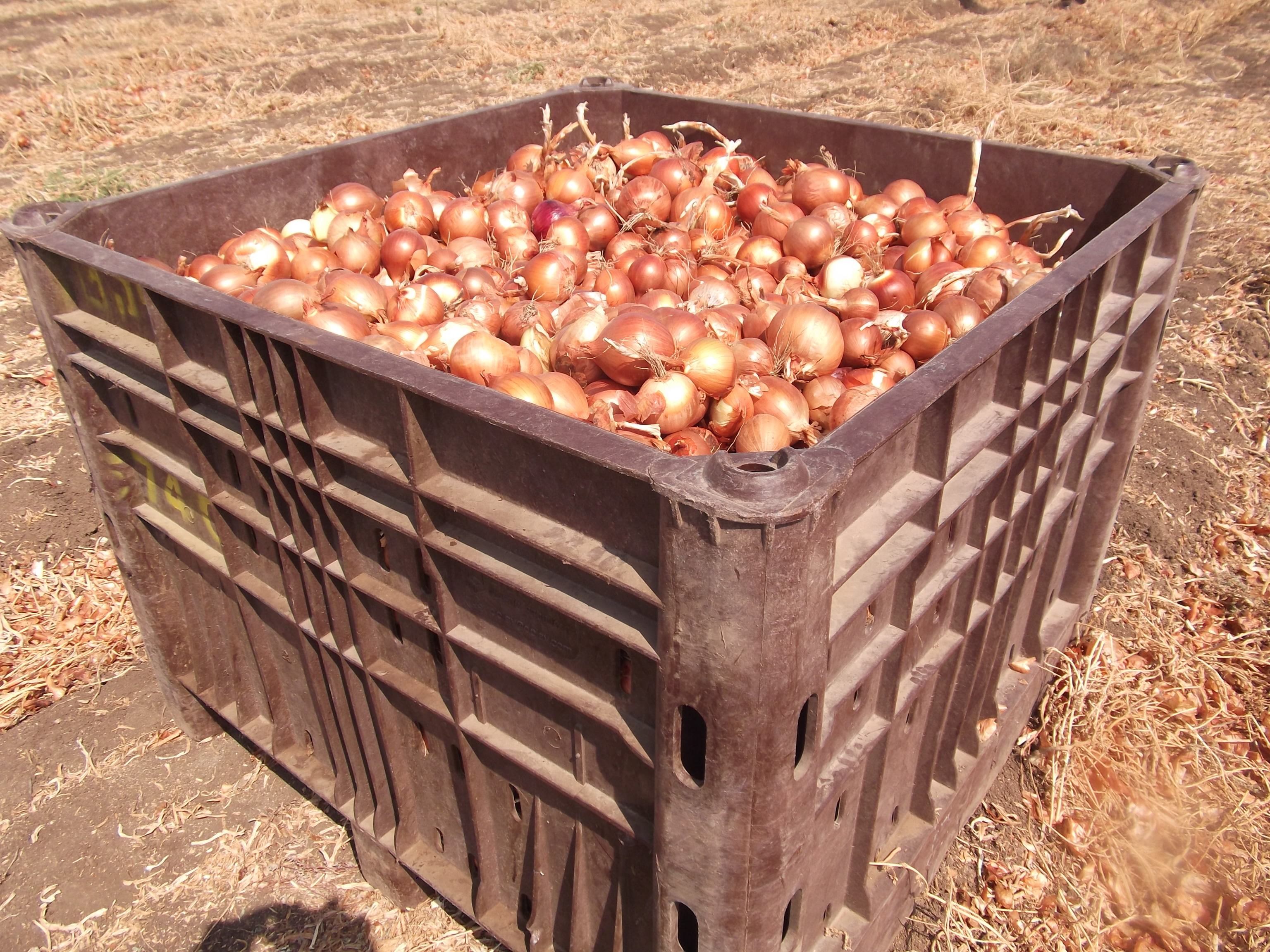
As we toiled in the field, chatting and making new acquaintances, the clock hands spun around and the buckets were repeatedly emptied into the large plastic crate. Here is the first crate that we filled, estimated by some to be at least 50 bucketfuls of onions:

First crate

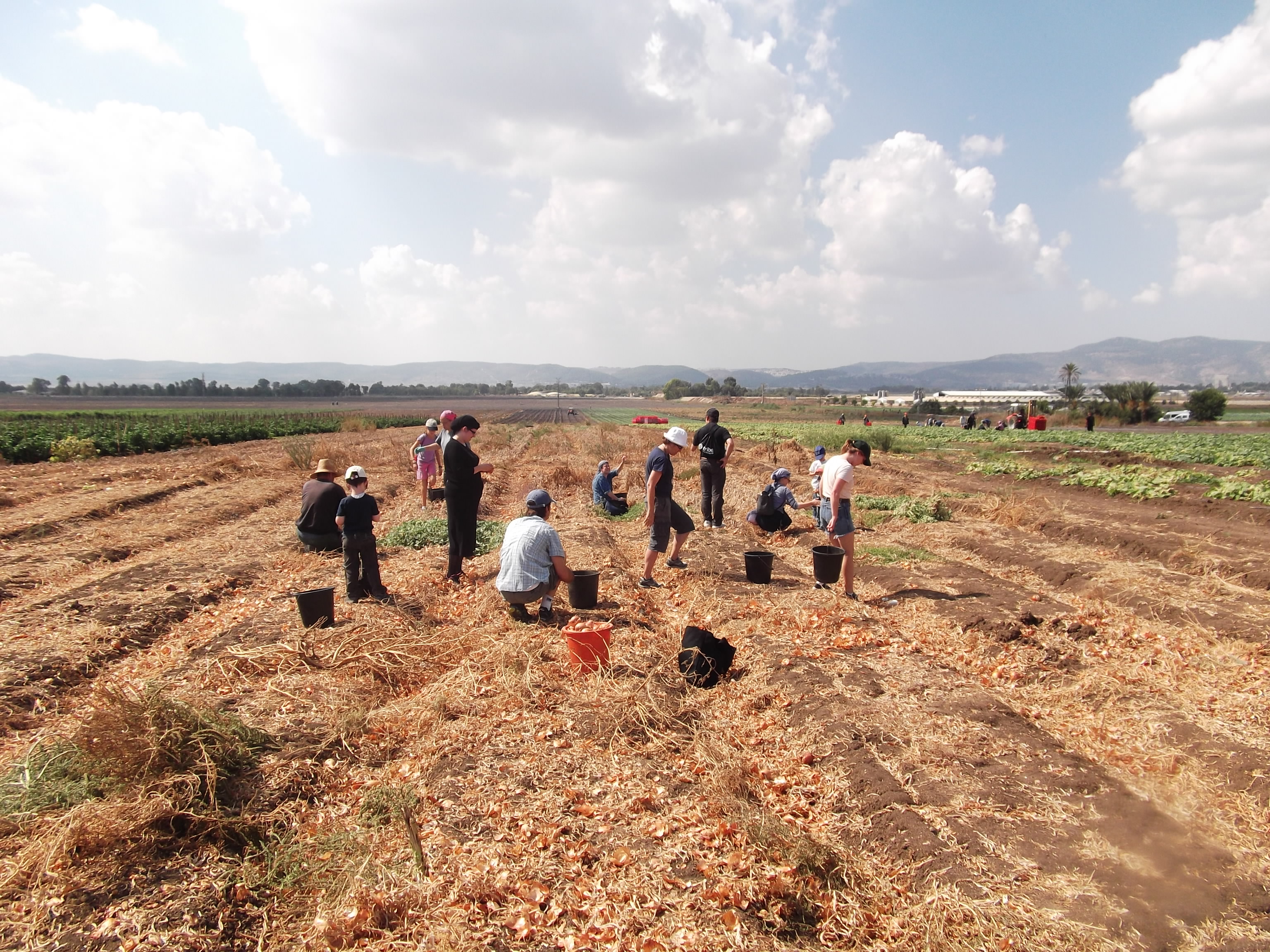
But after the first crate we were merely warmed up, our clever little party of thirty or so individuals began to ferociously attack the dry, cracked land, producing onion after onion and dispensing them into the correct containers. The sun and clouds played hide-and-seek while us mortals toiled in the fields, having a grand old time.

The group gathering

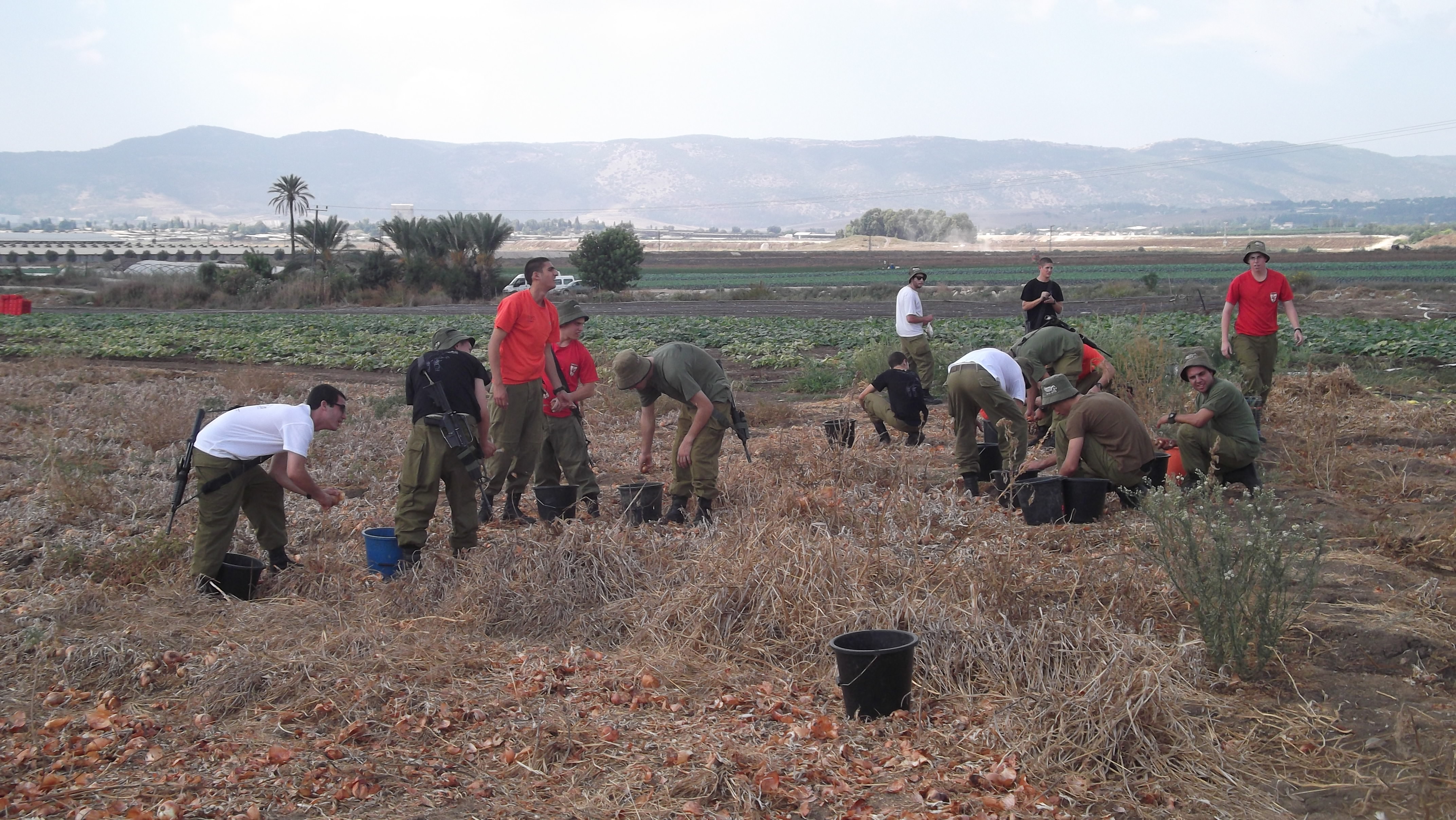
At last the NBN crew called a mandatory break and passed out fruit and cups of water. We stood around and were taken by surprise as a group of armed soldiers traipsed by us and began gathering onions as well. We watched as they stacked their guns and got down on the ground to fill buckets for Leket Israel. With all the goodness that I see streaming from the IDF’s many fingers, I feel glad that I am, at last, going to join their ranks.

Soldiers picking onions

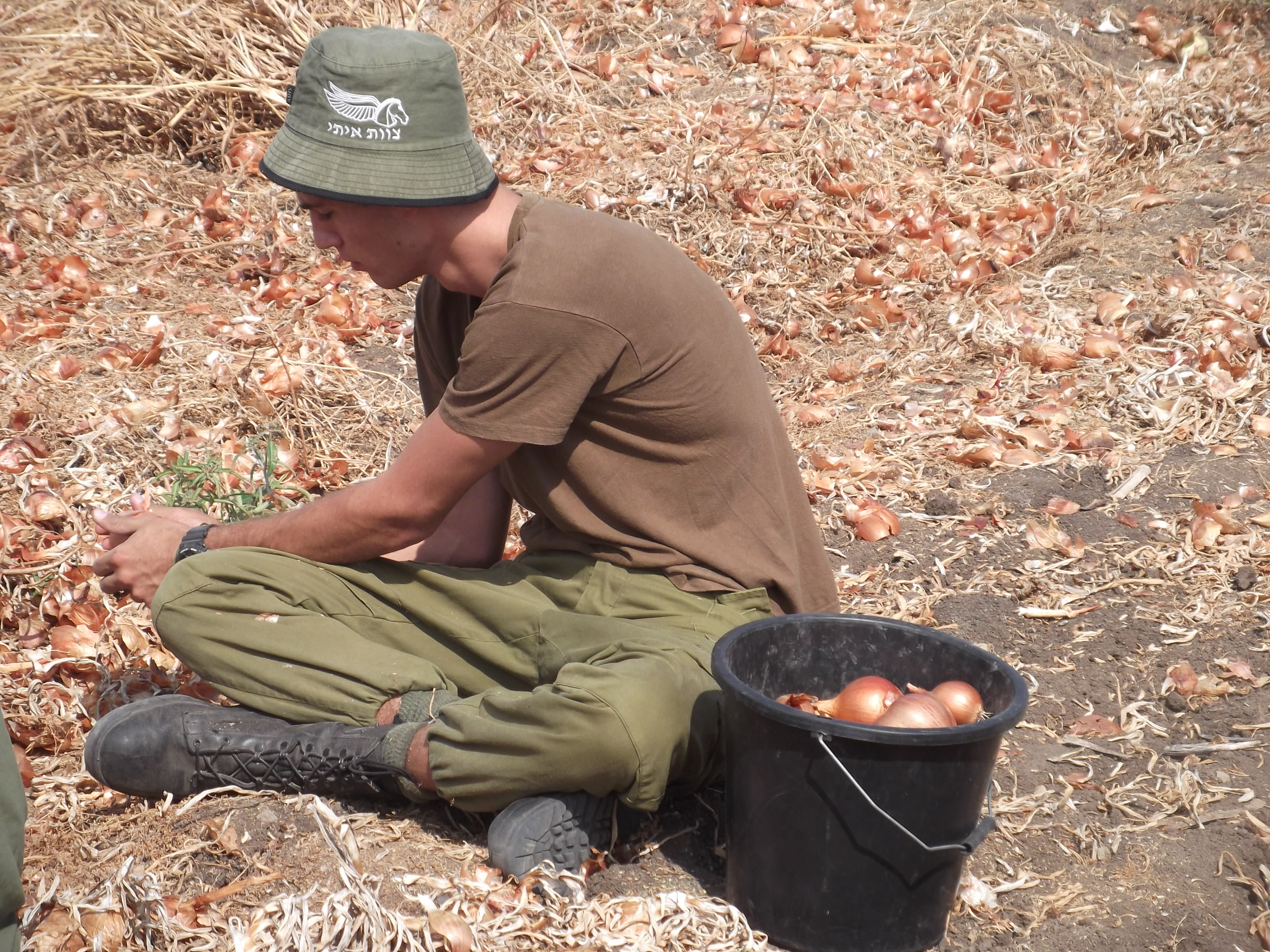
I approached the soldiers and learned of their location in the army. They belong to a unique unit somewhat attached to the Artillery Corps but mostly operate with Infantry. They are responsible for sending unmanned gliders out into the battlefield for real-time surveillance and even carry the gliders dismantled on their backs. I do not know what this unit is called but it sounds rather interesting, plus they knew how to pick onions, always a good skill:

A soldier picking for Leket Israel
After several hours of picking onions, I personally had filled countless buckets and there were a bunch of full crates. Someone from NBN called back our special transport and we all gathered around to hear a summary of the morning’s efforts. Ran announced to us that we had picked an estimated 900 kilograms of onions (that’s 1,980 lbs, close to a ton). He then told us that 300 families, estimated, would be enjoying the fruits of our labour and that we did a great job. We then returned to our vehicles, feeling good that we helped so many, and I got myself a taste of farming in the Holy Land. I hope that when I’m in the army I get to go leket picking again. Time will tell, I suppose.
More information about Leket Israel can be found HERE.

Rosh HaNikra

In Galilee, Israel on August 28, 2012 at 10:26 AM

Continuing on after the duology of Akko posts…

We reached Rosh HaNikra after a tranquil taxi ride up the coastal road, in the quiet stretch between Nahariya – the last of the coastal cities going north – and the Israel-Lebanon border. The taxi took us to the attraction site so when we got out of the car, this was the magnificent view that our eyes beheld – the Western Galilee coastline:

The majestic view of the Western Galilee coastline

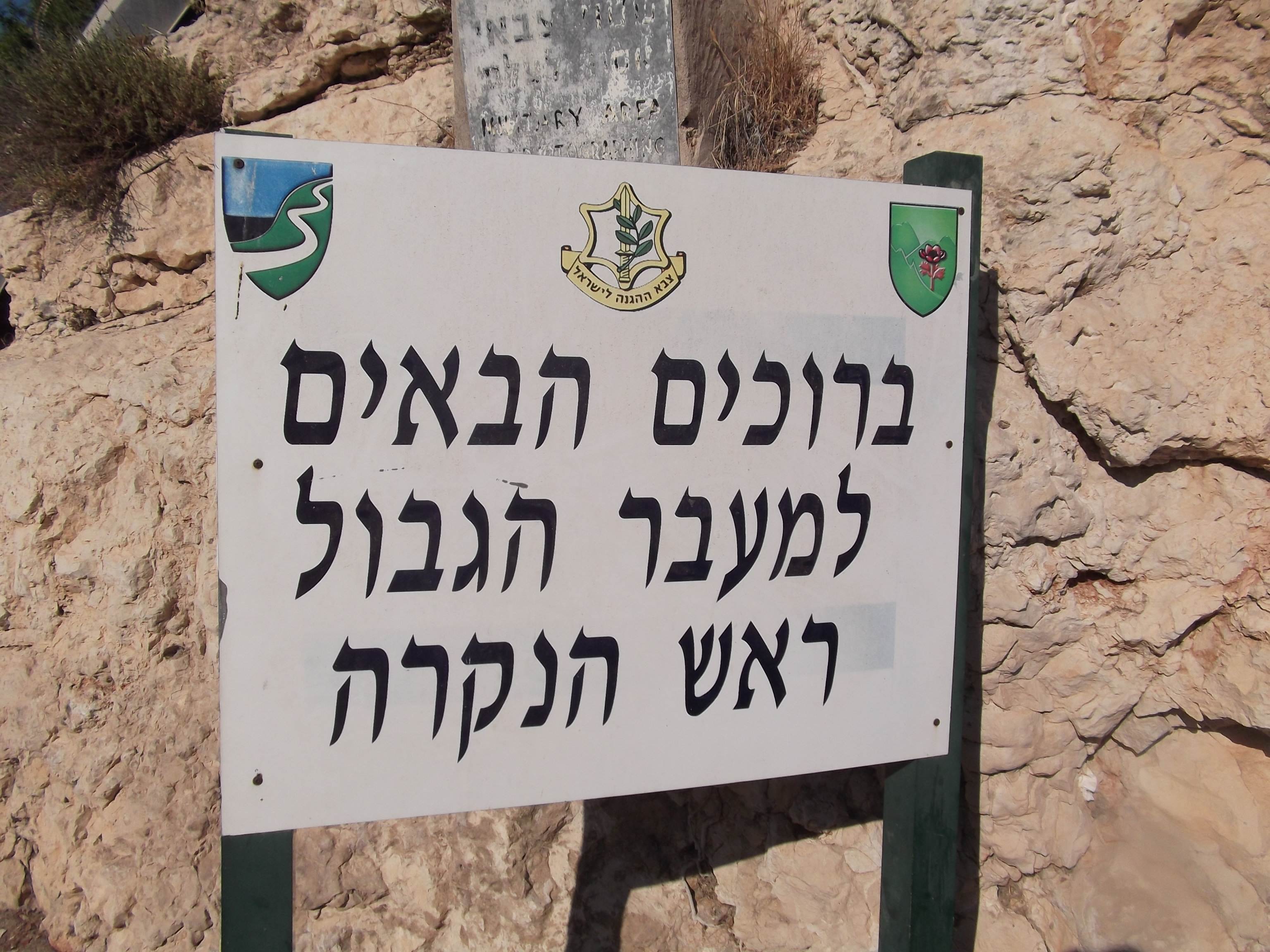
We decided to first go see the border and then to ride the cable car. Now, the actual border is not accessible to civilians – an army base stands there, constantly protecting. But there still is a sign welcoming everyone to the border crossing:

Welcome to the Border Crossing of Rosh HaNikra

And there is also a special wall showing the distances to the respective capital cities of Israel and Lebanon: Jerusalem and Beirut. Here’s me, at the border crossing:

Standing just outside the army base

Okay, enough with the border. As we walked back to the staging area for the cable car, here is a “close-up” of the Navy vessel (of which there is always one moored at the border, keeping vigil) and the Achziv Islands. One of the coolest things about the islands is that they are mentioned some 2,000 years ago in the Talmud as being part of the historical border of Israel. I remember learning about the islands that were mentioned and having a discussion in class where we argued that the islands must be referring to Cyprus because, back in Detroit, we didn’t even know that the Achziv Islands existed. Now that I live here… everything becomes so much more clear.

A Navy boat and the Achziv Islands

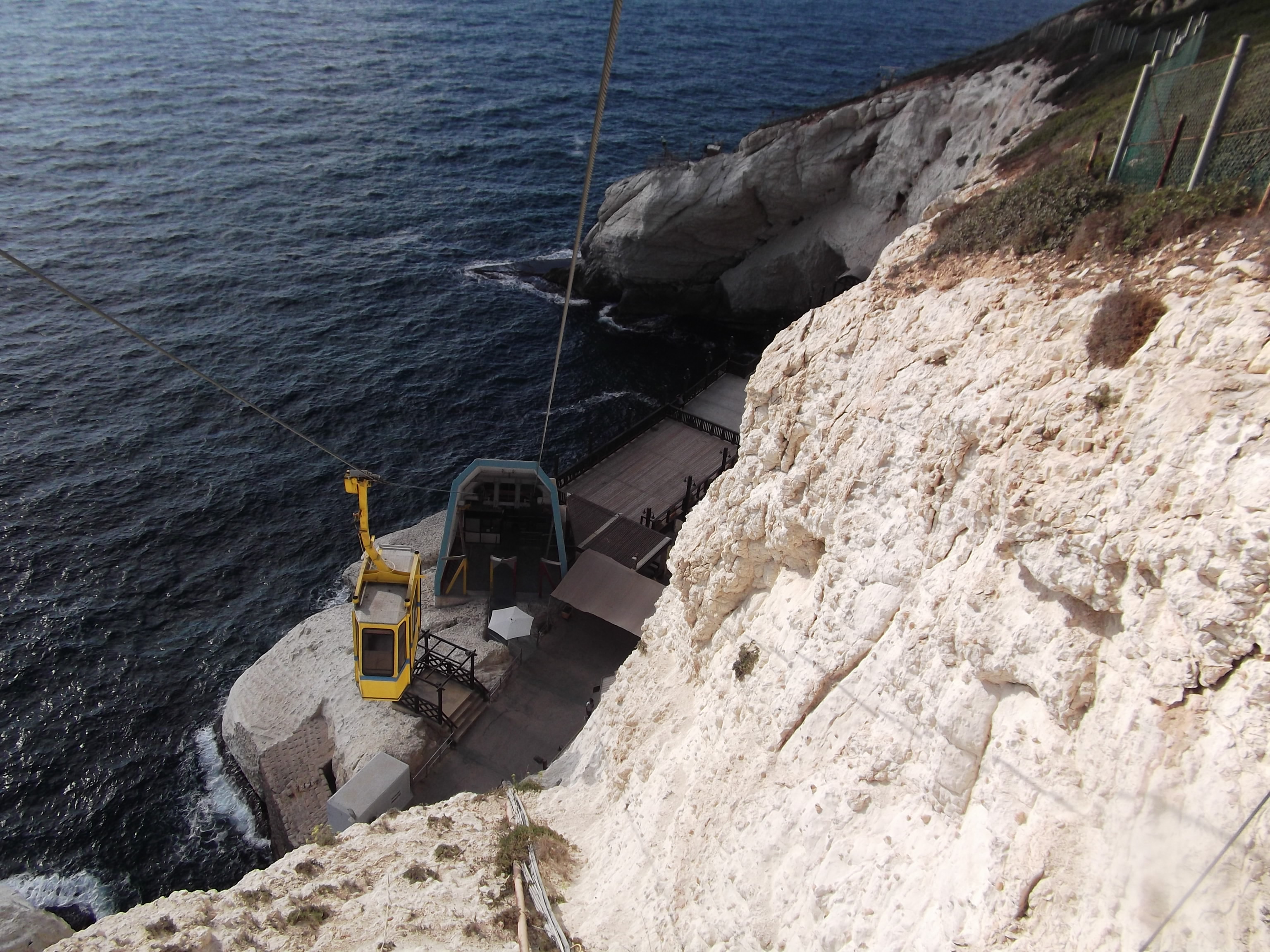
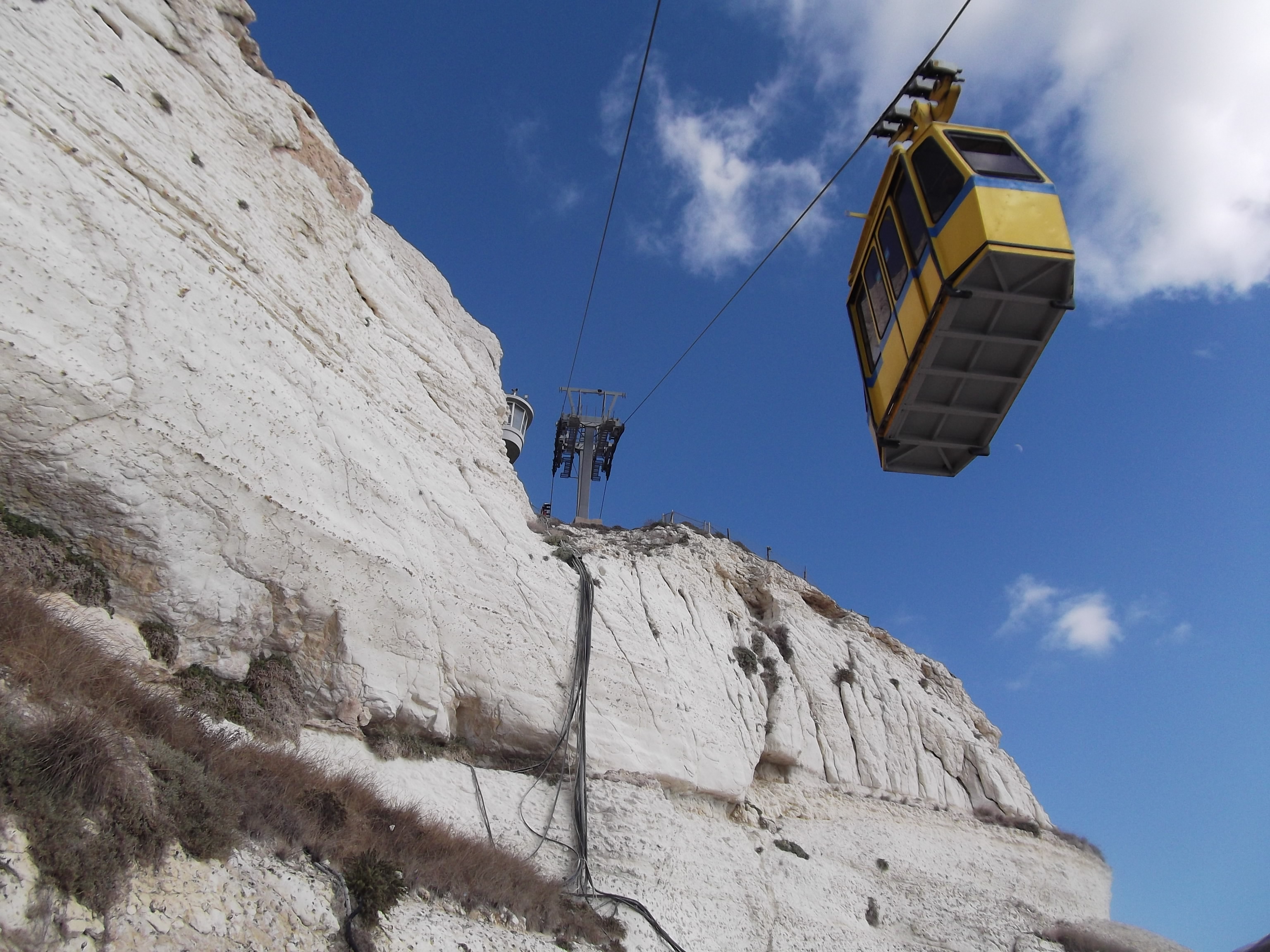
As soon as we stepped into the swaying cable car, and the little “craft” was filled, the operator released us and we plunged over the side of the cliff. The cable car at Rosh HaNikra happens to be the steepest cable car in the world – dropping/climbing 70 metres at the steep angle of 60 degrees.

Descending the white cliffs

When we “landed” at the bottom, we got out and I photographed one of the two cable cars going back up the cliff:

Looking up at the cable cars

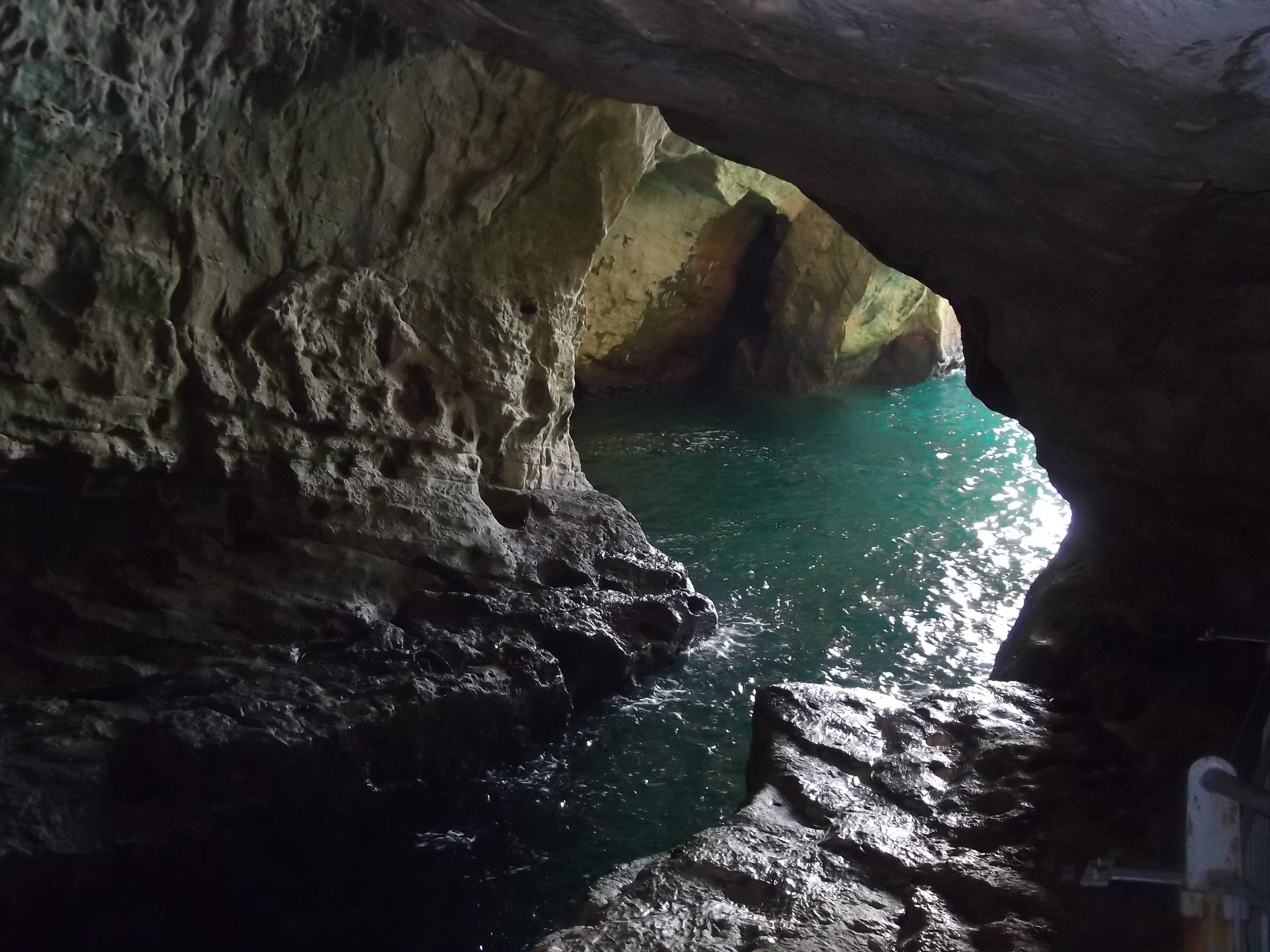
Entering the grottos, the caves and tunnels carved out by the raging seawater, we were greeted by these fascinating views as seen from inside the cliff. Some of the walkways were slippery from the drippy internal climate and the echoing shrieks of bats roosting high up in the cracks were audible through the sounds of the waves crashing inside.

The grottos

The blue-green water entering the grottos

Upon exiting the labyrinth of tunnels carved out in the soft chalky rock, we emerged at a beautiful site where the sea crashed against the blinding white rock:

The white cliffs and the blue sea

As we walked along the rock, the countless chunks of gleaming flint buried in the chalky stone, the beauty of the site constantly flaunting itself with every turn. Here is a view from the walk on the rock, looking northwards to the edge of the army base where constant vigilance in demanded:

More cliff and sea

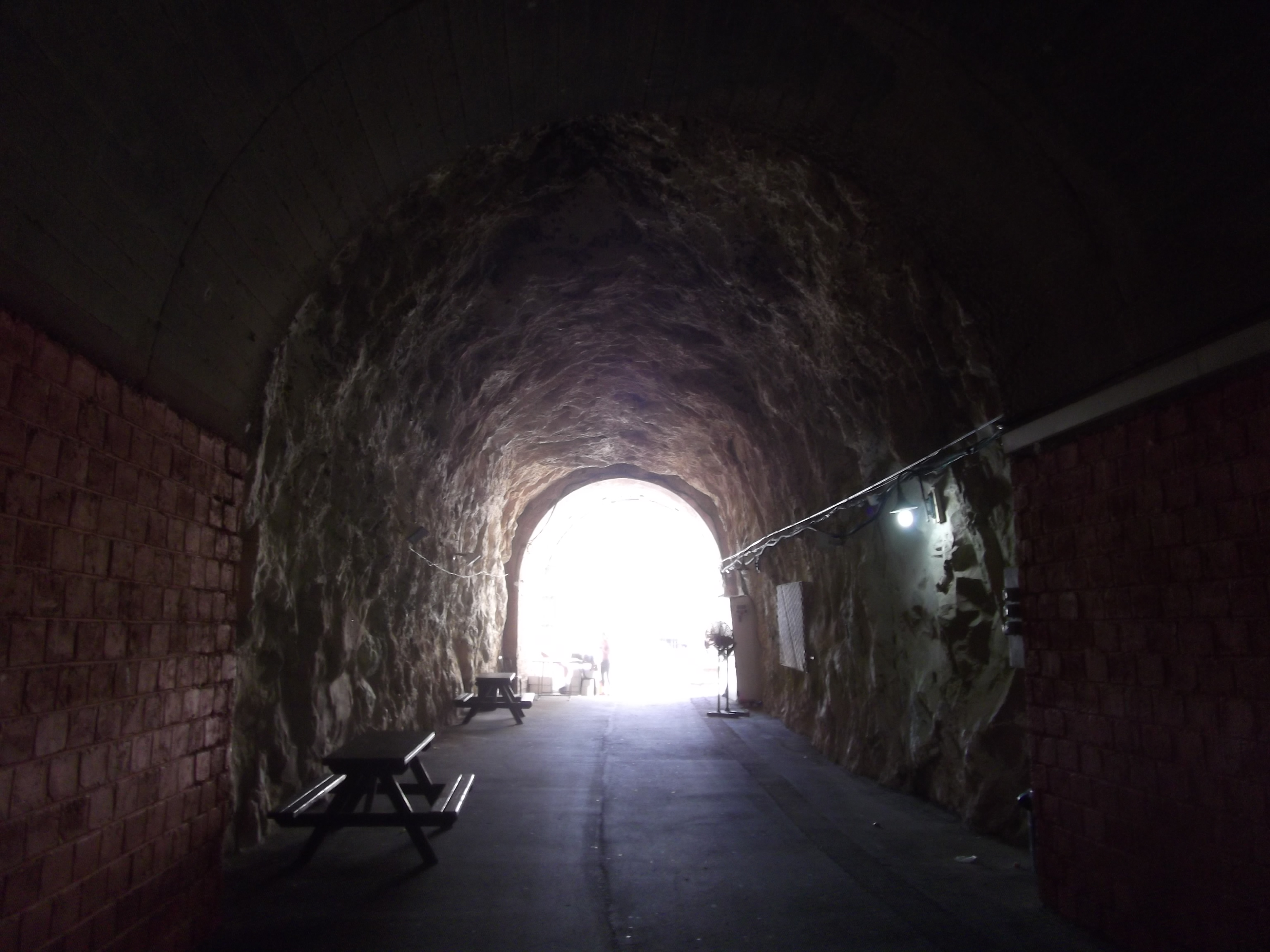
After finishing the grottos we examined the old British tunnel where the Mandate Government dug through the rock to create a railroad line that connected the Middle East with Europe. In 1948 the Haganah (Jewish resistance group) blew up the bridge that was constructed just outside the end of the train tunnel to prevent the Lebanese from re-supplying the local Arabs who were battling the Jews just after the declaration of the State of Israel. It was a daring operation but it may have helped save the Galilee and Haifa from the hands of the enemy. Today they rebuilt the bridge, no longer concerned about the Lebanese using it, and some of the railroad is still visible in the long gloomy tunnel.

The train tunnel

After trying some sample passion-fruit offered by a vendor selling the crop of the neighbouring village of Rosh HaNikra we entered the light-and-sound show, an audio-visual screening with added sensory features. The video explained the history of the site and the semi-recent Haganah operation, complete with fans and little sprinklings of water to further embellish the story of sea and rock and their timeless dance.

After leaving the site we took a bus to Nahariya and had dinner. Then I took my tour guest back to where she needed to be and headed home. As I alighted the bus near my house I heard the familiar sounds of Kobi Peretz crooning. Seeing that I was not entirely late to his show, celebrating the opening of a new mall just down the road in Ma’alot, I headed on over, checked out the new mall and caught a few songs before retiring to my home to end the long day. Here he is again, Kobi Peretz, forever entertaining the inhabitants of Ma’alot with his music:

Kobi Peretz in concert

Akko (Part 2)

In Galilee, Israel on August 26, 2012 at 5:43 AM

Continuing on with my saga of Akko and Rosh HaNikra, both visited on Thursday, here is the second half of the Akko report:

One of my favourite parts in the Old City of Akko is the Marina and its cheap boat rides of the bay area, something that gives me the same thrill each time. We found a bright pink boat in the Marina that was still loading up – the boats usually carry between 15 to 20 people – and waited for the gaudy sea-going vessel to be untied from the dock. But first, the Marina:

Akko’s Marina

When the boat was full, mostly with vacationing Arabs, we untied and took off, leaving the marina behind as we headed out to the open sea. The captain turned his invigorating Arabic music up to the max, the gaudy boat reverberating as we bounced in the troughs. Here I shoved my arm way out, sitting down for a spell, and took a blind shot of what was behind us:

Leaving the bay behind

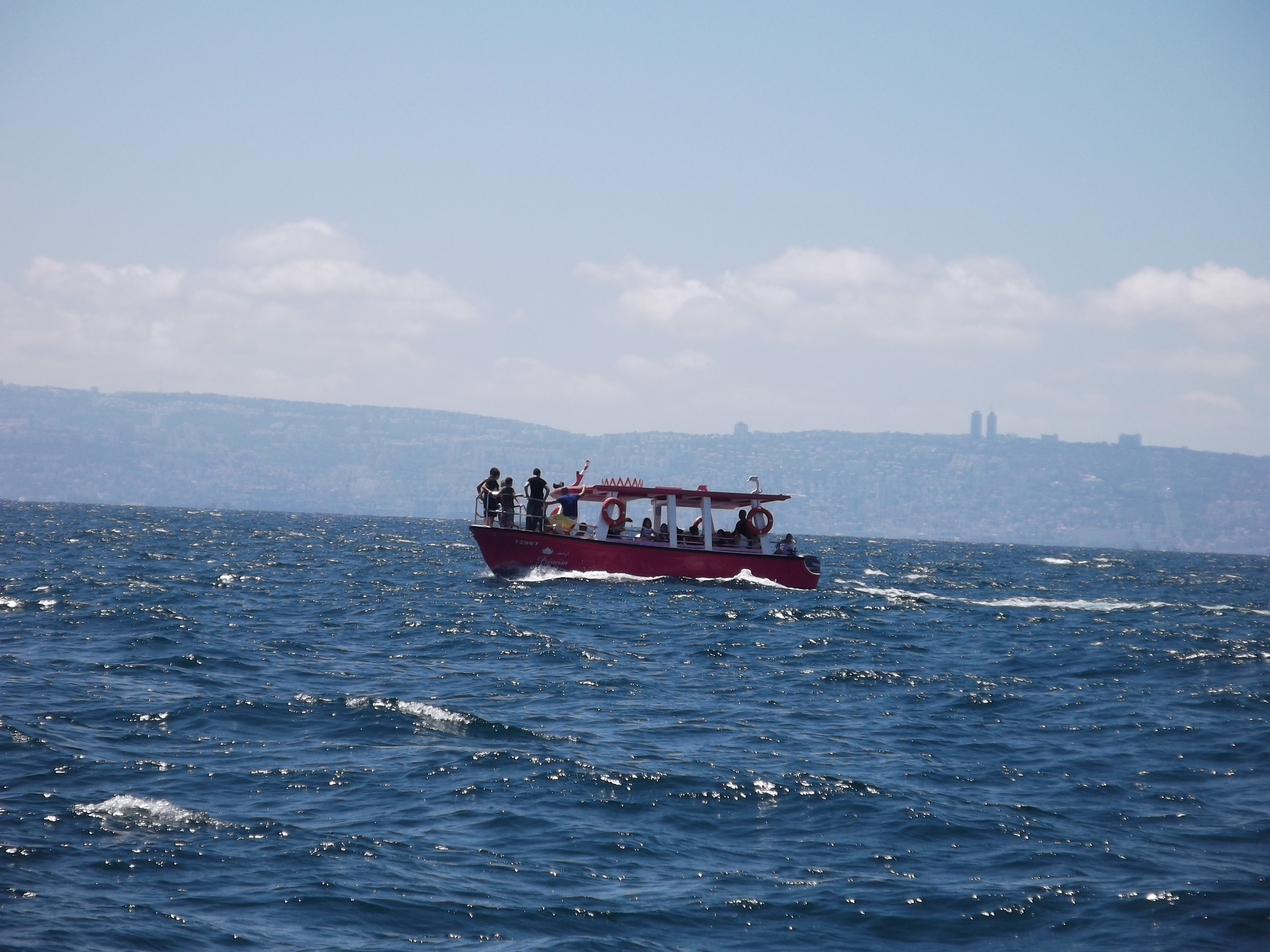
As we went out, passing the domain of the sea walls, our eardrums cringing from the overpowering music – the classic Arabic songs are all the same to me, one man singing and then a chorus of a bunch of men partially repeating what the main singer said (something like this song, blasted at 100 decibels). If you listen to the song at full volume, rock back and forth and splash salt water on your face from time to time, you may begin to feel what the boat ride is like, with the help of a healthy imagination! Here is another tour boat passing us on its return journey, Haifa and the famed Mount Carmel in the distance:

Another tour boat passing us

And then we too turned around and headed back, about fifteen minutes after departure. Here is the Old City as seen by sea, how the incoming vessels – be them for war or for peace – would have seen Akko all those years back, minus the destroyed Templar Fortress:

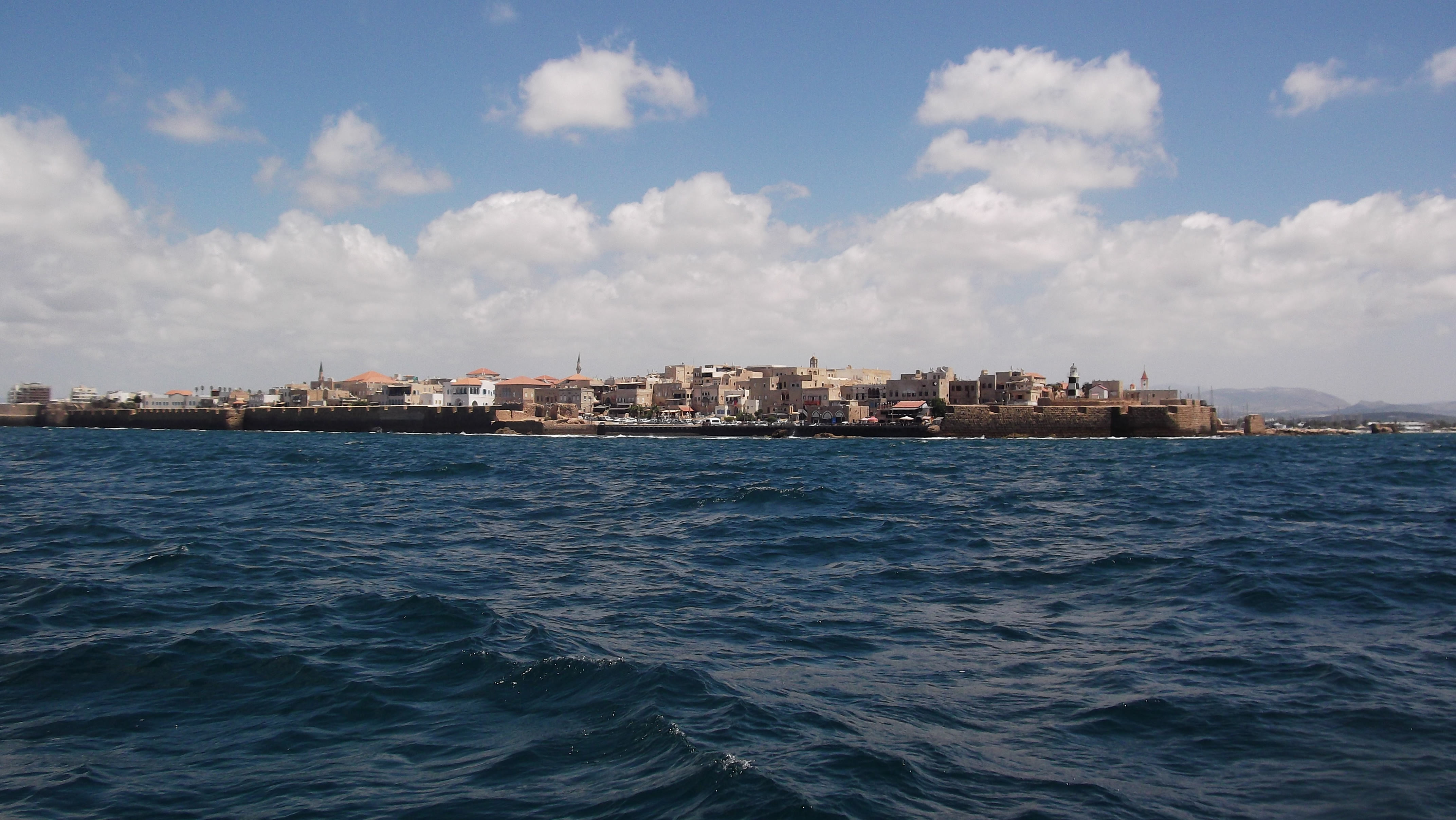
The Old City from sea

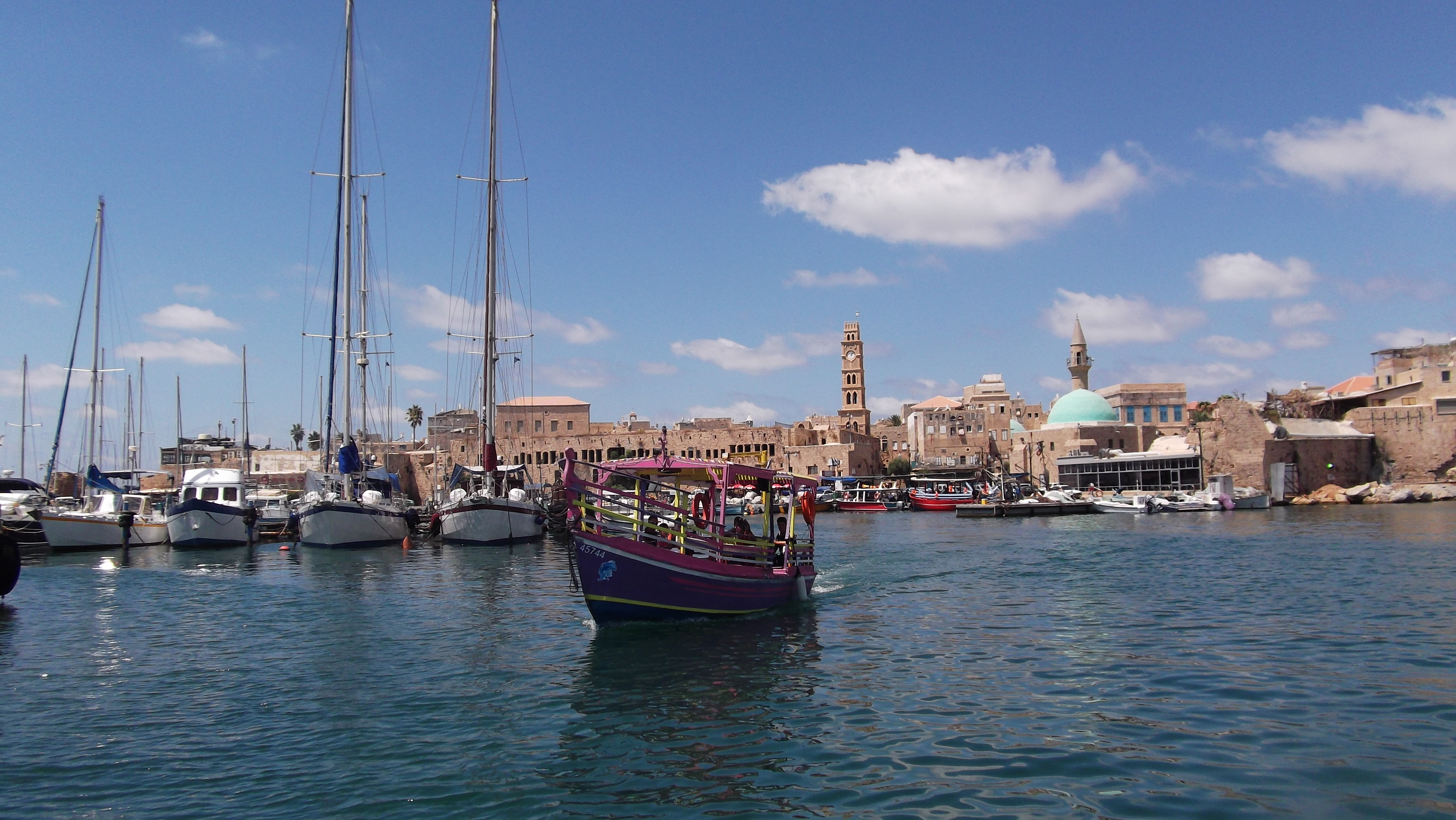
Here we re-entered the Marina, after a 20-25 minute boat ride, and another tour boat leaves for the high seas:

Re-entering the Marina

From the Marina, after disembarking and planting our feet on terra firma, we walked our way back into the crowded streets and found the Kahn El-Omdan and the Clock Tower. The Kahn El-Omdan is an Ottoman-styled motel where people would tie up their horse/camel and belongings in the lower coves and then go upstairs to sleep in the rooms up above.

Kahn El-Omdan

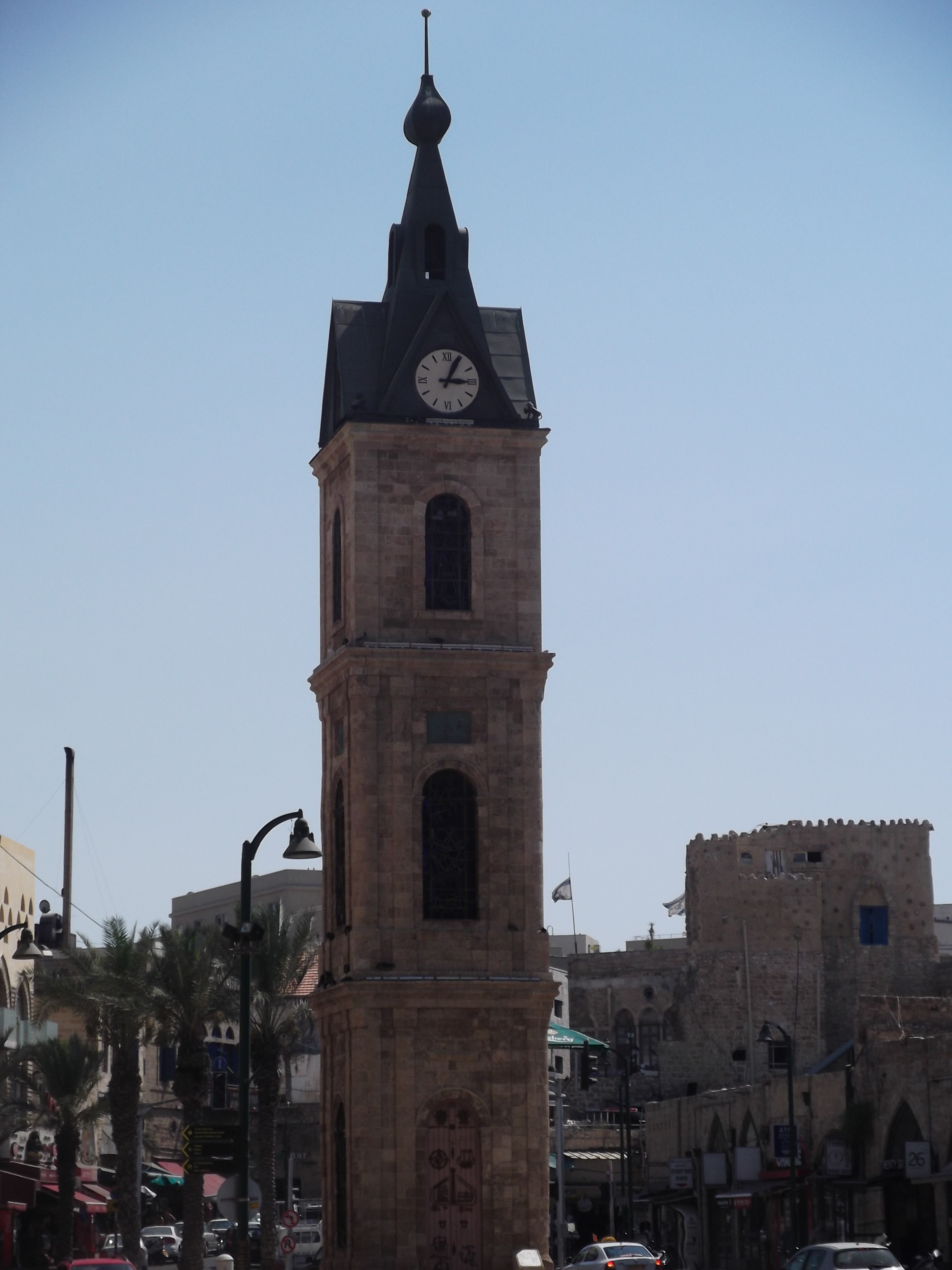
The Clock Tower is also from the Ottoman Period, one of seven built throughout Israel (the ones in Tzfat and Jaffa have been photographically featured on my blog). Last time I was in Akko the clock was out of service but it looks as though someone fixed it. Historically, it has been the clock tower with the most malfunctions, perhaps a testament to the unease between the Jews and Arabs in Akko’s Old City.

Akko’s Ottoman Clock Tower

Emerging from the Templar Tunnels (which we did after the boat ride) having walked/crouch-walked it both ways, we walked comfortably through the quieter residential area of the Old City, mostly inhabited by Muslim Arabs. We found a camel and then found the exit to the sea walls area, the gusts of cool wind refreshing us as we made our way down to the water. Here is the view from Burj el Kashla of the sea wall heading north, with Rosh HaNikra far off in the distance:

The sea wall looking north

Looking south, to Mount Carmel, here is a small panoramic of the corner of the city – the calm area of sea, locked in by the rocks, was where the mighty Templar Fortress once stood:

Panoramic of the area that juts out to sea

As we walked along the sea wall, passing the lighthouse and heading towards the historic Pisan Port, we came across the famous part of the wall where the local youth jump off and into the sea. The scary part is that there are huge rocks in the water so they have to be really careful not to splatter themselves needlessly. Another thing is that they often wear shoes so that the razor sharp underwater stones don’t slice their feet. We watched as several teens dove into the churning sea some 30+ feet below. If you click on the picture and zoom up you can see the youth climbing back up for another leap:

The sea wall where the local kids jump from

After picking up some refreshments in the souk we took a swing north-east and headed for the Land Wall Promenade where the Ottomans fended off the French conqueror Napoleon and his 30-day seige back in 1799. Part of the wall area, protected by cannon and men, was conquered but the second, inner wall held the invaders off and Napoleon was forced to abandon his efforts. In some areas, closer to the sea walls, rusted cannon balls can be seen lodged in the wall from the battles so long ago. Here is one of the cannons that was involved in the fighting:

Old cannon involved in the counter-attacks of Napoleon’s siege

Located beneath the wall, in arched rooms, is the Treasures in the Walls museum (also known as the Ethnography and Folklore Museum) – various collections of historical items and artifacts. There, in compartmentalized exhibits, workshops and offices have been recreated all using period pieces. A shoemaker, a carpenter, a pharmacist and a hat-maker (or as the man referred to himself: casquettier), all these workshops and offices, and many more, were faithfully redone with the finest attention to detail. Also, there were collections of old toys, old matchboxes, old currency (spanning four nationalities in the Holy Land during the last century and a half) and even old sitting rooms of imported furniture from Damascus, Syria. Here, a collection that would befit a palace – wood inlaid with bone and seashell:

”Straight Outta Damascus”

After the museum, which took a good forty minutes, we headed back out onto the Land Wall Promenade and exited the Old City. From there we grabbed a taxi, got on a bus and made our way to Rosh HaNikra, the topic of the next blog post.

Akko (Part 1)

In Galilee, Israel on August 24, 2012 at 10:27 AM

On Thursday I took a magnificent trip to both the Old City of Akko (Acre for some people) and Rosh HaNikra. Akko is one of the oldest port cities in Israel and is located in the Western Galilee – between Haifa and the border. Rosh HaNikra is at the border, along the same coastline. As is the custom, I will be relating the journey and it will be a trilogy of posts: Two of Akko and one of Rosh HaNikra. Here goes the first part of the Akko trip:

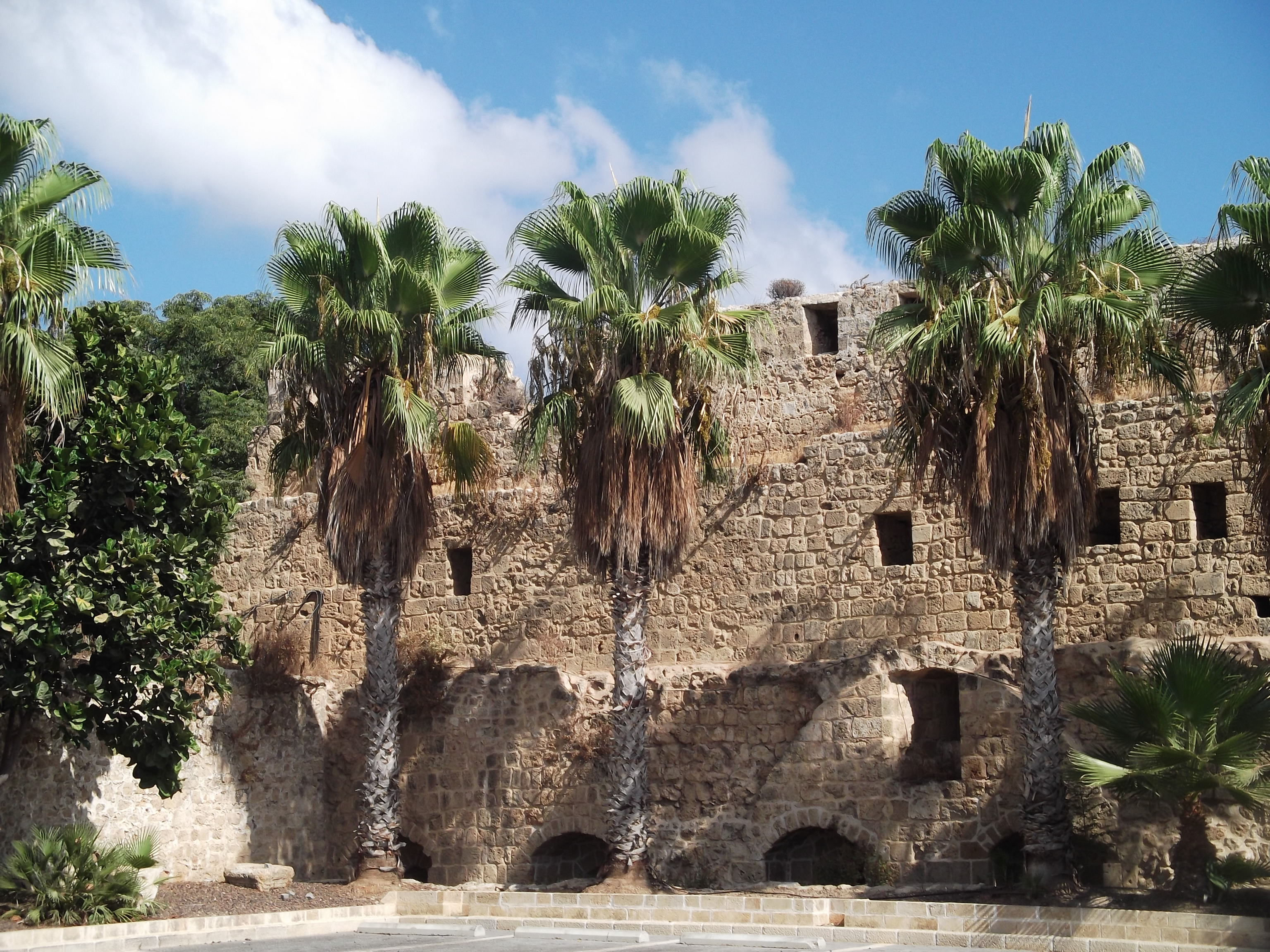
I began my morning in Karmiel where I picked up my special tour guest, an older woman from Oak Park (where I grew up), and the two of us headed west to Akko. The bus took us through some industrial areas of Arab villages which was atypical for bus routes but eventually we arrived in Akko and took a taxi to the Old City. There, this was the first magnificent site that greeted us – majestic palm trees in front of majestic old walls, the El Jazzar Wall:

Trees and walls

From there we walked among the mangrove trees to the Visitor’s Centre where we looked around at the exhibits and then bought tickets outside, tickets to a whole slew of museums as well as the cable car ride at Rosh HaNikra (massive savings, if anyone is interested in doing both places in the same year). The first place, the first ticket, was the Hospitaller Fortress, a huge Crusader edifice:

Hospitaller Fortress

We picked up audio devices that we were able to activate different recordings for different sites within the huge Crusader complex, those made for a great increase of knowledge during our tour of the fortress. There were so many halls and rooms, all with amazing arch ceilings made of stone blocks – an perplexing amount of work for something that could possibly be conquered in a short amount of time. Entering the complex, we first saw this room, however I do not recall what the official name is:

The first room

From there we entered deeper – I don’t remember the exact order of the halls, as there were so many – but here is the Hall of the Imprisoned. If one is to be imprisoned, I think an arched Crusader hall seems glamorous enough.

Hall of the Imprisoned

And there, in the blinding Mediterranean sun, the Crusaders practiced their deadly deeds – the jousting, the sword-fighting, the archery and the grueling exercises – surrounded by the high fortress walls:

The courtyard where the Crusaders practiced the art of war

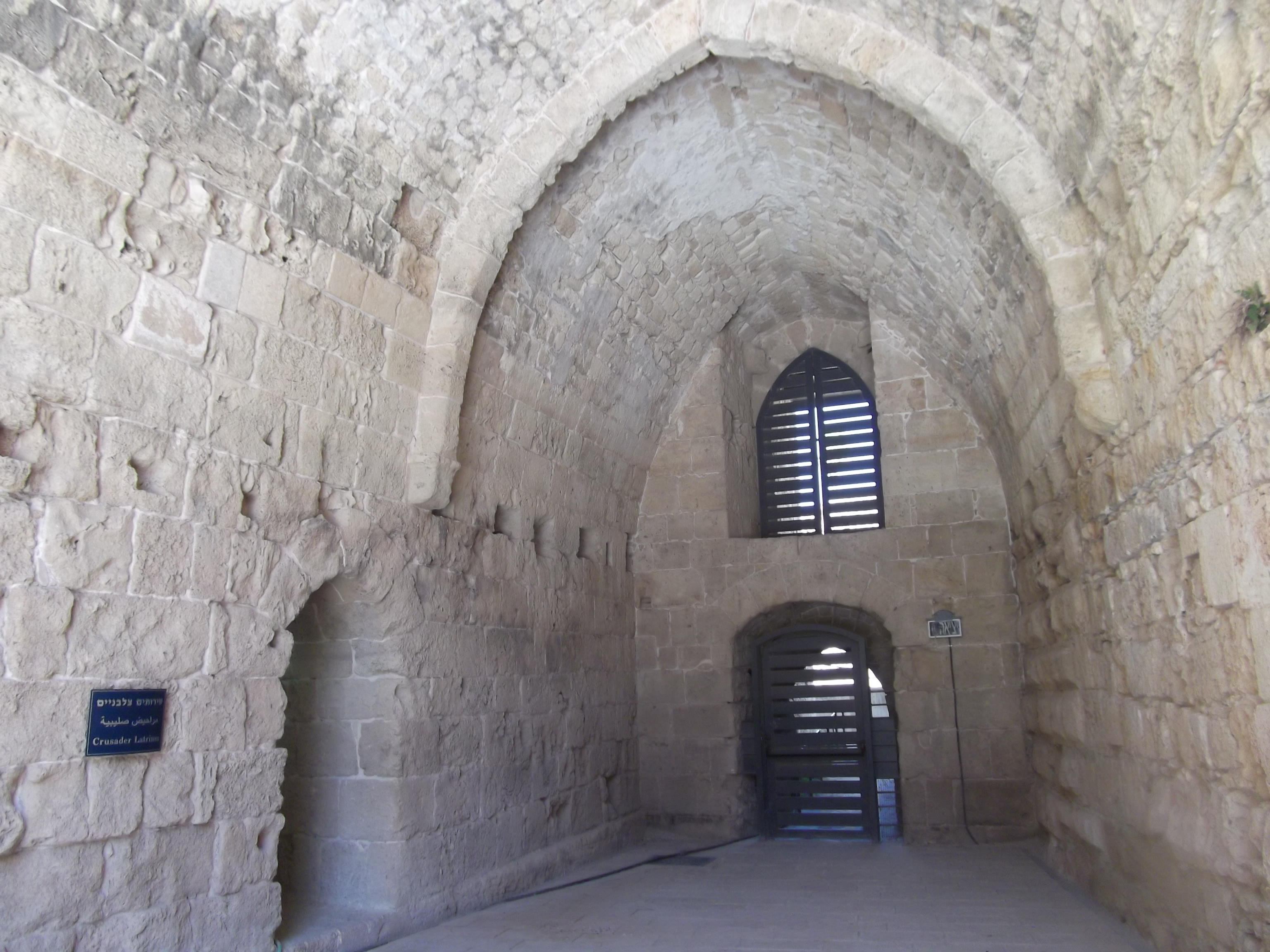
And here, the high arched cove just outside the latrine:

Outside the latrine

Now here, the greatest hall of them all, the Column Hall – also known as the Dining Hall – where the leader of the order, the knights and the foot-soldiers all gathered to dine, to feast on bland medieval foods. This hall is truly magnificent and photos do not do it justice, but I took two that I’d like to share, to give an inkling of what it looks like.

The Column Hall (Dining Hall)

The Column Hall (Dining Hall) – wider shot

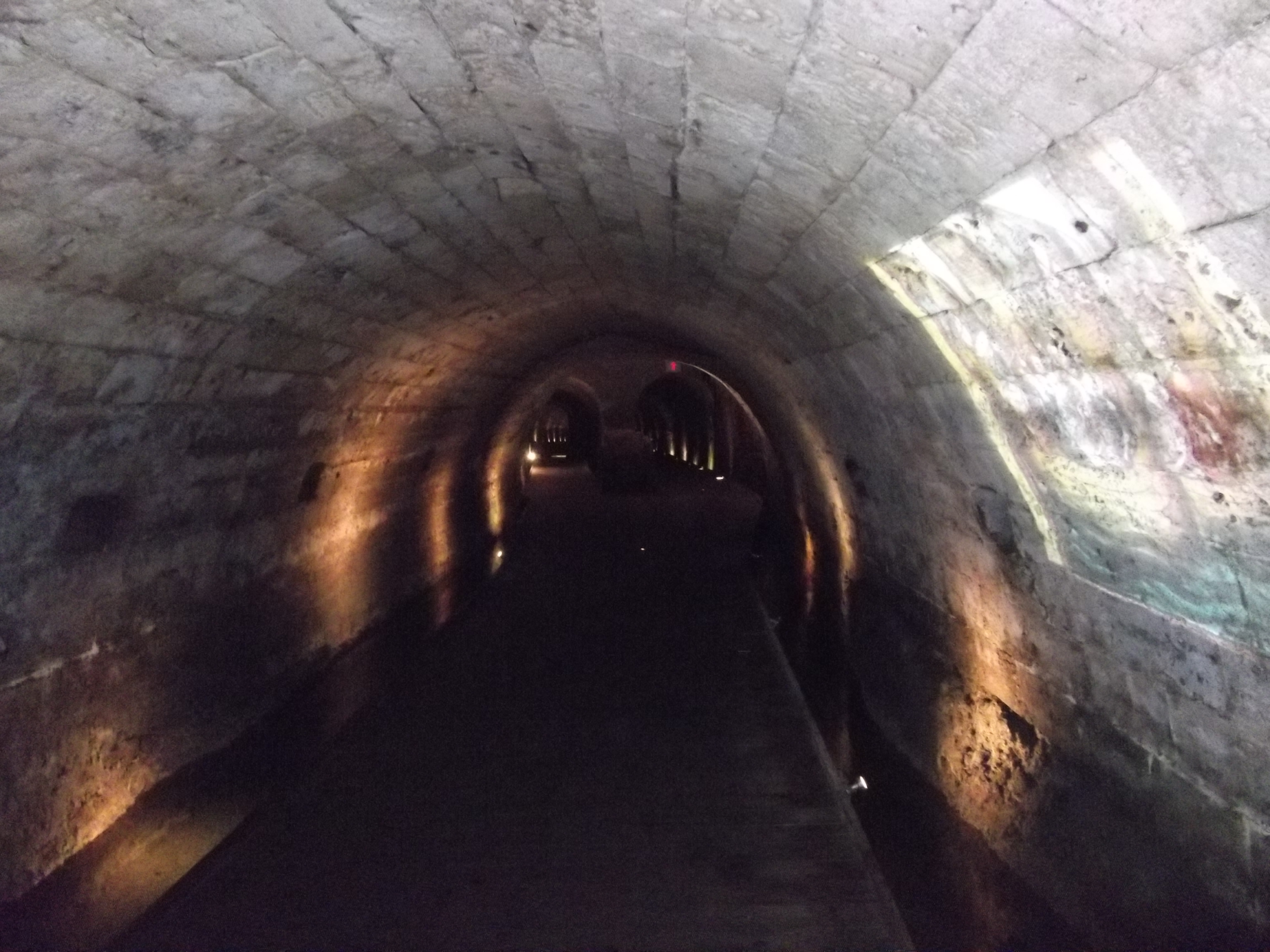
From there, the glorious Column Hall, we made our way to the Sewage Tunnel which has been uncovered from years of neglect and made into a handy passage way:

Sewage Tunnel

But not all tunnels are meant for sewage. Some time later, after we had returned our audio devices, checked out a ghastly art gallery and wandered down the long Arab souk, we found our way to the Templar Tunnels – a tunnel system that crosses a good chunk of the Old City close to the sea walls. The Crusaders created the tunnel to ease them with transporting supplies and whatnot to the old (destroyed) Templar Fortress – which predated the Hospitaller Fortress – coming from the Pisan Port, or so I believe.

Templar Tunnels

Before Part 1 ends, here is an aerial shot of the Old City for reference – the treed area in the right-centre is the Visitor’s Centre and the El Jazzar Wall, the buildings above and to the left is the Hospitaller Fortress with the courtyard very distinguishable, and the Templar Tunnels can be found in the narrow part in the upper left of the “horn”. In the next post, the Marina, Clock Tower, sea walls and more will be discussed.

Aerial photo of the Old City

Klezmer Festival

In Galilee, Israel on August 21, 2012 at 7:35 PM

As the title might suggest, the famed Klezmer Festival has begun. Every year, for 25 years now, Tzfat (or as it is often written: Safed) hosts the Klezmer Festival, an international music event usually three days long. Thousands of people come every year, from around Israel mostly, but even some of the performing artists hail from the international sector. I was fortunate to have attended some of the 23rd annual festival (back in 2010) and now I had the opportunity of seeing some of the 25th, the current festival. I was already in Tzfat when the festival began, showing some folks around the tourist attractions, so when the sun dropped behind the mountains, with still two hours till the festivities, I was camera-ready (click to enlarge):

The sun sets over the mountains

We descended from the Citadel area and had a bite to eat, the crowds starting to intensify as the festival entered into the pre-show period. With some free time at hand we slowly meandered down the brick and stone streets taking in the sights under the cover of the ink-black sky and the orange-tinted street lamps.

Entering into the festivities

One light decoration, high up on a stone wall side of a building, caught my eye – just one of the many music-themed ornamentations and trimmings that are scattered throughout Tzfat. Here it is, the best my camera can muster for a night-time shot:

Light decorations

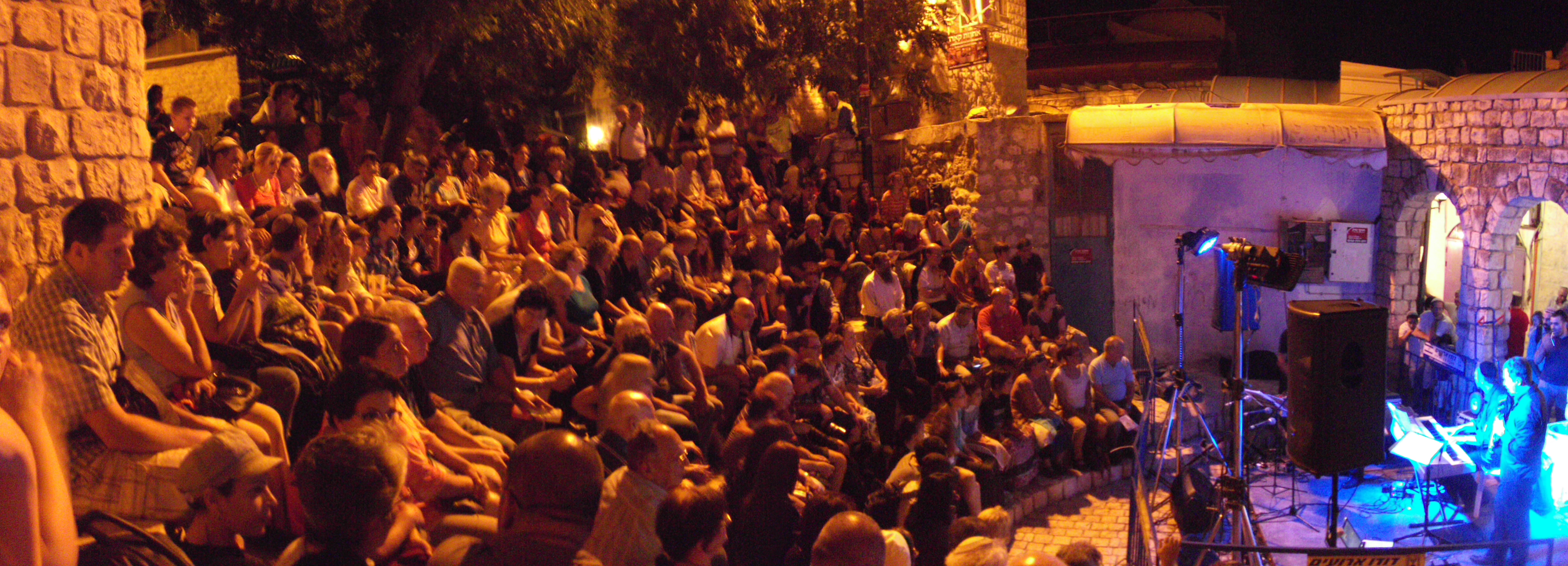
Before long, after passing the Kikar Sadeh stage – one of seven outside, we walked through the Artists’ Quarter and sat down at the Gan HaKasum stage before the musicians began. We got decent seats, to the side, and waited for the Ransas Ensemble to set up. Once they began, the lively tunes filling the wedge-shaped amphitheatre, I stood up in the back and took a semi-panoramic photograph – just look at the beautiful setting!

Ransas Ensemble performing at the Gan HaKasum

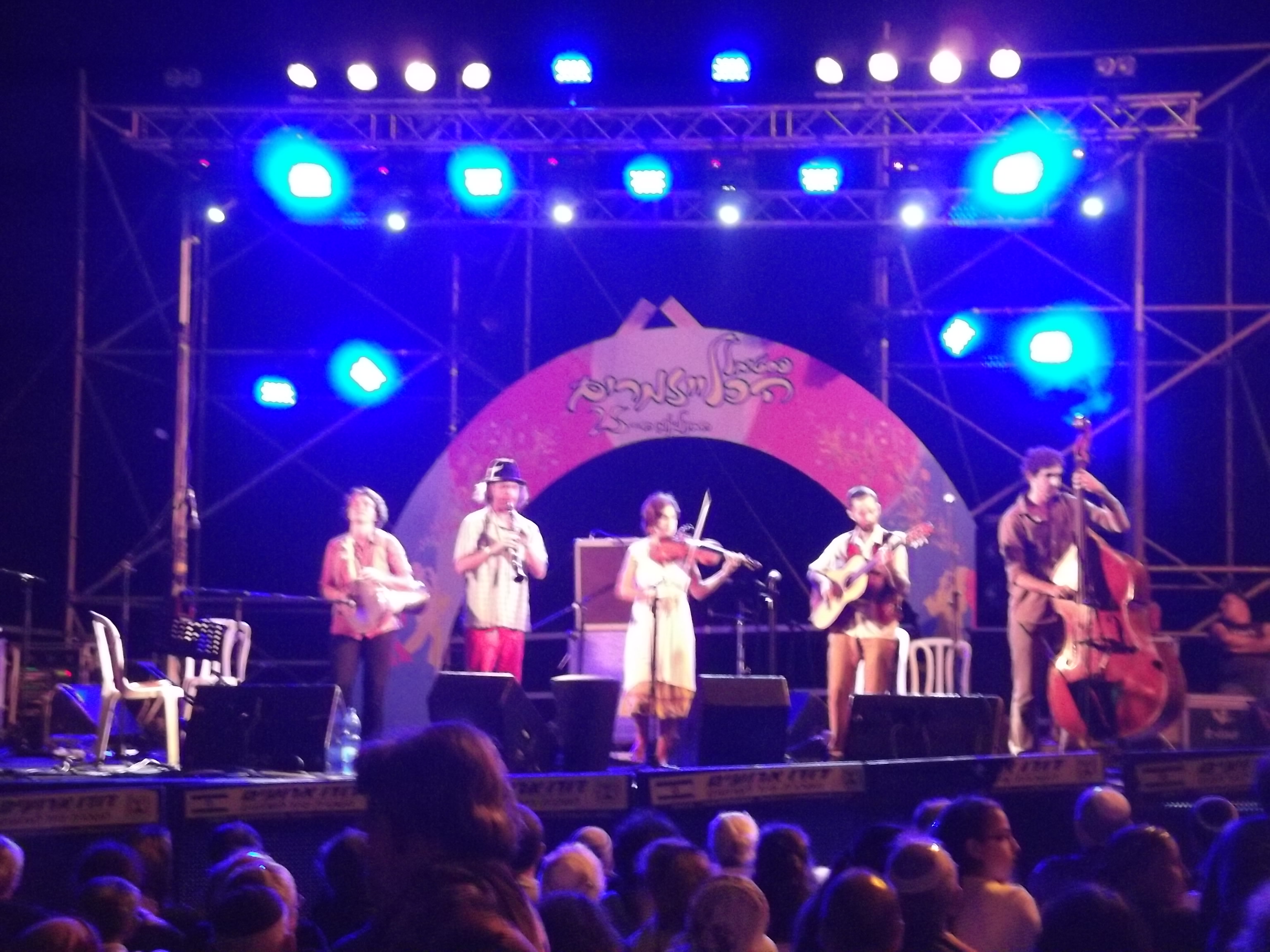
We stayed and listened to them for a while, some three or four songs (as well as watching the loud fireworks which were done from the Citadel area). I marvelled at the fast pace of the violin and the rapid toots of the flute so much so that I descended some levels to sit beside the fence, to photograph the flutist. Here it is, raw talent entertaining the masses:

Member of the Ransas Ensemble

After the third or fourth song we returned to where we started, to the next stage in our path – the Kikar Sadeh stage – where Amhia, I believe, was playing. They were a bigger group than the Ransas Ensemble and therefore had a bigger stage, and a bigger audience. Due to my simpleton camera, and the fog machine, some of my pictures come out less than perfect – this is an example of one, but, at least, it gives an adequate indication of what the stage looked like at the time:

Amhia performing at the Kikar Sadeh stage

We stayed and watched them for a bit, pressed against the cool stone wall of an art gallery as the crowd surged by. The music was festive, as it should be, and the “leader” of the group made me laugh at his amusing appearance and dress, but there was oh-so-much more to be seen and we didn’t want to stay out forever (having spent the entire day touring Tzfat). So we continued on, passing the countless vendors of traditional festival foods. One particular treat is the crêpe, made on a hot, flat, circular cooktop and then slathered with chocolate spread or Nutella. The crêpe is then folded into a triangle and popped into a wedge-shaped pocket and is eaten “on the go”. I enjoyed some of my sister’s crêpe at the 23rd festival but did not opt for another go at the overly-sweet Israeli treat. The next stage we approached was the Ma’ayan HaRadom (after passing the Kahn of the White Donkey which was not yet fully set up). There, in a quieter part of the Festival – the quietest we saw all evening – was a small musical group playing more Klezmer music. We stood on an elevated sidewalk and watched from above.

More Klezmer music on magnificent stages

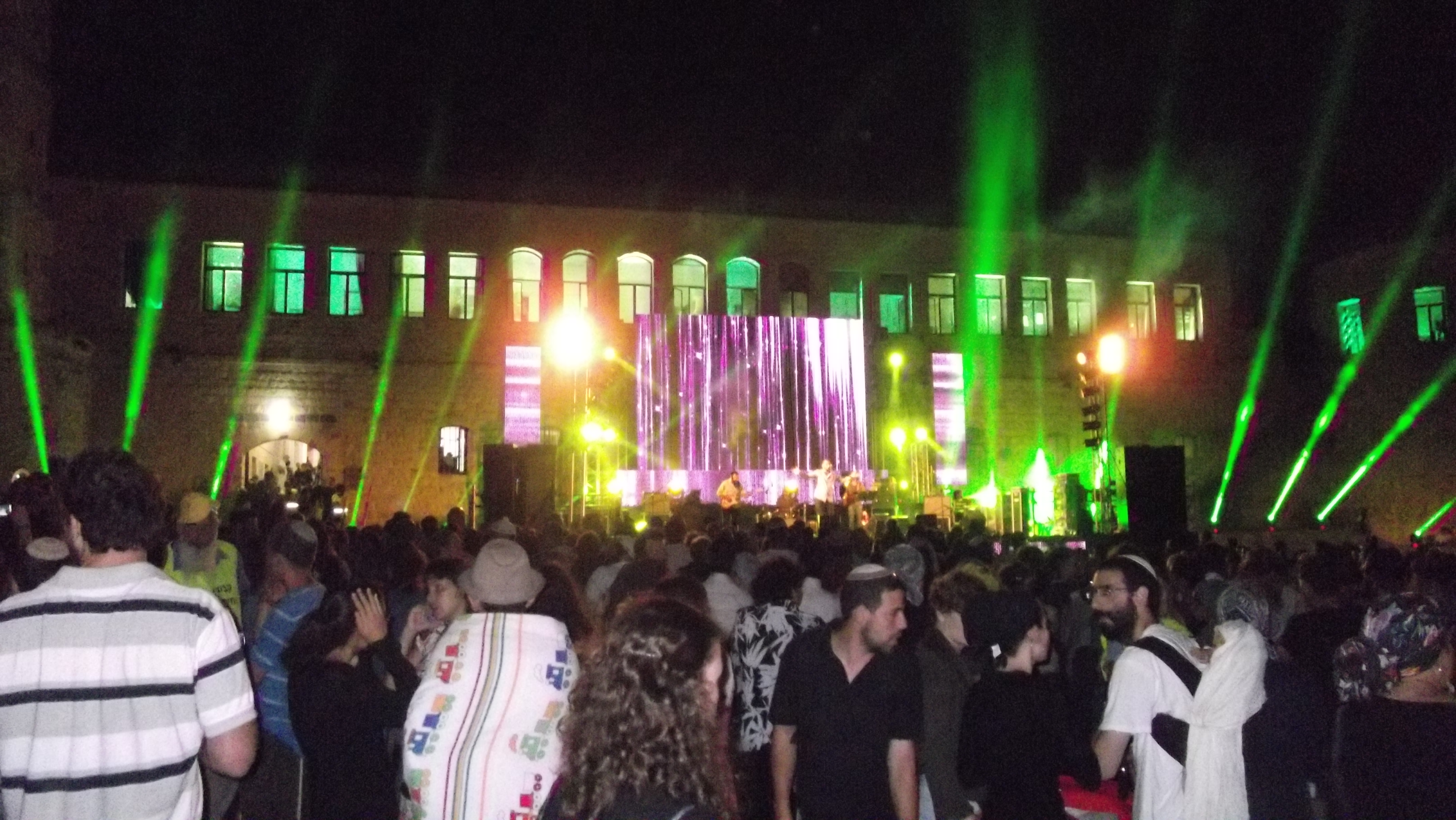
And then we headed for the lights in the sky, the grand stage of the Saraya (Outside). The Saraya is a large stone building that was once the palace of the Bedouin governor of Tzfat and then the administrations building for the Ottomans when they took control of the area. There is a clock tower that juts up on the north-western corner of the structure. The bright lights that poked the sky were seen from other areas of the Old City, where the other stages were scattered about, and when we finally saw the lights, it was very impressive. Again, woe is to my camera for it cannot photograph very well at night.

Outside the Saraya

Here is another shot of the Saraya Outside stage – the colour scheme changed but the same artists were on-stage:

Another shot of outside the Saraya

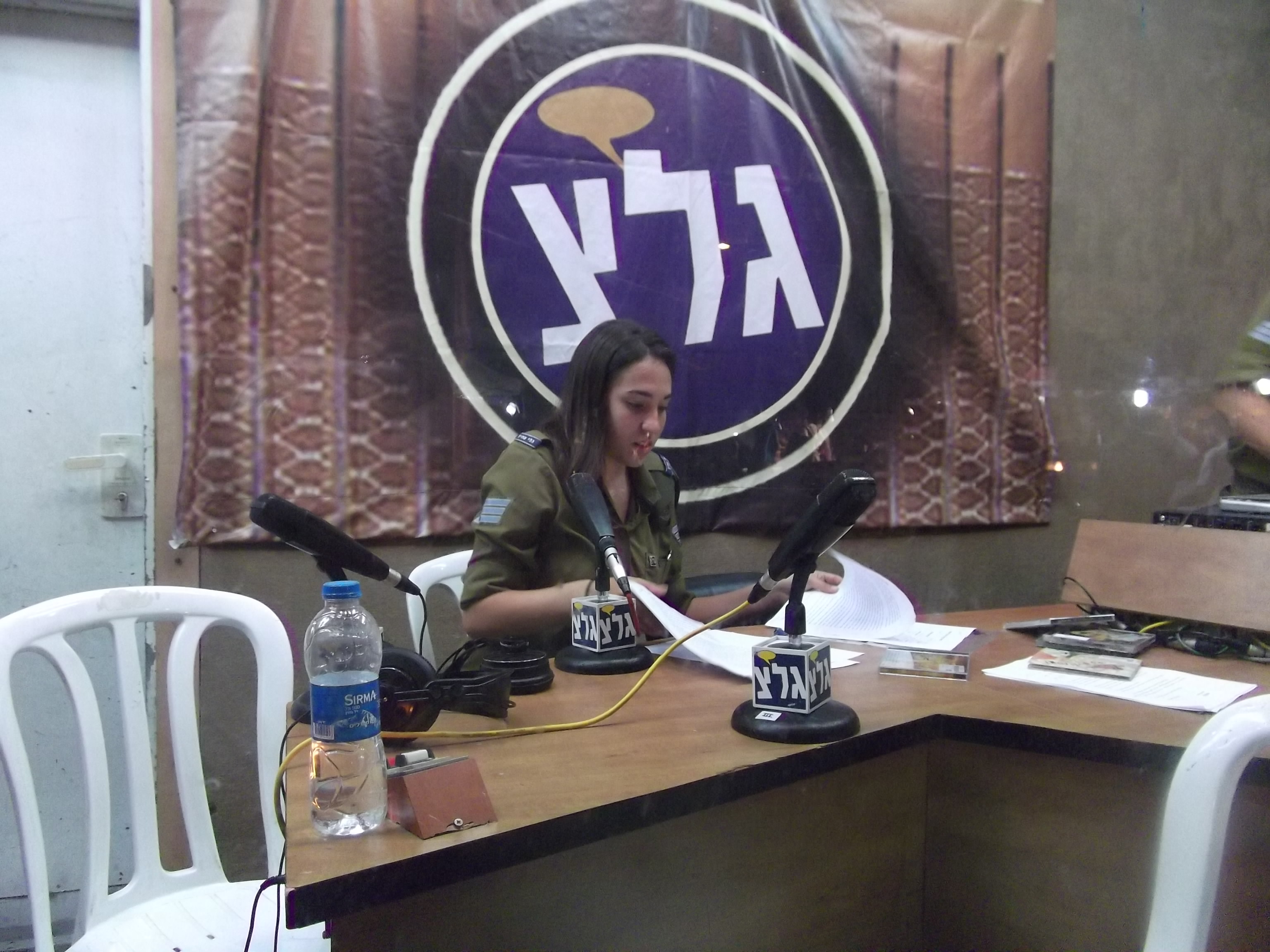
After seeing just one more stage – the Saraya Inside, these two wildly packed with hordes of Klezmer-loving Jews, we continued on towards the parked car that was to take us out of the city, the hands of the clock pointing upwards – apparently aghast at the late bedtimes of the local children who ran about eating cotton candy and chocolate-filled crêpes. As we walked away from the Saraya we chanced upon the studio trailer of the IDF Radio and they were just finishing an interview. The broadcast was not only heard throughout the country but was also conveniently sounded on speakers just outside the portable studio. Here it is, the army’s own radio station and the soldiers covering the 25th International Klezmer Festival of Tzfat:

Army radio covering the festival

For more info on the Festival: Hebrew and English are both available, just click on your preferred language.