Israel's Good Name

Archive for the ‘Galilee’ Category

Rafting the River Jordan

In Galilee, Israel on August 8, 2012 at 6:11 PM

Today, we the family took a special little trip to the Upper Galil area, the Panhandle, for some rafting on the River Jordan. Having chosen Kfar Blum as our raft and route providers by buying tickets online in advance, we set out at an early hour (8AM) and got there in record time. We parked and took the shuttle bus up to the “long route” launching area on the Snir Stream (one of three streams that compose the Jordan River). Here, a guide shows us the route:
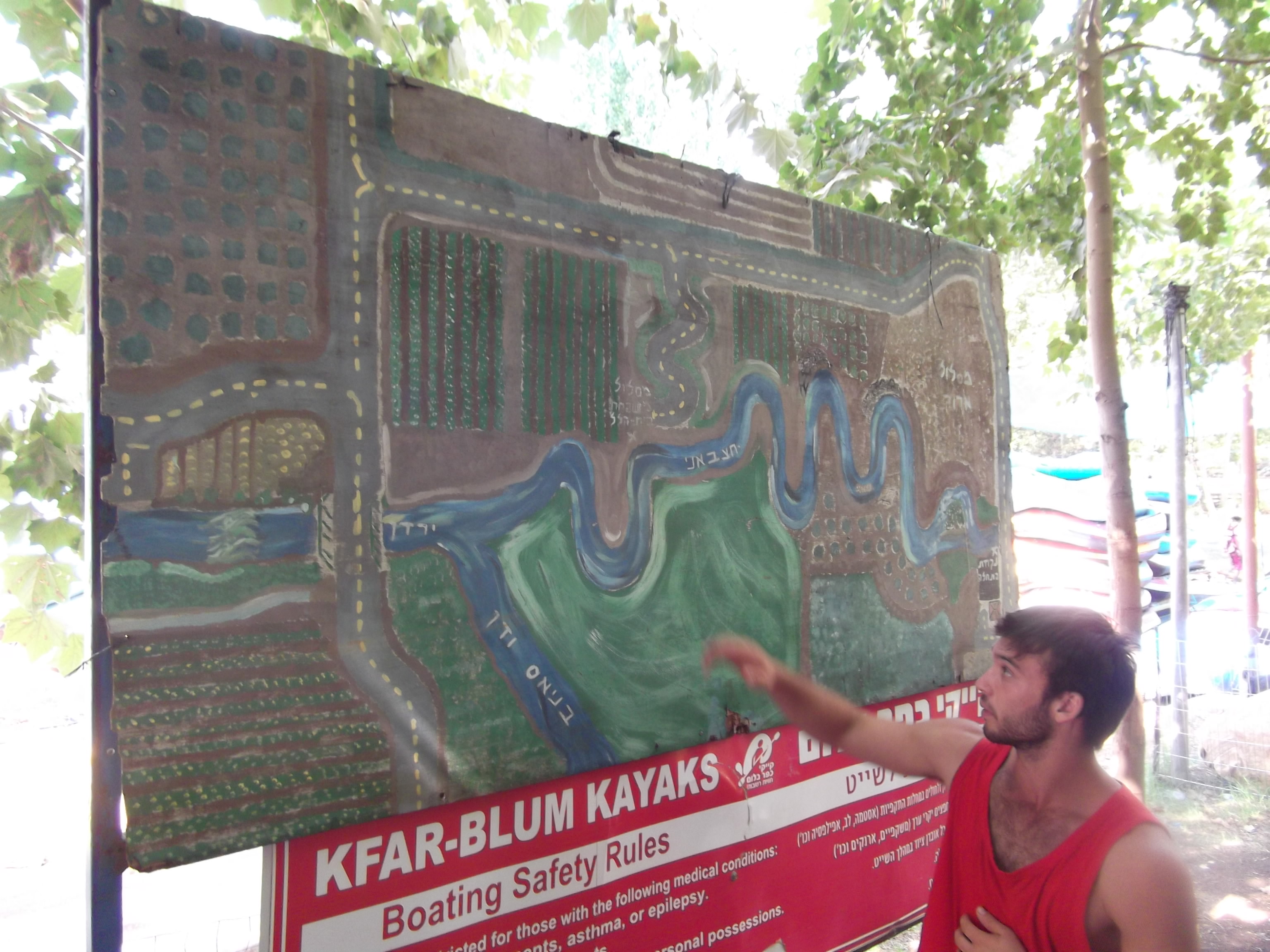
A guide shows us the route on a big map

As soon as we had gone over the few safety instructions, we donned life jackets and hopped into rafts – two rafts for six people, perfect seating.

Loading onto the rafts and kayaks

The launch went off with a splash and away we went, heading down the Snir. Spinning until we gained control, the water in the early stages was the most choppy, mellowing out as we got further south. At my earliest convenience, and when I felt it was safe to bring out my camera, I took this shot (which came out better than I intended, the branch whipping by overhead):
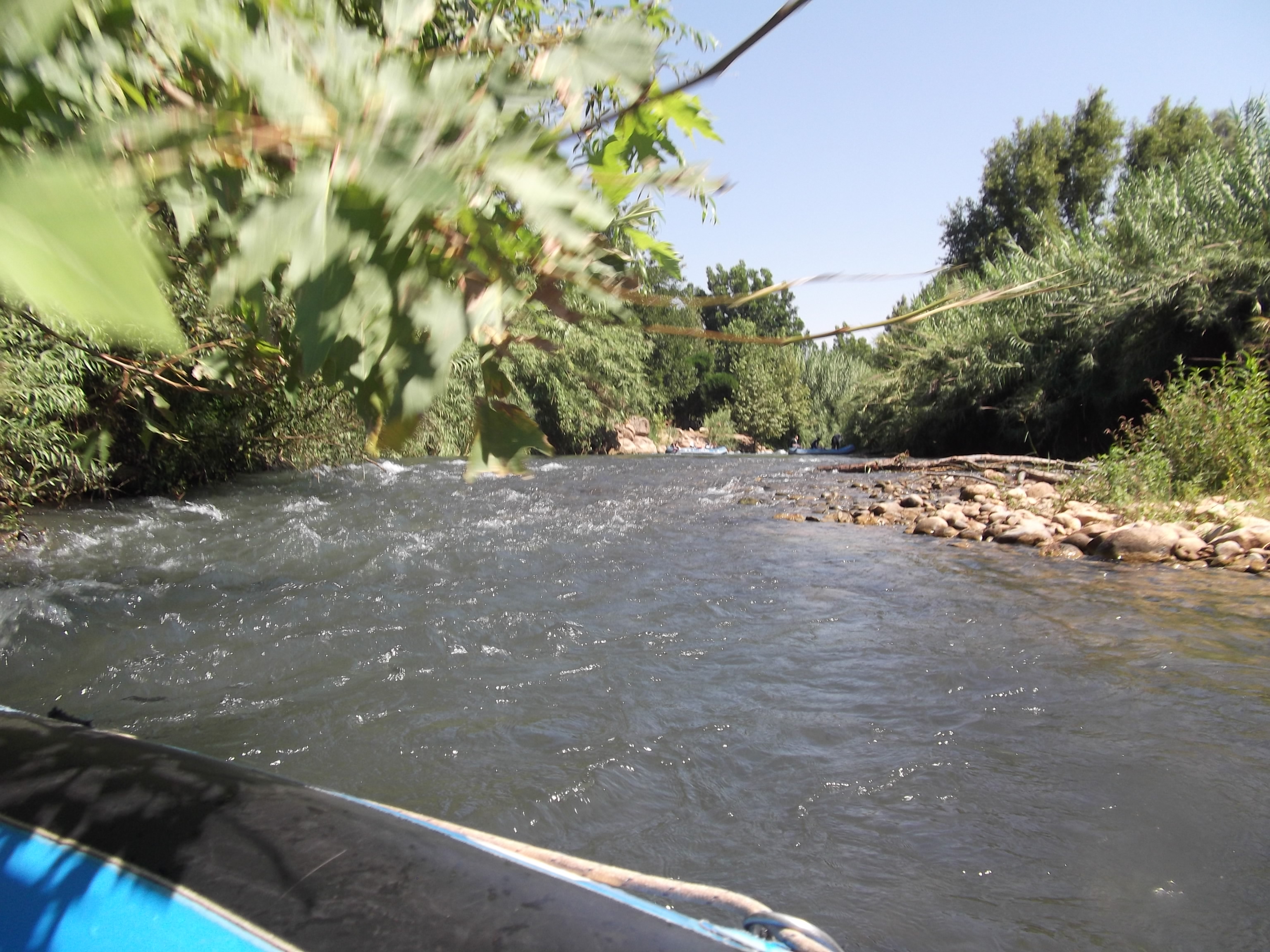
Quick part in the river

One thing we realised in our craft was that it was more fun and less work to simply let the current throw us around. We just laid our paddles across the raft and bounced around, the cold river water sloshing us every few seconds. I really enjoyed the mild rapids and the treacherous vegetation that attacked us from the shore but I think my favourite was crashing into boulders and springing back with a lurch, large quantities of icy water replenishing the cold sensation in our bodies via holes in the bottom of the rafts (yes, intentional holes).
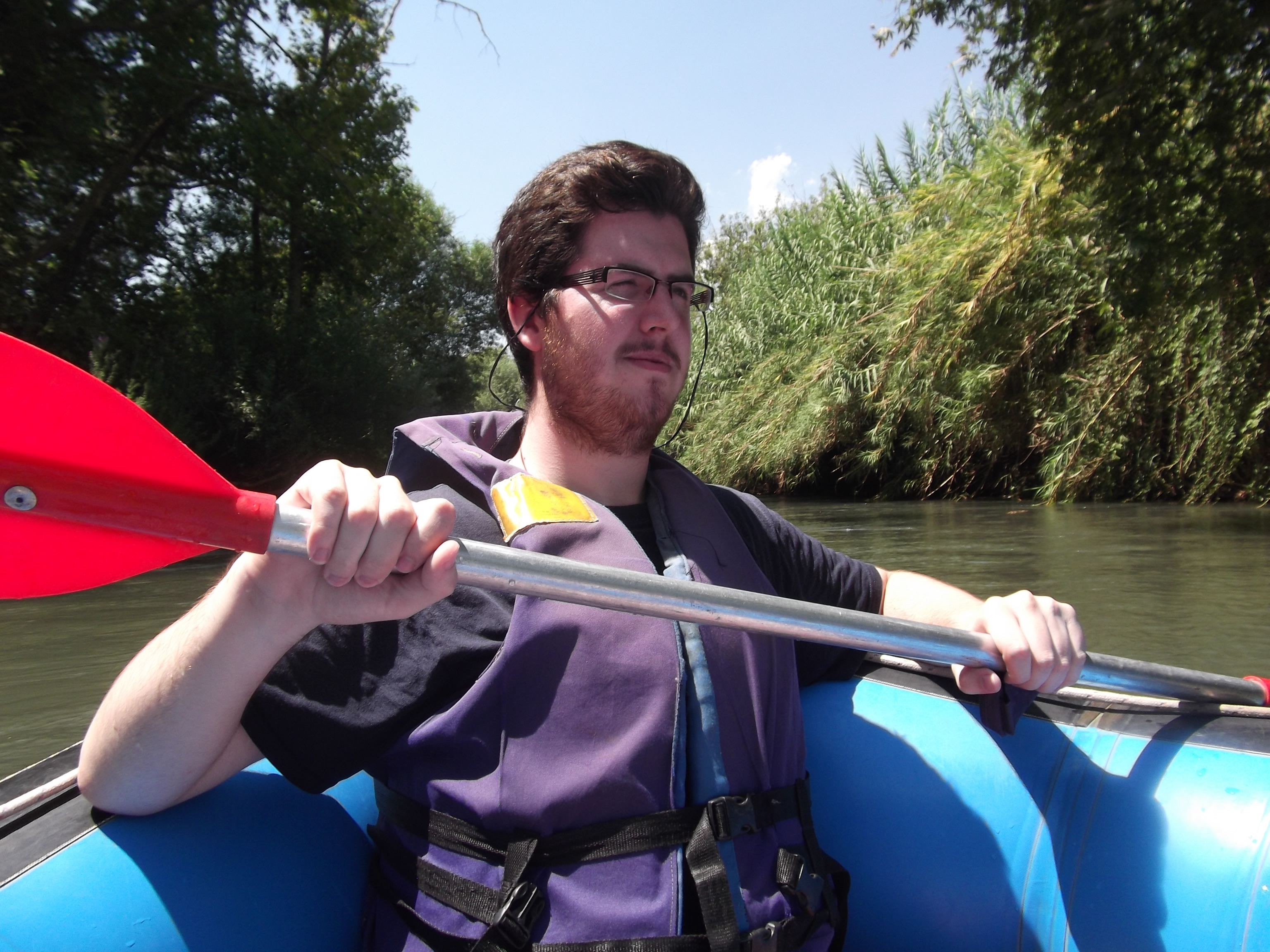
Rafting with a smirk!

Another perk was the ever-present “threat” of over-friendly people sharing water with us. However, most times we passed by rafts engaged in water fights they paused their watery cavorting and resumed only once we were out of harm’s way. It was the people who were in the water with a special gumption for sharing water with strangers that we had to be wary of – in fact there was one fine young man with a large bucket who insisted that we pass him or else he’d be forced to pass us. When we did gather the courage to pass him, he wielded his bucket with an alarming rate of water delivery, leaving me doused in many, many gallons of icy water that made me feel quite… refreshed.

Rowdy children splashing passersby

At one point, still on the Snir, we disembarked and swam around in the shallows. There was an interesting calm in one part of the stream while just a few feet further the current swept boats and people away… With my life jacket still on, I entered the current and enjoyed the ride, hurrying to break free before the next little waterfall. I cannot stress enough how absolutely frigid the water was, and being that it is August, I don’t think one would be able to enter the water in any season other than summer – it’s just too cold. At last, after a good half hour spent splashing about and re-riding the current loop, we got back in our rafts and continued. Here is a shot of the other boat (containing my parents and my little brother) as they paddled through the deep, cold water:
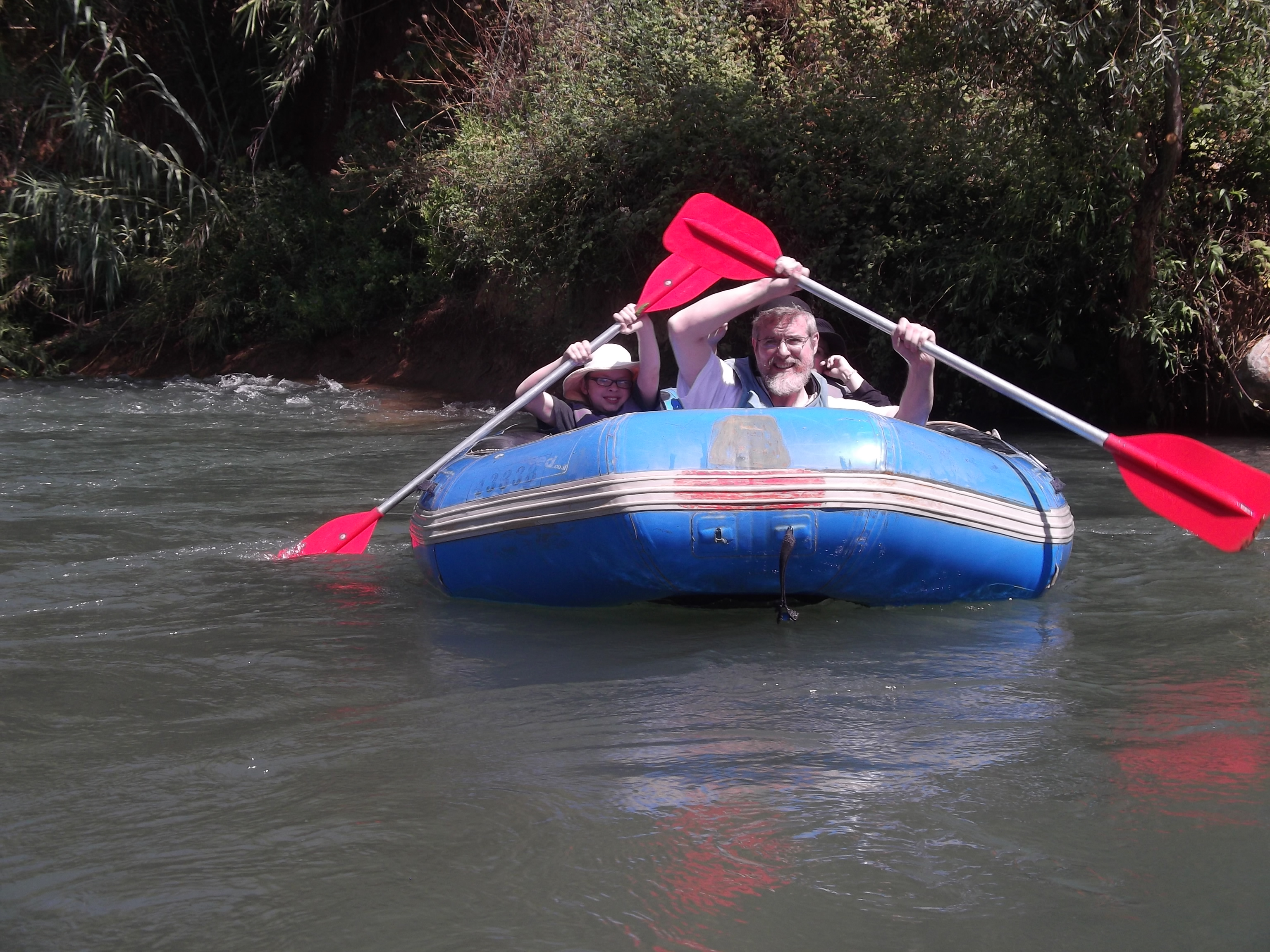
Come hell or high water…

Soon enough we reached the junction where the Snir, Dan and Hermon streams morph into the Jordan River. The water a little ways back and then after the junction is relatively calm, we just drifted along – spinning slowly and occasionally crashing into the banks with little consequence. For a while we tied both rafts together and just drifted in the alternating sun and shade, chatting and snacking. Here it is, the gentle Jordan River:

The Yarden (Jordan River)

As we neared the end, approaching the “large” waterfall just after the bridge, we aligned our rafts to face forward and prepared for the fall/ride. On the banks, dozens of families picnicked and frolicked in the lazy (but still cold) waters. The lone man on the two inner tubes who whistled his way by us some hour before was nowhere to be seen, although I would have enjoyed seeing him go over the falls – would he have kept whistling?

After the falls, which weren’t as severe as I had suspected they might be, we regained the calm of the river and drifted towards the end of the route. With us was a migration of Kfar Blum rafters, the other rafting companies having ended long before us.
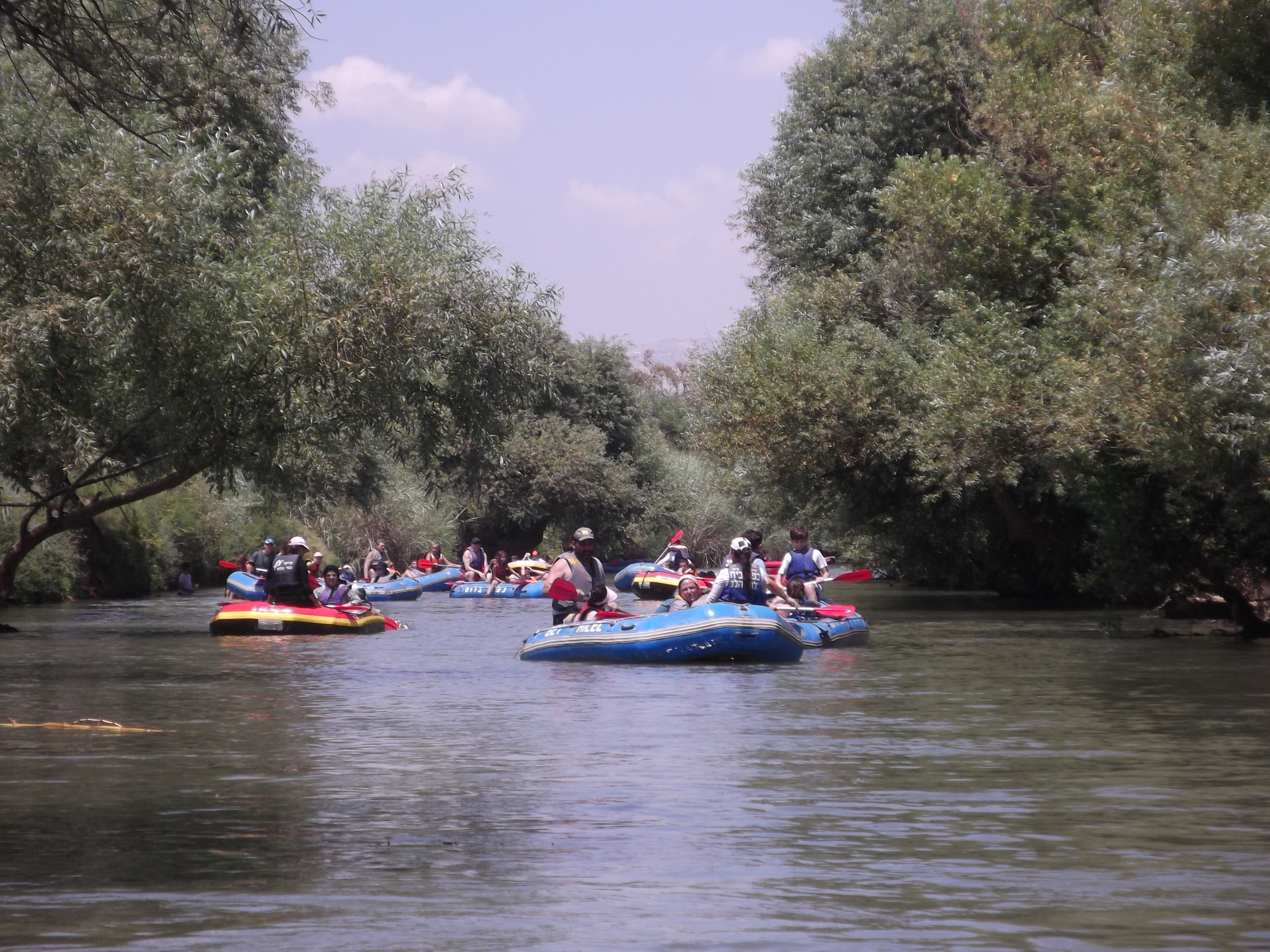
The migration to the finish

At the end our boat was dragged up onto the ramp, our bodies still inside. We climbed out, our legs slightly wobbly from the two to three hours “out at sea”. We removed our life jackets, returned our paddles and made our way up the the exit.
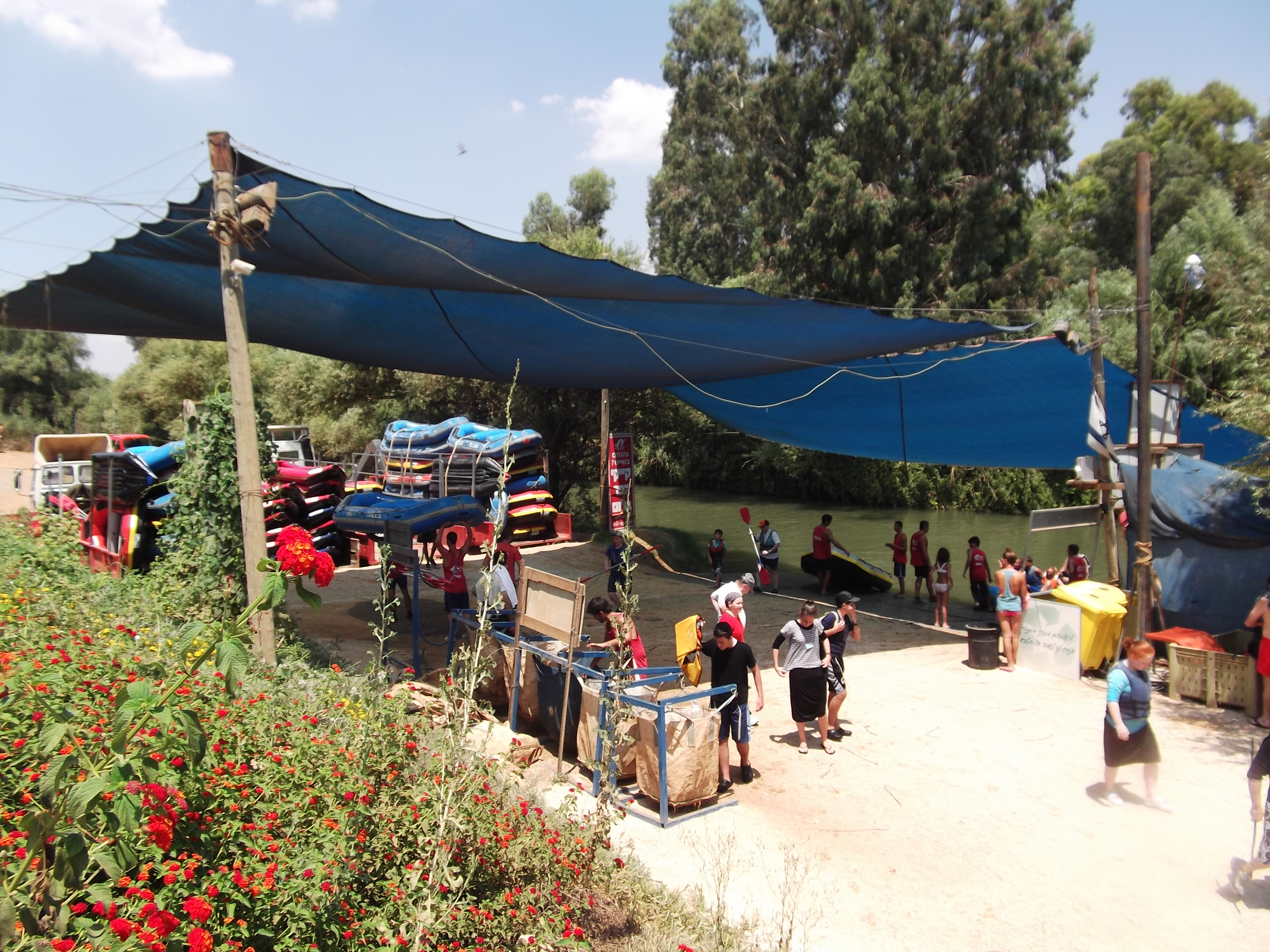
The end

On the way to the exit we found a little station where we could purchase prints of a photo that was taken of us at the waterfall – I had forgotten that they do that and thus my facial expression is not one to be lauded over. The other boat’s snapshot came out magnificent so we just bought the both of them. There is supposed to be a way to get a digital copy but when I tried that I ended up just signing into my Facebook account to have them “like” their page for me and award me a token air freshener that I am supposed to hang in our car. (When I got home, Facebook made me change my password and verify my identity because they sensed suspicious activity on my account, hmmm.)

Anyway, after a short little lunch where all those families were picnicking we headed home, the early stages of sunburn setting in… But we had gone rafting on the River Jordan so all the sunburn in the world won’t ruin the great experience!
Saslove Winery

In Galilee, Israel on July 12, 2012 at 6:34 PM

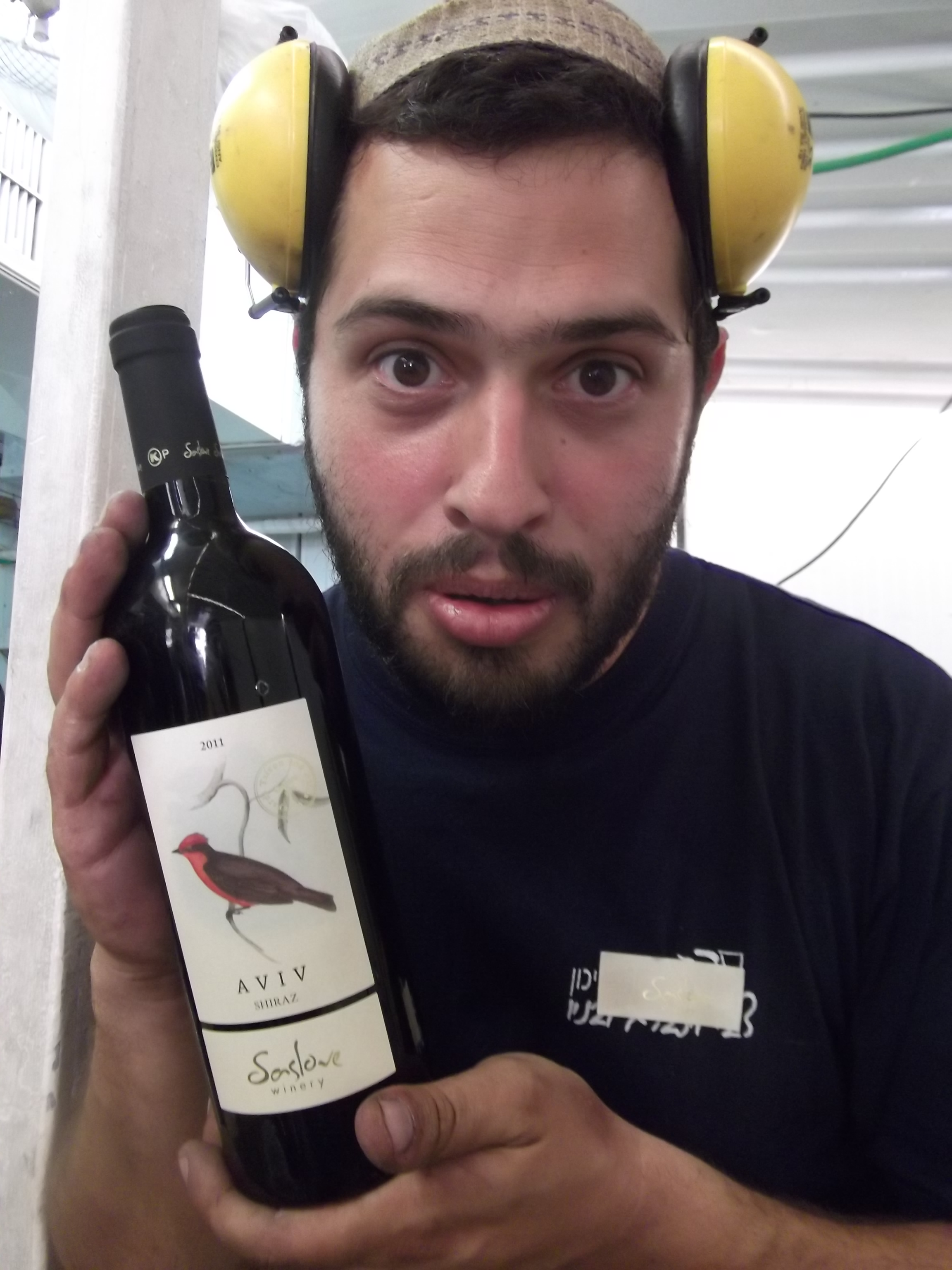
First and foremost let me apologise for being negligent in my blogging – nearly two full months have gone by empty of interesting content. I hope to remedy this with a post about a lovely little boutique winery that I had the pleasure of touring, thanks to friend Dovid Bloom who works with the bottling crew. Here is Mr. Bloom, presently a freshly bottled sample of Aviv 2011 Shiraz:

Dovid Bloom – striking a silly pose

The winery featured today is the Saslove Winery, founded by Barry Saslove (formerly of Canada). The production and bottling is done in Zuriel, just minutes away from Ma’alot – within eyesight even. However, the vineyards are mostly on the other side of Mount Meron, in the Eastern Galilee, where the air is dryer and the climate is more suited for fruits of the vine, all at an average of 800 metres above sea level. Here is a photo of one of the vineyards, at Kerem Ben Zimra:

Saslove Vineyard (credit: saslove.com)

Getting back to the Western Galilee, we drove along the windy highway and arrived at the winery, greeted by Dovid Bloom. He began by taking us inside and showing us the bottling, explaining the steps as the bottles trudged past on the conveyor belt. First, of course, someone has to load the empty bottles into the machine:

Loading the empty bottles into the machine

The bottles are then rinsed and nitrogen is shot into them, then the wine is piped in. In an adjacent building the wine is stored in huge metal vats (it should be noted that the top-of-the-line Saslove wines are aged in wood barrels), here is an unglamourous glimpse:

Huge metal wine vats

After the bottles are filled, a cork is pneumatically forced into the open neck of the vessel. Dovid opened the doors so that photographic efforts would yield a more favourable result. Yes, there is no flash reflections disturbing the shot but I’d still say it is a mess of glass, metal and wine. The bottles in the background are those attached to the wine-spouting nozzle, the bottle headed to the right in the foreground is about to be corked:

The inner workings

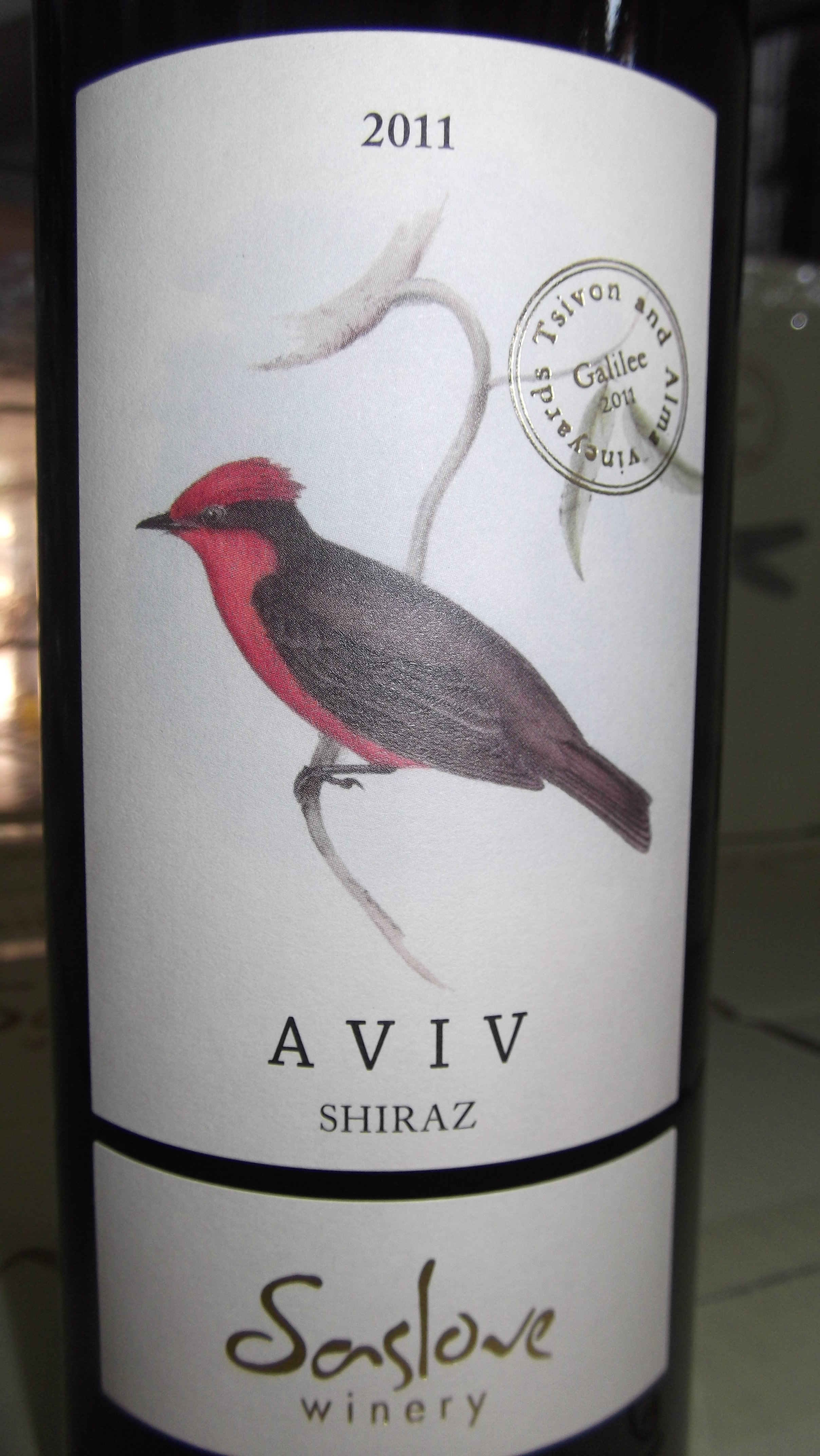
After the corking comes the labeling and boxing. The labels are particularly beautiful at this winery although it seems as though every winery and brewery I visit has a great sense of style (Malka Beer and Adir Winery come to mind).  Just look at this label!

Aviv 2011 Shiraz label

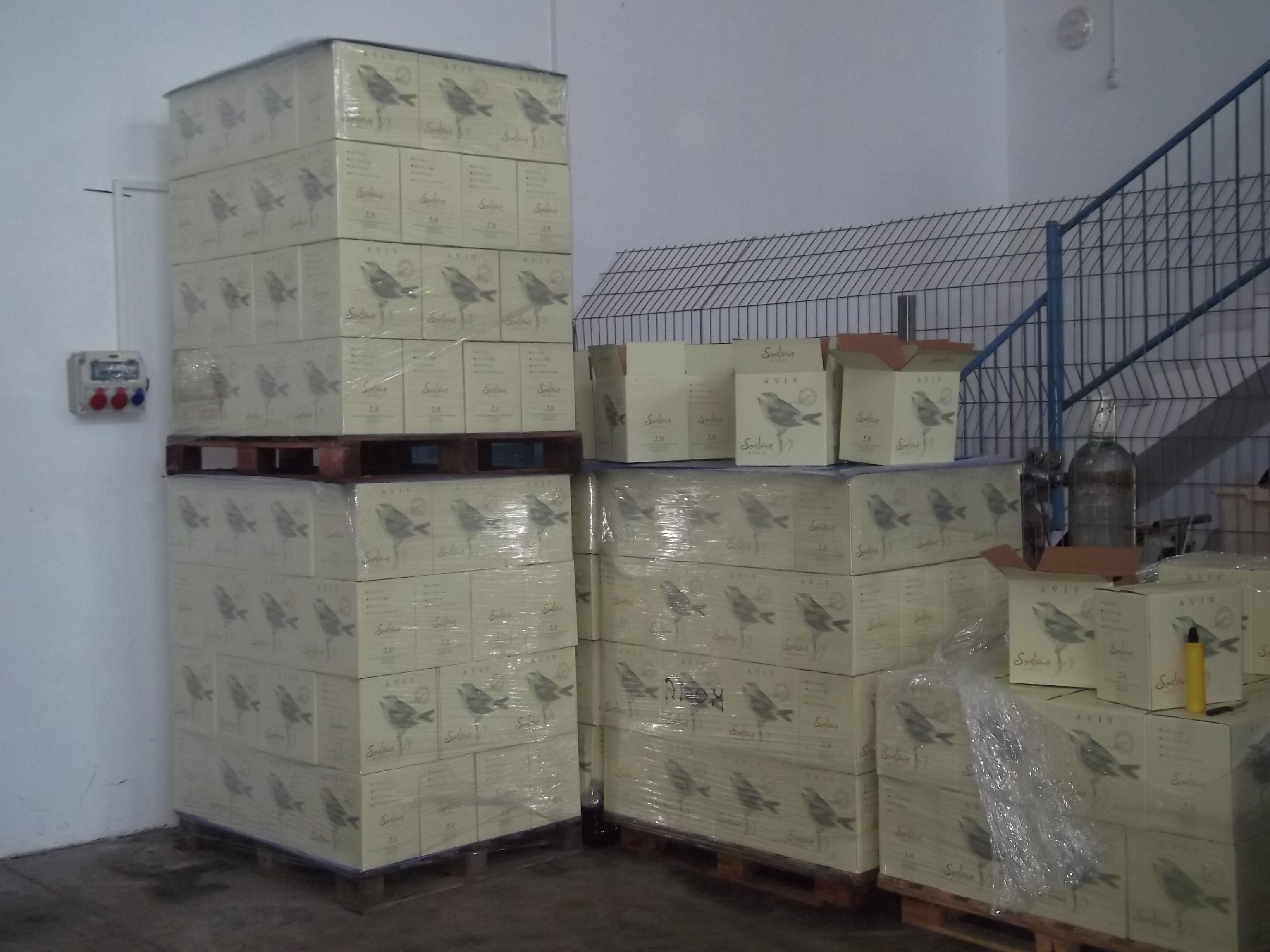
And after the bottles are boxed and those boxes are sealed, a pallet of full boxes is brought back into the warehouse containing the wine vats and joins the others, ready for shipping. At 2,000 bottles an hour, if I remember correctly, this was just the start (we visited in the morning):

Waiting to be shipped out

Just after photographing the pallets as seen above, the proprietor and winemaker, Barry Saslove, began talking to us. He went into great depths explaining how the climate and geographical location of the Eastern Galilee made it, in his opinion, one of the best places in the world to grow grapes. Being an expert in the field, knowing that the fertile low mountains would yield great crops, Barry staked his claim and now runs a distinguished boutique winery. A French wine authority named the Saslove Winery one of the top 100 wineries in the Mediterranean, of just three in Israel.

Barry Saslove speaks to us

Eventually, as all impromptu tours go, we broke apart, thanked the correct personages and made it to the car. Due to the fact that we visited the factory, and not the visitor centre which is in another village. we didn’t do any tasting or buying. Maybe one day… But as we leave, one last parting shot:

The ”factory” of the Saslove Winery

Visitor Centre info: http://saslove.com/en/visitors_center.php

Industry in the Galilee Panhandle

In Galilee, Israel on May 21, 2012 at 1:13 PM

Sunday the 20th of May was a big and important day. For all of us in Israel, Sunday marked “Yom Yerushalayim” – a day celebrating our re-conquering of the Jordanian-occupied Jerusalem back in 1967 – and less importantly, it was the day we took a trip to the Galilee Panhandle. The sole purpose of our trip (“our” being my parents and I) was to procure some shoes at the Naot factory store. However, thanks to some advertising cards we found, our trip was expanded to a full-blown day of exploration. First, the factory:

Teva Naot factory

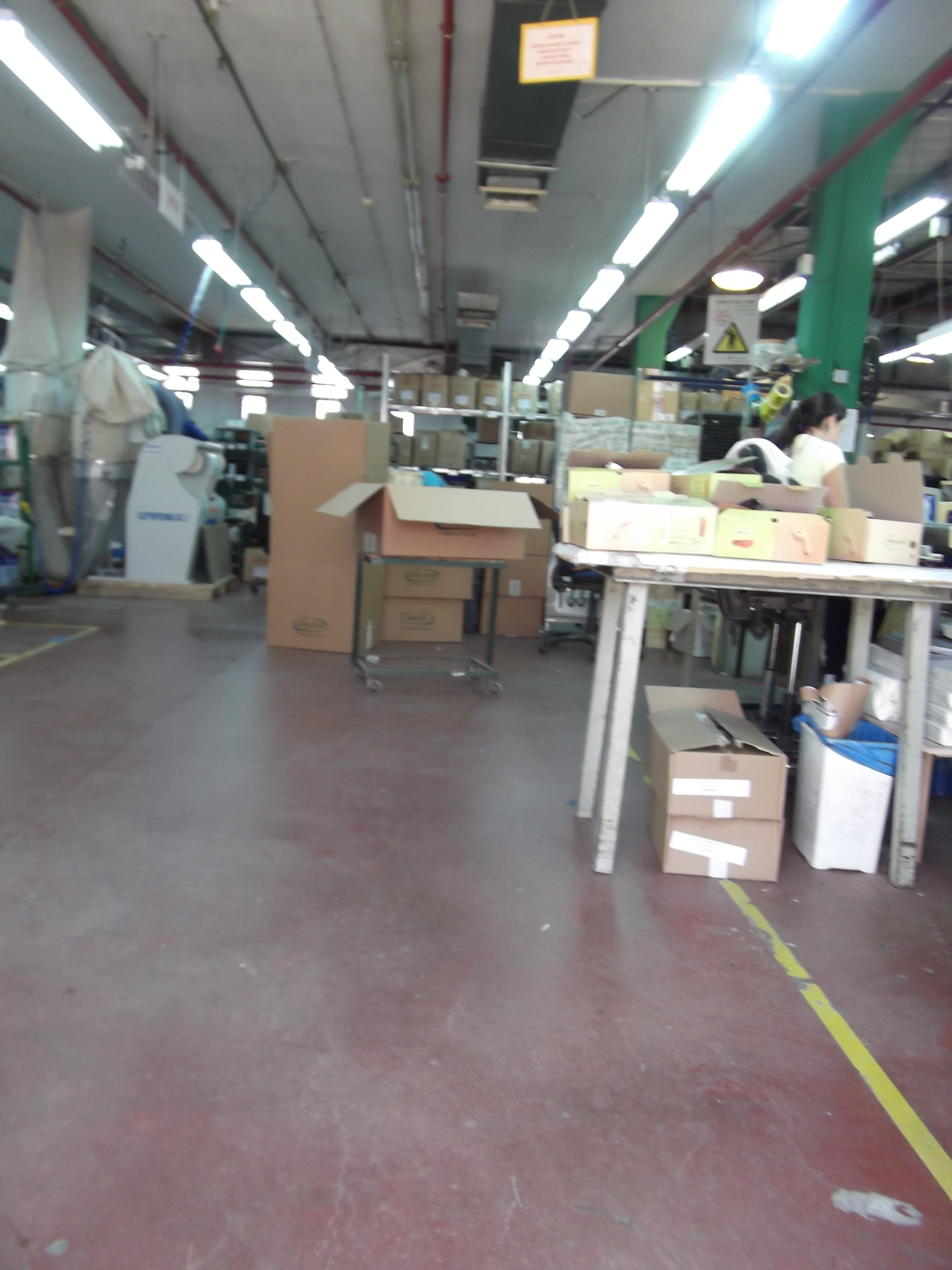
It was a lovely day and the shoe selections were also good. I was not looking for shoes so I browsed and then took my browsing skills outside. I wanted to look inside the factory but only one door was open. The entry was filled with boxes so there wasn’t much to see. I decided to play it sneaky and followed a forklift. He headed for the other entrance, one blocked with those thick plastic flaps, and I attempted to get a picture. My efforts weren’t really paid off so I had to slip my camera between the flaps and take a discreet photograph, “point-and-shoot” at it’s truest form. Not a great shot but here it is:

Sneaky picture of the factory floor

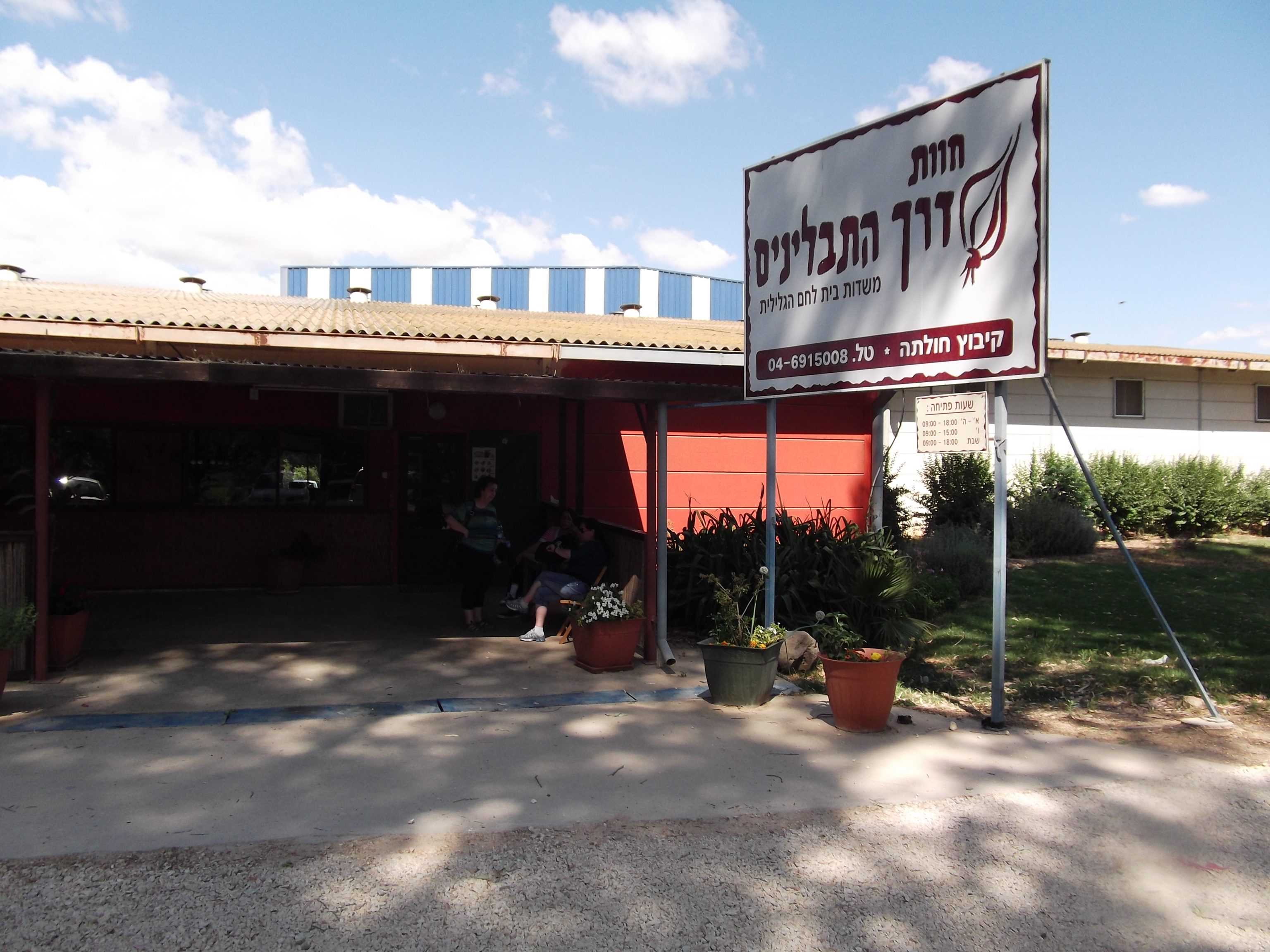
What makes this humble factory so interesting is that Teva Naot is Israel’s biggest exporter. Making over a million pairs of shoes every year, some 3,000 every day, with sales in over 6,000 locations around the world it is a fair chance that you have footwear from this very factory. Teva Naot’s product line includes the iconic Teva sandals, Naot shoes (very similar to Birkenstock) as well as Source sandals – very popular in Israel. Tons of people make their way up north to shop in the factory store, including us. But our adventures didn’t stop at the Teva Naot complex, after we bought the shoes we needed we picked up some advertising cards and saw two interesting sites that were in our return journey’s path. The first one was the low-key Derech HaTavlinim (Spice Trail) store:

The spice store

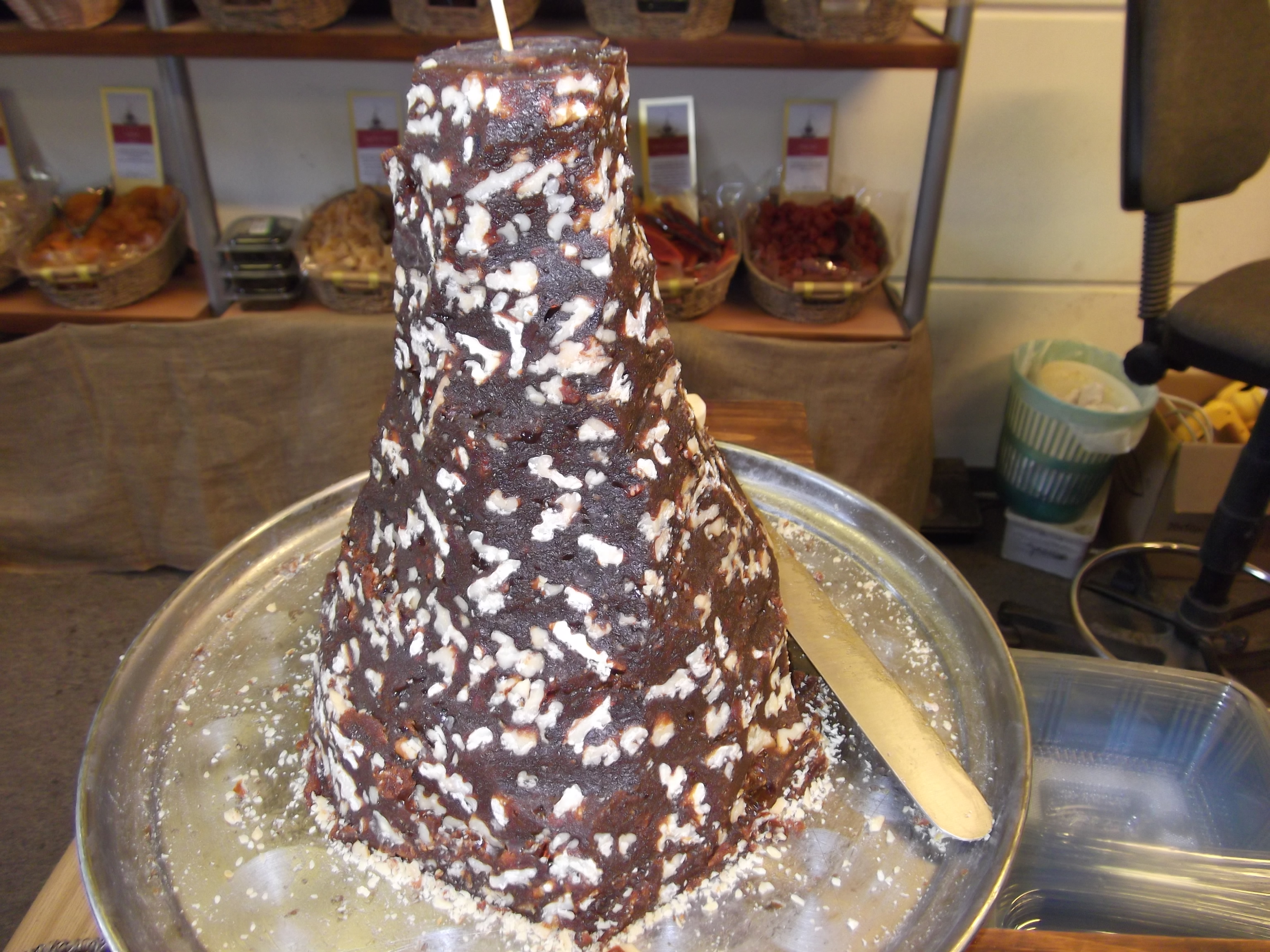
When we entered the store we were greeted by lovely smells and began to look around. We were handed a basket and a marker to properly label the spices we were to pick out. With over 200 types of spices and blends, there was much to see. Some of the most interesting products included the “schwarma” made out of apricot paste and walnuts. The girl behind the counter shaved off some for us to try – I didn’t fancy it too much.

Apricot and walnut ”schwarma”

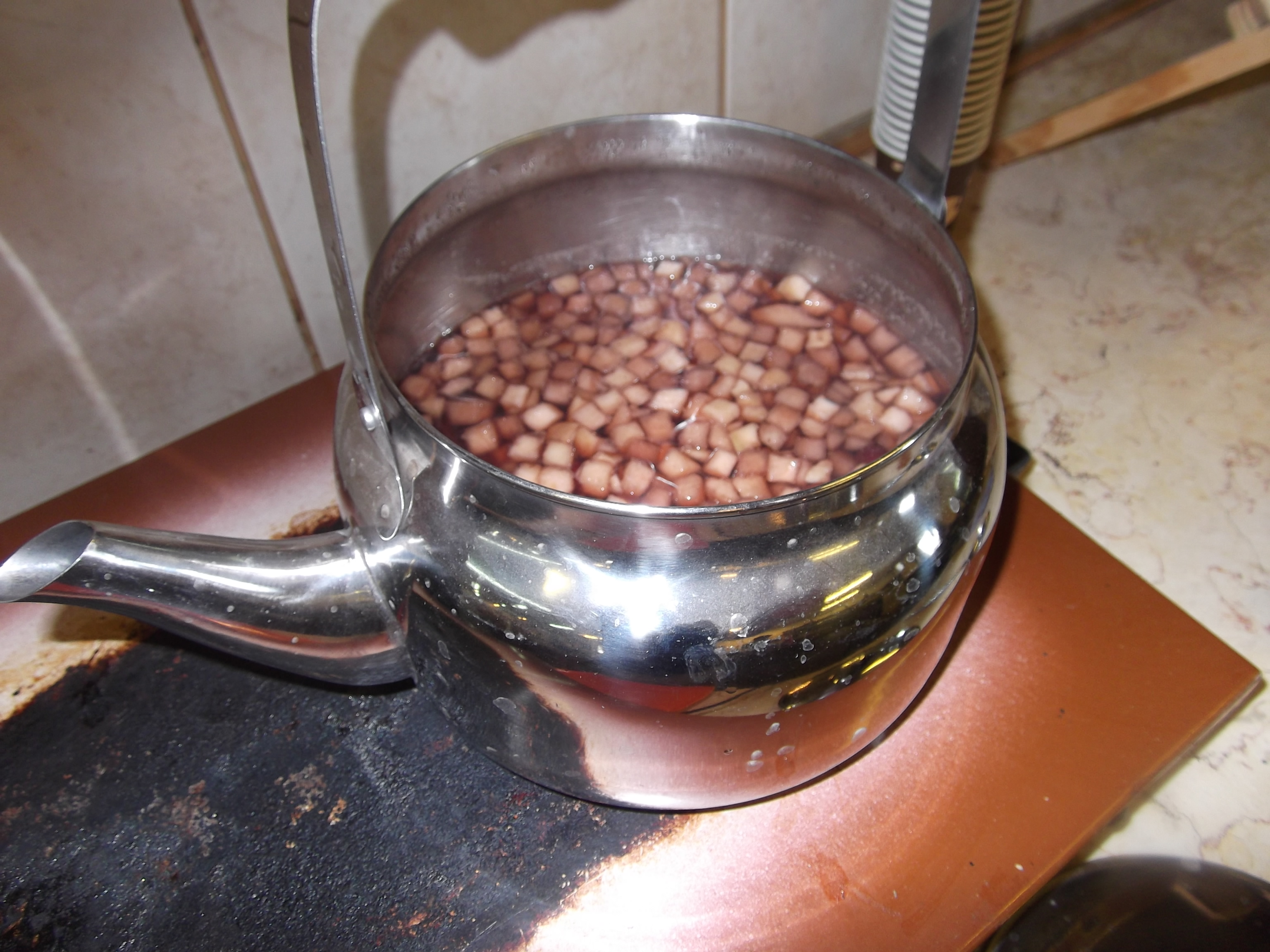
The halva beside the “schwarma” was magnificent – all four varieties: chocolate chip, coffee, vanilla and pistachio. One of the workers approached us with little cups of apple cinnamon tea which smelled delicious. Here is the rest of the tea, just look at those little cubes of dried apple:

Tea for the customers

From the hawaij to the Sicilian onions mix to the assorted fruity teas, there was so much to see, so much to smell. The first thing I sampled from the stock was this very unique black sea salt:

Black sea salt

There was also lemon sea salt and smoked sea salt but the black one was the weirdest to eat. As I stood there I imagined I was eating coal and that amused me. After more tea was drunken and more halva was sampled, we gathered up our purchases and headed out. Our next stop was the Meister Vineyards, of Rosh Pina. As we left the highway and maneuvered through the dirt roads that skirted the vineyard, we approached an interesting cluster of building and equipment. This huge dog was standing guard and greeted us peacefully:

Sentinel

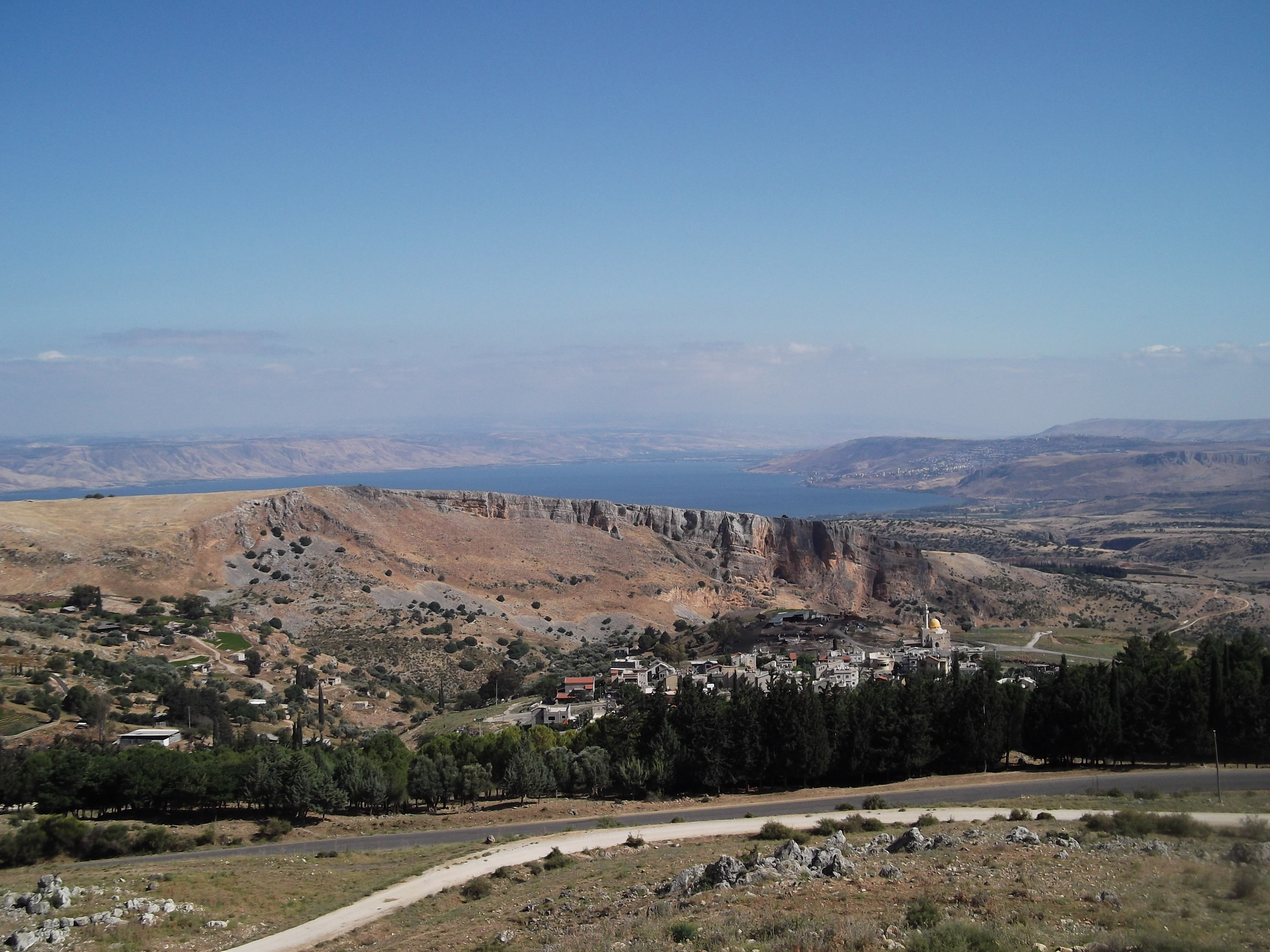
We looked around but the only signs of life were of the canine variety. Apparently they closed prior to our arrival so we had no choice but to turn back. But all was not lost, upon crossing the bridge that connects the vastly different Upper Galilee and Galilee Panhandle, we stopped the car and got out for a look. Here it is, the beautiful Kinneret with the mountains and trees surrounding it:

Looking down at the Kinneret

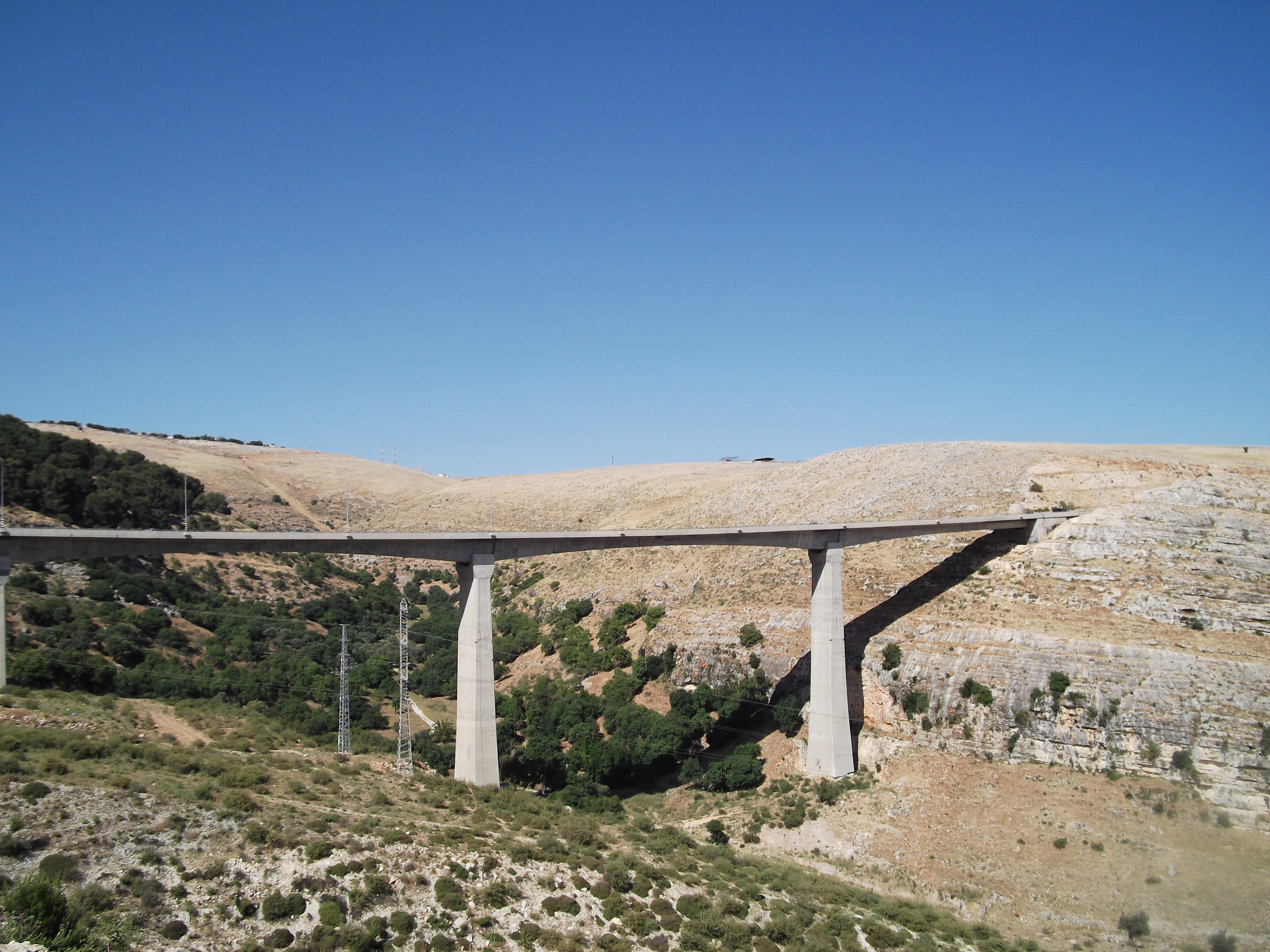
And here is the bridge behind us:

The bridge that spans a change in the land

And of course, a panoramic of the beauty (click to enlarge):

From the golden hills of the Panhandle to the forest near Tzfat

An adventure well done!

Kibbutz Degania

In Galilee, Israel on May 7, 2012 at 4:02 PM

Continuing with the adventures of May 3rd, following a few hours spent at the Hamat Gader resort, this post focuses on Israel’s first kibbutz, Degania. Founded in 1910, the kibbutz celebrated its 100 year anniversary just two years ago. That was the year I first visited Degania, on a Yeshiva trip. So I returned to cover it for Tourist Israel and to catch up on my lacking historical knowledge in regards to the early days of Israel’s rebirth. Here is the first house of Kibbutz Degania where everyone lived together in the early 1910s:

The original first house

My adventures first started at the Gordon House museum where I was greeted with locked doors and nobody around (kind of like a “Twilight Zone” episode). I read online that the museum was open until 3 PM but that website was last updated in 2001 so the information was outdated. I was crushed and decided to find someone who could open the museum for me, at least for a few minutes. At last I found living people and I asked them for help. They gave me a phone number to call and after a confusing conversation the woman agreed to come open the museum for me. I explained that I was a journalist and she gave me a tour, and didn’t even charge me admittance.

One of the Gordon House museum buildings

The most interesting of the three separate exhibitions of the Gordon House was the Natural History exhibit. The others were the History of Kibbutz Degania and the Ancient History of the Lower Kinneret Area. In the Natural History exhibit there are tons of stuffed and preserved animals ranging from birds to snakes and to a leopard skin that once belonged to a leopard which was killed nearby after eating one of local’s sheep. Here is a diorama of the wildlife found in the Lower Kinneret area:

Kinneret diorama

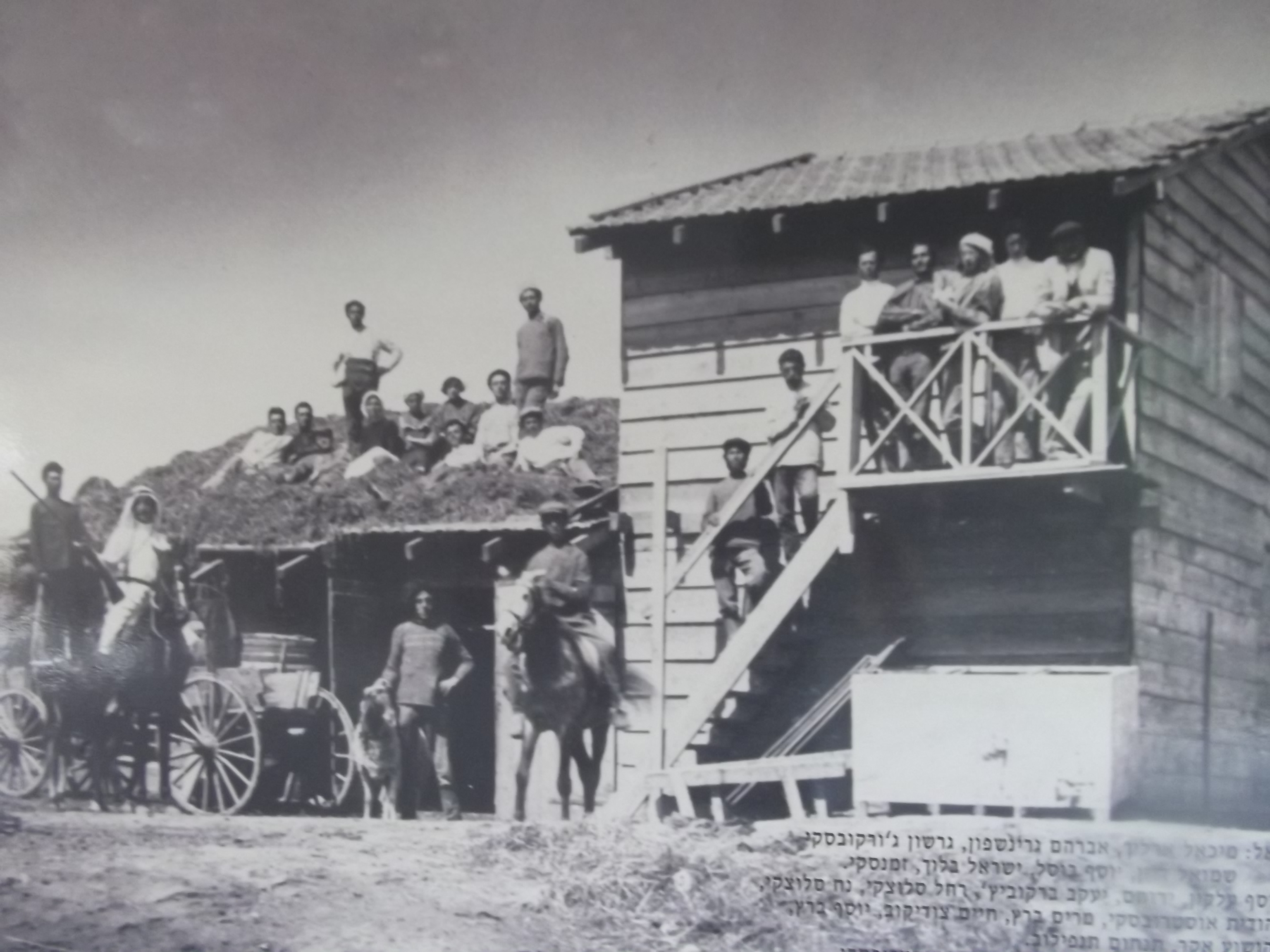
We continued on through the exhibitions, going from building to building. There were all sorts of interesting pictures from the early days when they worked the fields and had guards riding around on donkeys or horses to protect the workers and the crops. At first, in the earliest stage, the kibbutz was just a large house where everyone lived in together (some 10 people or so), a series of small building holding sheep, cows, chickens, supplies and a blacksmith workshop all build in a square and enclosed by a wall and then there was the dining room and kitchen in a separate building. The kitchen area is now converted into another small museum which just covers the history of Degania. Here is an old photo of the early settlers building the stables and cowshed:

Building the stables and cowshed back in the early 1910s

Today, the main house is now an office of sorts (all I saw was lots of paperwork) and the other building which once hosted livestock now contain various other offices and even a nice light restaurant. I had a few minutes until I had to find my bus out on the main road so I went in and bought a Coke, in a glass bottle. I sat outside and sipped, batting flies away as I listened to two couples (one local, one tourists from Spain) and their cheery banter. It was a lovely place to sit and relax and I was reluctant to leave. But the bus waits for no man so I gathered up my belongings and bid farewell. On my way out of the kibbutz I took this picture, the old farm equipment which once conquered the land now rests on display, the would-be rusty parts now decorated with paint:

Old farm machinery

I then exited the kibbutz and sat down at the bus stop across the road. It was a hot afternoon and the flies seemed to swarm relentlessly. The cars and trucks whizzed by and a young corporal sat down across from me, her large suitcase gleaming in the sun. I asked her if she too was headed for Teverya (Tiberias) and she was. Her reply was in English and before long I was privy to the facts that she was Canadian, a lone soldier and living here in Kibbutz Degania, not far from the original “plaza.”  Eventually our bus came and we parted ways, I headed for Tzfat and she for her army base down in the Negev. It was a long and quite enjoyable day but I was pleased to finally arrive home.

Shavei Tzion

In Galilee, Israel on April 29, 2012 at 3:27 PM

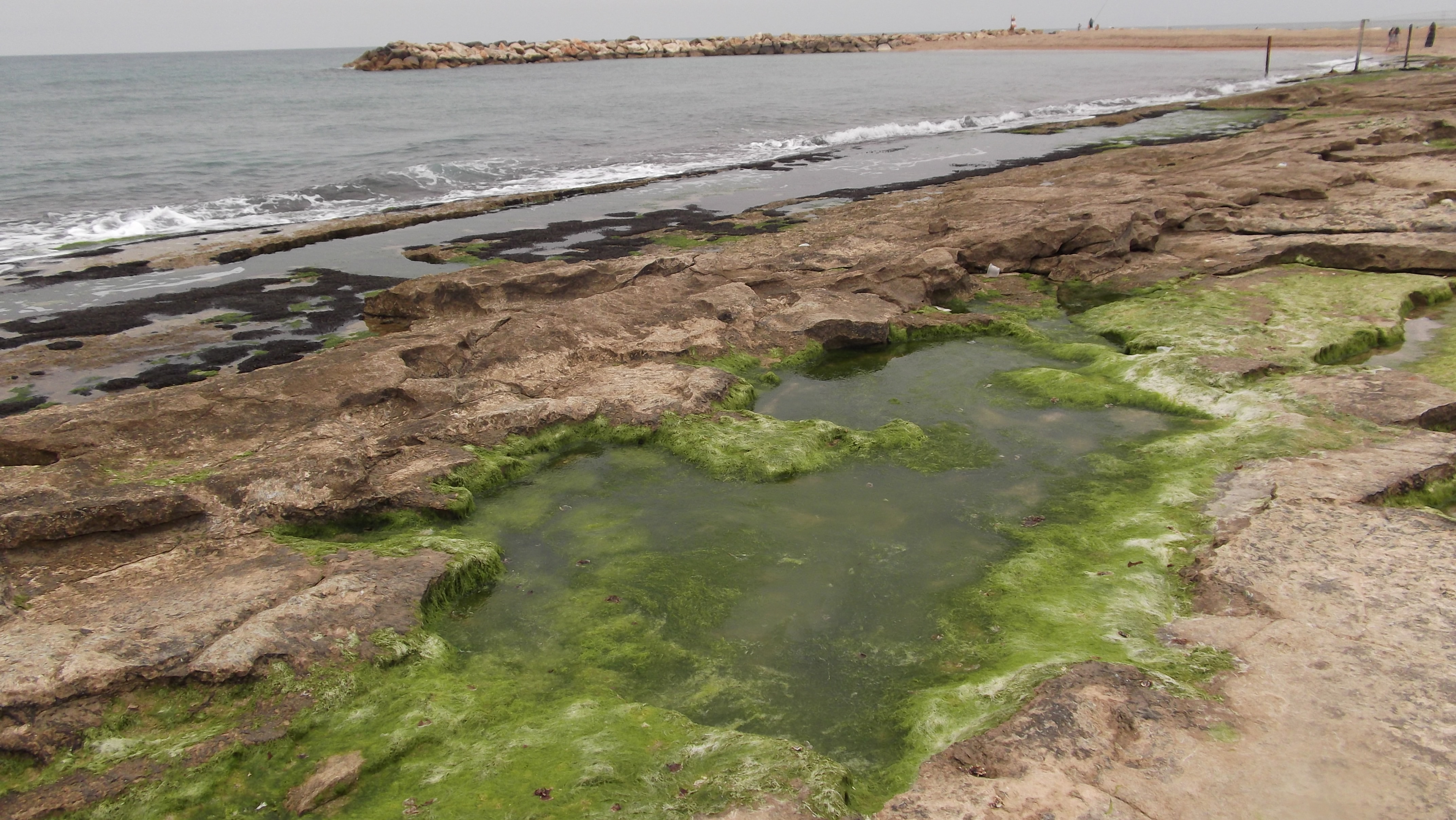
Today’s adventures landed us in the small, old moshav of Shavei Tzion, just minutes from Nahariya. We were headed for Regba, a shopping centre where we usually find clothes, and decided to visit the Mediterranean Sea briefly. We drove through Shavei Tzion and got out of the car to walk along the beach, pretty sure this was all we were going to do there. But we were wrong, we ended up finding all sorts of interesting things! But first, the beach:

Interesting beach

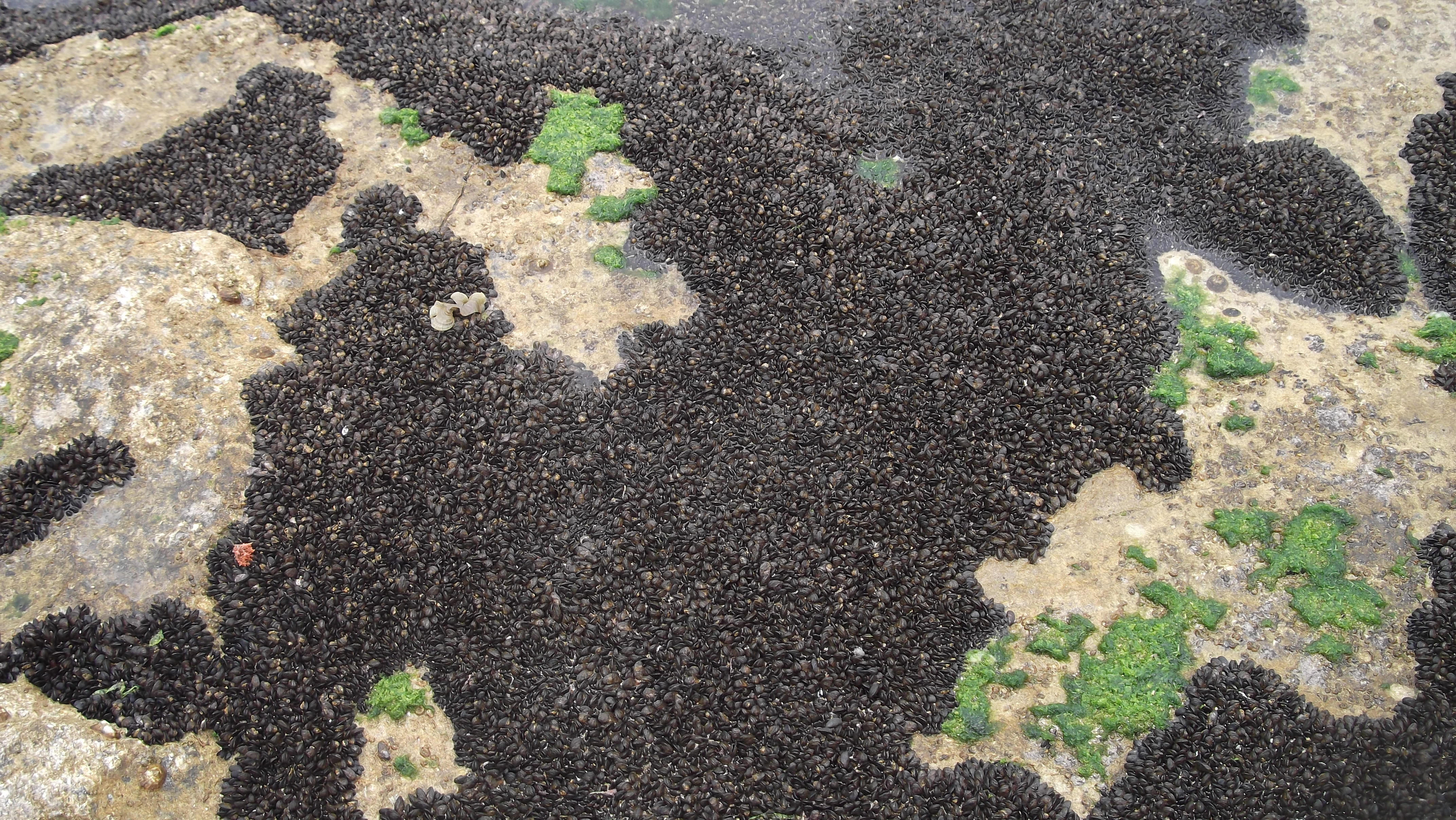
Tiny shellfish

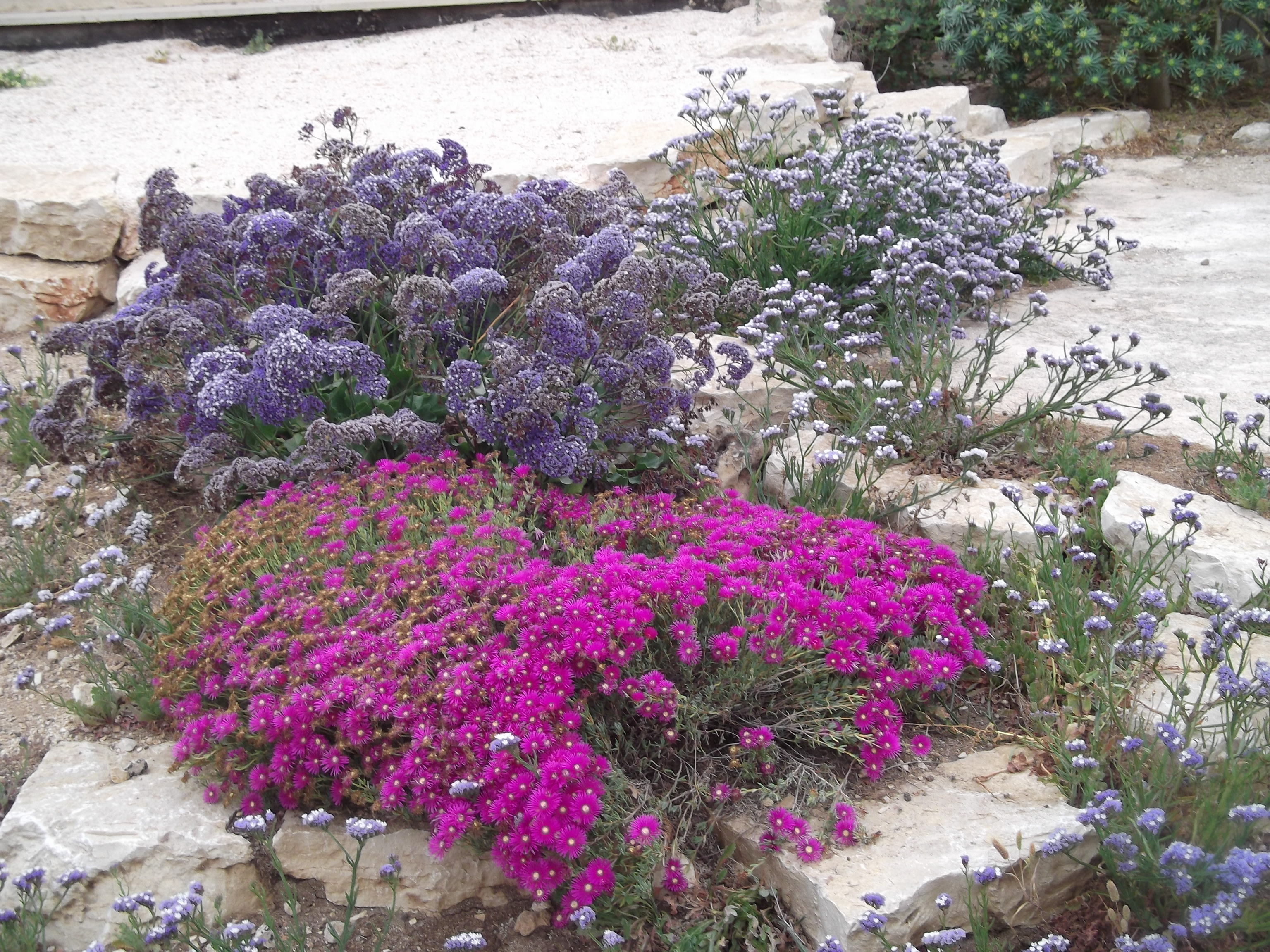
To find the reported mosaic excavation which we had read about some months back, we had to leave the beach and ask around. After questioning a bunch of people, and getting wildly conflicting answers, we finally were pointed in the right direction. It was to be found along the beach, 100 metres or so from the waterline and just a little further north than where we parked originally. Returning to the beach, we walked along a very nice path, the sandy area blossoming with wildflowers:

Wildflowers at the beach

At last we found the mosaic, a reconstruction of what once was a Byzantine church built some 1,500 years ago. The mosaics were uncovered and reconstructed in 1955 and to this day remain open and unguarded.

Restored mosaic part

Close-up of the restored mosaic

And there were other levels of the old church, apparently built in two stages, which were in a greater state of disrepair. Here is a photo, the weeds fighting for space among the tiny colourful stones:

Mosaic ruins

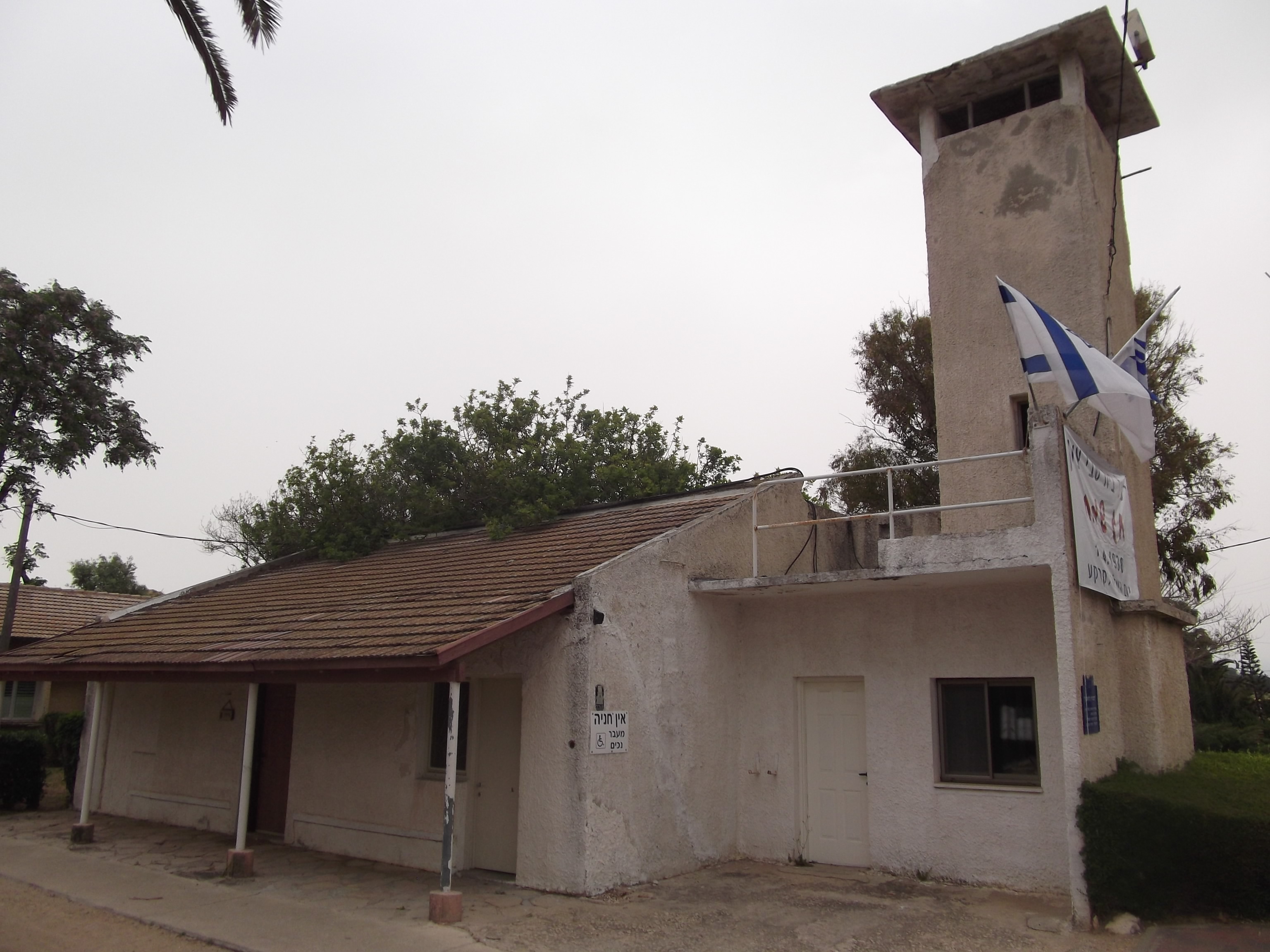
After we picked through the wildflowers and examined the stone mosaics, we got back into the car and headed out of the moshav. On the way we stopped so that I could take a picture of Shavei Tzion’s first building – a guard tower, which is now used for storing local archives:

The archives building

As I examined the building from the outside I saw an elderly man reading a piece of mail. I approached him and asked if the building was now a museum of sorts. He answered that the building now held the archives of the moshav and if I wanted, he could open it up and show me around. I had no idea what to expect but usually good things come to those inquisitive and patient so I waved the car over and introduced the old man, Uri Gefen, to my family. He opened one of the doors and showed us the old photographs and the old maps of the moshav. He explained to us that Shavei Tzion was founded by a group of Jews who fled from Rexingen, Germany during the turmoils of Europe in those days. The brave group established the collective moshav in 1938, just minutes away from another German settlement, that which is Nahariya. Uri Gefen went on to tell us how he came to Israel back in 1943. He was a child in Poland and when the Russians conquered his area, he and other children fled south to Uzbekistan and Afghanistan. They then made it to Tehran, Iran and were therefore known as the “Tehran Children.” Leaving Iran they travelled the Indian Ocean until the made their way up the Red Sea and to the Suez Canal. From there they took a train through Sinai and made it to the Holy Land, safe and sound. In today’s world, such a long and winding journey would be ridiculous – after all, Israel just a flight or two away from everywhere!

Uri Gefen, the local archiver

Uri Gefen told us something fascinating that I must share. As I mentioned earlier, the Jewish settlers of Shavei Tzion were from the German city of Rexingen, they lived there for hundreds of years, among the local Christian population. During one of the Crusades, many of Rexingen’s Christians headed south to the Holy Land to free it from the hands of the Muslims, as everybody knows. Not every Crusader came back, many fell in battle and many left marks wherever they went. Fast-forward to the 20th Century when the Jewish inhabitants of Rexingen headed south to the Holy Land, to settle it, they found themselves in the Galil, an area much influenced by the Crusaders so many years ago. During excavations, the Jews previously of Rexingen found Crusader ruins and remains, and those Crusaders were from none other than Rexingen as well! “The finger of G-d,” said Uri Gefen. I’m inclined to agree.

After much talk we bid the helpful archiver farewell, thanking him over and over for his interesting insights into the history of Shavei Tzion. But before we left, we stopped at the old Bet Knesset (Synagogue) – a building duplicated from the settlers’ counterpart back in Germany. Sadly the door was locked… but redemption came in the words of an Arab cleaning woman. She told us where to find the keys and then reminded us that we needed to return them when we were done. We assured her we would and opened the synagogue. Here is what we saw, definitely of Germanic design:

Bet Knesset (Synagogue)

It was an amazing little trip, from the raw beauty of the beach to the poignant stories from the archiver, but the clock was ticking and we had shopping to do. We got into our car and drove away… but as new people, with new thoughts and perspectives on the incredible miracles that have happened throughout the generations.

Namer Caves

In Galilee, Israel on April 24, 2012 at 2:22 PM

This morning my father and I took a trip to the Namer Caves, just a short distance from Keshet Cave (covered twice now in this blog). The Namer Caves and the Namer Stream are named “namer” (Hebrew for “tiger”) due to the numerous stories of tigers roaming the area back in the early 1900s. We parked at the lower parking area for the nearby Keshet Cave and slipped into the wooded hillside on the opposite side of the Namer Caves. The trail down was marked in green and it headed for the dry Namer Stream (also known as Wadi Namer). The walk down was pretty but we were walking in the wrong direction, the trail markings not guiding us the right way.

One of the caves, but not the one we were headed to

At some point walking downhill we noticed a strange white man-made structure off in the distance on the riverbed. I suggested it was a tent but when we finally hit rock-bottom and we walked along the river, still headed the wrong way but following the trail markers, we saw what it was. Scattered over the riverbed were crushed cars, a bunch of them, some in worse shape than others but all were old and abandoned. We didn’t, and still don’t, know why they are there or from whence they came, but here is one of them:

One of the crushed cars

Whilst walking we realised that we were heading further and further from where we wanted to be, so we took a left swing and started up the mountain. For some reason there was a trail marking indicating that we had stumbled into a valid trail but we soon lost the “official” trail and began to do our own trailblazing. The hike uphill wasn’t too bad – except when I grabbed a slim tree trunk and felt unseen thorns entering and exiting my skin. I gave a gasp and examined my hand, sure to find beads of crimson blood, but there was none. Eventually, we reached the ridge of the mountain alongside the one with the caves, opposite of where the car was parked.

Looking East from the mountain ridge

It was beautiful, breezy and fun walking along the ridge, making our way to the caves. My father repeated “Trails are overrated” several times and we just happened to see another, faded, trail marker. I’m not sure if they changed the trail’s route but where we were looked very unmarked. There were rustlings in the bushes and birds of prey, eagles and kestrels, wheeling both above us and below, predatory eyes hunting the riverbed.

Making our way through the rocks

At last we reached a place where we could see the caves, their wide mouths gaping open. We tried to map out a way to the caves, with little luck.

Trying to descend to the caves

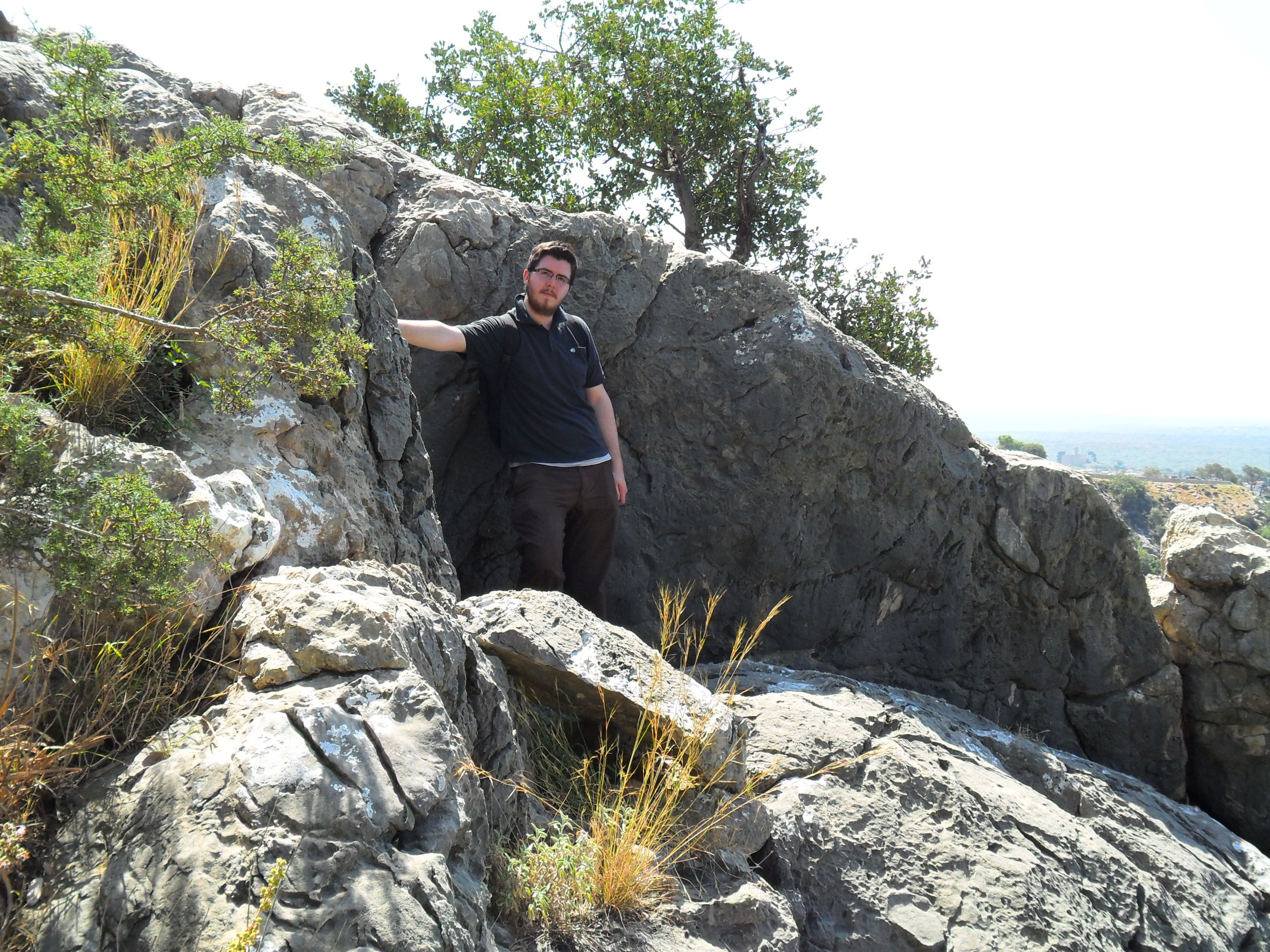
We ended up turning back a bit and dropping down on the rocks, working carefully from rock to rock. Thankfully, the rock was of a volcanic nature and thus provided sharp edges but incredibly grippy surfaces. Finally, we reached one of the caves:

The cave with the bats

This cave contained fruit bats, lots of them, but historically it was rumoured to be used by Byzantine monks as a place of seclusion – we only saw bats. When we entered the cave the bats began to fly around and make loud noises (for echolocation and communication purposes, no doubt). Here is a short 14-second video of them flying about and “squeaking” (with some human audio thrown in as well):


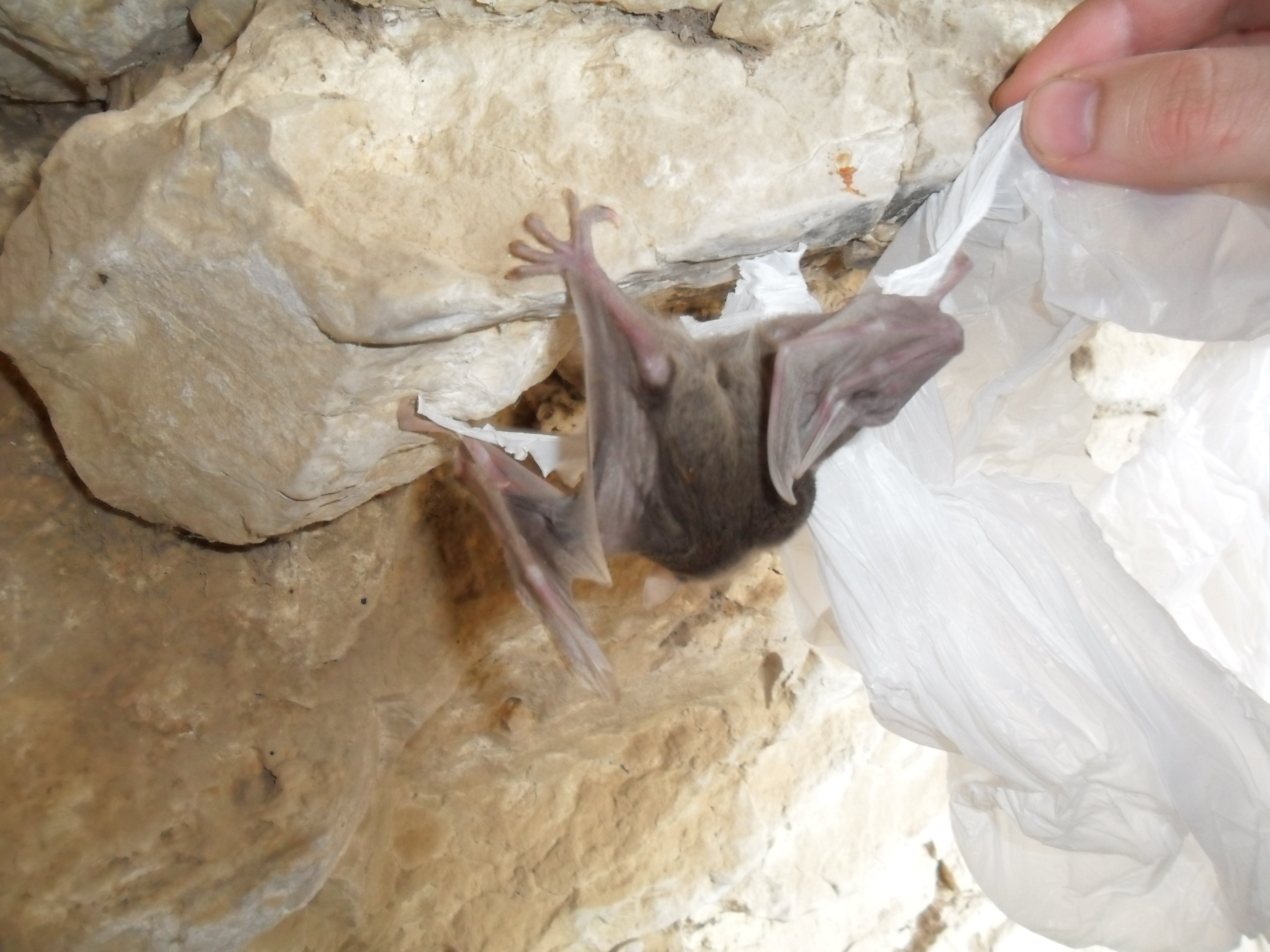
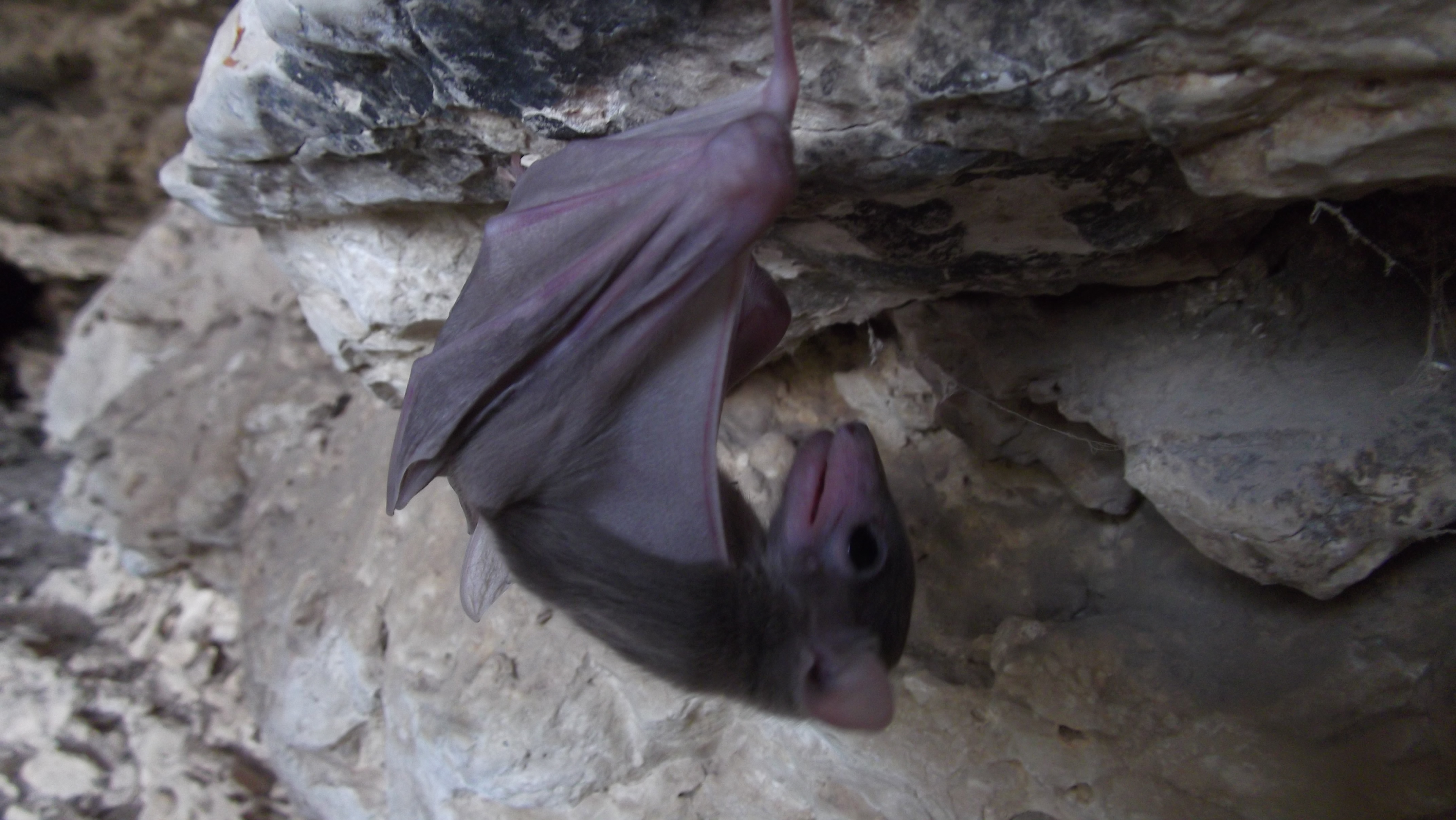
Suddenly one of the baby bats plummeted downward and landed near us, his small furry body shivering and squeaking rapidly. We felt pity and assumed he was going to die where he fell… but he didn’t, and he won’t.

Fallen baby fruit bat

I seized the moment and got a plastic bag out of the backpack. I lifted him up, his wings and feet gathering in the bag (and my fingers) and attempted to release him on a rock overhang. It took some work and some encouragement but before long his little feet and wing claws were fastened to the rock and immediately, his future looked brighter. Here are some pictures of the rescue operation:

Putting the baby fruit bat back on a bat-surface

Baby fruit bat awaiting its mother

There was a flurry of wings and his mother, I presume, flew right past him. She was homing in on the baby’s squeaks and made repeated passes until she pinpointed his location. In a valiant swoop she found the baby and grabbed the wall below it. She hustled the baby onto her stomach and, once the baby was secure, took flight and returned to her roost at the cave ceiling. I saved a bat – does that make me Batman?

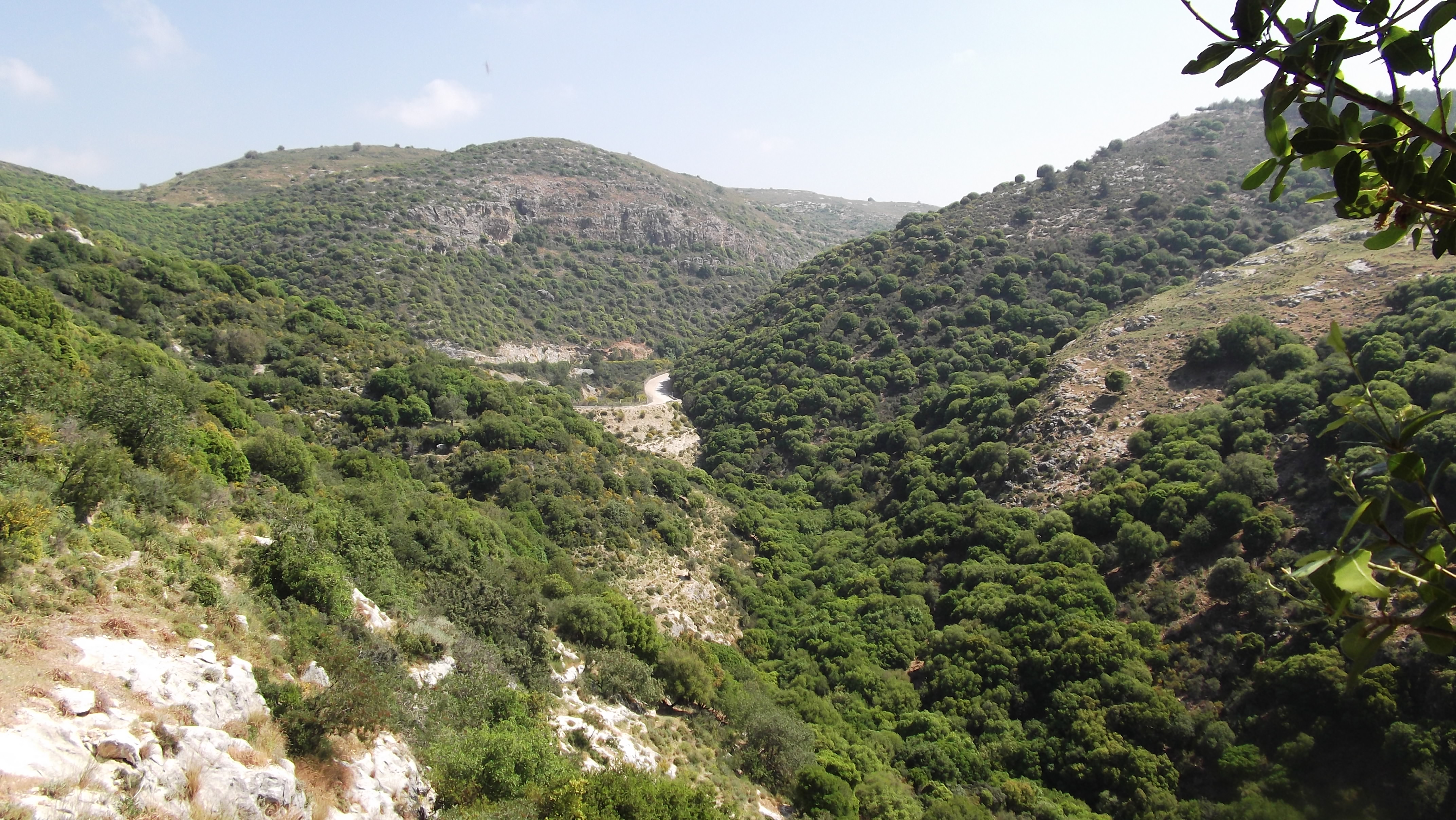
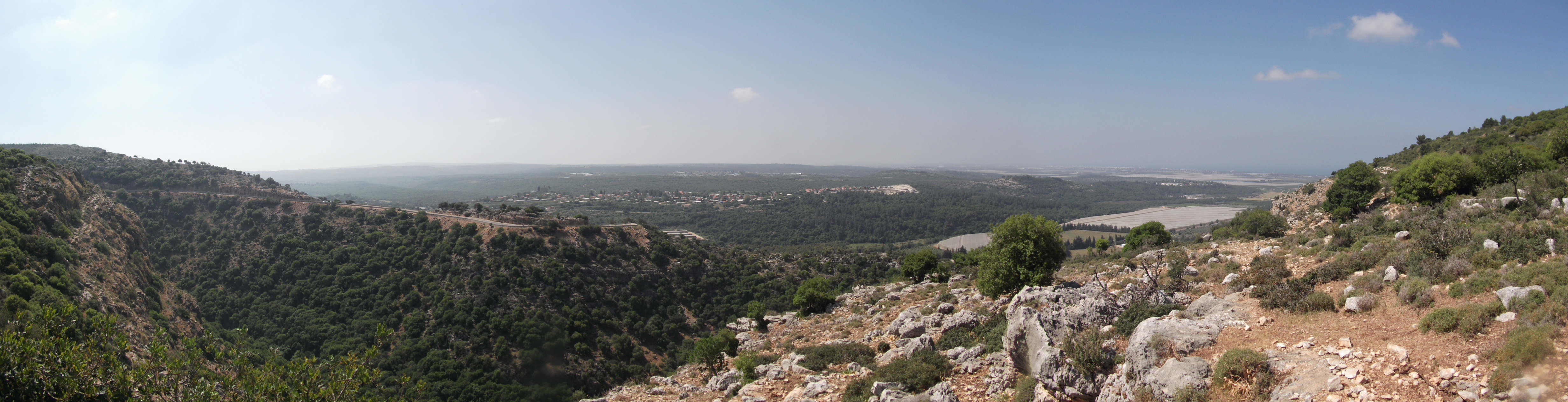
After more cave exploration and not finding anything else interesting, definitely not the stalagmites and stalactites that were supposed to be in the Namer Caves, we headed back down the mountain/cliff. We reached the river and began our tedious, rocking-hugging ascent to the road. Once we did that, and I finished the last of my water, we began the walk back to the car, having made a huge circle – going up and down mountains most of the time. We reached the car and helped a couple from Beit Shemesh figure their Keshet Cave trip out. But, before this blog post ends, here are two panoramics of the lovely scenery: The first is from the road looking at the bold cliff face that we walked over heading to the caves on the left side of the far mountain. The second was taking from the ridge right above/beside the bat cave, looking at the road and the lovely Western Galilee (click to enlarge).

Panoramic of the cliff face

Panoramic from the cave cliff

Next time I do hope I find the cave with the stalagmites and stalactites!

Pesach (Part 2)

In Galilee, Israel on April 16, 2012 at 9:30 AM

Continuing with the festivities of Passover (Pesach), here is a brief account of Wednesday – our last trip day:

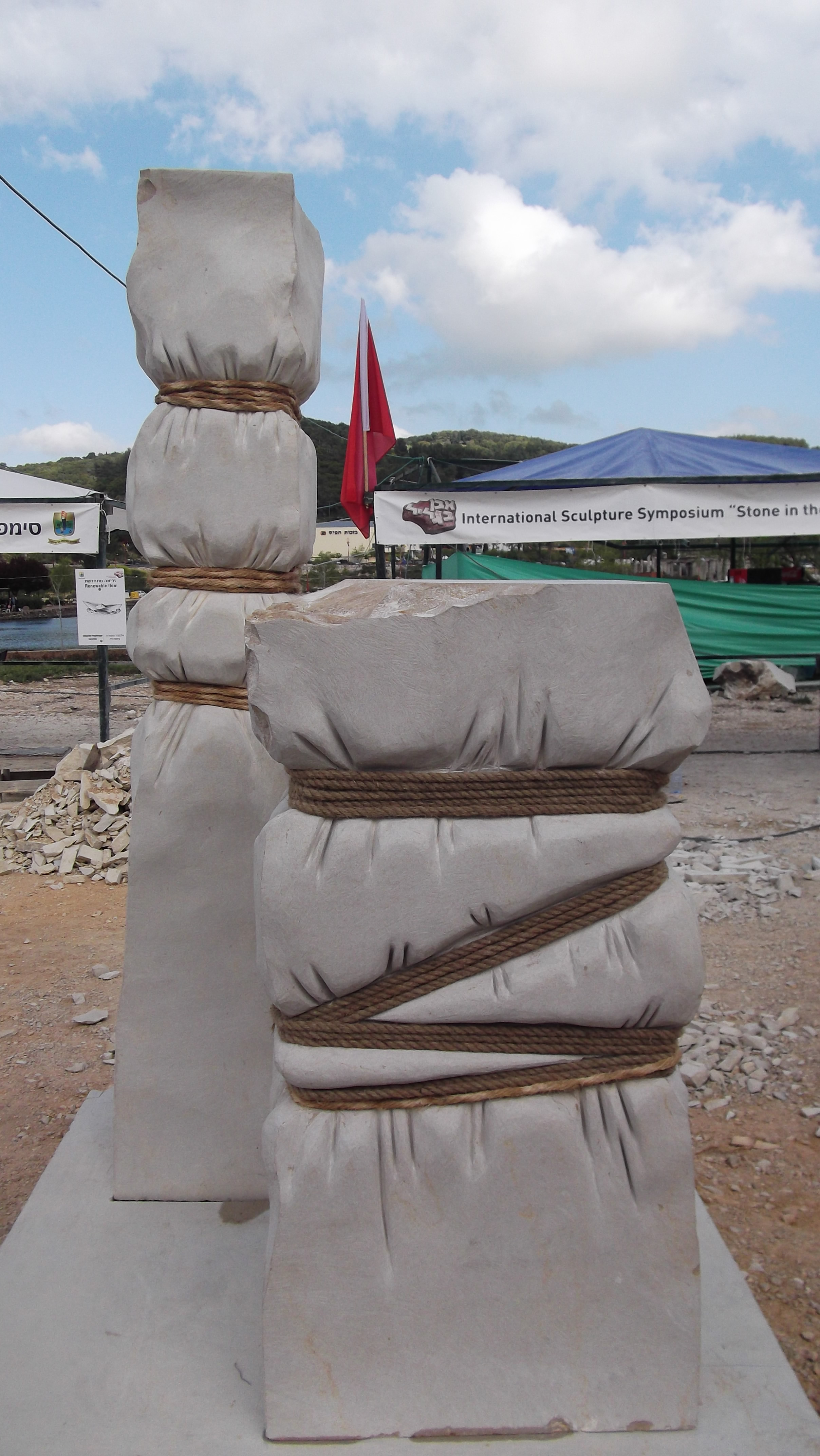
The morning started pleasantly enough but then the clouds rolled in from the West and the rain began to pitter-patter. Our hopes of making it to the last day of the Ma’alot Stone in the Galilee Symposium were seemingly dashed. The much-anticipated Ehud Banai concert was also hanging in limbo… But then the rain stopped and the sun came back out. The concert was already rescheduled to be held at the Heichal Tarbut of Ma’alot – that same beautiful performance hall that hosted the Lahakat Droz and Dudu Tassa concerts that I wrote about some time back (here). We drove down to the lake and found that the festivities were somewhat closed down and although the sculptures were finished and standing erect for inspection and approval, the long line of boothes that wrapped partway around the lake were mostly closed and abandoned. So we examined the sculptures.

''Cyclic Growth'' by Annabella Claudia Hofman (Italy)

I cannot make up my mind as to which sculpture appealed to me the most – every year I seem to have the same problem. Some of them are downright dastardly, but there are always a few that I like, at least marginally. Here is another sculpture worth mentioning – this one was the topic of social commentary, the Chinese oppression of the Chinese people:

''Captured Stone'' by Liu Yang (China)

There were other nice sculptures which weren’t adequately captured by my camera including a pomegranate/grenade (the same word in Hebrew) and one resembling waterfalls. But there were other areas of the festival beckoning, including the peaceful garden area where picnickers flock:

The peaceful part of Lake Monfort

Of course the paddle-boats and kayaks were in operation, endlessly circling and criss-crossing the placid little lake. But it was in this peaceful section, away from the hum of commercialized vacationing, that we loitered in.

In the gardens area of Lake Monfort

Upon return to the house we ate and got ready for the free concert of Ehud Banai which was to start at 8:00 PM, he-who-comes-first-gets-in-until-capacity-style. We drove down at about 8:15, not thinking that it would be too full – there is the general lackadaisical approach to scheduled times and the fact of the venue-change that might not have been known to all – but we were wrong, very wrong. My sister and I stood outside in the chilly night air, waiting for the front doors to open. But they weren’t, and the clock was ticking. Eventually, after so many people lost heart and returned to their houses, the side door was opened and all who remained outside made their way indoors. It was some time later, after standing fruitlessly at the inside door, hearing the faint music inside, that the purge began. Security guards and officials began to tell everyone to leave, that the concert had already begun and that there was no chance they were getting in. I was standing at the door, wearing the exact clothes as the picture above this paragraph so one of the guards asked if I was guarding/working in the building. I nodded “no,” and then nodded “yes” very excitedly but he already saw me confirming my capacity as a guest/wannabe concert goer. During the purge we simply sat down on one of the many couches strewn about the room and waited it out. By then there were only some thirty-odd people still clinging on to the hope that they would be admitted. Eventually a benovelent guard opened one of the doorways and allowed people to stand in the doorway, barely seeing but indeed hearing the concert within. Here we were, looking like a lame group that couldn’t manage to get in:

Hearing the concert from the outer room

But eventually, some two and a half hours after we arrived at the building, one of the guards hand-selected us for admittance. The system they had was for every person that left, a person would be allowed in. There are only 495 seats in the auditorium and they claimed that nearly 800 people were crammed inside. The guard cleared a tiny path for us and we were semi-literally flung into the dark room. We were glad and made our way to a decent level where we were able to see the concert.

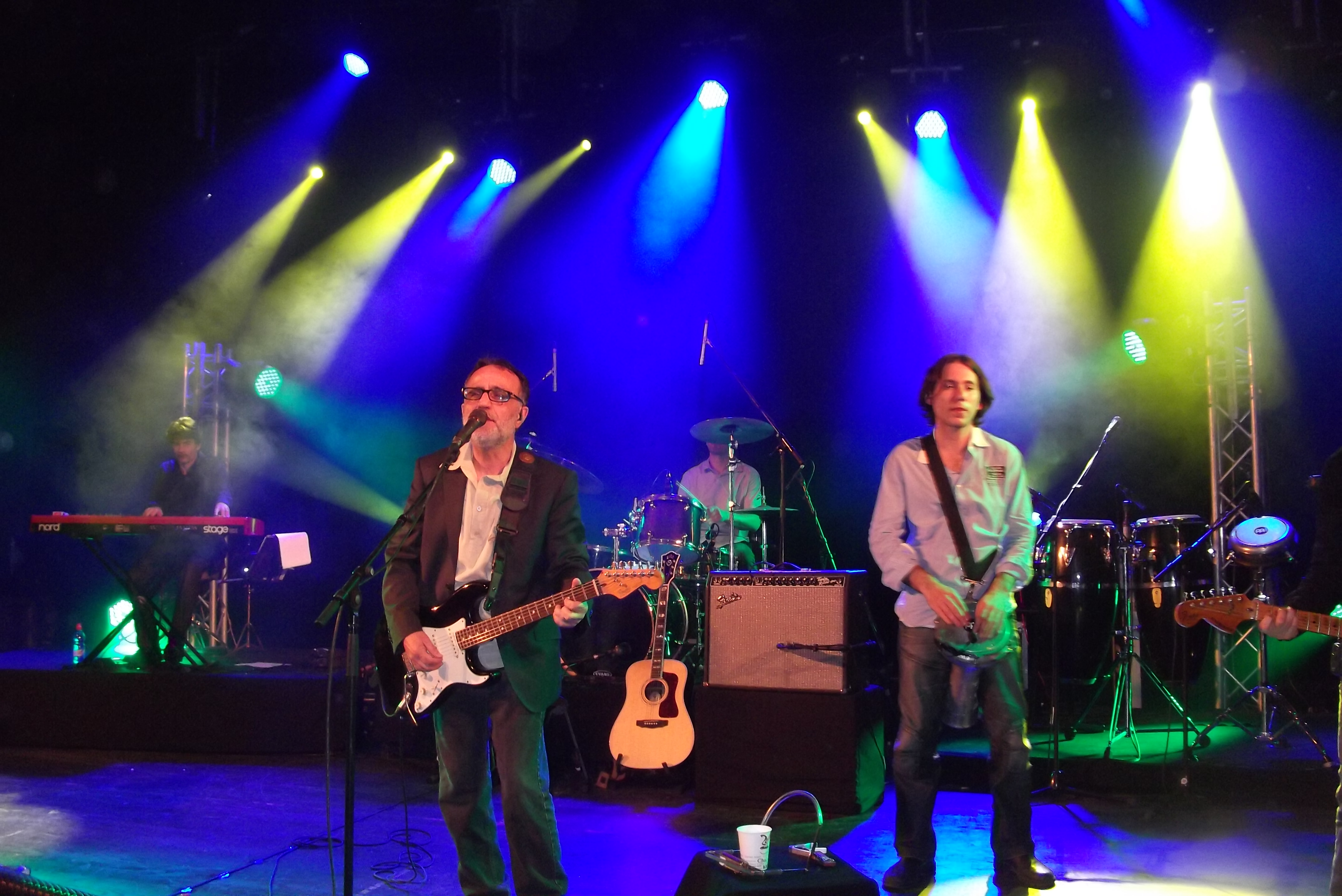
Ehud Banai Concert 1

But after some time, and some of the crowd thought the concert was over, we made our way closer to the stage. Ehud Banai came back out and began the longest encore I’ve ever heard.

Ehud Banai Concert 2

Now, just to give a brief explanation as to who this singer is, Ehud Banai is an Israeli legend. In 2005 Ynet had a poll asking Israelis who they thought were the greatest Israelis ever. Ehud Banai merited to be #28 on the list, beating out old Prime Minister Yitzhak Shamir and Israel’s most decorated soldier (now turned Leftist saboteur) Ehud Barak. Beginning his musical career in the London Underground after his military service, Ehud Banai rose to become a music icon in Israeli society. Had I known his music beforehand I would have had a greater appreciation for his concert but I knew that despite my ignorance, there were millions who would have come in my place, so I’d better enjoy myself. Towards the very end of his show we made our way to the stage itself, and I reached out to touch it, just to say that I touched the stage at an Ehud Banai concert. Here he is, the man of the hour, Ehud Banai, up close and personal:

Ehud Banai

And that concert concluded the festivities of Chol HaMoed, Thursday was a day of cooking and preparation for the end day of Pesach, and the subsequent Shabbat.

Pesach (Part 1)

In Galilee, Haifa, Israel on April 15, 2012 at 11:00 AM

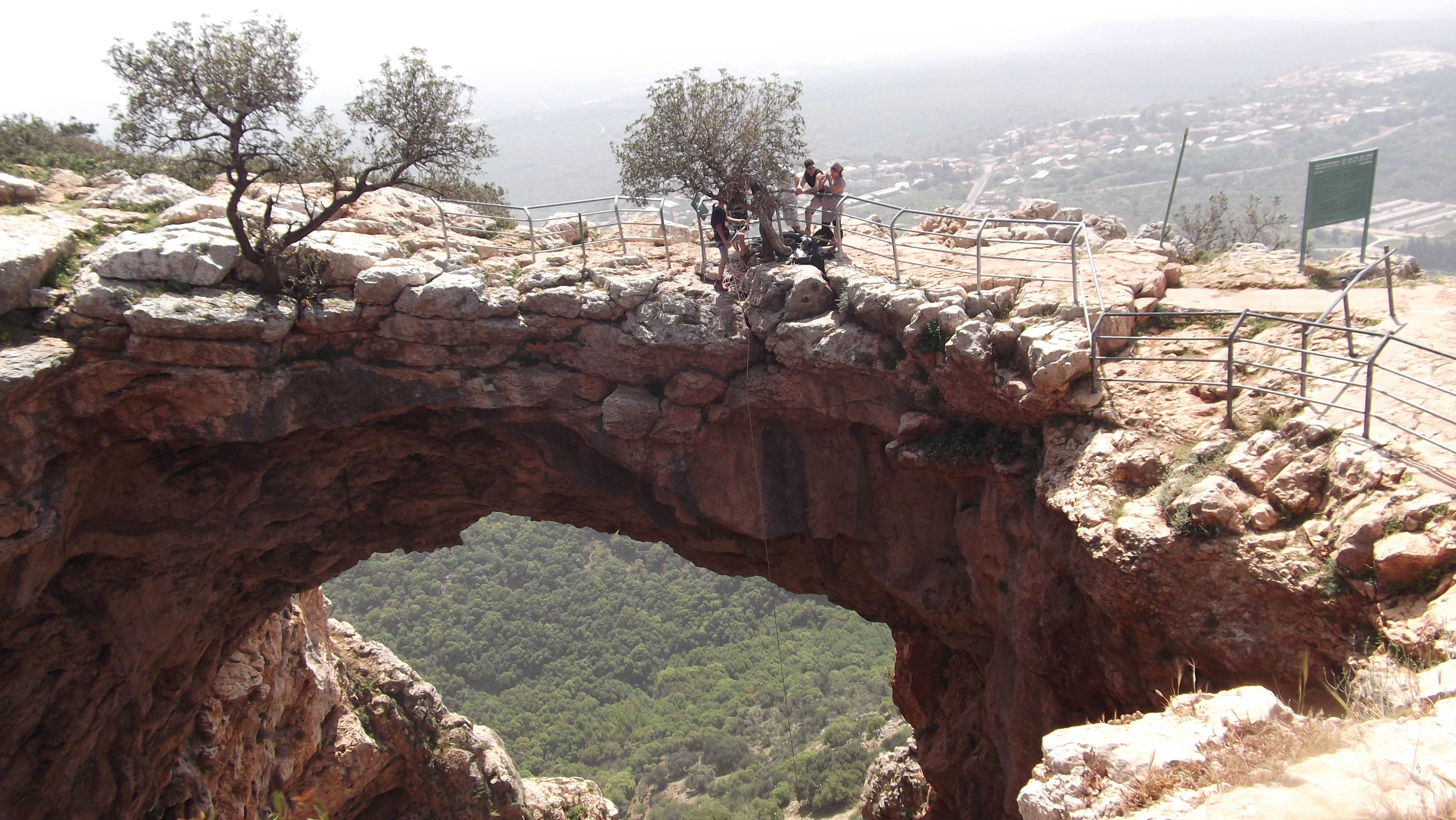
This is the first of two blog posts about the week of Passover (Pesach) that just passed us. Pesach started on Shabbat but the blog-related fun began during Chol HaMoed, starting with Sunday. Late Sunday morning we headed out to Keshet Cave, found along the Israel-Lebanon border and just a few minutes away from the Mediterranean Sea. I’ve already been to Keshet Cave, and even wrote a small post about it, but this time we went as a whole family. To reiterate, the Keshet Cave is actually a large natural arch over a shallow cave and dropping down cliff-like to the forested land below.

Keshet Cave's natural arch with the rappel rope dangling

Both times we saw Extreme Israel groups doing some sort of rappelling action. They have the easy drop to the cave floor and the scary swing under the arch rappelling which we did not get to see – had we gotten there some thirty minutes earlier we would have seen screaming people as they swung under the arch. Other than the great view and hiking trails down below, there is not much to do up on the arch, unless you are doing extreme sports – but there were tons of people. Here is a panoramic from the cliff edge – looking down on the lovely green forests:

Panoramic from the cliff edge

On Tuesday we took a longer and more extensive trip, to Haifa, with the Tikotin Museum of Japanese Art as our first and foremost destination. Part of Bank HaPoalim’s subsidized Pesach trip plan, the Tikotin museum was just one of the many museums and attractions free for all to come and see. So, along with thousands of other Israelis, we took to the road and sought out free attractions. I didn’t think that the Tikotin museum would be very populated, mostly due to the fact that it is a specialized museum and isn’t a hotspot for children.

Inside the Tikotin Museum

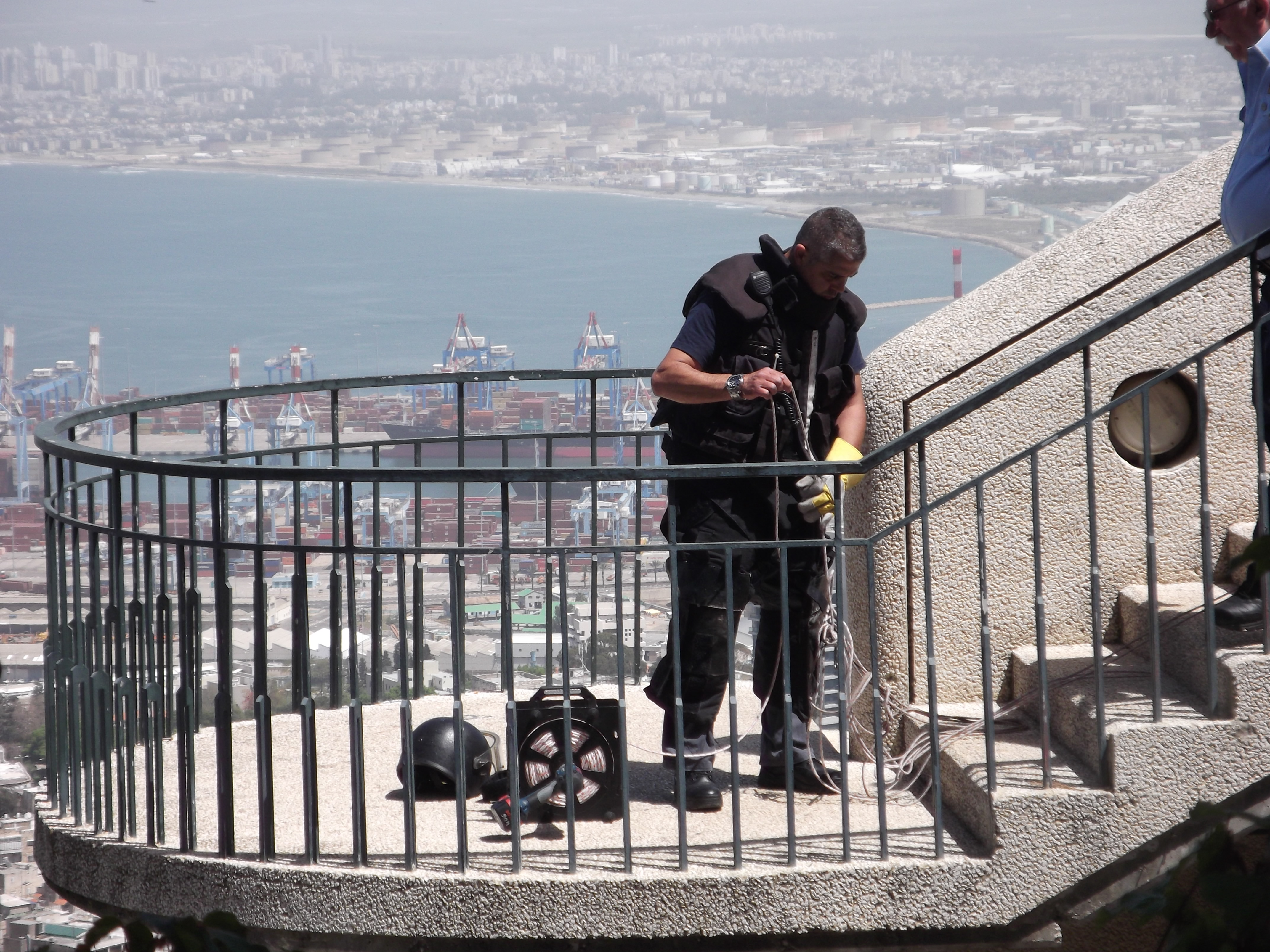
But I was wrong, the museum was pretty full and there were even free tours being assembled (in Hebrew) for further explanation and description of the museum’s collection and history. In my opinion, the samurai sword collection was by far the most interesting exhibit in the museum, the paper fans, prints, paintings, ceramics and artwork were less interesting but displayed elegantly. The museum itself was partly designed by a Japanese architect with shoji screens as walls and doors leading to the outdoor garden courtyard. Interestingly enough, the Tikotin museum is the only Japanese museum in the entire Middle East, with a collection numbering over 7,000 pieces. There is also an extensive Japanese library but that wasn’t open during the time we were in Haifa. After our museum visit, we walked over to the Louis Promenade (just minutes from the museum) and basked in the glorious view. But our experience was hindered by a suspicious package that made the police shut the area down. We had to wait for the bomb-disposal team to come out and secure the suspicious package. It wasn’t long before the expert verified that the package was simply an abandoned backpack and the area was reopened to the public. Here are two pictures of the ordeal – just look at that view!

Police removing suspicious package

Bomb disposal one-man team

After we finished at the Louis Promenade we continued on over to the Haifa Zoo, another place I have already been to (and wrote about) but for the family it was new and special.

A coati in the Haifa Zoo

The zoo was far too populated to properly view the animals in their habitats but we tried and covered about 40% of the zoo, passing through the throngs of joyous people, some clutching children, some clutching lunches and some clutching the cages, trying to coax the animals into action. When I took my solo trip to the zoo back in January the zoo was nearly desolate but I had missed one area and that was the waterbirds:

Haifa Zoo waterbirds

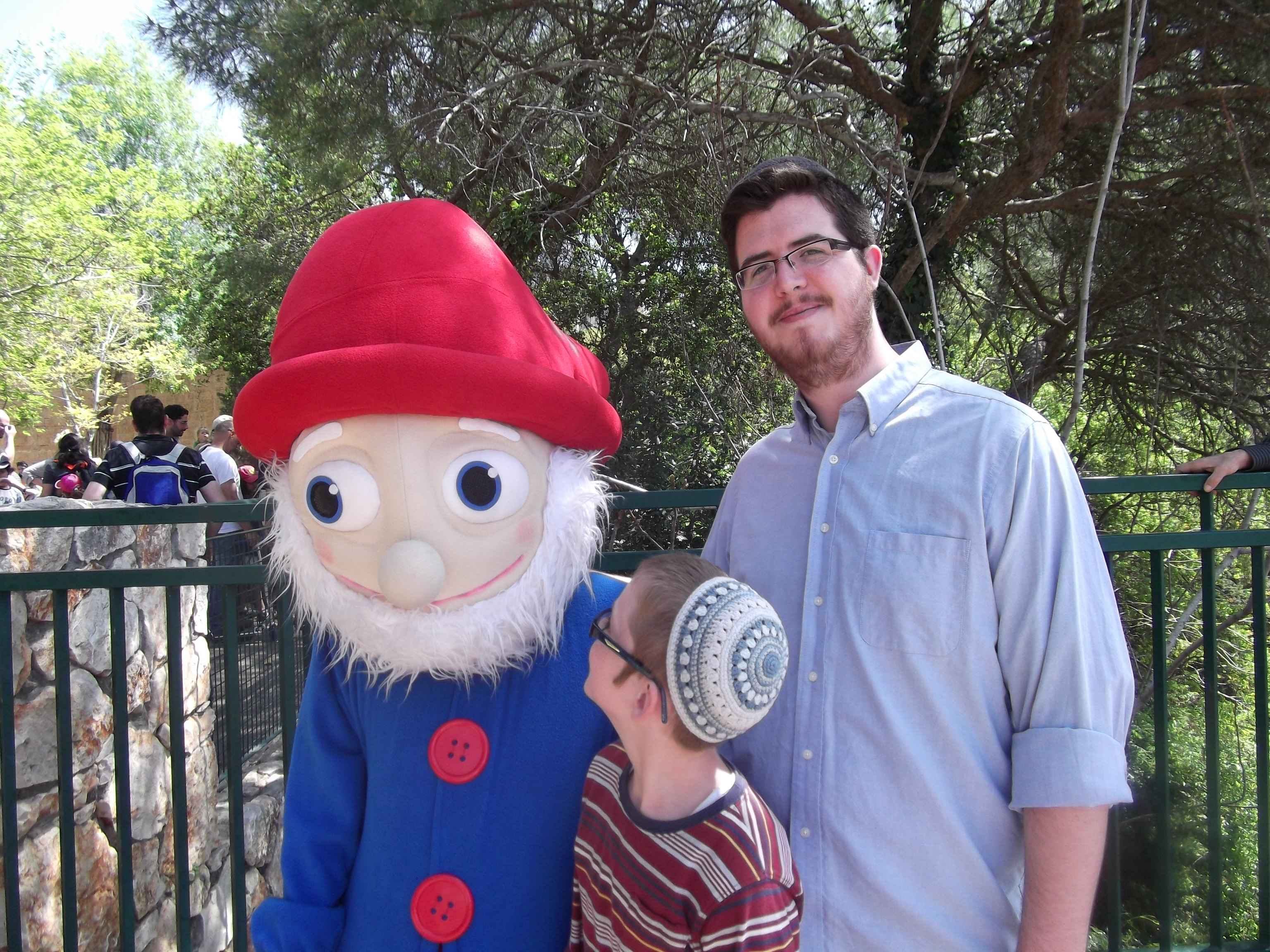
As we tried to make our way to the exit, escaping the milling, exhausted crowd, we happened upon the Bank HaPoalim mascot. We saw another one at the Tikotin Museum but this individual was more willing when it came to photography.

Posing with Nissim and the Bank HaPoalim mascot

After the harrowing escape from the zoo we headed back to the car and enjoyed some lunch: rice cakes with cheese, honeydew, potato chips, Coca-cola and popcorn. That is a concise summary of our first two outing days. The next post will address Wednesday and the experiences had on that day.

Rosh Pina

In Galilee, Israel on March 20, 2012 at 2:50 PM

Two days ago, Sunday to put a name to it, I travelled to both Tzfat (Safed) and Rosh Pina. The Tzfat leg of the journey was covered in yesterday’s post (here) so today’s post will address the lovely little city of Rosh Pina.

Rosh Pina (and Hazor)

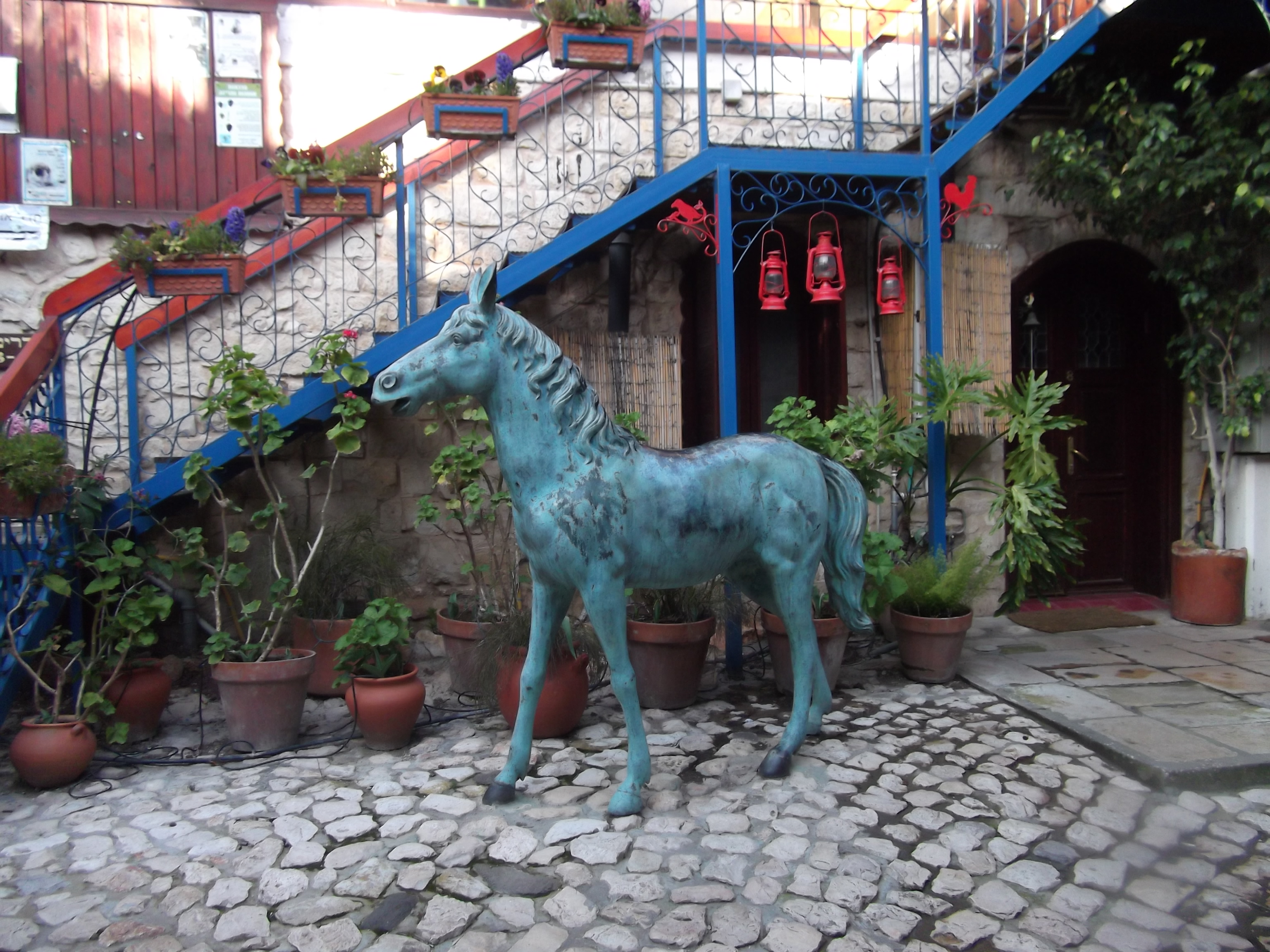
When the bus pulled into Rosh Pina, and I had made my way to a large city map, I sought out the old neighbourhood. There, in the oldest part of town, are the quaint, charming houses and buildings that draw tourists and locals alike, as flowers attract bees. I asked a local youth how long it takes to walk up the mountain to the old neighbourhood (as bus routes do not extend that far) and he told me it was a ten-minute walk. He was wrong. It was more like a twenty-minute walk… and uphill. But, the walk was more enjoyable that one would expect. Along the sidewalk the city council of Rosh Pina installed various maps and pictures, set in stone, and often accompanied with descriptive and biblical text. It sure made the walk pleasant – that and the magnificent view of the Western Golan area including Har Chermon (Mt. Hermon). Before too long I was in the old neighbourhood, and feeling a combination of confusion and peacefulness. There, to my right, was a house and a garden… and a sign that said Blues Brothers Pub. I could hear strange bird calls coming from the house, and the yard around it, so I ventured through the gate. What I found was very strange and despite the many people milling about, nobody questioned my presence.

From the courtyard next to the Blues Brothers Pub

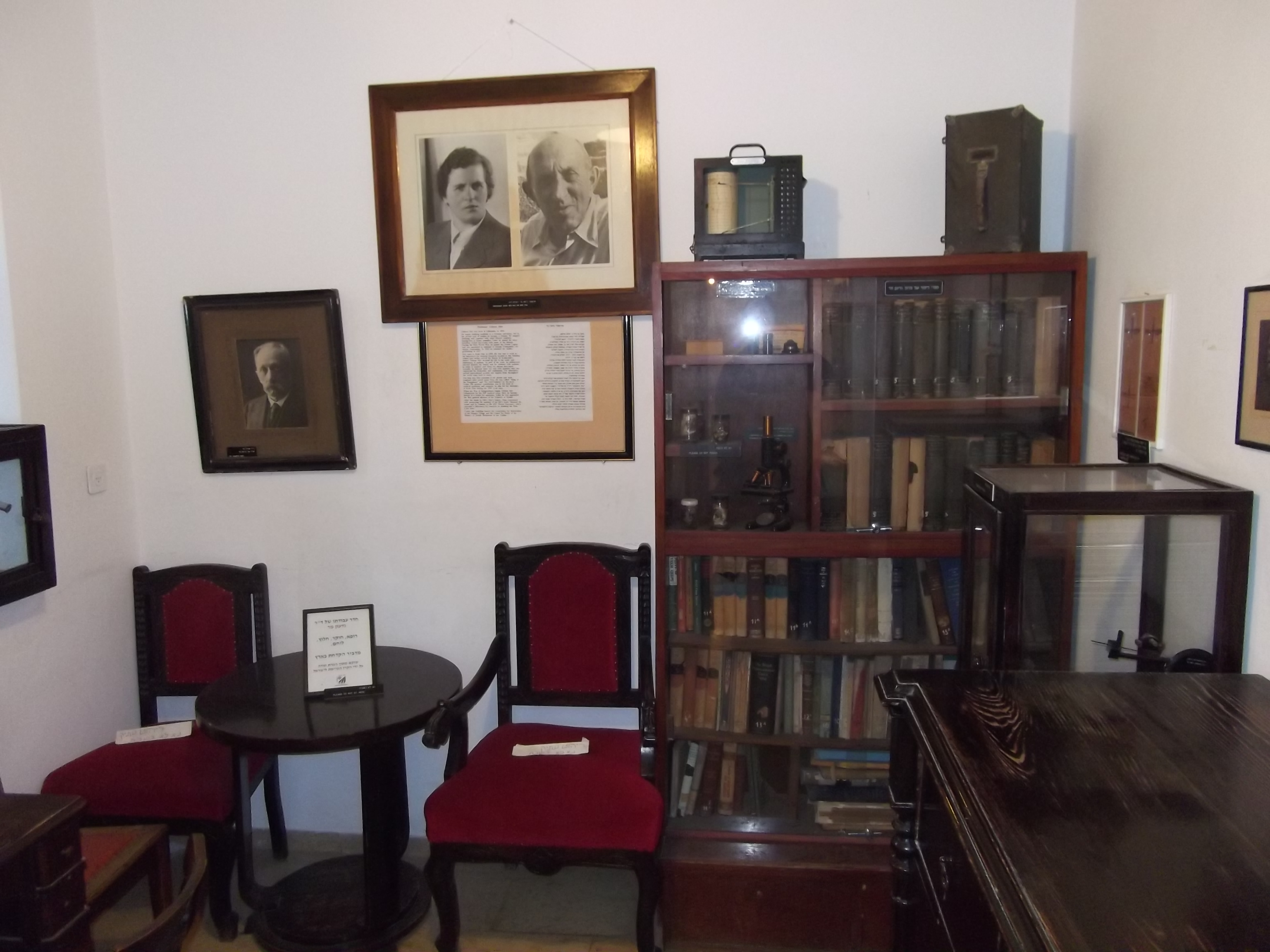
I sat down on a rocking chair made of wood and rocked, watching the people run about – some in a dither. After thoroughly exploring the complex; the pool, the sauna, the bird cages filled with brightly-coloured tropical birds, the animal pens containing chinchillas and other small furry creatures, the pub and the pool hall (which were both closed), I stopped a man who was darting about and asked him to identity the place I was in. He replied in one short simple Hebrew word that answered everything: Tzimirim. A tzimir is like a bed & breakfast just not always having breakfast featured. The tzimirim are usually, if not always, privately-owned and managed and are a popular for both tourists and locals looking to get away from their hectic city lives. I gave a nod of understanding, thanked him and left. My next stop was the Baron’s Gardens, but I only spent mere minutes there. I returned to the main street and asked directions to the “tourist attractions.” What I found next was the Mer House, a house given to Professor Gideon Mer by the Baron Rothschild (who founded Rosh Pina) as an office for the Professor to work on discovering a solution to the malaria plague that troubled those living in the area of the swampy Hula Valley (which I have also done a post on, here).

Professor Mer's office

After a look around I went into the next building and entered a room which was playing a video about Rosh Pina’s history. When the video ended and the lights were turned on I saw that I was standing among a tour group of sorts. I tagged along, lagging in the back, eager to see where they went next. After some time I caved in to my curiosity and asked one of the young men where they were from. And his answer: Bar Ilan University (in Tel Aviv). So, I continued tagging along as they continued on to the next few sites, the old cemetery and the Shlomo Ben Yosef cave, a memorial to several fallen soldiers. The students, and their professors and teachers didn’t seem to mind my presence, neither did the guard, so I persisted. At last, when I revealed myself as a journalist looking for the tourist attractions in Rosh Pina, one of the students (and the guard) suggested that I speak to the mustached professor. I did, and he accepted me warmly into his fold, telling me to join them in their tour. The next site we went to was the old synagogue in Rosh Pina, the first public building in the development to be built by the Baron Rothschild.

The old synagogue of Rosh Pina

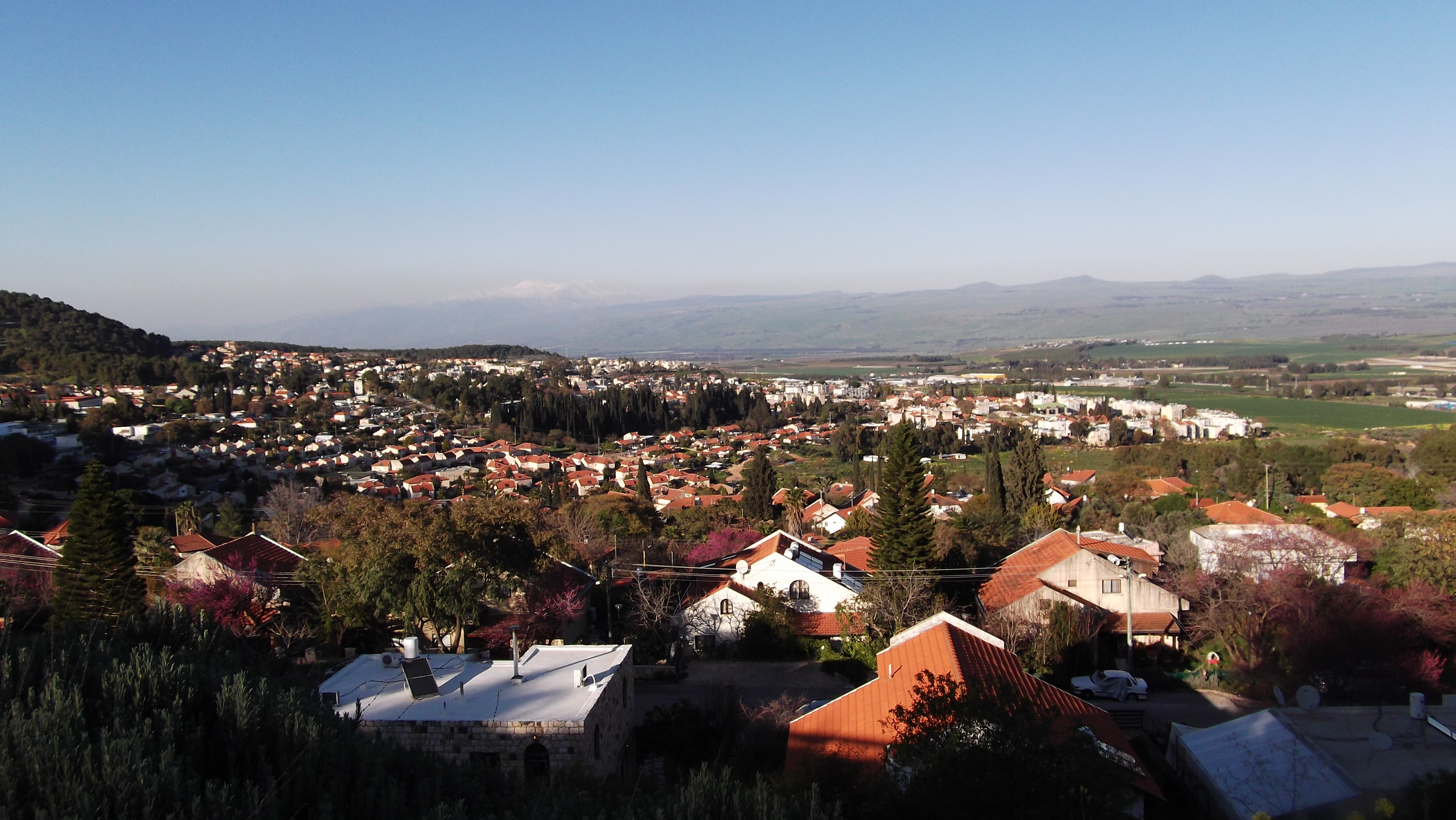
Professor Yossi Katz of Bar Ilan University, the one who legitimized my place in the group, spoke for some time and even pointed me out, telling me to write down what he was saying! The synagogue’s ceiling was very unique – painted with scores of small clouds – and the feel was very European. Outside, in the dark of night, we continued to the next (and possibly final) stop of the Rosh Pina tour: the Nimrod Lookout. Named after a local young man named Nimrod who fell in battle during the Second Lebanon War (in 2006), the lookout boasts incredible views and built-in binoculars. Had it been day I would have had an easier time seeing the distant cities and villages. As we gathered around a guest speaker, who was none other than the father of Nimrod, I realised that my bus (the last one of the day) was leaving in an hour from Tzfat and I still had to get a bus out of Rosh Pina. So I left it a hurry, wanting to hear the man’s fascinating story but also not wanting to be stranded out in middle of “nowhere.” I was in such a hurry that I resigned myself to literally running down the mountain to the main road where the malls are. I spent nearly twenty-minutes pounding my feet down the road, nearly unable to stop. When I reached the bottom I felt nearly ill from the violent burst of exertion that transpired. Thankfully the bus I needed pulled up nearly immediately and I was on my way back to Tzfat, feeling sweaty and strange. I got off in Tzfat and boarded my bus back home to Ma’alot. When I got off the bus in Ma’alot I found that my feet were not operating normally. I could not lift my feet using my feet muscles, so every step I took ended in a stamp. It felt weird but the walk was short. Today, sitting here writing this post, my legs are still sore… but the beauty of Rosh Pina was worth it. Here today’s beauty, as seen from the main street in Rosh Pina:

View to Mt. Hermon from Rosh Pina

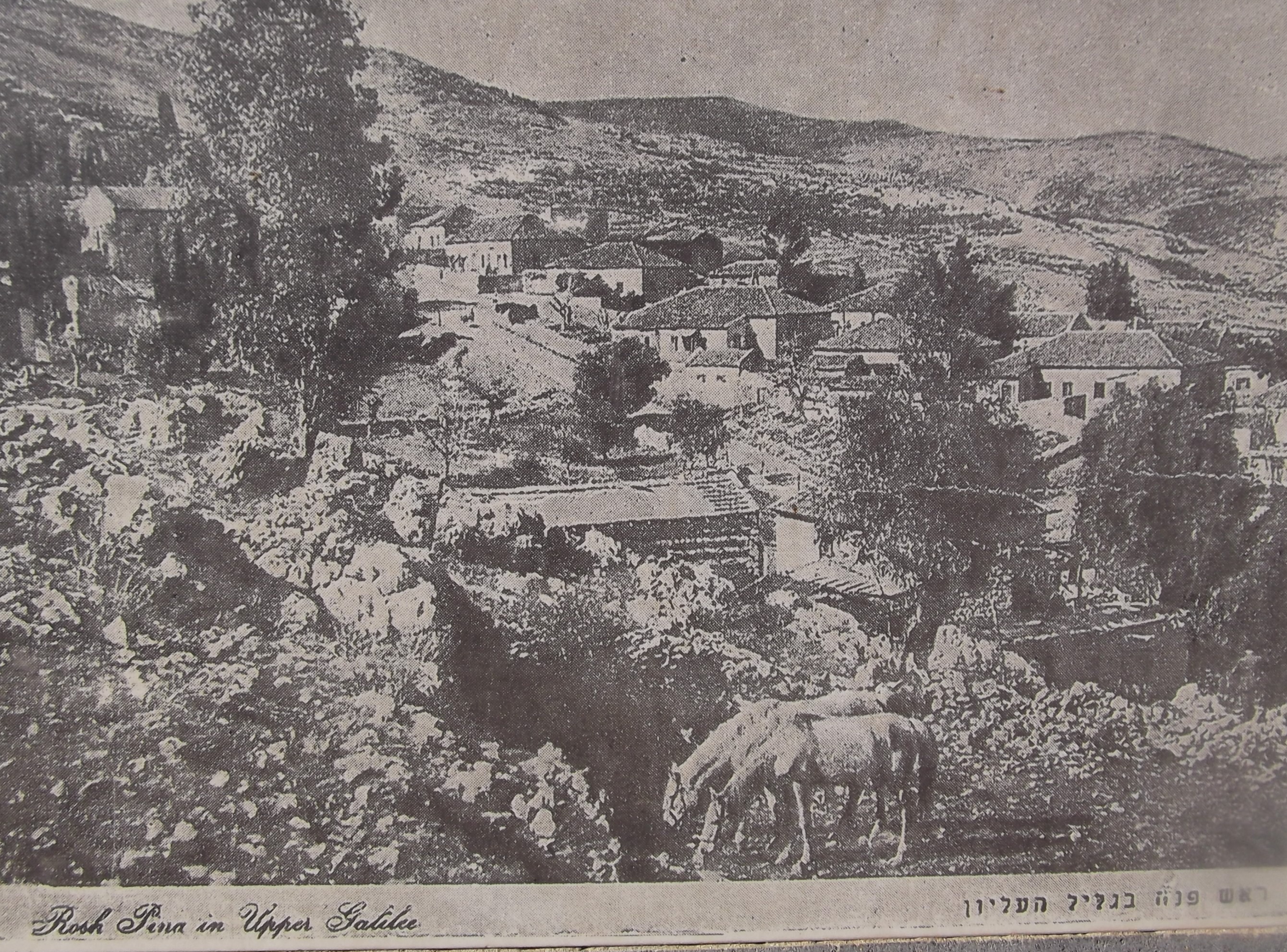
And here is what Rosh Pina looked like way back when, when the settlers grew crops of tobacco and bathed in the public bathhouse every Friday (no date given – featured on a stone part of the sidewalk historical presentation):

Rosh Pina of old

Tzfat (Safed)

In Galilee, Israel on March 19, 2012 at 7:10 PM

Yesterday I went to both Tzfat (Safed) and Rosh Pina, neighboring cities, and had a really interesting time. This post will contain the Tzfat portion of the trip and tomorrow’s post will be of Rosh Pina.

Tzfat from above, looking down on the Artists' Quarter

Tzfat from above, looking down on the Artists' Quarter

I got off the bus in Tzfat’s central bus station and hopped on another bus to the Old City. I walked down the wide, stone stairs that opens up into the famed Artists’ Quarter. This was to be my first destination in Tzfat. I’ve been to Tzfat before but never really took the time to explore the Artists’ Quarter and to really “snoop around.” This was my chance. At first, I stepped into the two large collective art galleries that are in the large open area where tour buses park. As soon as I had my share of the large galleries of finished products, I left and continued to the narrow stone road which hosts the multitudes of artists working and displaying their craft. My first encounter was an elderly artist wearing a soldier’s beret. He is a micro-calligrapher and after showing me his prints, I decided to buy one. He thanked me and told me I was his first customer of the day. I smiled and continued along the narrow street. My next stop was the art gallery of Michel Elkayam and he was in middle of painting the Kotel (Western Wall):

Michel Elkayam painting the Kotel

I was mesmerised at his painting skills and watched as he did the unlikely. You have to be an artist to add red to the large golden dome that covers the Temple Mount. He splashed red and I groaned inside, slowly but surely it looked nearly real. I watched him for at least ten minutes, getting to know a bit about his artistic history. But, I had to move so move on I did. The next place of real interest was the Canaan Gallery where locals recreated the historical weaving business that the Spanish Jews introduced after their expulsion from Spain in 1492. I spoke to one of the weavers, a young woman by the name of Liz Levy who was weaving a beautiful scarf on a loom:

Liz Levy weaving a scarf

When I asked her if she liked her job she replied that “you can’t weave if you don’t like it” which basically answered my question. I don’t know if I like weaving but I doubt I could make a scarf like that! I thanked her and continued on my way, stopping into the handy Tourist Board for maps, pamphlets and advice. The Tourist Board was better than I had imagined it would be – there was a seating area, albeit rickety, and a mini-museum with underground excavations that showed what the early Tzfat city looked like. The woman behind the desk (who I later found out was Laurie Sendler Rappaport, coordinator of the Livnot U’Lehibanot program and aunt of an old school friend of mine) told me a story about two old men, grandfathers with their families, meeting together at the checkout counter of one of the galleries along the street and finding out that they were two long-lost brothers separated during the Holocaust. I then gathered up my new belongings and stepped across the street to the Lahuhe Original Yemenite restaurant where authentic Yemenite flatbreads are pan-fried with cheese, vegetables and schug. I spoke to the man behind the counter, Yosef David Azoulay and decided to interview him for a new project I am working on called the Children of Israel. What I aim to do is provide foreigners with a realistic look at the average Israeli. Being a country so rich in ethnicities and cultures, there is no “average” per se but I am attempting to provide a plethora of Israeli citizens to give people a better feel for what Israelis are like in appearance and thought. This man, Mr. Azoulay, was my first “victim”:

Yosef David Azoulay, cook at Lahuhe Original Yemenite restaurant

While I was interviewing him a trio of Russian ladies came in with a Russian-Israeli tour guide. They ordered the lahuhe “sandwich” and glasses of local red wine. Towards the end of my interview, which kept getting interrupted by the steady flow of tourists and customers, the Russian-Israeli tour guide got up and asked me what I was doing. I told him that I was a journalist and he translated for the women. They all gave nods of understanding – why else would I be standing like a fool with a legal pad and recorder? – and one of the ladies stood up. She said that she is also a journalist and that she works for Moscow News Agency… then she took a picture of me! I was surprised that someone took a picture of me doing my job, but hey, I remember taking pictures of an Argentinean documentary cameraman in South Beach, Florida. After that strange occurrence, and after concluding my interview, I continued to my next destination of the day, the Safed Citadel:

Safed Citadel's Crusader ruins

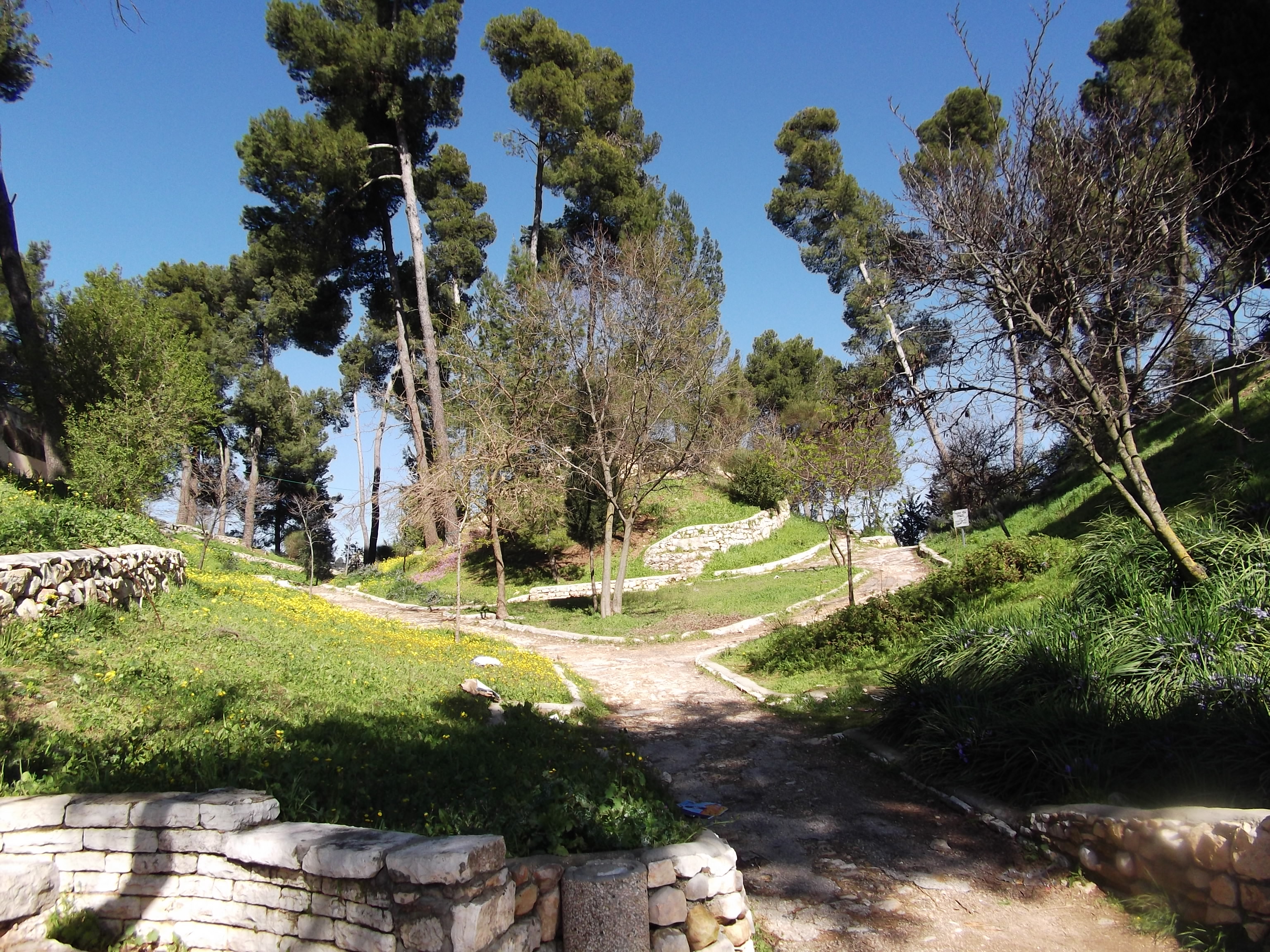
It was a pleasant walk and the wind’s intensity probably tripled once I approached the peak of the mountain that Tzfat is built on and around. The Safed Citadel is the highest point in the city (at least 3,000 feet above sea level) and contains Crusader ruins, a park and an IDF memorial monument. Here is what it looks like entering the park area (no, the picture is not distorted, it really looks all wavy like this):

Memorial Park

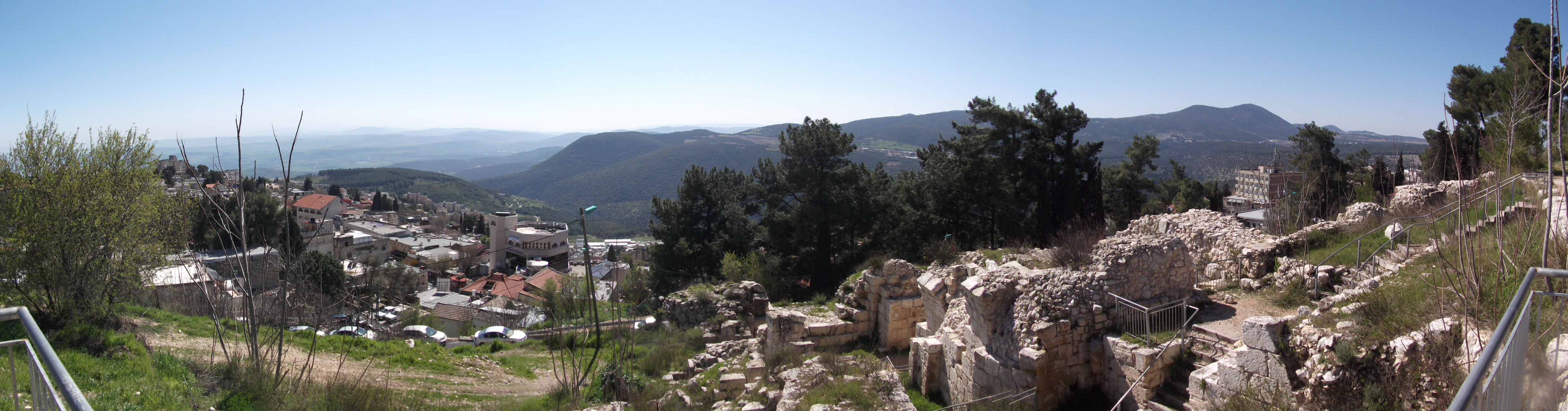
I stood up by the IDF monument and ate an orange, saying “hi” to the French couple who were finishing up with their picnic. How they picnicked in that wind is beyond me… But wind aside, the view is fabulous! Here is a panoramic (what else?) picture of the view that was before my eyes – the Artists’ Quarter down below, the faraway hills and mountains of the Galil including Mt. Meron to the right, and the Crusader ruins directly below (the Kinneret or Sea of Galilee was also visible but was not capture in the picture):

Panoramic from the Safed Citadel

When I was finished with my orange I headed back down the mountain to the Old City where I got some lunch and made my way to the bus station. There I boarded a bus destined for Hazor with Rosh Pina, my next destination, just fifteen minutes away. Rosh Pina was an interesting story but it will have to wait ’till tomorrow.