Israel's Good Name

Archive for the ‘Israel’ Category

Ein Nashut & the Golan Archaeological Museum

In Golan, Israel on April 12, 2015 at 3:24 AM

Once again continuing with my adventures in the Golan, where I seized every opportunity to explore the historical and natural riches that the grassy plateau has to offer. This time I was temporarily staying at a base across from Kidmat Tzvi, just minutes from Qatsrin, the “capital of the Golan”. I had noticed a sign on the side of the road telling of a place of antiquities called “Ein Nashut Synagogue”. So, one afternoon I took my essentials and struck a path for this place, mapping out that it was roughly a kilometre and a half away (or, a mile) if I were to directly walk there through the fields.

Bumblebee in the wildflowers

Bumblebee in the wildflowers

Leaving the base’s rear gate, my walk was going rather pleasantly until suddenly a creature leaped out of the grass beside me. I was nearly paralyzed with excitement as the beautiful mountain gazelle daintily bounced up a man-made hill and disappeared from site. I wish my camera would have been on-hand to capture the moment, but it was snug in my pocket, doing nothing constructive. Hoping to spot the gazelle on the far side of the hill, I carried on around the hill, enjoying the walk. When I reached the other side, I didn’t see the gazelle but then, I spotted approximately ten gazelles racing across the land, crossing the dirt road I had walked on earlier. Refocusing on my destination, I climbed the final hill and looked out at the rolling landscape, hoping to pinpoint the ancient synagogue ruins. I was unable, however, I was standing beside some old graves which, if they are all like the one with a discernible inscription, belong to Arabs.

Old Arab grave

Old Arab grave

Crossing a seasonal stream, reduced to oozy mud deceptively covered in grass, I shortly came upon a barbed wire fence. Undeterred, I overcame the fence and continued, now approaching huge swathes of wildflowers which painted the immediate landscape in yellow, white and purple. Here the walking got tougher, swishing through the flora which alternated between knee- and waist-deep.

Chrysanthemums underfoot

Calendulas underfoot

Pausing here and there to take pictures, the ruins then came to view. Built in the Talmudic Era sometime between 400 and 600CE, the Ein Nashut Synagogue is smaller but more beautiful from an architectural aspect than the other ancient synagogues of that time elsewhere in the Golan. The site was excavated in the 1980’s and an olive press was uncovered as well – the production of olive oil being the main industry for the Jewish villagers at the time. Although a fair amount of carved stones and pillars were left in their natural state in the ruins, the most ornate sections were transferred to the Golan Archaeological Museum which I would eventually go visit several days later.
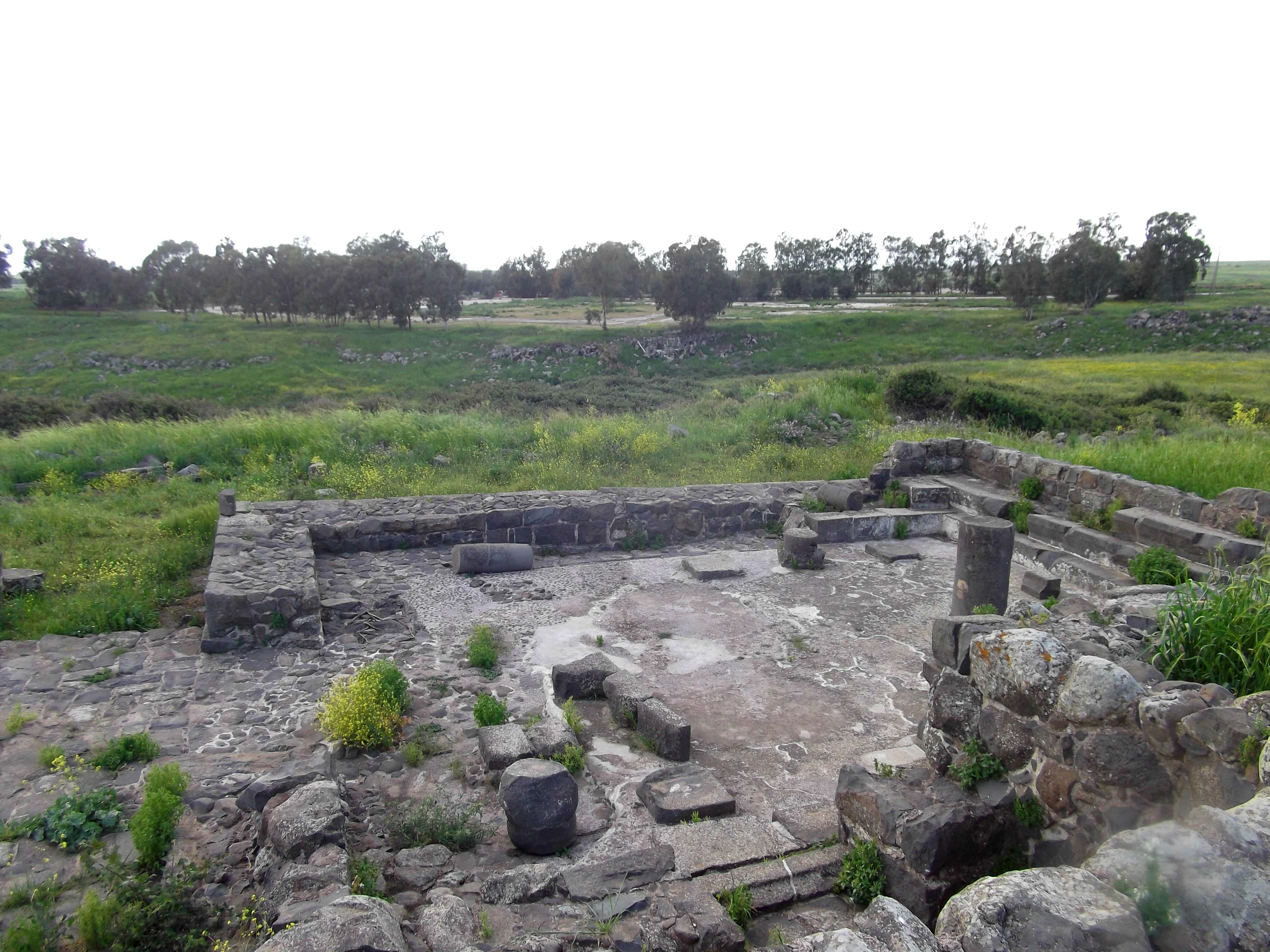
Looking down at Ein Nashut Synagogue

Looking down at Ein Nashut Synagogue

After spending a few minutes in the ruins, I decided to go a little further, not wanting to miss anything. What I found was several tumuli or cairns of small stones piled up in a surprisingly stable manner. Perhaps over time the stones settle into one another. While walking from tumulus to tumulus I gazed at the soft green landscape across Nachal Meshushim towards the town of Qatsrin. At a small circle of rough rocks, I found a tortoise rustling through the undergrowth. Swinging back, I walked along the same small seasonal stream, heading for the barbed wire fence. Just as I reached the base, having been escorted by the chirping of birds, two chukars rose into the air with a heavy fluttering of wings. My adventure at Ein Nashut was over, but the upcoming Sunday led me to another site, the Golan Archaeological Museum in Qatsrin.
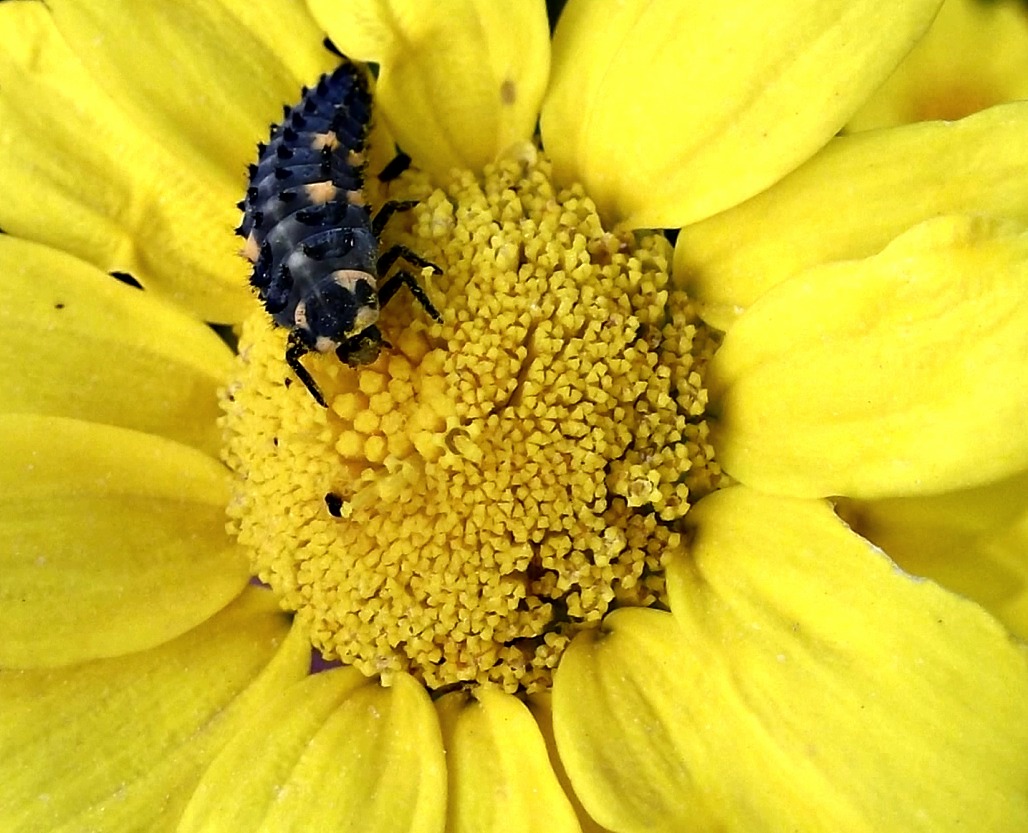
A ladybug larva on a garland chrysanthemum

A ladybug larva on a calendula flower

I was heading home and the driver who relieved me dropped me off at the centre of Qatsrin for me to catch the bus. However, I noticed the sign for the museum and figured I might as well visit the museum while I’m already in Qatsrin. And so I trudged over to the museum, bearing a heavy burden on my back – my 95L backpack. Inside, I received the excellent soldier discount and began to browse the displays of artefacts, items found all over the Golan. I was pleased to see quite a few remains brought over from the nearby Ein Nashut Synagogue – including arch stones, a part of the aron (or synagogue ark) and even a sarcophagus lid inscribed: “Shimon son of Abun 26 years old”.

Archstone from Ein Nashut Synagogue

Arch-stone from Ein Nashut Synagogue

One thing that really intrigued me was the skull, tusks and molars of an elephant found on the banks of the Jordan River at the B’not Ya’akov Bridge, a historically significant crossing site. Looking at the other animal remains, it would be interesting to see the Golan filled with lions, cheetahs, hippos and bears – some of which have only recently gone extinct in the area.
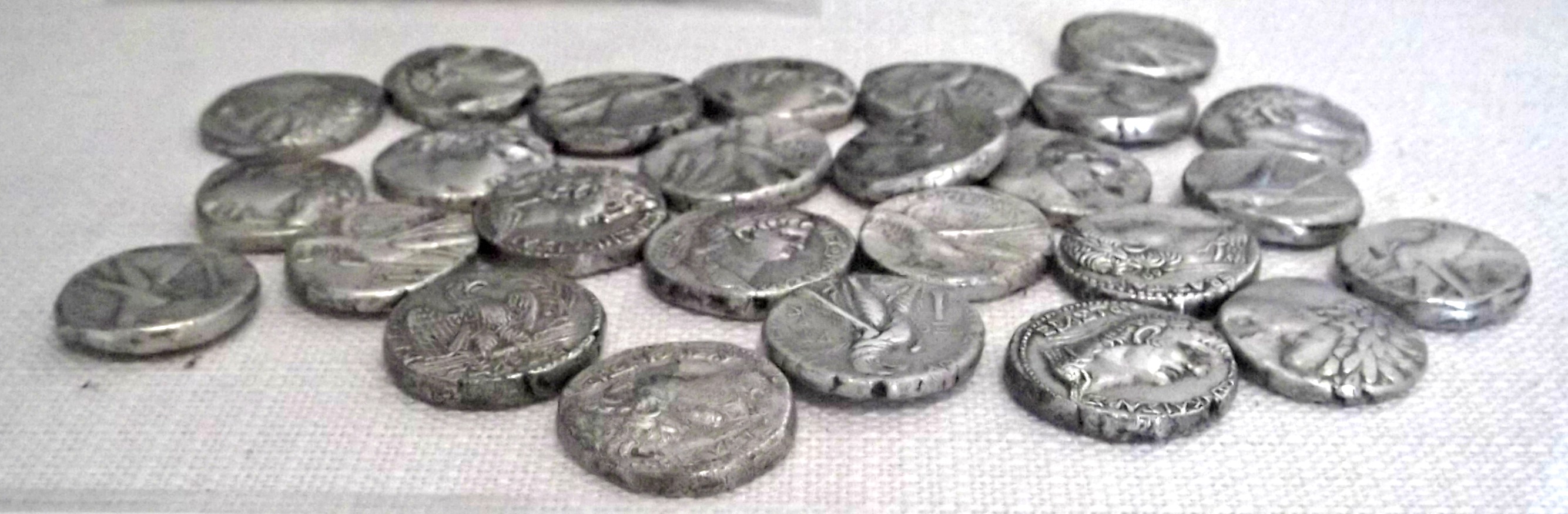
26 Tyrian shekels

26 Tyrian shekels

Browsing the rest of the displayed archaeological finds of the Golan, from ancient to more modern times, I headed into the museum’s little theatre to watch a video about the rise and fall of Gamla during the Roman era, a sad tale of valour and pride. Essentially the “Masada of the Golan”, Gamla was a heavily fortified Jewish town located on a strategic horn jutting out between two streams. During the Jewish revolts against the Roman tyranny, Gamla became a stronghold and was the subject of three Roman sieges led by Agrippa II, Vespasian and Titus. At last, with a act of Roman sabotage on a guard tower, the town slowly fell to the Roman forces. With the battle lost, some two-thousand Jewish men, women and children were slain in the ensuing carnage and some three-thousand plunged to their deaths in the surrounding ravines. With Gamla in ruins, the Romans then turned towards Jerusalem and then the final Jewish stronghold, Masada. Interestingly enough, Gamla fell in the year 67CE and was only recaptured by Jews in 1967, with the successes of the Six Day War. Just as the film ended, a tour group from Colorado filed in and I exited the building to see the gardens exhibitions, with many stone lintels, columns and other ornate building sections on display – several from Ein Nashut Synagogue.

Golan Archaeological Museum's garden exhibit

Golan Archaeological Museum’s garden exhibit

Finished with the museum, I stopped for a quick lunch before beginning the long journey back home.
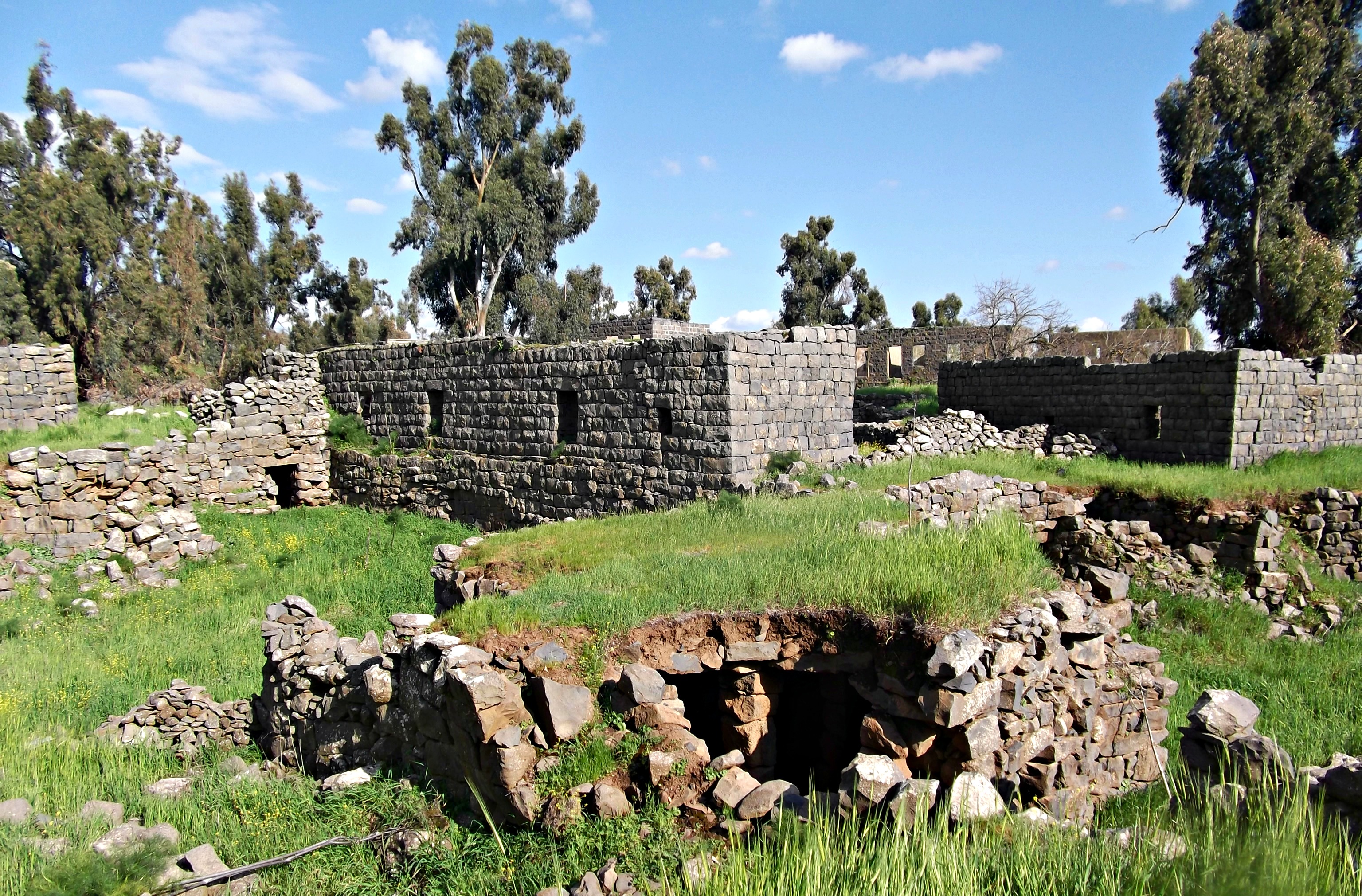
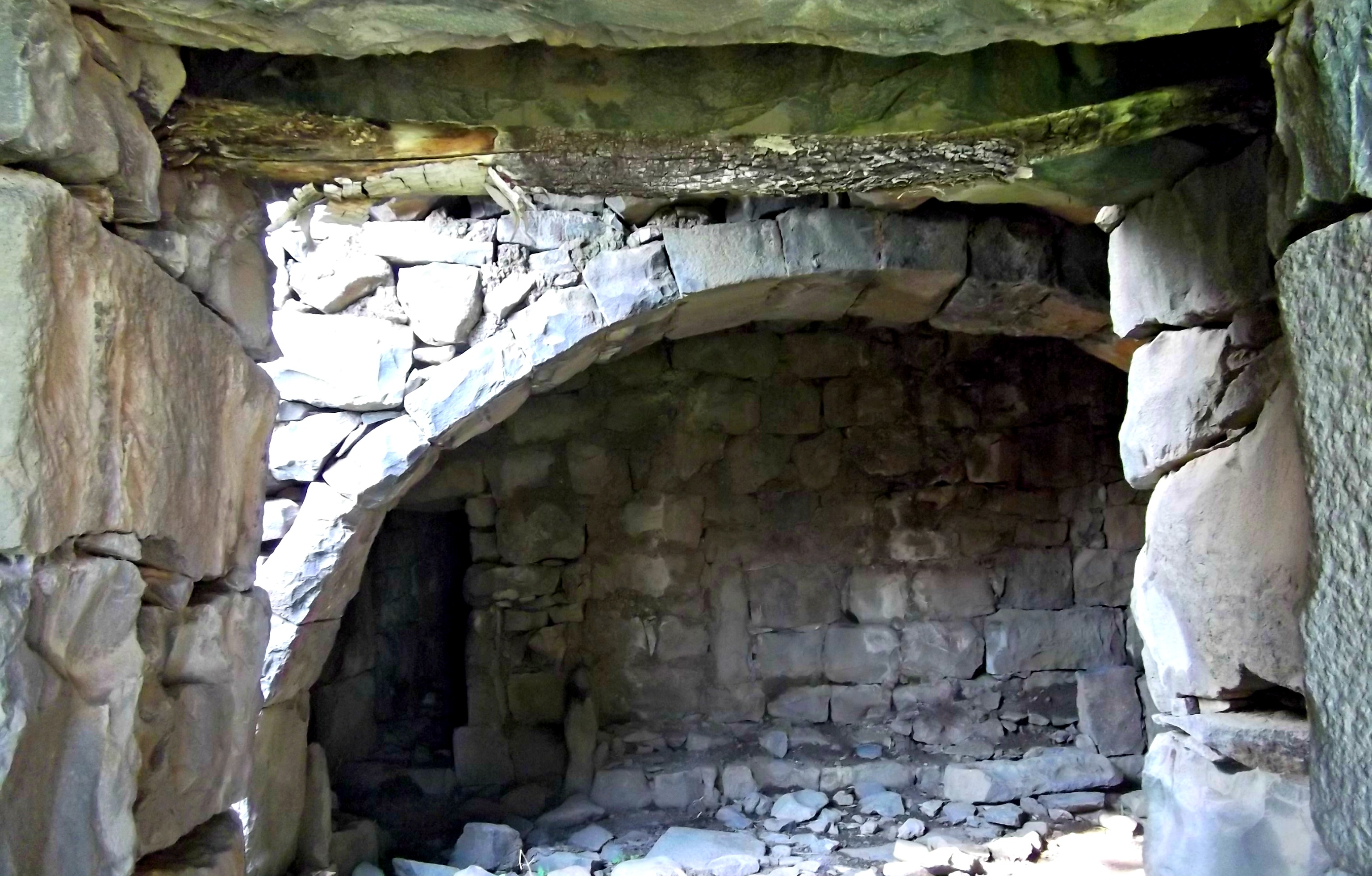
Basalt Ruins of Nafakh

In Golan, Israel on April 1, 2015 at 4:15 AM

With my last post covering my spontaneous adventure to Juchader – from the khan to the tel to the spring pool – this post is about a planned exploration of the basalt ruins of Nafakh. Noticing the site on the map, and seeing the ruins from the road, I decided that this nearby site would make a great Friday afternoon trip. So, properly packed with gun, phone, camera and water, I set off to walk the kilometre and a half from Sa’ar, the base I was in. Nestled in a grove of eucalyptus trees near HaShiryon Junction on Road 91 in the centre of the Golan, the Nafakh ruins are the remains of a Syrian village built on the remains of a Roman era, and later a Byzantine era, village – a chronological layering of human settlement.

Nafakh's levels of ruins

Nafakh’s levels of ruins

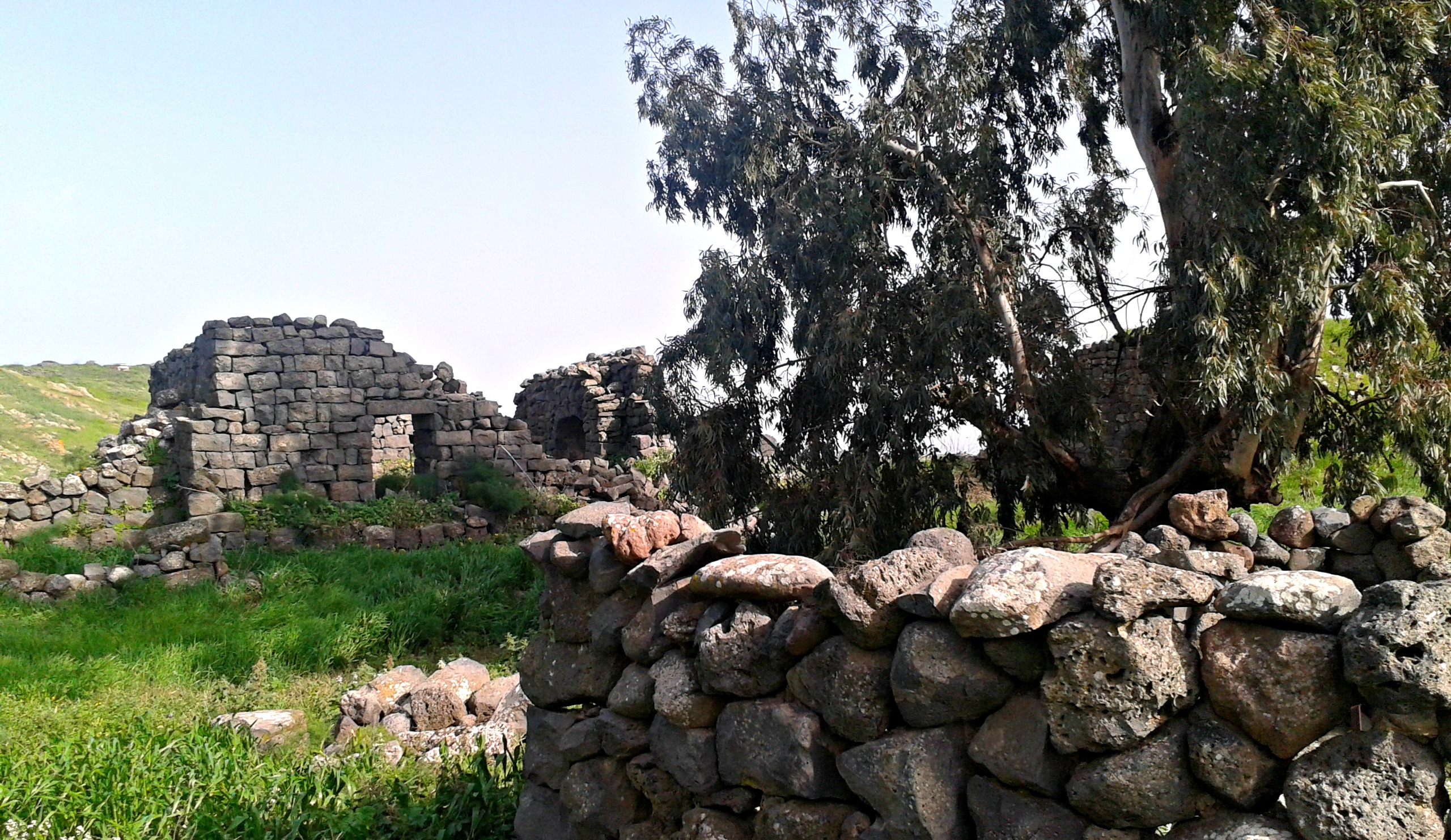
With the spring wildflowers in full bloom, and the snowy peak of Mount Hermon partially visible, the walk was rather refreshing. Before long, I left the road and reached a makeshift gate with some ominous bones dangling from the fence post. I opened the gate and stepped into the thick grass, already seeing some house-like structures up ahead. Similar to the situation at Juchader, the grass was absolutely filled with silky caterpillar nests – and the caterpillars littered the grass. I reached the first house complex and entered the courtyard, heading straight for the dark first floor rooms.

Interior construction

Interior construction

Slightly fearful of encountering a foul beast in the darkness, I proceeded slowly, using my camera flash to illuminate my path. Relieved that the only trace of beast were the few scattered porcupine quills laying about, I left darkness’ cool embrace and headed up the steps to the clearly newer section of the house. With the local Arabs living in this village up until 1967, there are a few modern sections of concrete and metal, however it was the old hewn basalt blocks that interested me more.

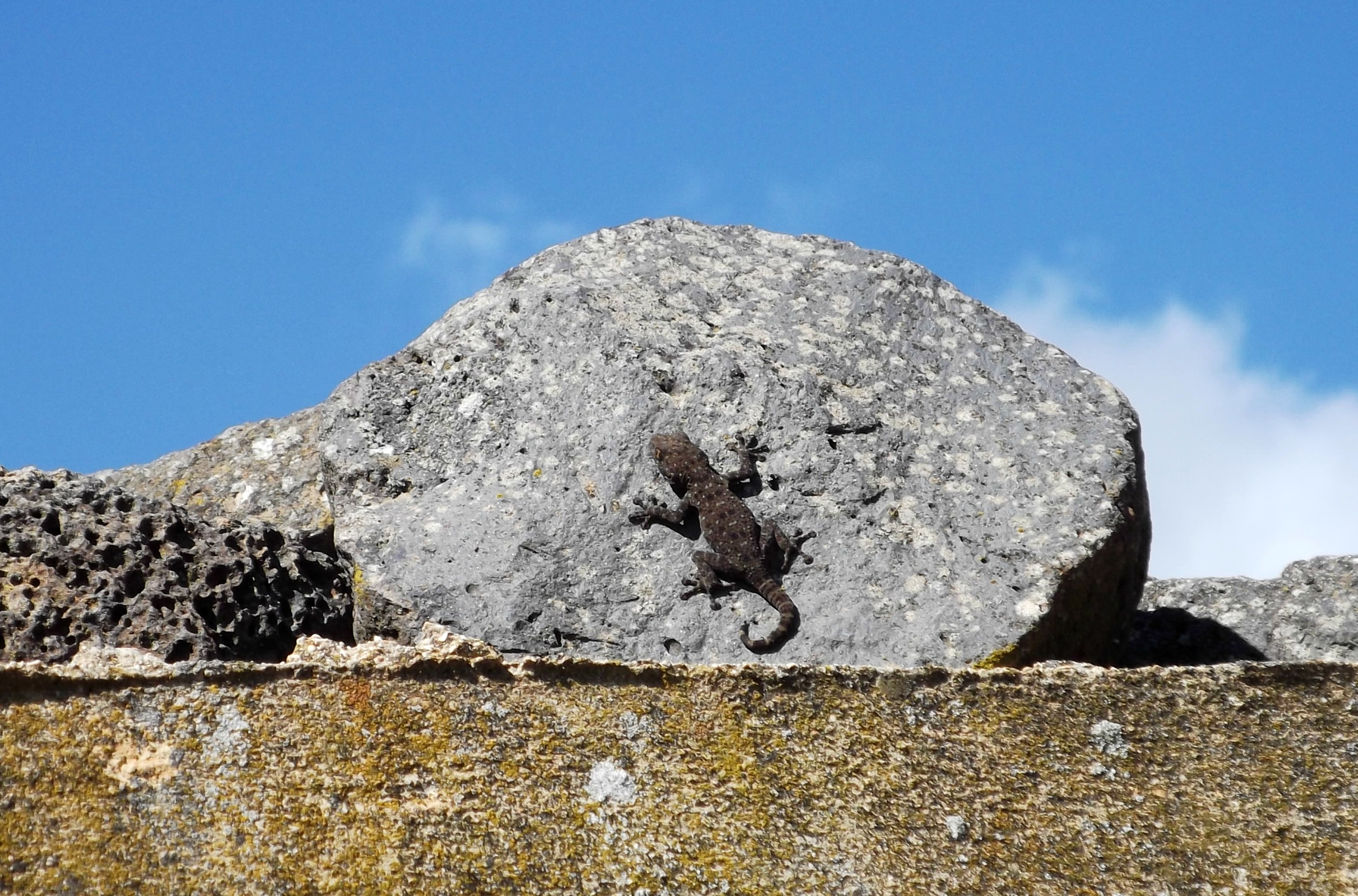
Gecko

Gecko

Standing up on the second floor, I surveyed my immediate surroundings and mapped out a logical route. Feeling like a kid in a candy shop, I explored the ruins, house after house, enjoying the peace and solitude. Surveying from on high, swishing through the tall grass down below, I made my way through the western side of the village rather quickly.

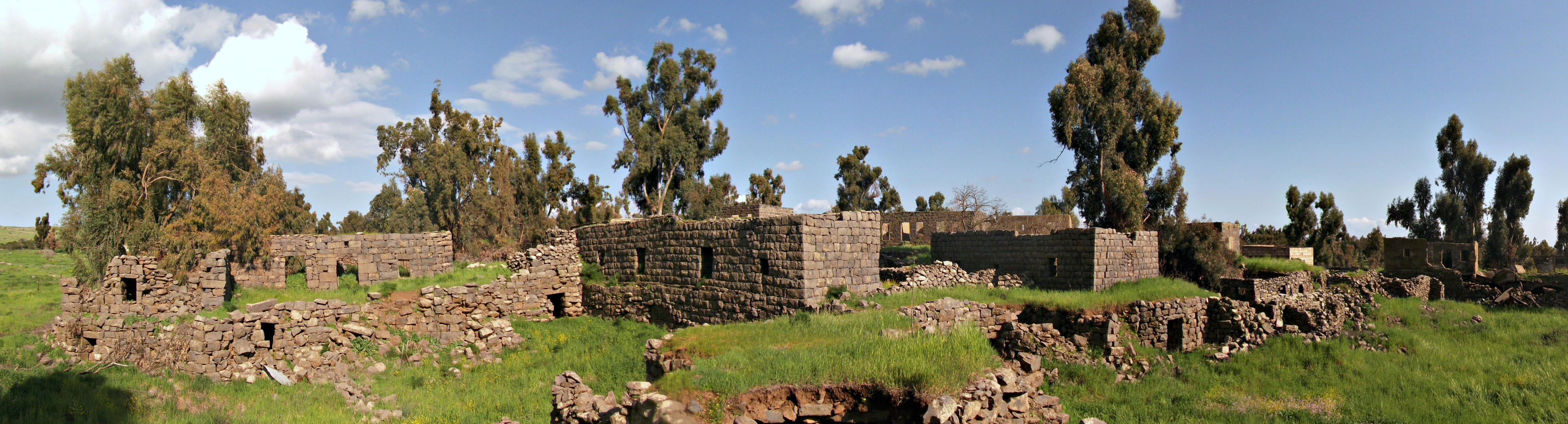
Panoramic view of Nafakh

Panoramic view of just a part of Nafakh

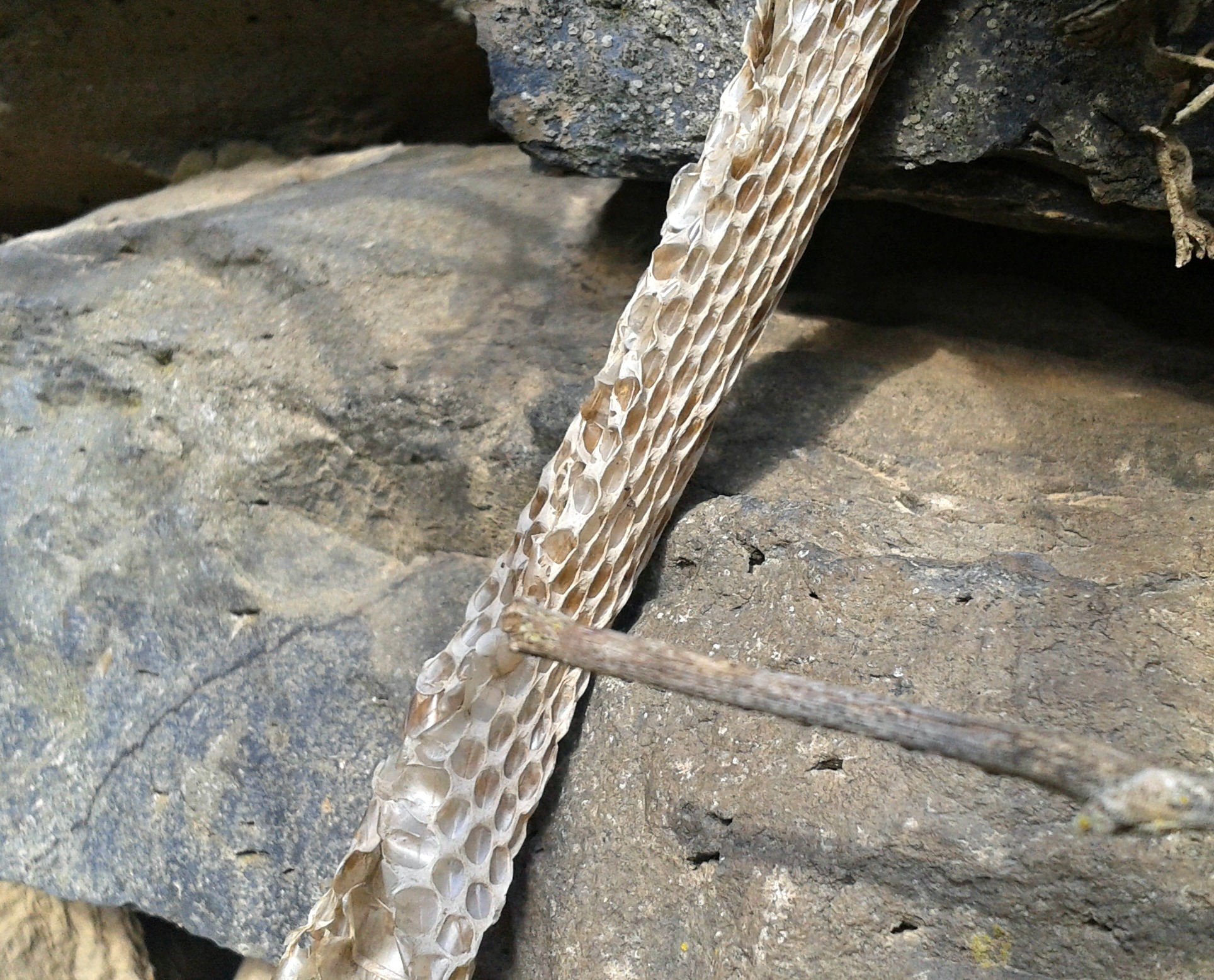
Then, after exploring a single house at the northwest corner, I heard several loud crashing sounds in succession – the sounds of a large beast breaking dry sticks. Consumed with adventurous curiosity I crept forwards towards the brush from whence the noise originated, always mindful of my retreat path if said beast were to materialise in the shape of an angry boar. I wondered to myself about what it would like being chased and then treed by a foul pig with deadly tusks, and if I’d be able to shoot my way to safety before it was too late. Tenaciously advancing, past the point of a safe retreat, I circled the brush which partially concealed a walled courtyard, and, not seeing anything, climbed up onto a wall to look down at the brush. Nothing. Slowly my heart returned to its normal tempo and I begrudgingly returned to exploring, still unsure where the noisemaker disappeared to. Beginning a whole row of old houses connected one to the next, I came to another courtyard. Peering into a dark room, I noticed a shedded snakeskin draped against the rock wall.

Discarded snakeskin

Discarded snakeskin

With the feeling that this village exploration might not end before Shabbat were to start, I put a pep in my step and hurried on to the next set of houses, spending less time peering into dark windows. Hearing a strange sound, I spotted a rock hyrax running along a walltop. I pressed on heading east, reaching a structure that didn’t look quite residential. Beyond it, some three kilometres away, Mount Shipon – an extinct volcano – was visible, and below it, a more modern structure. It was then that I noticed the large basalt bunker in between the trees.

Mount Shipon

Mount Shipon

I made a beeline for the warlike building, wondering if I’d see any bats inside. I crossed Nachal Gilbon, a small stream, but found myself greeted with coils of rusty razor wire which impeded my process. I then thought back on what I had read earlier that week about a battle during the Yom Kippur War where a team from Sayeret Matkal, under the command of Yoni Netanyahu, were brought in to resist an air-dropped Syrian commando attack on the base Nafakh (just across the road). It was for this battle that Netanyhu received the Medal of Distinguished Service for his valiant efforts in protecting the Golan.

Posing among the ruins

Posing among the ruins

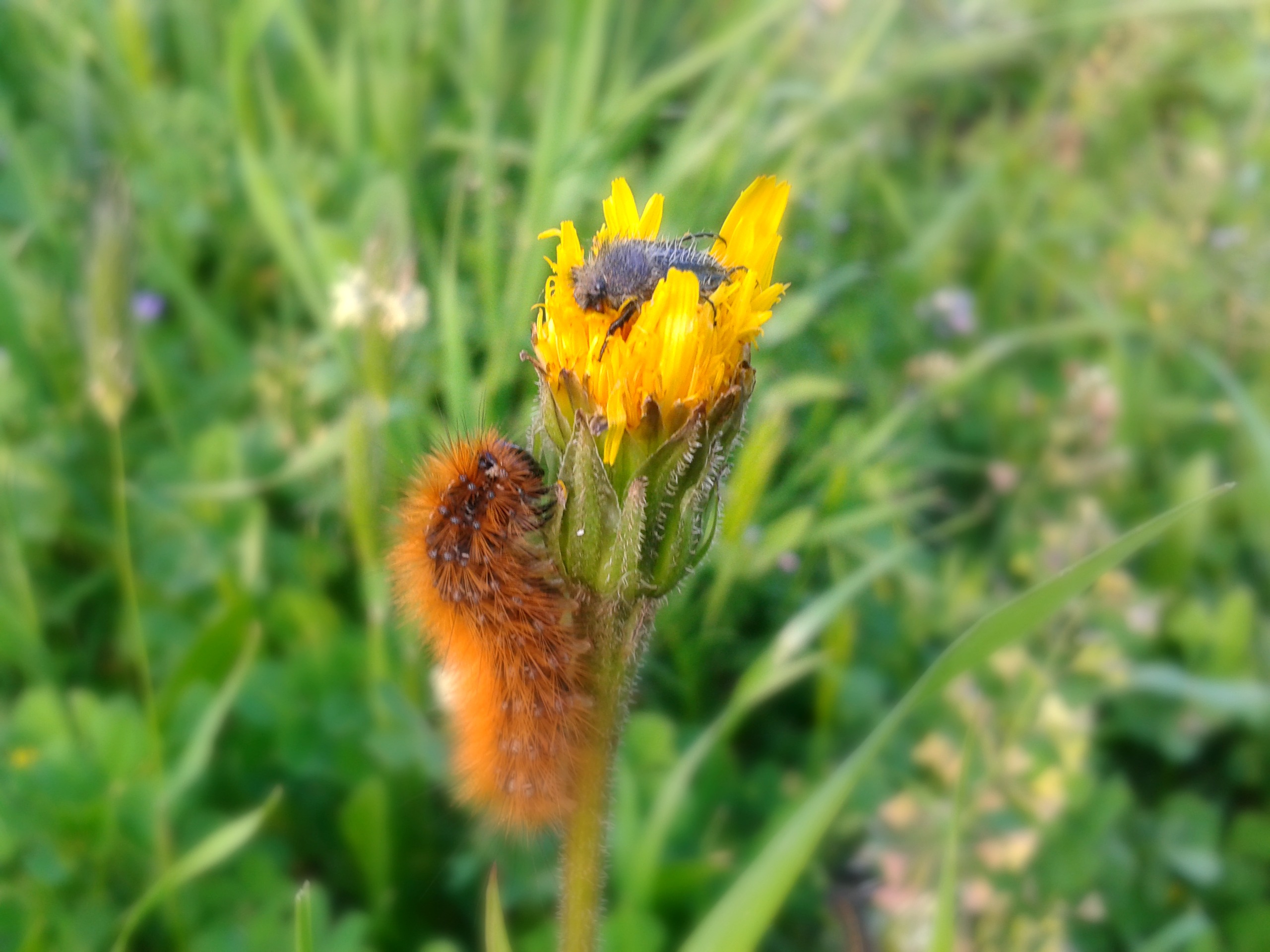
Walking along the razor wire I saw no gaps and decided to turn away and save the bunker for another visit. Heading back to the ruins I came upon a little pool and then more recent ruins of concrete. Making a full circle, and fairly certain that I had covered all, or at least most, of the ruined village, I took a few more pictures and began to head back, enjoying the sounds of songbirds flitting about. It was when I was just about to open the gate that I spotted this interesting display of insect bravado – who will be king of the flower?

King of the flower

King of the flower

Next up: Ein Nashut & the Golan Archaeological Museum.

Juchader

In Golan, Israel on March 23, 2015 at 6:01 AM

A few weeks ago I transferred from the Shomron to the Golan, where I plan to finish off my army service. One night, during that first week, I had a drive and saw a beech marten for the first time in my life, albeit briefly, as it dashed across the headlight-illuminated country road directly before me. The next day I drove some more and had the opportunity to visit a collection of curiosities known as Juchader (or Orcha, in Hebrew) along Road 98, not very far from the amazing megalithic site of Gilgal Refa’im.

Khan Juchader

Khan Juchader

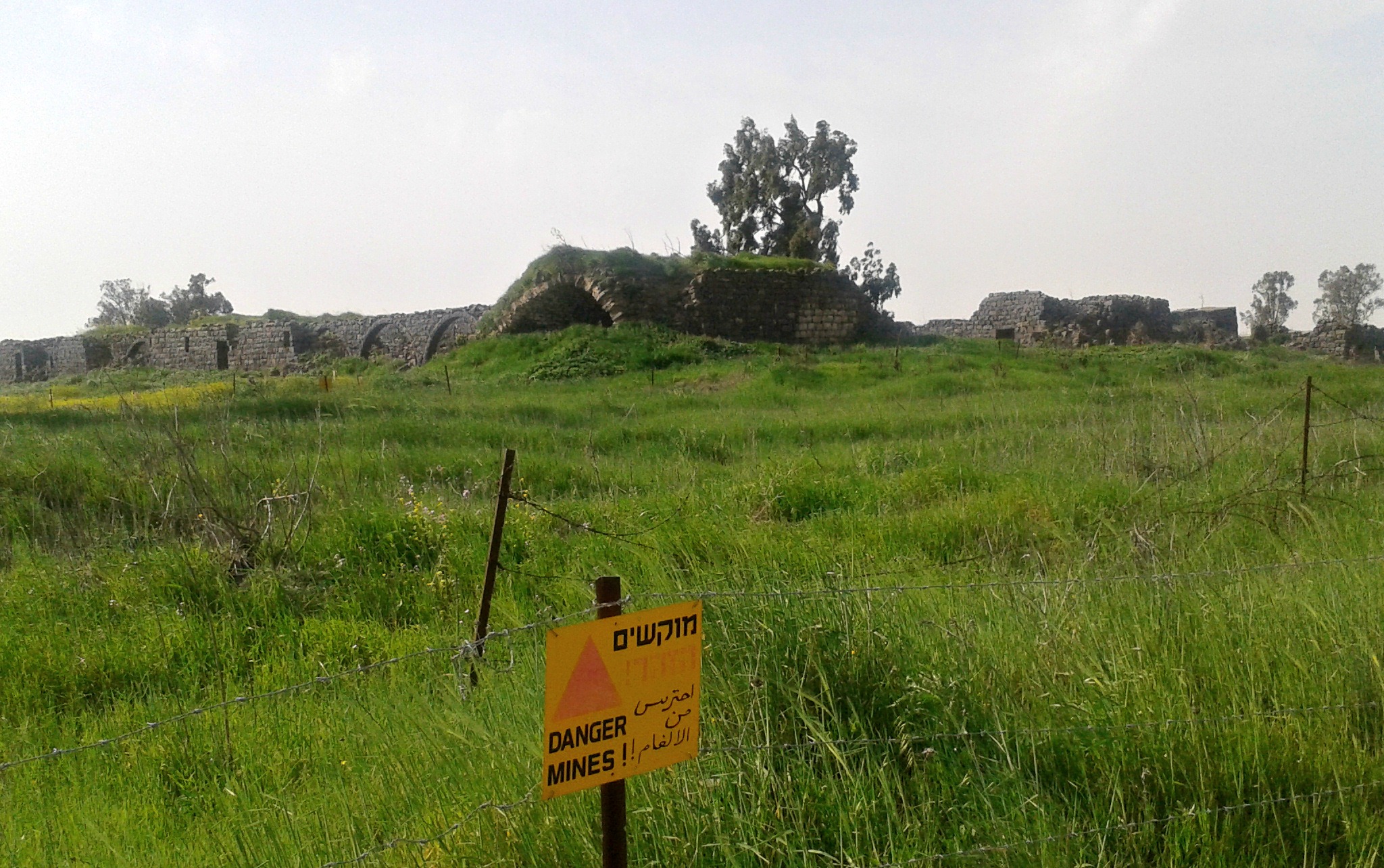
Parking at the side of the lonely road just two kilometres from the first Israel-Syria border, I exited my Safaron and immediately spotted tawny creatures moving in the distance. Scrunching up my face in effort to see better, I verified to myself that I had spotted two mountain gazelles – I just love spotting unique wildlife! Leaving my parked Safaron behind, I began my explorations at the dirt road between the visible ruins of Khan Juchader and Tel Juchader. The name “Juchader” originates from a Mamluk honourific title for the “holder of the polo sticks”, presumably of the Sultan’s. Opening a makeshift gate, I walked alongside a narrow minefield (clearly marked and fenced off) until I reached the first of the khan’s structures, built of local basalt.

The khan's many rooms

The khan’s many rooms

A khan, also known as a caravanserai, is an inn for both humans and their beasts of burden. Some khans are large and impressive, such as the Khan El-Omdan in Akko‘s Old City with its large granite pillars, and others are a simple affair tending to the base needs of weary travelers, such as this khan. Built in the 1300’s during the Mamluk period, this particular khan was built along a historically important road, going back to the Roman era, connecting the cities of the Holy Land with Damascus and other important cities in Syria and further east. Today, the TAP Line (Trans-Arabian Pipeline) for the transferring of crude oil from Saudi Arabia to Lebanon runs just past Juchader. Built between the years 1947-1950, it was the longest pipeline in the world (1,214 kilometres or 754 miles long) at the time but today the section that runs through the Golan is no longer in use.

Tel Juchader

Tel Juchader

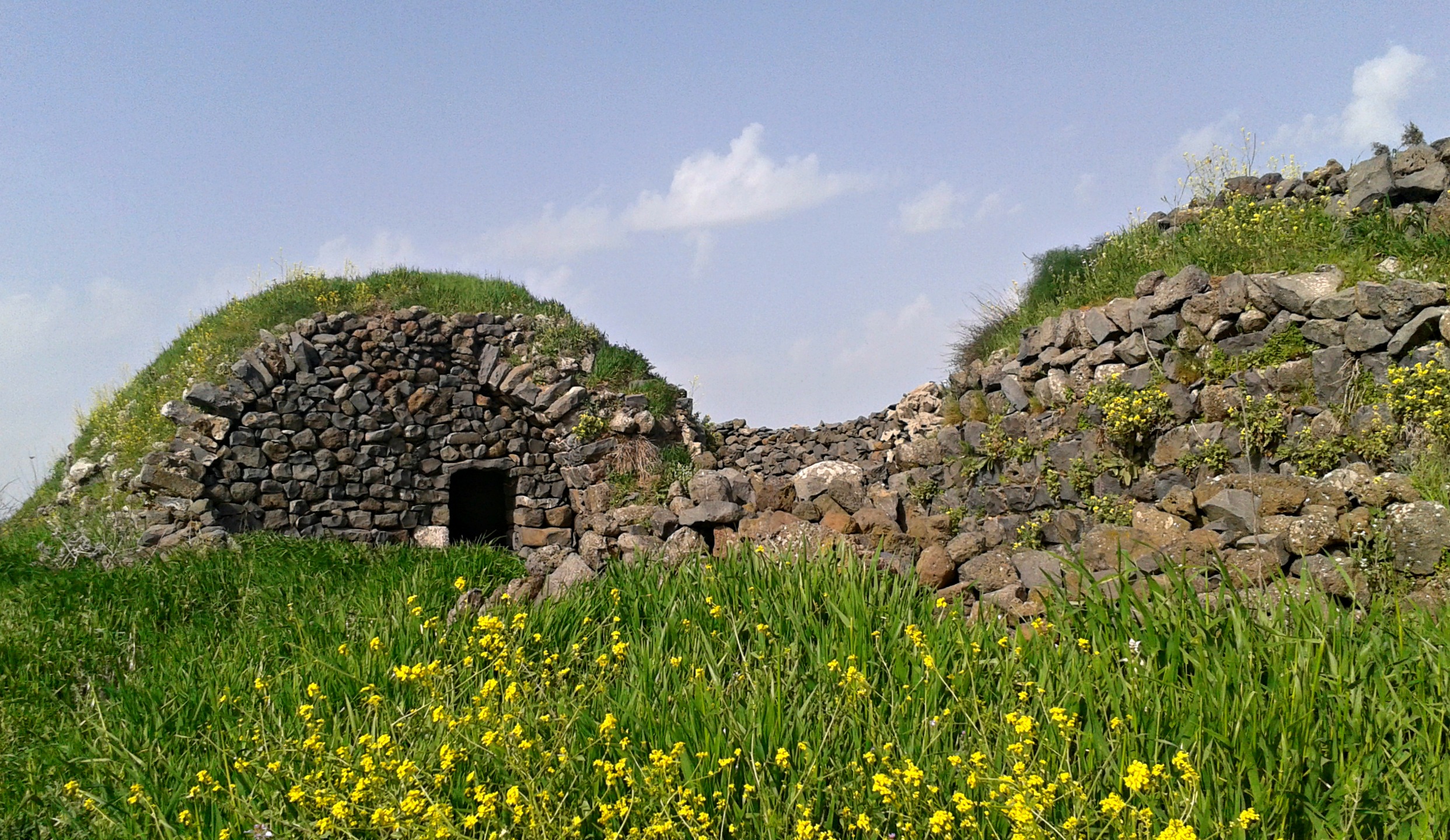
As I swished through the tall grass, inspecting the grey walls of basalt and pausing to photograph insects here and there, I kept leery of unsuspecting wild beasts in the grass or structures. With the warmth of spring upon us, snakes are also a bit of a worry – particularly as the Golan is the second most snake-populated regions in Israel. I admired the fine archwork, surprisingly intact, along the southern external wall of the rectangular complex and then rounded the corner. With the grass nearly waist-high and scattered with silky caterpillar nests, I cautiously stepped forward, being careful not to slip on hidden rocks underfoot. Approaching a particularly pleasing-looking arched room with a living roof, I caught a fleeting glance of a long reptilian shape slither into the cracks between the stones – a snake or perhaps a glass lizard.

Home of the reptile

Home of the reptile

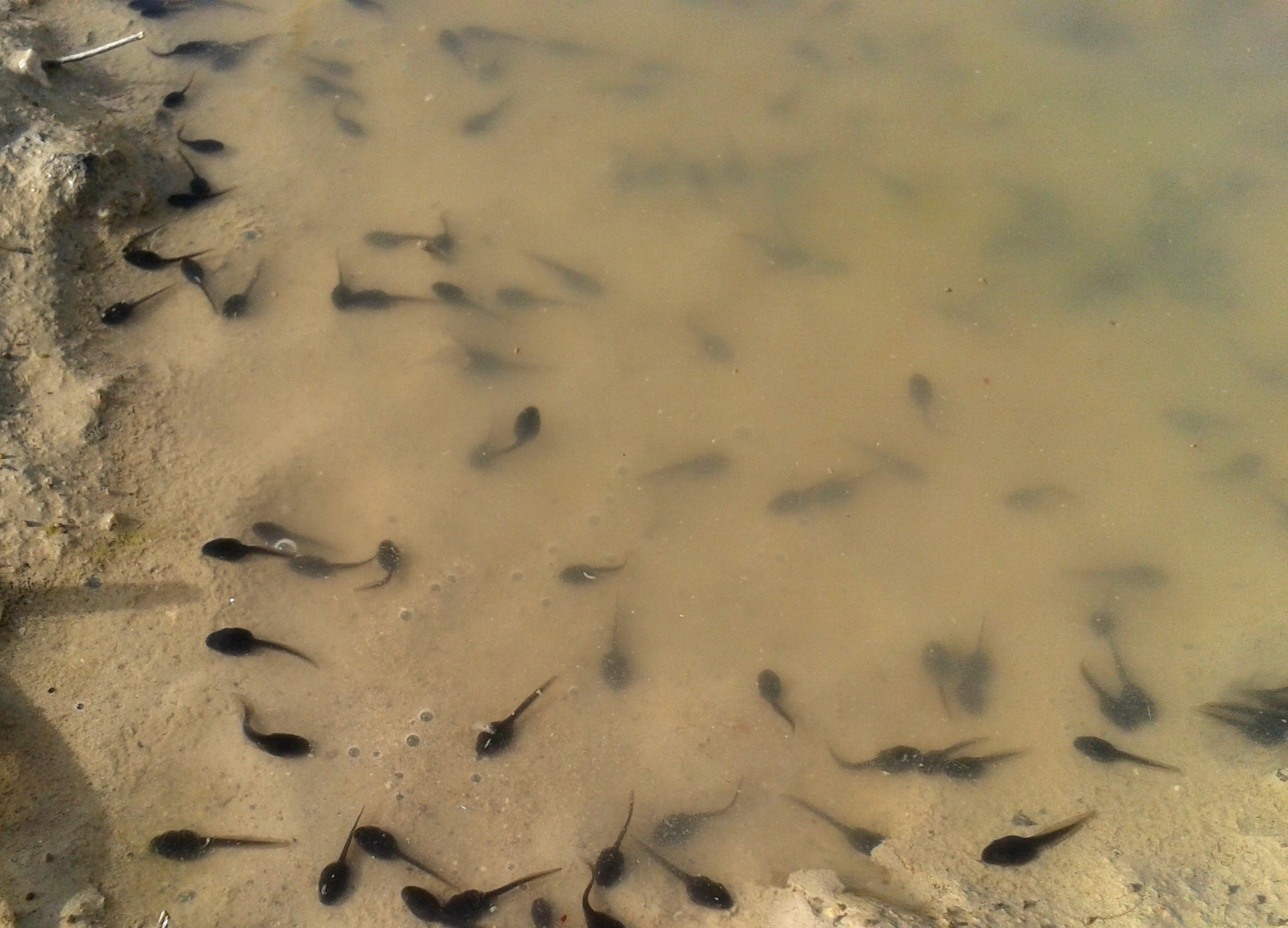
Inspecting the wall I could find no trace and carried on, walking along the central courtyard of the khan. When I finished exploring the northern and eastern sides of the khan, both inside and out, I felt ready to press onwards. As I left the complex, shutting the makeshift gate behind me, I spotted the bleached pelvic bone and spine of a long-dead cow in the grass. Shortly afterwards, I came across this puddle teeming with tadpoles – I hope they finish developing before the puddle dries.

Tadpoles in a puddle

Tadpoles in a puddle

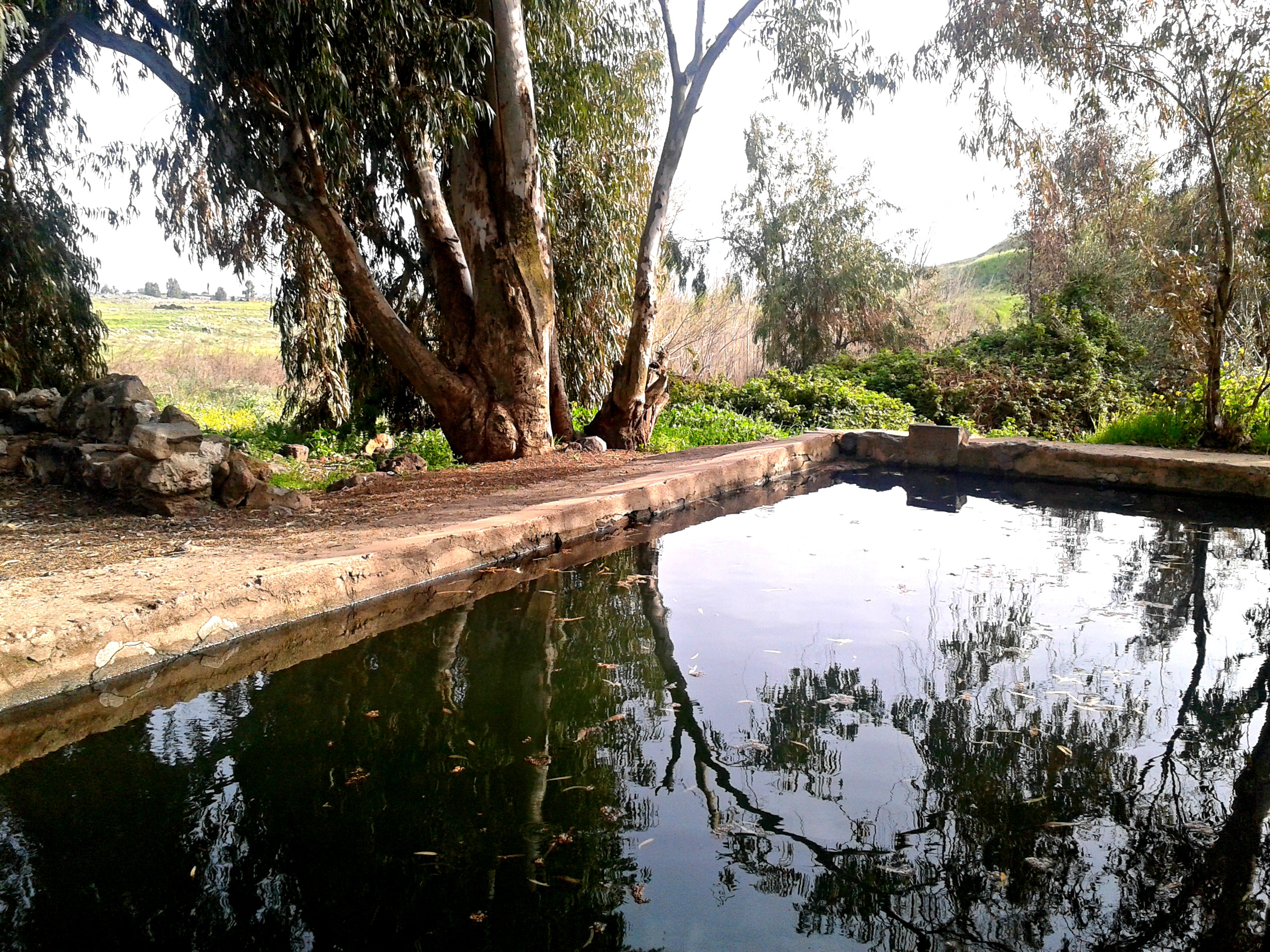
Crossing the road, I stood at the foot of Tel Juchader, a volcanic formation, and imagined the view from the watchtower looking out at Syria. On the tel are scattered remains of settlements from the usual periods of Holy Land history, most notably the Romans whose village was destroyed in the 300’s, either by earthquake or Jewish revolt. Bedouins built houses in the late 1800’s, using cut stones from the earlier ruins, but the village was abandoned after the Six Day War. During the Yom Kippur War, the Syrians conquered the area and the tel was recaptured by IDF tanks, but not without fatalities. I stopped at the memorial built for Yonatan Guberman, a reservist tank officer who fell in battle recapturing Tel Juchader. His memorial is one of many in the area, dedicated to both individuals and units who paid the ultimate price in the wars for freedom. Returning to the Safaron, we then drove to the Juchader Pool on the northern side of the tel. Hidden in a small grove of eucalyptus trees, the pool is a hotspot for hikers and soldiers alike.

Juchader Pool

Juchader Pool

Fed from an underground spring, the pool was recently reconstructed and improved from its previous capacity as a pool for Syrian army officers – dedicated in memory of Raziel Nagar, a teenager who was killed in 2005 by a dud artillery shell. The soldiers I was with eagerly ripped their clothing off and dove into the cold water. A minibus of religious high school girls, arriving just minutes after us, made for a socially humorous situation. I ended that day’s trip with a quick visit to the peak of Mount Avital, overlooking Mount Bental – but the Golan adventures were just beginning!

Deir Qal’a

In Israel, Samaria on March 8, 2015 at 4:36 AM

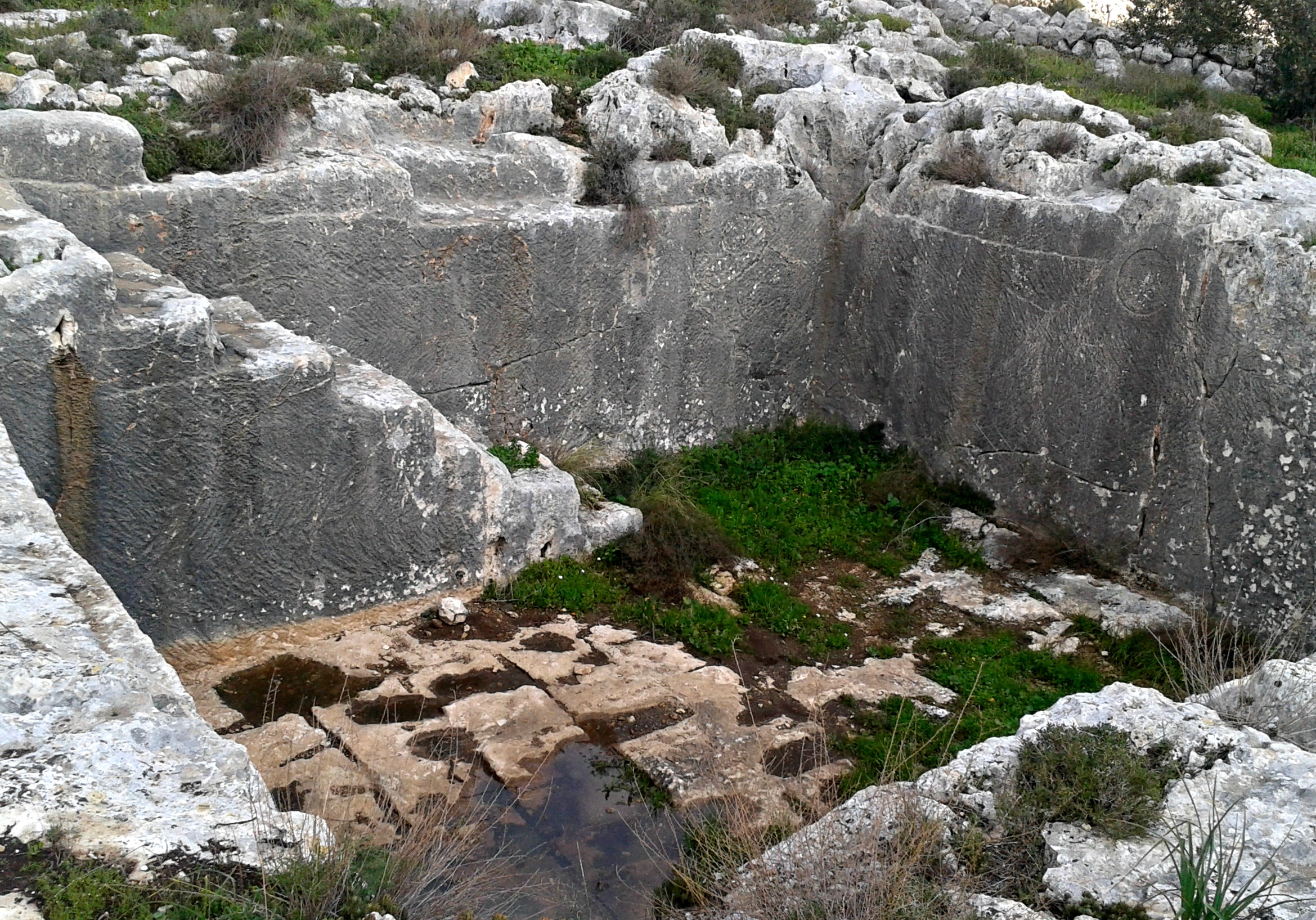
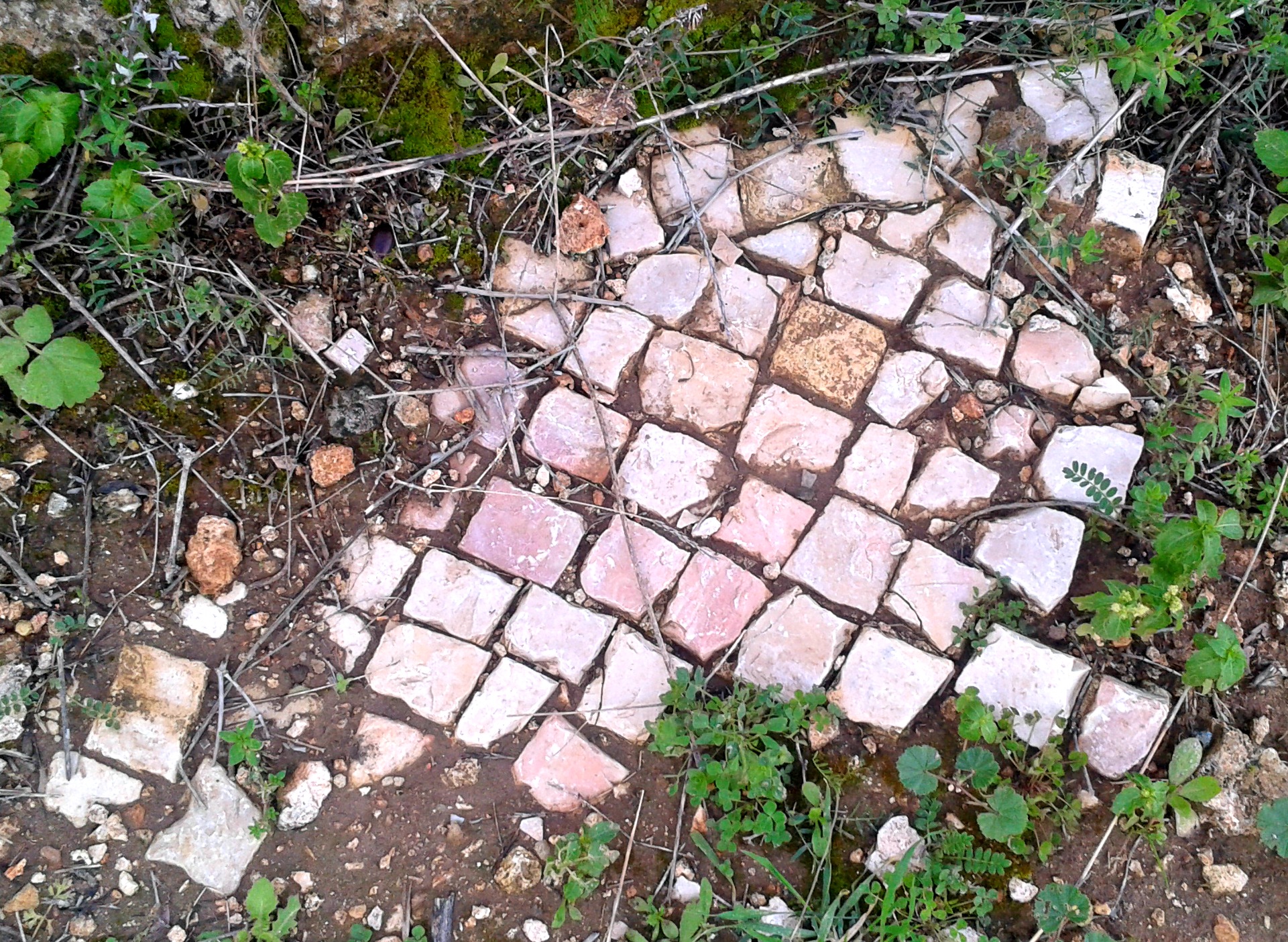
A few weeks ago I partook in a little “excitement” in the Shomron (Samarian) town of Pedu’el, not too far from Ariel. There was a Palestinian shepherd who was creating disturbances near the security fence that encloses Pedu’el and we, the army, were called in to redirect the wayward man. We disembarked near Pedu’el yeshiva and I couldn’t help but notice signs for an archaeological site called “Deir Qal’a”. While the other soldiers began their descent into the valley in search for the shepherd, I sought after the ruins. Scampering over the rough rocks that cover the landscape, I first came upon what appears to be a vat for wine with a mosaic floor, very much like the one I saw at the Crusader castle of Cafarlet.

An ancient wine vat

An ancient wine vat

Now, these ruins are obscure and there are no signs explaining where or what anything is – even researching Deir Qal’a online is proving a little difficult. From what I’ve gathered is that the site was first a Roman fortress, then a Byzantine fortified farm and then a Christian monastery. Given its great vantage points, including a clear view of the shoreline some 26 kilometres (16 miles) away, the Romans would have built the fortress to guard the ancient road from Tel Afek (Antipatris) to Sebastia in the heart of the Shomron.

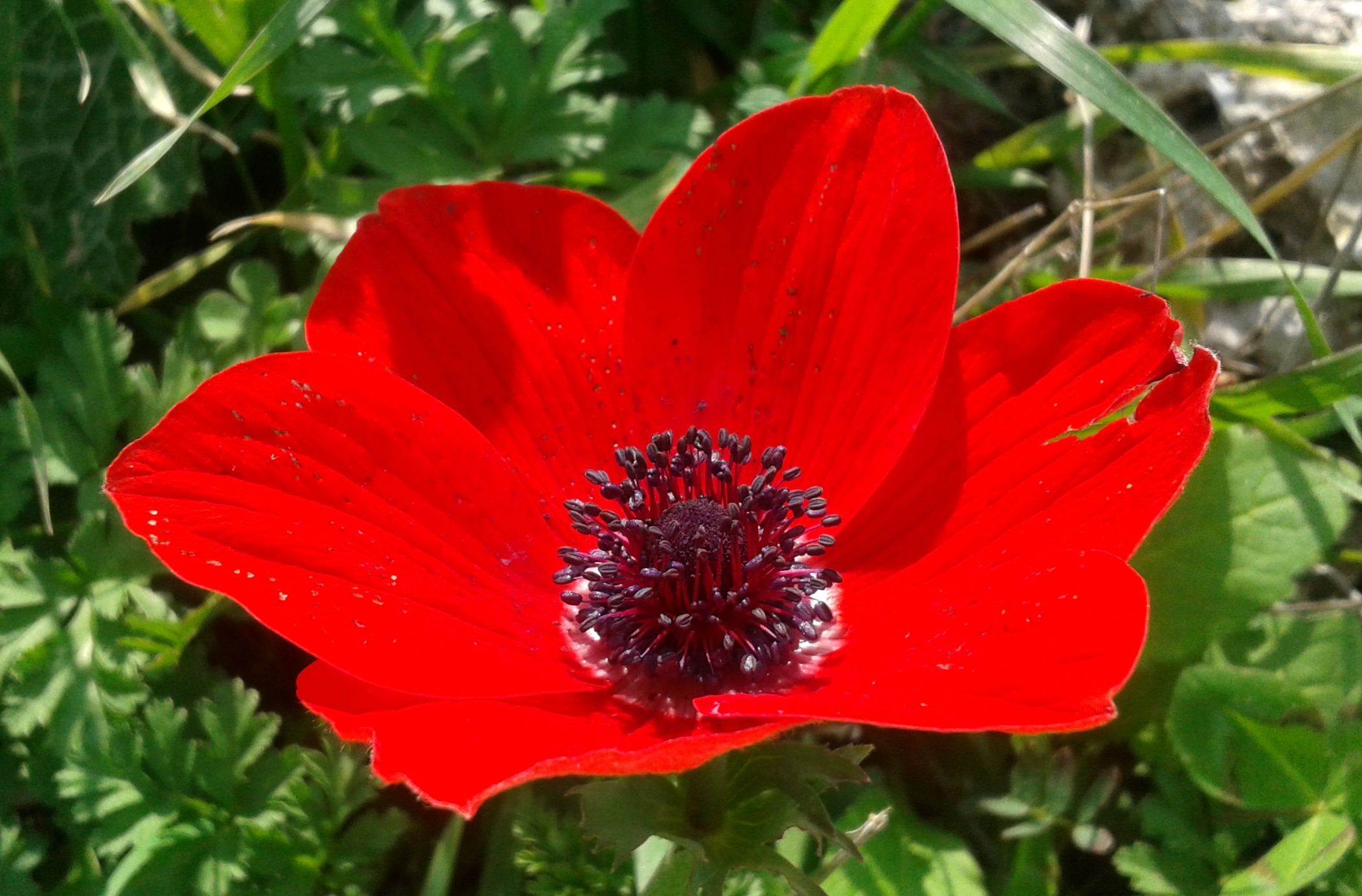
Blooming anemone

Blooming anemone

A couple hundred years later, the Christians built a string of fortified monasteries along the northern border of the Christian part of the Shomron, as a defending line against the Samaritans who would often break out in violent revolts against the Byzantine Empire. The Samaritans are still around today, still based out of their “capital” on Mount Gerezim overlooking Shechem (Nablus), but they no longer participate in violent revolts. Monasteries neighbouring Deir Qal’a are Deir El-Mir to the west and Deir Simaan to the northeast – with quite similar ruins, although I have yet to explore them. Getting back to my exploration of Deir Qal’a, it wasn’t long before I reached the first walls of finely cut ashlars jutting out into the air.

Deir Qal'a

Deir Qal’a

Unfortunately, as there is no guide or comprehensive description of the ruins, I can’t really describe the series of rooms that I then saw as I drew closer. While researching this site I came across a reference to a monograph written by the late Professor Yizhar Hirschfeld titled “Deir Qala and monasteries of Western Samaria”, however the only copy I could find is in the Hebrew University’s library in Jerusalem – not too readily available, although I’m sure I could have gleaned some useful information from it. Being as that I was detouring from “operational duty” I couldn’t linger too long and missed noticing that there are tunnels connecting several of the rooms in the ruins complex. What I didn’t miss were the numerous etched Maltese Crosses (as used by the Hospitaller Knights of the Crusades) and the incomplete floor mosaics – in fact, a fully restored mosaic from Deir Qal’a is on display at the Good Samaritan Museum between Jerusalem and Jericho, not far from Nabi Musa.

Close-up of a crude mosaic

Close-up of a crude mosaic

I might have just seen an nondescript scattering of stone walls of varying heights and materials but Deir Qal’a contains stone terraces, rooms, cisterns, an olive press and winepress, underground tunnel, a church with an underground cave/crypt and an apse.

A mess of walls and mosaics

A mess of walls and mosaics

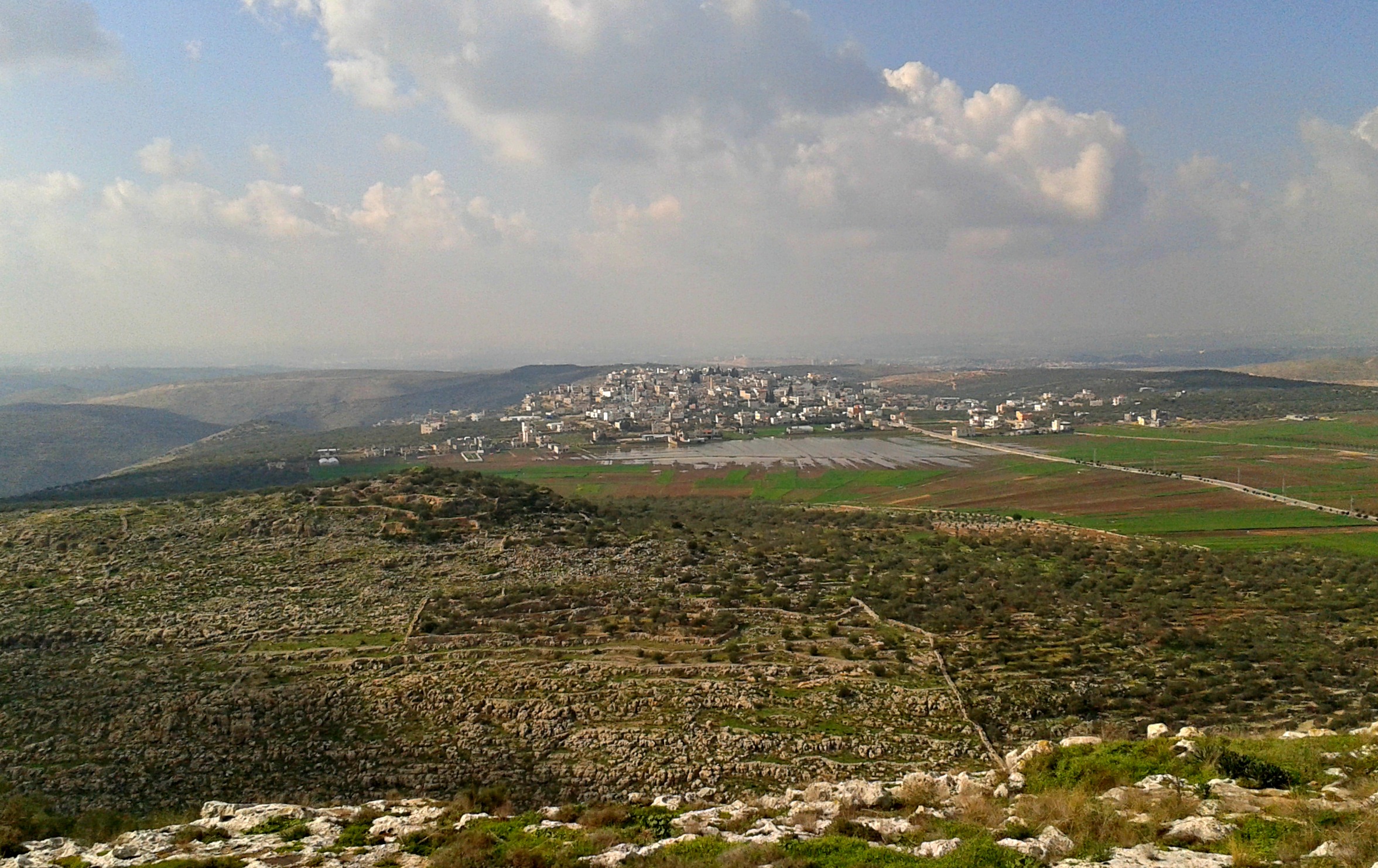
Once I had sufficiently explored the upper areas of the ruins I headed back towards the security fence and saw that my fellow soldiers had not yet returned, so I looped back to enjoy the views. Directly opposite Deir Qal’a to the west is the Palestinian village of Deir Balut and the ruins of Deir El-Mir, with a seasonal marsh at the entrance of the village. I read on the Amud Anan website that the water is home to triops, a type of crustacean also known as “tadpole shrimp”. Looking quite similar to horseshoe crabs, it’s believed that the eggs of the triops can last forever as they go dormant and crystalise when dry. It would definitely be interesting to see these “living fossils” – perhaps one day…

Looking across at Deir El-Mir and Deir Balut

Looking across at Deir El-Mir and Deir Balut

To the south there are the rolling hills of the Shomron with ruins abound, including the remains of Binat-Bar, Zereda, Balata and other historically rich sites, as well as Nachal Shiloh snaking its way across the land.

Historically rich hills of the Shomron - looking south

Historically rich hills of the Shomron – looking south

Someone very thoughtful had installed a swinging bench overlooking Deir Qal’a and Deir Balut and so I found myself there, rocking back and forth, enjoying every moment. At last the soldiers came back from escorting the shepherd away from the fence and we drove back to our outpost, leaving me with the need to come back and explore the other ruins another day.

Zichron Ya’akov

In Coastal Plain, Israel on March 1, 2015 at 6:12 AM

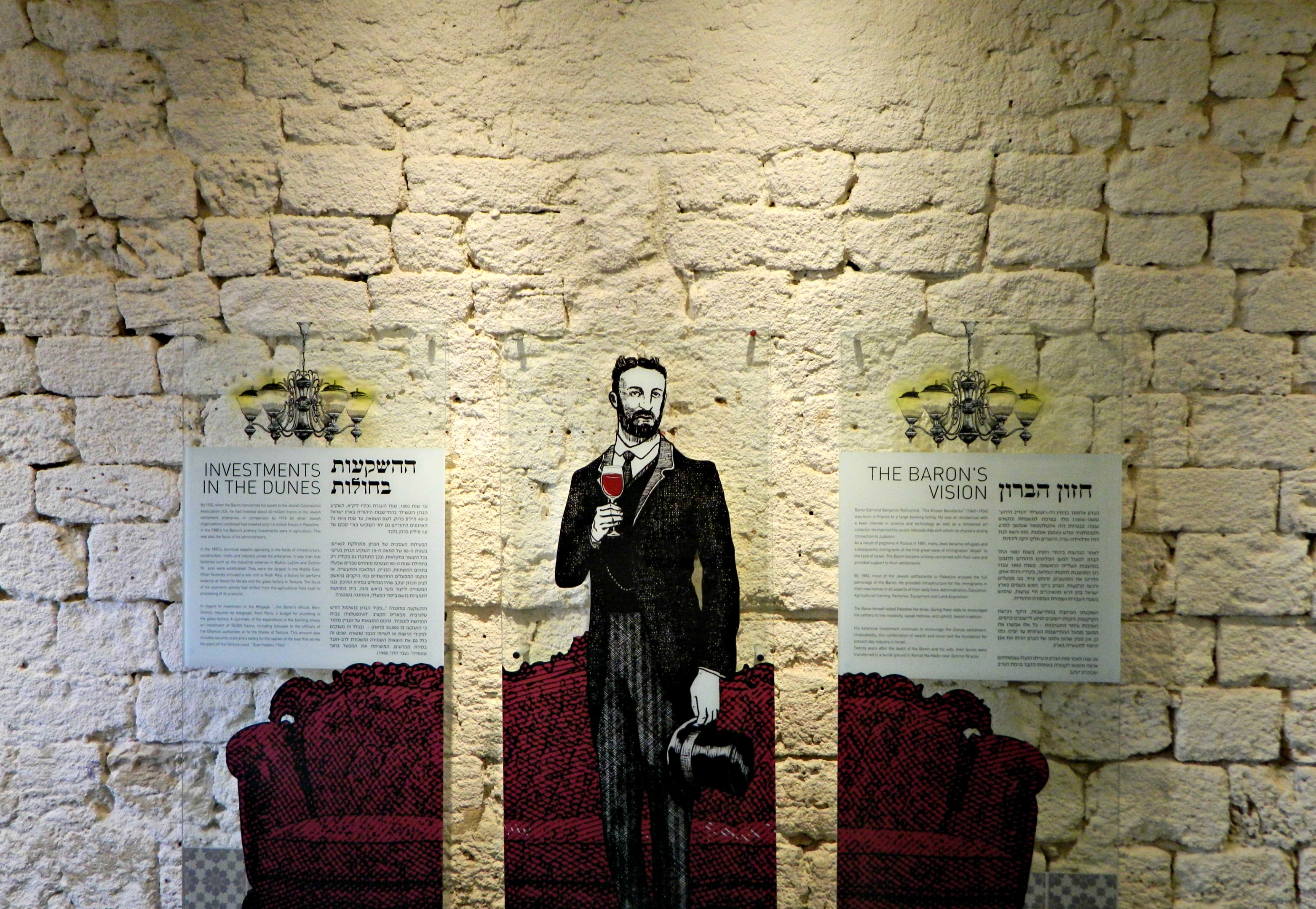
Following our visit to the Mizgaga Museum and the coast of Dor, my father and I continued on towards Zichron Ya’akov, just a few minutes away. We entered the town from the north, climbing slightly in elevation – Zichron Ya’akov being at the southwestern corner of the Carmel range. Founded in 1882 by Romanian immigrants, the Baron Edmond James de Rothschild took administrative and financial charge in 1883 in building a proper town – one of the first agricultural colonies established in the Holy Land. Zichron Ya’akov translates as the “Memorial of Ya’akov”, referring to the Baron’s late father James (Ya’akov) Mayer de Rothschild, a powerful banker and the founder of the French branch of the Rothschild family.

The Baron's watchful eye

The Baron’s watchful eye

In 1885 Baron Rothschild created modern Israel’s first winery, the Carmel Winery, which we passed on drive through the town. Today there several wineries in Zichron Ya’akov and neighbouring Binyamina, including the Tishbi Winery which I had the pleasure of visiting, also opened under the patronage of the Baron. We briefly drove through the northern section of the original town before parking next to the First Aliyah Museum, which, unfortunately, is closed on Sundays. We continued on foot, heading to the heart of the old town. Filled with quaint charm, even just walking down the street feels like an adventure. Before long we came upon Bet Knesset Ohel Ya’akov (“Tent of Jacob” in English), a synagogue built in 1884 by Baron Rothschild in honour of his aforementioned father. The synagogue was locked at the time we happened upon it, so we were unable to gaze upon the beautiful white marble interior.

Ohel Ya'akov synagogue

Ohel Ya’akov synagogue

Turning the corner onto HaMiyasdim (Founders) street, we began the town’s “Midrachov” of old house, quaint shops and welcoming restaurants and cafes. This main street, pedestrians only, was designed by the Baron’s city planners and the flanking houses were built inspired by French architecture.

Zichron Ya'akov's ''Midrachov''

Zichron Ya’akov’s ”Midrachov”

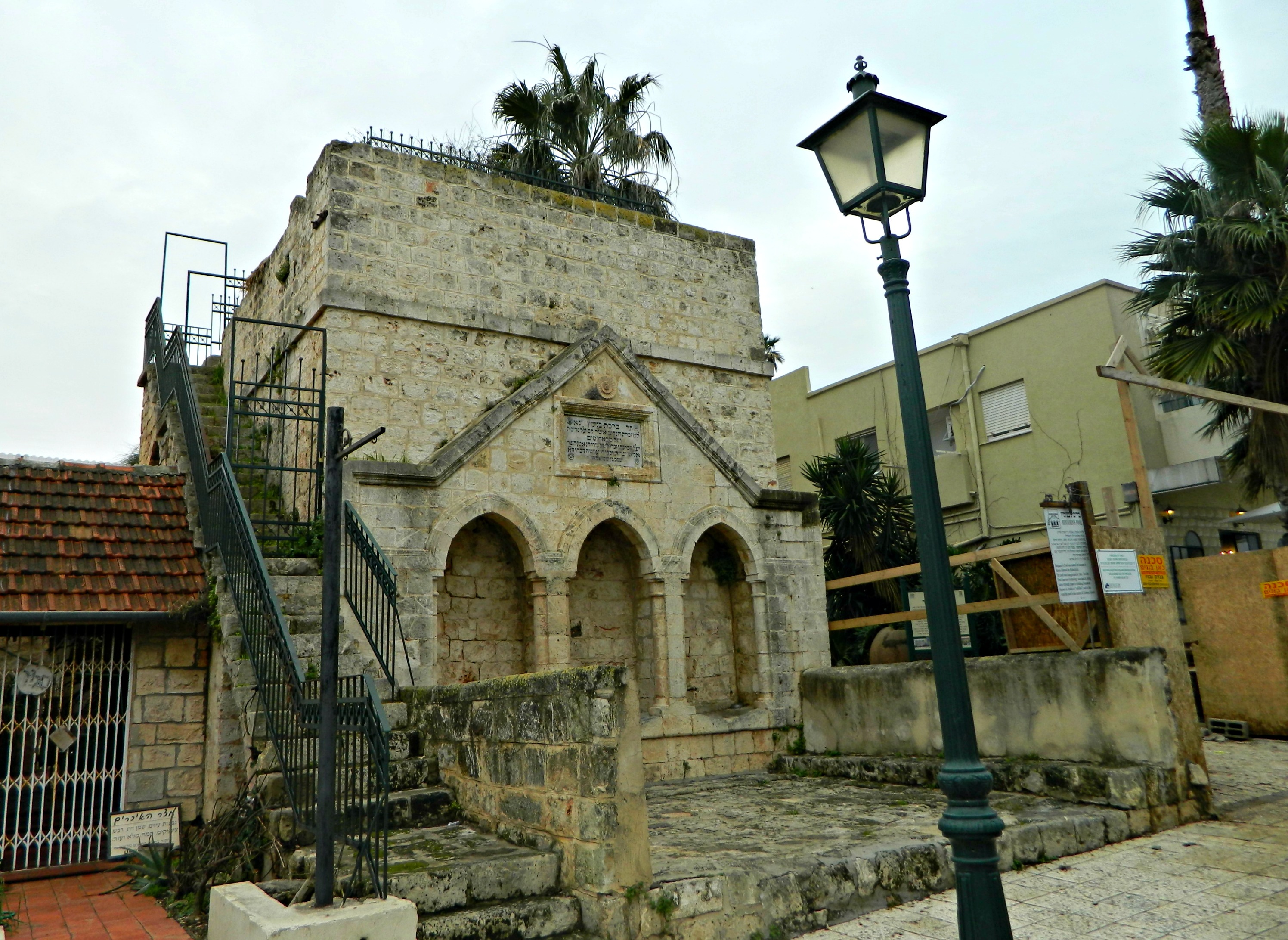
Being as that some 20% of Zichron Ya’akov’s residents are “Anglos”, we heard quite a lot of English as we strolled down the street taking in the sites. There is one structure dating back to 1891 called Benjamin’s Pool, a fountain of sorts with a large arched facade complete with a small aqueduct stretching out behind it to supply drinking water for the residents. At the time of our visit we saw some restorative work being done.

Benjamin's Pool

Benjamin’s Pool

At the next corner we found Beit Aharonson (alternatively, the Aharonson House) which holds the NILI Museum. Entering the grounds, we browsed the museum’s house of artefacts and exhibitions concerning this mysterious NILI I knew nothing about. Somehow, in the annals of modern Israel’s history, the incredible tales of the NILI spy ring have been overlooked by most, but deserve more coverage. Set in WWI, the NILI espionage network relayed important information to the British, concerning Ottoman troop numbers and locations among other sensitive information. Originally known as “Organisation A” by British Intelligence, the Zichron Ya’akov-based group adopted the name NILI, the English equivalent for the Biblical acronym “Netzach Yisrael Lo Yishaker” which translates as “The Eternal One of Israel shall not lie…”. Founded by locals Sarah, Aaron and Alex Aaronsohn as well as Avshalom Feinberg, the network reached some thirty secret members in its prime. Due to Aaron Aaronsohn’s position as regional agronomist and world-famous botanist, the members who worked with him on fighting ravaging locusts were allowed to travel freely and were thereby able to make detailed reports on the Turkish strategies and troop deployment – often using the Jewish Agricultural Experiment Station in Atlit as their headquarters.

The Jewish Agricultural Experiment Station in Atlit

The Jewish Agricultural Experiment Station in Atlit

With the British closing in, coming from Egypt and Sinai, the Ottoman Empire was at risk of losing their control over the Holy Land that they’ve had since 1516. NILI used two main methods of relaying information to the British. The first was Monegam, a boat disguised as a cruise ship which approached the coast near Atlit and NILI operatives physically went to the boat to deliver.

The Monegam approaching the shore

The Monegam approaching the shore

Once this became too risky, due to the Turkish suspicions and the threat of German submarines, NILI began with their second method, carrier pigeons, which flew their Atlit – Port Said route with coded messages attached to their legs. At one point communication between NILI and the British was lost and so two key members, Avshalom Feinberg and Yosef Lishansky, decided to go to Egypt themselves to reestablish contact. Disguised as Bedouins, the two ran into actual Bedouins in the desert and were attacked. Avshalom was mortally wounded and left to die while Yosef managed to escape injured, and eventually reached Egypt. Remarkably, Avshalom’s body was found in 1967 after the Six Day War. An IDF officer was told by local Bedouins that a certain lone palm tree was known as the “Jew’s Grave” and after a careful excavation Avshalom’s bones were discovered, the tree having grown from a date in his pocket fifty years back.

The Aaronsohn House #2

The Aaronsohn House #2

Shortly after Avshalom’s death, in 1917, one of the the pigeons accidentally landed in the pigeon coop of the Turkish governor of Caesarea and, after decrypting the message, one NILI member was captured and tortured. He gave up names and information which led to more arrests and more torture. Suddenly, British gold coins were found in the Ramle market and NILI began to collapse. Sarah Aaronsohn was arrested and tortured and, surprisingly, allowed to return home under armed guard where she wrote a suicide note and, taking a concealed pistol out of a secret door-frame compartment, shot herself in the bathroom. It took her four days to succumb to her wound but she persisted in taking the fall as head of NILI in hopes to spare others. With NILI disbanded, many of its members already dead, Aaron Aaronsohn met an untimely death in 1919 when his plane fell out of the sky somewhere near Boulogne, France. His body was never recovered. Despite NILI’s short-lived operation and their somewhat controversial methods, they were instrumental in securing British victories in numerous battles for the Holy Land which eventually led to the British conquest. We watched a short film about NILI and the Aaronsohn House before taking a guided tour of the two original houses on the property.

Inside the Aaronsohn House

Inside the Aaronsohn House

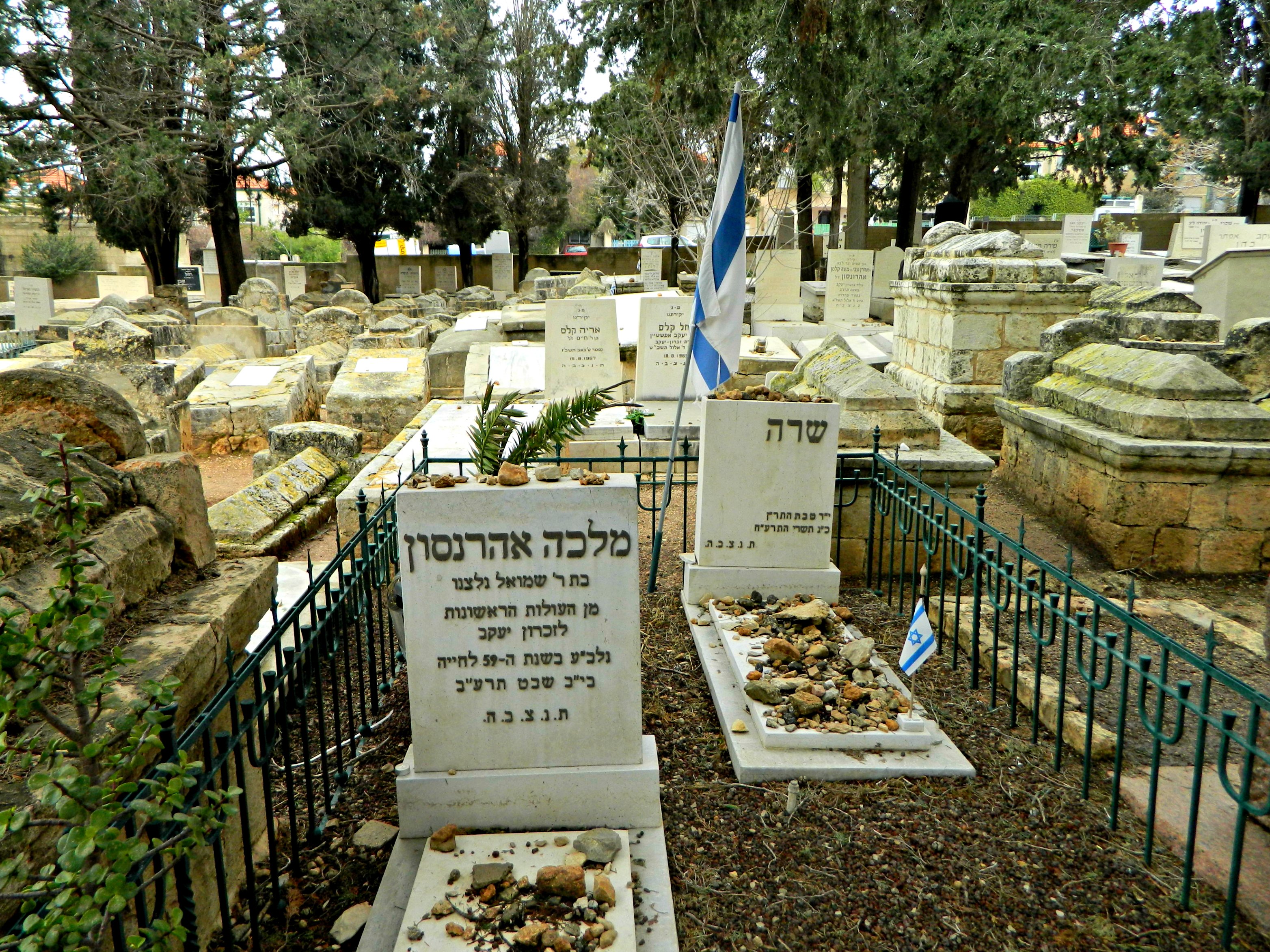
We saw both the secret door-frame compartment (as can be seen above) and the secret trapdoor, delightful old spy tricks. After taking leave of the residence, we continued on down the street until we reached the arched entrance of the original town and Zichron Ya’akov’s cemetery. Entering, we found the old graves of some of the NILI members including Sarah Aaronsohn which is surrounded by a little wrought iron fence.

Graves of Sarah Aaronsohn and mother Malka

Graves of Sarah Aaronsohn and mother Malka

After spending a while at the cemetery, deep in thought, we attempted to visit the Visitor Centre but we found that it was closed. We headed back up the cobbled main street and perused the restaurants along the way. Suddenly my father decided that he’d rather get hummus at the famous Hummus Eliyahu in nearby Yokneam. So, with our minds freshly stuffed with fascinating information and our legs slightly sore from all the walking, we left Zichron Ya’akov the way we came. There is still so much to be seen, so there will definitely be a sequel, but there is only so much that can be done in one day. That’s all for now.

Mizgaga Museum

In Coastal Plain, Israel on February 19, 2015 at 6:00 AM

This past Sunday I had to attend a little meeting at my home base just south of Haifa and then I had the day off. My father drove me down and we planned a series of little trips for the day – but we ended up going places altogether unplanned. Our first stop was the Mizgaga Museum in Kibbutz Nahsholim between Atlit and Caesarea. I had already been to neighbouring Tel Dor but didn’t visit the distinct “glasshouse “museum, despite seeing it, simply because I didn’t know it was a museum. This time I was better prepared.

Mizgaga Museum

Mizgaga Museum

The Mizgaga Museum is located in the old bottle-making factory built by Baron Rothschild in 1891 to supply the fledgling wine business started in nearby Zichron Ya’akov and Rishon L’Tzion. With a handful of Jewish workers, a French glass specialist and Meir Dizengoff (Tel Aviv‘s first mayor) as manager, the factory set out to produce glass bottles made from the sand just metres away at Dor’s beach. Due to several complications, the largest being technical difficulties which was attributed to this particular sand not producing a clear enough glass, the factory was shut down and abandoned in 1895. Baron Rothschild had sunk some 50,000 francs into this factory not only in building costs (which included imported French roof tiles), but also payments to the Ottoman Empire officials and to the local sheikhs of Tantura as well as the hiring of guards and a salary for the boat captain to transport the finished bottles once filled with wine.

Baron Rothschild's investment

Baron Rothschild’s investment

But his money did not go completely to waste. The abandoned factory was fixed up and turned into a museum as it is today, showcasing the history of the factory, glassworks in general and a nice collection of historical artefacts found in the area – both on land and at sea. Parking just outside at a resort, we walked through the small garden to the museum entrance, pausing to examine various stone anchors, a Roman milestone marker and a sarcophagus outside. Once inside, we were led to a video about the museum and about the Baron’s dreams of creating a prosperous land for his Jewish brethren. In that very room is the sole remaining (verified) glass bottle produced by the factory which was found in wastewater not far away.

The only surviving bottle

The only surviving bottle

Due to the theme being glass, a brief history of glass and glassblowing was exhibited – I learned that glass was only mentioned once in the Bible (Job 28:17) due to its rarity and value.

Glassworks exhibit

Glassworks exhibit

As we left the impressive stone vaulted rooms dealing with glass, we entered the realm of history – we started with “Napoleon at Dor”. To briefly summarise the local history, Dor (now Tel Dor) was for a long time a very important coastal city until the need for deeper ports made the city defunct. The nearby port cities of Atlit and Caesarea, with their better natural harbors, became more important and eventually Dor was abandoned. With a rich history of Canaanites, Greeks, Romans, Sidonians and later Crusaders, the ancient city of Dor experienced many centuries of quiet until 1799 when Napoleon made camp there.

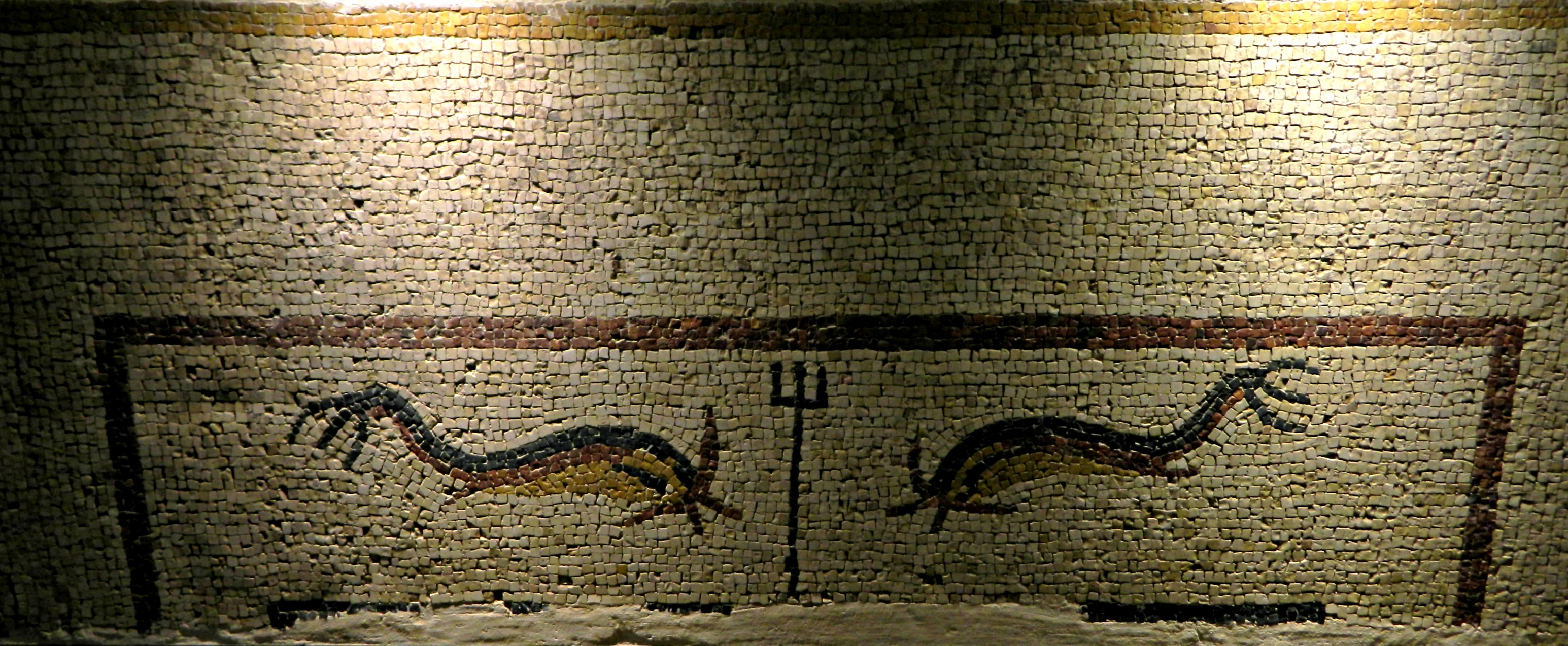
Mustachioed dolphins mosaic

Mustachioed dolphins mosaic

Local Arabs had created a fishing village just south of the ruins of Dor, under the name Tantura (which is believed to be an Arabic corruption of the Greek Dora), and they appeared sympathetic to the French army. Having battled his way up the coast from Egypt and conquering Gaza, Jaffa and Haifa, Napoleon reached failure at Akko after an ineffective siege of the strongly fortified coastal city held by the Turks and resupplied by the British. Fleeing south with his army, Napoleon made his final camp at Dor/Tantura before ditching cannons and muskets into the sea to lighten his army’s load on their final stretch back to Egypt. In the room dedicated to Dor’s Napoleonic period, there is a cannon, a mortar and light weaponry on display.

''Napoleon at Dor''

”Napoleon at Dor”

The cannon was Turkish in origin, captured at Jaffa and the mortar was Spanish, made in Seville in 1793 from Peruvian copper, captured from one of the wars with Spain. The next room we visited was “Christian Dor”, largely focusing on Dor’s Crusader period. Home to the Merle Castle, belonging at first to the noble French De Merle family, Dor was one of many Crusader strongholds along the coast. In the late 1100s, the castle was handed over to the Templar Knights after being briefly captured by Saladin and his army. Although there is no record of it, it’s assumed that the Crusaders evacuated Merle around the same time they evacuated Atlit, the last Frankish capital in the Holy Land. While Merle Castle has been reduced to a few broken stones, many artefacts from the Christian periods have been found including part of an ivory sceptre once belonging to a bishop, knights’ swords and more.

Cheery Crusader artwork

Cheery Crusader artwork

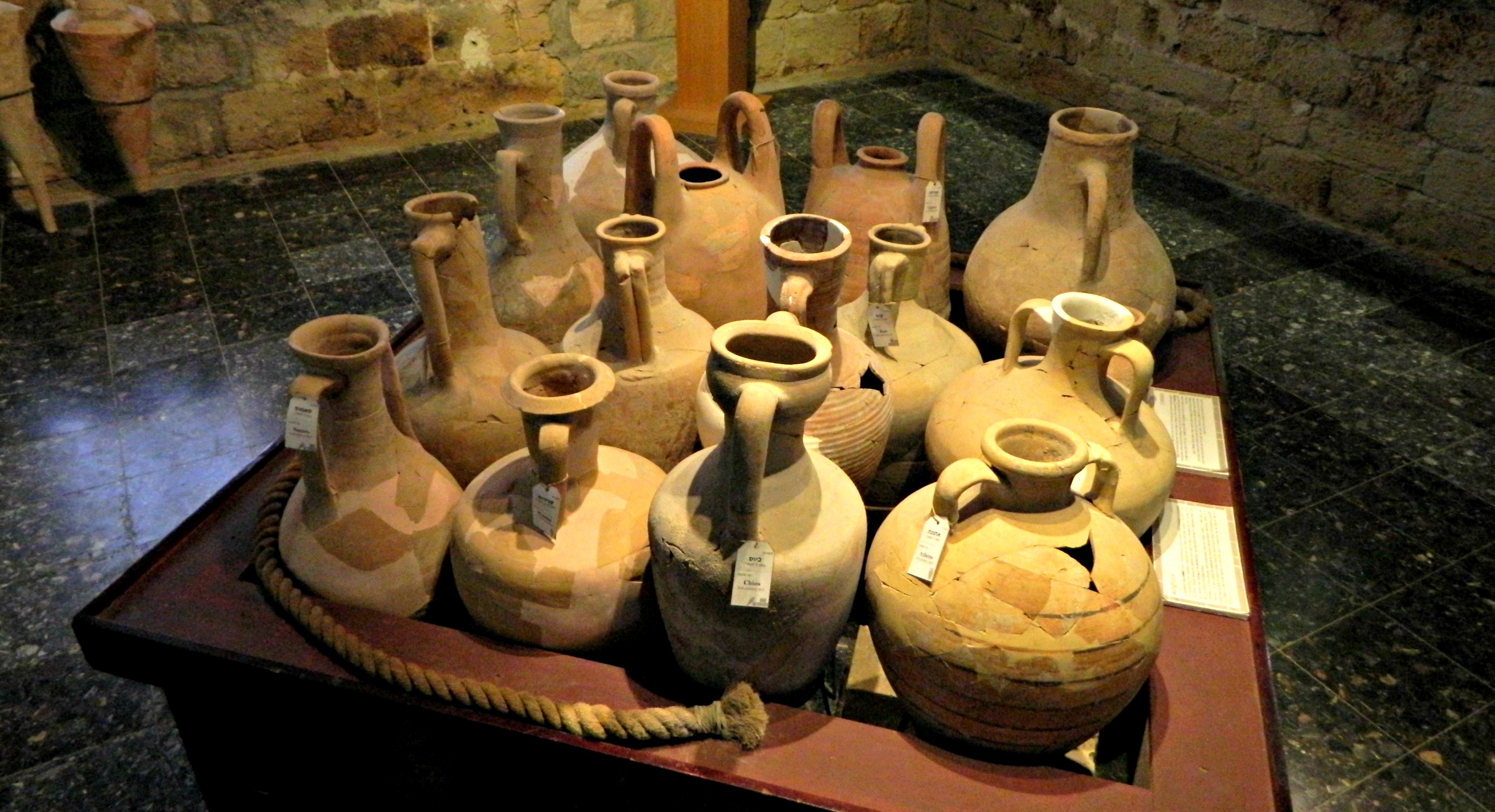
The next room was about underwater excavations and salvages, showcasing a dive operation in 1982 of a Byzantine shipwreck. With a video of underwater footage and some of the finds displayed in the room, it made this field of expertise quite fun looking. Being that this wooden ship was a mere 3.5 metres offshore and at only 2.5 metres deep, I wonder how many more similar shipwrecks there are to be found. I just saw in the news that the largest hoard of gold coins discovered in Israel was just found underwater near Caesarea – sign me up! Continuing on with the museum exhibitions, we came upon a room of excavated artefacts including a collection of clay vessels from a variety of locations: Chios, Athens, Kos, Cyprus and more.

Collection of Mediterranean pottery

Collection of Mediterranean pottery

What we saw next came to me as a bit of a surprise… a room dedicated to the famous Biblical colour of “techelet” – a specific shade of blue. Although there are Jews nowadays who wear “techelet” in their “tzitzit”, the secret production process was lost generations ago and the ancient colouring disappeared from the world markets.

Tzitzit and techelet

Tzitzit and techelet

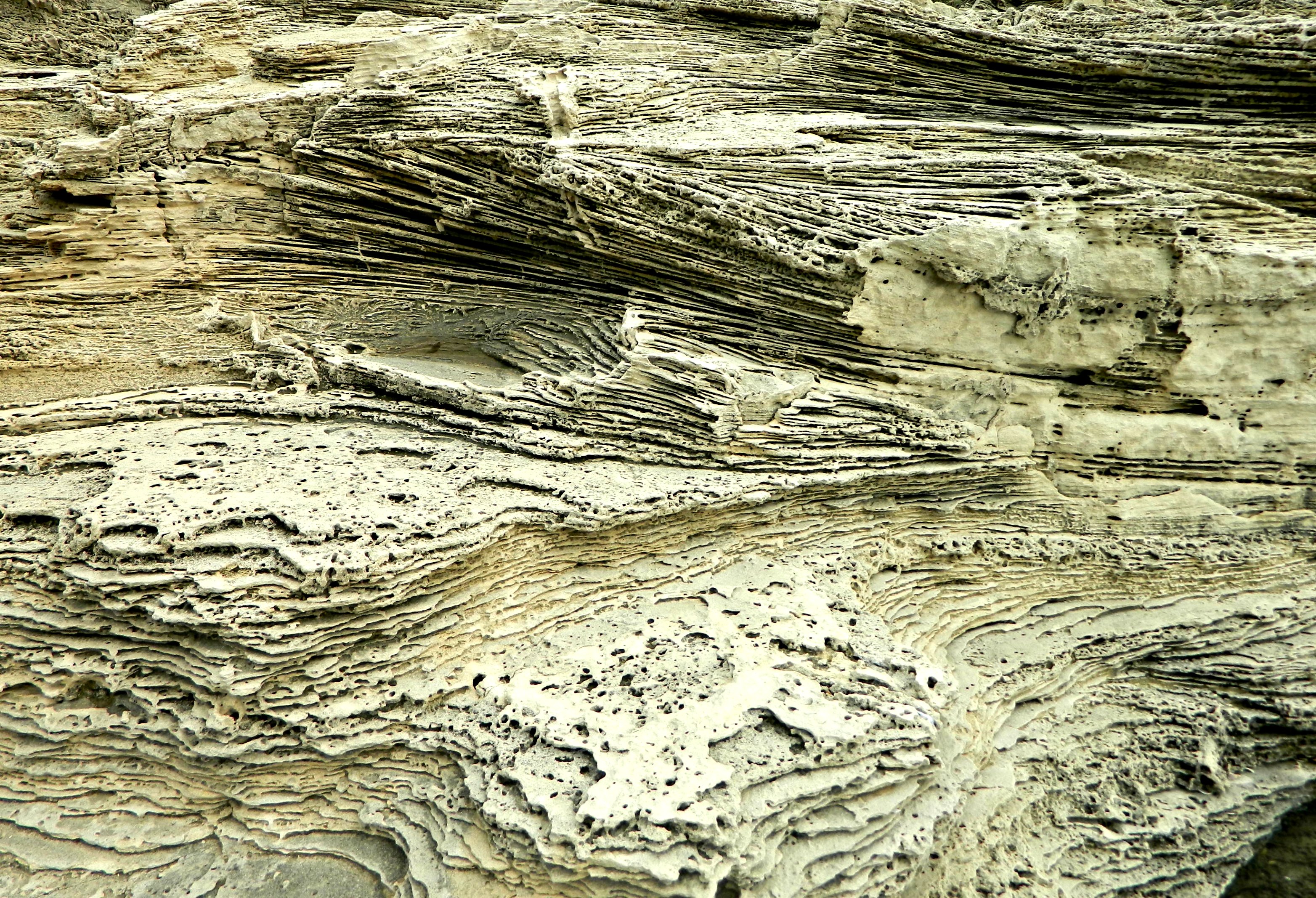
Today it is generally agreed upon that the colour comes from the Murex trunculus snail, which produces a clear secretion with the addition of oxygen turns purple-red which can then be turned blue with sun exposure. I’ve also read that wool that has been treated with an alkaline substance can be dyed blue with the chemical bonding of the snail secretion and additional oxygenation. I’m sure that the workshops held there at the museum can shed further light on this most interesting topic, especially as the sea snail can be found just offshore. Heading out of the museum, we took a minute to peer up at the expansive factory’s untouched upper floor where the furnaces for glass-making were held. Just behind the building is an ancient burial cave, and, after seeing it, my father suggested we head over to the beach. With overcast weather nearly identical to the day I first visited Tel Dor, I was disappointed from a photographic aspect. We walked along low tide’s lapping waves, looking down at the shells and sea glass that had washed ashore. We climbed up on a rough outcropping and marveled at the unique physical makeup of the reef-like rock.

Intricate coastal stone

Intricate coastal stone

We looked around at the small fishing boats and the small islands, which are actually a protected “park” area, and then noticed an old arched structure further along the beach heading south.

Fishing boat off the coast

Fishing boat off the coast

What we found was the remains of the Arab khan (caravanserai) for travelers built several hundred years ago. With that we headed back to the car, leaving behind the modern Dor and Nahsholim with their Greek and Turkish Jewish immigrants and their industries of banana, avocado, cotton and fish farming. We were headed for Zichron Ya’akov, founded by the very same Baron Rothschild who built the Mizgaga.

Waterfalls of Nachal Iyun

In Galilee, Israel on January 25, 2015 at 4:40 AM

Last week my sister and I took a day trip to the tip of the Upper Galilee, to the nature reserve of Nachal Iyun. One of the streams to feed into the famed Jordan River, Nachal Iyun emanates from springs in the Marjaayoun Valley in Lebanon, just north of the town of Metula. The Lebanese town and valley Marjaayoun means “meadow of springs” in Arabic, making Nachal Iyun meaning “stream of springs” and so it is. The Israeli part of the stream, and its series of waterfalls, curls around Metula bordered by the Israel-Lebanon border (the “Blue Line”) before petering out near Kiryat Shmona.

Anemone with bee

Anemone with bee

On our drive up we passed by a sizable collection of police, military and firefighting crews who had blocked off the opposing side of Road 90. Later I learned that there were terrorists spotted in Lebanon trying to place mines along the border. Just another day in Israel… But that didn’t stop up from enjoying some homemade herb biscuits with butter and cheese en route. We found the park, parked and began our hike of the nature reserve.

The view to the Naftali Mountains

The view to the Naftali Mountains

But what’s a nature hike without a sprinkling of regional history? The area of Iyun, and even the stream itself, are mentioned several times in the Bible and subsequent books by the Sages. First, the retelling of scuffles between the divided Jewish kingdoms of Israel and Judah. King Asa of Judah, great-grandson of King Solomon, gave Iyun (as well as Dan and other Naftali cities) to King Ben Hadad of Aram Damascus as a bribe to turn the Aramaeans against the Kingdom of Israel under King Baasha. Later, it’s mentioned as the border of Galilee in regards to religious commandments applicable only to the Holy Land. In more modern times, the bridge over the stream connecting Israel and Lebanon was blown up by the Palmach, one of eleven bridges targeted in the “Night of the Bridges” operation. These days there remains a threat from the Hezbollah terrorists who have control over southern Lebanon; in 2005 they diverted the stream within Lebanon and today water is supplemented from the neighbouring Snir Stream.

Looking up through the chimney of HaTanur Waterfall

Looking up through the chimney of HaTanur Waterfall

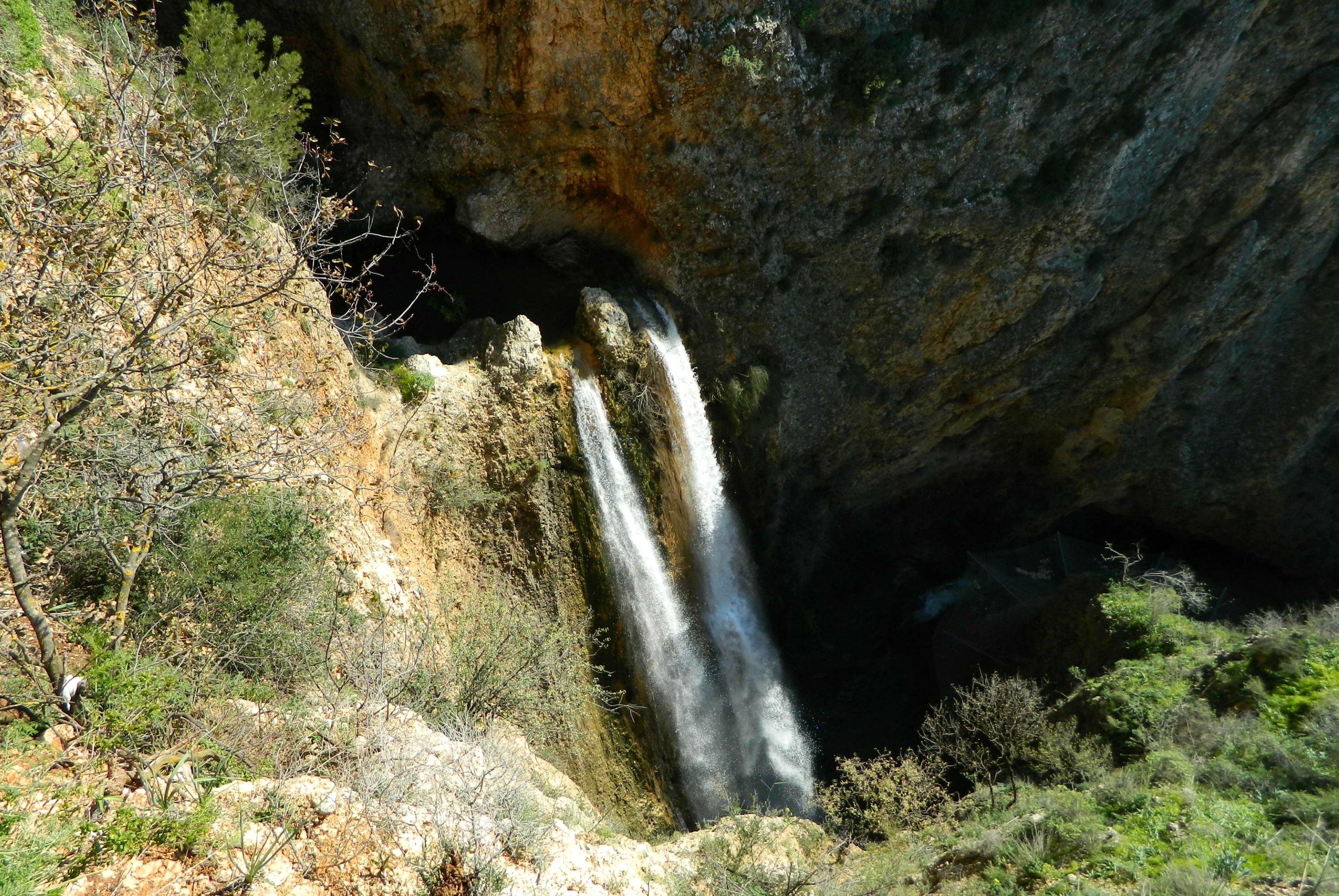
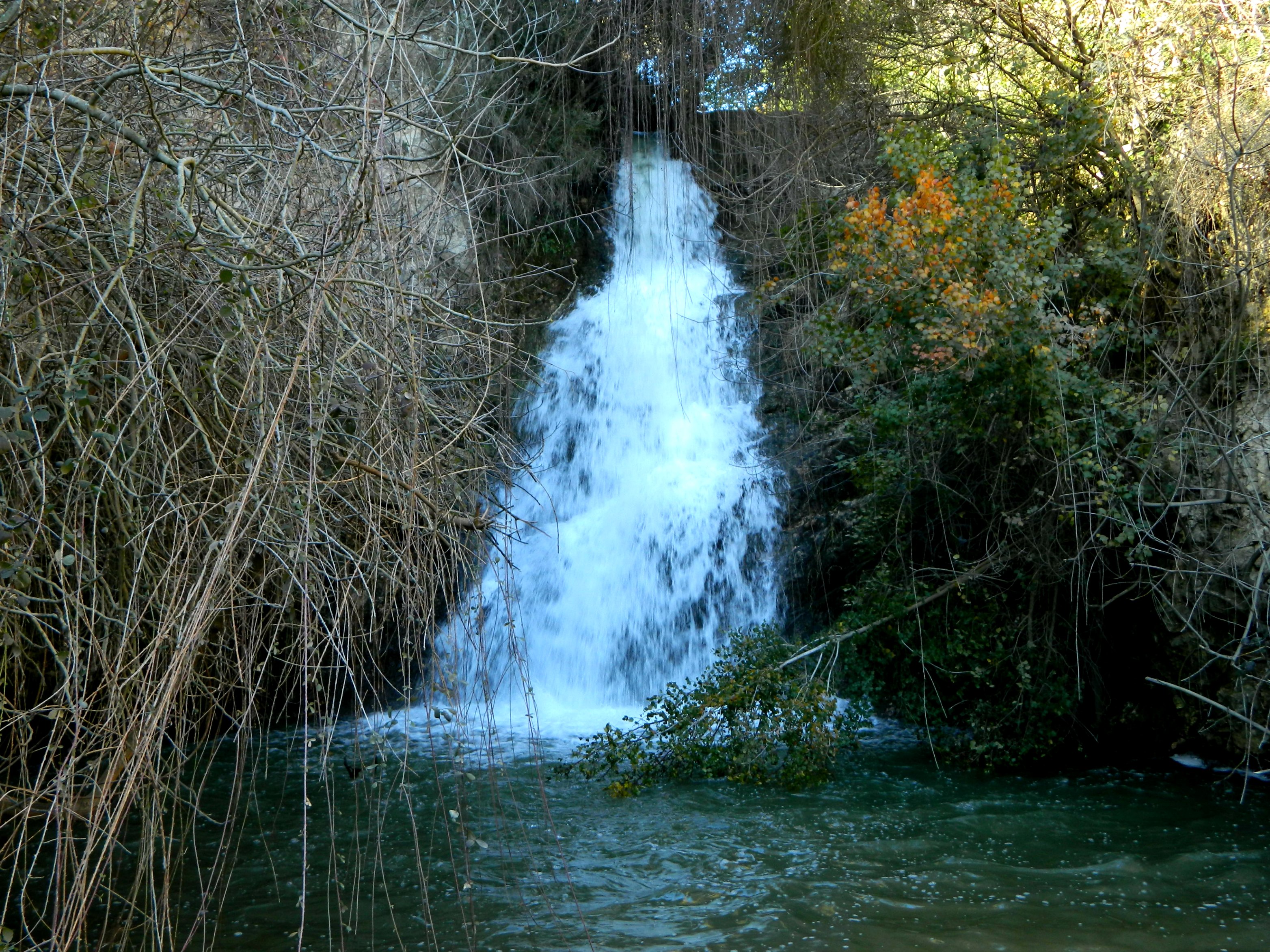
After a short walk we reached the first of the four waterfalls: HaTanur Waterfall. A towering 30 metre (~100 foot) waterfall crashing into the soft limestone, the name HaTanur has three possible origins: a long Arab skirt, an chimney oven and a fast flowing current. We stood at the base and enjoyed the mist and the cold air, although it tended to make photography difficult.

It's me!

It’s me!

Taking the winding trail-steps up the side of the gorge far above the falls, we passed by Metula’s cemetery with some gravestones from the late 1800’s. Reaching HaTanur Waterfall Lookout, we walked onto a platform jutting out over the edge of the slope to see the falls below.

HaTanur Waterfall from above

HaTanur Waterfall from above

We continued on along the rim of the gorge until we reached very unusual steps leading down to the second waterfall: Cascade Falls. This two-stepped waterfall is on a much smaller scale, 9.5 and 5 metres (31 and 16.5 feet), with a bit of an unimpressive vantage point. In the winter months some 0.3-1.5 cubic millimetres of water flow through the stream each second but we visited not long after a pretty big storm so I’d imagine we were seeing a bit more. Just a few hundred metres further on the trail of the two-kilometre gorge we reached the beautiful Mill Falls, the third waterfall.

Mill Falls

Mill Falls

An impressive 21 metres (69 feet) tall, Mill Falls is named after the remains of an old mill of which a tall wall and an uncovered arched structure can be still seen, built against the rock wall. I haven’t found any information about this mill which is a bit strange. Walking up the trail-steps to the Mill Lookout we watched water from the adjacent Ein Sucra spring trickle down a trough parallel to the trail. With the noise of the crashing water slowly fading behind us, we climbed in elevation once again heading for the final waterfall. At one point fairly close to the border we spotted a Lebanese shepherd and his goats grazing on the far ridge. We discussed whether or not he might be a Hezbollah spy – a pretty realistic assumption. Last time I encountered a Lebanese herd was when I was up in the Gladiola Outpost at the top of nearby Mount Dov and a wayward Lebanese herd found its way into the outpost and panicked when they tried to get back out. Two goats fell down a small cliff and some got cut up on the razor wire – it was quite a mess. You can see a picture of it HERE.

Lebanese shepherd with his goats

Lebanese shepherd with his goats

Shortly thereafter we entered a different park of the reserve, the Founders Grove with its tall trees and bubbling brook atmosphere. We spotted European robins flitting in the bushes and turtles basking in the sunlight. We then came to the end of the trail and the fourth waterfall: Iyun Waterfall.

Iyun Waterfall

Iyun Waterfall

Although it doesn’t quite look it in the above photo, this waterfall is 9.2 metres (30 feet) tall and the water up top was used by the British in the 1940’s. With that we turned around to hike back to the car (there is no long circular path). Being as though we were now facing the opposite way this time, we saw things at a different angle. It was only on the way back that I noticed the Dove Cave between the Cascade Falls and HaTanur Waterfall. In addition, we spotted deep wild boar tracks in the mud. But best of all, the magnificent view – this is looking at HaTanur Waterfall Lookout with the Gafni Lookout below:

Looking out at the lookout

Looking out at the lookout

Finished with the hike we got into the car and stopped off at Rosh Pina for some super-thin authentic Sicilian pizza before driving home.

Joseph’s Pit

In Israel, Samaria on January 11, 2015 at 4:30 AM

After visiting the ancient capital city of Sebastia (also known as Shomron, or Samaria), we drove north headed towards Jenin in our armoured convoy. I was participating in an educational and recreational day out for sergeant commanders of Kfir’s “Netzach Yehuda” Battalion and we were headed for the second stop of the day, Joseph’s Pit. But along the way we had a bit of excitement – entering one Palestinian village we were attacked by handfuls of Arab youth throwing huge rocks, molotov cocktails, fireworks and even small explosive charges. It was a very intense experience and kind of thrilling, mostly because I was driving a large armoured truck weighing approximately 13,000 kgs (28,660 lbs) with bulletproof windows and all. In this picture that a soldier from the command jeep in front of me took, you can see a large rock hitting the metal grate at my front windshield during the onslaught:

Driving the Safaron through a Palestinian village

Driving the Safaron through a Palestinian village

I have uploaded footage from this experience, filmed by the lieutenant in the passenger seat, onto YouTube. It’s no high-definition GoPro video but here it is: http://youtu.be/BFvL0v4XDtE (at 00:09 you can hear the explosion of the TNT charge that was thrown at my right rear tire area). After the excitement in the village we continued north on Road 60 until we came to the turn-off for Tel Dotan and Joseph’s Pit, just past the village of Araba. Driving on the incredibly bumpy dirt road, we approached the hill that is Tel Dotan.

Tel Dotan

Tel Dotan

Unfortunately, we were slightly pressed for time and weren’t able to fully visit the site. So we started with Joseph’s Pit – or shall I say, one of three possible pits – directly beside the dirt road.

Deep inside the first pit

Deep inside the first pit

To review the Biblical story, Jacob and his family had moved to the Holy Land and continued in their shepherding lifestyle. Joseph was sent by Jacob to locate his brothers who had gone out grazing from Hevron to Shechem; he found them at Dotan some twenty kilometres north of Shechem. It was there that they cast him into a pit and then sold him to Ishmaelite traders who took Joseph down to Egypt where he eventually rose in power to become a viceroy. Now, I have heard but cannot verify that there were two pits in the story and that one was filled with snakes and scorpions – the pit that Joseph spent the night in. So here and now there are three pits to choose from, although it’s possible that these aren’t the pits in question at all.

The second pit

The second pit

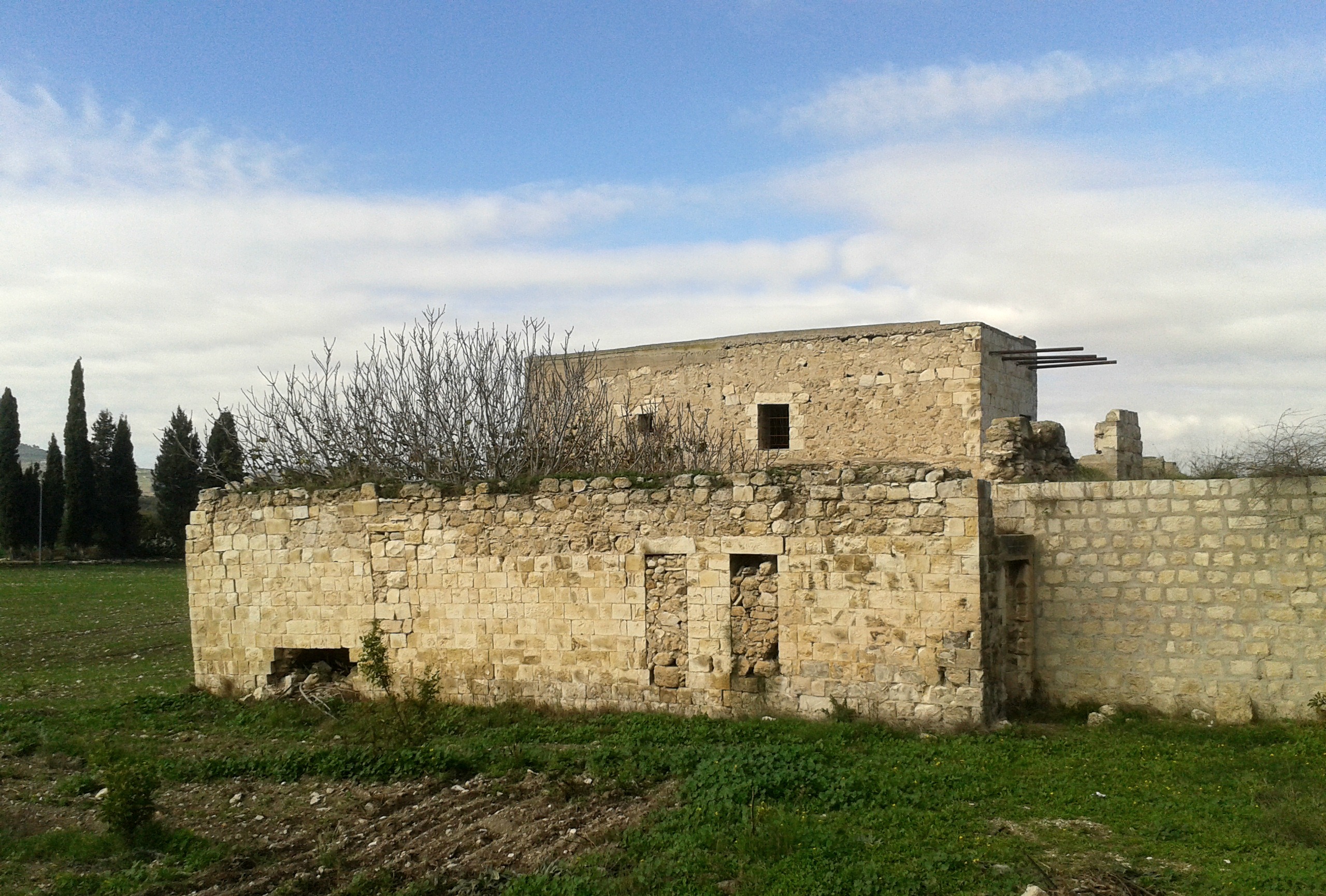
We had all gathered around these two pits and it was announced that we were waiting for the battalion commander to swing by with his command jeep to give a few words. Seizing this opportunity, as I’m not really involved in their command pyramid, I decided to go check out the third pit alone. Located inside an old stone house of sorts, the third pit is a the furthest from the dirt road, not far from the base of the tel.

The house containing the third pit

The house containing the third pit

I entered the old structure, seeing traditional vaulted rooms, arched doorways and the lone stone staircase built on strong arches. I wonder about the site’s history, but haven’t found anything online about it, especially because according to the Muslims (and agreed upon by the Crusaders), the site of Joseph’s Pit is in the Galilee next to Kibbutz Amiad just a few kilometres north of the Kinneret (Sea of Galilee). The Muslim version is known as Jubb Yussef and a small kahn was built at the site somewhere between the 1200’s and the 1500’s to host pilgrims and passing travelers.

Inside the house

Inside the house

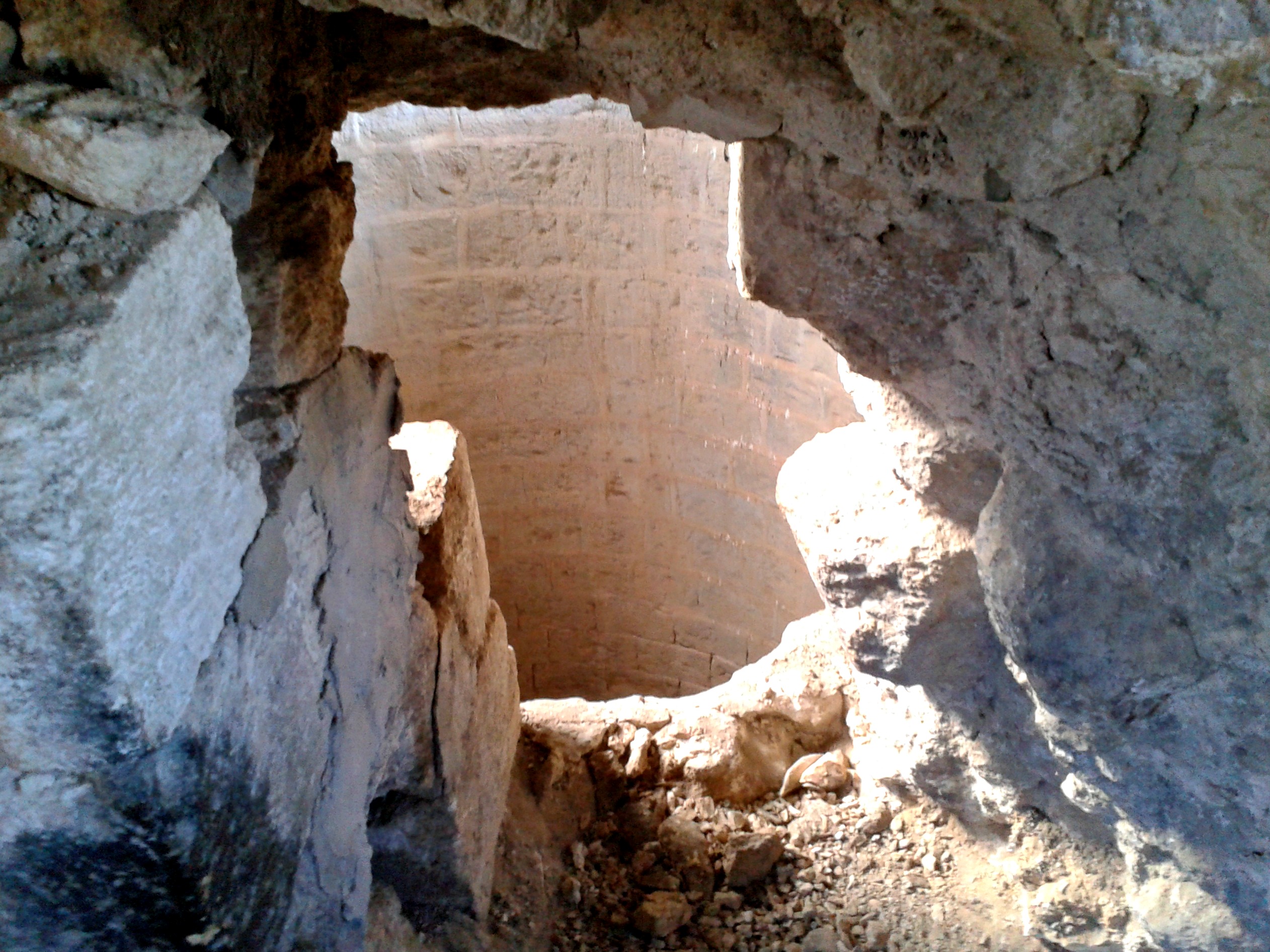
Inside the rooms, there were also more modern machinery – what looked like a pump of sorts; an assortment of pipes and a motor. I looked around for the pit, treading carefully, and then spotted light streaming in from a breach in the wall. Peering into the light, I looked down to see the third pit.

Peering into the third pit

Peering into the third pit

To recap, one of these pits are believed to have taken part in the famous Biblical story although it’s not certain to be any of them. After my look around I headed back to the group and we said goodbye to Jabo our tour guide as he got into the battalion commander’s jeep and headed out. We boarded and departed from the site in our convoy formation, heading back to the outpost of Mevo Dotan – a Jewish town built and named after the ancient region of Dotan – for a continuation of the day’s events. Hopefully one day I’ll have the opportunity to visit Tel Dotan, but as it is located in Palestinian controlled land, only time will tell.

Sebastia

In Israel, Samaria on January 4, 2015 at 5:49 AM

Two weeks ago I found myself in Netanya’s Central Bus Station and had a while to wait for my bus to Outpost 105, bordering Tul Karm, where I was to drive a Safaron. Not familiar with Netanya in the slightest, I glanced at a map and saw that some archaeological ruins were in walking distance. Trudging along, with my heavy backpack and gun, I walked over to what was labeled as “Umm Khalid”, passing an ancient sycamore tree (estimated to be around 1,000 years old). The ruins I came upon is the Crusader Castle of Roger the Lombard, located on top of a little hill looking out over the surrounding cityscape.

Ruins in Netanya

Castle of Roger the Lombard in Netanya

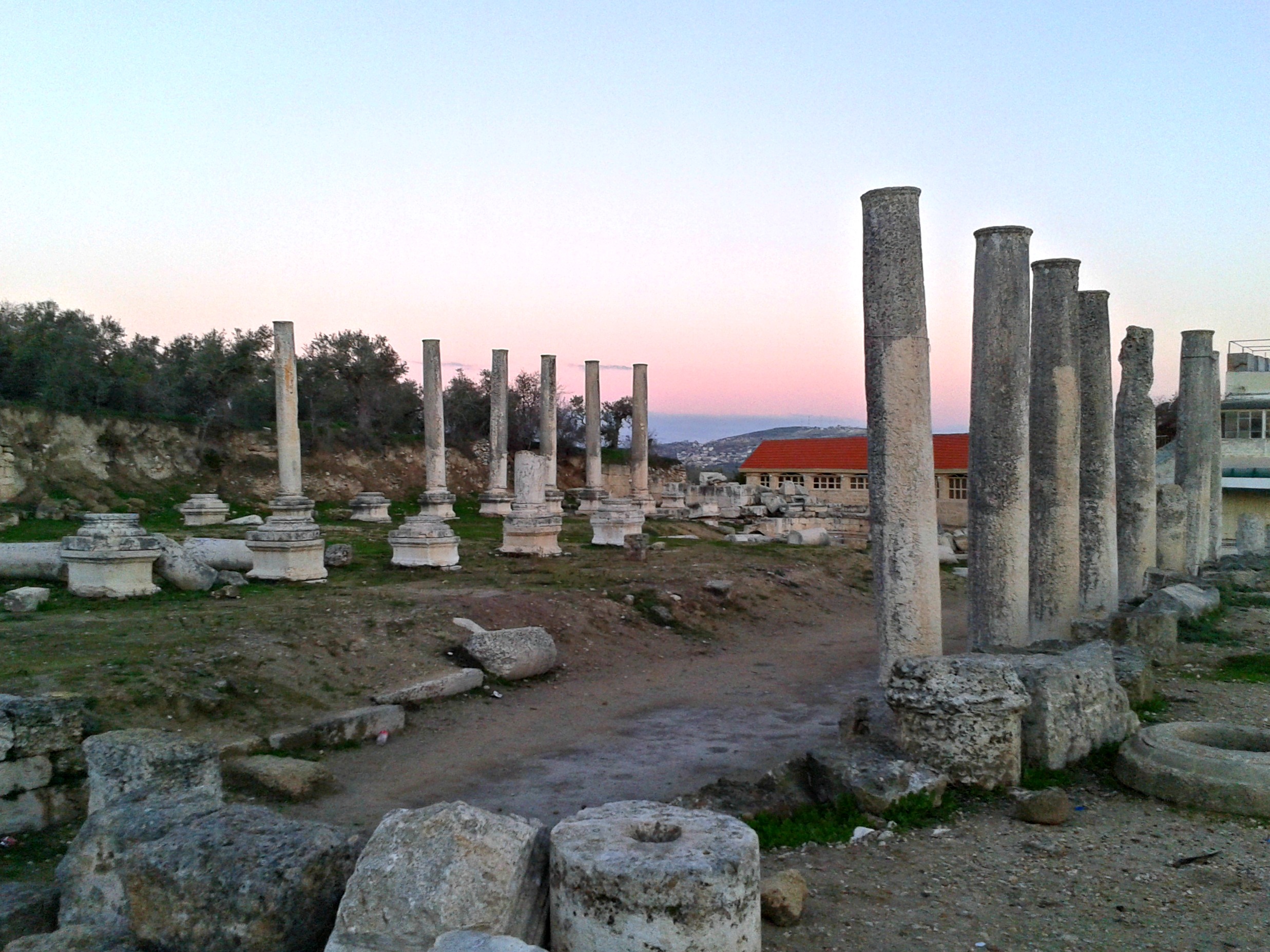
Catching the bus, I made it to Outpost 105 and began driving the Safaron with Kfir’s “Netzach Yehuda” Battalion (and later, Artillery’s “Sky Rider” Unit – which operates surveillance drones). Several days later I participated in an early morning educational and recreational drive with the battalion’s sergeant commanders in the Palestinian area southwest of Jenin. It was early morning when our armoured convoy reached our first destination, the ancient ruins of Sebastia, approaching from the Roman Colonnade with its remains of some 600 monolithic columns flanking us. A soldier in the command jeep in front of my Safaron took this photo and sent it to me:

Safaron driving past the pillars of Sebastia

My Safaron driving past the Roman Colonnade of Sebastia

Also known as the city of Shomron, or Samaria, the ruins are from an array of eras starting with the Kingdom of Israel some 2,900 years ago. Located just a few miles away from Shechem (Nablus), King Omri moved his capital from Tirzah (in the mountains of the Jordan River Valley) to a safer area inland, property which he purchased from a man named Shemer (the origins of the name Shomron). When we parked at the graveled expanse beside the Roman Forum and Basilica, we were introduced to our mustachioed tour guide Jabo and then we began morning prayers. After breakfast we all gathered around Jabo as he gave us an introduction of the site and opened up a Bible to read us passages about ancient Shomron.

Jabo reading ancient texts

Jabo reading ancient texts

We started with the Roman ruins directly before our eyes, noting the Forum, the Basilica and the Tribunal where court cases were held. Unfortunately, although Sebastia is an official national park, the land is mostly controlled by the Palestinians and thus maintenance is at a minimum – resulting in a ridiculous amount of litter including countless Alfa Cola bottles. Additionally, Israeli (and Jewish) visitors can only safely visit by making arrangements which are coordinated with the army, who accompany the scheduled tour. Thankfully, we are the army so we had no issues with scheduling visits, we just drove up.

Roman Basilica

Roman Basilica

To the southern end of the pillared area Jabo pointed out the excavated wall and gate from the original Kingdom of Israel. Stopping abruptly, Jabo called out greeting to an older Arab man opening up his shop. Their Arabic exchange was short and we continued on, passing over partially uncovered length of metal which Jabo explained was part of the old Hedjaz Railway (in fact, the local station is just down the hill). We walked along a bend in the short trail, taking in the views of the Samarian countryside.

Refreshing views

Refreshing views

We regrouped at the Byzantine Church built some 1,600 years ago and then restored in the Crusader era and dedicated to John the Baptist following his beheading. In the main room there is an underground crypt where relics were once stored. A much larger church built by the Crusaders at John the Baptist’s grave, located in the bordering village of Sebaste, was eventually partially destroyed and turned into a mosque.

Byzantine church's southern narthex

Byzantine church’s southern narthex

Passing three semi-recent Christian graves, we reached the excavated ruins of the ancient palaces of the Israelite Kings Omri and Ahab. Seeing the mass of uncovered stone walls reminded me at once of Tel Dan, with its rich Canaanite and Israelite Kingdom history. Archaeologists found scores of ceramic pieces with ancient Hebrew writing on them, Phoenician ivory and other important artefacts which help tell the tale of the palace that once was.

Ruins of the Israelite palace

Ruins of the Israelite palace

We climbed the mound in the above picture’s background and looked down on the Temple of Augustus built by Herod in honour of the Roman Emperor Augustus. The Emperor, born Gaius Octavius, was the heir to Julius Caesar and was referred to as Augustus/Sebastos (Latin/Greek for the Roman imperial title meaning “majestic”, respectively). So, during the Roman era the name “Shomron” was changed to “Sebastia” in honour of the Roman Emperor. The temple was a grand building with a huge staircase and immense columns and statues, but it wasn’t enough so Herod built another temple at Banias and another at Caesarea.

Roman Temple of Augustus

Roman Temple of Augustus

Atop the mound we scoured the horizons as Jabo pointed out innumerable interesting features and sites. One that struck me as fascinating was the placement of the surrounding Arab villages. They are all at the same altitude, roughly, having been built partially up the hill. Jabo explained that this was due to the underground water tables and their placement, something I didn’t fully understand. However, just southeast of Sebastia there is a little village called al-Nakura which bears a strange similarity to Israel’s Rosh HaNikra with its soft white rock and grottos. This al-Nakura is home to an 85-metre (280-foot) deep tunnel which was dug by Herod to provide water for Sebastia, as the city had no fresh water source of its own. Also, there is a house visible on a hill to the east which was built by a Crusader named Stephan. Fascinating stuff, I say! Continuing on, we came across the mess of Israelite fortress walls and a Hellenistic tower, built in Macedonian fashion.

Fortress walls and Hellenistic tower

Fortress walls and Hellenistic tower

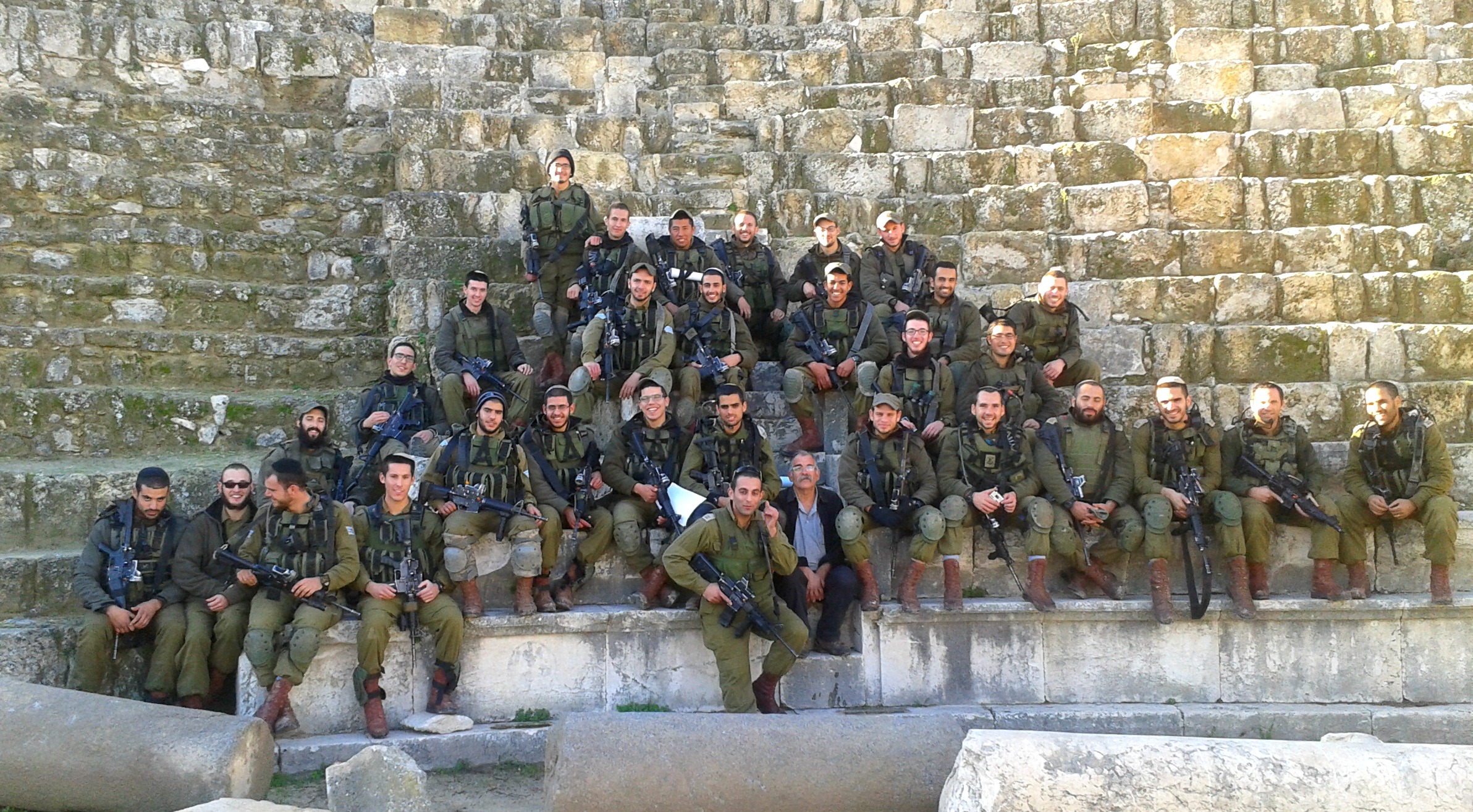
Below these walls, and slightly northwest, is the Roman theatre built some 1,800 years ago comprised of 24 rows and has an external circumference of 65-metres (215-feet). The sergeant commanders and their officers posed with Jabo as I took their photo seated in the theatre:

Commanders from

Commanders from “Netzach Yehuda” Battalion

We hurried back to the armoured vehicles and took off in a convoy to our next destination, Joseph’s Pit, but there were complications along the way…

Gush Katif Museum

In Israel, Jerusalem on December 21, 2014 at 4:34 AM

The day following my trip to the Weizmann Institute of Science, the opportunity to visit Jerusalem arrived. I had a morning army meeting to attend and, upon completion, headed for Machane Yehuda shuk (bazaar) in search for craft beers unavailable where I live up north. Dodging the scattered rainshowers, I successfully procured some fine stouts and meandered through the bustling shuk until reaching the light rail. Glancing at the station map, I noticed that there was a museum just around the corner – the Gush Katif Museum.

Gush Katif Museum

Gush Katif Museum

Having moved to Israel in 2009, I missed the dark chapter that gripped the nation just four years earlier. I’m referring to the Israeli disengagement of the Gaza Strip in August 2005, the disbandment of Jewish towns and their inhabitants who called Gaza their home. Gush Katif is the Hebrew name for the area in the southern part of Gaza where Jews have been living on and off since Biblical times. The first recorded mentioning of Jews in the Gaza area was about Abraham settling in the Nachal Grar area (I have previously written about this in the Be’eri Forest post). Another notable Biblical period was the time of King Solomon, when he ruled “…from Tifsach to Gaza”. And then, during the times of the Romans and Byzantines, when Israel’s largest excavated synagogue was built.
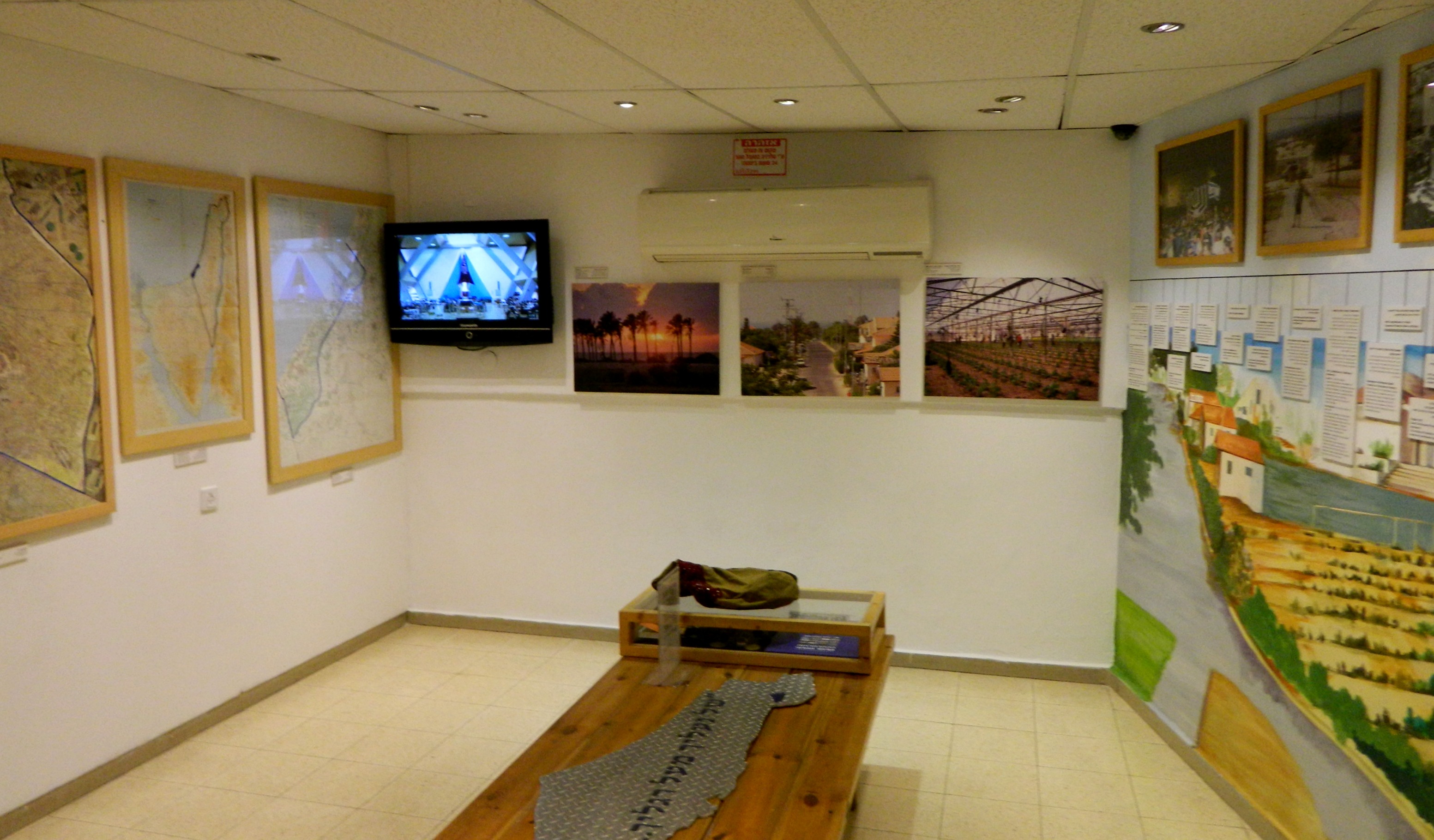
Inside the museum

Inside the museum

Fast-forward to relatively modern times and the Jews were expelled from their homes by the British following Arab rioting in 1929. It wasn’t until 1968 that Jews returned en masse and began to repopulate the area, eventually establishing 21 towns and creating a booming agricultural industry. At its peak, Gush Katif was exporting some $60 million of produce annually. Crops included lettuce, tomatoes, oranges, peanuts and potatoes, stemming from Gush Katif’s technologically advanced greenhouses. Quoting Wikipedia, “Economic consultants estimated that the closures [of the greenhouses] cost the whole agricultural sector in Gaza $450,000 a day in lost revenue.”

The Jewish towns in blue...

The Jewish towns in blue…

Once the Second Intifada began, the security situation became a bit dire, and the Jewish settlements of Gush Katif received 6,000 mortar and rocket attacks, resulting in tremendous property and psychological damage. Despite the heavy resistance (more than 60% of the general population opposed), the Sharon Administration decided to disengage from Gaza. What ensued was a period of hardship for the Israeli nation. The counter-movement to the disengagement was “The Orange Struggle” – orange representing Gush Katif. Tens of thousands of protestors – civilians, policemen, soldiers – all stood in solidarity against the disengagement, even creating a “Human Chain Demonstration” with 130,000 people stretching 100 kilometres.
Stickers and posters of the Orange Struggle

Stickers and posters of the Orange Struggle

Alas, on August 15, 2005, the forced evacuation began, and it continued throughout the towns, one by one, until the 18th, when the last town was cleared. Without getting into great detail, the evacuation had some hiccups but eventually the newly homeless Israelis were moved into temporary living places such as converted shipping containers. I once spent Shabbat in a town between Ashdod and Ashkelon called Nitzan which has a large population of Gush Katif refugees living in mobile homes. To this day, nearly ten years after the eviction, there are families still living in sub-standard housing.

A photo from Efrat Marks' "Mechila" exhibit

A photo from Efrat Marks’ “Mechila” exhibit

The Gush Katif Museum is both a memorial to what once was and a recognition of the ongoing movement in support of Jewish living not only in Gaza but in Judea and Samaria as well. Historical objects, photos and books help relay the message, one that I knew so little about. The short film about Gush Katif’s modern heyday and the tragic disengagement really brings the harsh reality to mind, but when I watched it I found myself distracted by a familiar face. I think an Armoured Corps NCO that I met during Operation Protective Edge was captured on video at a mournful synagogue scene, I’d like to ask him if I ever see him again. What a small world…