Israel's Good Name

Archive for the ‘Israel’ Category

Berry Picking in the Shomron

In Israel, Samaria on November 22, 2023 at 1:27 PM

Back in late June, which now feels like eons ago, we had another family outing. For the past year or two, Bracha had been yearning to go fruit picking but for one reason or another, it just hadn’t come to fruition. That was the case until June, when she had seen recommendations of a berry picking place called Bikurei Shiloh, located next to Shiloh in the Shomron (Samaria).

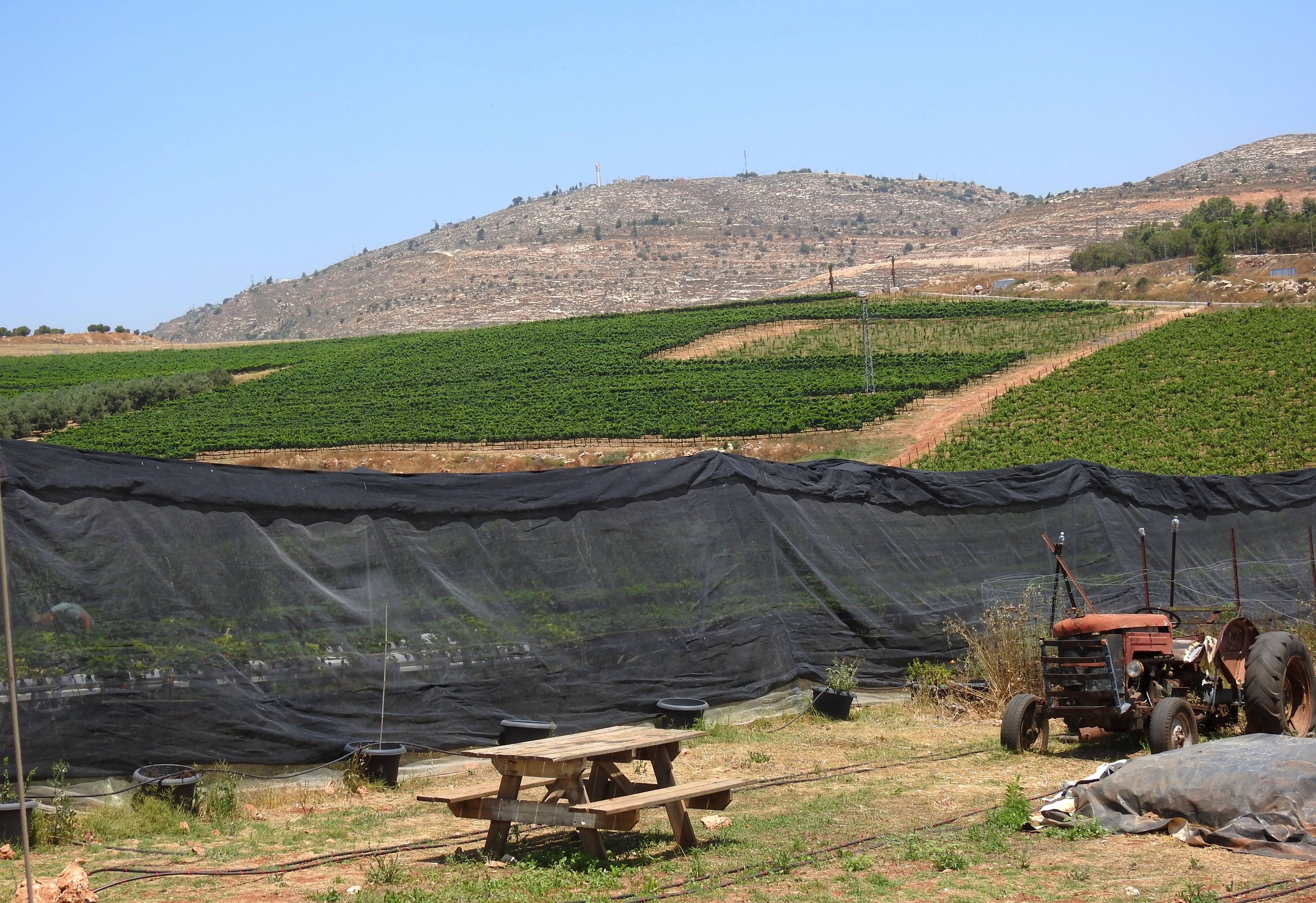
Bikurei Shiloh backdropped by grapevines

Bikurei Shiloh backdropped by grapevines

Tragically, just two days before our scheduled trip, four Israelis were killed in a terror attack just 3.5 kilometres up the road outside of Eli. It was uncomfortable to push through with our plans, but we were as determined as ever not to let terrorism alter our lives (a recurring theme in Israel, sadly). As we drove by the site of the attack, we saw a small grouping of people and what seemed to be a makeshift memorial surrounded by waving flags.

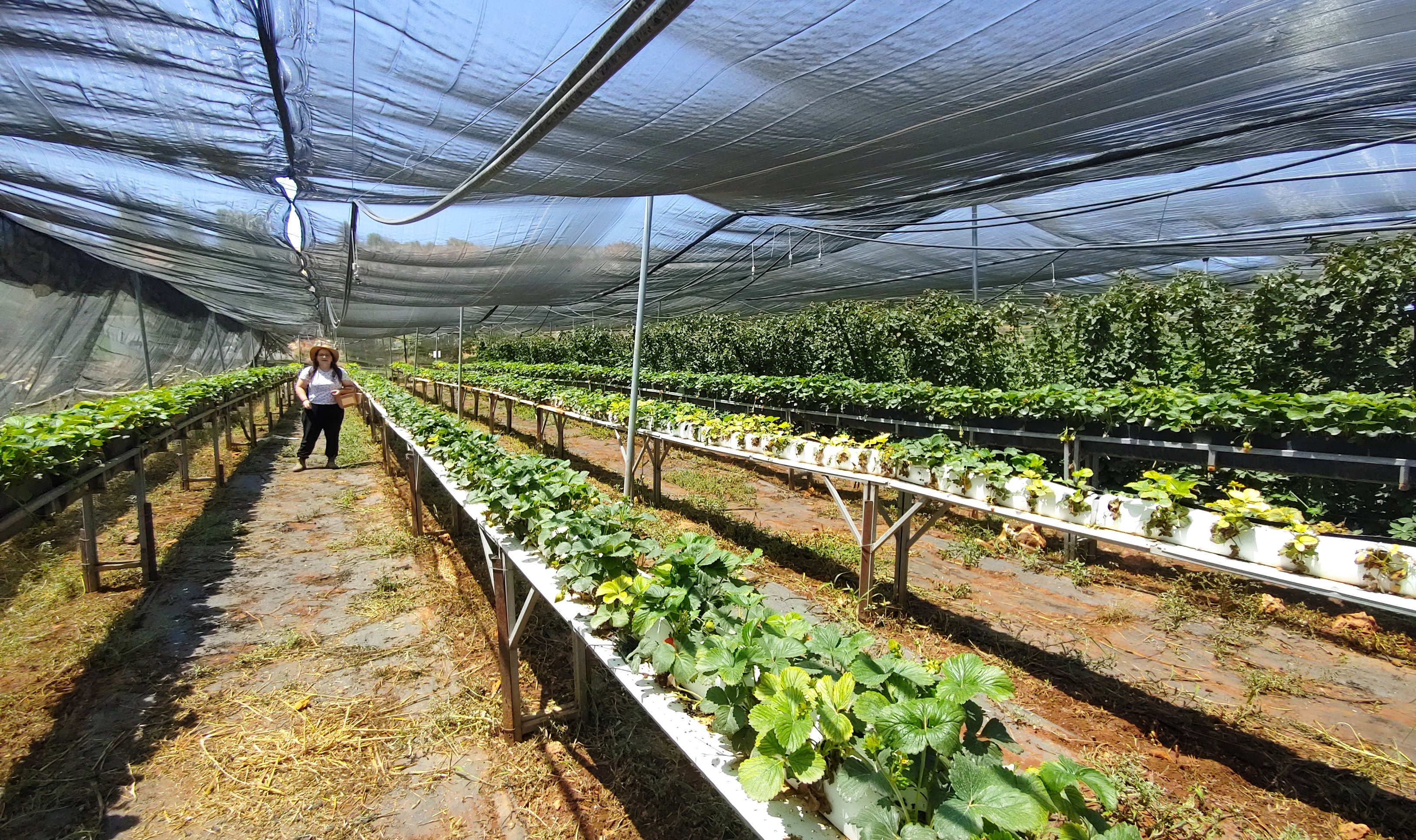
Rows and rows of berry plants

Rows and rows of berry plants

It was already late in the morning when we pulled into the parking lot, the U-pick site nestled between ancient Shiloh and Nachal Shiloh, both of which I had visited back in September 2017. We entered, receiving small baskets and instructions, and then made our way to pick some berries. Our options for the day were strawberries, raspberries and blueberries – the plants located in long netted rows, protecting them from the elements and pests.

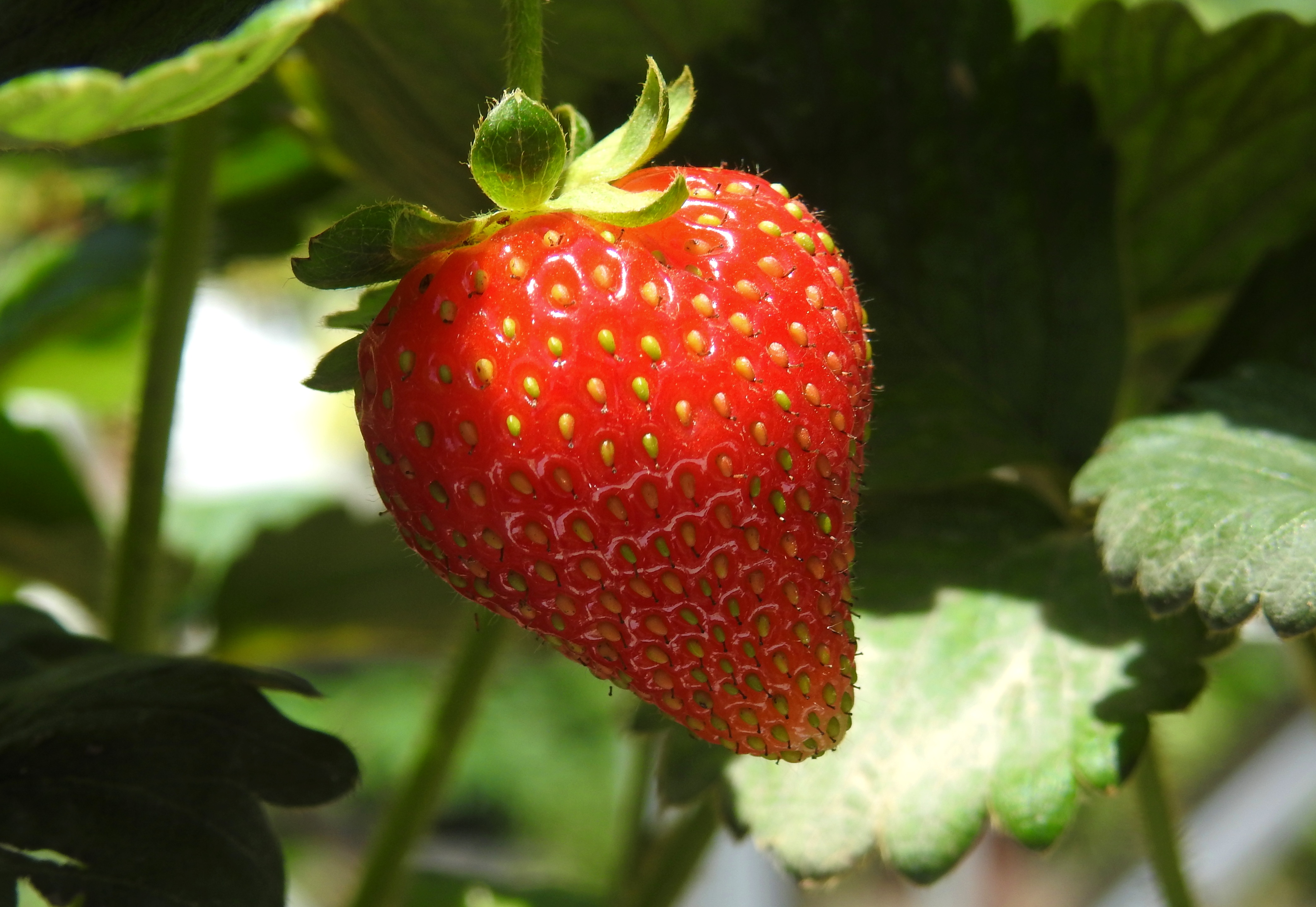
Strawberry in the sun

Strawberry in the sun

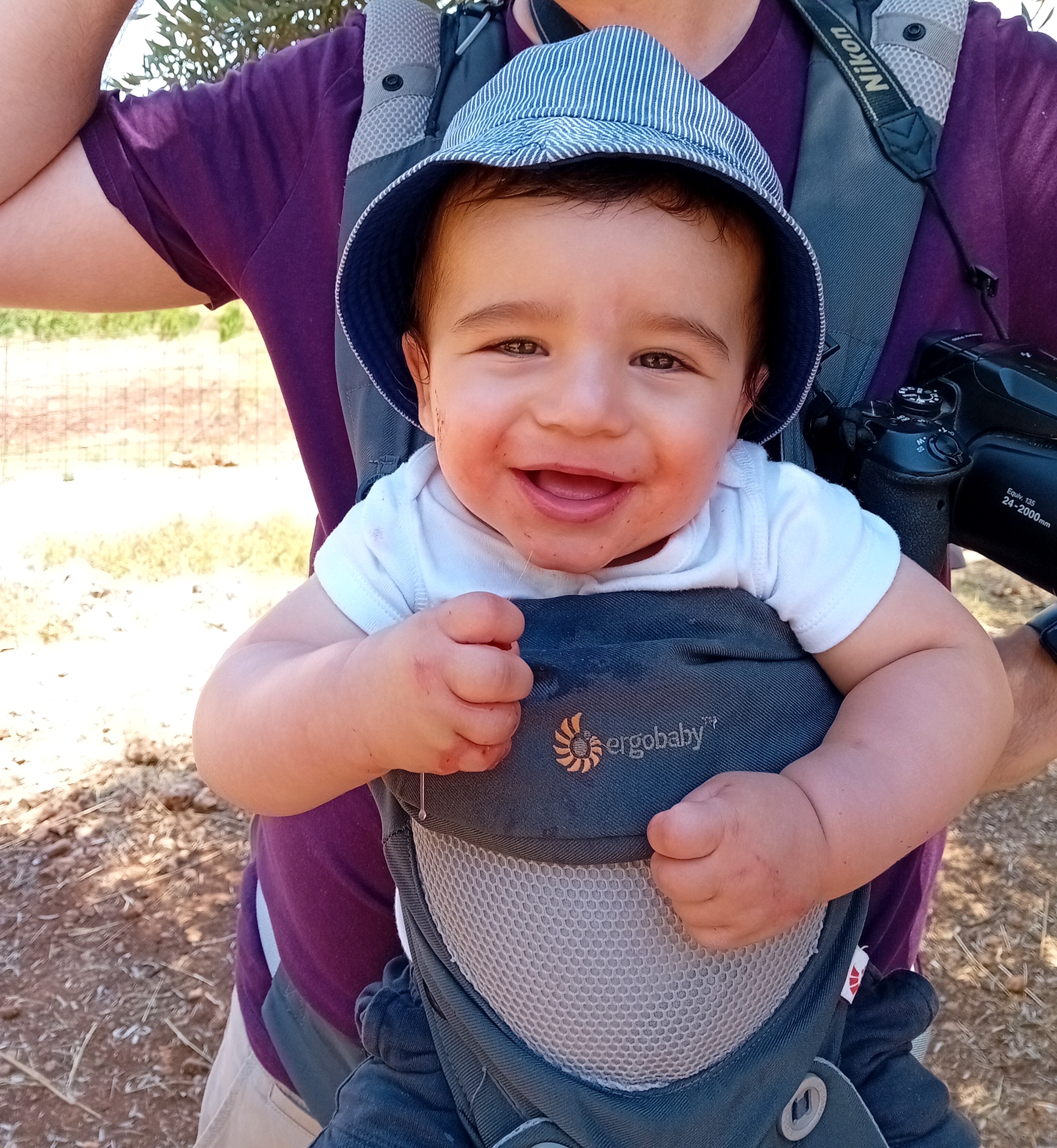
We started with the strawberries, which were on the cusp of being perfectly ripe. Thus, we had to scour the leafy plants in search for the choicest plump red fruit. I was wearing 10-month old Amir in the baby carrier, which allowed him to also grab at the dangling berries with his pudgy little hands. As an added perk, at that point in time, strawberries were probably his favourite food.

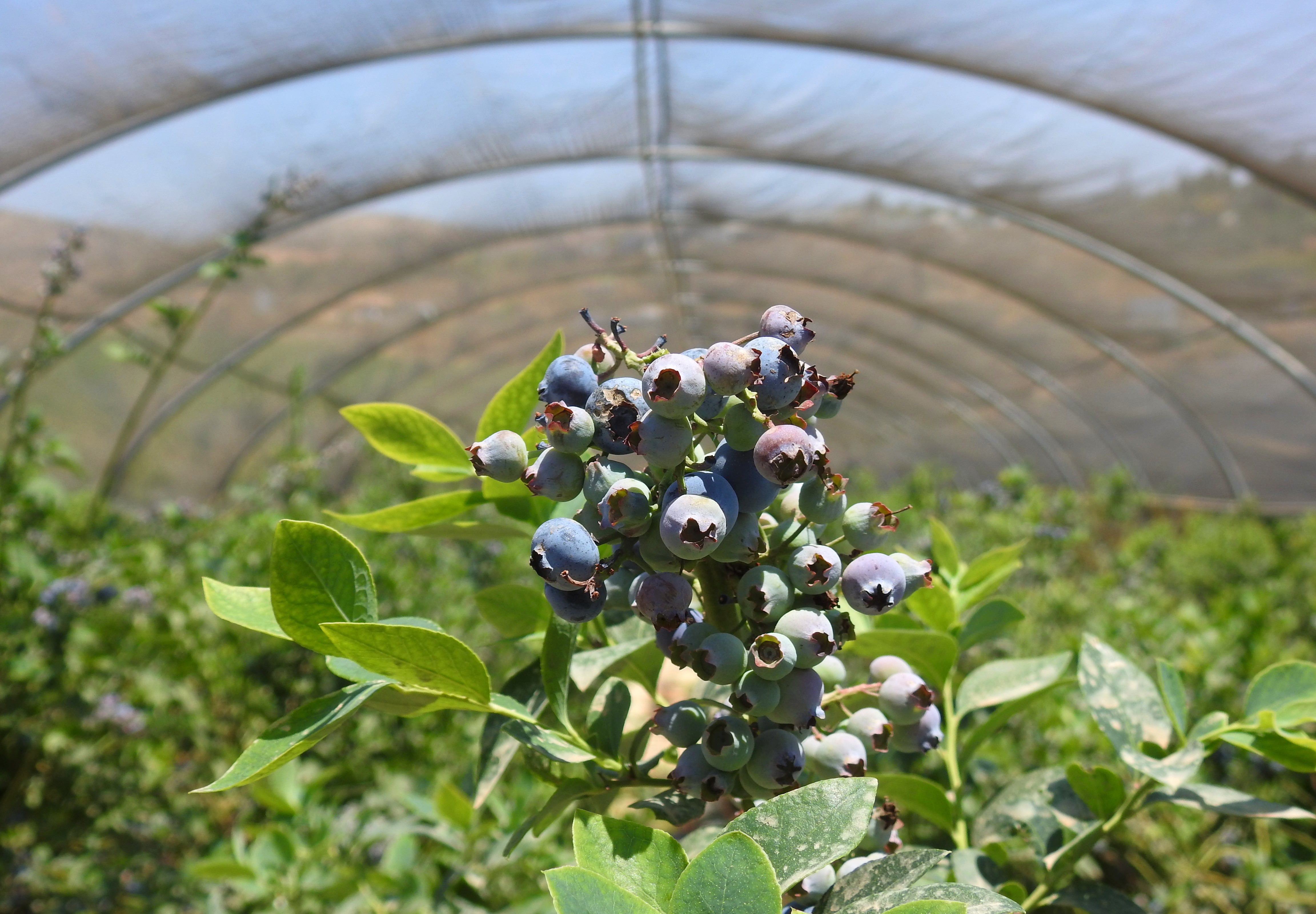
Blueberries galore

Blueberries galore

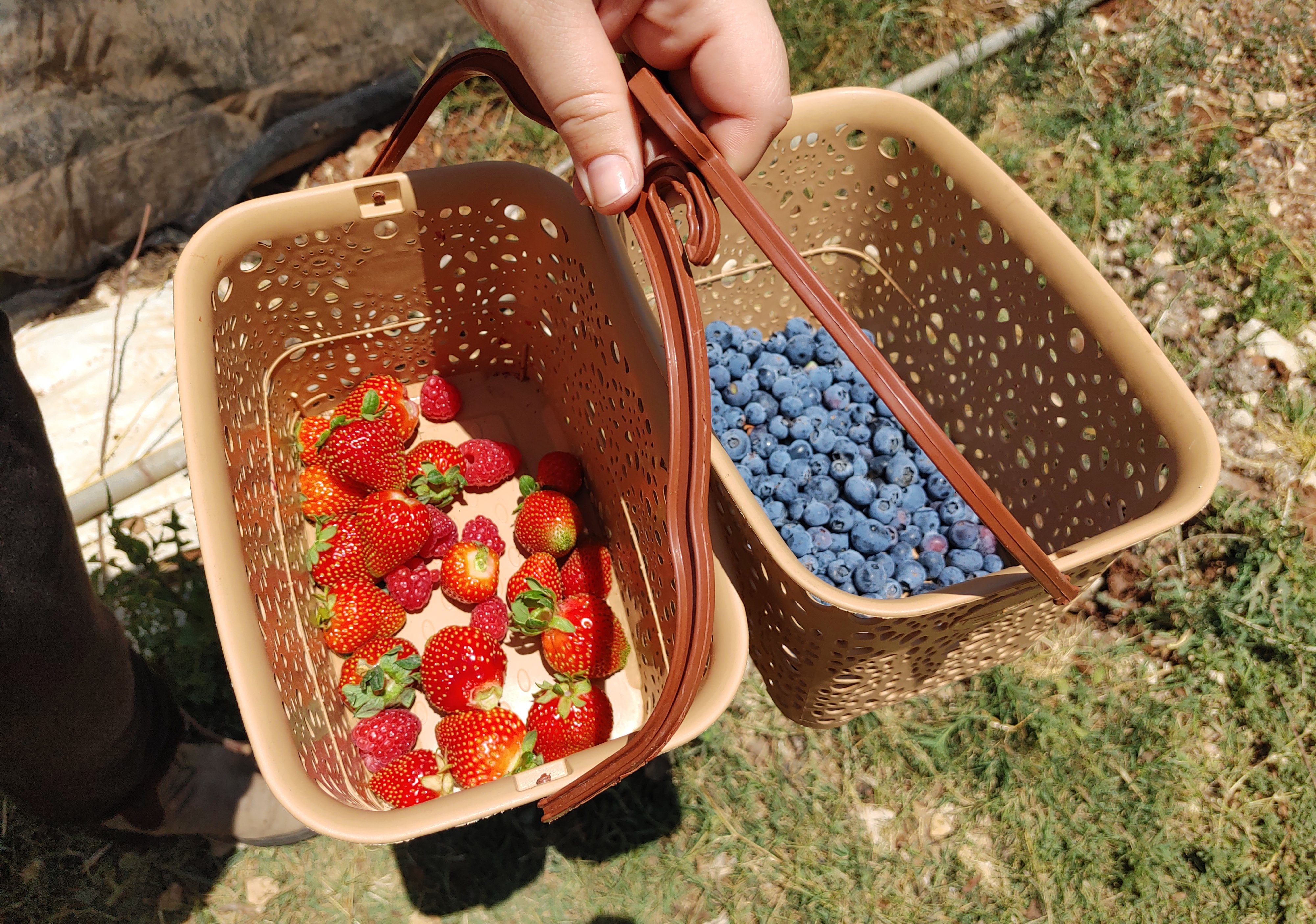
After a few handfuls of strawberries, we decided to move on to the next berry of choice: blueberries. Entering a separate netted area, we stepped into blueberry heaven. For any strawberry that was lacking, there were thousands of blueberries to make up for it. So much so, that we hardly had to go anywhere to pick all the blueberries we’d want. But we walked around, browsing the berry bushes, choosing only the choicest dark blue orbs. For, as it is known, the darker the berry, the sweeter the juice.

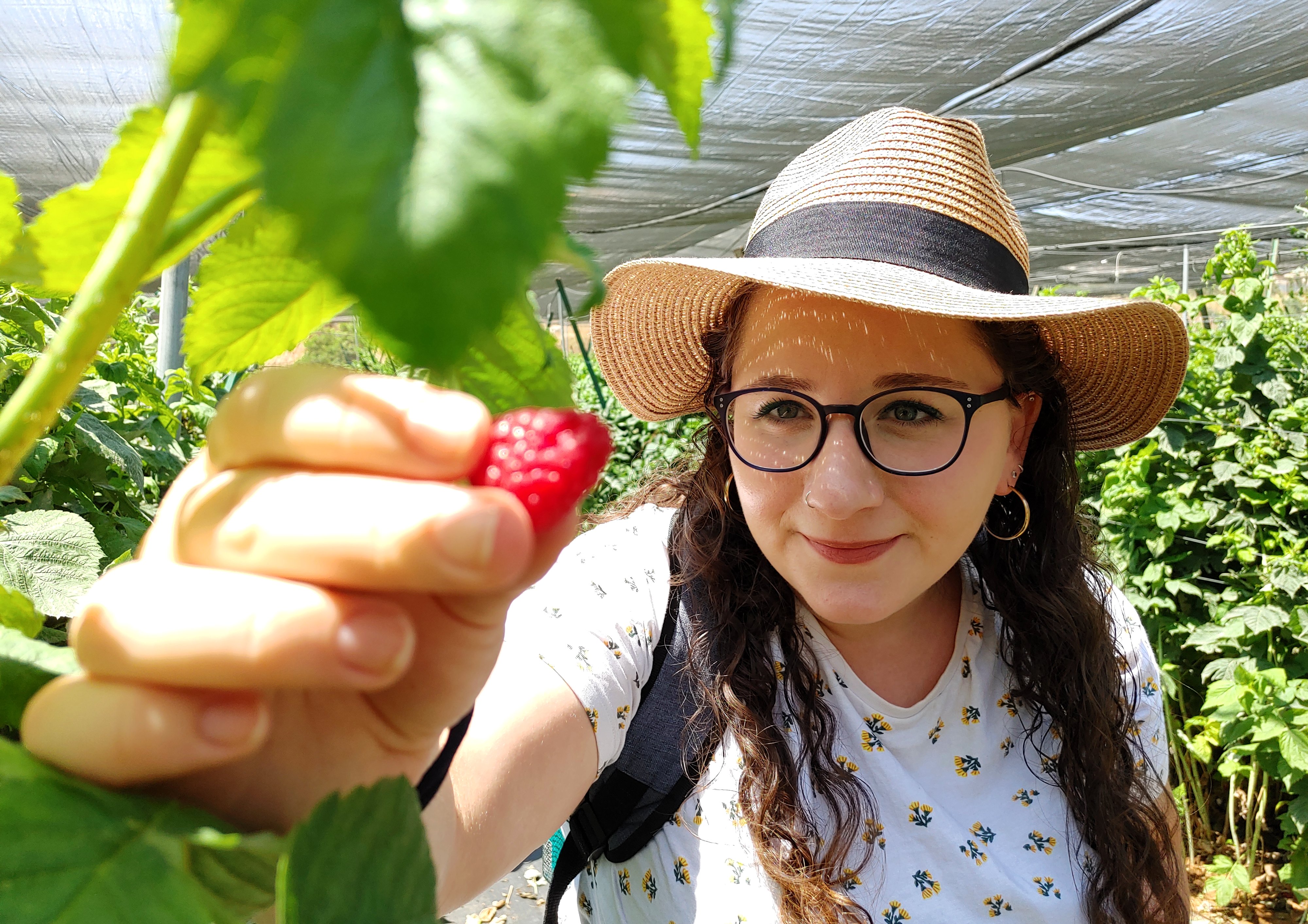
Bracha finding a choice raspberry

Bracha finding a choice raspberry

As per the raspberries, those were less abundant than the blackberries but, when ripe and juicy, exploded merrily in our mouths. When we had finished picking all the berries that we desired, both to eat on site as well as those to take home, we decided to stop for a picnic lunch.

Some berries for the road

Some berries for the road

Wisely, we had picked up some rolls and sliced deli meat, making perfect sandwiches to enjoy in the shade of the olive trees. I sat in a hammock, Amir in my lap, all three of us happily munching away.

Berry bliss

Berry bliss

However, our adventure was not over yet. After we had paid for our berries and completed the journey back home, Bracha decided to make a blueberry pie. It was the perfect, and most decidedly sweet, way to end yet another family outing.

Northwest Negev: Birding Tour

In Israel, Negev on August 31, 2023 at 6:48 AM

A week after our family trip to Ma’ayan Harod, I went on my lonesome on a guided birding tour in the northwest region of the Negev desert. Nearly eight years have passed since my last guided birding tour, a trip to the Hula Valley with birding expert Lior Kislev, and I felt that the time had come to treat myself again. However, it needed to be a tour that I couldn’t do easily alone, something that required the use of a guide.

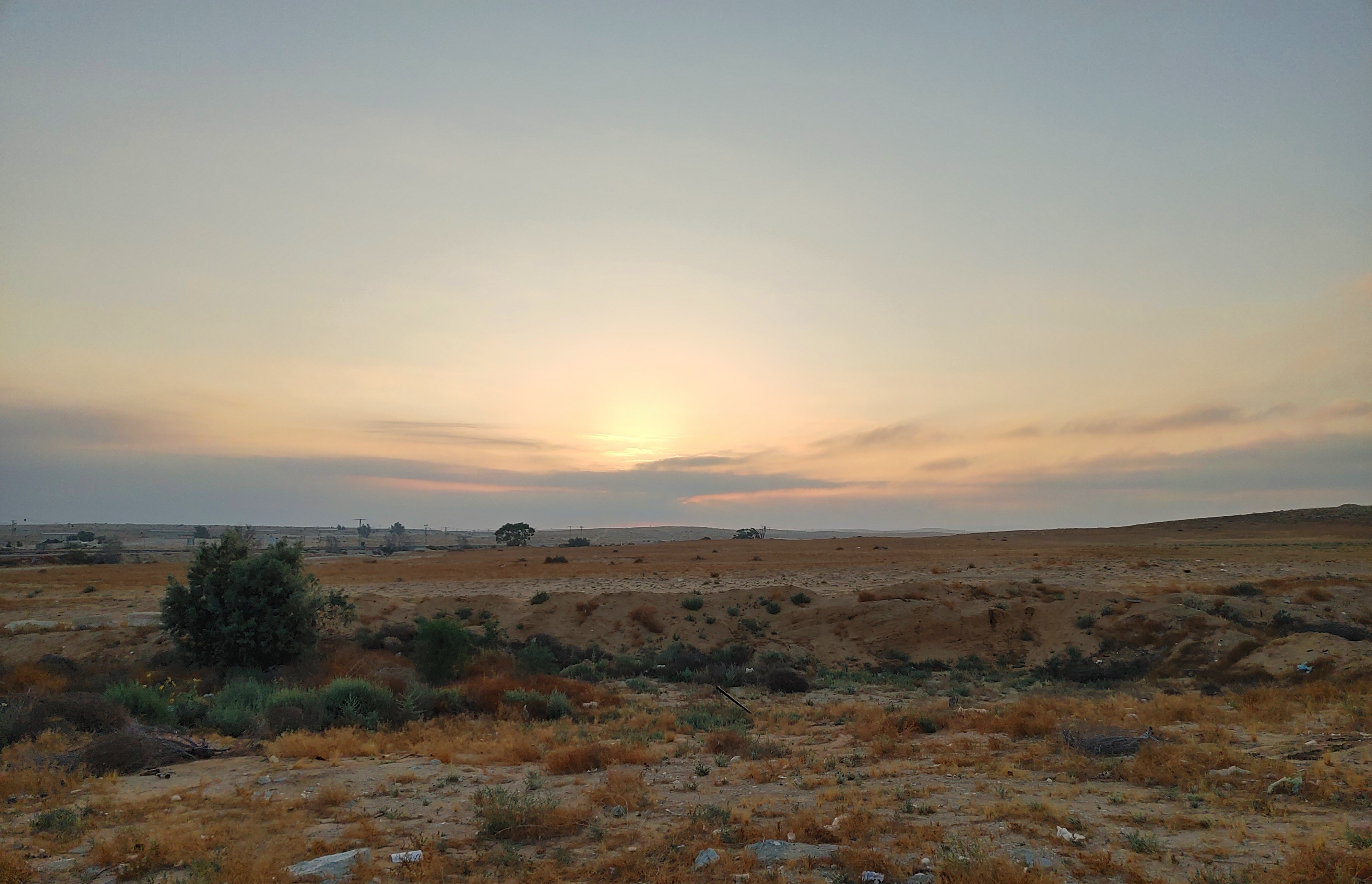
Sunrise over the desert

Sunrise over the desert

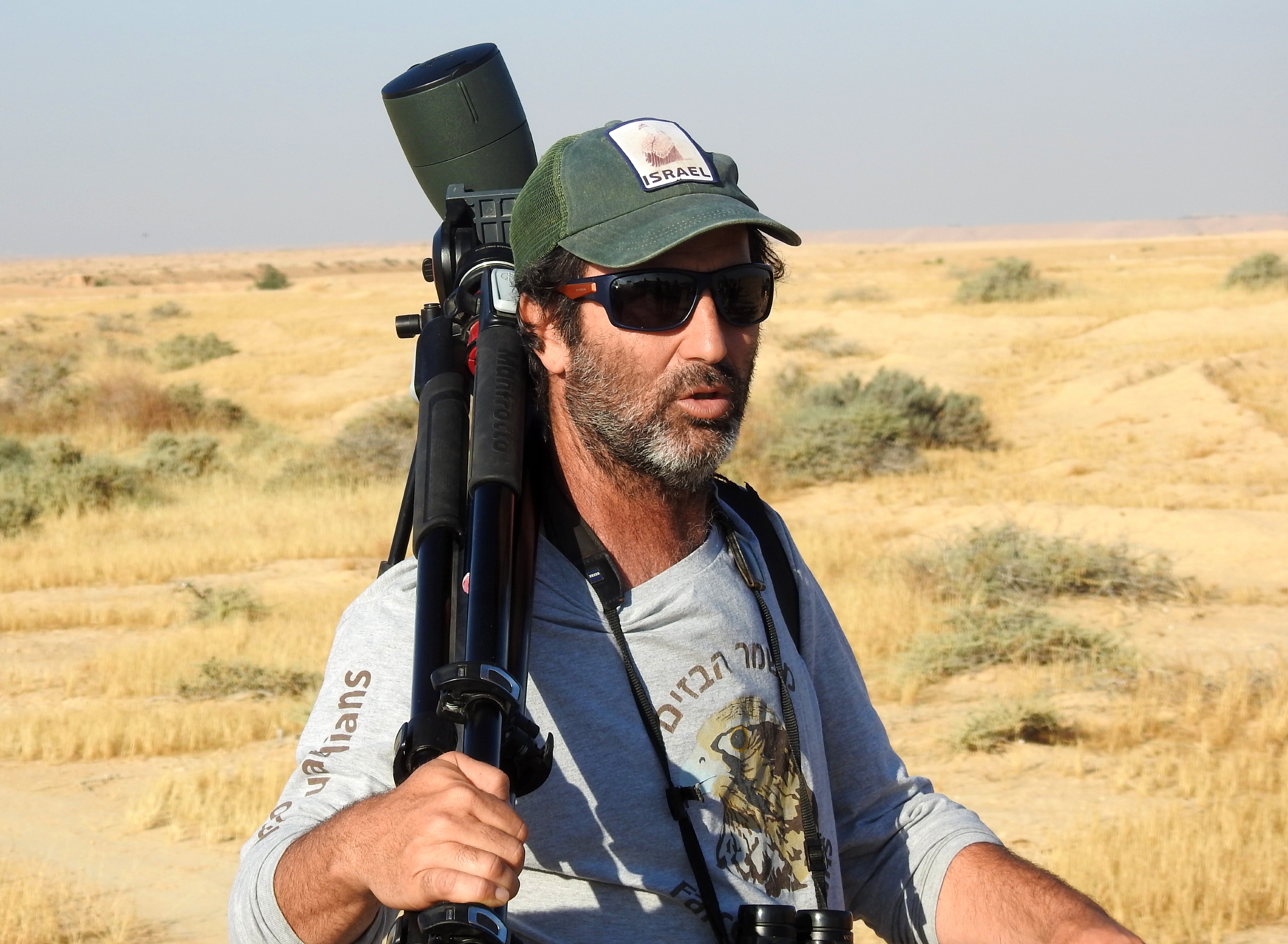
Thankfully, I had just the opportunity when I saw a guided tour being advertised that fit my criteria perfectly – a birding excursion in search of sandgrouse, led by the region’s expert Meidad Goren, director of the Ramat HaNegev Birding Center. I had never seen sandgrouse before, and the tour promised to attempt finding 3-4 species of them, all “lifers” for me.

Birding tour guide Meidad Goren

Birding tour guide Meidad Goren

I left Givat Shmuel in the wee hours of the morning, driving south past Be’er Sheva and down into the northwest Negev. We met up in the Nizzana region, more specifically the Kzi’ot gas station, at 6:00 AM and made introductions – the group numbering fifteen or so birders and birding enthusiasts. Meidad gave us a more detailed itinerary, informing us that the sandgrouse show was only going to start in a few hours, and outlining our target species for the interim.

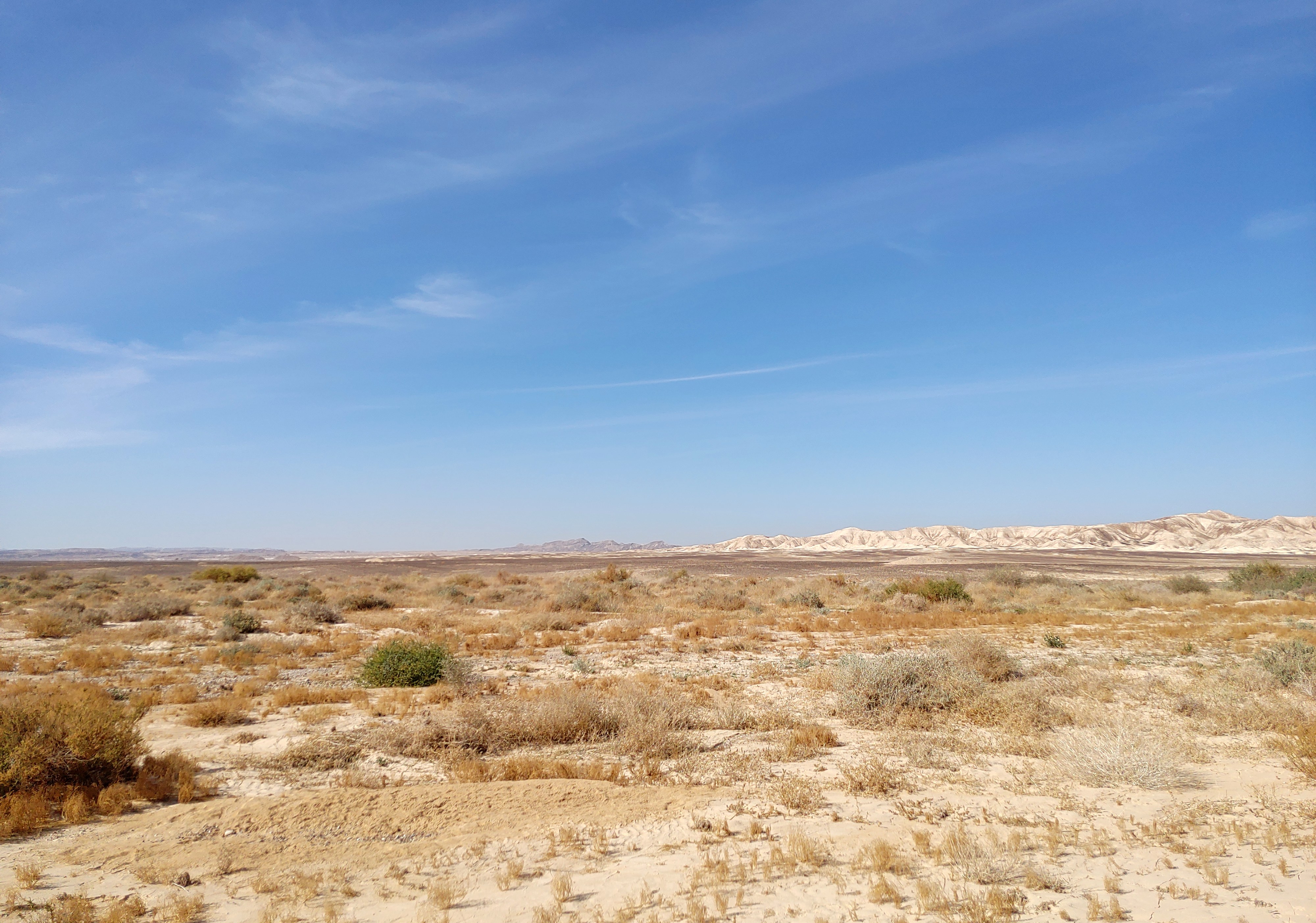
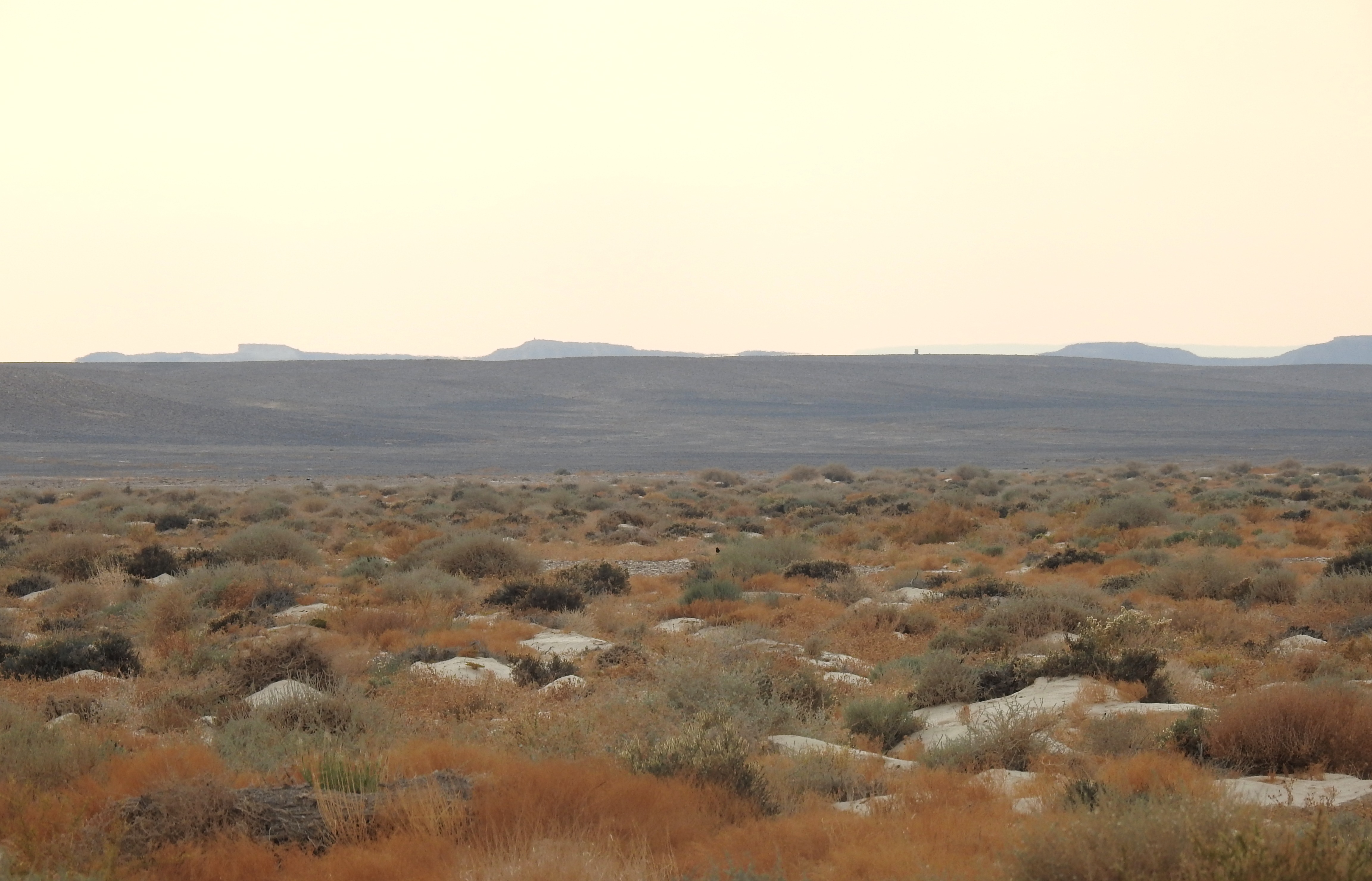
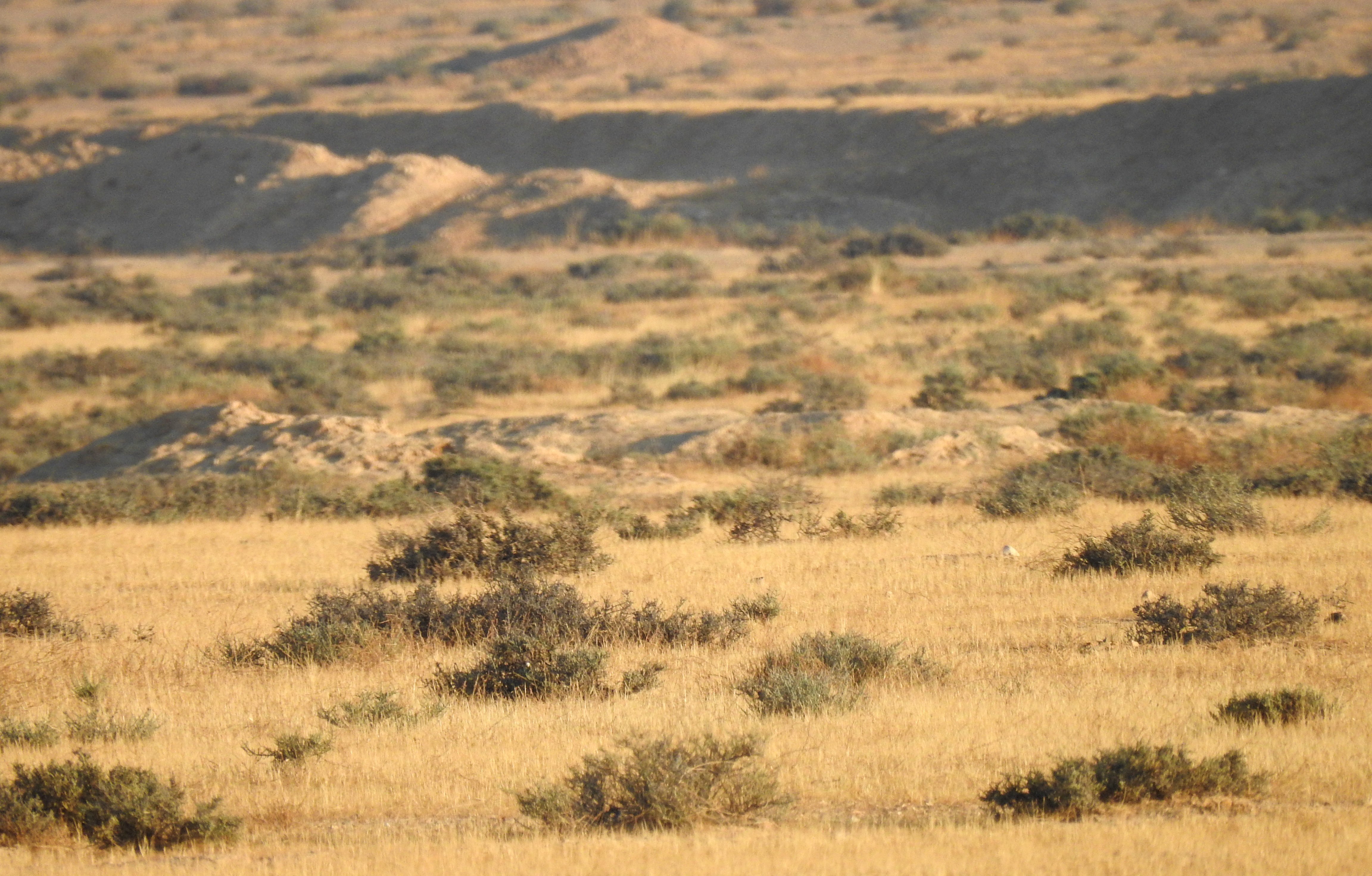
Cream-coloured courser habitat

Cream-coloured courser habitat

We were to drive along the nearby old Mandatory road until we reached a choice location where cream-coloured coursers are known to be. This excited me, as this was another species which I had never seen before. We got in our cars and drove off to the old road, and even the drive yielded exciting sightings. First, we saw a cape hare seated peacefully – a potentially decent picture, had I reacted sooner (this being my first daytime sighting of a cape hare). Alas, it bounced off into the distance and we continued the drive.

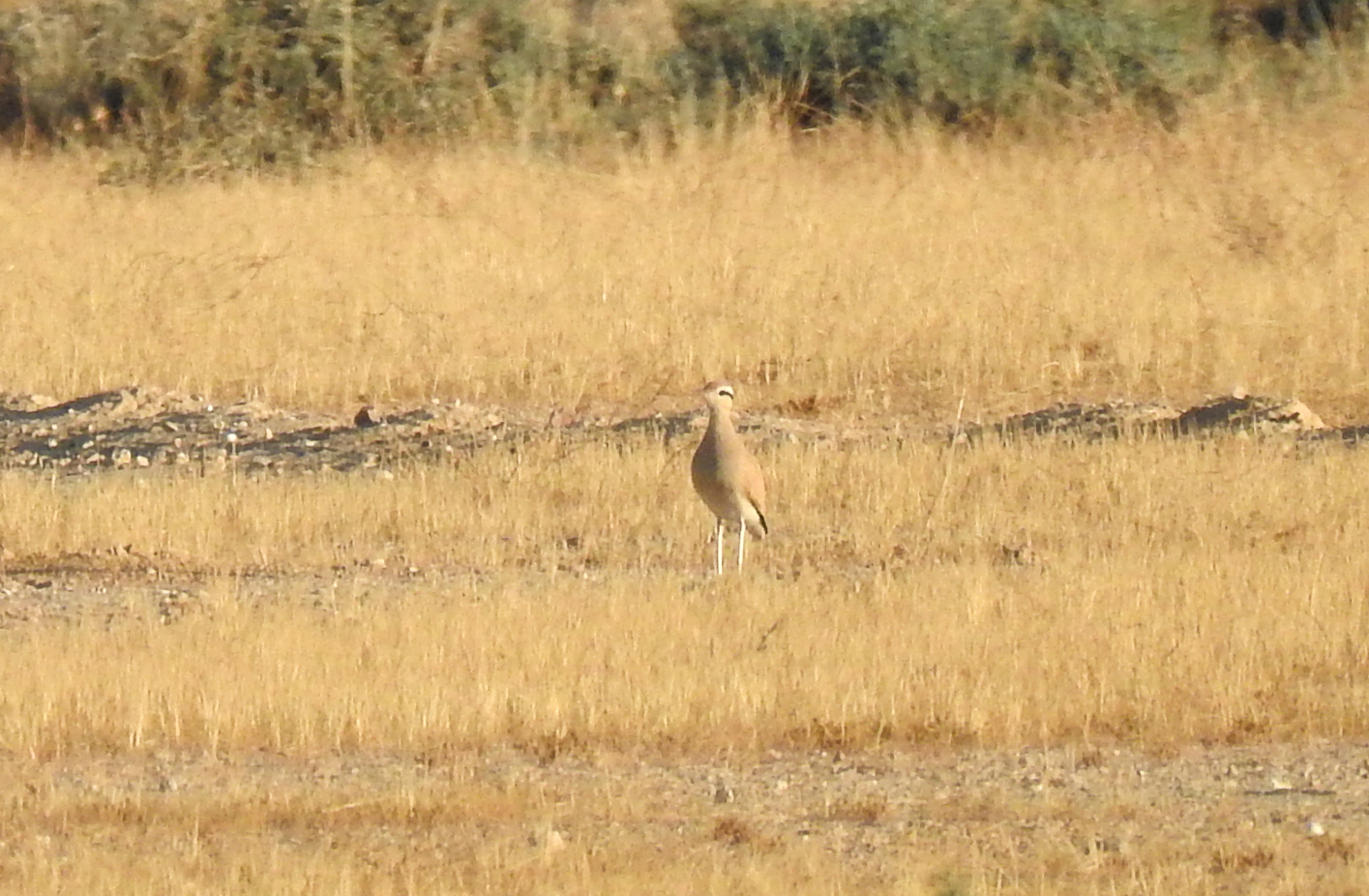
Closing in on my first cream-coloured courser

Closing in on my first cream-coloured courser

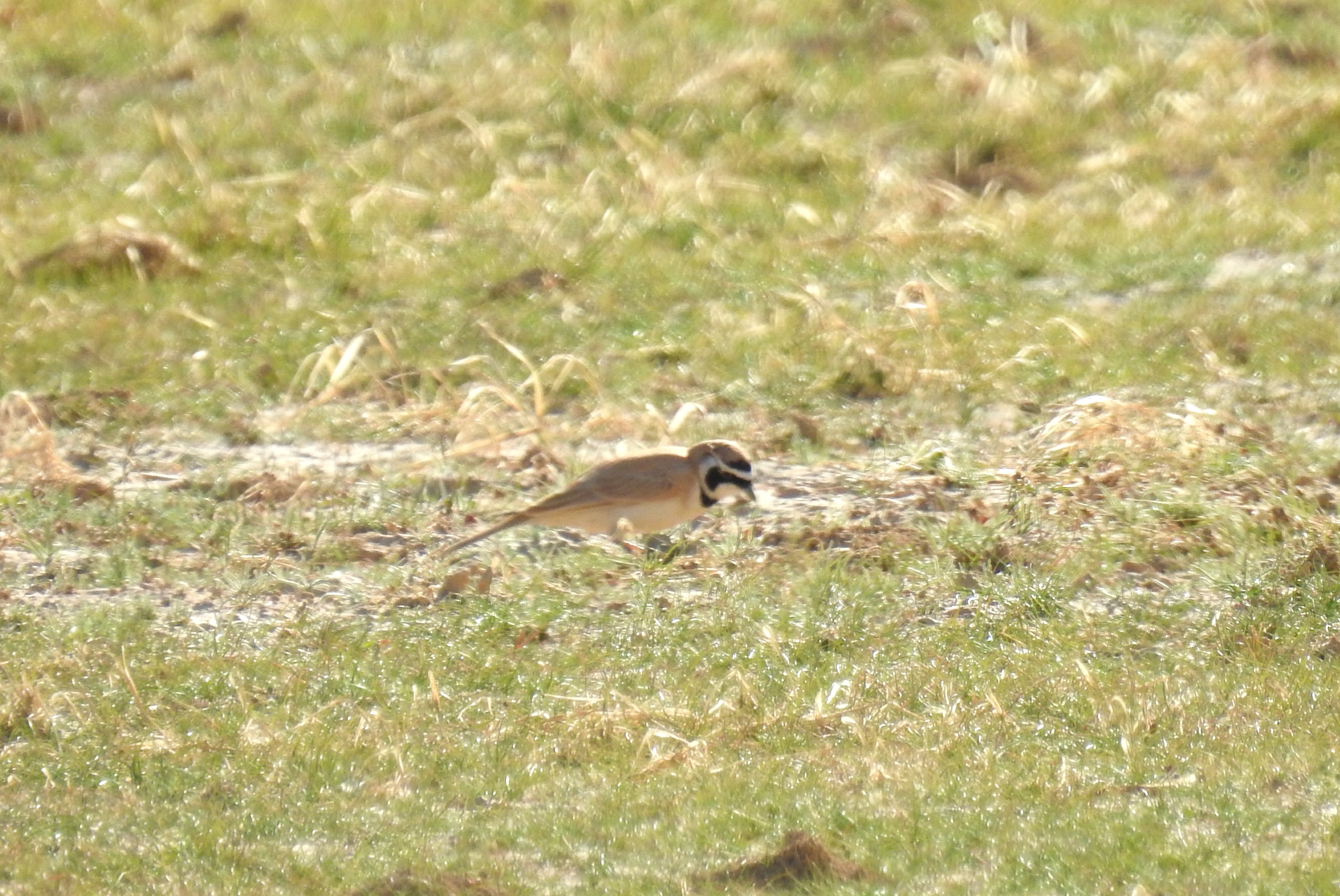
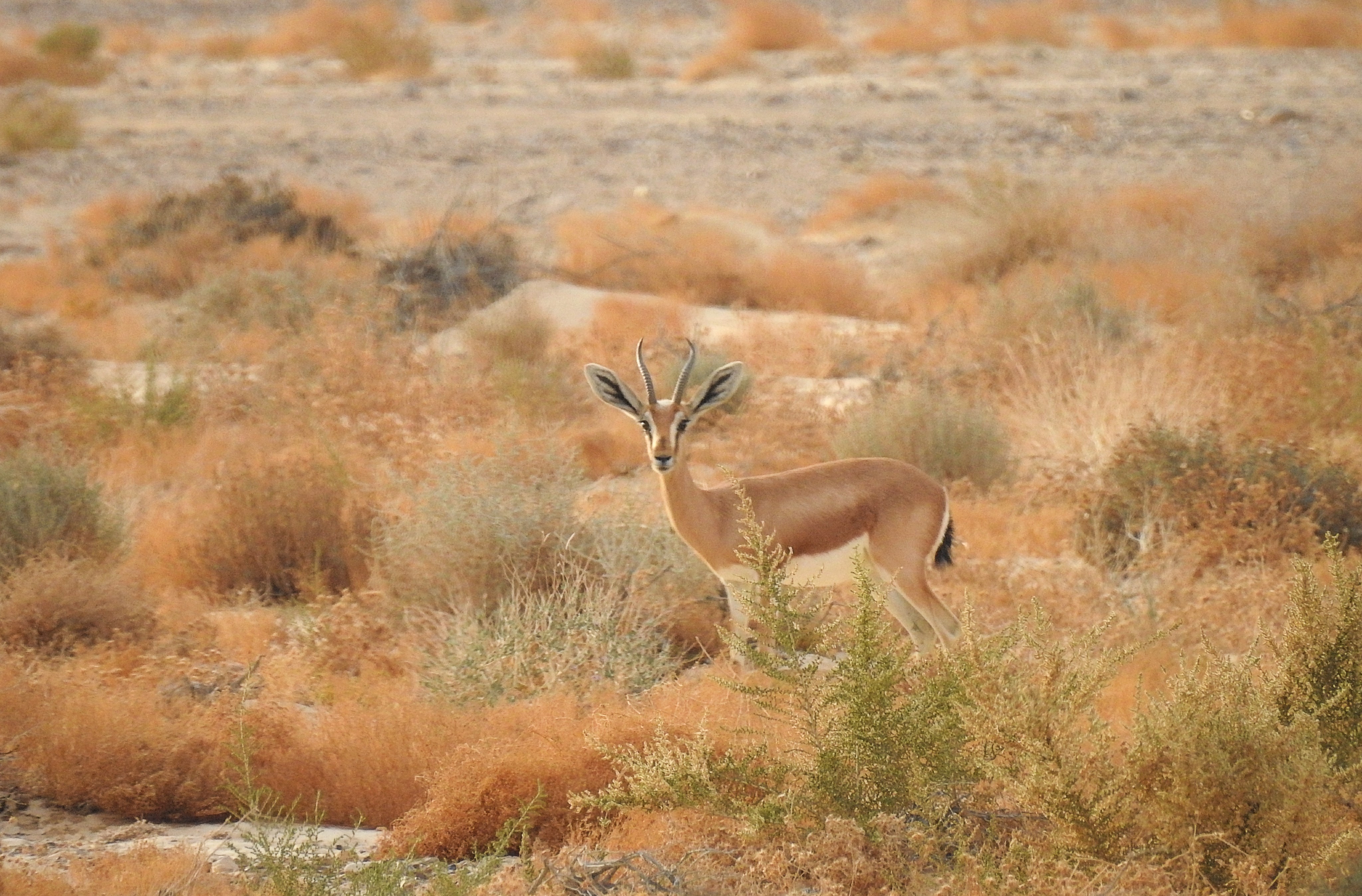
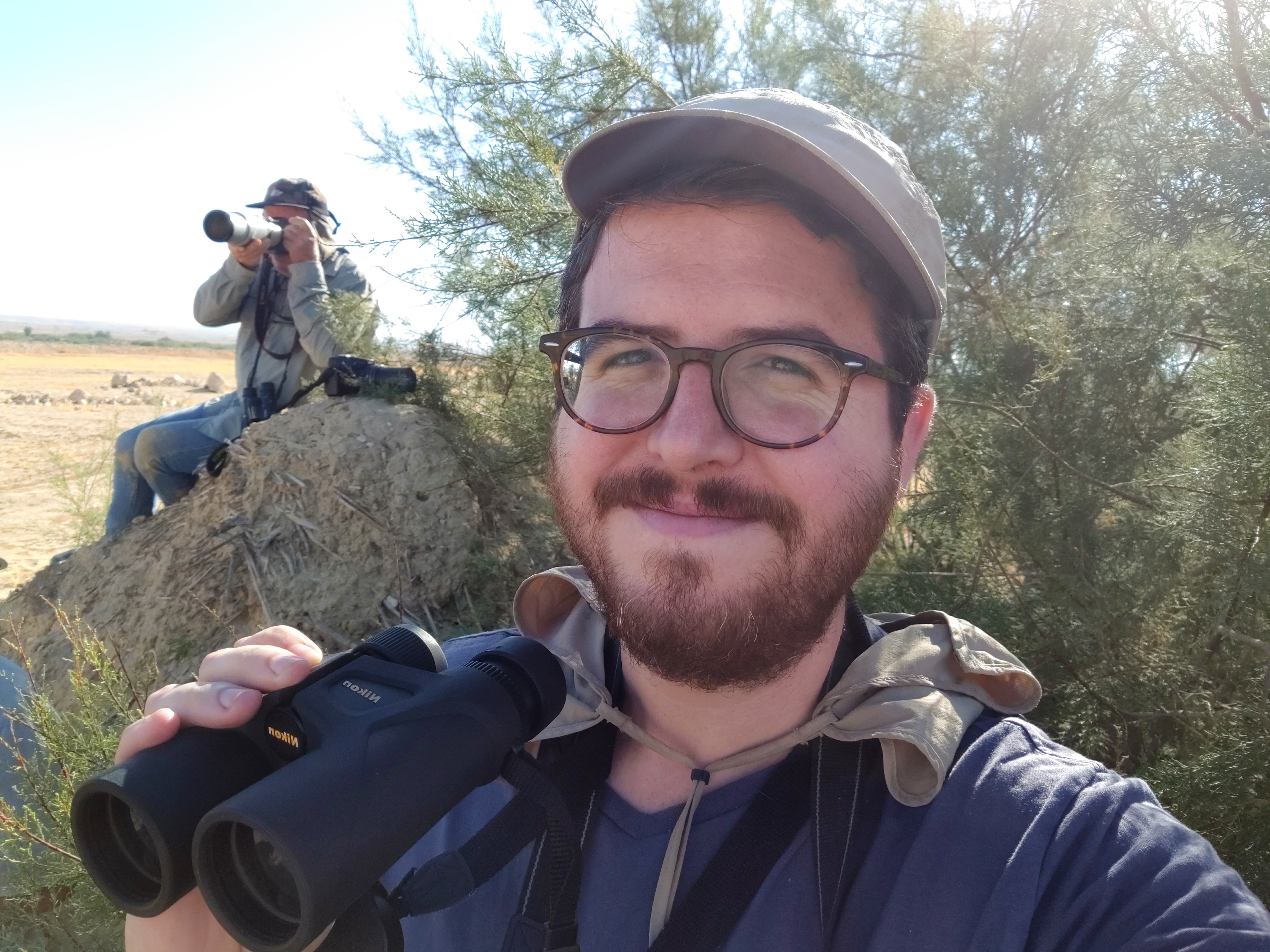
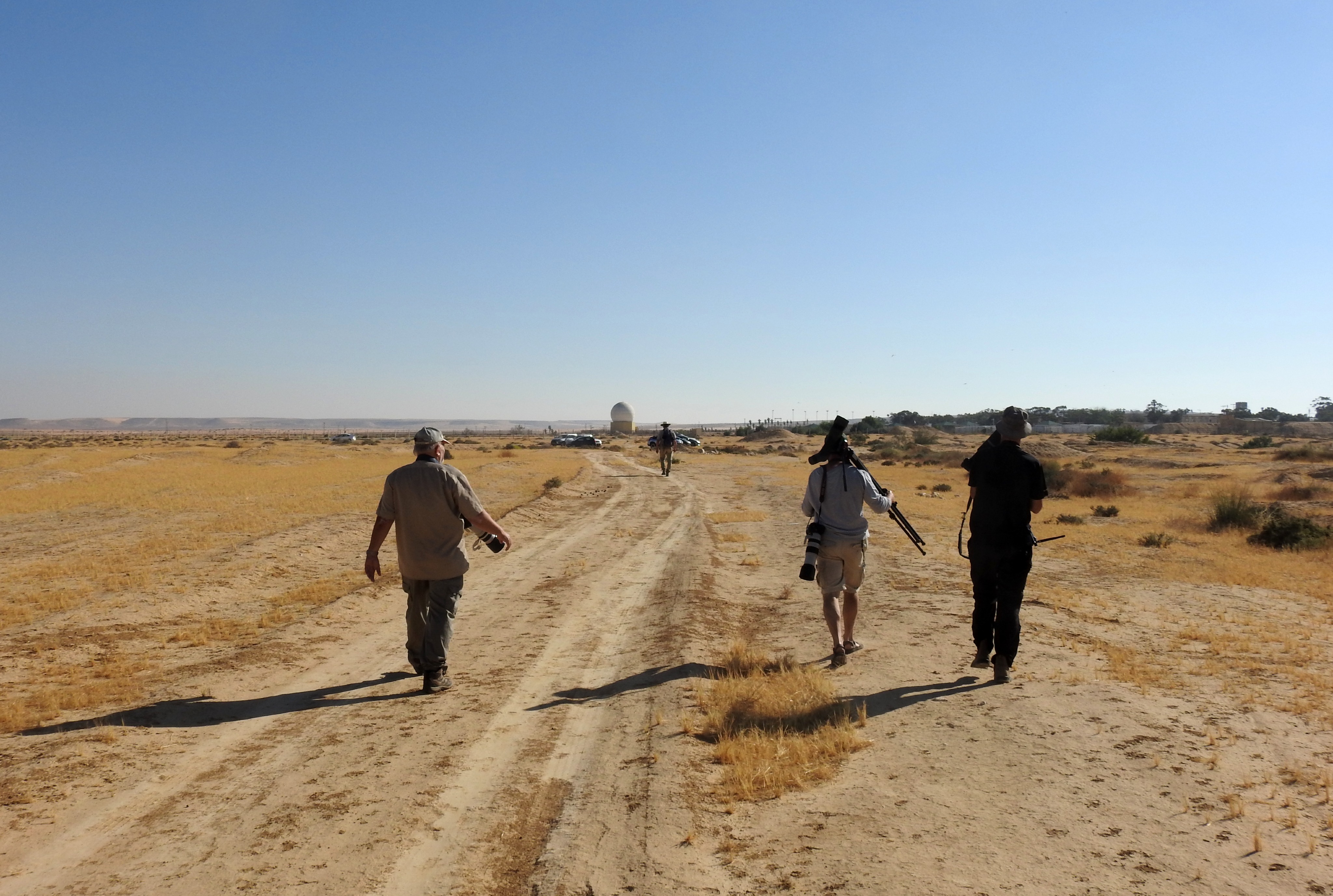
We saw a lone dorcas gazelle and before long we parked and disembarked, most members of the tour wielding binoculars, cameras and spotting scopes – or varied combinations thereof. Scanning the grassy land to the north of us with his scope, it wasn’t long before Meidad closed in on one cream-coloured courser, an elegant desert wader. It was an exciting moment for me as I snapped my first photo, deciding already that this trip was already a success.

Satisfaction

Satisfaction

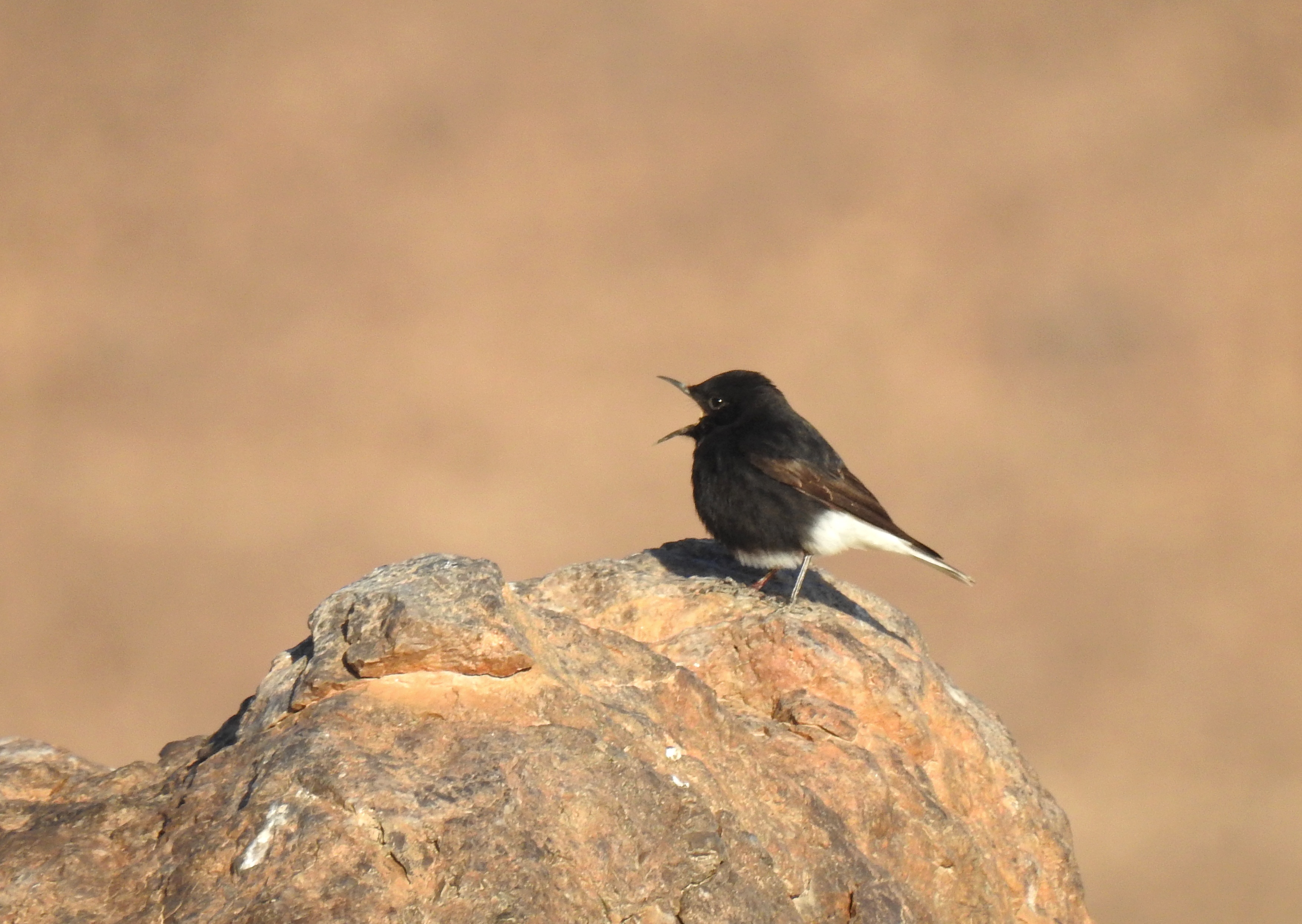
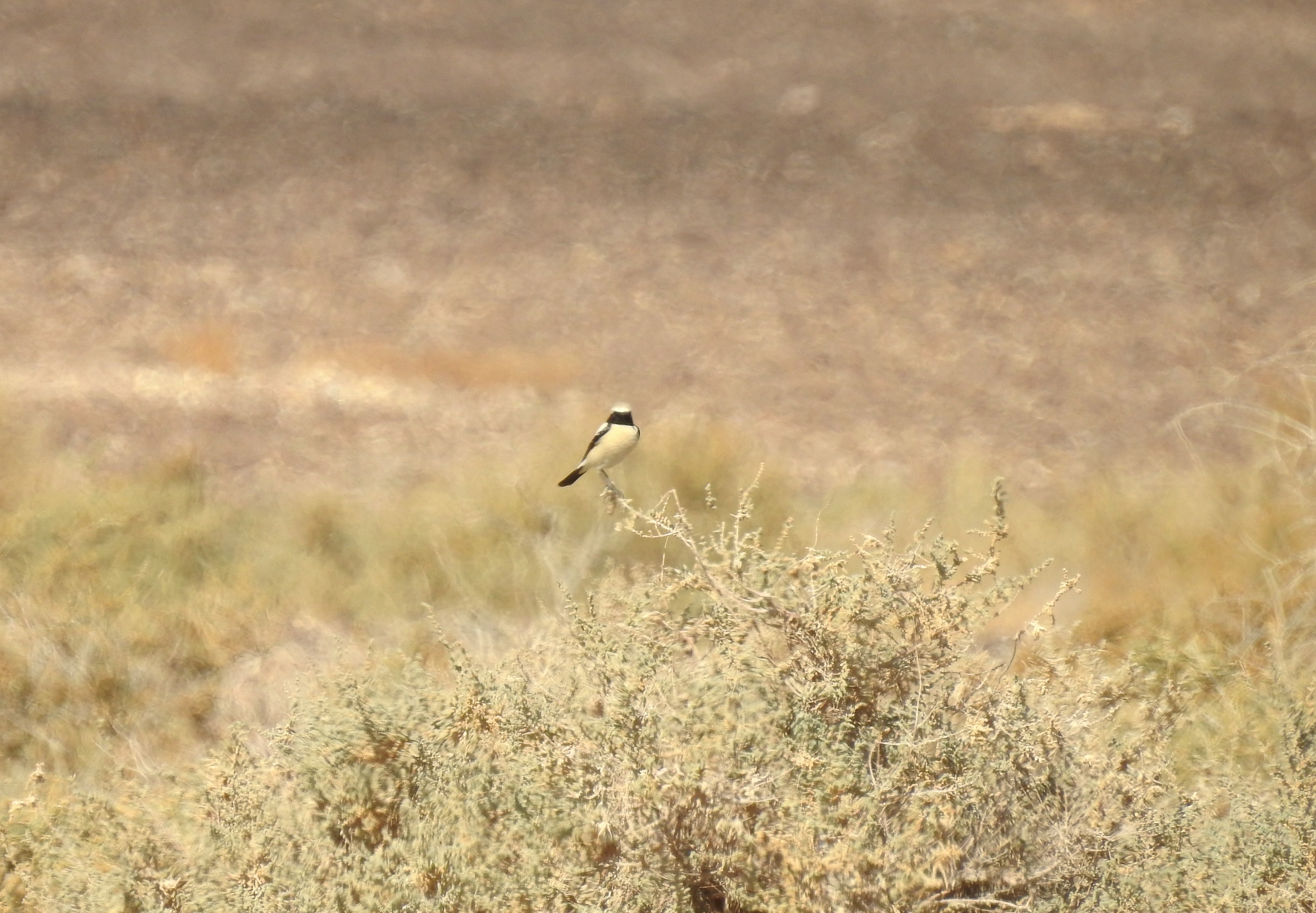
Shortly thereafter, another few coursers were spotted, on both sides of the road. A juvenile mourning wheatear and a few brown-necked ravens completed the scene of arid tranquillity. I thanked Meidad for introducing me to the coursers, and told him that I’d love to see more desert birds, species which I had yet to see. Arabian babblers came up, some of the tour members seeing one or two on our drive down the Mandatory road. I tried my hardest to spot one on the return journey, but alas, none were seen, and only a family of chukars darkened my path.

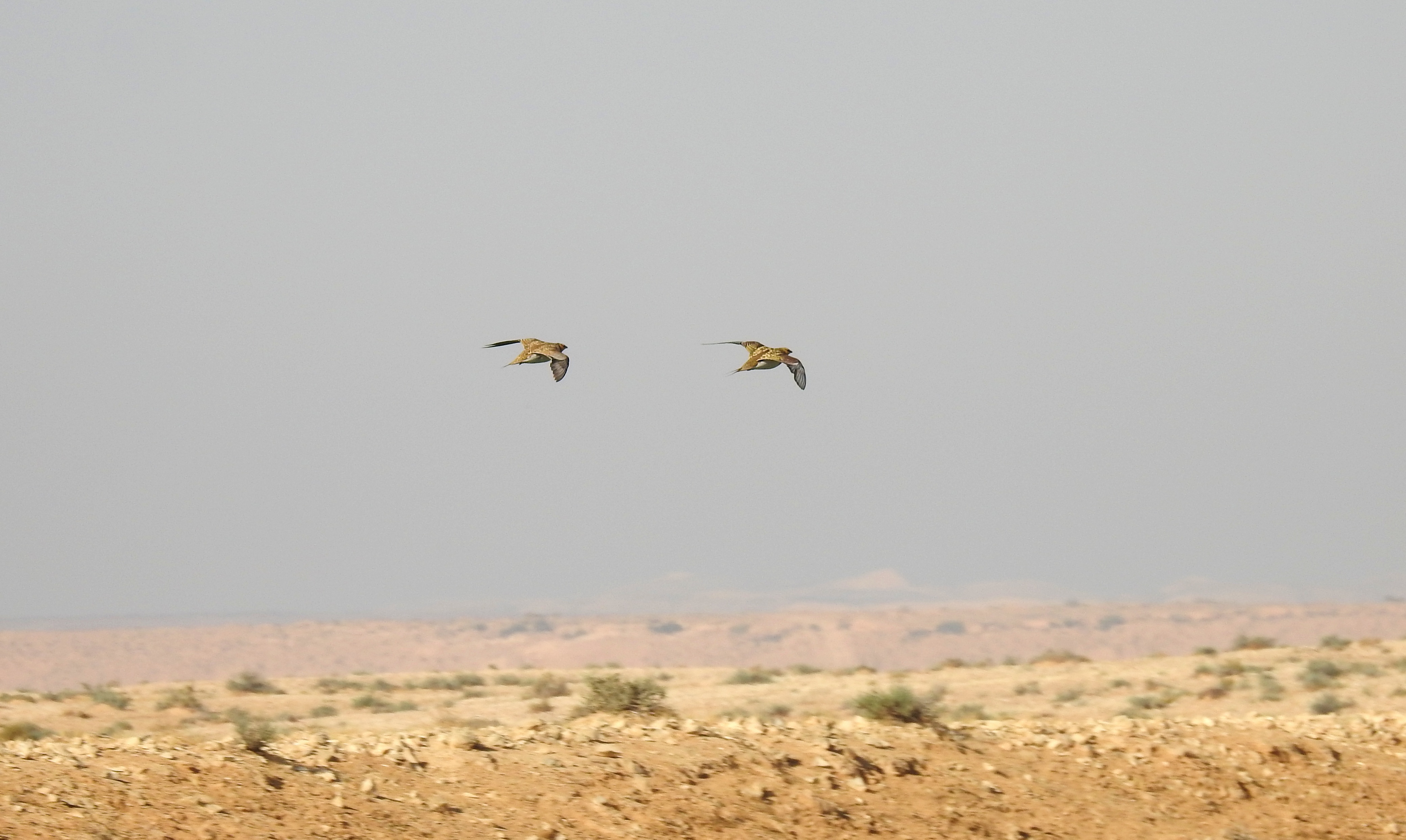
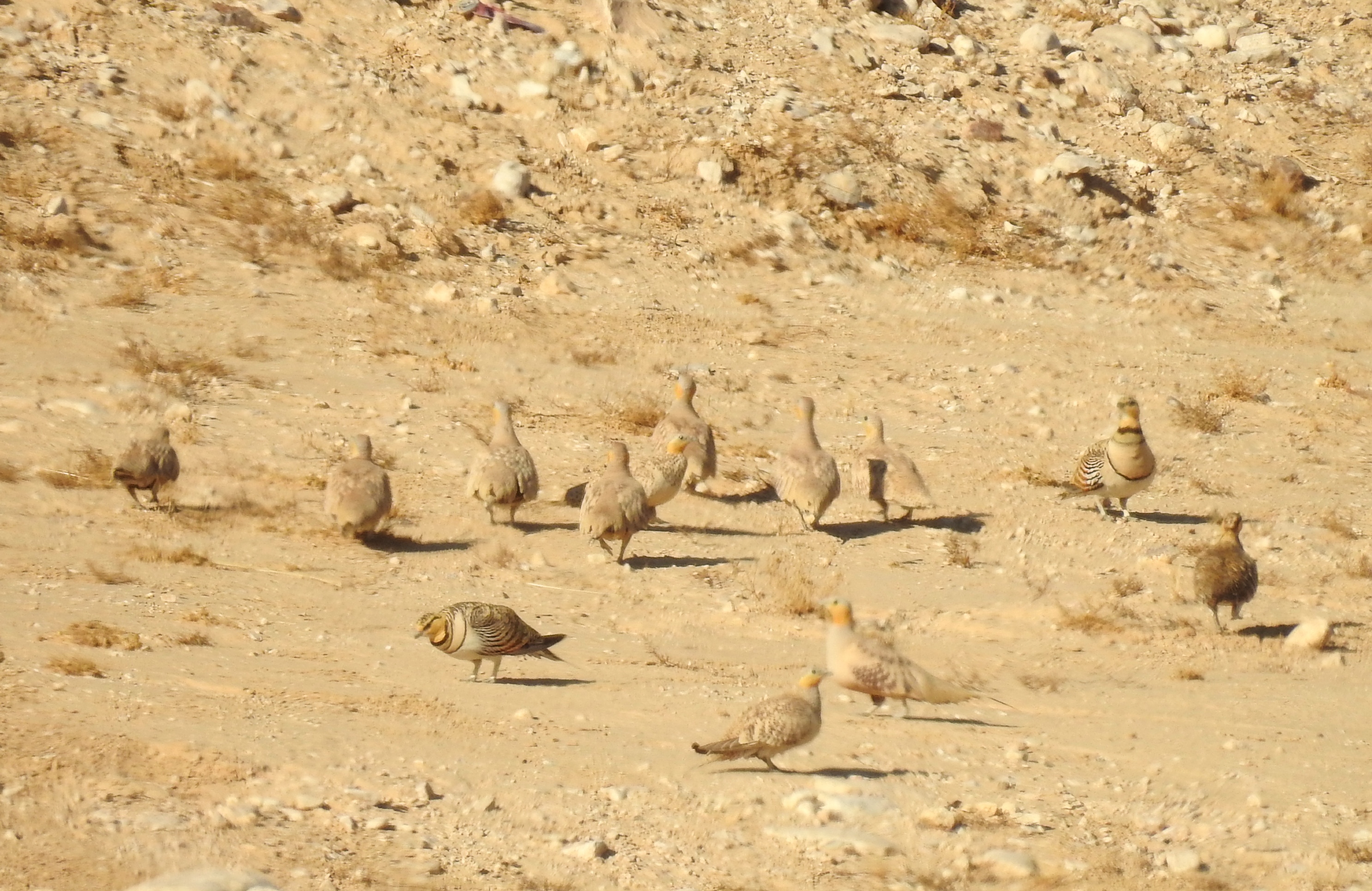
A pair of pin-tailed sandgrouse zipping by

A pair of pin-tailed sandgrouse zipping by

Our next destination was the Nizzana military base water treatment pools, located alongside the Mifrasit military training base. Here, droves of sandgrouse fly in daily from their desert habitat to replenish themselves from the stagnant pools of water. Interestingly enough, the breeding adults (the males in particular) absorb water in their chest feathers and fly back to their thirsty chicks who aren’t yet ready to make the flight with the rest of the flock.

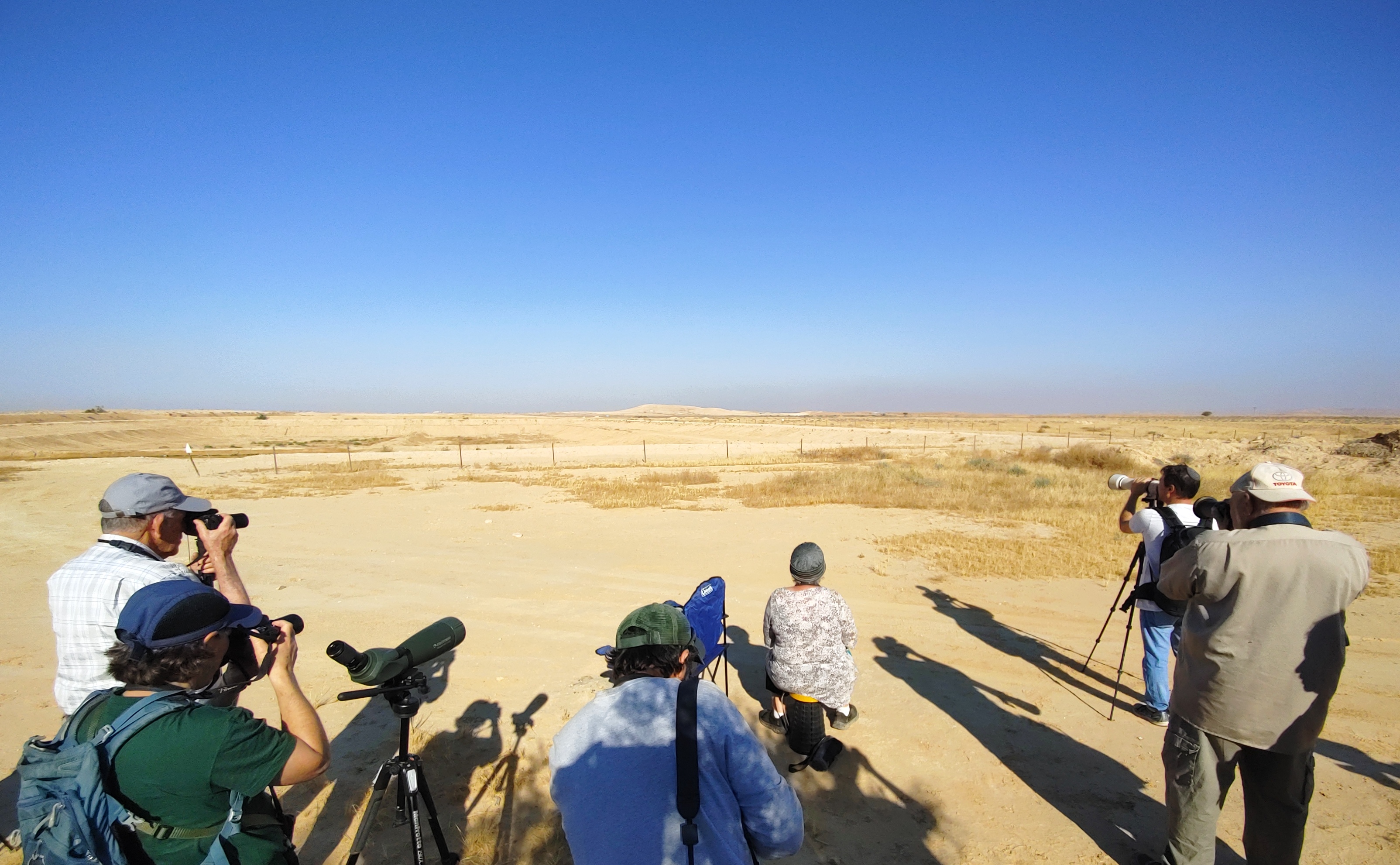
Everyone focusing on the sandgrouse

Everyone focusing on the sandgrouse

We gathered as a group in the mottled shade of a short evergreen tree and waited for the incoming sandgrouse. There were feral pigeons and other less-desirable birds flying about, distracting us from our mission. But then came the chirping coos of a single incoming spotted sandgrouse, scouting the waterhole before the flock arrived. It disappeared before we could find it in the clear blue skies, and before long more flight calls were heard.

Spotted sandgrouse making an appearance from a distance

Spotted sandgrouse making an appearance from a distance

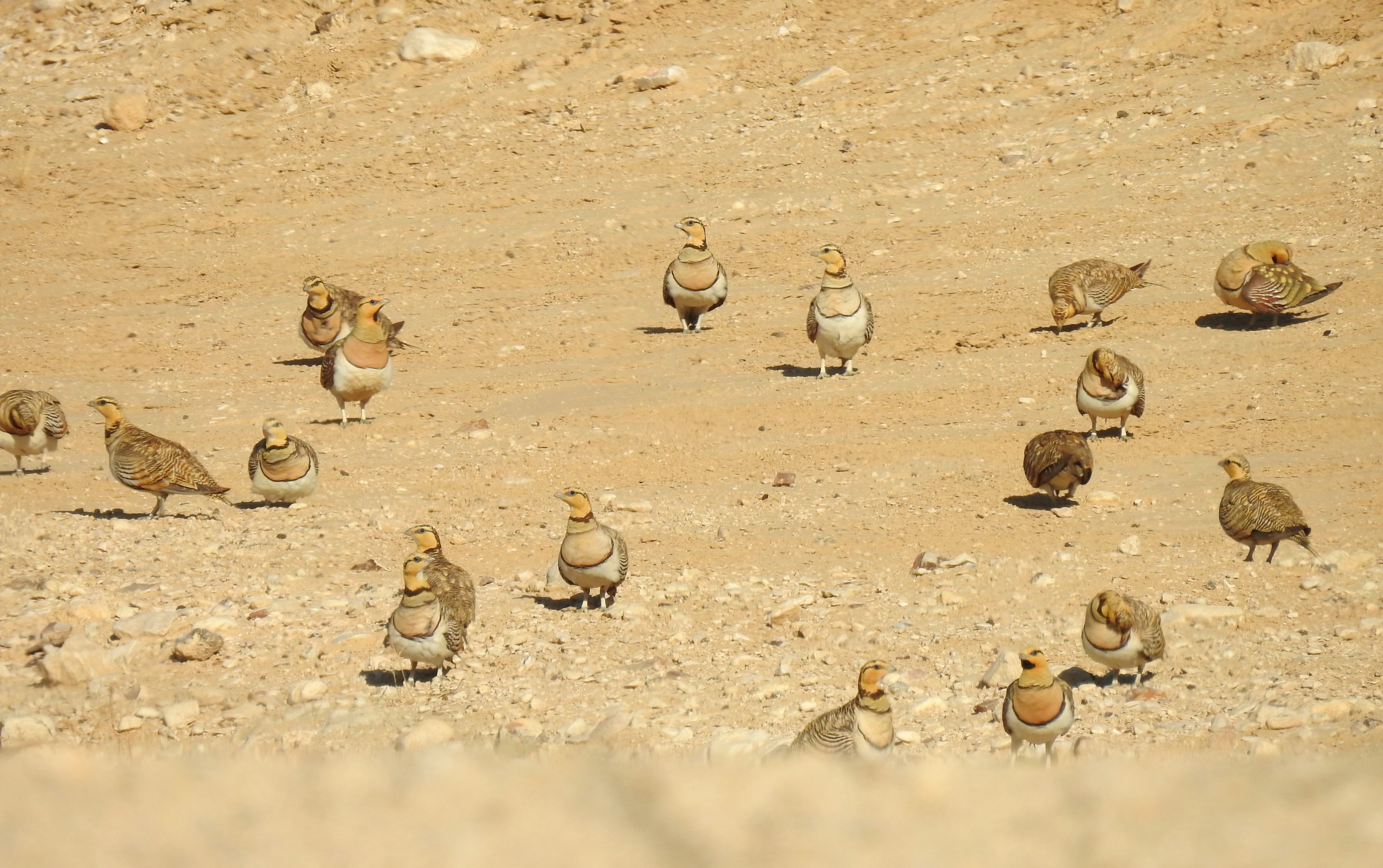
The spotted sandgrouse circled the dismal pool before slowly dropping down to waddle to the water’s edge. Sandgrouse are cautious birds, so we did our best to stay as still and inconspicuous as we could, allowing them to drink safely. The spotted sandgrouse were then joined by their cousins, the pin-tailed sandgrouse – an even more attractive bird.

A small flock of pin-tailed sandgrouse

A small flock of pin-tailed sandgrouse

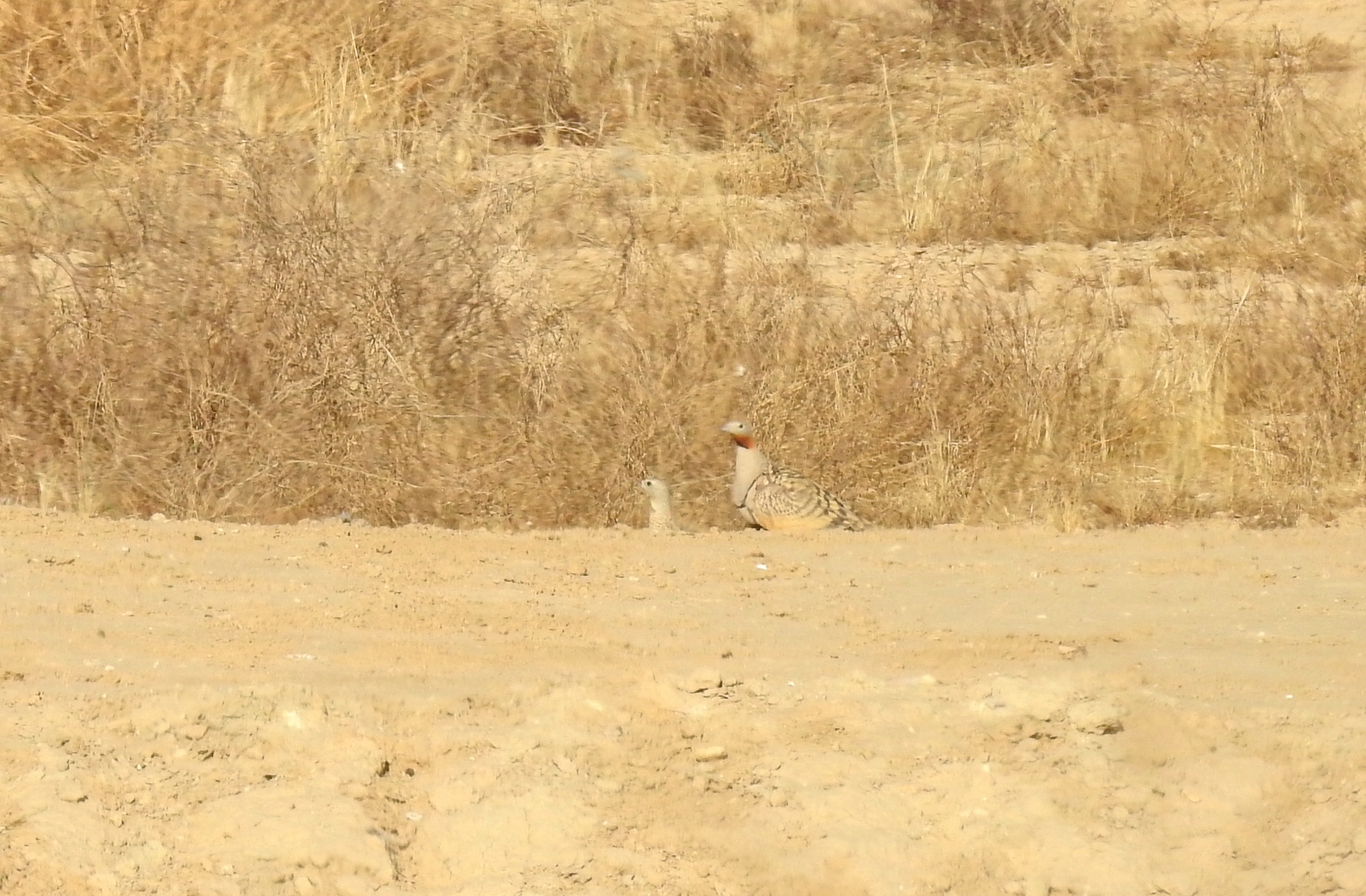
We watched and watched as small flocks of both species came and went, the air filled with flapping wings and exotic sounds. A pair of scrub warblers flitted by us, landing briefly on a nearly pile of sticks. Some brown-necked ravens patrolled nearby as well, never coming in for a tempting warm sip of grey water. Then, when we couldn’t imagine the scene any more entertaining, a pair of black-bellied sandgrouse came down to drink as well.

A pair of black-bellied sandgrouse

A pair of black-bellied sandgrouse

This made three new species of sandgrouse, none of which I had ever seen before. What’s interesting about this region is that it is a small overlap of four sandgrouse species, with one species living only in the southern Arava. In the past few decades, the sandgrouse population plummeted and then rose again, the future for these delicate, desert-living birds always filled with doubt.

The end of a successful tour

The end of a successful tour

We spent a good hour or so with the sandgrouse, and then the sun began to really beat down as the morning progressed. Before we left, we saw an alpine swift zipping speedily over the pools, taking tiny sips from the water. It was the end of the tour, but we left with more than just a few “lifers” and an unnecessary amount of photos. We left with a better understanding of the fragile ecosystem in the desert, coupled with the persistent need for undisturbed water sources. This knowledge made us hopeful for the future, so that our children and grandchildren can also enjoy the sandgrouse shows.

More information about Israel’s sandgrouse population can be found HERE, in an article written by Meidad Goren.

Ma’ayan Harod

In Galilee, Israel on July 14, 2023 at 6:23 AM

A little over a month ago, before summer’s oppressive heat sank in, Bracha planned a fun day for the three of us. She planned it all in advance, and surprised me with the main destination the evening prior. We were to be visiting Ma’ayan Harod, a small national park which somehow had escaped unnoticed by me and, thus, was quite the welcome surprise.

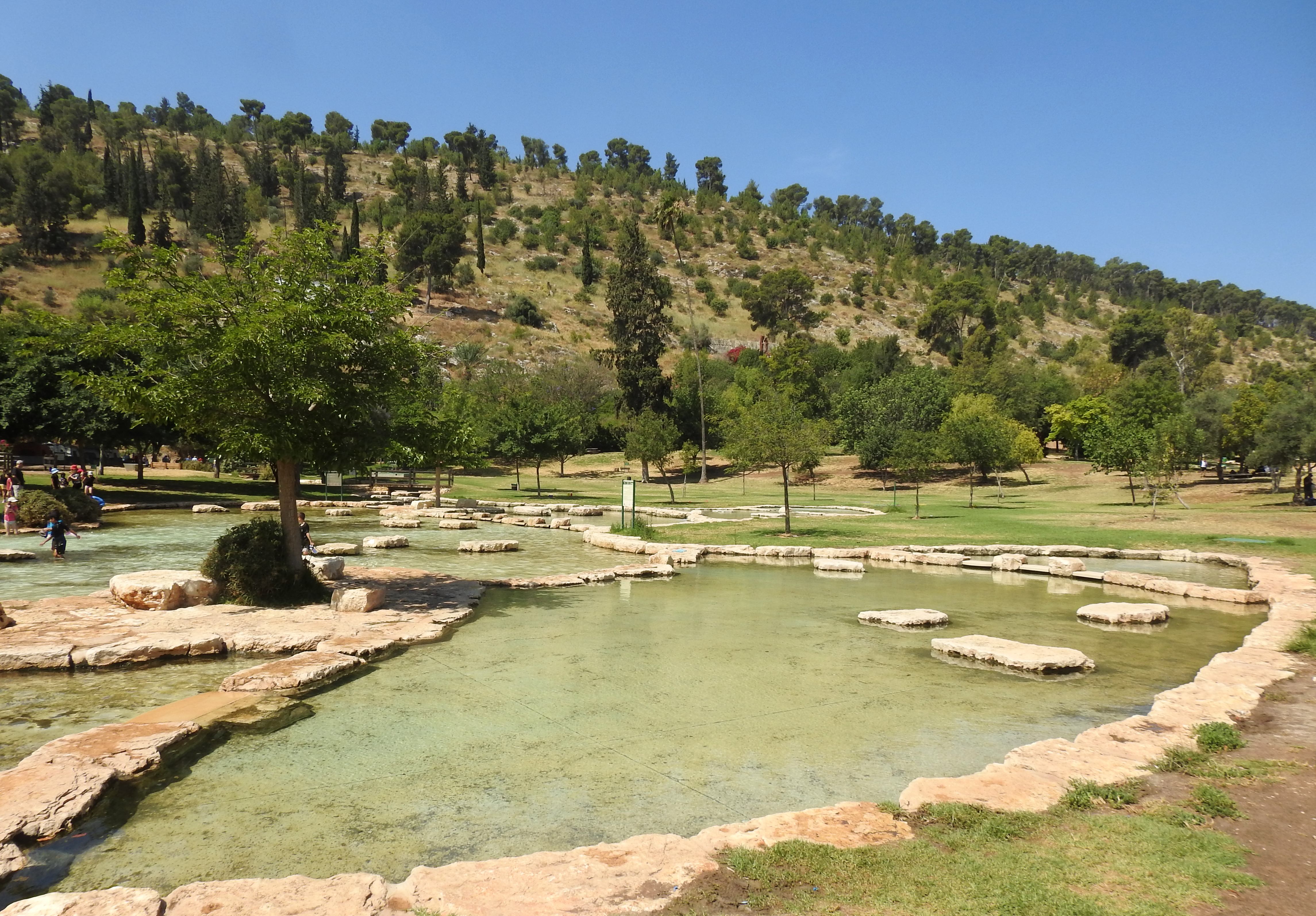
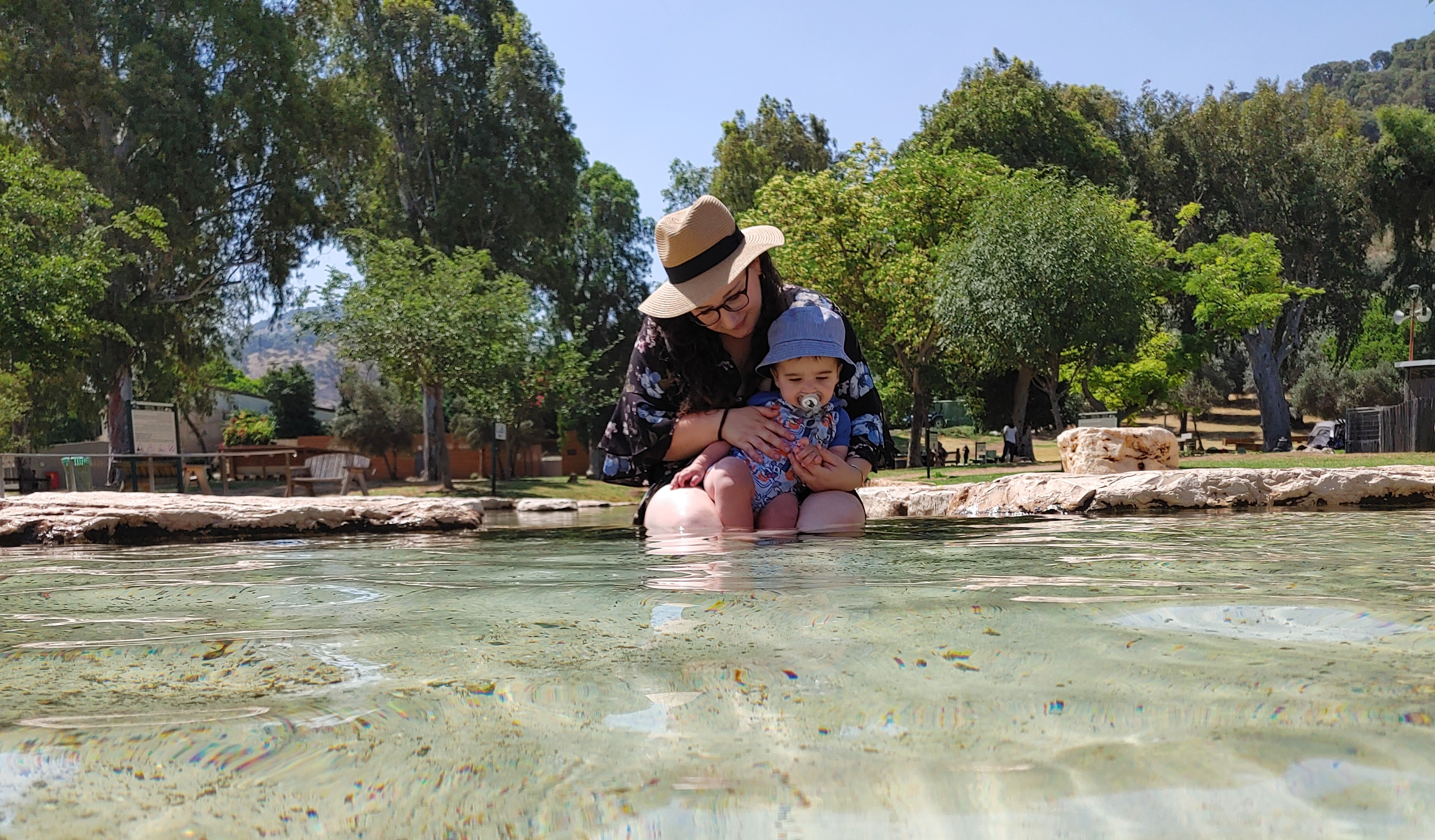
The gentle pools of Ma'ayan Harod

The gentle pools of Ma’ayan Harod

We packed ourselves up in the morning and headed out nice and early, hoping to beat both the heat and the crowds. It wasn’t too long before we were driving through the beautiful Jezreel Valley, and then past my military reserves base just outside of Afula, and then to the spring-dotted land shadowed by Mount Gilboa.

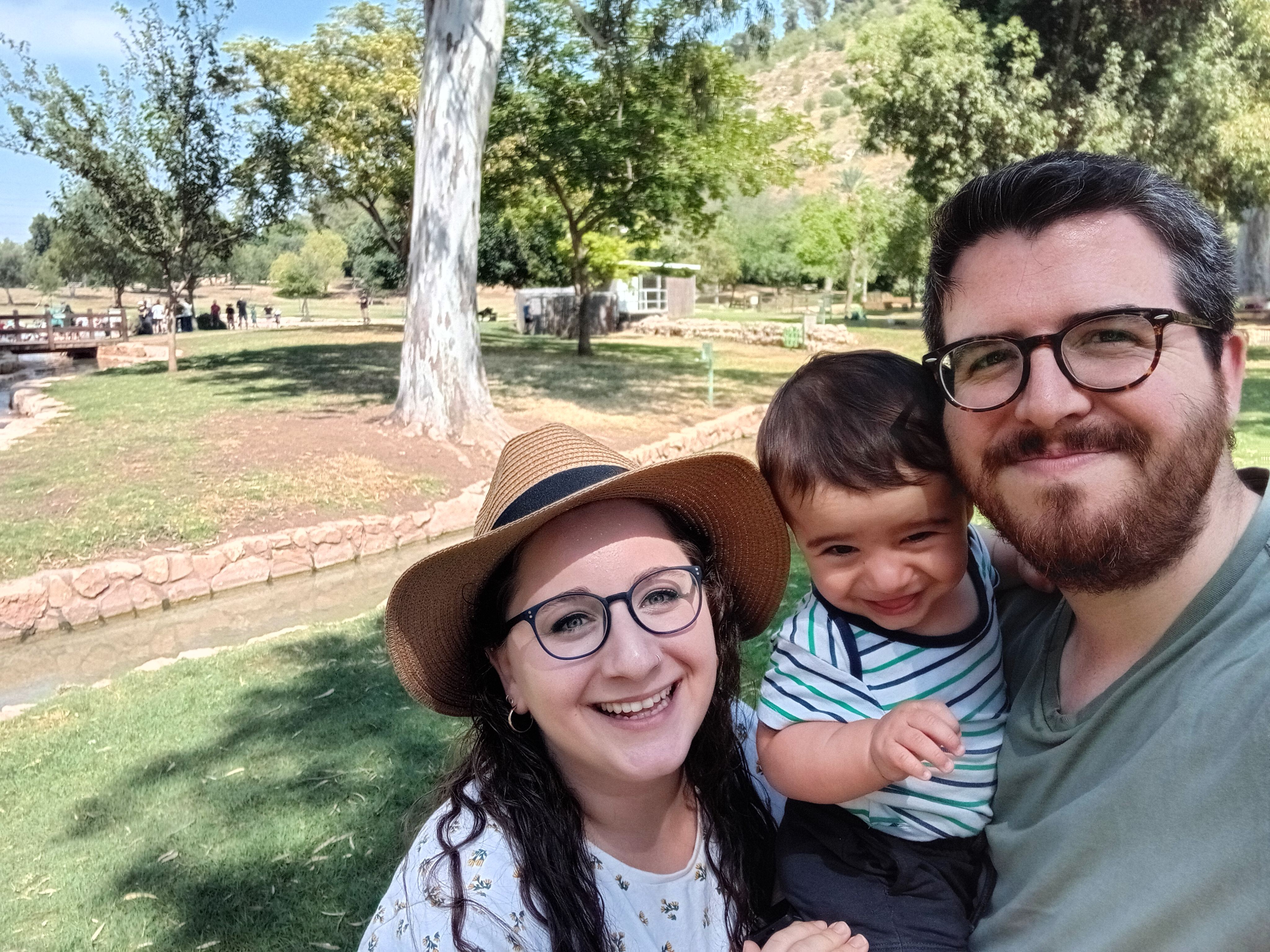
A family outing at Ma'ayan Harod

A family outing at Ma’ayan Harod

Arriving, we parked and examined the park pamphlet, noticing that there were only a few things to see – primarily, the spring and pools of Ma’ayan Harod. However, despite the park’s simplicity, there is something special about this place, also known as Ayn Jalut. This was the site of an incredible, history-making battle fought between the invading Mongols and the then-rulers, the Mamluks.

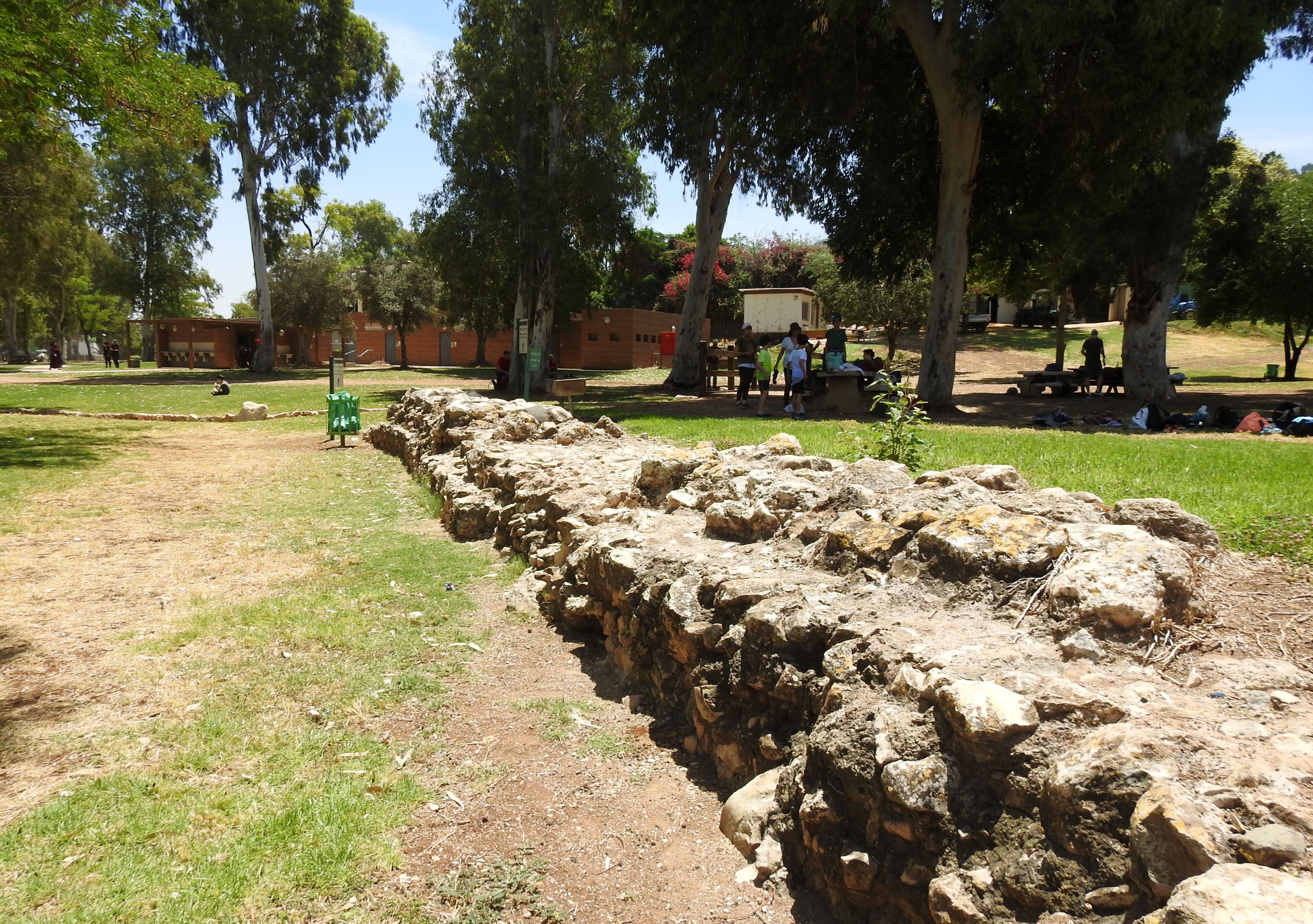
Remains of the ancient aqueduct

Remains of the ancient aqueduct

This crucial battle stemmed the tide of Mongol invasion, and likely created chaos amongst the local population – something that I touched upon in a forthcoming article I co-authored last year. Along with the battle at the Horns of Hattin, which took place less than thirty kilometres to the north, the battle at Ayn Jalut is one of the most iconic medieval battles to take place in the Holy Land. Thus, I was more than intrigued to be exploring this new site.

Introducing Amir to the cool spring water

Introducing Amir to the cool spring water

However, when visiting the park, the spring water-filled pools are, without doubt, the main attraction. We took a quick look around, saw that the pools were being temporarily vacated, and decided that we’d start our visit with a splash. We changed quickly, and then introduced ourselves to the cool spring waters. Amir was decidedly unimpressed and, quite understandably, had a bit of difficulty getting acclimated to the water. But when he did, we were all filled with joy.

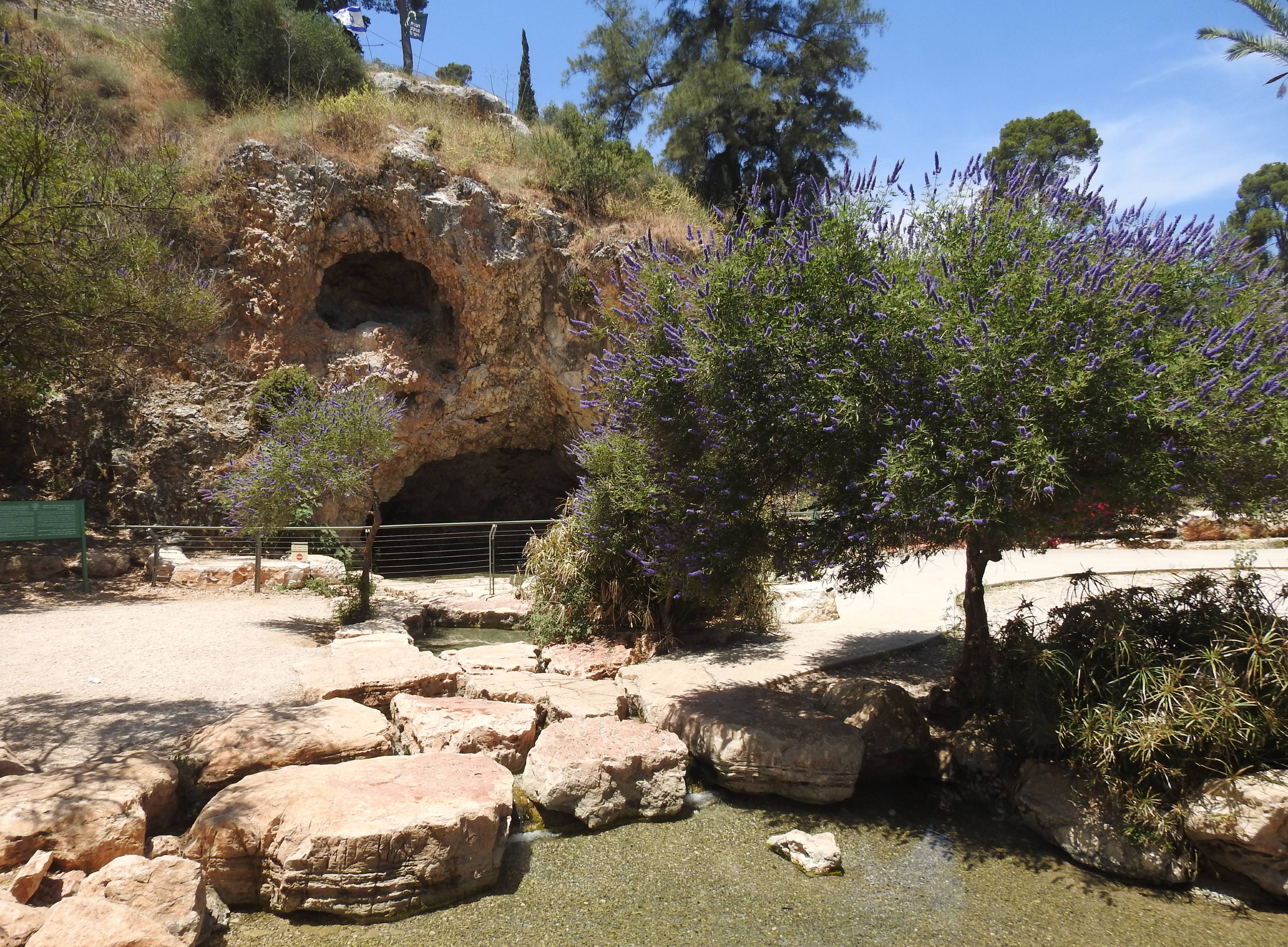
Gideon's cave

Gideon’s cave

Thankfully, we were able to have all of the pools to ourselves, despite the fact that there were school children visiting in droves. When we had splashed around enough, we got back out, found a nice shaded spot under some trees and had a little picnic. The food perked Amir right up, and before long we were exploring some more.

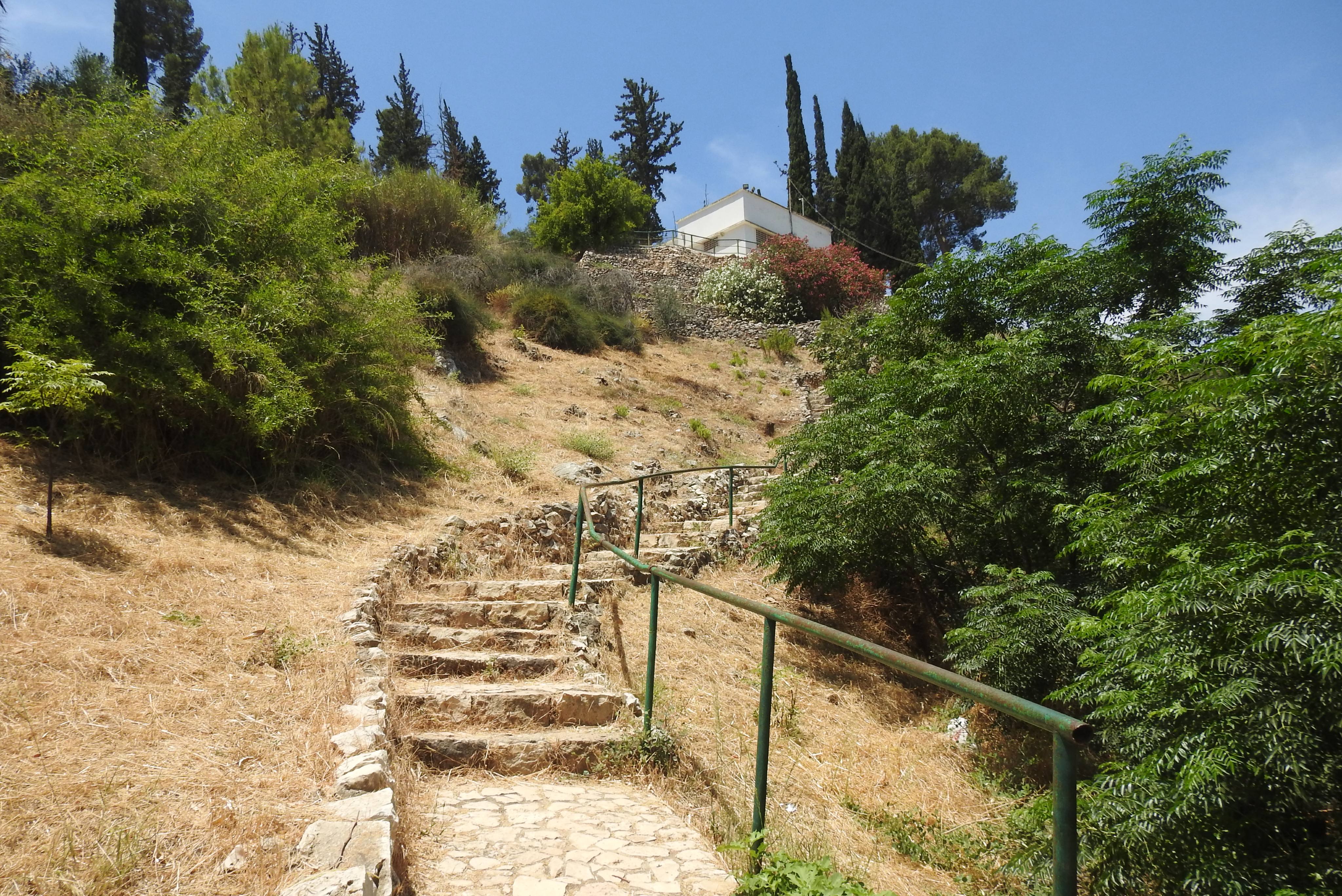
The path up to the Hankin house and tomb

The path up to the Hankin house and tomb

Not far from where we had eaten was the remains of an ancient aqueduct, sunken into the grassy topography and hardly noticeable to the untrained eye. Backtracking the spring water’s flow took us to a small, shallow cave where fresh water gurgled out enthusiastically.

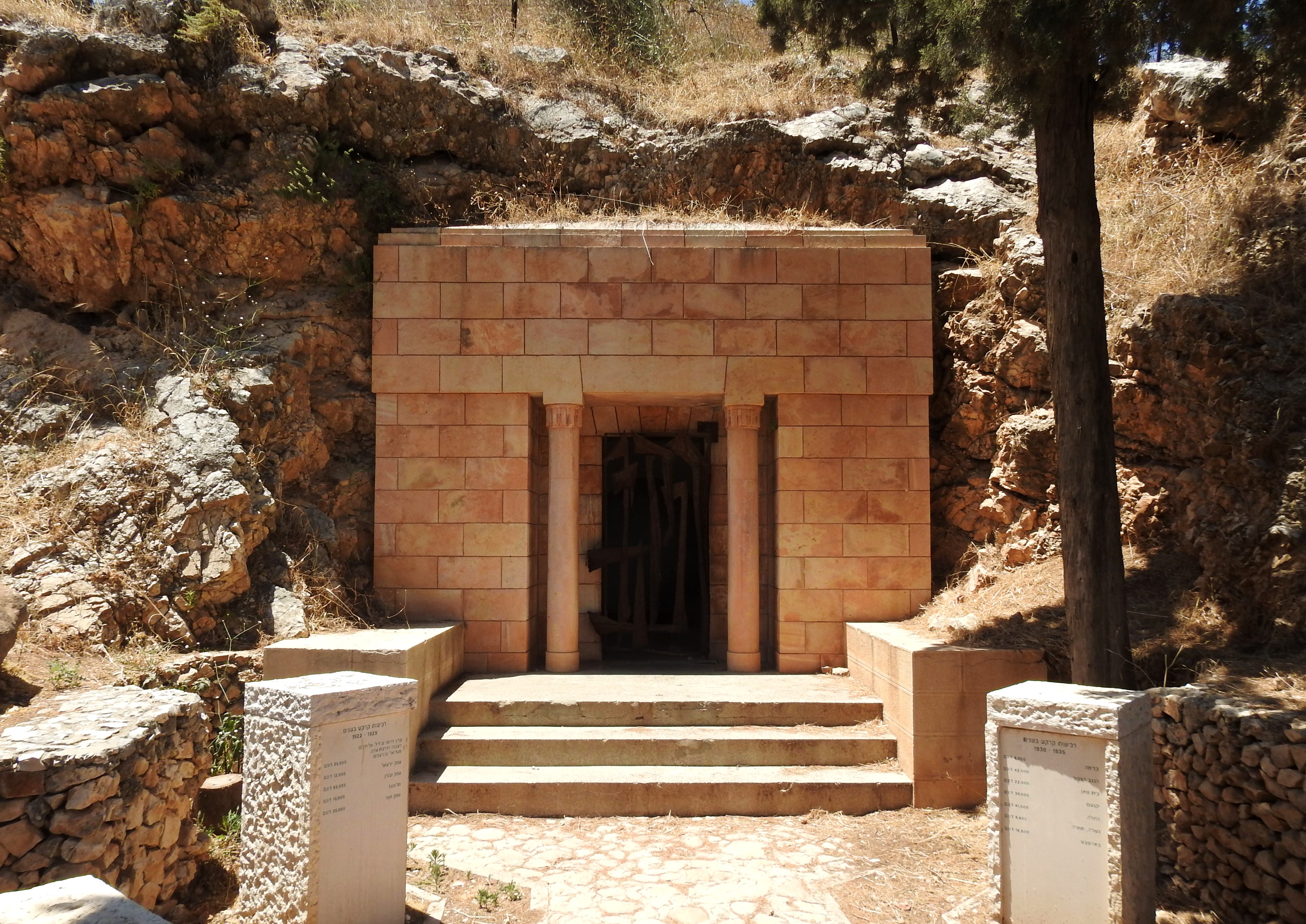
The Hankin tomb

The Hankin tomb

This is said to be Gideon’s cave, referencing the biblical story of the Israelite leader who tested his troops by the manner in which they drank – again, believed to be this very spring.We saw a group of religious tourists re-enacting this event, a study in human behaviour.

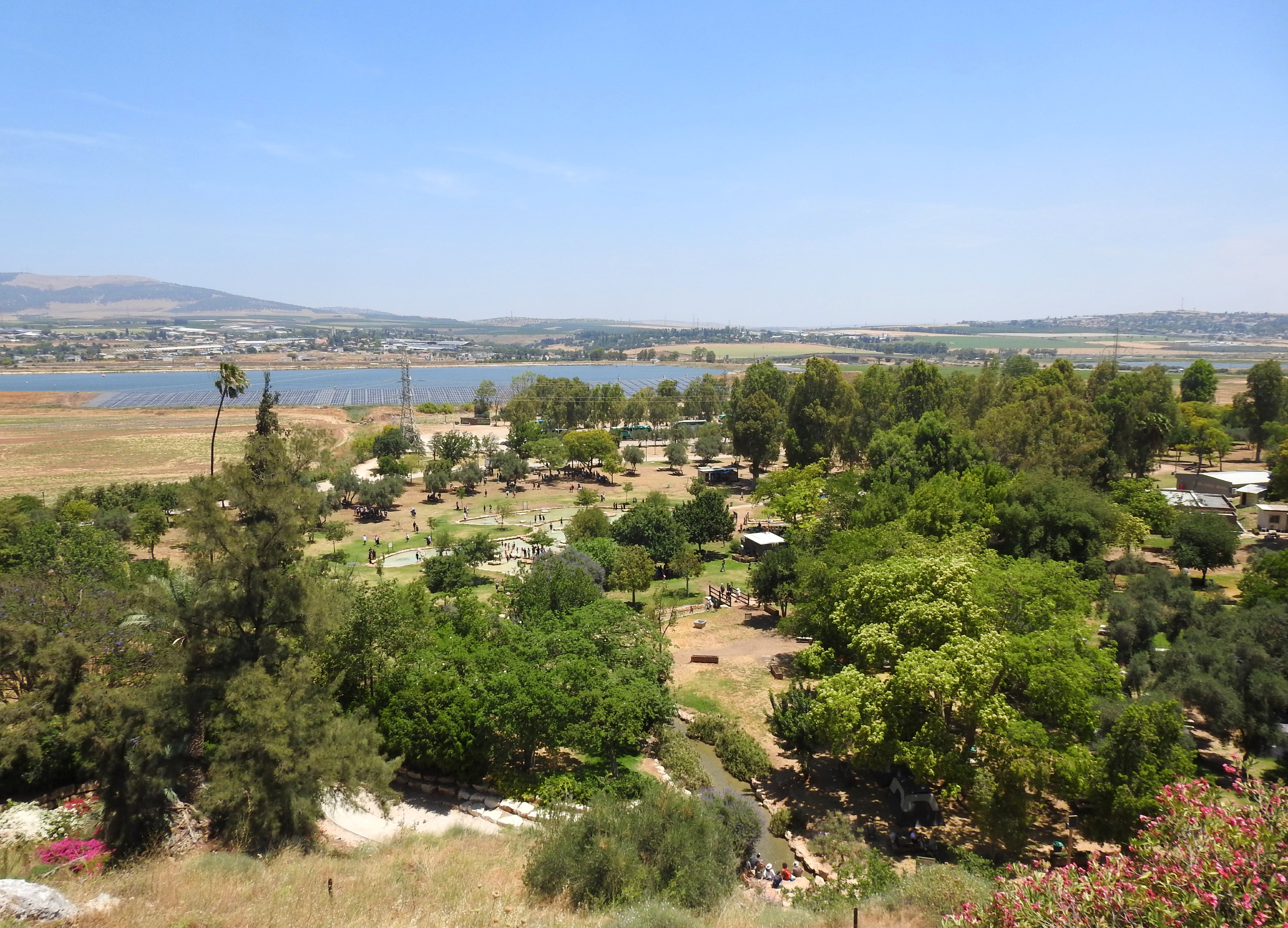
Looking down at the park and surrounding area

Looking down at the park and surrounding area

Next, I decided to pop up the small slope that served as the backdrop to the beautiful park to see the few sites that were marked on the map. Alas, all there was to see was the joint tomb of Yehoshua and Olga Hankin, pioneers of local settlement in the early 1900s, and their humble Bauhaus house. Unfortunately, the house itself was locked and, as such, I was unable to properly explore it. Heading back down the slope, and marvelling at the view, I rejoined Bracha and Amir and we made our way out of the park.

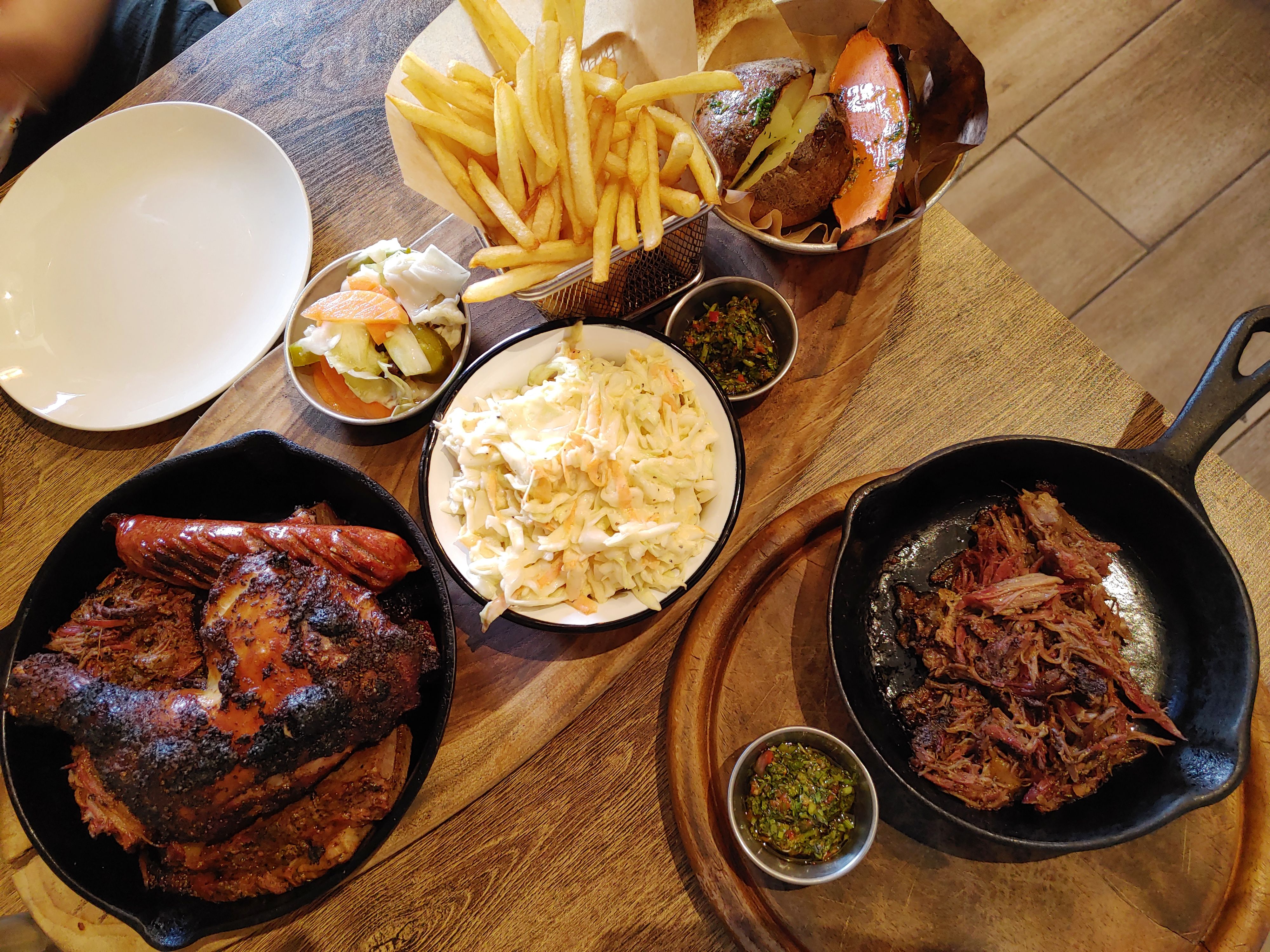
Slow-cooked meats and sides at Brisket Bar

Slow-cooked meats and sides at Brisket Bar

Yet, the day was not over as Bracha had planned an interesting lunch for us at a restaurant called Brisket Bar, a highly-praised bastion of slow-cooked meats. Indeed, the fine selection of meat was incredibly tasty and very deserving of the praise we’ve heard, as the three of us can attest to. From there we drove home, happy and with the feeling of a day well spent.

Ramat Gan Safari

In Central Israel, Israel on June 26, 2023 at 7:38 AM

Recently, in the middle of May, I was invited to take my family to the Ramat Gan Safari, free of charge. This was an initiative spearheaded by some bureaucratic branch of the IDF, aiming to “give back” to civilians like myself who partake in active reserve duty. Since I had served a 16-day stint in the previous calendar year, I qualified for some quality time with the safari animals, free of charge and complete with free food and activities for the children.

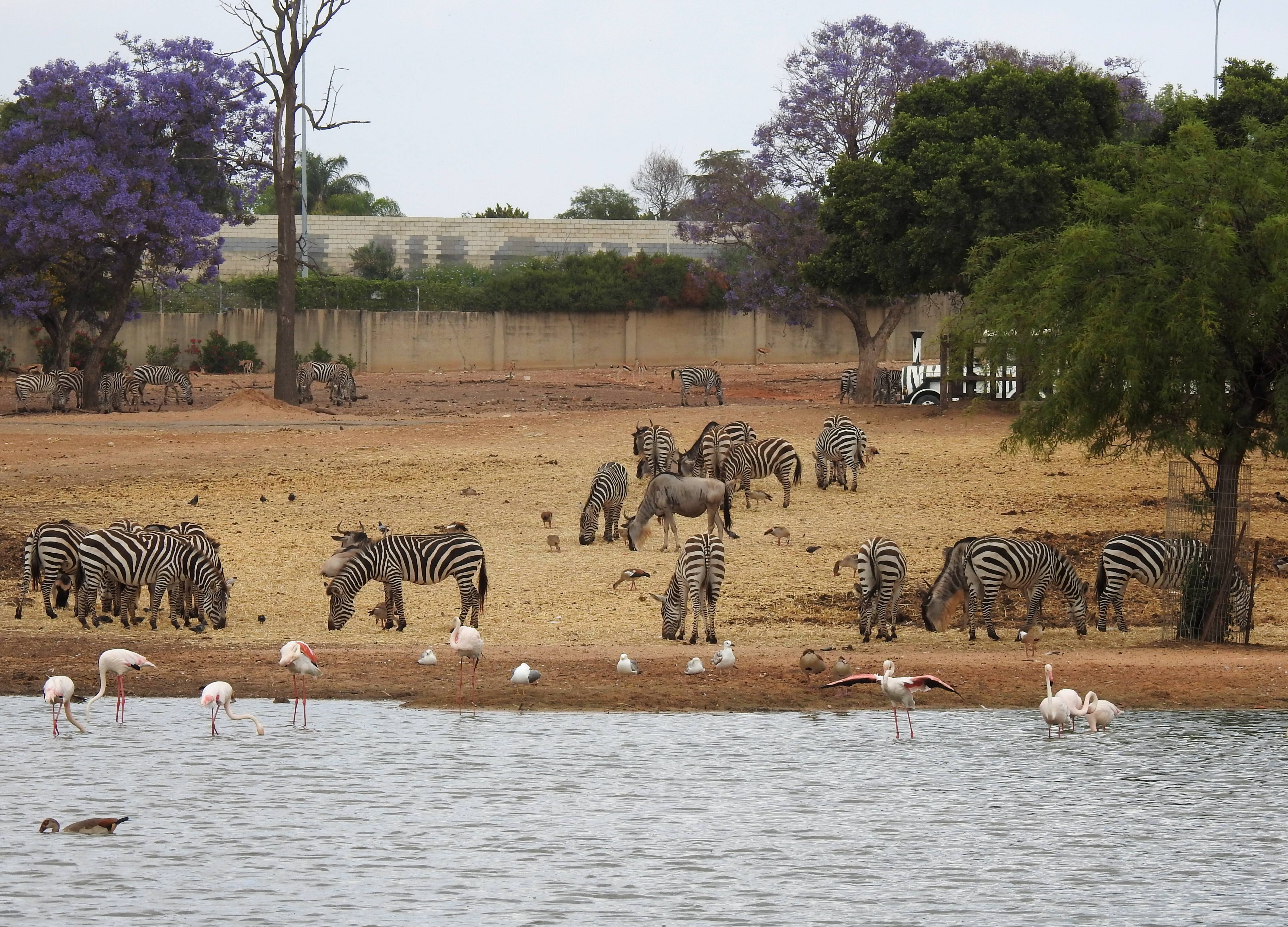
Idyllic safari scene

Idyllic safari scene

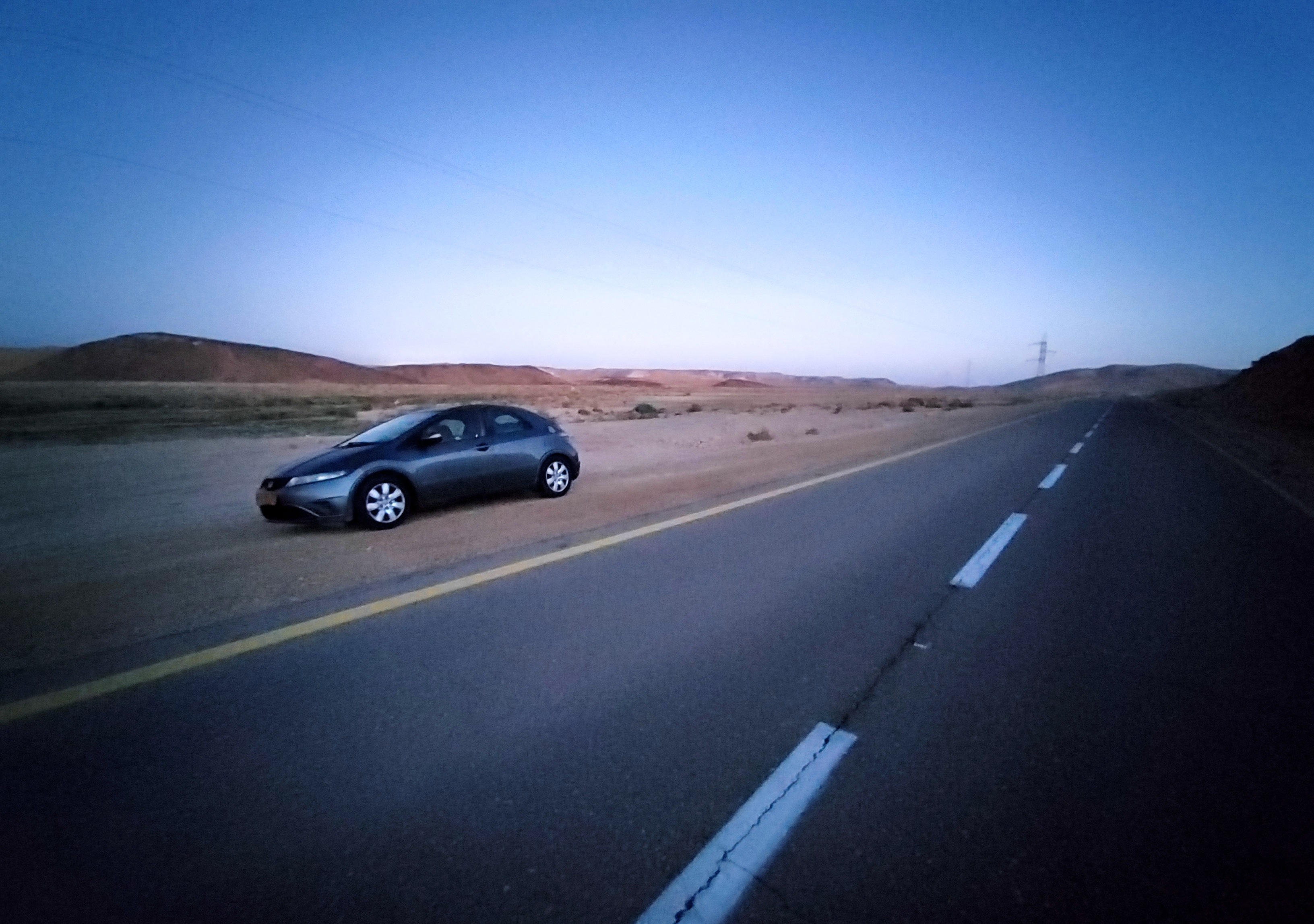
Aiming to align our visit with our son Amir’s nap schedule, we only headed over in the mid-afternoon – but thankfully, we only live a few kilometres away, so the drive was decidedly quick. Arriving in our new-to-us Honda Civic, soldiers ushered us in and we began to drive through the safari segment of the park. I had been wanting to visit the safari for quite some years, and couldn’t wait to see what lay in store for us.

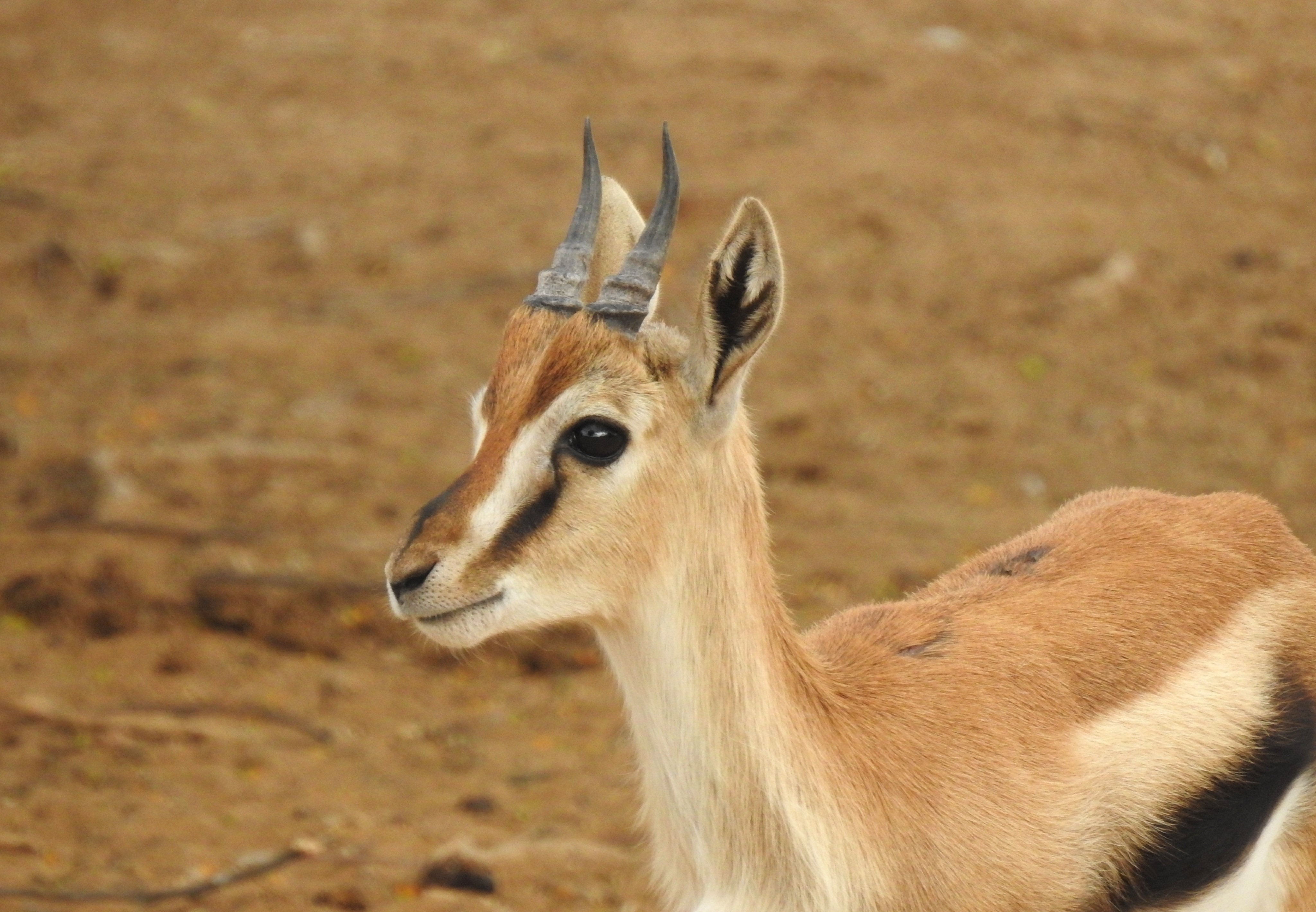
A cute Thomson's gazelle

A cute Thomson’s gazelle

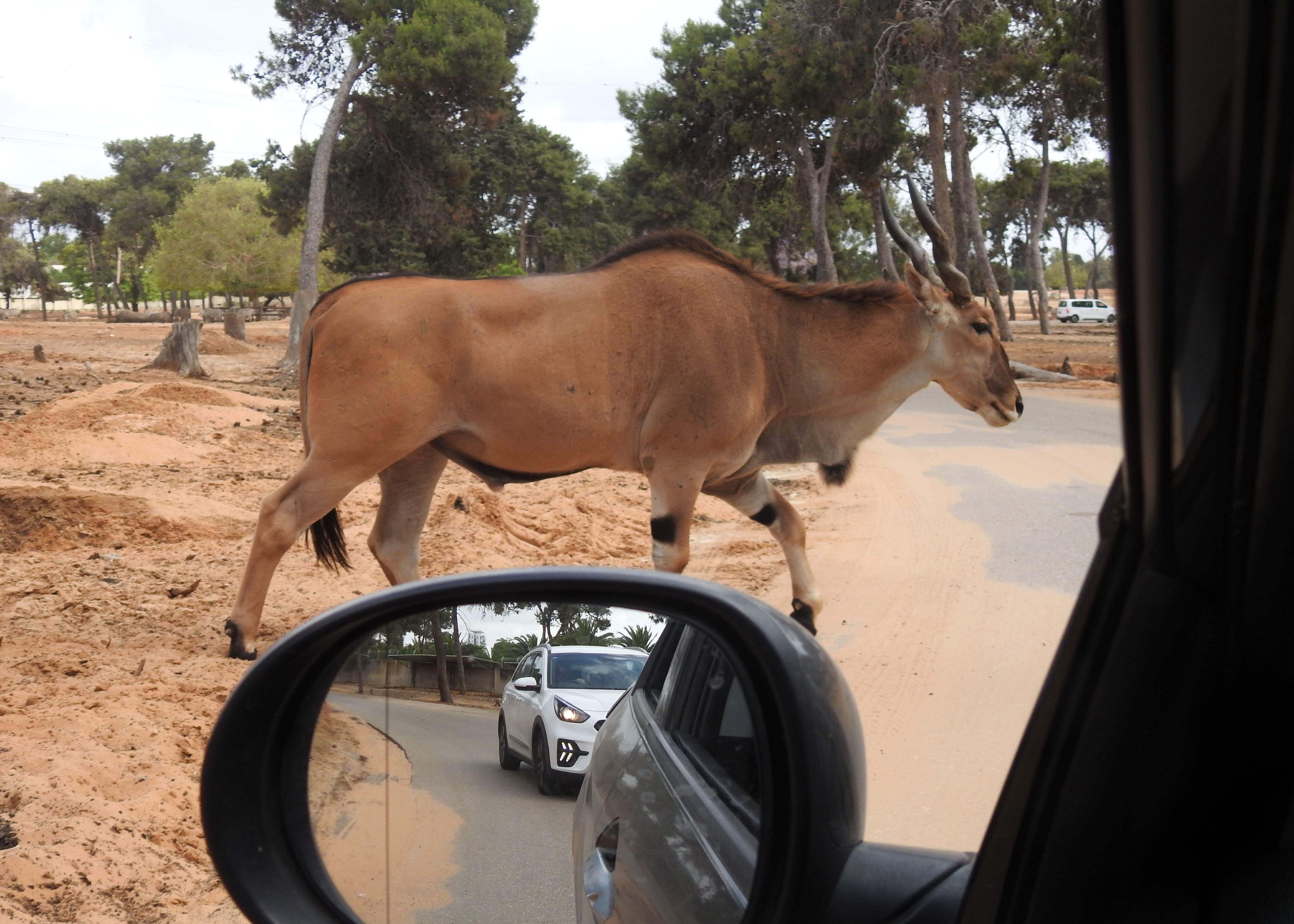
The first of the animals to be seen were a variety of herbivores, primarily giant elands and Thomson’s gazelles – a scene straight out of Africa. Some plains zebras and local spur-winged lapwings dotted the landscape too, keeping with the strict colour scheme of black, brown and white. A white rhinoceros or two added some grey to the mix, although the real colour was yet to come.

Typical safari moment

Typical safari moment

I snapped pictures here and there as we drove through the safari’s paved network of roads, hoping to spot something interesting. Some of the animals ventured relatively close by, some dashed out in front of the cars and some avoided us altogether. We kept hoping for something to be right up alongside the car, like one sees from Kruger and other parks, so that Amir would really get a good look with his little eyes. That animal was a plains zebra of sorts, can’t be too sure of the subspecies without more intensive research, and Amir got a good look as it ambled off.

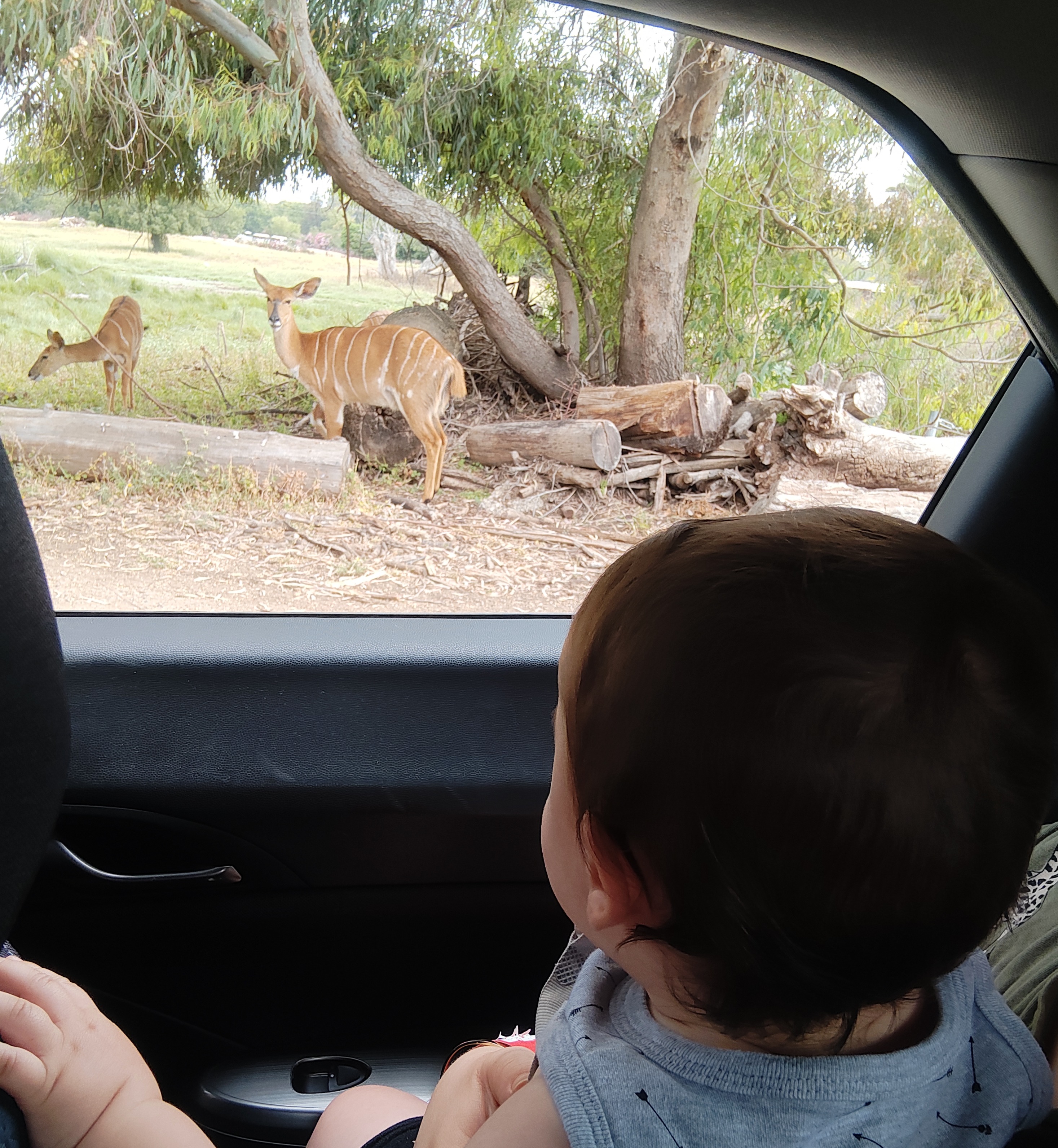
Amir getting a closer look at the kudu

Amir getting a closer look at the kudu

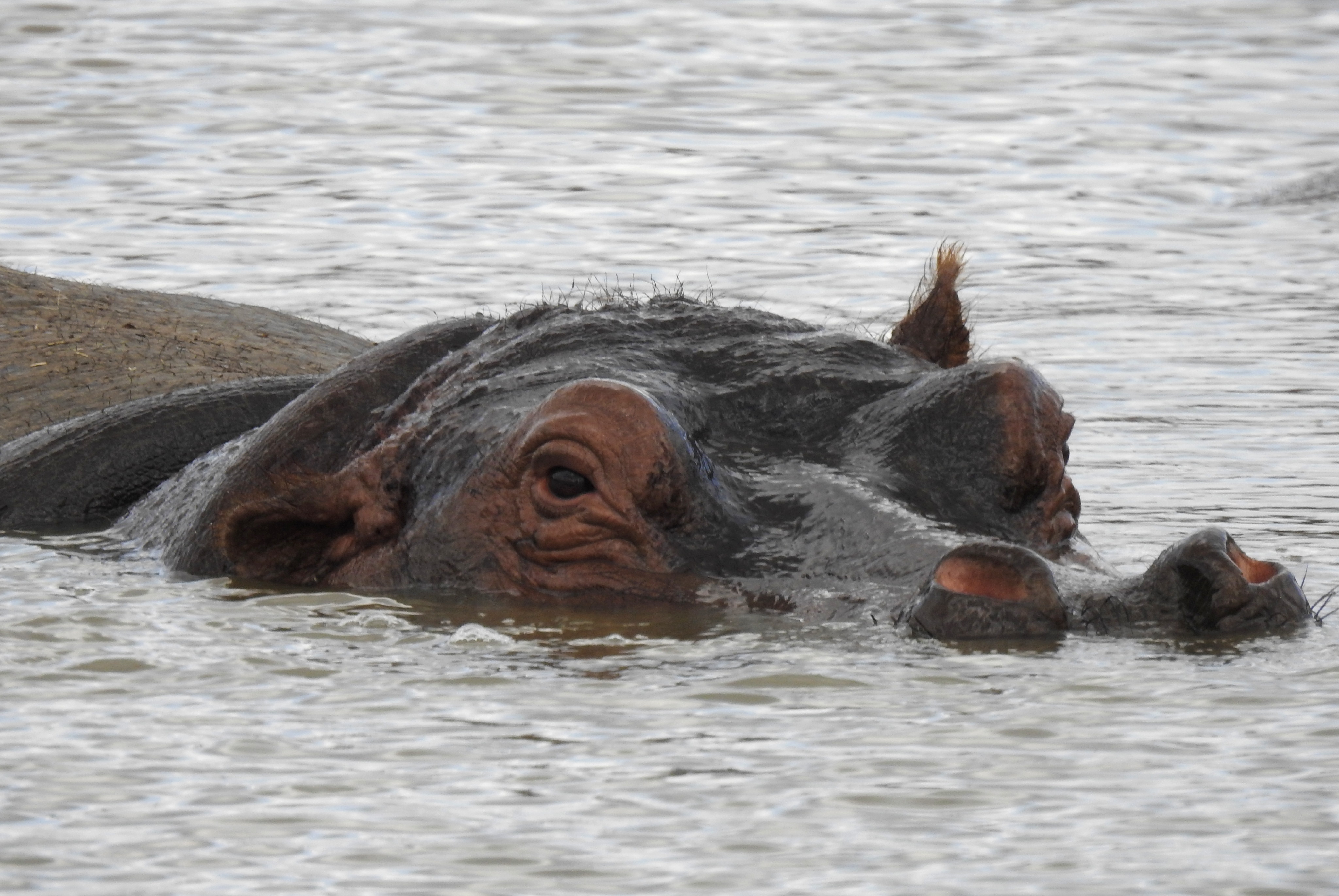
An upcoming watering hole held promise as I spotted both crowned cranes and marabou storks at the water’s edge. I’ve always been amused by marabou storks and it was so nice to finally see one semi-free, standing ominously with the grim appearance of a plague doctor-cum-undertaker. Some great white pelicans on the road seized our attention next, and suddenly one of the nondescript dirty lumps in the pond’s centre began to move – hippos!

Hippo emerging from the water

Hippo emerging from the water

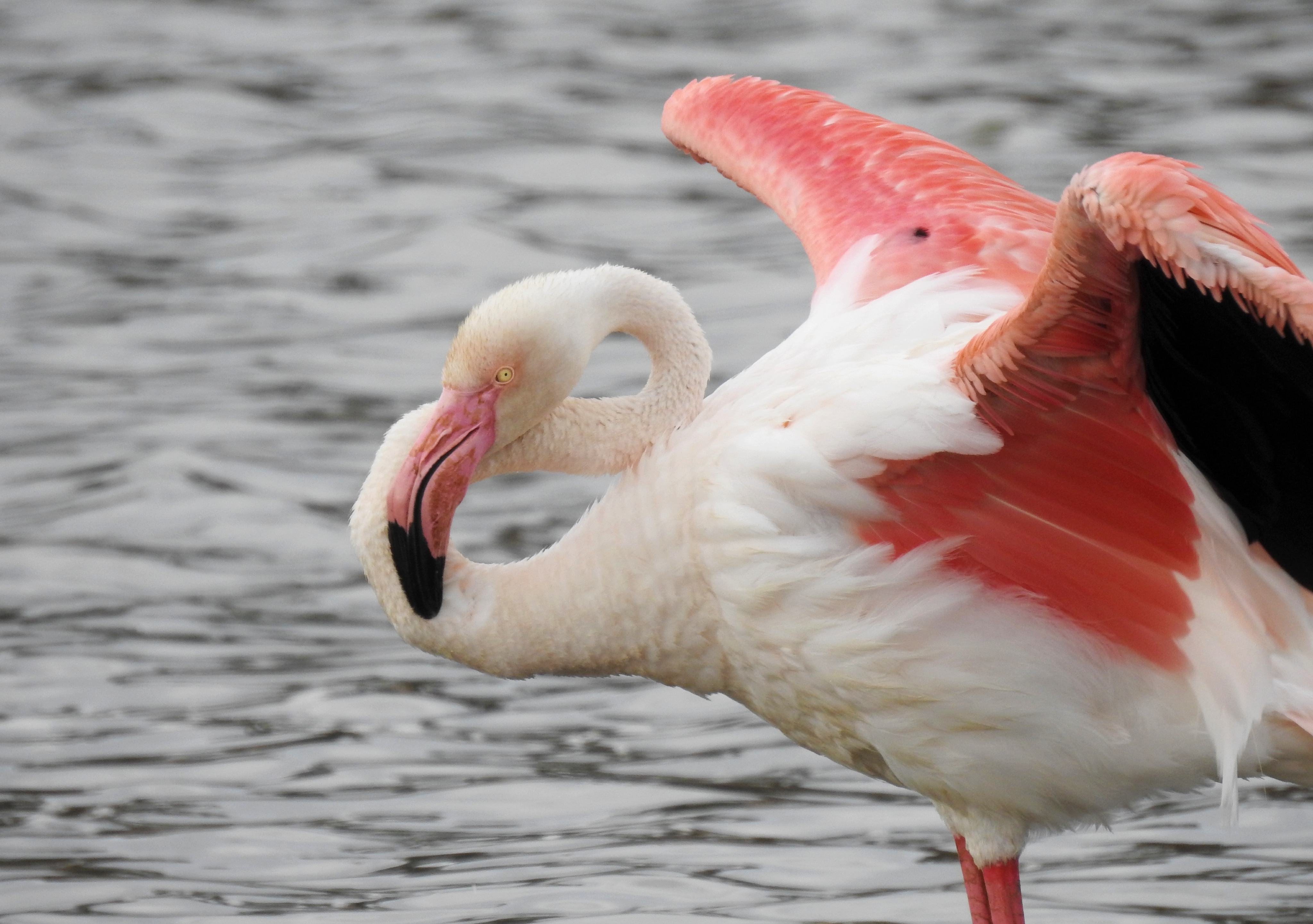
Greater flamingos danced in the background, flashing their rosy pink accents and brightening up the scene, a scene that was becoming more and more African. A handful of wildebeests and scimitar oryxes were seen next, mingling with the plains zebras and Thomson’s gazelles. As we progressed towards the lion enclosure, we began to see other species such as kudus and an undetermined species of giraffe.

A greater flamingo showing off

A greater flamingo showing off

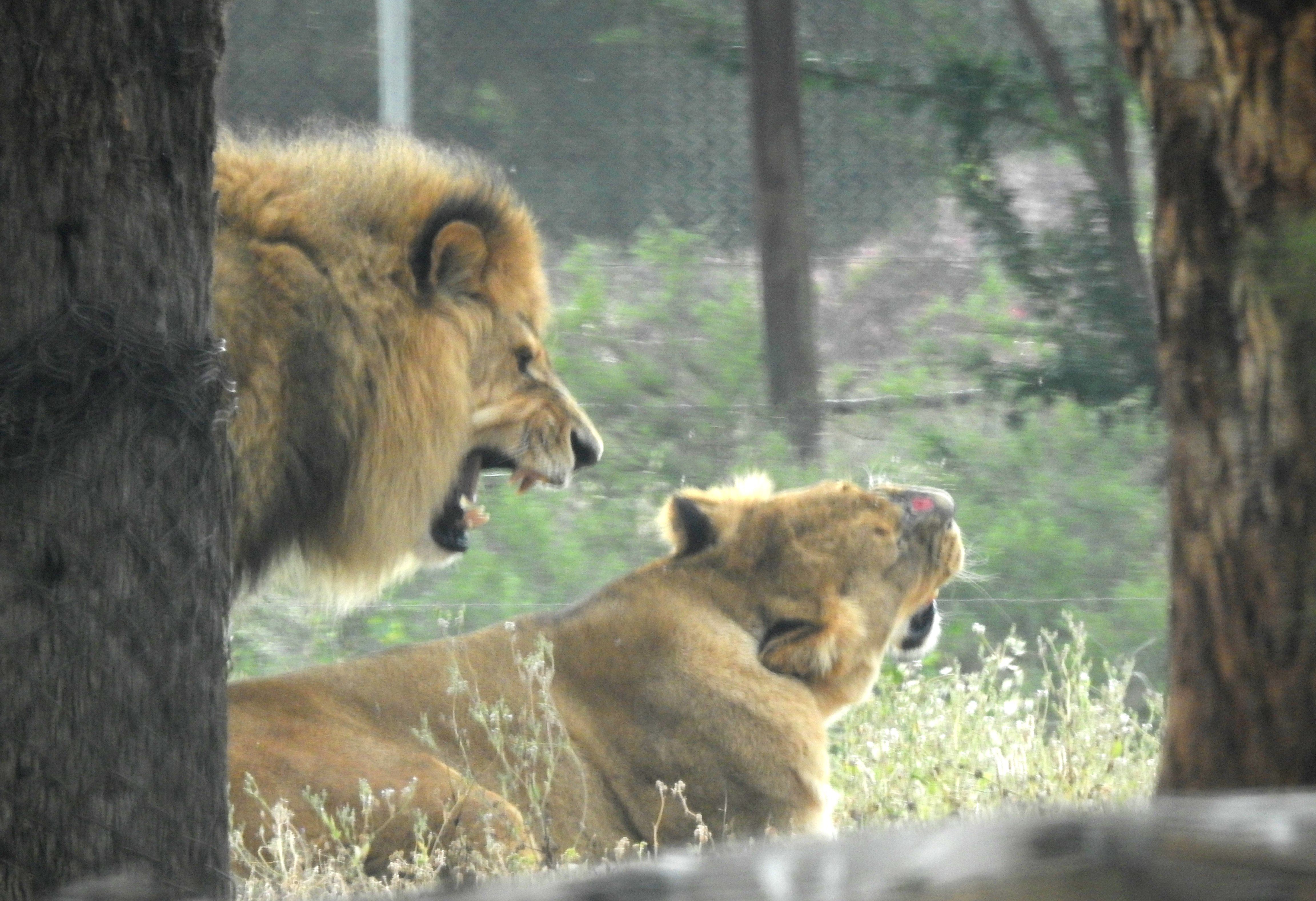
At last we reached the lion enclosure, protected by a double gate and manned watchtowers. We rolled up our windows and entered, peering about here and there in search of the yellow-furred predators. It was a relatively small enclosure so it didn’t take long before we found a pride of African lions lounging about the grassy hillock that was flanked by the paved road. A maned male was making some moves on one of the females, but it was atrociously difficult to take decent pictures through the glass.

Photographing the lions through the window

Photographing the lions through the window

With the rest of the lions in late afternoon stupor, we rolled on out with the rest of the cars and headed for the zoo section of the safari. Parking and entering by foot, we saw that the IDF reservist day event had practically taken over the park. We were handed water bottles and found tables of pastries just begging to be eaten. Amir chewed on a croissant as we headed for the animal enclosures, starting with the distinctly Australian kangaroos.

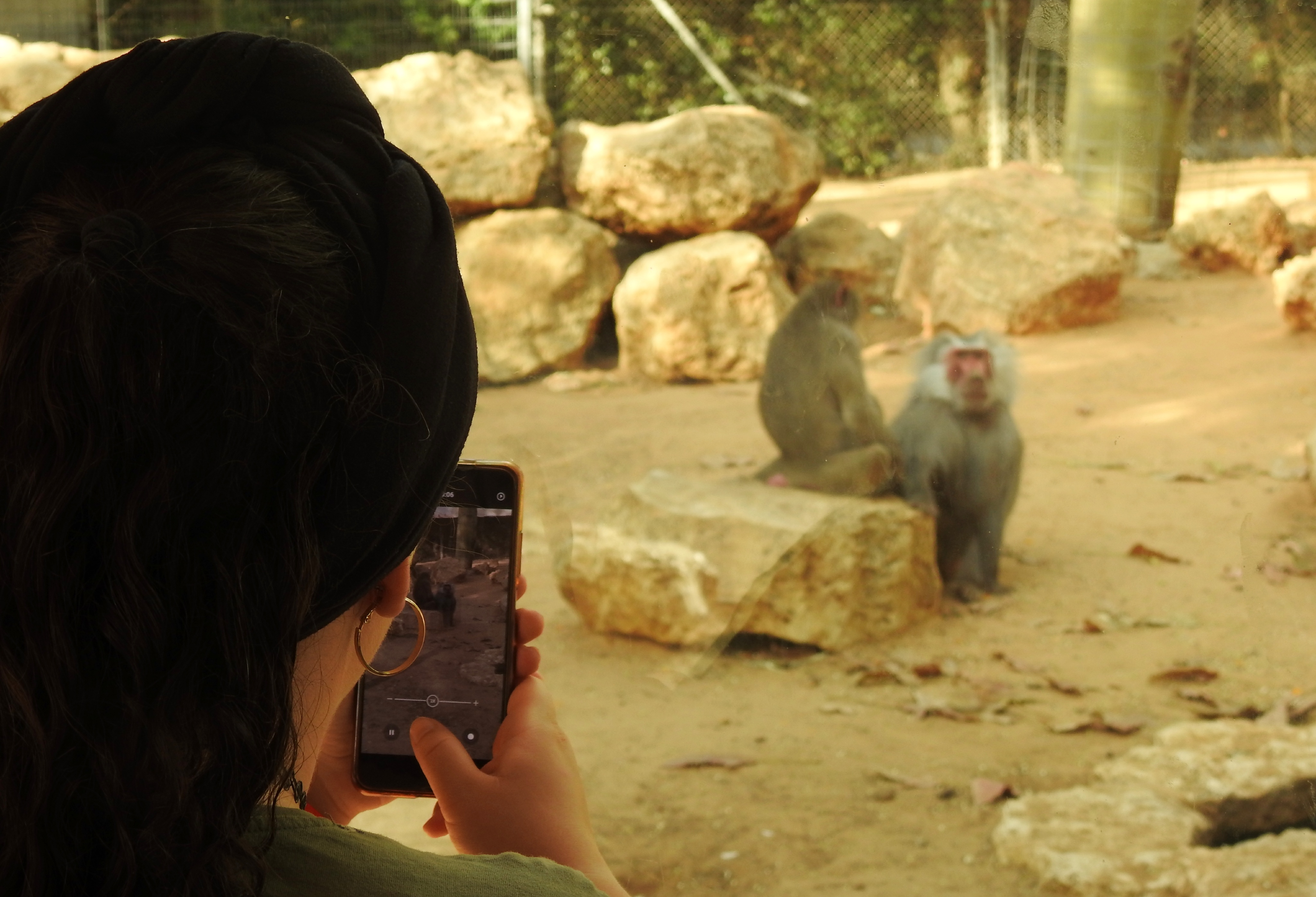
Bracha enjoying the grooming baboons

Bracha enjoying the grooming baboons

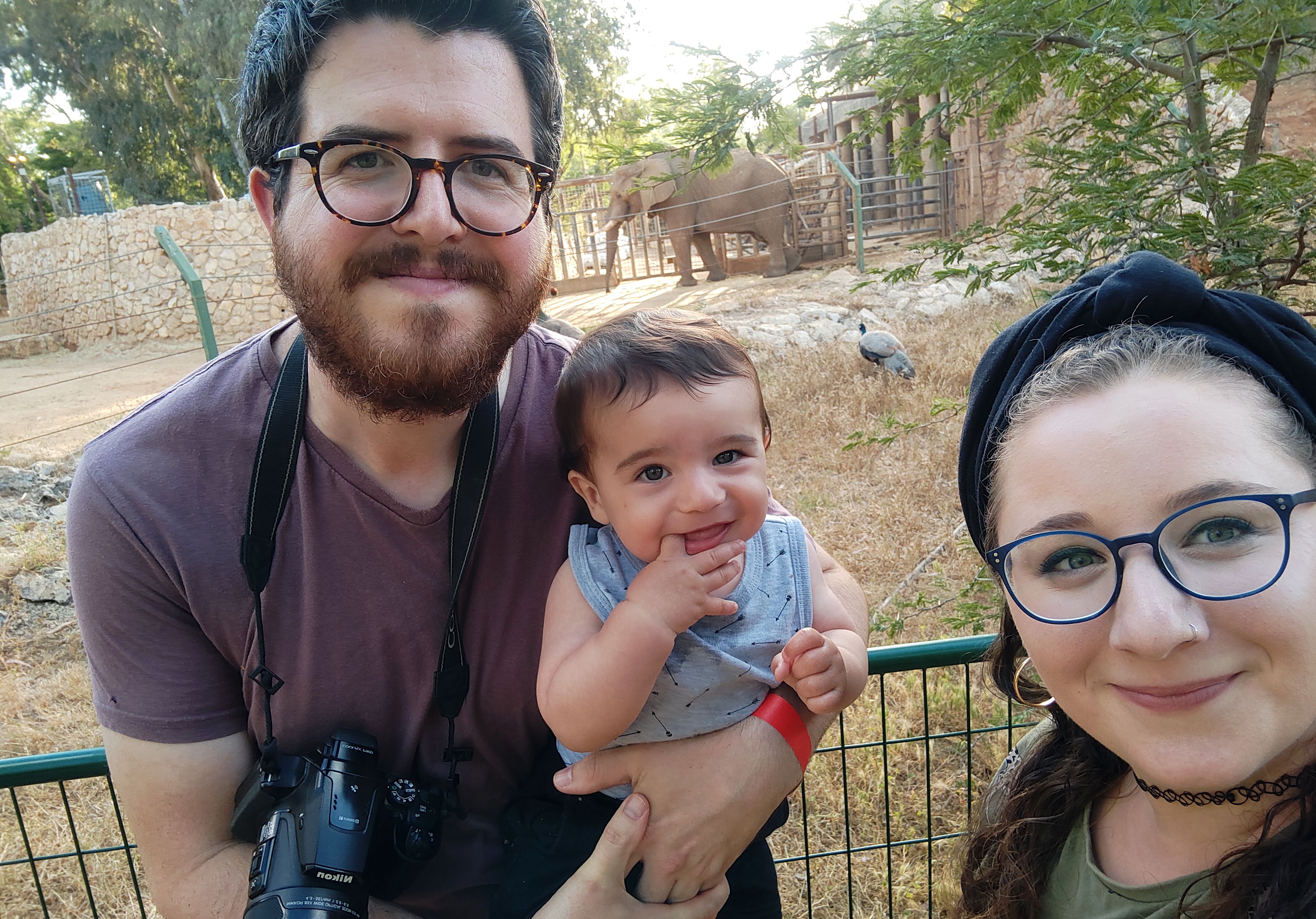
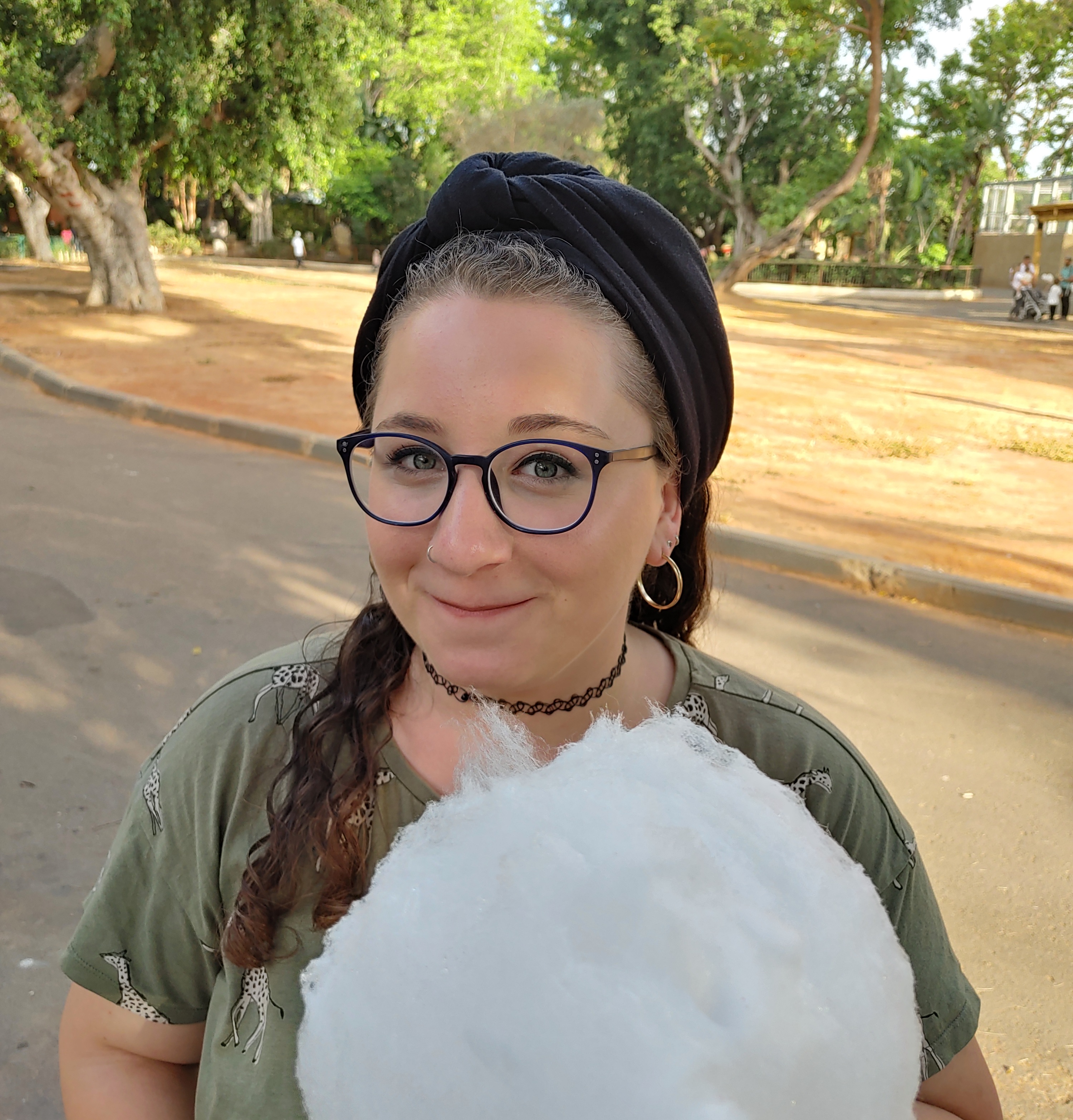
We moved on to African wild dogs and a variety of different primate species, including mandrills and baboons with their delightful seat cushions. In between the animal enclosures we found the time to get some popcorn and cotton candy (Bracha’s favourite), and then introduced Amir to some peacocks for educational and amusement purposes. We posed here and there, but for some reason Amir wasn’t having as much fun as we were, as the photos showed.

Capturing the moment as a family

Capturing the moment as a family

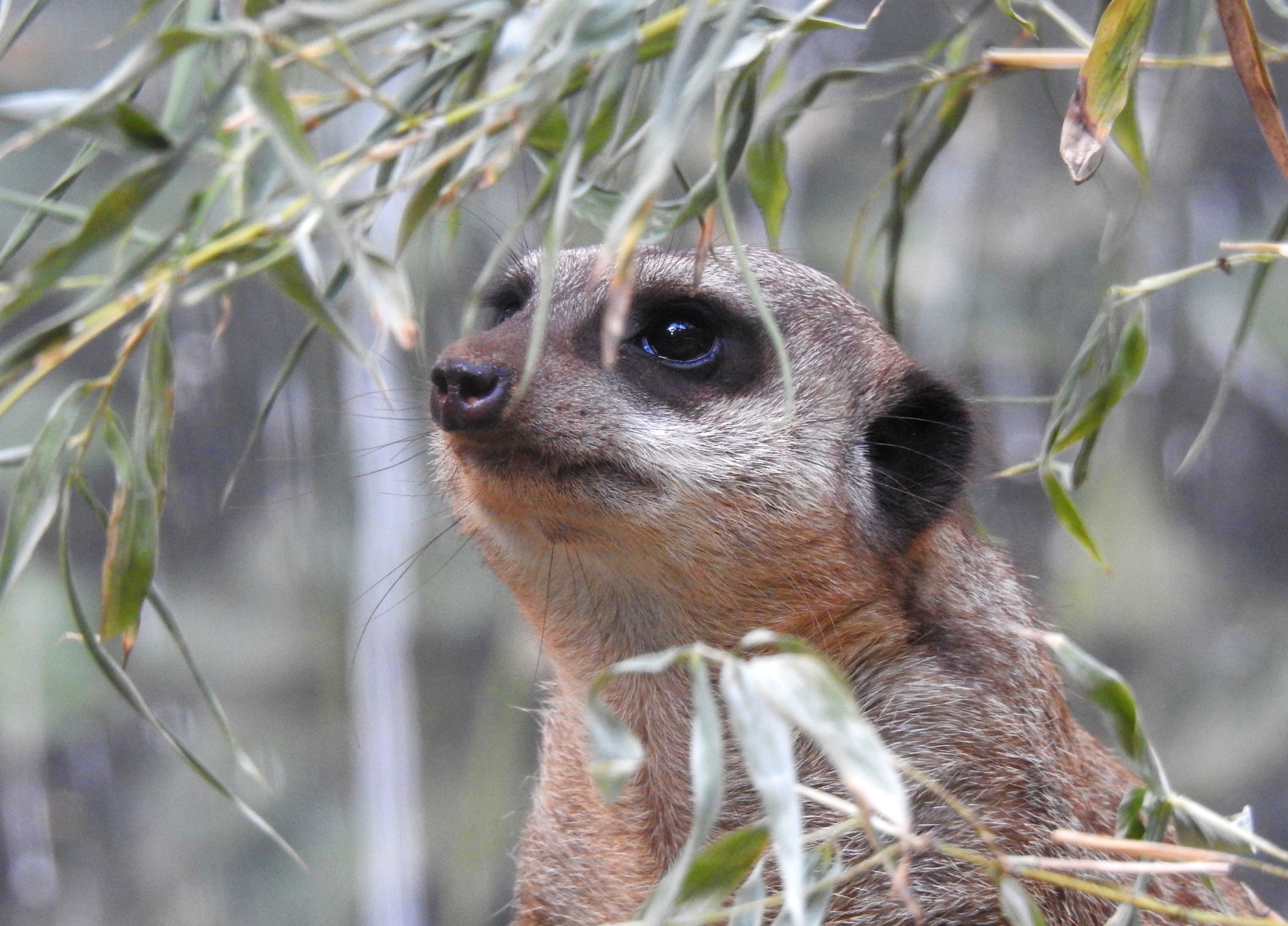
A quick stop at the playground, and some rejuvenating minutes on the swing, pumped new energy into Amir and Bracha alike. We moved on to the meerkats – such fun little creatures, an absolute joy to be around. One final stop at the Nile crocodile enclosure, where a behemoth of a lizard laid placid at the edge of a small murky pool, and we felt like we had seen enough.

The ever-watchful meerkat

The ever-watchful meerkat

It wasn’t that the zoo wasn’t nice – I was rather pleased by the leafy abundance all over, something that lended to a more natural feeling, despite the fences and cages. Certainly, it was more impressive than the Haifa Educational Zoo which Bracha and I had visited a year prior, but in the end it is still just a zoo.

Bracha and her cotton candy

Bracha and her cotton candy

For nature lovers, there feels to be something lacking when seeing the animals cooped up as such, even if these same animals can’t be reintroduced to the wild for many valid reasons. Nonetheless, I’m happy that I finally had the chance to visit the local safari, but with the same breath, I’m happy it was free.

The Sir David Salomons Collection of Watches and Clocks

In Israel, Jerusalem on June 15, 2023 at 7:11 AM

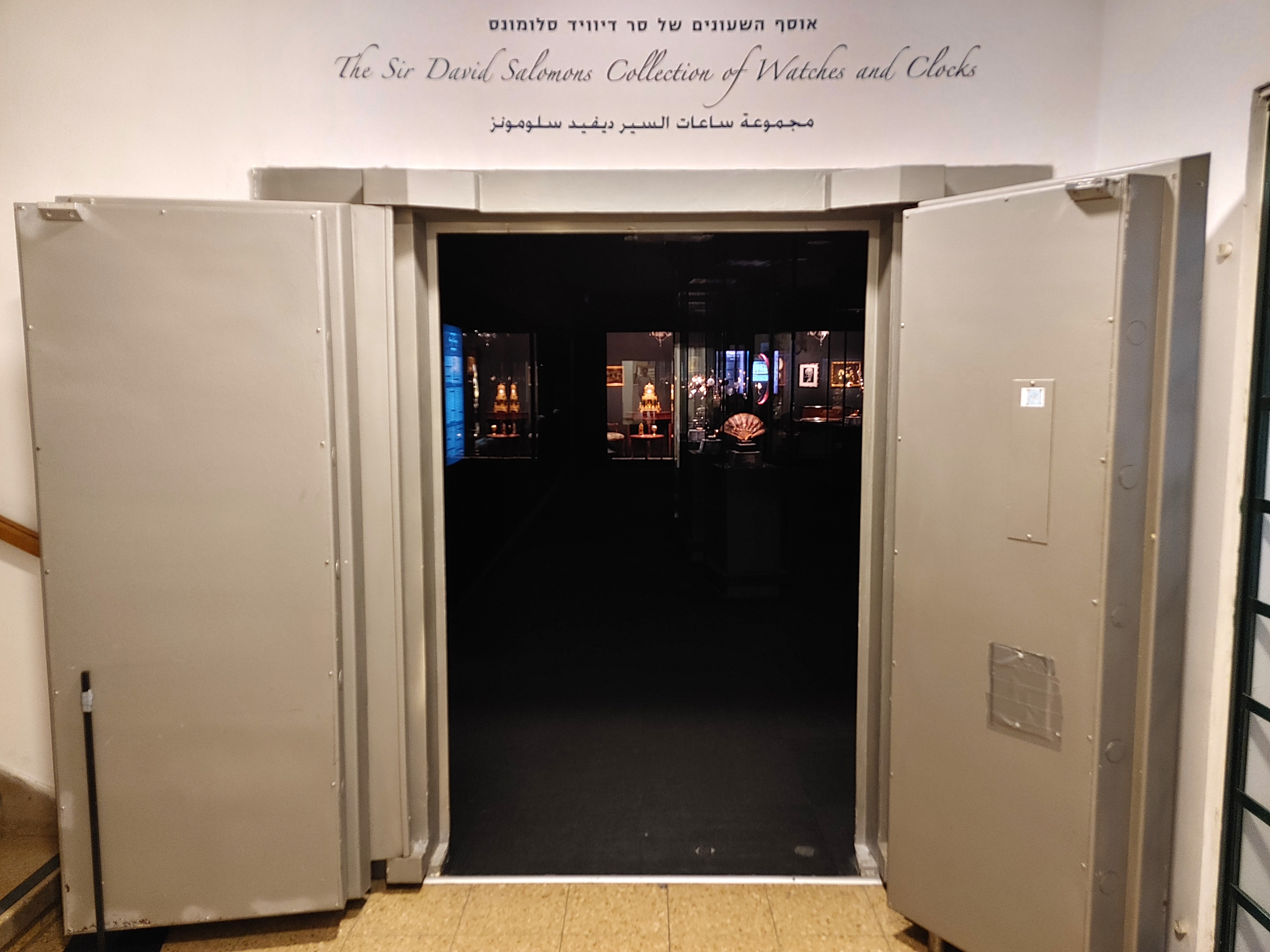
Resuming the report on the Museum for Islamic Art, our final destination was to a very special exhibit – one that deserves, and merits, its own blog post. I speak of the Sir David Salomons Collection of Watches and Clocks, hosted in a dark bomb shelter in the museum’s lower floor. Interestingly enough, I was unaware that this exhibit existed when planning our trip to the museum, but having a soft spot for horology, this came as quite the welcome surprise.

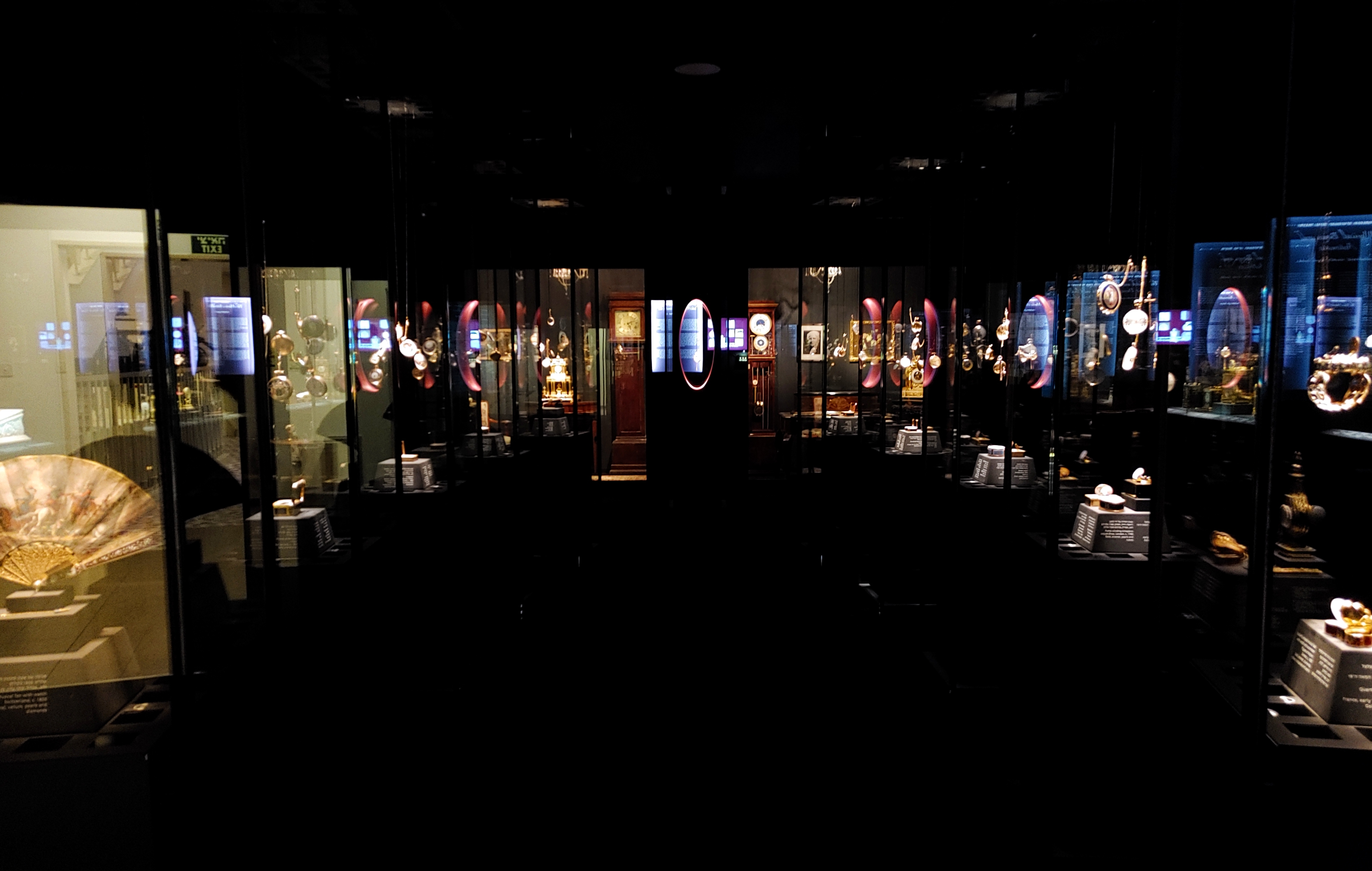
Rows of timepieces on display

Rows of timepieces on display

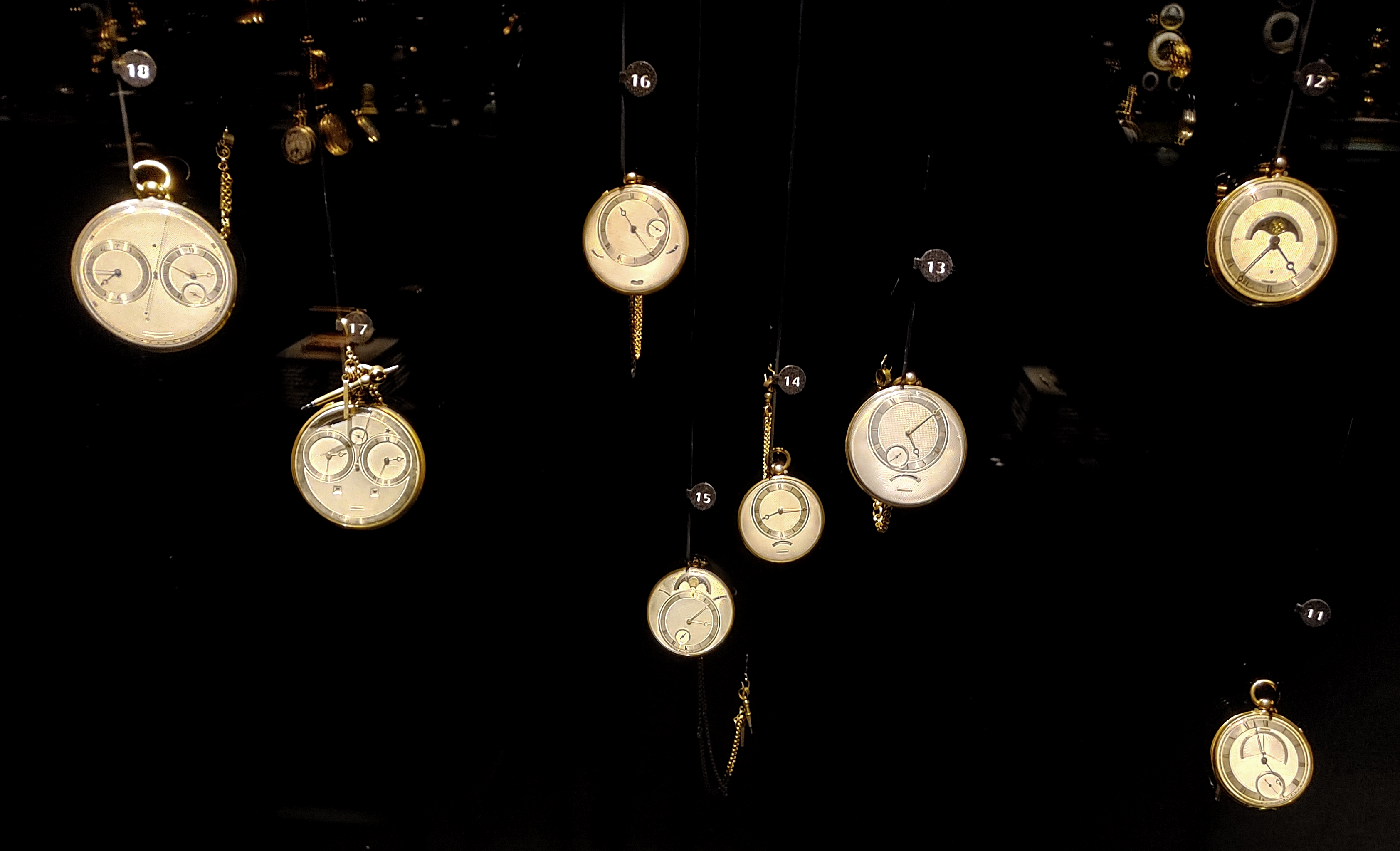
As stated before, we finished exploring the rest of the museum and came upon the open heavy bomb shelter doors that kept the watch collection safe in relative darkness. We crossed the threshold and began to examine the 200 or so timepieces in the collection. I was immediately struck by the simplistic beauty of the timepieces dangling in the darkness, perfectly illuminated as to give the appearance of time suspended indefinitely.

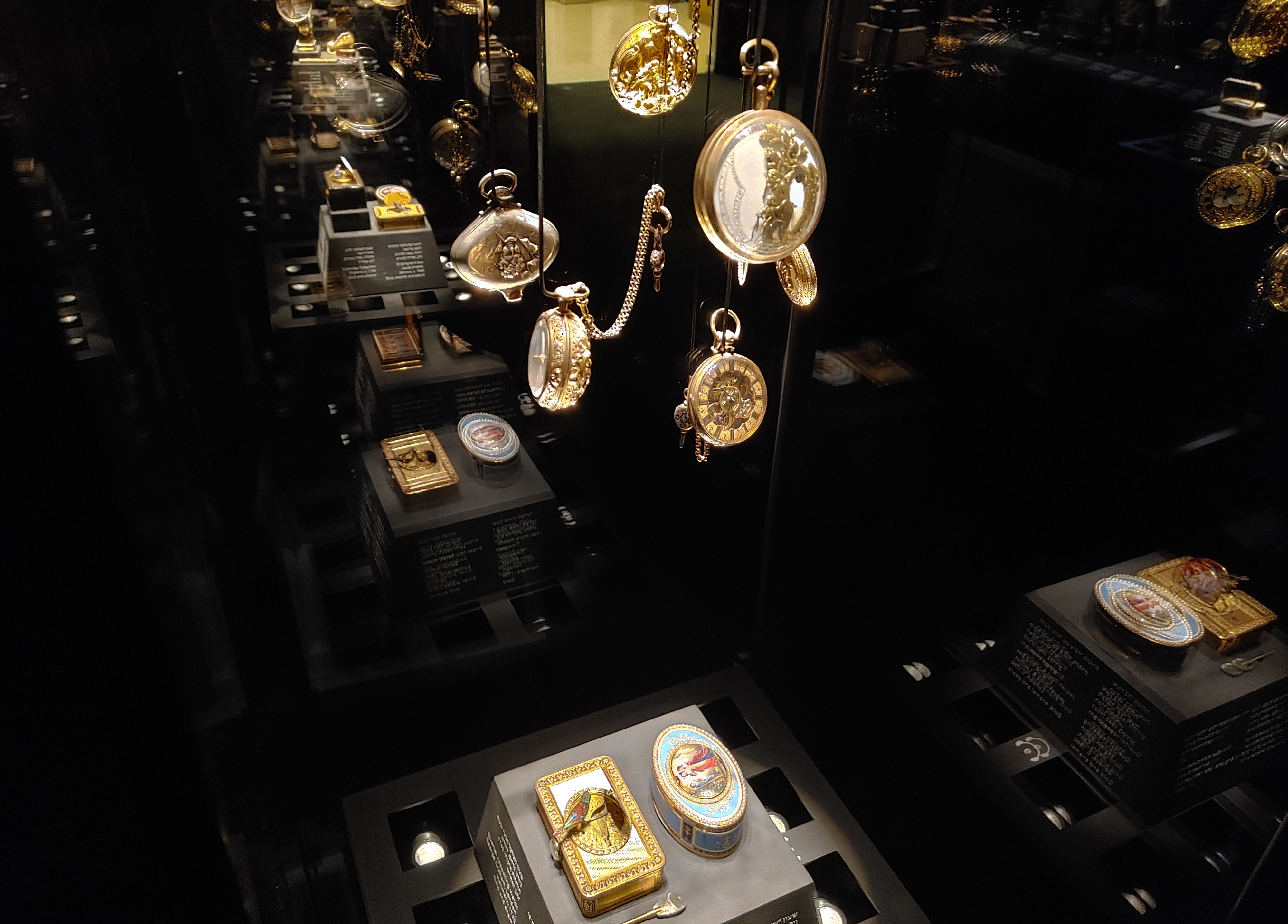
So many precious timepieces

So many precious timepieces

My perusal began with an assortment of gold French and Swiss timepieces from the 1800s, each one more magnificent than the next. It was hard not to marvel endlessly at the incredibly fine craftsmanship with each and every piece. The fine detailing that complimented the elegant and timeless designs showcased a mechanical marvel that ticked away ever so gently.

Two L. Leroy et Cie pocket watches

Two L. Leroy et Cie pocket watches

While the collection does feature a good number of stationary clocks, it was the handheld pocket watches that intrigued me most. Unbeknownst to many, my friend and frequent guest on this blog, Adam Ota, has been dabbling in the world of watch movement mechanics for a couple of years now. His speciality is in the timepieces that were crafted in the Soviet Union, practical and relatively inexpensive to source.

The rare exhibit's humble setting

The rare exhibit’s humble setting

Over these years he has gifted me two elegant Soviet wristwatches, both of which he personally cleaned, tuned and realigned to proper working order. The first, which I wore to my wedding (see HERE), was a gold-plated, 23-jeweled Luch timepiece from the 1970-80s or so. The second is a 16-jeweled Svet watch, dated to around the same time, which can be seen HERE.

A variety of Breguet pocket watches

A variety of Breguet pocket watches

Needless to say, I can appreciate a fine timepiece, and so when we delved into the incredible masterpieces of Breguet, one of the foremost horologists of all time, I may have been slightly euphoric. Of the Breguets on display, the following two caught my eye the most: Breguet No. 148 from 1792 and Breguet No. 5075 which was sold in 1857, both tastefully crafted of gold and enamel.

Breguet No. 5075

Breguet No. 5075

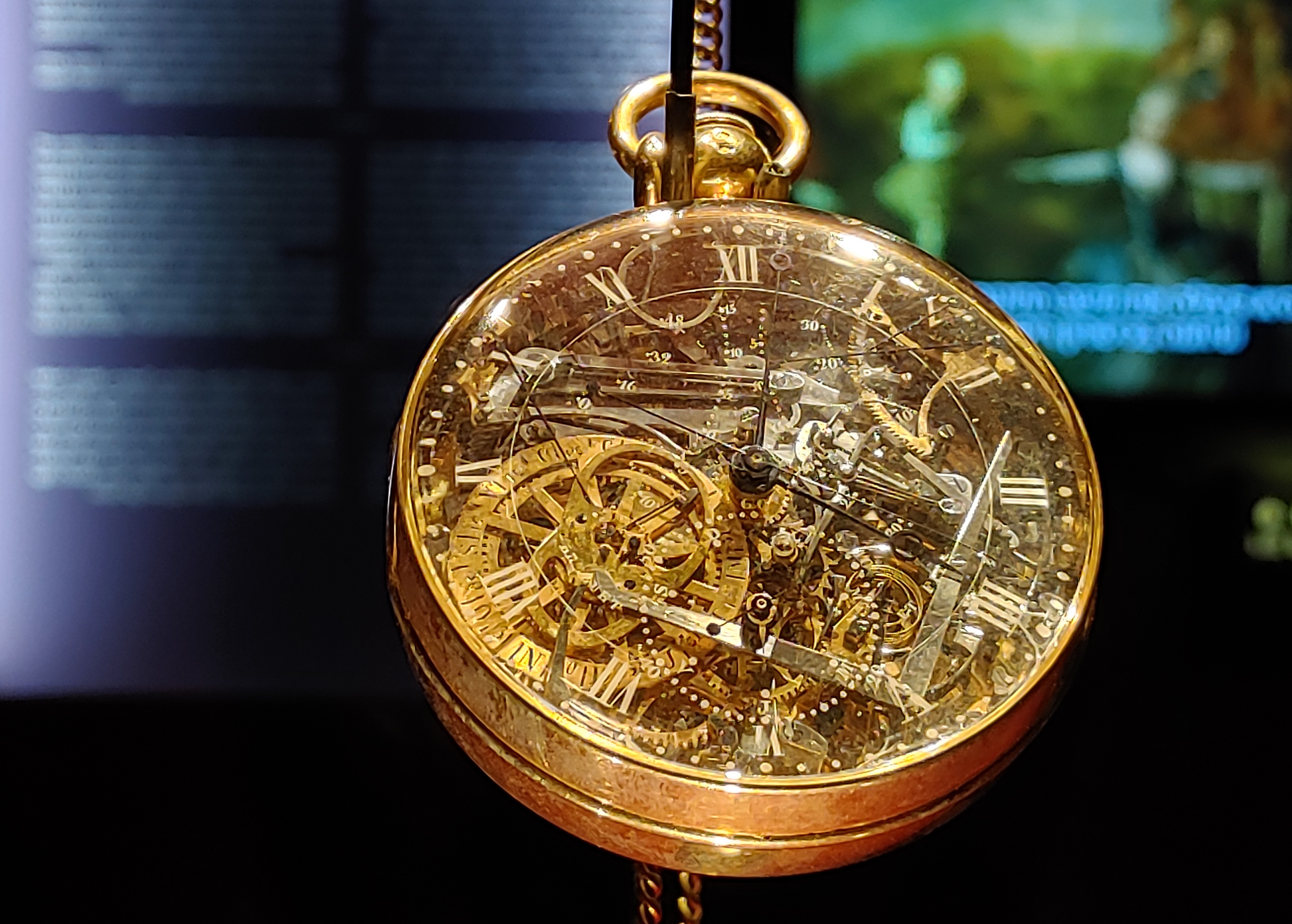
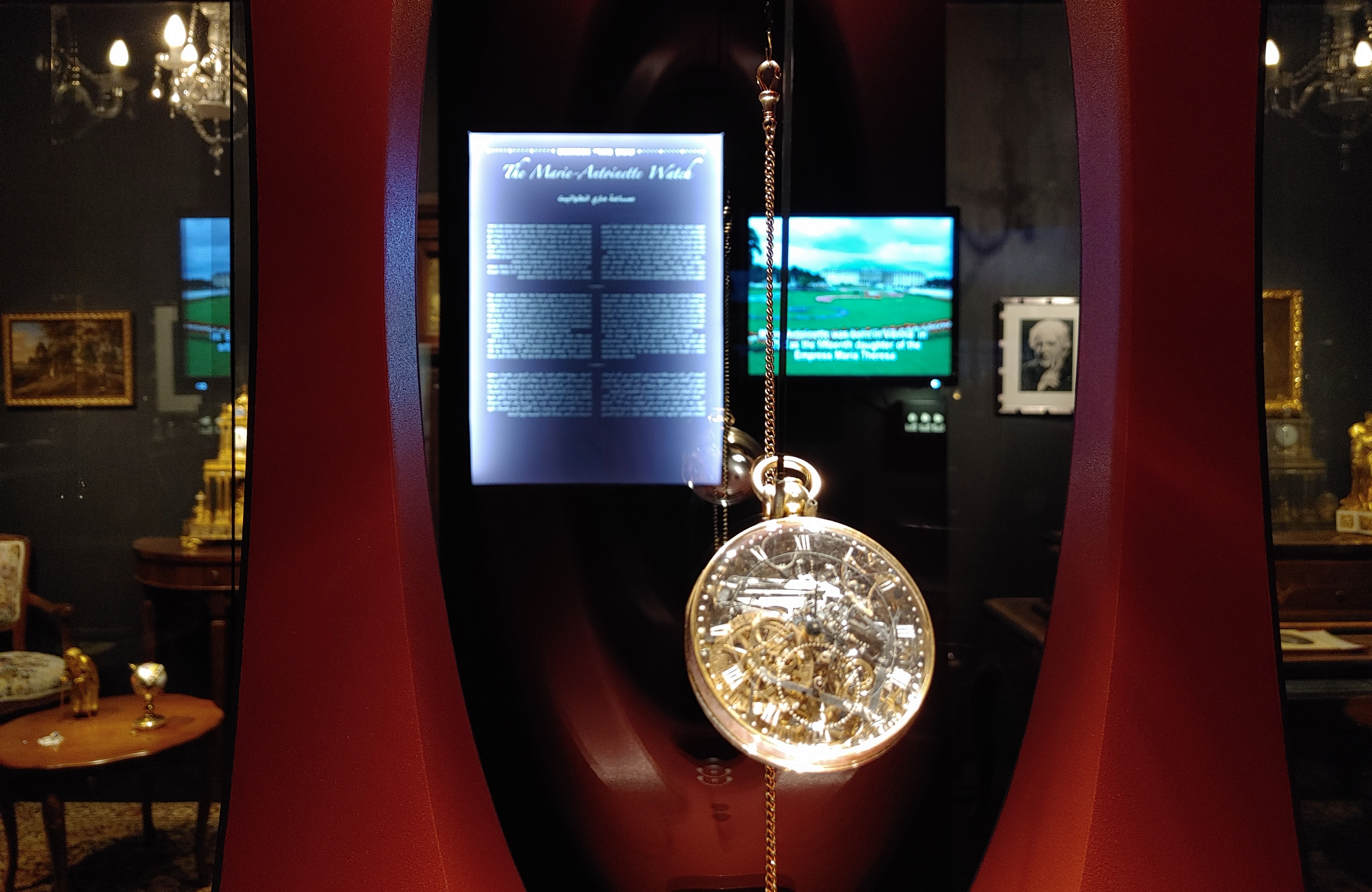
The pièce de résistance of the collection, and of Breguet as a man and brand, is the magnificent Marie Antoinette watch (or officially, the Breguet No. 160 “The Grand Complication”). To quote the BBC, it is “the most valuable and famous watch in the world” and it befuddles my mind to realise that it was relatively humbly displayed in the basement of an obscure museum, when put into worldwide proportions. But there it was, suspended and illuminated inside a special glass case, for all to see.

Breguet's Marie Antionette watch

Breguet’s Marie Antionette watch

It was commissioned in 1783 for Marie Antoinette, then-Queen of France, and wasn’t completed until 1802. The objective given to master horologist Abraham-Louis Breguet was to add every possible feature, or complication, to the watch, so that it would be the most fantastic timepiece ever. However, once finished, Marie Antoinette wasn’t around to receive it, having been famously executed by guillotine. The watch remained in the watch firm’s hands until the late 1880s when it was sold, and then purchased again by Sir David Salomons in the 1920s and eventually put on public display. 

The Marie Antionette watch on display

The Marie Antionette watch on display

Fascinatingly, and something that I had not known before, it and over 100 other invaluable timepieces were stolen in the 1980s in what is known as one of the biggest museum heists in history. In a sensational story which ended with the death of the thief in 2004, his widow’s attempt to resell the stolen contraband, a criminal investigation, and the eventual recovery of only some of the missing timepieces – sadly, some are still at large. 

A Swiss musical fan with watch

A Swiss musical fan with watch

After our trip to the museum I did a moderate amount of research to learn more about the Marie Antionette watch, and of course the infamous theft, and came across some rather interesting content. Topping the chart was a BBC piece from 2016 where nonagenarian watch enthusiast Nicholas Parsons goes on a journey retracing the life of the Marie Antionette watch from Abraham-Louis Breguet’s first workshop on Paris’s Quai de l’Horloge to Israel, the watch’s new home. This hour-long video is conveniently available on YouTube, and can be watched HERE.

An aneroid barometre by M Pillischer of London

An aneroid barometre by M Pillischer of London

Moving along, I have always had an affinity for skeleton watches, the intricate movement laid bare to the viewer’s eye, so thankfully for me there were a few skeleton clocks on display as well. That and a good handful of obscure pieces such as barometres, thermometers, sundials, pocket telescopes and compasses were more than enough to diversify the impressive collection.

Frères Rochat's singing bird pistol

Frères Rochat’s singing bird pistol

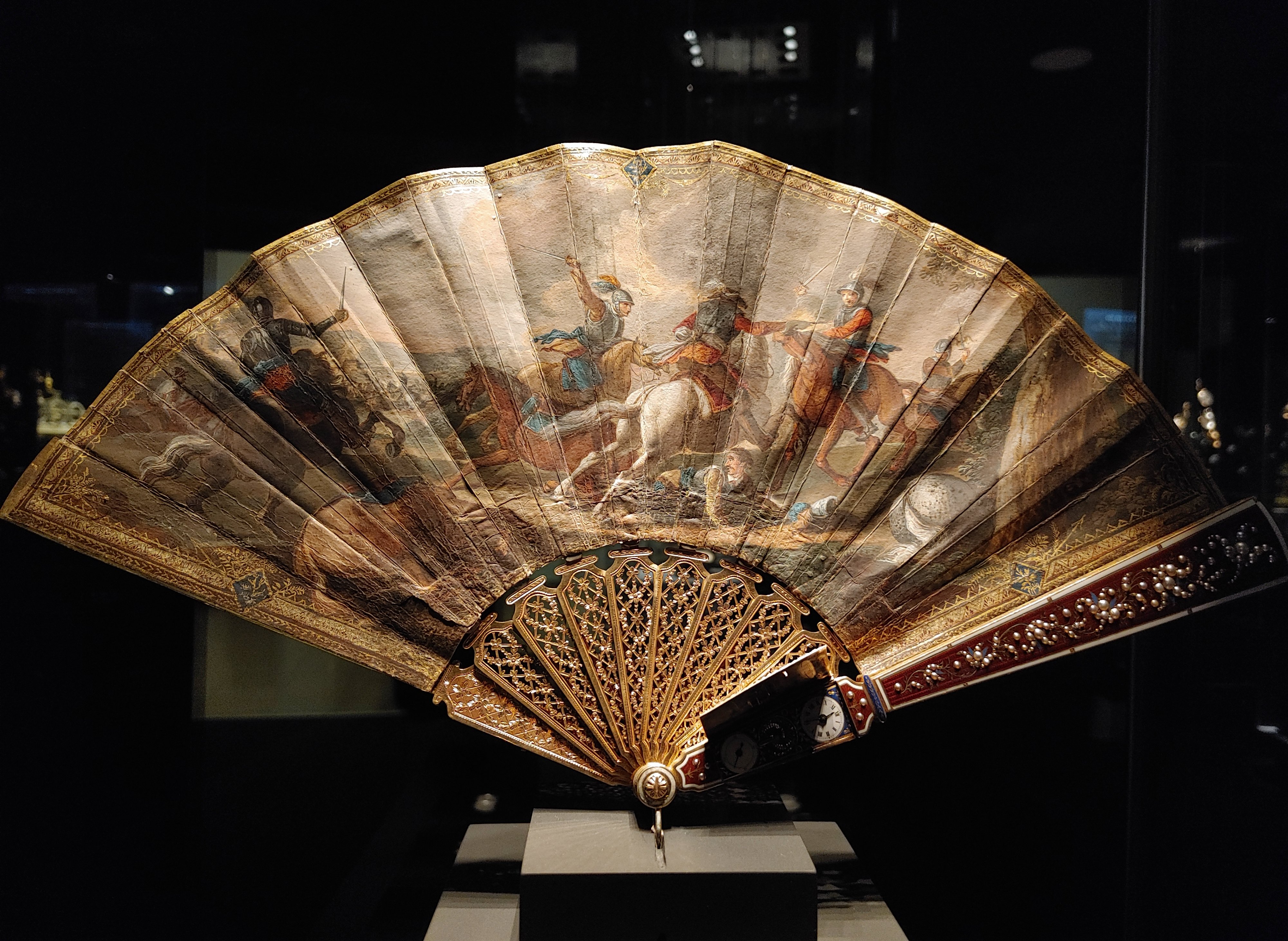
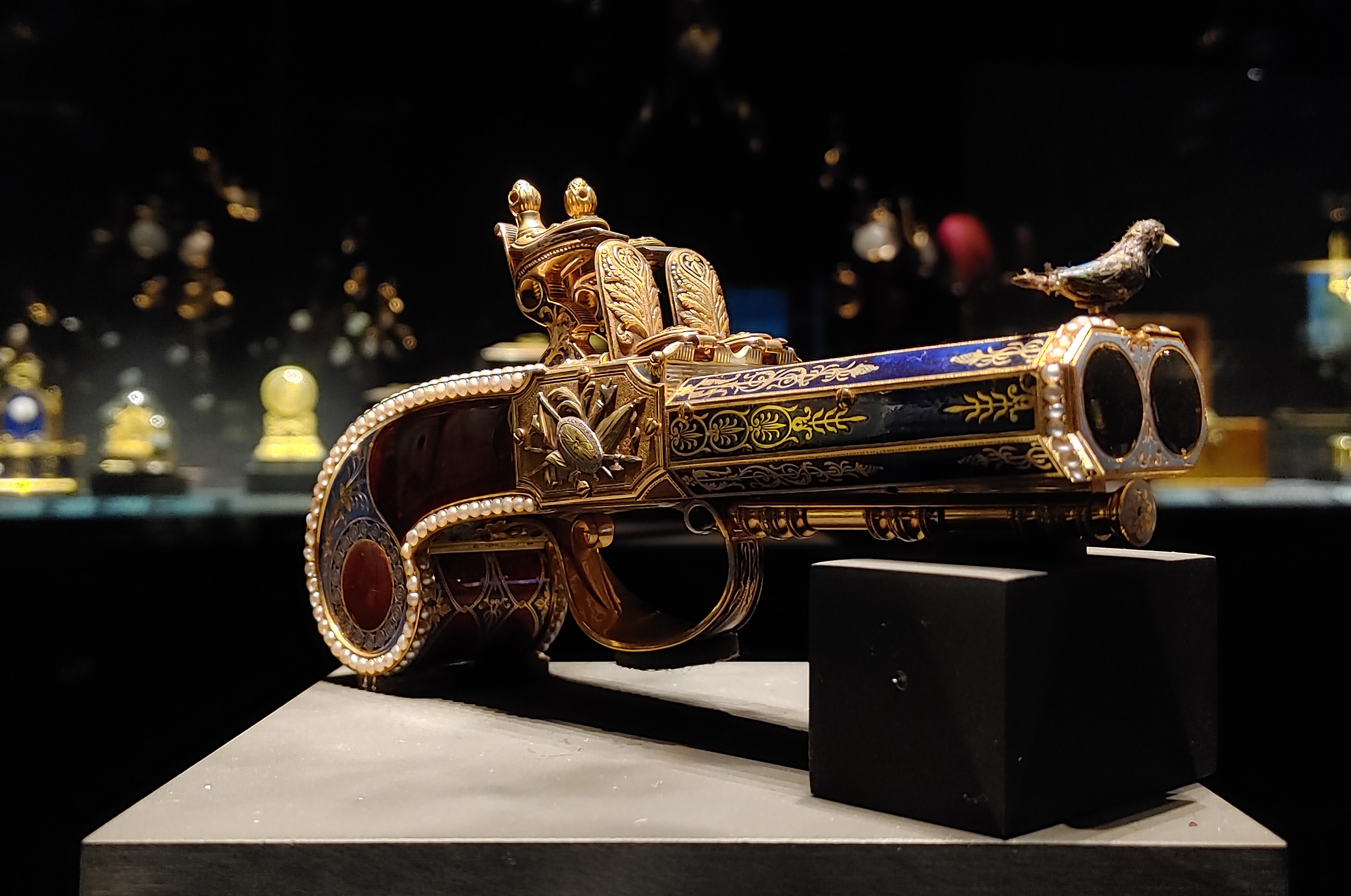
There were timepieces of all sorts, including astronomical clocks, mantel clocks and automated musical boxes. Yet, it was the still simple pocket watches that excited me most – particularly those with cleanly designed dials, such as a pair of L. Leroy et Cie pocket watches. Some of the timepieces were more on the creative side, such as a collapsible Swiss musical fan, adorned with pearls and diamonds. A singing bird pistol with a small watch embedded in the butt was the innovation of Swiss watchmaker Frères Rochat in the early 1800s. 

A Turkish calendar watch from the 1600s

A Turkish calendar watch from the 1600s

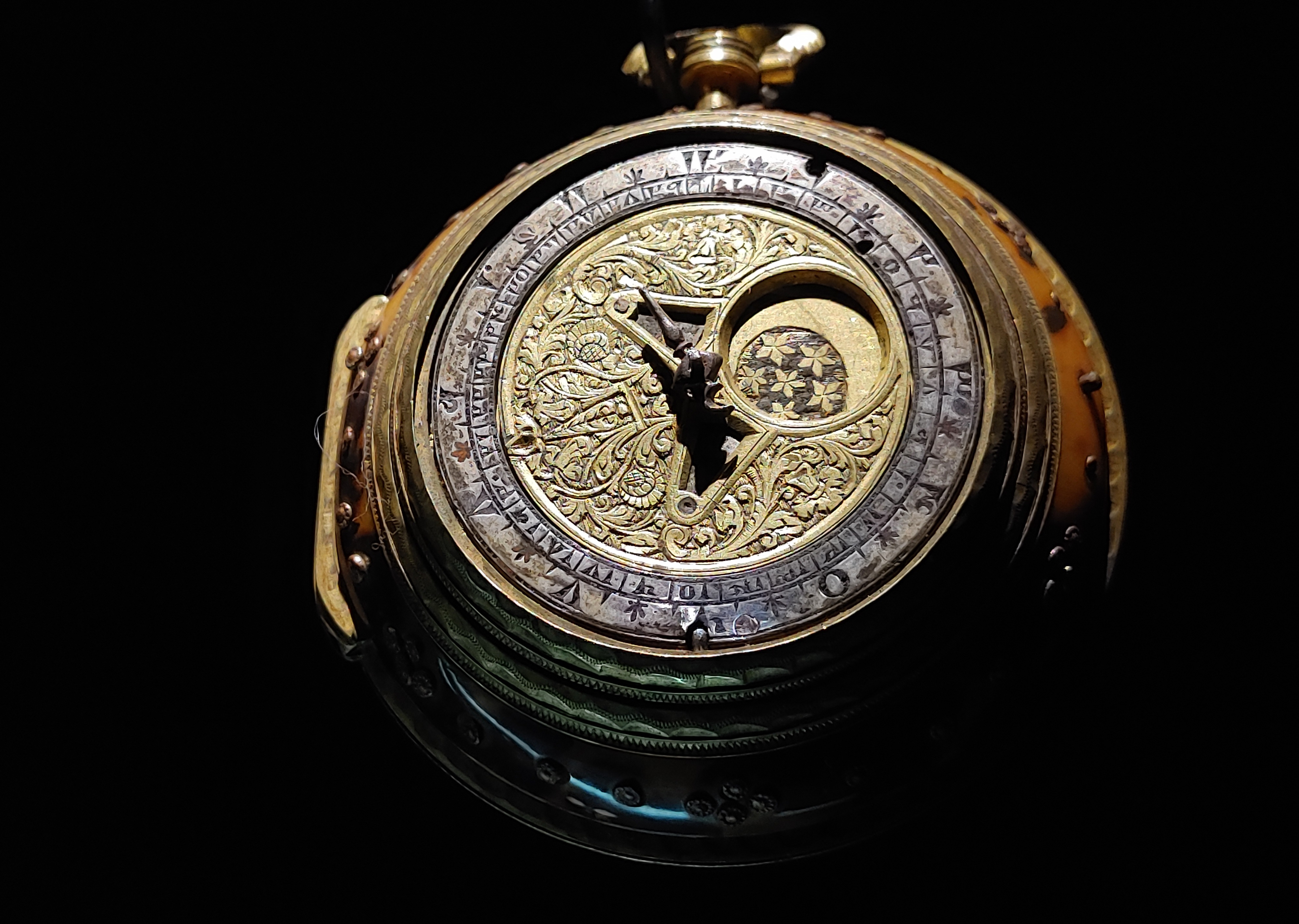
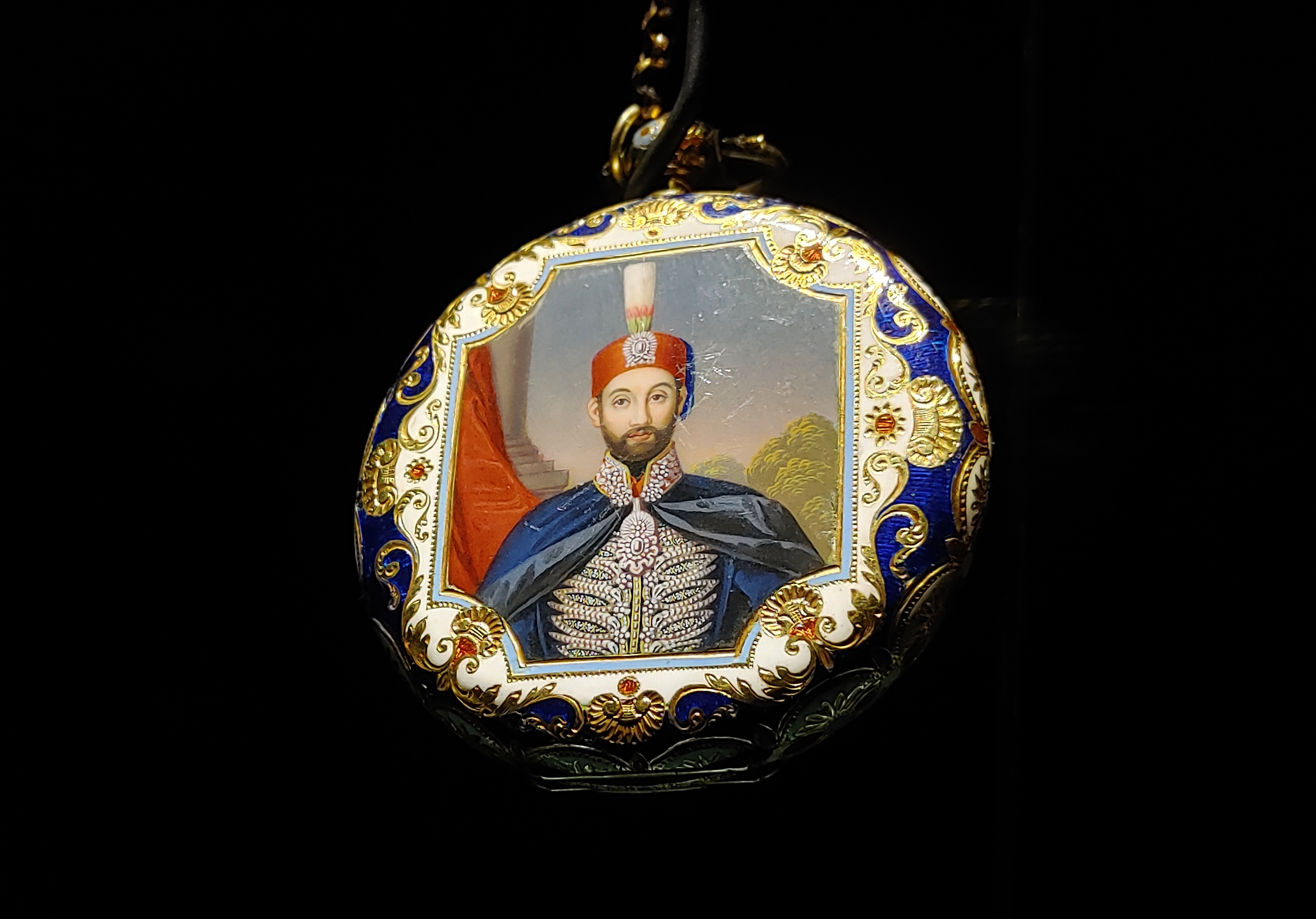
Fine craftsmanship was not limited to the French and Swiss, on display were representatives of timepieces from countries such as England, Japan and Turkey. Some were, in fact, Swiss-made for foreign markets, such as one featuring the portrait of Ottoman sultan Abd al-Majid, crafted by Augt. Courvoisier & Cie in around 1850.

Augt. Courvoisier & Cie timepiece for Turkish markets

Augt. Courvoisier & Cie timepiece for Turkish markets

It took but twenty minutes or so to peruse the priceless collection, but it was a moment captured in time that I should be hard pressed to forget. Never have I seen such an awe-inspiring collection of timepieces, and when will such occasions rise again. I left the museum feeling slightly odd, that the last – seemingly unrelated exhibition – had eclipsed the sensations created by the rest of the artefacts and collectibles on display. At least it was a good sort of odd, feeling thankful for my opportunity to visit at long last.

Museum for Islamic Art

In Israel, Jerusalem on February 3, 2023 at 9:44 AM

Exactly one year ago, the day after our second wedding anniversary, Bracha and I embarked on a short day trip to Jerusalem. Our adventure began with a gourmet lunch at famed pizzeria La Piedra, joined by our friends Adam and Vered. From there we journeyed to the main destination of the day, the Museum for Islamic Art, located in central Jerusalem not too far from the famed Israel Museum. I had been wanting to visit this alluring-sounding museum for quite some time, so it was a joy to finally carve some time out of our schedule for a nice visit. But first, dessert in the form of an ice cream cone from the popular Mousseline ice cream parlour, found just around the corner.

The museum's foyer

The museum’s foyer

Admiring the large building on approach, we learned that the museum was created by Vera Bryce Salomons, who ultimately passed away before the museum’s opening in 1974. Its goal was to preserve and present collections of art and archaeological artefacts that represent the Islamic world. Eight permanent and one temporary exhibitions awaited us as we pulled open the glass front door, thus beginning our tour.

North African astrolabe from 1727

North African astrolabe from 1727

After confirming our tickets and hanging up our coats, we left the agreeable foyer and began exploring the first exhibit at hand – that of the early Islamic art. Now with my field of interest being the medieval periods, and my ongoing research dealing with the material (and written) evidence of the time, I naturally had quite the desire to align my archaeological knowledge with the physical displays of art that we were just about to see. While the more localised content interested me more, there was certainly a vast trove of foreign antiquities which delighted the eye. I can but point out some of the more interesting items that we were presented with, in hopes of giving justice to the experience that we had.

An ancient ivory domino set

An ancient ivory domino set

The first collection of items belonged to the Islamic empires that controlled the lands to the east, such as Persia/Iran, Iraq and more, and then slowly merged westward, covering the Islamic periods and communities from Asia Minor, the Levant and North Africa. Some notable artefacts include a leopard-painted ceramic bowl from eastern Iran, a collection of relatively simple oil lamps (quite similar to those I research), and a 6th-8th century ivory box of dominoes.

Posing at the mihrab

Posing at the mihrab

Moving on to an exhibit about artistic Islamic architecture, we admired a modern mihrab (prayer niche) flanked by 15th-16th century Spanish wooden architectural pieces and mid-19th century Daghestani prayer rugs. Next, I quite enjoyed inspecting a 13th century Syrian manuscript and 12th century Iraqi translations of the Greek Materia Medica. But it was the open pages of an ancient map from a 17th century manuscript that really tickled my fancy, filling me with hopeless wanderlust. 

17th century Ottoman book of travels manuscript

17th century Ottoman book of travels manuscript

Many art pieces and manuscripts later we found ourselves in a quieter room with some exhibits on Islamic cultures from the Middle Ages. A few artefacts that gave me a reflective pause included a glazed and painted Mongol bowl from the 14th century, Egyptian Fatimid period carved bone dolls and ornate pottery, and a large collection of Fatimid jewellery.

Mongol glazed bowl from the 1300s

Mongol glazed bowl from the 1300s

Next, I was excited to see the Mamluk period addressed, as the majority of the ceramic finds in my research date to the Mamluk period. There is one key difference though, the finds I handle are generally simple, and often handmade, pottery pieces, whereas the museum showcases only the finest painted and glazed whole vessels. Nonetheless, it was interesting to set my eyes on the finer wares that the upper crust of Mamluk society would have been using in their day to day life.

Fatimid bone and ivory dolls and a rabbit

Fatimid bone and ivory dolls and a rabbit

There was one vessel that struck me as rather strange. A brass and silver bowl, engraved with the coat of arms of Hugh IV of Lusignan (who died c. 1026), was listed as from Syria or Egypt and dating from the 14th century. I truly wonder what the history is behind that particular piece. Regardless, we continued by browsing some Ayyubid and Mamluk brass vessels and then made our way to the staircase.

Mysterious bronze bowl

Mysterious bronze bowl

Continuing chronologically, we resumed our tour upstairs in the hall dedicated to Ottoman (or Turkish) art. The exhibit covered glazed tiles and finely decorated pottery vessels, jewellery and art pieces, and of course, ornate Turkish articles of clothing. Thereafter, we had a quick look at intricate Damascus wooden furniture, taking me back to my visit to Akko’s Treasures in the Walls museum a decade prior.

A display of Seljuq craftsmenship

A display of Seljuq craftsmenship

Our tour resumed with an overview of Islamic art from the Moghul period, far east in the Indian subcontinent. Similar stylistically to the Ottoman art, at least to my untrained eyes, it was interesting to see such opulence in the form of fine jewellery, finely-carved and detailed boxes and even a painted wooden palace window frame from Gujarat, India.

Exploring the museum

Exploring the museum

From there we moved on to our last permanent art exhibit, belonging to the late Iranian period. At this point Bracha was feeling somewhat fatigued, being in the early stages of pregnancy with our son, Amir. We breezed through this section, pausing here and there to have a closer look at the displays, and then we headed for the ground floor to see the temporary exhibit titled “Coffee: East and West”.

A carven ivory powder horn

A carven ivory powder horn

What I had anticipated in being a cute, symbolic exhibition turned out to be a full-fledged, comprehensive study of all things coffee. We started with a collection of coffee cups and sets, including one particularly charming 19th century European mug that featured a fantastic Ottoman scene of a horse and rider in the desert. The sheer magnitude of the displayed pieces was overwhelming, but there were a few other pieces that shined. One such example was a trio of restored Ottoman coffee mugs that were found in an archaeological excavation at Khirbet Hamsa.

Excavated Ottoman coffee cups from Khirbet Hamsa

Excavated Ottoman coffee cups from Khirbet Hamsa

A large collection of coffee machines filled one end of the room, many of them vintage and retro appliances that were made in Italy. Some were examples of mankind’s clever attempts at gadgetry, with fantastical spouts and vents. A look at coffee in Israel’s early days, and the production of coffee-related accoutrements, gave me a greater appreciation for the times that are now chapters in the history books.

Elegant European coffee mug from the 1800s

Elegant European coffee mug from the 1800s

Once we had sufficiently browsed all that there was to see, it was time to see the final exhibit that the museum has to offer: The Sir David Salomons Collection of Watches and Clocks. This timeless treasure trove of timepieces was so tantalising that I knew it must be a blog post of its own, and so it shall be. In the meantime, this concludes the visit to a very unique and interesting museum, one that sheds light on the artistry of the Islamic days of old.

Poleg Marshes

In Central Israel, Coastal Plain, Israel on October 27, 2022 at 4:11 PM

At times, updates on this travel blog become a rarity, usually when life gets busy, keeping me otherwise occupied. This past lull in posts is no different. After nine long months, on September 10th, my dear wife Bracha gave birth to our precious firstborn son, Amir. He is a handsome young fella who keeps his parents busy during the days, and sometimes awake during the nights. I’m sure that sometime soon he, too, will join in on some memorable and, perhaps even bloggable, adventures.

Our first sight of the Poleg marshes

Our first sight of the Poleg marshes

However, not writing blog posts as of late is certainly not for want of what to write. Harkening back to the end of January, when the winter’s plentiful rains had essentially flooded the country, fellow adventurer Adam and I decided it was time to visit some seasonal wetlands. There had been much commotion about one particular site which began to attract birders in the preceding months, and we felt an uncontrollable urge to explore the site as well. Located just south of Netanya is the open wetlands of the Poleg Marshes.

Resting waterfowl

Resting waterfowl

Still vehicular-less back then, we bussed to a nearby junction and walked our way to nature. It wasn’t long before we crossed a bridge into the natural area, and noticed a sign announcing Poleg Forest, surrounded by a whole slew of peeling eucalyptus trees. Yonder, just beyond the so-called forest was the first body of water – a large flooded area that formed a picturesque pond.

The marsh backdropped by Netanya

The marsh backdropped by Netanya

Scanning the water and waterline with both binoculars and camera, we were not disappointed. A good number of ducks were both traversing the pond, and dabbling along the edges. We identified a few species, including gadwalls, pintails, wigeons, shovelers, mallards and teals. A lone common buzzard sat pensively on some denuded branches, and a variety of songbirds flitted about here and there.

A hooded crow terrorising a marsh harrier

A hooded crow terrorising a marsh harrier

We continued down the muddy trail, dodging puddles and cyclists as we kept our eyes and ears peeled for signs of wildlife. A marsh harrier materialised overhead, as did a flock of rooks and a valiant robin, singing from the low trees. Up ahead was a large flooded field, hosting a variety of birdlife including waders such as northern lapwings, wood sandpipers and a black-tailed godwit.

The tranquil flooded field

The tranquil flooded field

It was tranquil watching the birds dip and dab in the shallow waters, largely ignoring our presence from the safe distance that we were. The only disturbances were trains that came thundering by, blowing their ear-piercing whistles in hopes to keep us off the tracks. These very tracks, built on an elevated ridge, split the marshland in twain, the water joined by culverts, underground aquifers and, most naturally, Nachal Poleg.

Walking along the train line ridge looking southwest

Walking along the train line ridge looking southwest

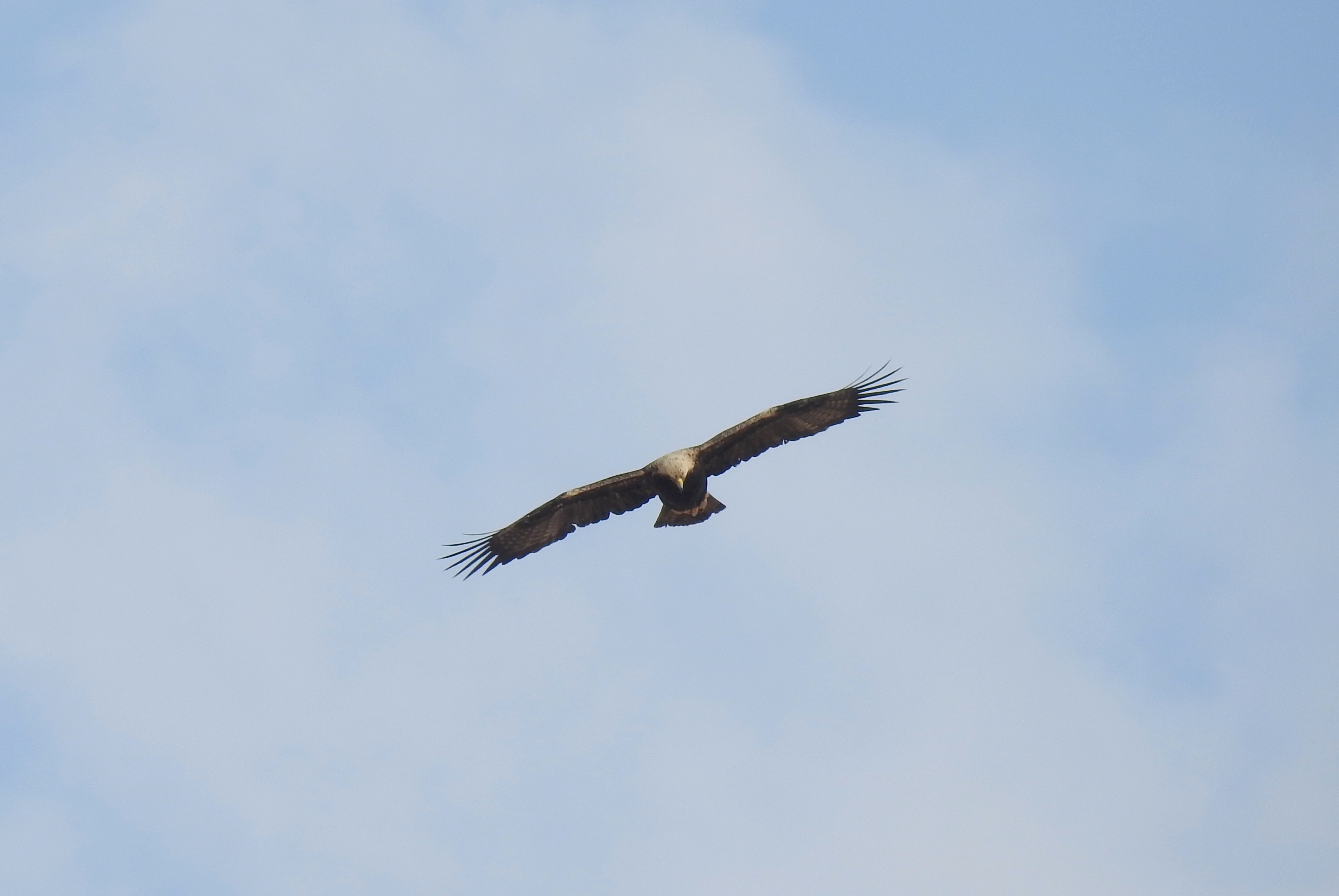
After seeing a small flock of skylarks feeding in the lush, wet grass, we crossed over the tracks to see the other – eastern – side of the marsh. Lo and behold, our efforts and wet feet were rewarded by a number of raptors, both perched and flying, before us. First, a greater spotted eagle swung by, and then a few more marsh harriers. A peregrine falcon whizzed by too, far too fast for me to photograph successfully.

Greater spotted eagle

Greater spotted eagle

Back on the western side, Adam decided to take a long look at the marsh water, hoping he could find some interesting molluscs or aquatic insects. I took the opportunity to wander off on a dirt road that traversed the flooded field.

Some old Israeli coin

Some old Israeli coin

Upon finding an old, oxidised Israeli coin, I felt inspired to keep walking. Much to my excitement, I chanced upon a female kestrel catching a mouse – if only I was able to get some proper photographs of the moment.

Friends at play

Friends at play

Some time passed before we crossed over once again to the eastern side, and so we enjoyed watching the wildlife carrying on before us. The herons squabbled in the channel, some Spanish sparrows clung nonchalantly to waving reeds, and some black-headed gulls passed overhead. Then, a shrike popped into view and revealed itself to be a moderately rare isabelline shrike – one which had been previously reported upon in local birding circles.

The isabelline shrike

The isabelline shrike

Looping back, walking back from whence we came, we crossed back over Nachal Poleg and made our way to the first flooded area we had seen. From there we followed a trail going north, and passed by a small nut grove, where handfuls of chaffinches were milling about. The trail continued westward, encircling the pond from the north. A few ferruginous ducks, spotted in gaps between the bushes, were an excellent addition to the day’s figurative checklist.

Muddy Nachal Poleg

Muddy Nachal Poleg

We scampered around the sludgy flooded bits, exploring the marsh’s northern extents. There wasn’t too much to see, but it was adventurous and that is what mattered most. When we had sufficiently wet our boots, we turned back around and began the hike back to a bus stop, this time choosing one further along the road to the north.

Ferruginous duck floating by

Ferruginous duck floating by

One thing about the Poleg marshes which interests me so much is the fact that this area, similar to others along the coastline, is essentially a basin in the sandstone bedrock infrastructure. With the coast being hemmed by a kurkar ridge, the winter’s rainwaters and surface runoff makes its way to the sea only to be trapped by the impervious ridge. This essentially turns the land east of the ridge into a seasonal marsh, which, throughout history, had hampered settlement opportunities.

Practicing safe crossings

Practicing safe crossings

In efforts to alleviate the backed-up waters, a hole in the ridge along the course of the stream was carved out in ancient times. The Romans improved upon the structural work, and the site became known as Sha’ar Poleg in recent times. However, other neighbouring coastal regions still remained flooded. About ten kilometres to the south, in modern day Herzliya Pituach, the Byzantines had actually hewn an underground drainage passage in the ridge, thereby draining that area too.

Our final views before boarding the bus back home

Our final views before boarding the bus back home

While this trip only really focused on the marsh, I still hope one day to be able to get a closer look at both of these man made engineering feats of old. But, for now, I just have the memories from this episode and an excellent video produced by Kan (see HERE), which explained the water saturation issue that I had outlined above, as inspiration for future adventures.

University Trip: Nachal Chever & the Southern Judean Desert

In Israel, Judea on May 22, 2022 at 7:30 AM

Following my university department’s field trips to various sites in the northern and central regions of the Judean Desert, we set out in the middle of January for the final trip of the series led by Dr Dvir Raviv, destined for the desert’s southern third. It was a long sleepy bus ride from the BIU campus to our first stop of the day, some obscure location in the arid desert. Deposited at the side of the road near the Bedouin sprawl of Az-Zuweidin, we began to hike over rocky, jagged hills in the direction of Nachal Chever.

The first hike of the day

The first hike of the day

It was a nice morning hike through the arid land, passing a few Bedouin women engaged in agricultural labour and a clumping of their houses, as we made our way to the first lookout. There, perched over Nachal Chever, we learned about the geological makeup of the region, and made note of the nearby Sela Cave, a few unassuming holes on the opposing hillside.

The winding Nachal Chever

The winding Nachal Chever

We were joined by some curious Bedouins and their hounds, two of the youths sitting down alongside us on the craggy rocks. After the educational overview, we took leave of our Bedouin hosts and began the slow descent towards the winding wadi.

Curious Bedouin hounds

Curious Bedouin hounds

Our hike took an easternly direction, passing a few flushed larks and mourning wheatears as our party traversed the dried streambed with purposeful speed. The land opened up to a relatively flat plateau with a few conical peaks up ahead, and then our trail turned due southeast.

The end of the easy hiking

The end of the easy hiking

The leisurely hike became a great deal more difficult as we huffed our way up the steep dirt road in the direction of one of the nearby ridges. The ascent was challenging, but awaiting us at the top was respite at an interesting graffiti-marked hull of an old building. It was the ruins of Umm Daraj, an abandoned Jordanian military police station from the pre-1967 period, which commanded the entire region during Jordanian rule.
The ruins of Umm Daraj

The ruins of Umm Daraj

We were not there for the recent history lesson, but rather for the incredible, panoramic view of the surrounding area. It was the heat of the day, and we were all alone in the wilderness but for a few shepherds and their flock, grazing on the ridge behind us. We drank in the deep desert scenery, resting in the shade of the vanquished walls, as Dvir taught us more about the importance of our current location from a topographical standpoint.

Peering out at the vista

Peering out at the vista

Hiking our way back down and towards the waiting bus, we passed a few brown-necked ravens and desert larks, which were added to my current year list. As we drove along the rough roads, I happened to glance out of the bus window to see a rather dark little owl perched on a pipe that ran parallel to the road. It was unfazed by our rumbling presence, but seeing it filled me with an indescribable joy which can hardly be put into words.

An inquisitive mourning wheatear

An inquisitive mourning wheatear

Driving along, passing some grazing camels, the bus then brought us to Mitzpe Yair, a Jewish village nearby, where we looked out at the geological formations of the surrounding area. From there we drove down to the city of Arad, and had a small break at a gas station where I found some delightful canned honey and salt peanuts.

Mesmerising desert landscapes

Mesmerising desert landscapes

Looping back north a bit, the bus deposited us once again at the side of the road, this time at a sign announcing the Judean Desert Nature Reserve. We were headed for Givat Gorni, a flat ridge that overlooks a small valley of sorts and affords a picturesque view of the surroundings. It was getting late and Givat Gorni was just a bit too far to reach given the time that we had left before dusk, so we walked alongside an established biking path, and settled down at a spot where we could enjoy the view comfortably.

Walking the plateau towards Givat Gorni

Walking the plateau towards Givat Gorni

However, it wasn’t really all that comfortable; there was a howling, bitterly cold wind that cut into us, despite our attempts to avoid it. The sun was slowly sinking towards the opposing landscape, and it was time to head back. Descending from the ridge, the hike was easier now and we moved at a fast clip, the bus waiting for us patiently down at the roadside.

Dvir lecturing in the howling winds

Dvir lecturing in the howling winds

Trotting down, we passed the last few wheatears still visible and boarded the bus for the long drive back. It was an incredible three days of intense desert hiking, and despite how tiring it was, we all had a rewarding time as we traversed the remarkable Judean Desert. From a personal perspective, I gained appreciation for the geological aspect, something that I had generally ignored in the past, and was thankful for the opportunity to see so many new places in Israel.

The end of a series

The end of a series

Delightful as this series was, there is always more to do in life and this coming summer, Dr Dvir Raviv is launching a new archaeological excavation at a yet-unexcavated biblical site, Tel Timna in the Shomron. I don’t know yet if I will be attending, but everyone is welcome to join in on the excitement – more information can be seen HERE.

University Trip: Wadi Murabba’at & Dead Sea Forts

In Dead Sea, Israel, Judea on February 12, 2022 at 8:38 PM

Continuing with the three-part series of field trips to the Judean Desert in January, this expedition focused on sites in the central desert region. Our tour bus departed from the BIU campus in the morning and we enjoyed a long drive through the misty countryside and bustling urban areas until we reached the Dead Sea. Our first site of the day was Khirbet Mazin, a fortified anchorage on the coast, one of eight anchorages that lined the Dead Sea in antiquity. It was a hot winter day, surprisingly enough, but we settled down on an elevated ridge above the ruins to hear from our guide, Dr Dvir Raviv.

Our first stop of the day

The site of Khirbet Mazin (also known as Qasr al-Yehud, yet not to be compared to the baptismal site on the Jordan as seen HERE) originally dated back to the Iron Age, and was rebuilt during the Hasmonean and Roman periods. Due to the difficulty of transporting people and cargo by land in the craggy Dead Sea area, passage was easier over the salty waters. A system of anchorages was developed, with Khirbet Mazin being one of the more important ones. By the Hasmonean and Roman periods, the independent anchorage structure was grand and likely served as the official local shipyard. With the water levels fluctuating over the past millennia, the site was temporarily covered over with sand and gravel, only to be re-exposed and excavated in the 1960s and 1970s.

Khirbet Mazin (and our bus) at the Dead Sea

We finished our visit there, said goodbye to the Arabian green bee-eaters flying around us and got back on the bus. From there we continued down the Dead Sea coast, along the high cliffs of the Dead Sea Fault Escarpment, until we reached the road to the Dragot Cliffs and began the snaking ascent. Our loyal bus driver drove us as far as he possibly could on the rocky road, yielding only when one of his tires was no longer touching terra firma. We dutifully disembarked at that point and began hiking in the direction of Wadi Murabba’at.

Hiking to Wadi Murabba’at

Interestingly enough, the weather was cooler up atop the fault escarpment, and the hiking was pleasing as we traversed the hilly land. We turned off the main trail in the direction of the wadi, and began the slow descent to the cliff edge. I was amazed at the raw beauty of the place, surrounded by pleasantly gentle hilltops to the north and craggy cliffs to the south. As we stood overlooking the next leg of our hike, I spotted a small herd of Nubian ibexes nestled in the cliffside as they took shelter from the sun.

Watching me watching you with a Nubian ibex

As we walked down, I saw a few more fun creatures including sand partridges, a streaked scrub warbler, some white-crowned wheatears and a small-spotted lizard. Yet, when we reached the cliff descent, I had to focus on my personal safety and less on the winged wonders around me. The hike down was glorious, each step leading to an even more exciting view of the gorge below us.

Descending into Wadi Murabba’at

We climbed further down, at times aided by metal safety bars as we navigated our way to a ledge overlooking the wadi. The ledge offered relatively easy hiking, yet one false move and we’d be tumbling some twenty-five metres down into the unwelcoming arms of Wadi Murabba’at. Then we reached a sign that pointed to the caves above us, and the trail became apparent.

Hiking along the ledge to the caves

Little metal handles (or footholds) were embedded in the cliffside for us to use to reach a higher ledge. Climbly deftly, we reached the upper ledge and saw the mouths of two caves before us, cleverly named Murabba’at Cave 1 and 2. These caves hold particular interest to me in my research, and so visiting them was rather exciting. We began with Cave 2, and settled inside the spacious interior that was littered by giant slabs and blocks of fallen stone.
Climbing up to the right ledge

Situated comfortably, we then learned the importance of the cave from an archaeological perspective, after the site was explored starting in the early 1950s. Similar to the more famous caves of Qumran, over a hundred manuscripts were found, most of them dating to the Roman period. Jewish rebels, hiding from the Roman army during the rebellion, found shelter in the remote caves of Wadi Murabba’at. It was from one of these ancient manuscripts that we in modernity learned the first name of Bar Kokhba, the daring rebel leader during the eponymous Bar Kokhba Rebellion.

Outside the Wadi Murabba’at caves

A letter was written from Shimon Bar Kokhba to the rebel leader of Herodium and, once received, it was then brought to the cave – likely when the Jewish rebels fled the burning Herodium. However, it wasn’t just this letter that proved fascinating. Of the decipherable manuscripts, some turned out to be biblical and other religious texts, and others were important life documents such as marriage and divorce papers (see HERE).
Peering into the depths of Cave 2

Remains from the more recent medieval period were even more interesting to me, and I was delighted when we slipped down into the dark recesses of the cave. Aided with my phone’s flashlight, as well as light sources provided by other intrepid explorers, we crawled and slithered through the cave’s narrow passageways, encountering potsherds, bones and even a squeaking lesser mouse-tailed bat.

A lesser mouse-tailed bat within the cave

Even though the cave hasn’t been excavated for some time, I found it interesting that most of the cumbersome tools and accoutrements such as buckets and sifters had been simply stowed away in dark corners within the cave.

Exploring the cave chambers

When I had reached one of the deepest passages I decided that pressing further would just be too messy, and with my camera lens suffering from the kicked-up dust, I began my slow exit. The climb out was a mite precarious, so I had to hand my camera off to safely make the ascent without harming body or gear.

Making our way out of the cave

Leaving Cave 2, I realised that I still had the neighbouring Cave 1 to explore, yet some of our party was already hiking back via the rock ledges. So, dashing in quickly, I surveyed the interior which was a lot larger and partially covered over in pigeon droppings. This was the less exciting cave, but it had still been in human use during troubled times, so I took my time to properly appreciate the long, dark cavern.

Looking out of Cave 1

Back outside, the few stragglers that had joined me raced to keep up with the rest of our group, scuttling along the precarious cliff edge. The way up the cliff to the dirt road was arduous, and we hiked in relative silence, preserving our breath as we pushed onward. Before long we were in sight of our faithful bus, and ready to be shuttled to our next destination.

Winding Wadi Murabba’at

This next destination was the ancient synagogue section of Ein Gedi, but being as though I had already written about it, the next pertinent site was Tel Goren. Located within the confines of the national park, Tel Goren was originally an Iron Age settlement that thrived due to the lushness of the nearby springs. Also being that Ein Gedi was one of the eight Dead Sea anchorages, the settlement rose in importance during the Hasmonean period, when local crops such as balsam were capitalised upon.

Atop Tel Goren

It was during this time period that a large fortress was built on top of the tel, and was somewhat wrecked and rebuilt in the Roman period. The rebuilt fortress was then permanently destroyed during the Great Revolt, and subsequently the village itself decreased in size and importance until falling into disuse. As we approached the tel, we learned about the few lone roads in antiquity which allowed passage through the daunting landscape, another reason why sea travel would have been preferred.

Ruins of Tel Goren

Nearing the fortress ruins I spotted a few sparrow-sized birds that looked interesting, and upon taking their picture, I realised that they were striolated buntings – a species that I had never seen before. Filled with joy, I climbed the fortress ruins until we were standing beside the fortress’ western tower. To complete the scene, the sun was slowly setting over the fault escarpment, the wispy white clouds decorating the rich blue skies.

Arugot Fort

Looking in the direction of Wadi Arugot, which slices through the tall mountain ridge to the west, we laid eyes on another small ancient fortification overlooking the land. This was Arugot Fort and was likely connected to the region’s important and lucrative balsam industry. We didn’t have the time nor energy to explore it, but it was enlightening to see how much effort went into building up this remote and relatively arid area of the country in ancient times.

Enjoying my time in the desert

Heeding to the park ranger’s beckoning, we made our way back to our bus for the long drive back to the BIU campus. We had successfully explored a nice assortment of important sites in the central Judean Desert, and it was time to mentally and physically prepare for the third, and last instalment of the Judean Desert trips which was to take place in one week’s time.

Shoham Park

In Central Israel, Israel on February 6, 2022 at 9:43 AM

Taking a hiatus from a string of BIU field trips, the day after my trip to Doq and the Good Samaritan Museum I went on a nice little adventure with Adam Ota to the relatively nearby Shoham Park. It was the very beginning of January and a fair amount of rain had fallen as of late, resulting in renewed growth throughout the country. The seam between the coastal plains and the Shomron was no different, and we found ourselves getting off our bus at Nablat Junction with intentions to explore as far north as we had time for.

Looking down at the field beside Nachal Beit Arif (photo Adam Ota)

Looking down at the field beside Nachal Beit Arif (photo Adam Ota)

Once we had successfully navigated the busy roads and entered the so-called natural land just north of Nachal Beit Arif, we were amazed at how lush and green everything was. There was a cool crispness in the air as we slowly made our way up the cactus-dotted hill, having passed through a defunct military shooting range where we chanced upon our first of many wild asparagus shoots of the day.

In pursuit of wild asparagus shoots

In pursuit of wild asparagus shoots

The vibrant green around us was complemented by dying leaves in multiple shades of orange, yellow and lavender blossoms, and of course the rich brown mud. We followed the marked trail up the hill, merging onto the Israel National Trail and seeing a nice amount of chaffinches and meadow pipits along with the flora. Adam paused here and there to look for stick insects, something that has eluded him for a great number of years here.

Photographing the lush nature (photo Adam Ota)

Photographing the lush nature (photo Adam Ota)

We spotted some tiny caves among the hewn bedrock, but nothing of any particular interest, except for copious amounts of wild asparagus. It wasn’t until we reached the top of the hill that we saw something of note. Carved into the bedroom were a series of cup marks and larger indentations. According to the sign there, this was part of a cultic site where a small idol was placed and then tiny sacrifices were offered in these tiny hewn cups. The larger depressions served as mortars for grinding the sacrifice prior to offering. There also seemed to be a small olive oil press similarly hewn into the bedrock, perhaps related to the cultic affairs.
Cultic cupmarks from a time long past

Cultic cupmarks from a time long past

Heading down the northern slope, we left the rocky garrigue habitat and entered a small pine tree forest. In a clearing, we found a much larger agricultural installation – this time a winepress, also hewn into the grey bedrock. It was full of water after the rains, and no matter how much Adam peered into the murky depths, he couldn’t find any interesting lifeforms.

Peering into the watery winepress

Peering into the watery winepress

Right beyond the winepress was the remains of an ancient lime kiln, hardly recognisable in its current state of affairs. But it was the next site in the clearing that really excited me – the ornate ruins of the Church of St Bacchus with its stunning mosaic floor. Built sometime in the 400s CE, during the Byzantine period, the church was only discovered in 1986, and later excavated in 1995. It was then that the mosaic floor, with an inscription dedicating it to St Bacchus (who was quite popular during that era), was revealed and restored.

The Church of St Bacchus

The Church of St Bacchus

Built outside of the settlement confines, this is what is known as a field church – see an artistic reconstruction HERE. During the course of the excavations, a small broken marble medallion of goddess Tyche/Fortuna was found. According to the inscription encircling the figure, the medallion dates to the year 582-3 CE, during the reign of Byzantine emperors Tiberius II Constantine or Maurice.

Remains of the olive oil press beside the field church

Remains of the olive oil press beside the field church

Adjacent to the church is a large olive oil press, with some of its sections also featuring a modest mosaic floor. Just beyond the press is a large rock-cut pool which was used to store water, after having served as an on-site quarry for the construction projects there. All of these ruins, predominantly harkening back to the Byzantine period, are all affiliated with the nearby Horvat Tinshemet (or Khirbet Sheikh ‘Ali Malikina) which has been identified as Betomelgezis, a site that appears on the famous Madaba Map.

What appears to be Horvat Tinshemet

What appears to be part of Horvat Tinshemet

As we progressed to the vicinity of Horvat Tinshemet, we realised that this site – having never been excavated before – did not have much to look at, at surface value, of course. We found a series of low stone walls and what looks like a cairn of sorts, but nothing distinctly archaeological other than a few surface potsherds. Regardless, we enjoyed poking about in the company of some warblers and chaffinches, and a handful of flustered chukars.

Avoiding the forbidden zone

Avoiding the forbidden zone

From there our next destination was the Bareket vernal pool, which was located on the far side of the Shoham industrial park that was sprawled out before us. Instead of simply walking down the convenient paved road, we decided to go the route less traveled and climbed up a steep hill to circumnavigate from the eastern side. It was a steep walk and required a short break at the peak, which allowed us to appreciate the views that we had of both the ongoing construction and Road 6 that was behind us.

Looking back from whence we came

Looking back from whence we came

Heading back down the northern slope, we found an usual little orchard and then an insurmountable construction site which made us take the paved road afterall. Looping around, we found the Bareket vernal pool looking rather neglected, yet brimming with water and tiny lifeforms. Adam immediately squatted at the water’s edge, trying to find some interesting waterbugs – and, of course, triops.

The Bareket vernal pool

The Bareket vernal pool

The Bareket vernal pool is the result of ancient quarrying, similar to what we had seen throughout the day, forming a nice body of water quite like a swimming pool with the hewn steps. Despite the searches, it was simply too early in the rainy season to find anything too interesting and we were consigned to just enjoying the deep pool for what it was.

Using the hewn steps to get closer to the water

Using the hewn steps to get closer to the water

There are a number of interesting sites located just north of the vernal pool, but it was getting a wee bit late and we were tired from the long hike, so we called it a day. We had successfully explored most of what Shoham Park has to offer, and each of us had a bountiful wild asparagus harvest – perhaps the best we’d ever had. The rest of the attractions will simply wait for another day, whenever that may be.