Israel's Good Name

Archive for the ‘Israel’ Category

Tishbi Winery

In Coastal Plain, Israel on September 7, 2014 at 3:49 AM

A few weeks back I went on a private wine tour, visiting four different wineries, with my friends Joel and Les from Australia. Taking an early morning train, I met up with them in Tel Aviv and we started the day with coffee and breakfast at the hotel. After being picked up from the hotel by our tour guide Yakov Feder from Israel Wine Journeys, our first stop was the Tishbi Winery located between Zichron Yaakov and Binyamina just south of the Mount Carmel.

Tishbi Winery visitor centre

Tishbi Winery visitor centre

The Tishbi Winery is the largest and most commercialised of the four wineries we toured – the sixth largest in the country – and their history is by far the richest. With the founding family’s move in 1882 from Lithuania to Zichron Yaakov, the family patriarch Michael was commissioned by the Baron Rothschild to produce wine. Fast-forward to 2014 and the Tishbi family is still hands-on in the wine industry, running their Tishbi Winery since it opened in 1984.

Wines and chocolates

Wines and chocolates

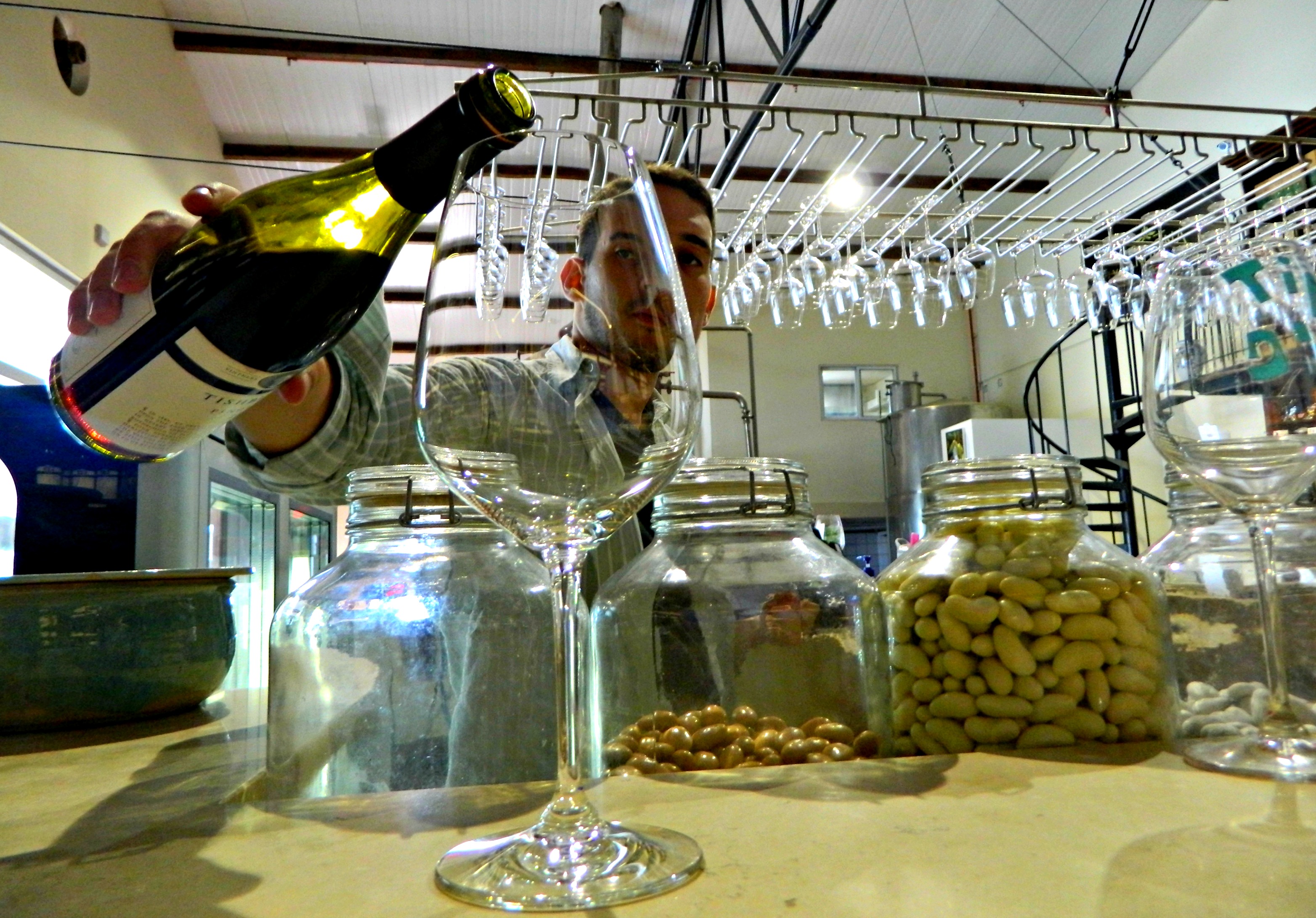
We entered the winery’s visitor centre and sat down at the bar, our tour guide arranging the wine and chocolate tasting tour for us. Omer was our server and he prepared six Valrhona chocolates to compliment the six red wines we’d be tasting. First we opened up with the Pinot Noir and the Organic Syrah, trying dark chocolate samples with each glass. Next we had the Merlot and the Ruby Cabernet, one of these came with an interesting chocolate from Madagascar. In retrospect, if I remember correctly, the chocolates went from west to east as we tried them (from South America to Oceania).

Omer pouring us a taster

Omer pouring us a taster

Up next was the Ruby Cabernet and then, finishing with the Estate collection, my favourite, the Barbera Zinfandel. Tishbi’s version of port, this wine was sweet with a fortification of brandy, bringing the alcohol up to 18%. Aged in oak barrels for 18 months, this particular vintage was 2006 – the oldest wine of the tour, I believe.

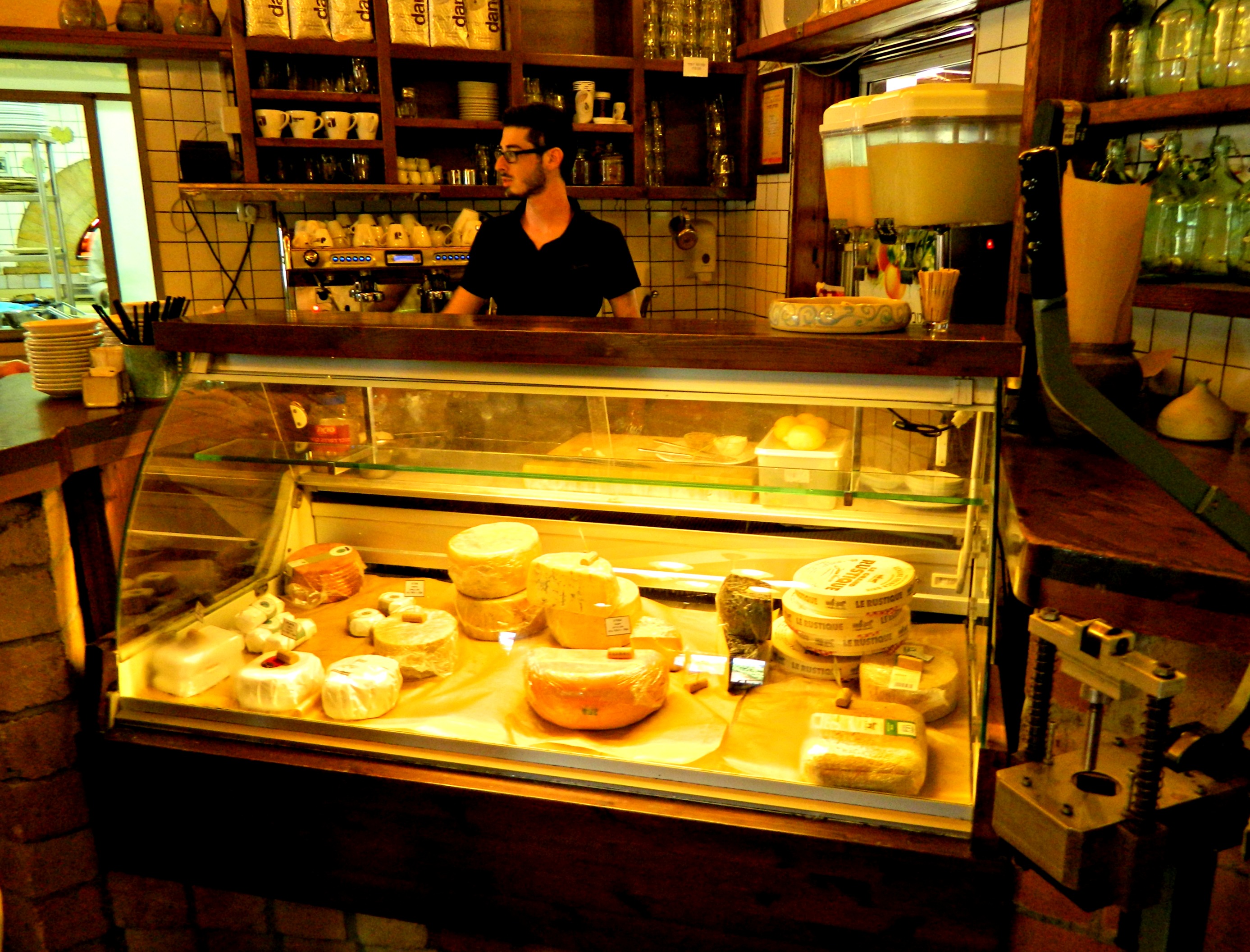
The winery's cheese counter

The winery’s cheese counter

A little about the Valrhona chocolates we tasted, the original Chocolaterie du Vivarais was opened in 1922 in France and to this day, imports cocoa beans from the world over to produce its chocolates. Similar to Valrhona but on a smaller scale, Tishbi uses grapes from all over Israel to make their wines – from the Negev to the Golan. When we finished our six chocolates and six wines, I tried a white chocolate and then we headed over to the adjacent winery restaurant for a gourmet cheese platter.

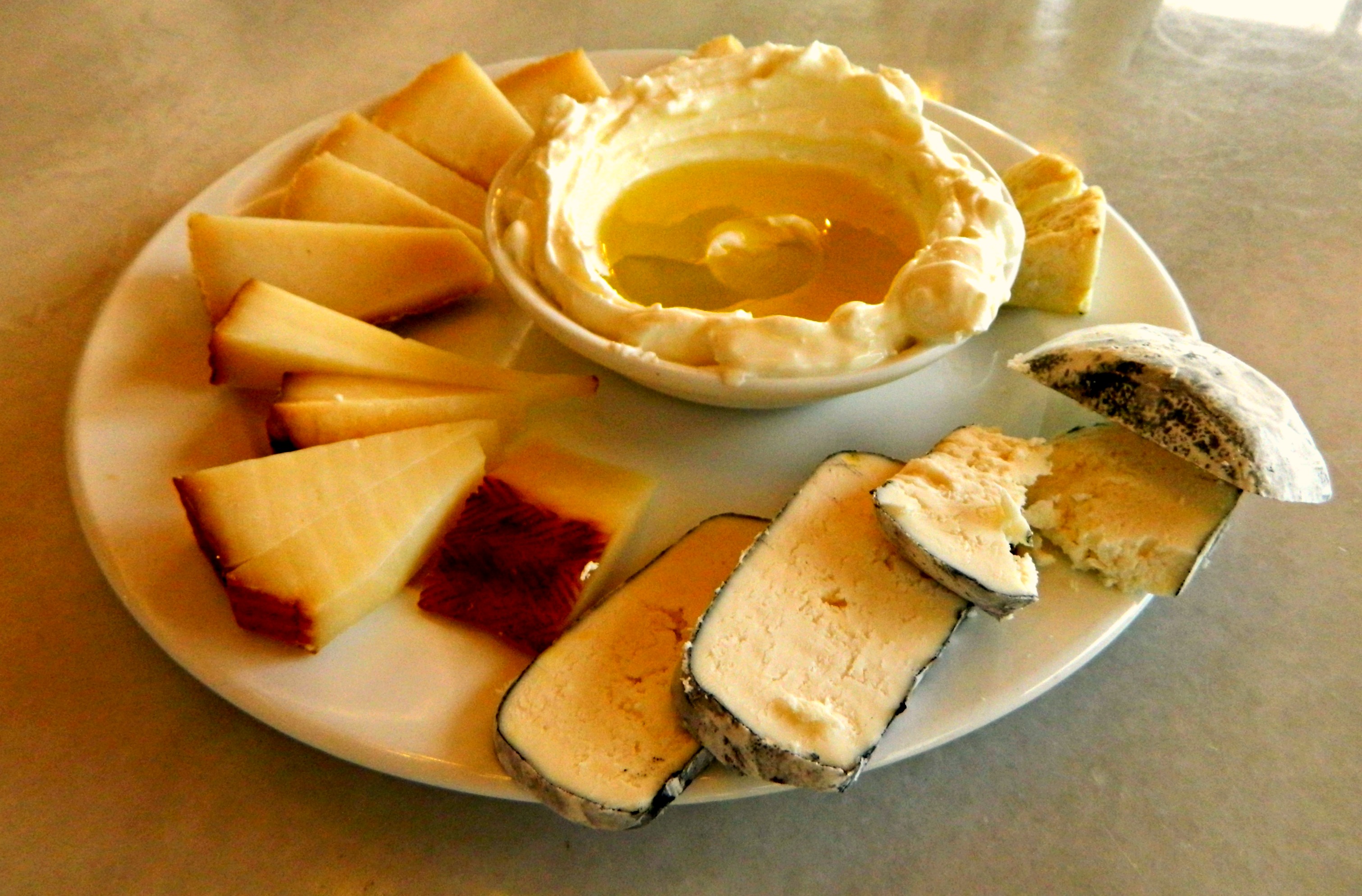
The cheese platter

The cheese platter

Not one to revel in fancy cheeses, I tried just the soft cheese in the centre of the platter, spreading it onto the artisan bread baked on-site. After the cheese platter lunch we got back into our tour guide’s car and drove to the Jezreel Valley to visit the next winery: Jezreel Valley Winery

Army Trip: Mount Carmel & Shefayim Waterpark

In Coastal Plain, Haifa, Israel on September 2, 2014 at 5:04 AM

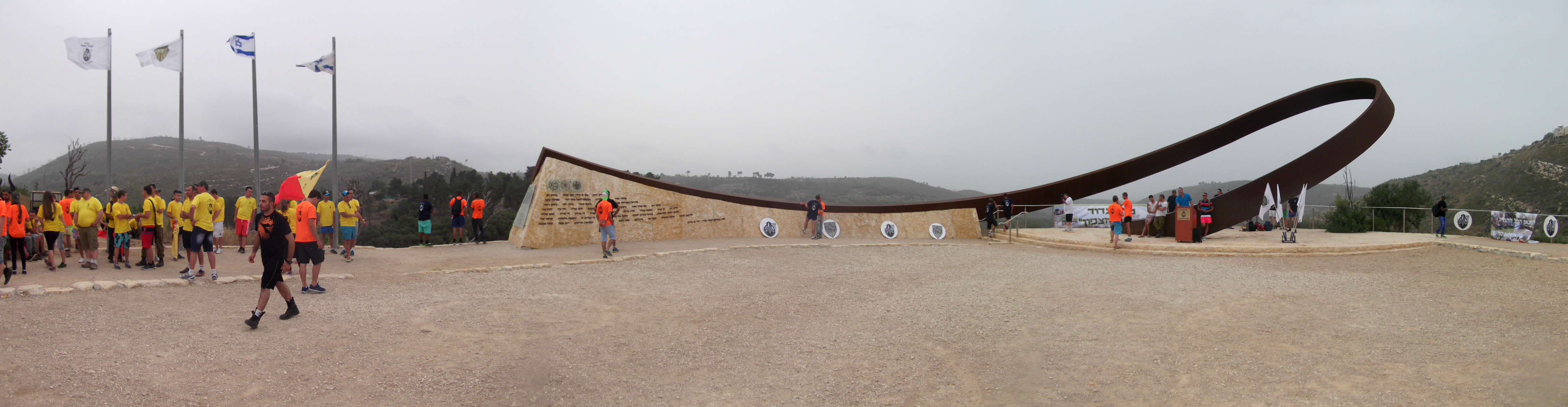
Back in June, the day after Shavuot our entire battalion went on a little trip, visiting two places: Mount Carmel and the Shefayim waterpark. Loading up on buses in the morning, we drove up the mountain not far from the base and parked at the first site, the memorial for the Carmel Fire – the enormous forest fire in 2010 that claimed 44 lives.

Carmel Fire Memorial

Carmel Fire Memorial

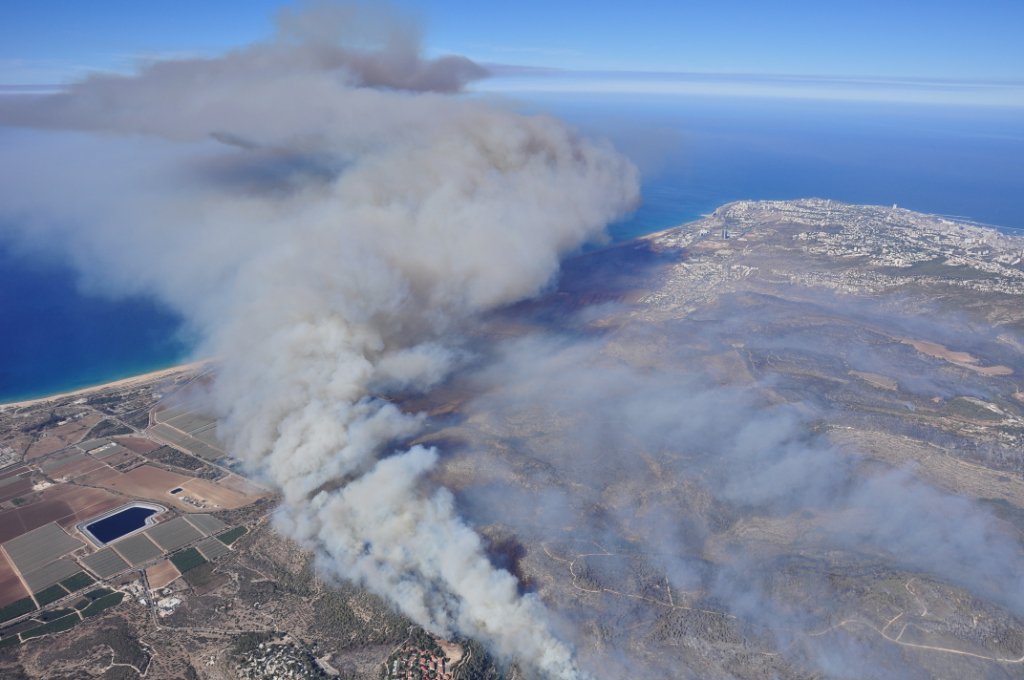
The greatest Israeli natural disaster in modern times, the Carmel Fire spread at an alarming rate and as various security forces and firefighters converged on the site, one Prison Service bus got caught in the blaze and 37 cadets and commanders were tragically killed. The fire spread over the next few days and destroyed all in its path. More than 17,000 people were evacuated and nearly 10,000 acres of forest was burnt. The blaze even came close to my base, at the western foot of Mount Carmel. In this aerial photo I found on Wikipedia, my base is obscured by the fire’s smoke (also visible from space and additionally photographed by NASA):

The smoke from the fire in 2010

The smoke from the fire in 2010

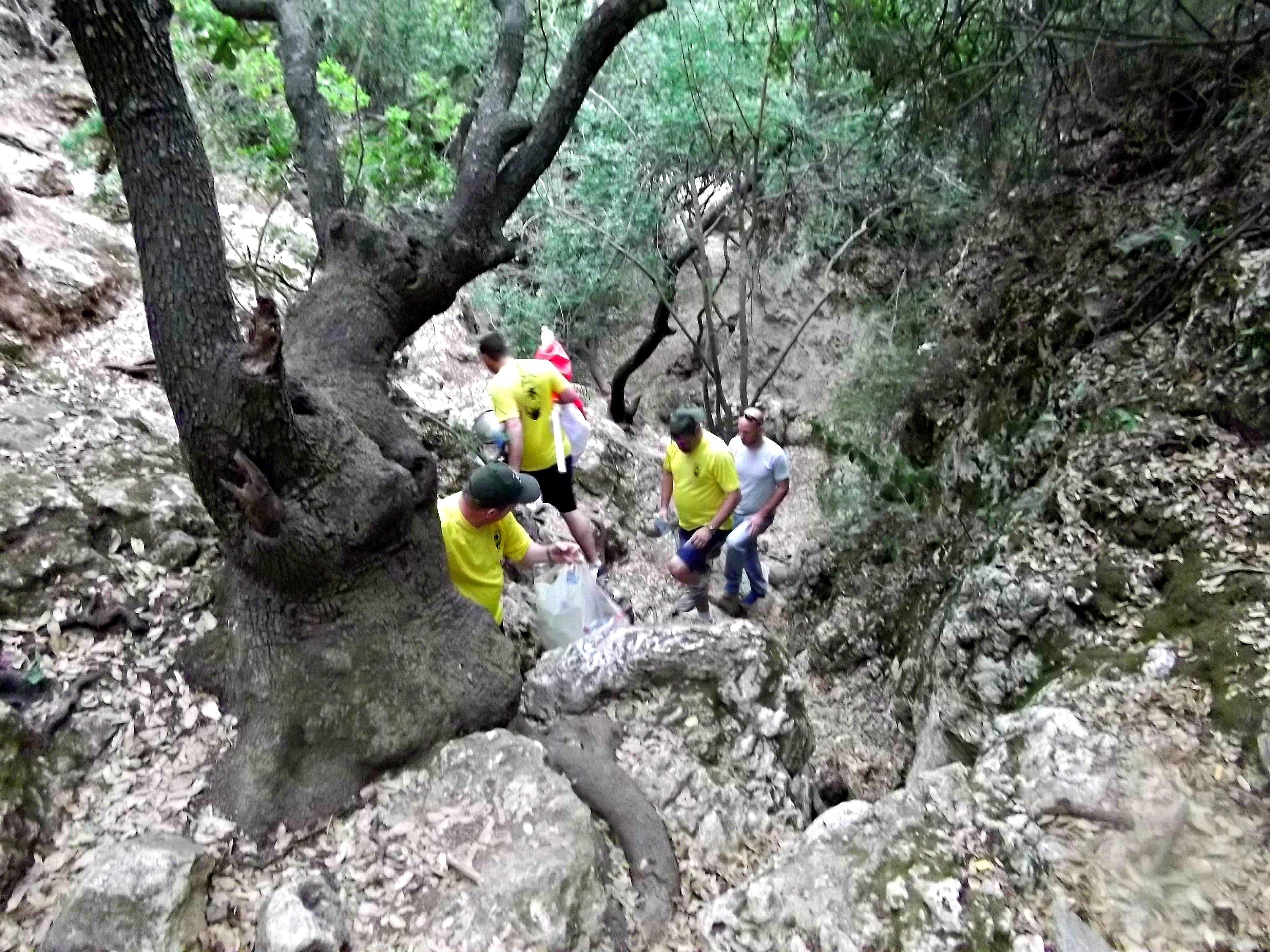
We all gathered at the memorial and the battalion commanders spoke, outlining the plan of the day and informing us that several SPNI guides were to be taking the Mount Carmel hike with us (SPNI – Society for the Protection of Nature in Israel). After respecting the dead and photographing the memorial site, we head out on our mountainous hike – each company starting a few minutes after the previous one. Not much of a herd follower, I meandered around and took my time, the groups passing me by.

Misty mountain scenery

Misty mountain scenery

What I had imagined would be a simple, rather symbolic, hike was actually a legitimate mountain hike with craggy footholds and sheer cliff edges. One thing that I found interesting was the fact that many of the blackened trees stand exactly as they had several years back. We walked and walked, and then I came upon one of the SPNI guides giving some background on the region’s fauna. When that came to end, I hurried on ahead and climbed the trail’s rocky path, passing too many littered water bottles.

Up we go!

Up we go!

Eventually, with the howling masses at my heels, I finished the hike sweaty and invigorated. I enjoyed a quick snack and then ditched my M16 with the special vehicle and crew tasked with the job. Sitting beside a friend, we set off for our next destination, the Shefayim Waterpark. As this was my first waterpark, I was excited to have the new experience but rather apprehensive at having the experience with an entire battalion. Within an hour we pulled up at the waterpark, just north of Herzaliya, and we disembarked. Slipping into something a little more comfortable, we had lunch and then headed for the water. With so many choices, but so many lines, I first plunged into the main swimming pool. Then a different pool, and then an interesting tube ride. It was on that tube ride that we capsised at the end and lost track of our other friend.

Shefayim waterpark

Shefayim waterpark

Waterparks being waterparks, I don’t know what more to say – rumour is that the army is taking us to yet another waterpark, thanking us for our hard work during Operation Protective Edge.

Paleomagnetism in the Golan

In Golan, Israel on August 17, 2014 at 4:33 AM

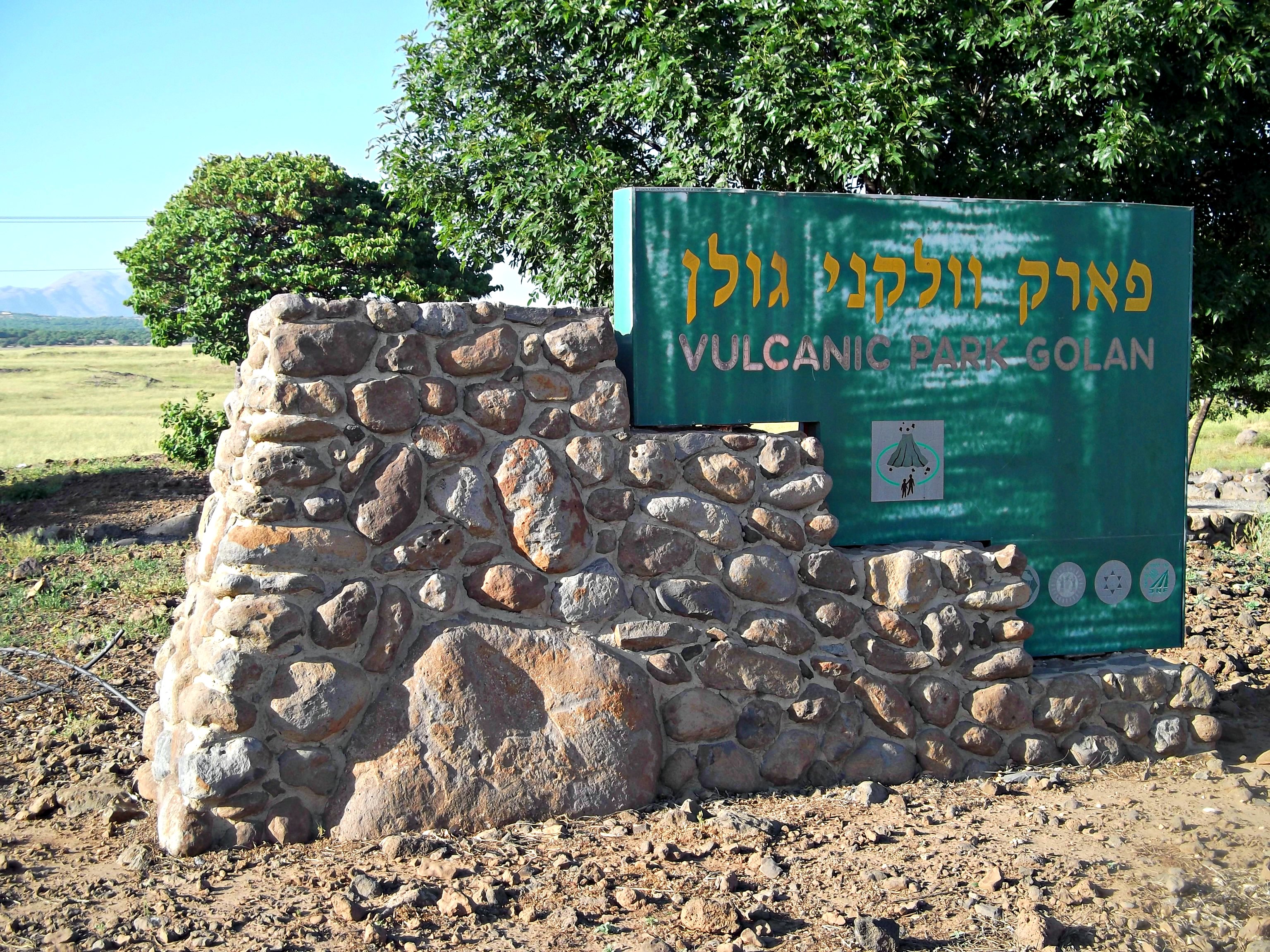
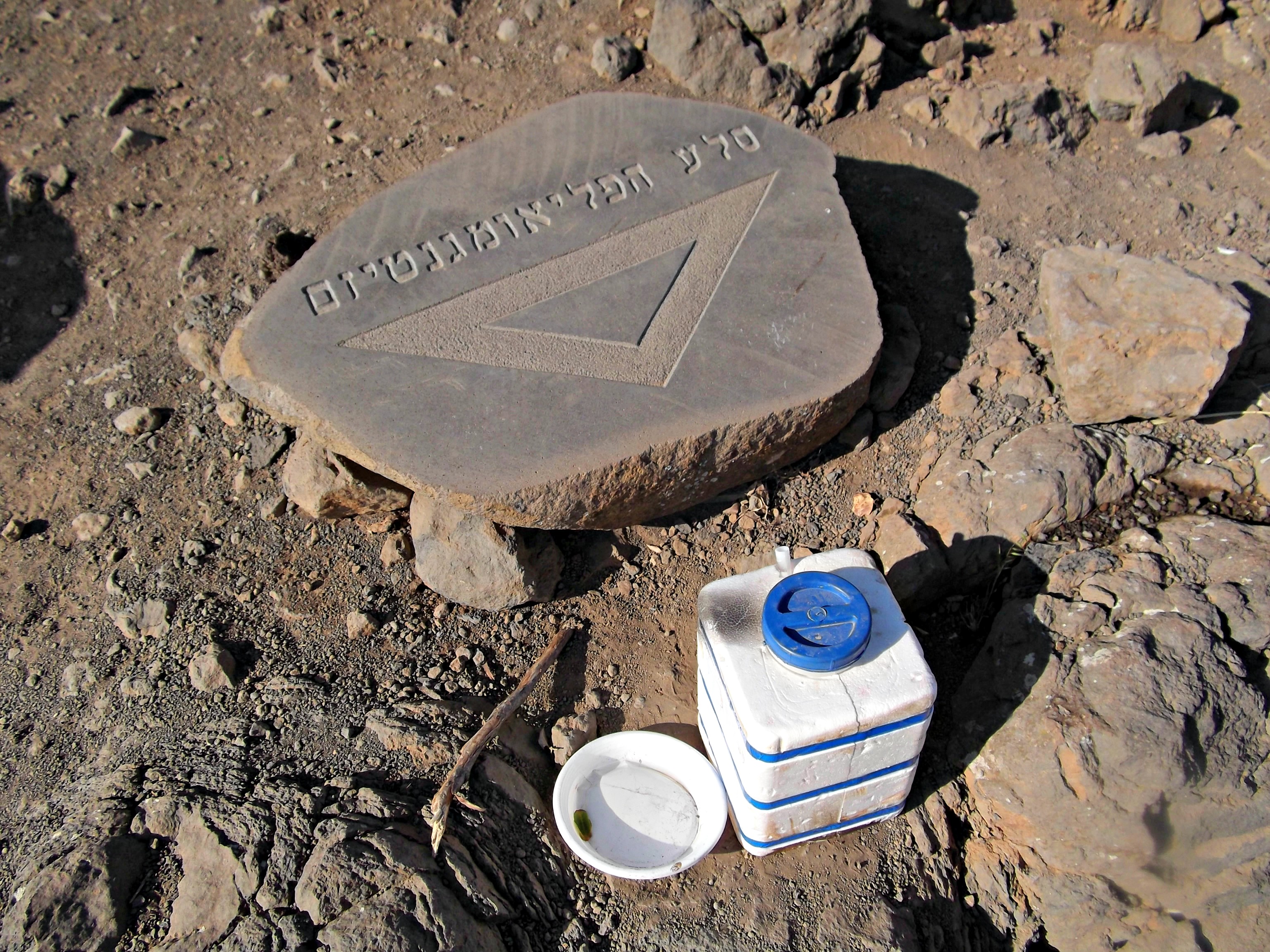
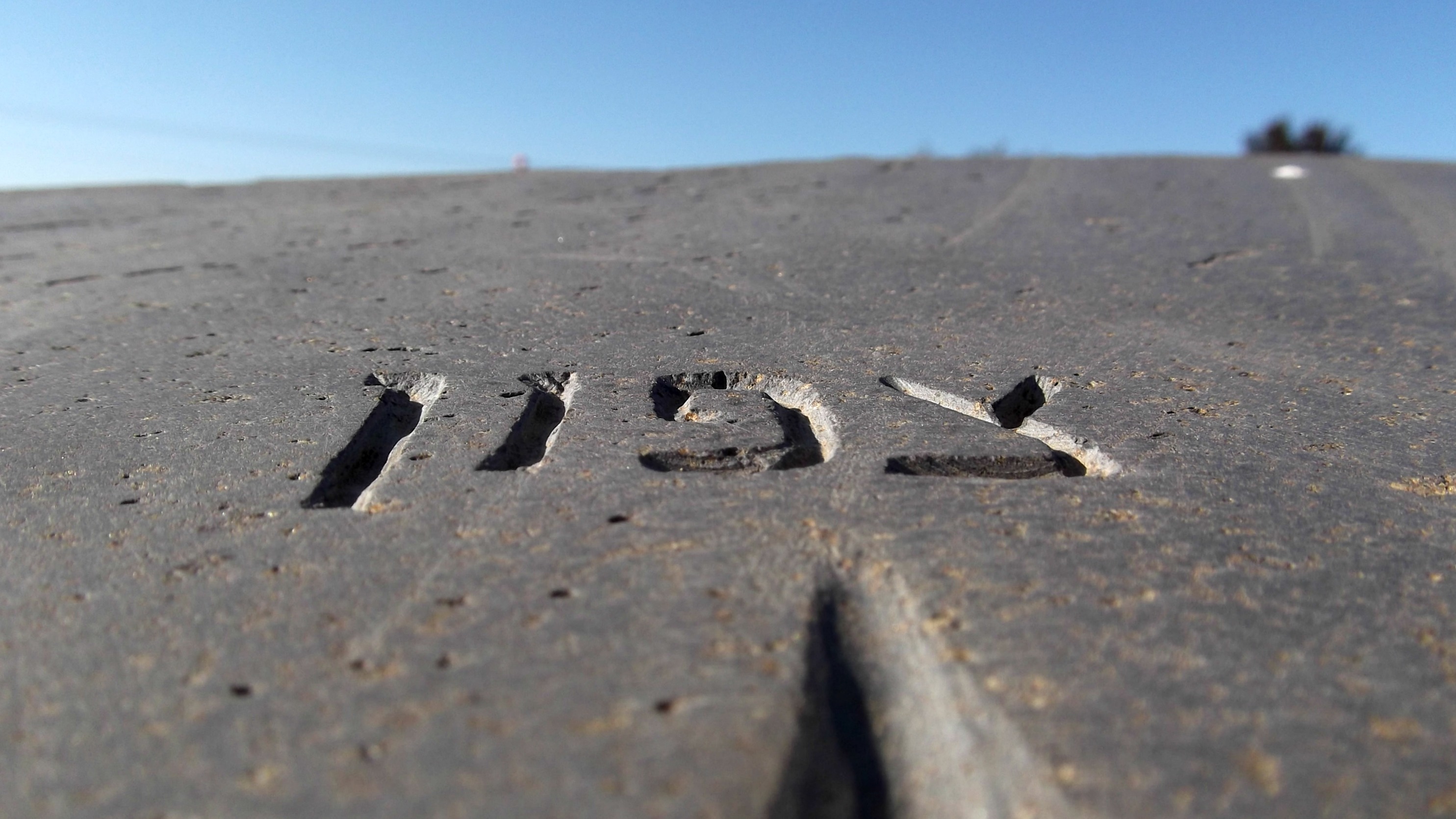
This blog post is about paleomagnetism found in a rock in the Golan, a natural phenomenon of reverse polar magnetism. The dictionary defines “paleomagnetism” as: magnetic polarisation acquired by the minerals in a rock at the time the rock was deposited or solidified. This site in the Golan, a rock on the side of the road between Wasset Junction and Mount Bental, holds an ancient alternate magnetic field and displays reverse magnetism – a compass will point south instead of north. So, when I was driving by back in April and saw Vulcanic Park Golan I just had to stop and check it out for myself.

Vulcanic Park Golan

Vulcanic Park Golan

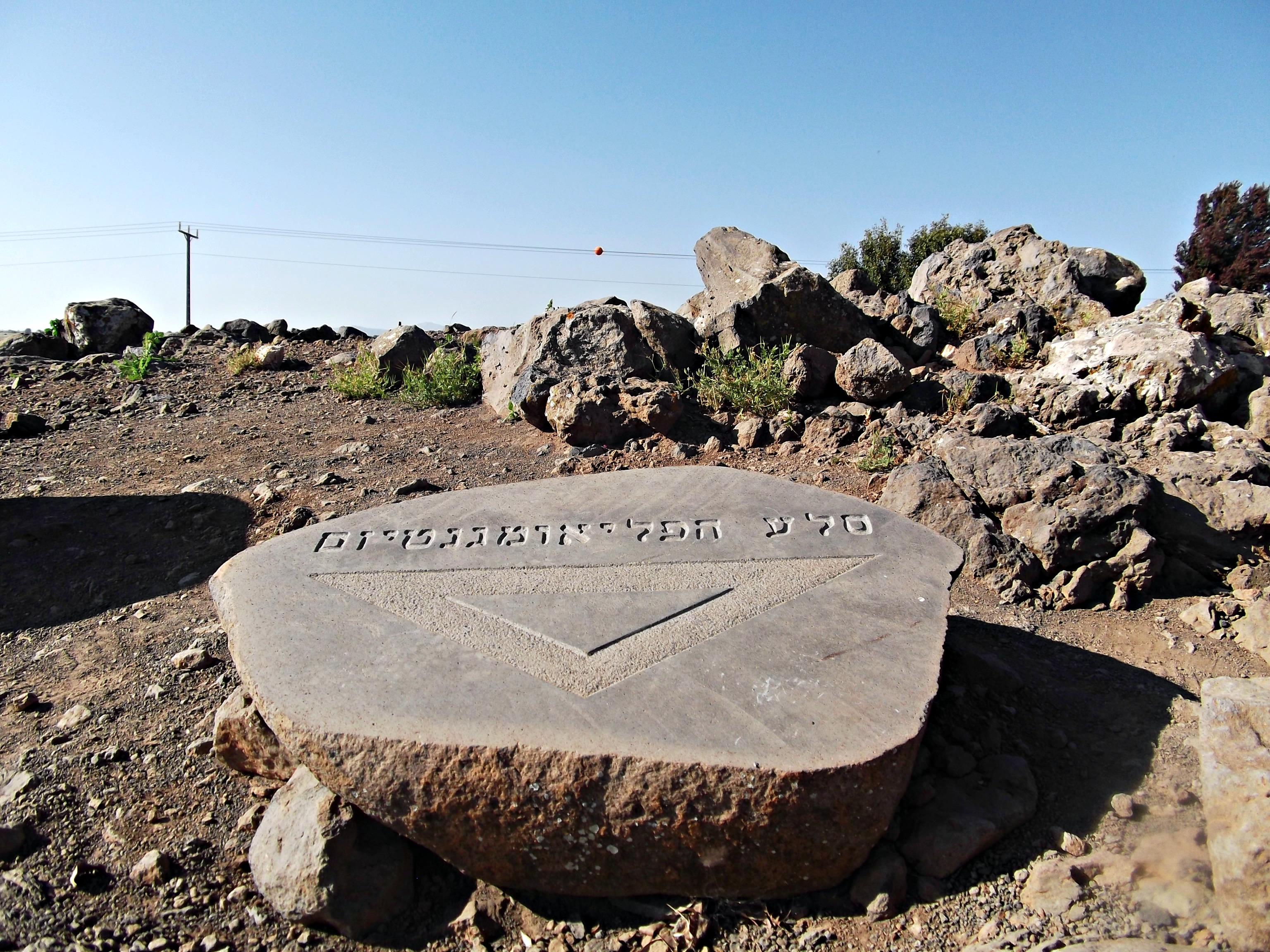
Despite the fact that I had no compass with me, I got out of my truck and gathered up the ingredients to make a homemade compass. There is a scene in The Edge where Anthony Hopkins makes an impromptu compass and so the skill and know-how was passed on to me. I took a staple from some military documents and some water and walked over to the rock which is supposed to have the reverse magnetism.

Paleomagnetism

Paleomagnetism

Setting up shop, I found a leaf and a discarded plastic plate to hold the water in. Fighting against the consistent onslaught of wind, I placed the plate down and poured some water in, creating a pool to float the leaf on. I then took the staple, straightened it out and tried to give it a magnetic charge by rubbing it against my hair some 60 times (turns out, rubbing the metal against hair just gives it an electric charge). With the staple charged, I placed the leaf and the “needle” down in the pool of water. Unfortunately, the wind just whisked the leaf to the edge of the plate, ruining the chance of a proper polar-magnetic alignment for my weak compass.

First attempt

First attempt

Shielding the operation with my body, I tried again. And again. Eventually I realised that I could just float the “needle” on the water itself, the staple staying afloat due to surface tension. I tried that and got better results. However, despite the many attempts, I was never fully satisfied that the “needle” was, in fact, pointing south – like expected. I had read that sometimes the needle of the compass will spin crazily instead when placed over the paleomagnetic point. I don’t think that was achieved either. I tried different rocks, unsure which they intended me to use. Still, nothing scientifically solid.

Due north

Due north

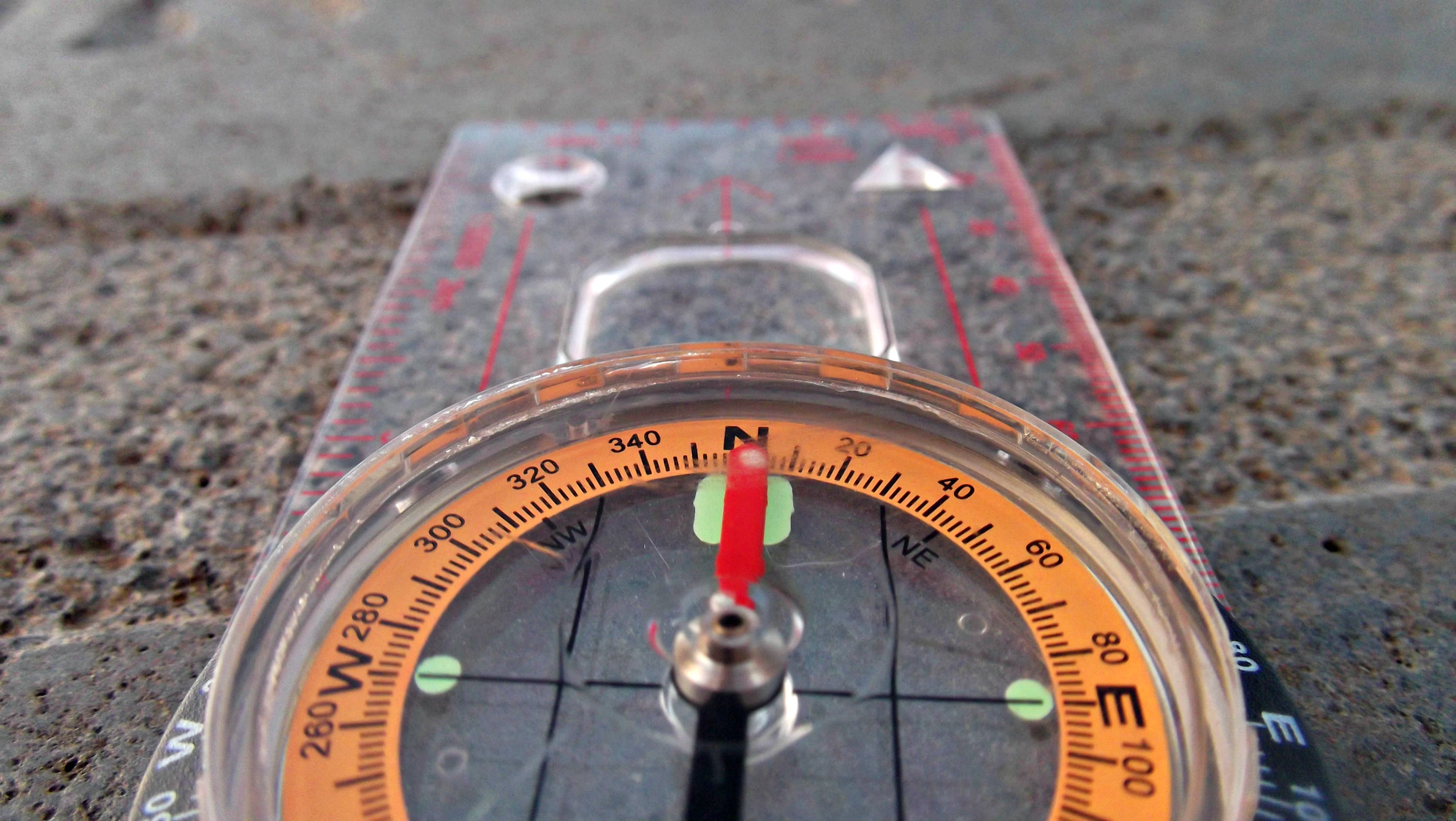
Disheartened, I left the park and carried on with my mission that day. The following day I drove past the park with a soldier from Golani’s “Egoz” unit. I told him about the site and he got ahold of an actual compass. We intended to drive back but in the end did not, so I shelved the blog post idea. About a month later, I was up in the Golan and visited the site again – this time I had a compass packed in my backpack with me. I walked over to the rock and placed the compass down, eager to see the results.

Second attempt

Second attempt

I was disappointed. The compass pointed north, straight as an arrow. I tried the neighbouring rocks, I tried shaking the compass, I tried all sorts of things – nothing. It either pointed north or it didn’t point at all. So I turned to a blog post from MyIsraeliGuide.com that mentioned this paleomagnetic site and, in the comments, asked the blogger what his compass results were. He too could not confirm that the reverse magnetism works. And so, after two attempts to verify this natural phenomenon, I come up empty handed. I assume it has been verified by someone, or else they wouldn’t have built a park – perhaps one day I’ll try again and get favourable results.

Mount Hermon

Mount Hermon

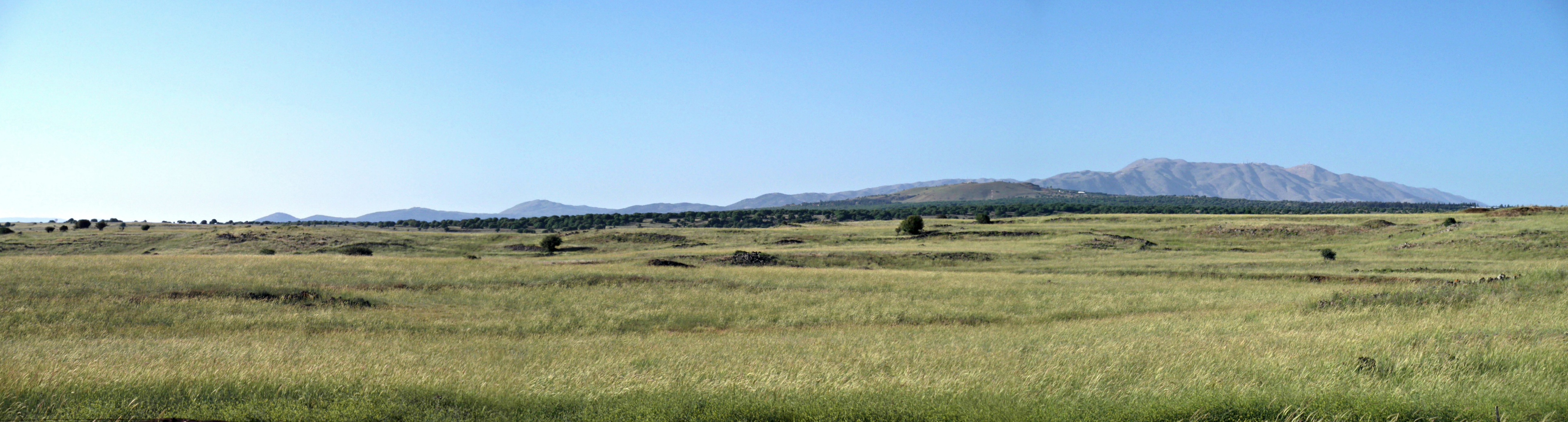
With that I leave you with this above panoramic photo of Mount Hermon and the lower mountains that lay at the Israel-Lebanon border, as seen at the Vulcanic Park Golan.

Be’eri Forest

In Israel, Negev on August 10, 2014 at 4:44 AM

During the past few weeks, due to the ground operations of Operation Protective Edge, I found myself at the Gaza border with infantry and armoured units. One day, I went to explore my surroundings and found that I was at the edge of the southern Be’eri Forest and that there were many interesting sites to be seen. The following is a summary of two hikes I made of the area, all just a few kilometres from Gaza.

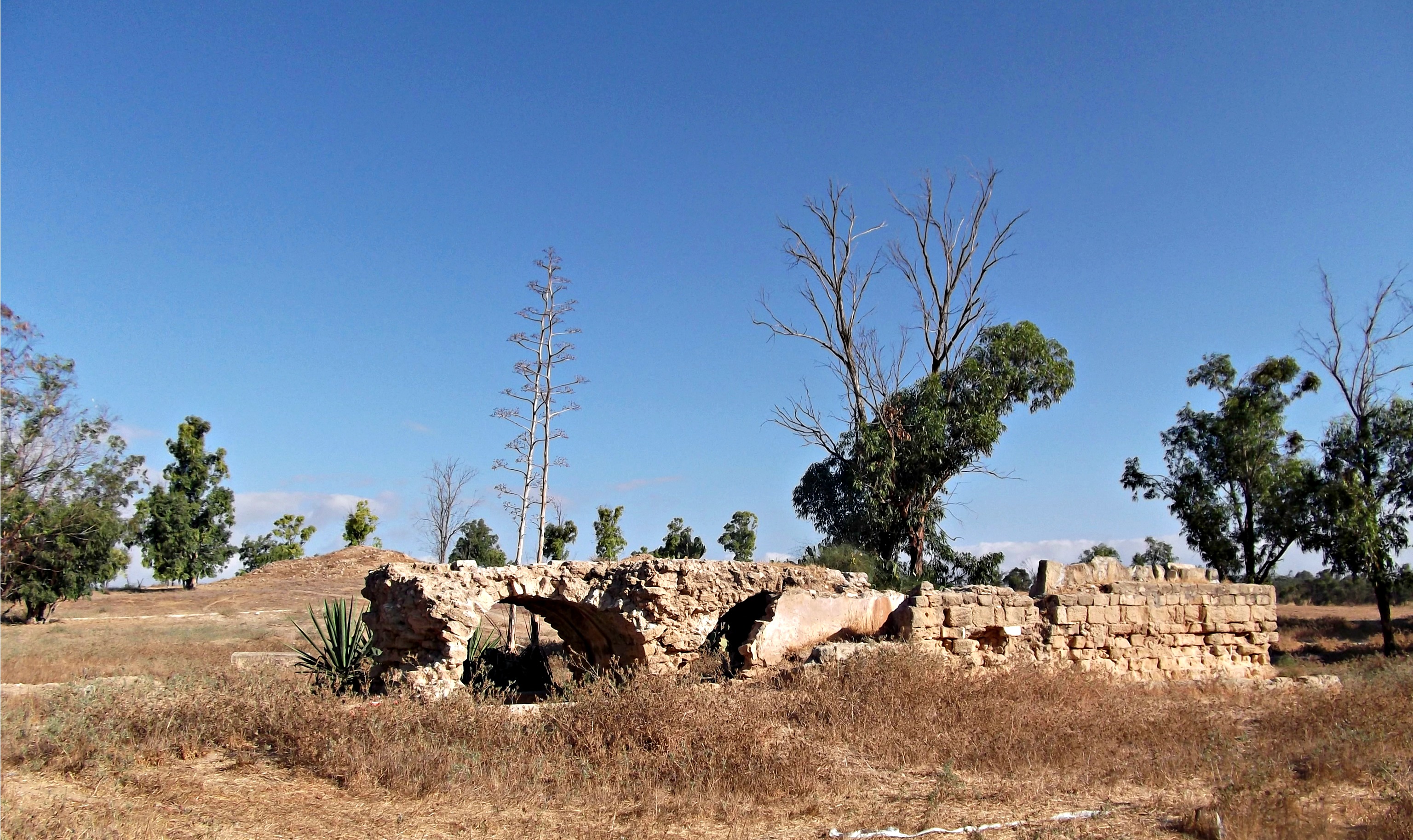
Mador Ruins

Mador Ruins

The very first site I came upon was the Mador Ruins, a collection of Byzantine, Ottoman and British remnants just off Nachal Grar. I approached the main structure, and peered under the outer arched ceiling – to look into a seemingly bottomless well. A little research online and I discovered that this was an Ottoman “saqiya” well refurbished by the British – 26 metres (85 feet) deep.

26 m (85 ft) deep

26 m (85 ft) deep

Beside the well I found a mysterious sarcophagus of sorts, unmentioned in the Israel Antiquities Authority’s report of their June 2011 survey.

Mystery sarcophagus

Mystery sarcophagus

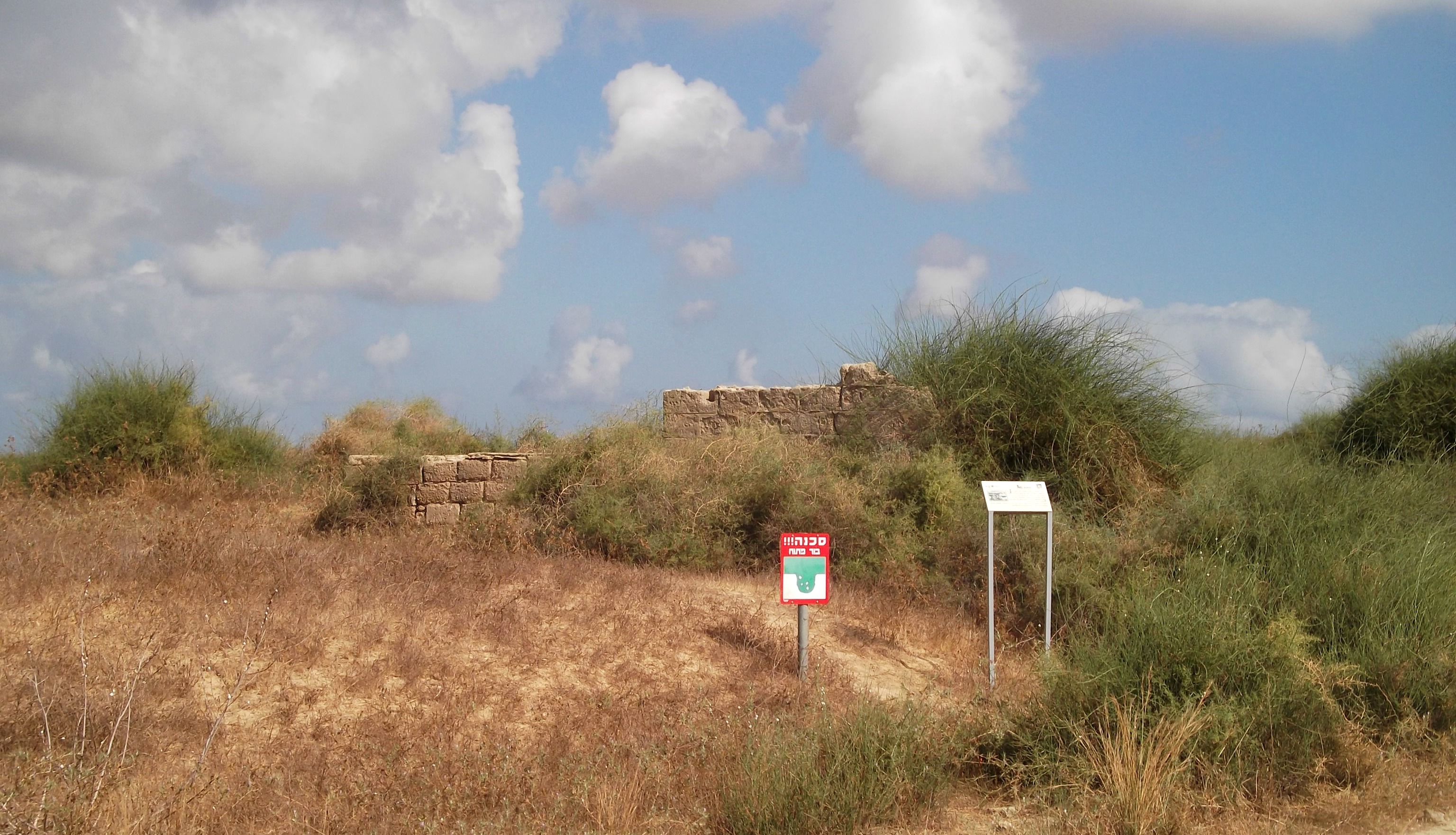
Seeing stone mounds in the distance, I kept walking on what became apparent as the Water Systems Trail. I passed a strange partially-covered concrete that looked like a buried vase, and then this, an IDF warning leaflet that was dropped over Gaza before a bombing run and had since blown over the border:

Warning leaflet

Warning leaflet

Walking north-west towards Gaza, I came upon the ruins of a British flour mill from WWII. According to the plaque, the British army set up a large camp to store supplies and ammunition for the battles against the Germans under General Erwin Rommel, the “Desert Fox”. After the war, the camp was dismantled and the buildings abandoned.

British flour mill

British flour mill

Following some examinations of the several British ruins nearby, I heard a boom coming from Gaza and noticed that a terror tunnel had just been blown up by the IDF forces within Gaza. Here’s a photo of the immediate aftermath:

Gaza tunnel being blown up

Gaza tunnel being blown up

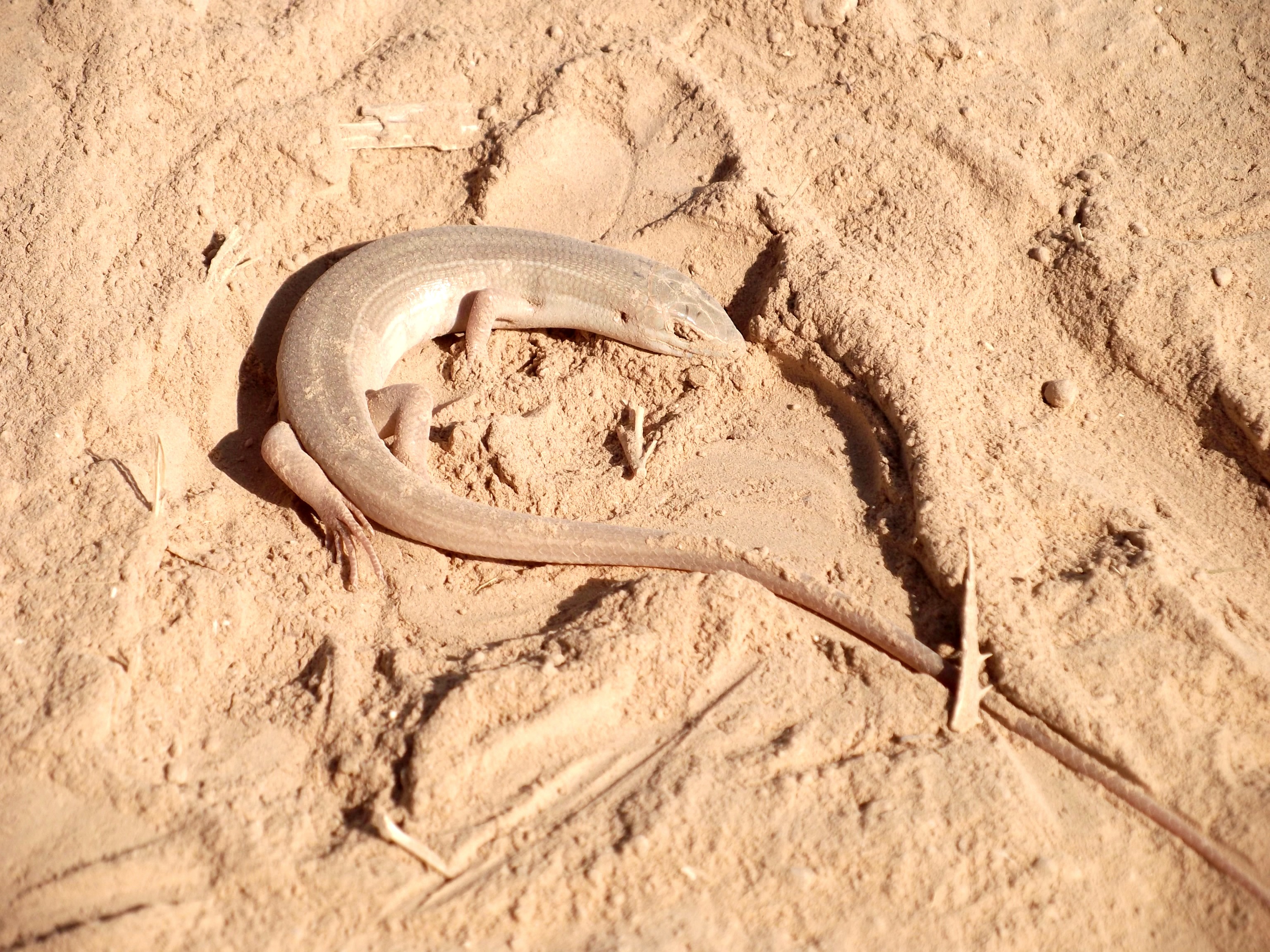
With that, I looped back to our camp and was temporarily finished with my exploratory hikes. However, at about 4pm on Tuesday the 28th of July, I embarked on another exploratory hike, this time heading slightly southwest. Walking through the thick powdered dirt (created by tanks and APCs) I crossed the dry Nachal Grar and came upon the Re’im parking lot, but not before finding this skink.

A skink in the powdered dirt

A skink in the powdered dirt

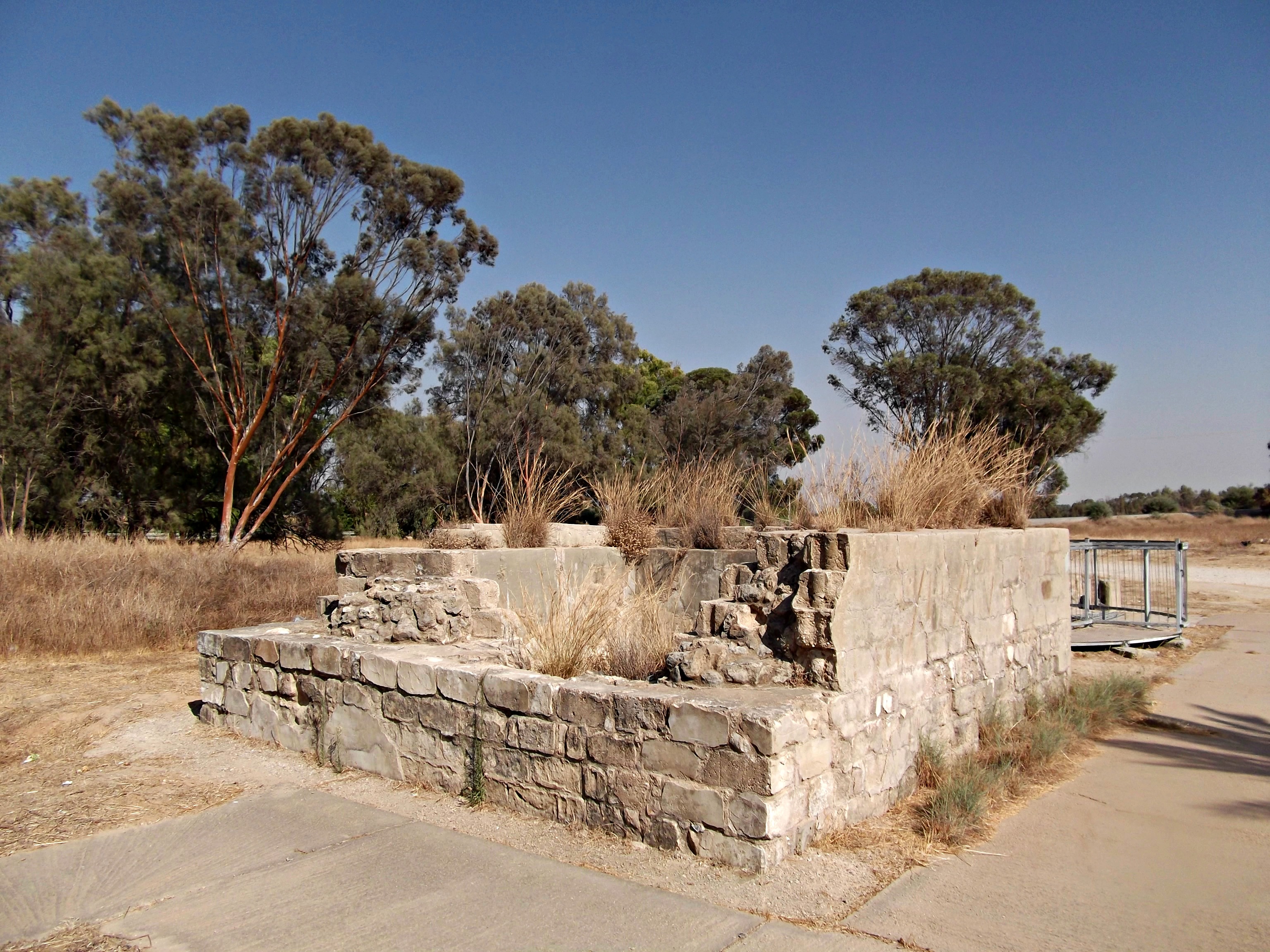
At the official entrance to the recreational park (which includes picnic grounds, biking trails and more), there is this British well and storage pool. The British dug out and/or renovated dozens of wells in the area and this particular one had a diesel pump and a concrete-coated storage pool.

British well and storage pool

British well and storage pool

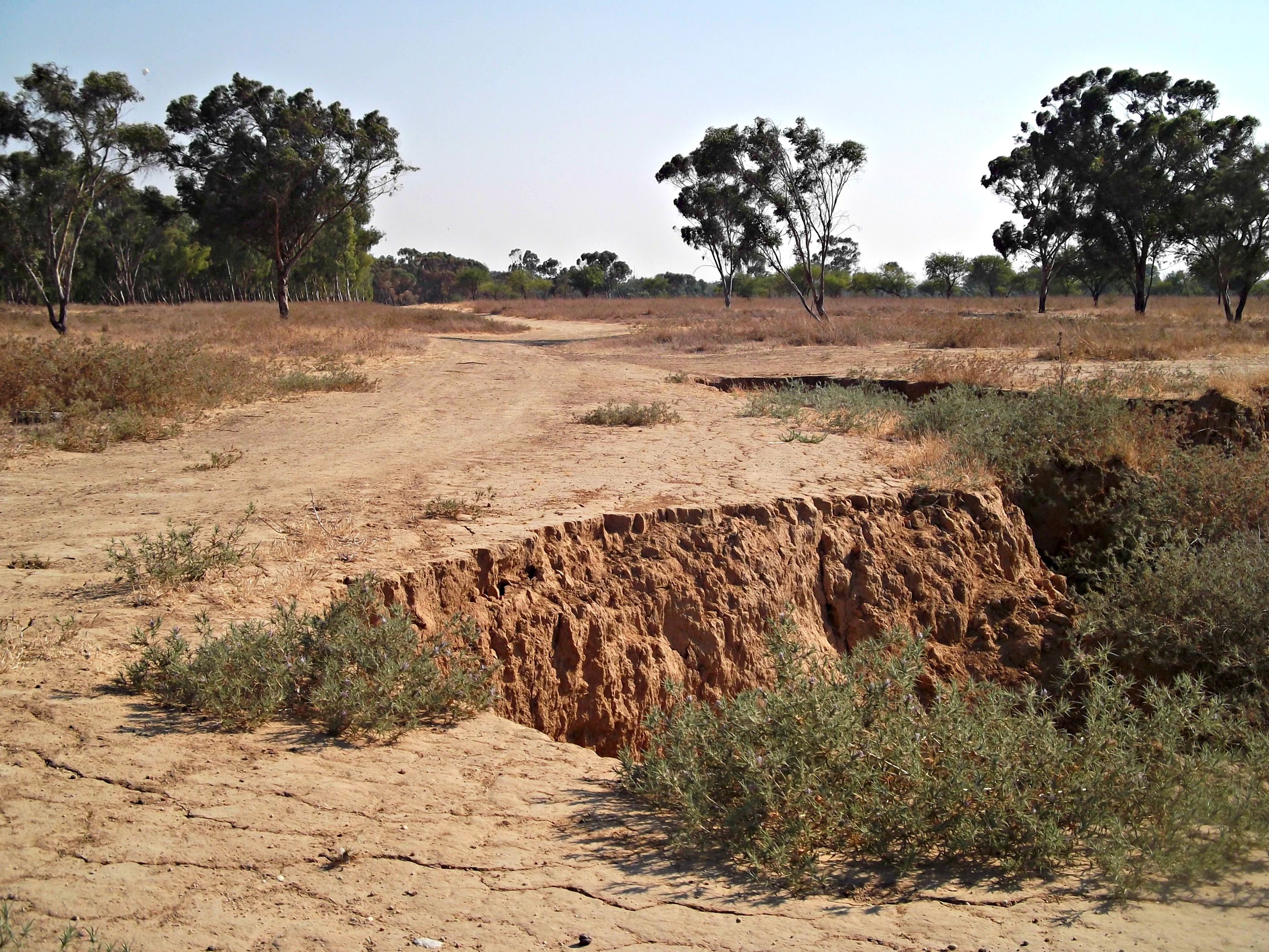
Consulting the site map, I decided to walk east with the Se’ora Ruins as my goal. I set out and came across the first oddity quite quickly. The ground in the area near Nachal Grar had collapsed and thus there are numerous cliff edges in unlikely places. My theory is that the underground water tables have dried and so the land collapsed. We know that this area was sought after for its water even back to the times of Abraham, where he watered his flocks. So, thinking of all the people and all the animals that were supplied water from these underground water tables, I think it seems reasonable that the land should collapsed down on the emptied pockets.

''Danger! Abyss''

”Danger! Abyss”

Even now the ground sinks, as can be seen here on the trail. I just wonder how much more will collapse.

The path are a'crumblin'

The path are a’crumblin’

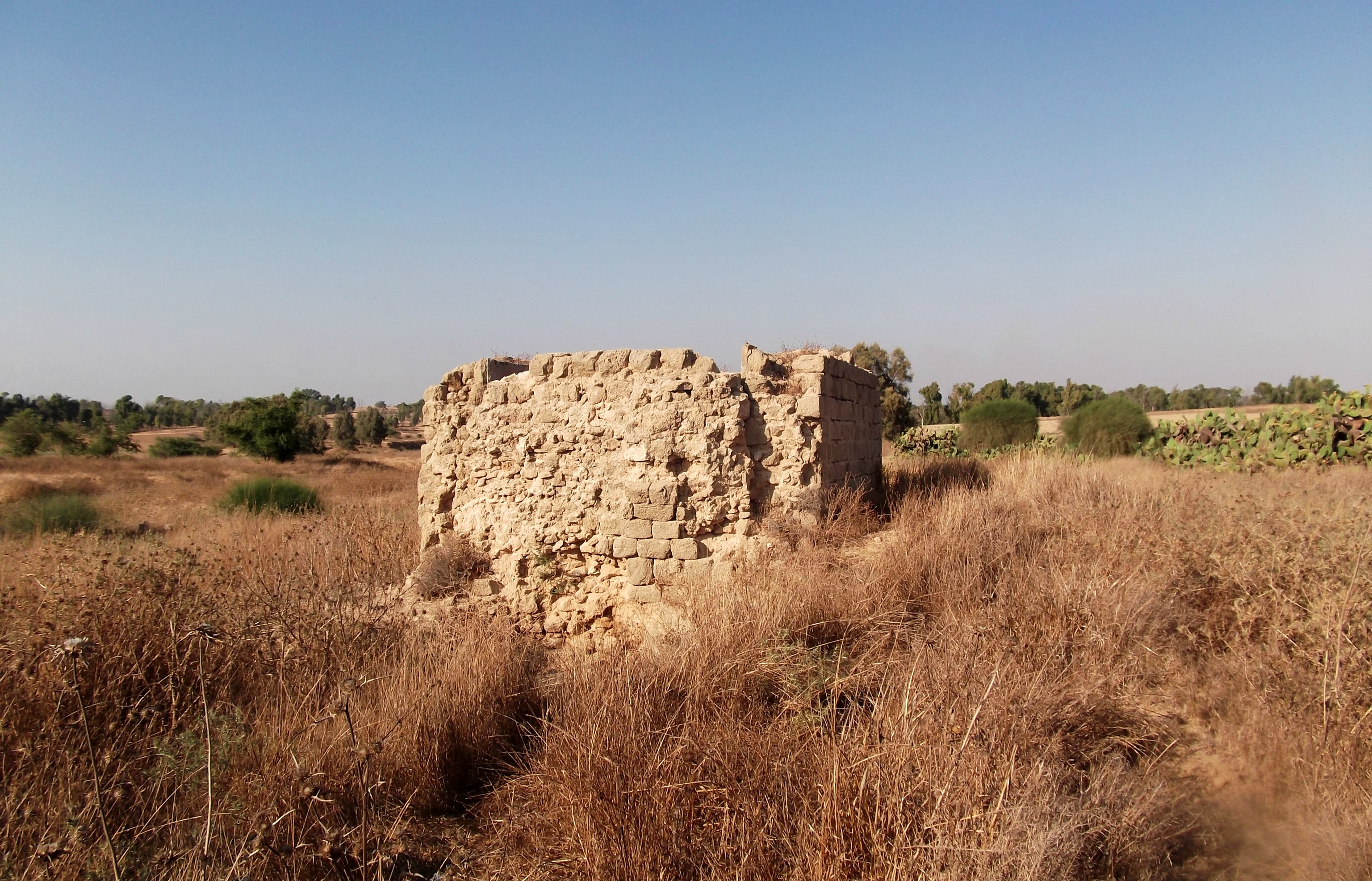
After recrossing Nachal Grar, I came upon the edge of the forest and had to walk in the sun – being about 5:20pm. I kept walking, passing a large amount of discarded sheep wool and then a seemingly abandoned Bedouin encampment. As I worked my way towards this ruins I saw, I heard a loud whistling sound followed by a BOOM in the direction of our army camp. I had a sense of dread and kept checking the news sites to see what had happened. There was a gag order of sorts, as at first nobody reported the mortar that landed in middle of our camp – killing four soldiers and injuring more. It was a miracle that I wasn’t there at the time; I may have not been in the path of the mortar but simply being spared the sights of carnage is a blessing enough. Back on the hike, I wasn’t sure just what had transpired so when I did make it to the Se’ora Ruins I wasn’t as interested as I would’ve been ordinarily. I had a quick look, again seeing a “bottomless” well, and then headed back to my camp.

Se'ora Ruins

Se’ora Ruins

It wasn’t long before we moved out and so I haven’t had the chance to explore the northern Be’eri Forest, but one day I shall. I’d like to end this post with a photo I took of the first Iron Dome interception I saw, the very first day I spent on the frontlines.

Iron Dome interceptions

Iron Dome interceptions

Until next time, and may we have only good thing to share! (A more in-depth and personal account of the mortar attack can be found HERE)

Hevron

In Israel, Judea on July 16, 2014 at 3:28 AM

Taking the liberty of chronologically skipping some posts that I simply haven’t gotten around to writing and are long overdue, this is a summary of a really interesting day I had last week in Hevron (Hebron), of which I am quite eager to share. I started my day in the very Anglo town of Efrat, just south of Jerusalem, at the very start of the ongoing Operation Protective Edge. Without getting to into too much military detail, I then drove further south through Kiryat Arba and then into Hevron – quite an interesting drive. This drawing by Scotsman David Roberts does not at all depict how the drive was, but it is a nice drawing:

Hebron in 1839

Hebron in 1839

I thoroughly enjoyed driving the narrow, winding Old City streets and then passing Me’arat HaMachpelah (Cave of the Patriarchs) where key Biblical couples such as Adam & Eve and Abraham & Sarah are buried – a place I have not yet merited to visit. Continuing on down al-Shuhada street, we then turned up Tarpat street towards Tel Rumeida – where some antiquities and some Jews can be found. The first thing I noticed were the signs and the excavated ruins beside and beneath a housing building. Tel Rumeida is what’s left of the Biblical Hebron – a very important city in Judaism and King David’s first capital city. King David’s own father and great-grandmother, Yishai (Jesse) and Ruth, are even buried locally at Tel Rumeida. Excavations began in 1999 and the findings are remarkable: a huge wall built some 4,500 years ago, another wall from some 3,800 years ago and ruins of the ancient city with remnants from the times of the Kingdom of Judah and the Second Temple period.

The tomb of Ruth and Yishai

The tomb of Ruth and Yishai

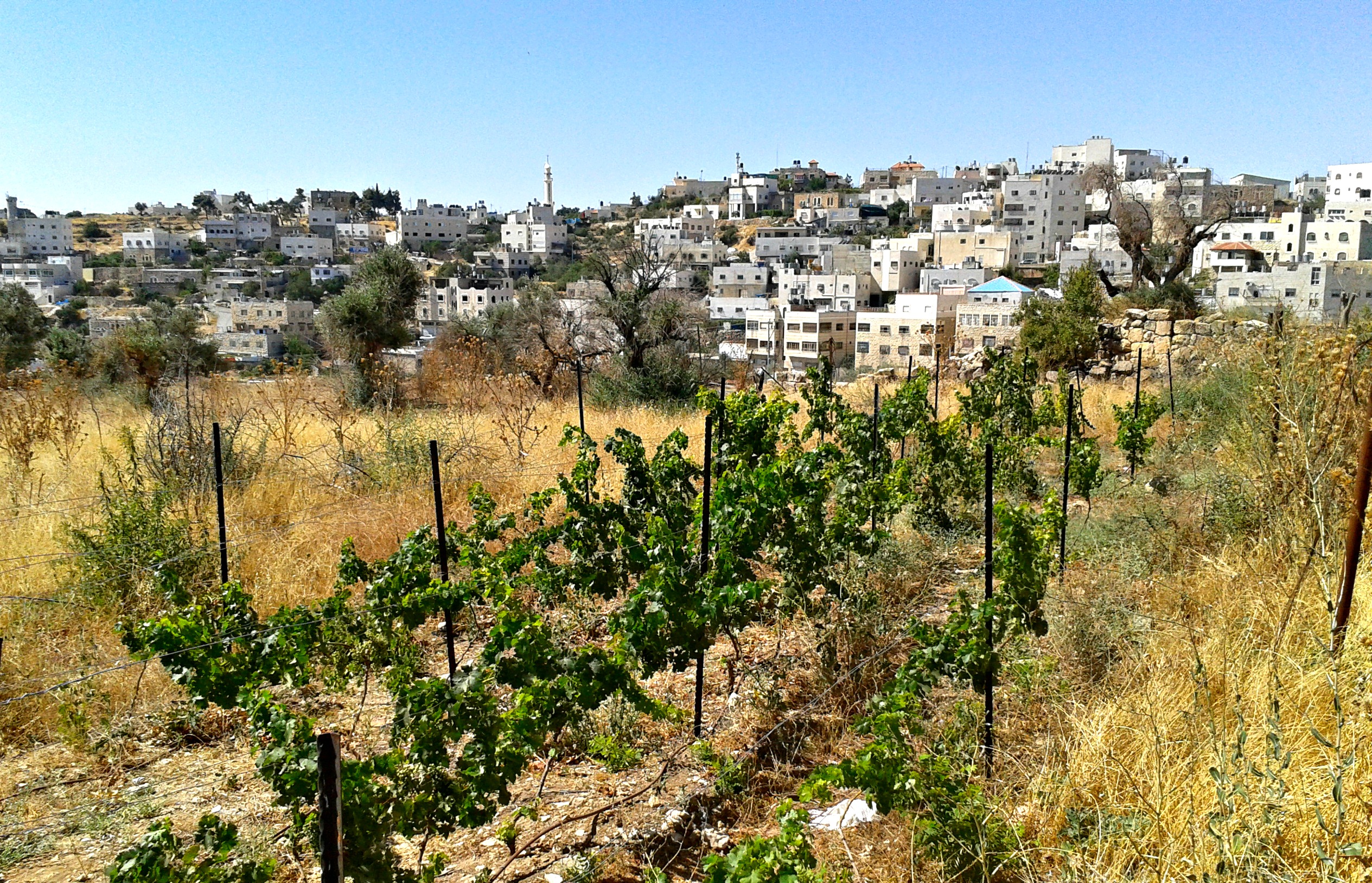
Before spending time at the ruins I popped up into the tiny military outpost, set up to protect the local Jewish population, and headed for the tomb of Ruth and Yishai. On the way I saw the tiniest vineyard, it made me wonder how tasty the wine would be…

A tiny vineyard

A tiny vineyard

Beside the tomb pictured above, there is the ruins of an ancient synagogue and unlike any other ruined synagogue, this one is being brought back to into use, which is smart.

Inside the ancient synagogue

Inside the ancient synagogue

Leaving the holy site, I walked down to Tarpat Junction to gain some knowledge from the soldiers guarding at the checkpoint. They began to explain to me the dangers of the city; that every night there is rioting on the other side of the checkpoint, in the Arab-only Palestinian-controlled part of Hevron. I peered through the bulletproof glass and saw the rocks littered all over – probably recycled each night. What makes Hevron so volatile is that it is the only city in Palestinian control that is also inhabited by Jews, and therefore partially in Israeli control. The Palestinian controlled section of Hevron is known as H1 (in which no Jews are allowed) and the Israeli controlled section of Hevron is known as H2 (in which Arabs are partially allowed) – a real mess. While I was learning all this a jeep pulled up and three officers strode up. I was startled to see a brigadier general approaching, later identified by myself as BG Tamir Yadi, commander of the Judea and Samaria region. He was accompanied by a colonel whose identity I don’t know, and a female lieutenant – probably his aide. The general wanted to go into H1 and so I decided to tag along…

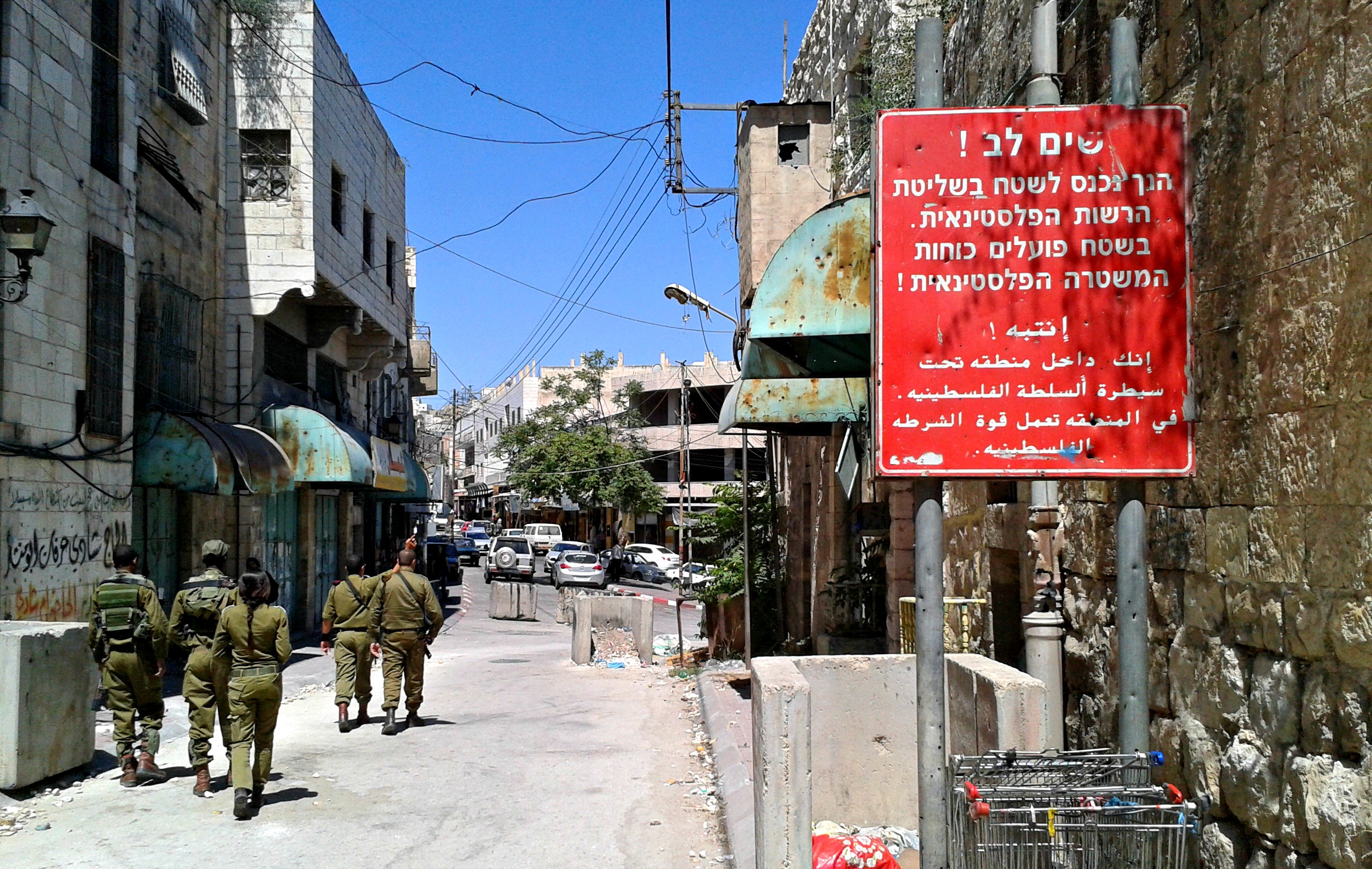
Entering H1

Entering H1

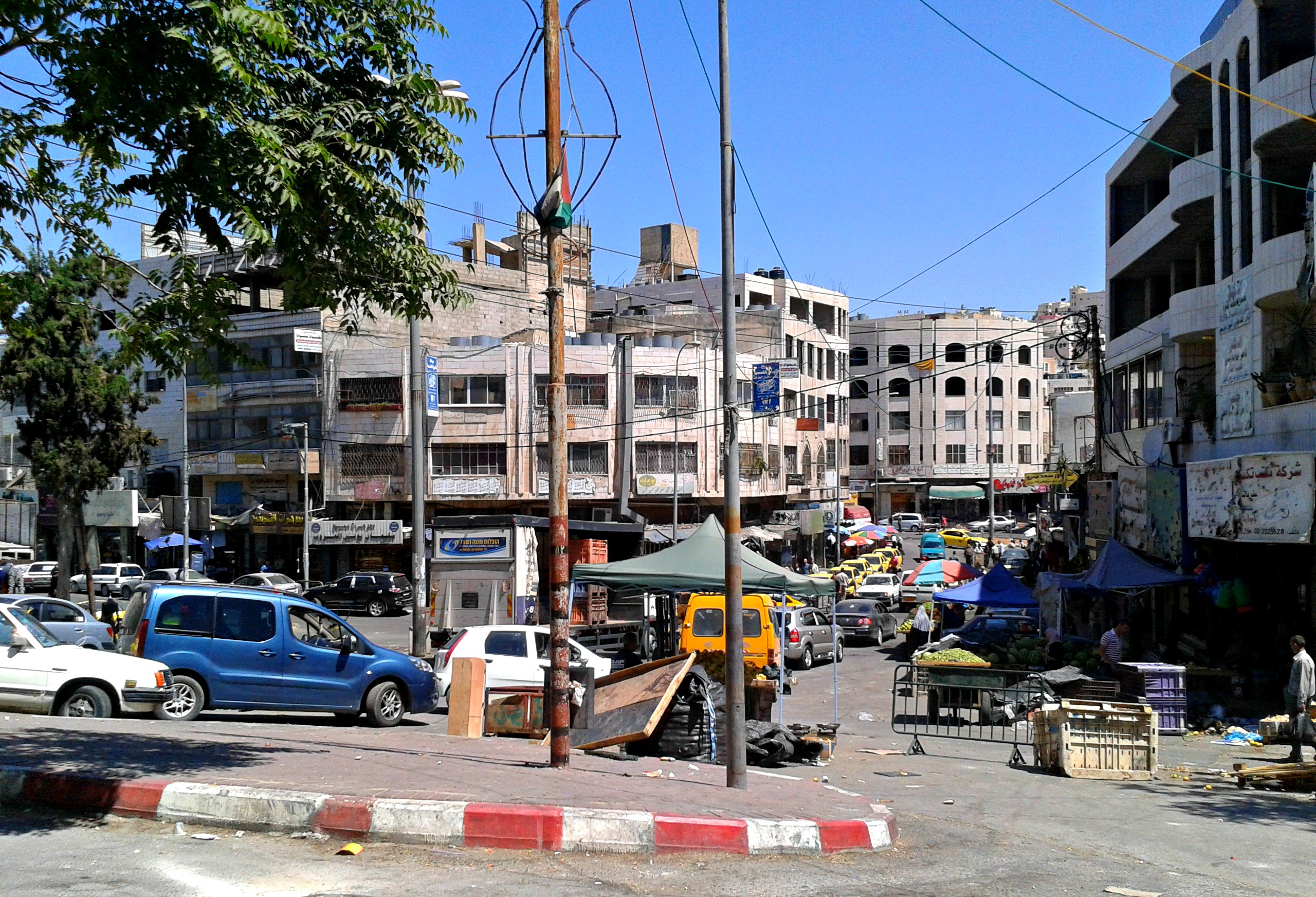
It felt really strange entering the Palestinian controlled area, passing the sign warning that Palestinian police have authority. We walked to the next junction and stood as spectators as the senior officers talked. I peered into a grocery store, watched traffic, spied a butcher blow-torching chickens, having a very Arab experience. I felt like I was a tourist in Egypt or Syria – but with an M16 at my hip – I didn’t spot any Hebrew anywhere, nothing glaringly Israeli. Suddenly an old man in traditional Arab garb and headpiece, with a cane gripped in his right hand, walked by and stopped by the senior officers to pay respects. I heard Arabic mumblings and then the officers wished the old man a “happy Ramadan” and away he shuffled.

A glimpse of the Arab shopping area in H1

A glimpse of the Arab shopping area in H1

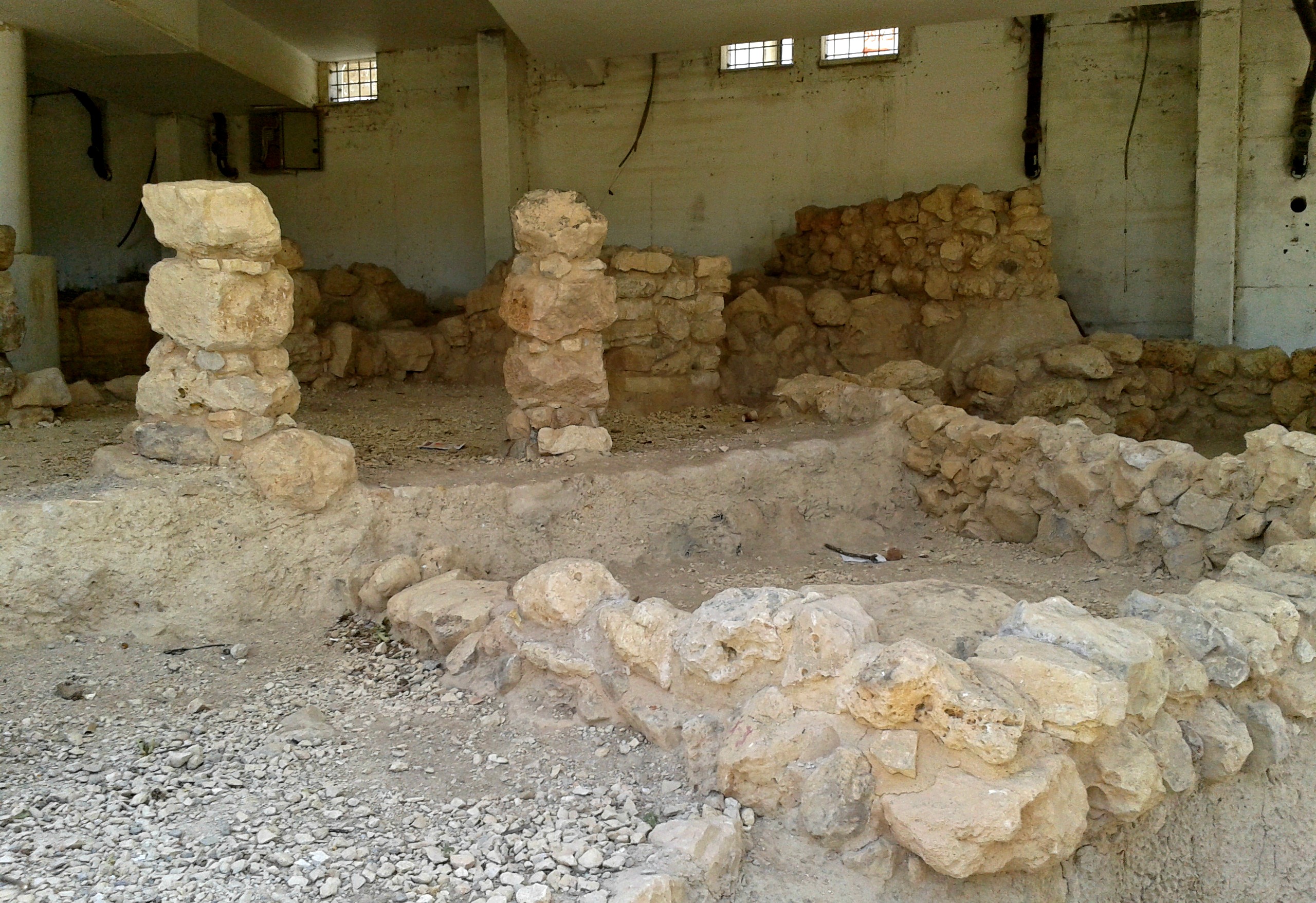
The general decided that he had enough spectating and we walked back to H2, where the officers got back into their jeep and drove away. I bid farewell to the guards and walked back up Tarpat street to continue exploring Tel Rumeida. I stopped at the first ruins and got a better look. This here is residential structure from about 4,500 years ago and a “Four-Room House” from the time of Hezekiah, King of Judah some 2,700 years ago:

Archaeological dig under a building

Archaeological dig under a building

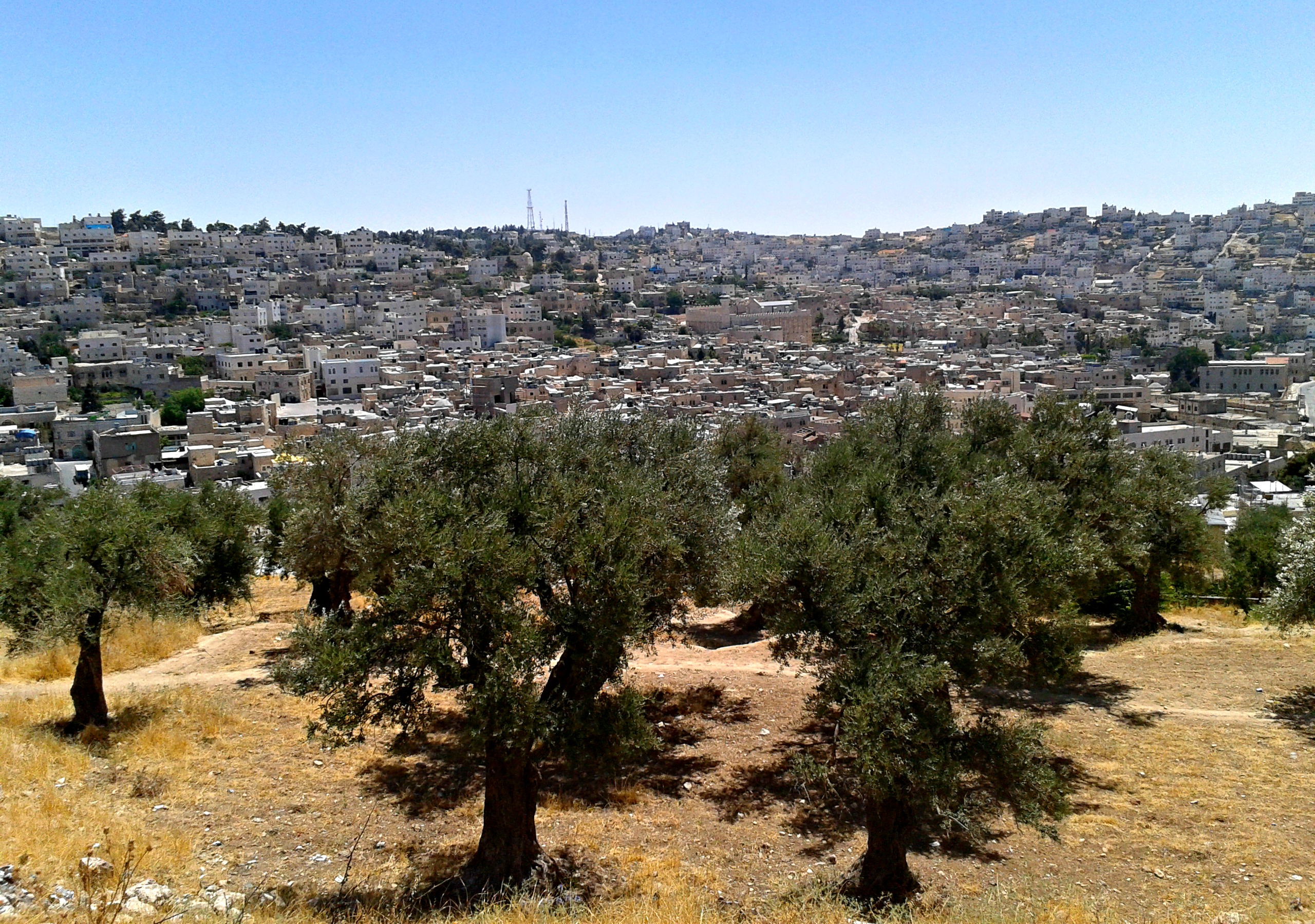
I then found the lookout to Me’arat HaMachpela, in a grassy plot with some olive trees, and I gazed out at the world’s most ancient tomb – so close yet so out of reach (at the moment in my day).

Olive trees and Hevron

Olive trees and Hevron

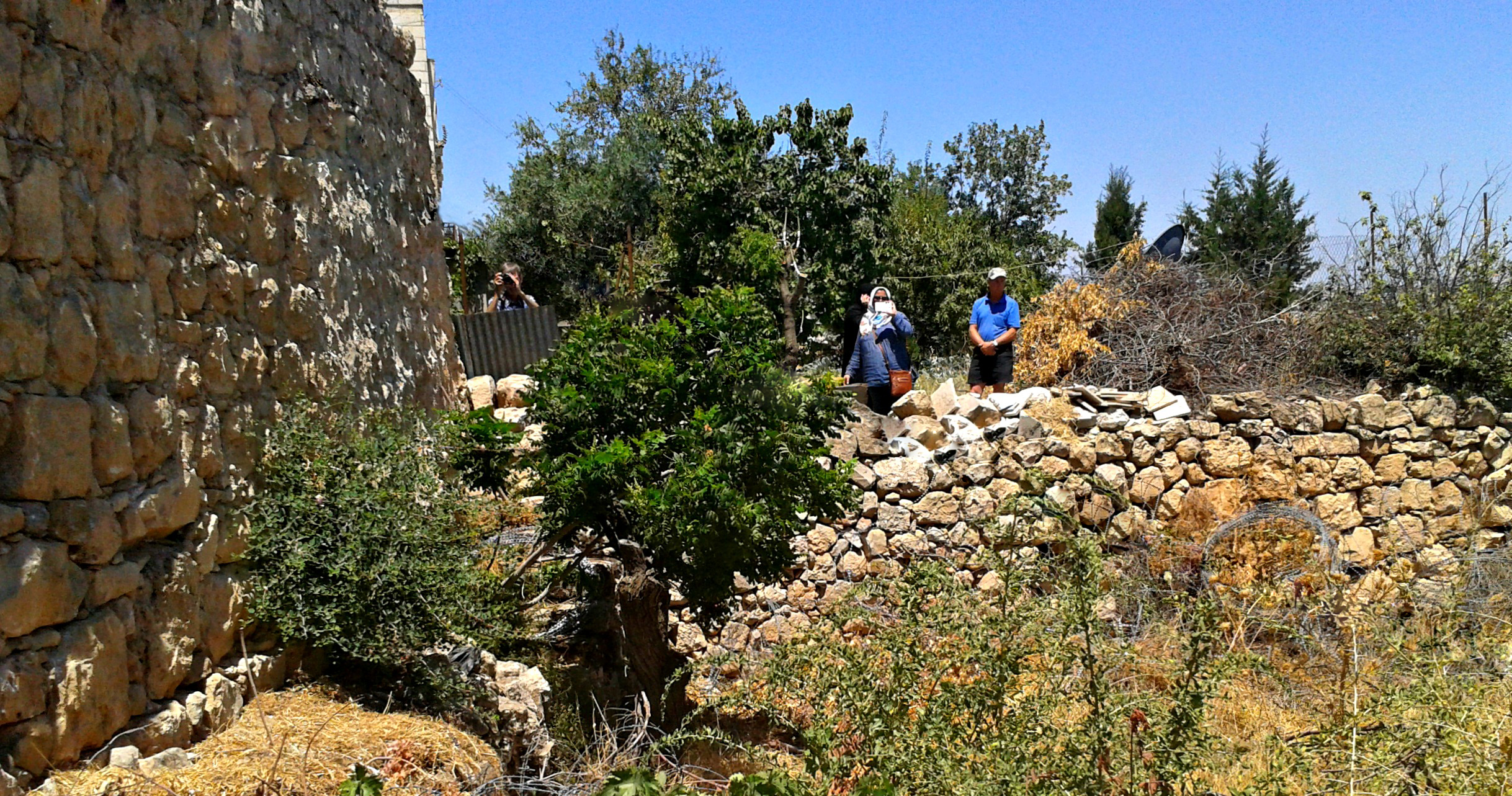
Convinced that there was more, that I simply wasn’t looking well enough, I began to explore. First I came upon an old rusted blue Schweppes delivery truck, then someone’s wine press and so I returned to the area of the tomb and the synagogue. While there I heard someone call out, in English, “Soldier, soldier!” I turned around and saw some people standing in an elevated garden calling out to me, cameras in their hands. I asked them what they wanted and they demanded that I remove the Jewish settlers from their land. Not wanting to get into some heated argument about a plot of land I knew nothing about, I explained that this was a very interesting moment for me and that I was sorry that they felt the way they did, probably not such good footage for their usages…

Disgruntled civilians

Disgruntled civilians

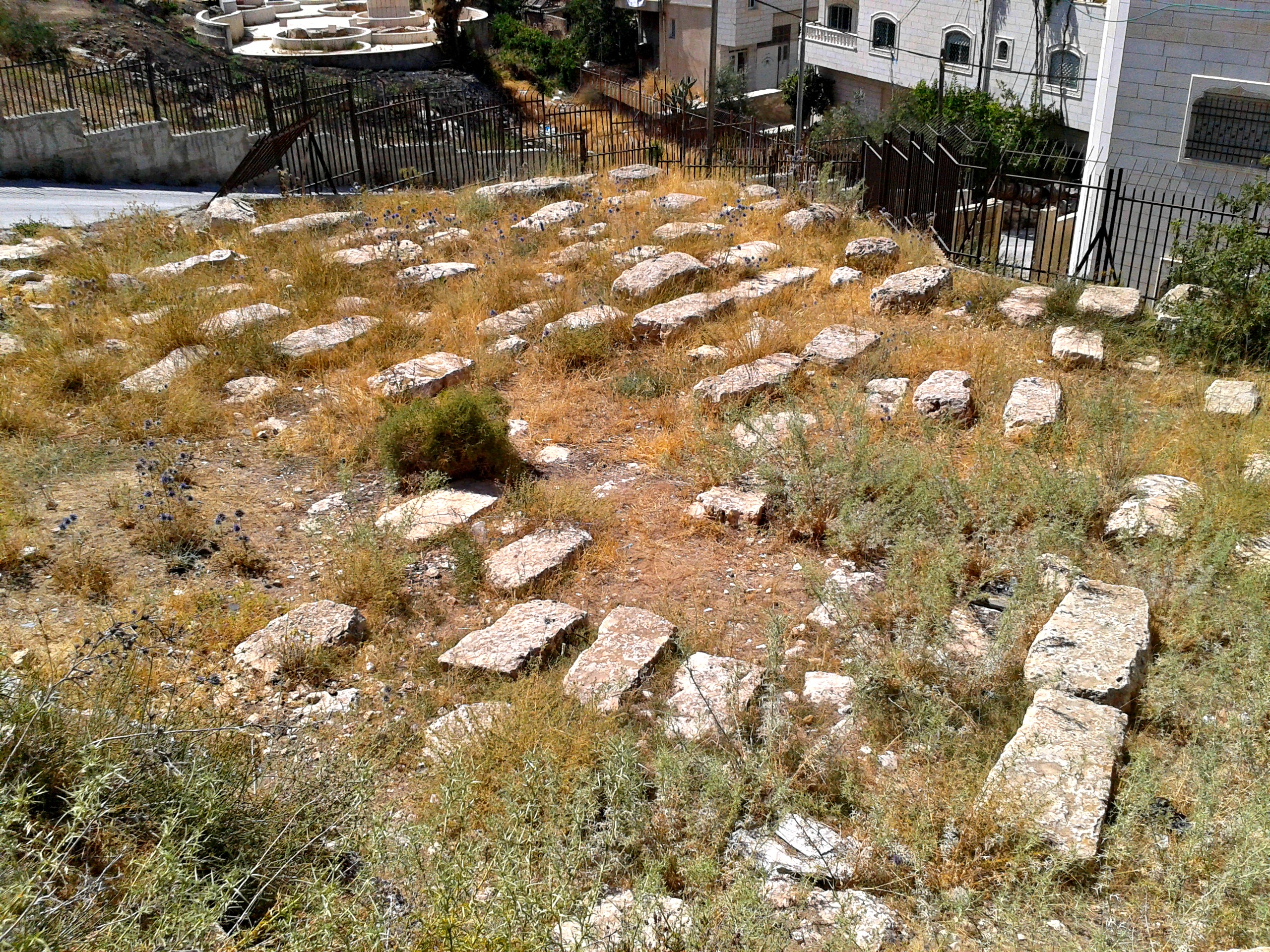
Exploring from a different approach up the hill, I stumbled upon the Antiquities Authority’s latest excavation but unfortunately it was gated and locked and there was nobody there for me to sweet-talk my way in. But while I was there, walking on a dirt path towards the al-Arba’in mosque, I found myself looking down on the ancient Jewish cemetery which had been in use for hundreds and hundreds of years until 1936 when the local Jews were evacuated by the British.

Ancient Jewish cemetery

Ancient Jewish cemetery

With so much more to say about Hevron, including camera-wielding Swedes and the trials and tribulations of Yusuf Aza who just couldn’t remember to bring his ID and clearance pass with him to enter the Jewish cul-de-sac, I fear for being long-winded and I shall therefore bring this adventure to a close. Hopefully one day soon I’ll get to visit the parts I couldn’t catch this time around…

Nachal Amud II

In Galilee, Israel on May 26, 2014 at 3:25 AM

Last week Sunday was the Jewish holiday of Lag B’Omer, most famous for the lighting of bonfires and the annual pilgrimage to the grave of Rashbi in Meron, which becomes a bigger and bigger event every year. This year I attempted to visit Meron as soon as Shabbat ended, a relatively short drive, at the far foot of Mount Meron, but the roads were closed and we were forced to turn back. Sunday morning came and I hopped on a bus to Tzfat (Safed) to attempt a hike to Meron via Nachal Amud with some friends including Nechemya who hiked Nachal Kziv with me.
Waiting at the Saraya in Tzfat

Waiting at the Saraya in Tzfat

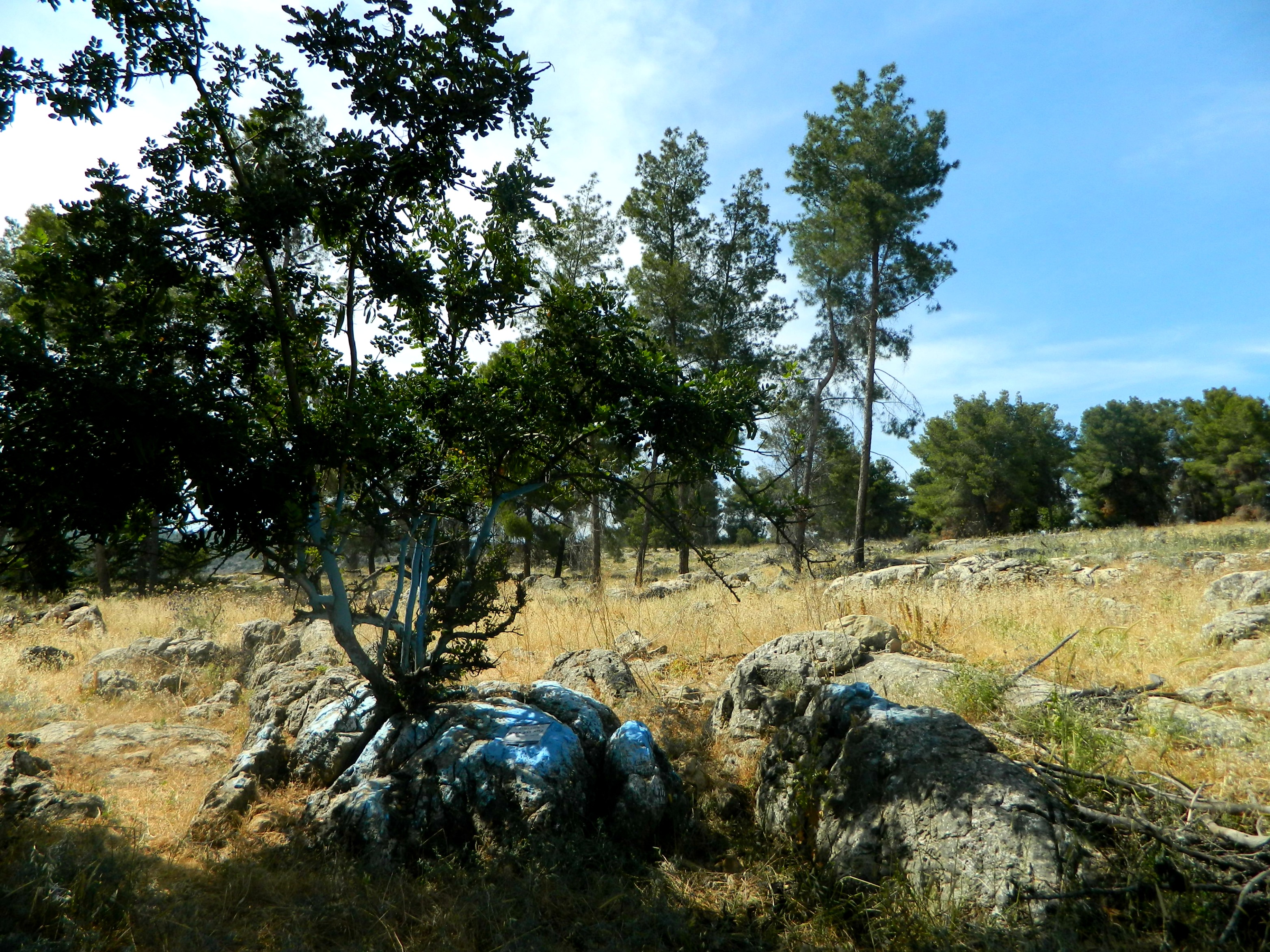
We all met up, packed some food and water and hit the road, leaving Tzfat along the Industrial Section and entering what is known as HaAri Forest. There, in between the trees and splashed with bright blue paint, we found the grave of Brei d’Rav Safra (the son of Rav Safra) who lived sometime in the 300’s CE. Born in Babylonia, this sage moved to the Galilee and was mentioned in the Zohar, the famous book on Kabbalah associated with the aforementioned Rashbi.
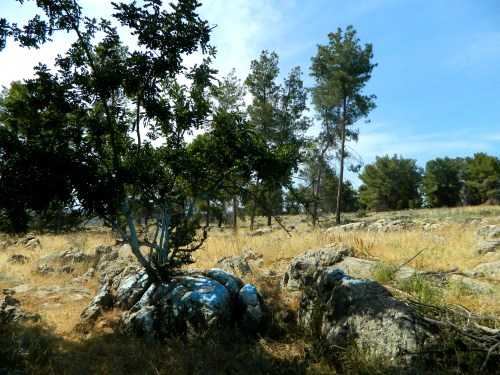
Grave of Brei d'Rav Safra

Grave of Brei d’Rav Safra

An acronym for Rabbi Shimon Bar Yochai, Rashbi lived during the period after the destruction of the Second Temple. He and his son fled the Romans and found shelter in a cave in Peki’in (just minutes away from Ma’alot) where they were nourished by carobs and fresh spring water for thirteen years. The cave is still around today, and so are the carob trees and fresh spring, however, due to an earthquake, the cave is mostly collapsed and the spring was rerouted a little downhill.
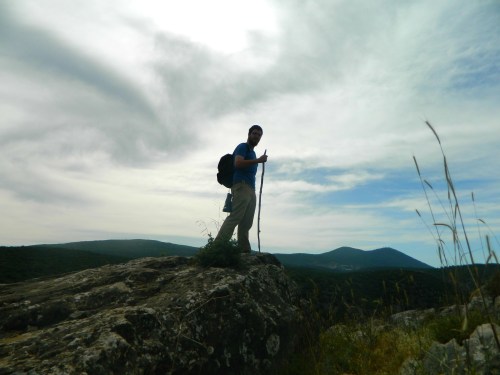
Hiking with Mount Meron in the distance

Hiking with Mount Meron in the distance

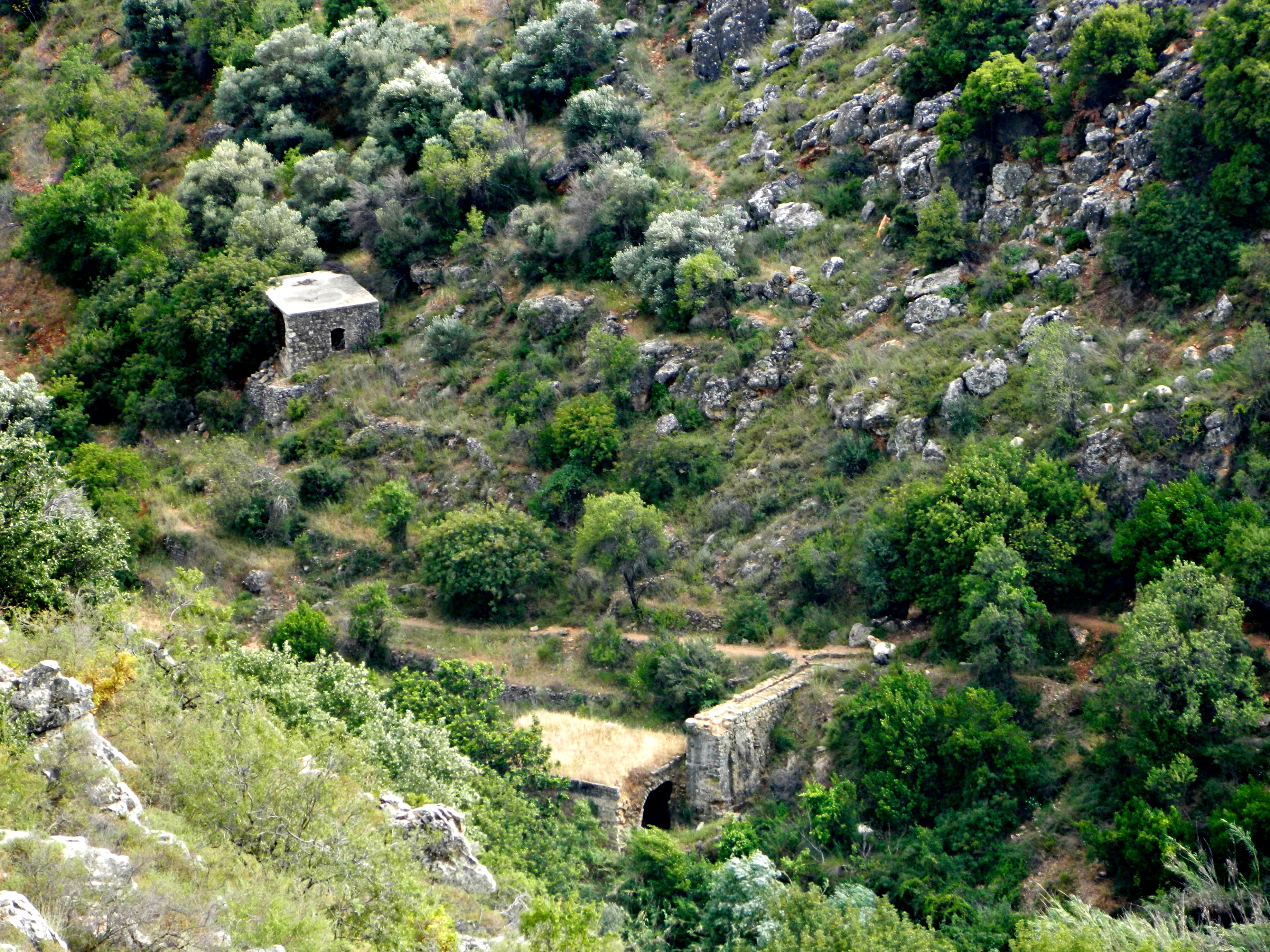
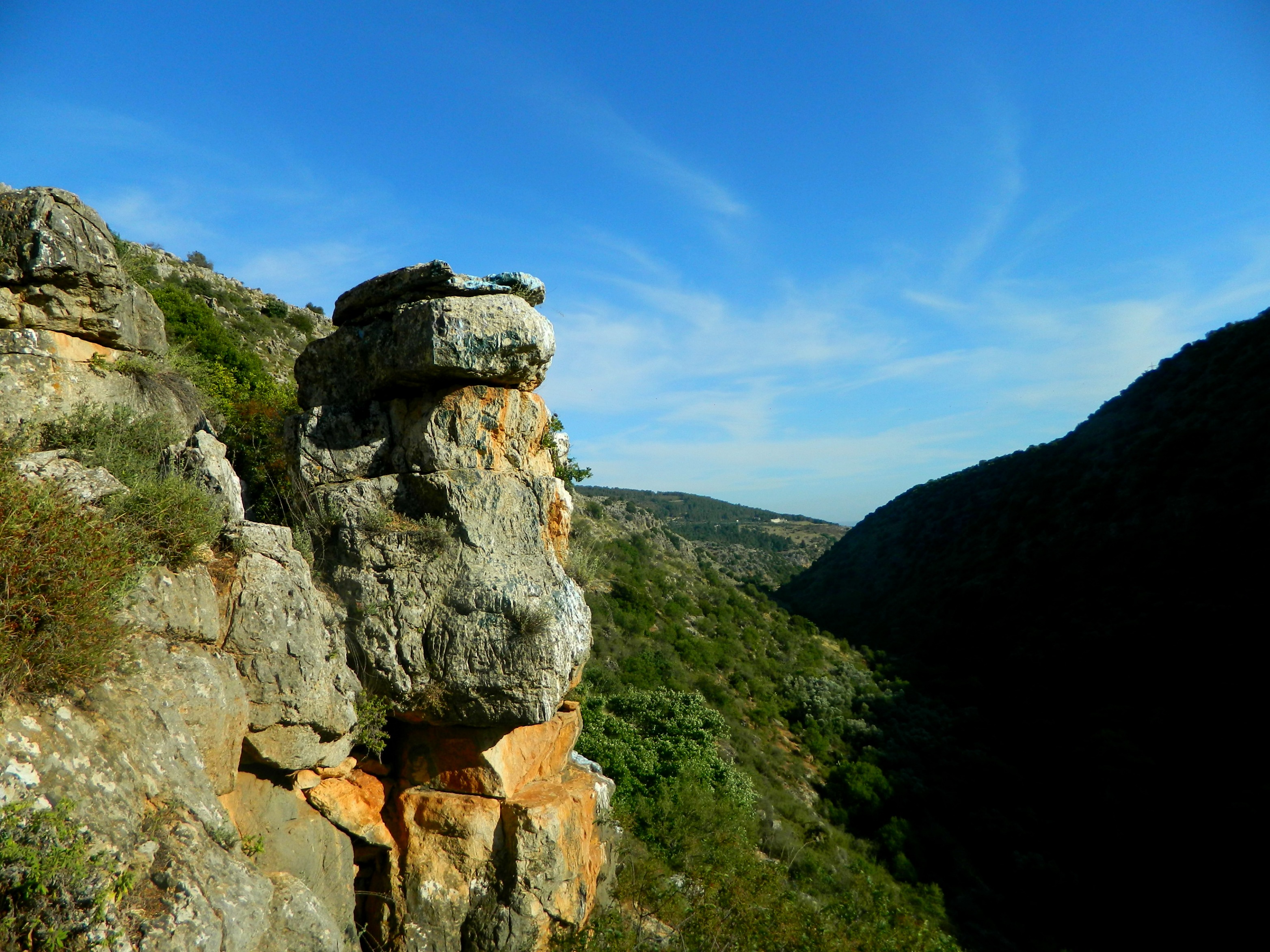
After a little lunch we continued on, the twin peaks of Mount Meron acting as our compass as we reached the ridge above Nachal Amud. As we walked along the ridge, heading north, we looked down and saw these old ruins but we fought temptation and forged onwards.
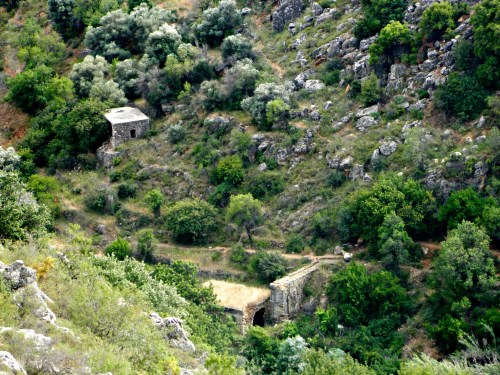
Old ruins down below

Old ruins down below

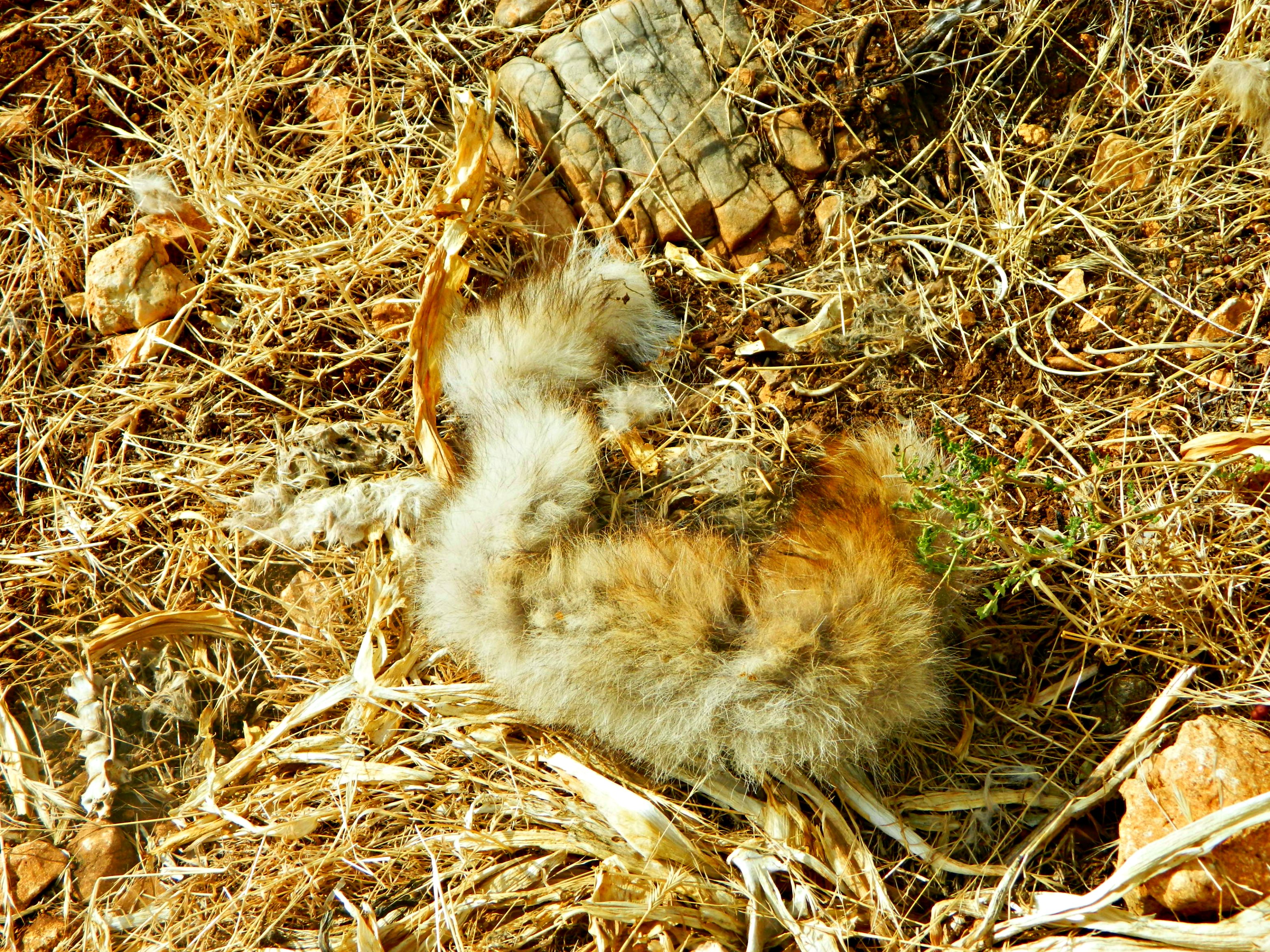
As we walked we began speaking of caves and Nechemya tried to recall where along the side of the ridge he found a big cave on a previous hike. And so we dropped down the side of the ridge, making our way over and around huge rocks, thorn bushes and more. After a while I began to appreciate the small thorn bushes; they made great footing to step on for going downhill. Then we came across some torn up fur littered all over, from a fox or jackal.
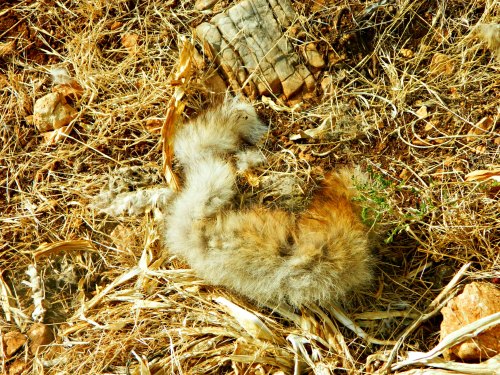
Torn fur from a fox or jackal

Torn fur from a fox or jackal

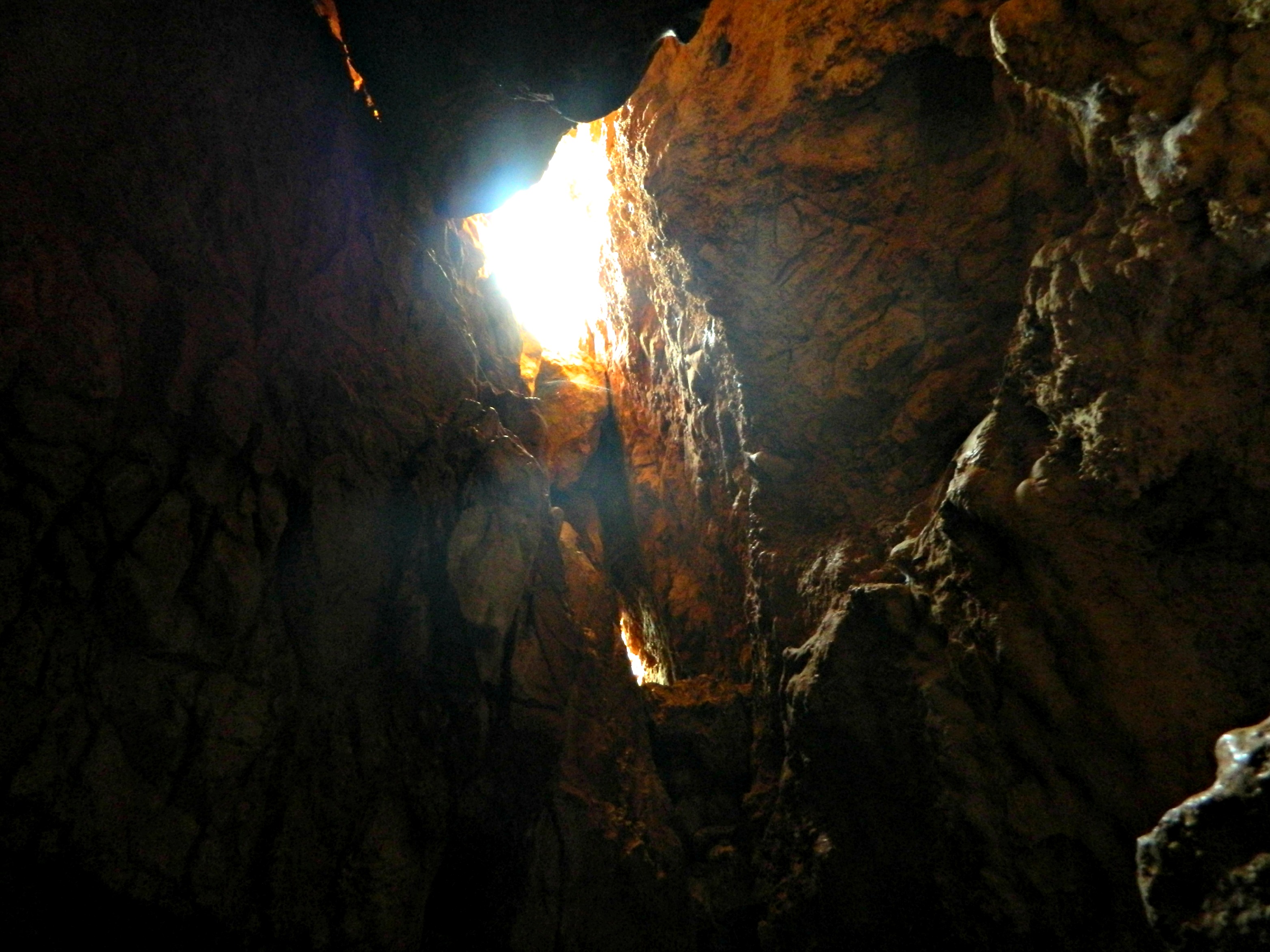
And then, as we kept going downhill, we saw a tree and Nechemya announced that we should check where the tree is. We dropped further down and then lo and behold! a cave. There was a smaller cave and then a cave that we actually entered, using cellphones and a penlight to see into the gloom. Unfortunately, there was nothing really to be seen but it was cool being in an unmarked cave and it fueled our desire to find more caves.
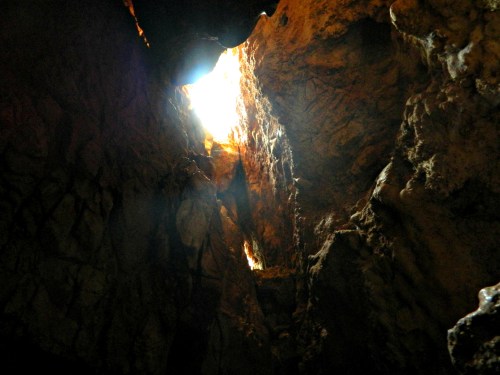
From within the little cave

From within the little cave

Then, looking further downhill, we spotted a stone pillar splashed with bright blue paint – another grave. We fought gravity as we made our way down safely, at last reaching the grave of Rabbi Nehunya ben HaKanah, another great sage from the time of the Second Temple. One of the forerunners of Kabbalah, even before Rashbi, several of Rabbi Nehunya’s teachings were told over to us by Nechemya and so when we stumbled upon his very grave it was an amazing moment, encapsulating two thousand years of history.
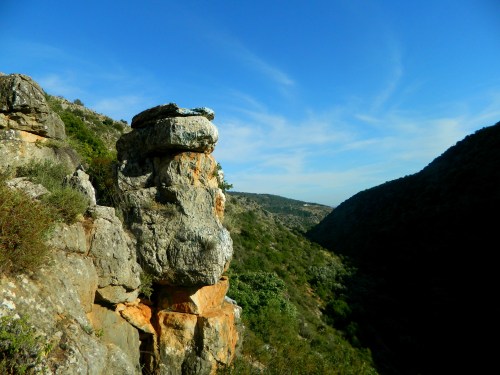
Pillar marking the grave of Rabbi Nehunya ben HaKanah

Pillar marking the grave of Rabbi Nehunya ben HaKanah

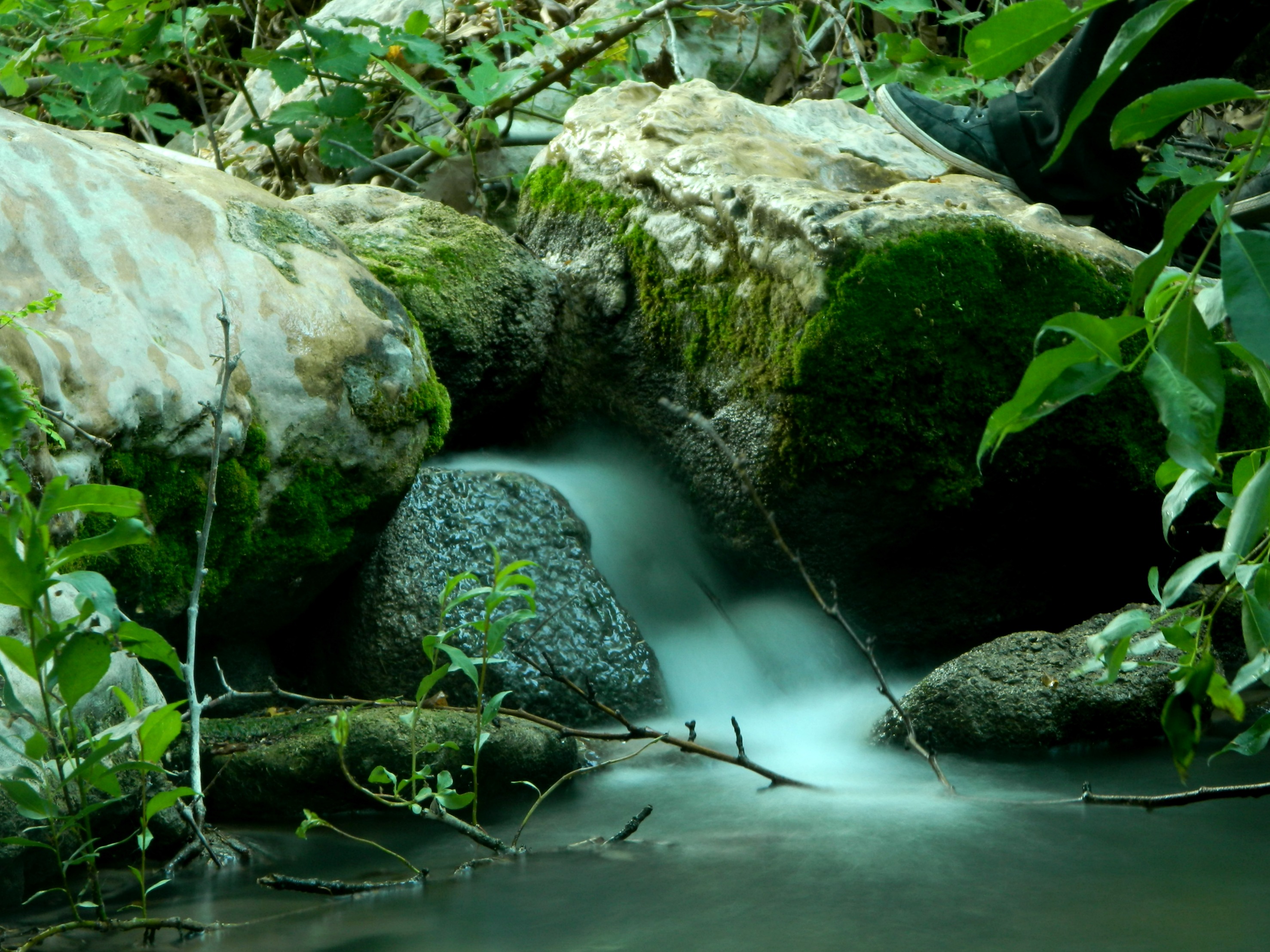
After some time spent at the grave we continued on down, heading for Nachal Amud. Climbing down an ancient stone wall running alongside the stream, we spent some time at the stream – each doing their own thing. I tried something new with my camera; the “soft water” look of a tiny waterfall:
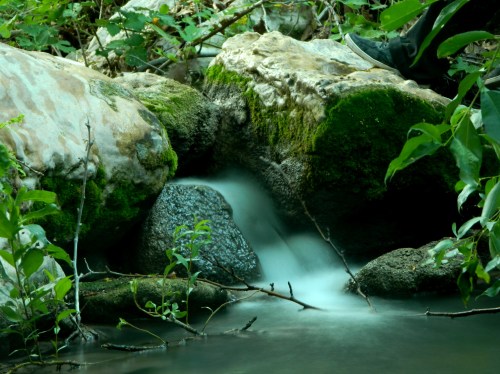
''Soft water''

”Soft water”

Then we found an orange tree, with ripe oranges dangling up high, but with the aid of a stick I enjoyed a fresh, organic orange plucked from nature. Then we resolved to continue our way towards Meron, this time walking along the stream.
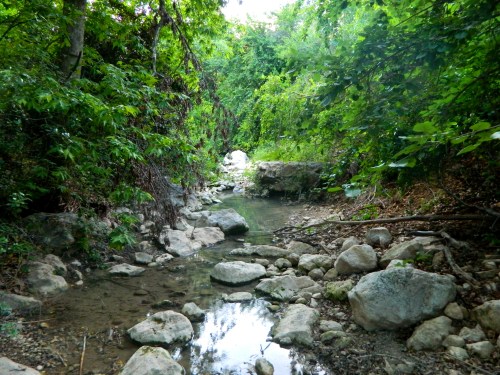
Nachal Amud

Nachal Amud

But then we came across another distraction, what looked like a Crusader-era inn or something. We crossed the stream, much deeper now, on a fallen log and entered the ruins, looking around.
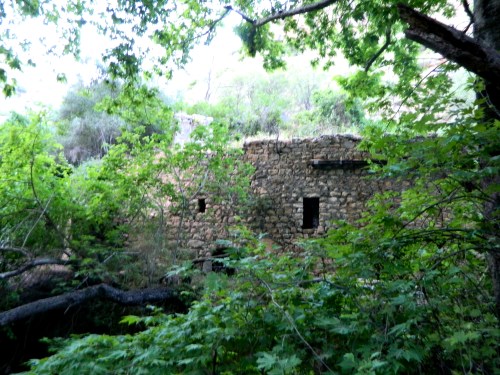
Ruins across the stream

Ruins across the stream

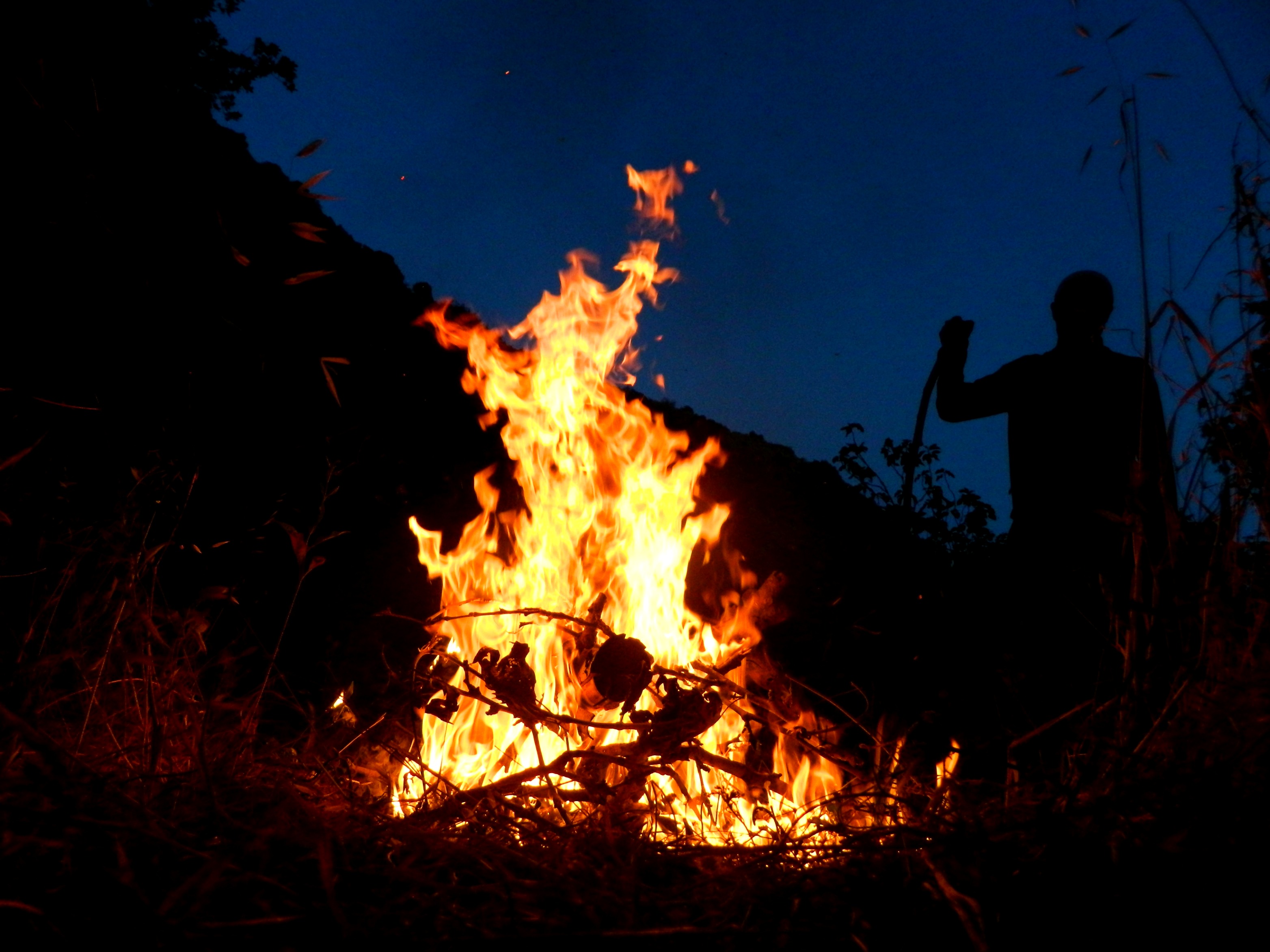
Up on the ruins’ roof, where grass had taken over, we admitted that we would never reach Meron before dark and the hike to Meron after dark would be too difficult. In efforts to salvage Lag B’Omer, my friends began a small fire and we watched the sky grow dark.
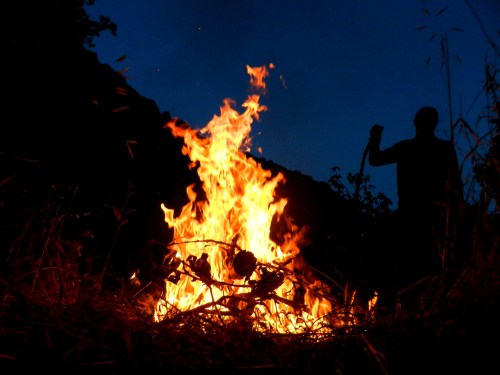
Impromptu bonfire

Impromptu bonfire

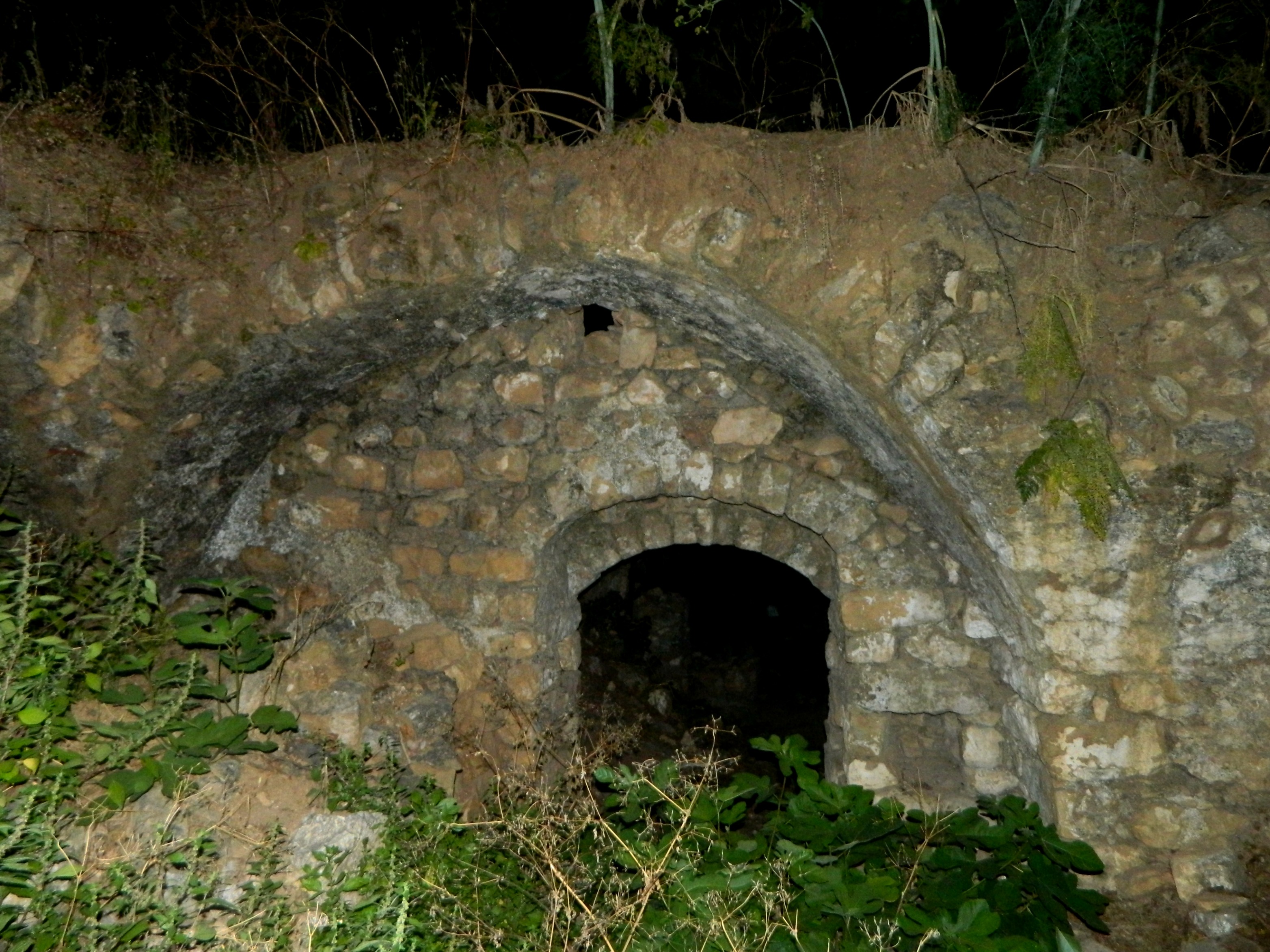
Some two hours later we extinguished the fire and resolved to make our way out of Nachal Amud, via the stream trail and then out towards the main road. And so we set off, using a light or two to guide us. I don’t recall ever doing such a night hike so it was definitely interesting, but I was a little nervous of running into wild boars. Even the jackals and wolves that come out of their hiding places at dusk to roam the land didn’t bother us as much as the thoughts of the wild boars. We found the trail and then came across some buildings – a series of Crusader-era mills, if I’m not mistaken.
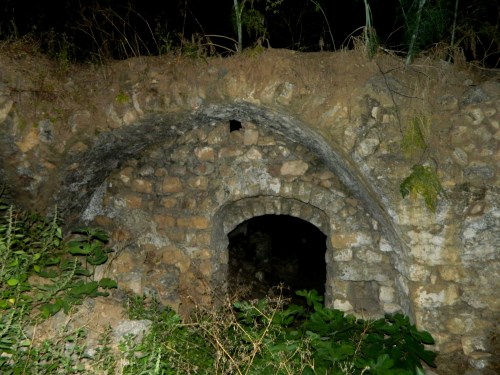
A section of wall in the darkness of night

A section of wall in the darkness of night

At this point I left my camera alone and grasped a penlight instead, aiding me in my attempt at sure-footing my way out of the wilderness. We left Nachal Amud and began to climb up the elevation of Nachal Sechvi, a dry streambed filled with huge white rocks. At one point we stopped and laid down on a huge flat table-top stone, relaxing. I suggested that we keep completely silent for a few minutes and that suggestion paid off. The chirps of the bats overhead, the rustling of the leaves to my right, the yelping of a jackal behind further upstream and then the frighteningly close grunting/panting to the left. It was then that Nechemya decided we should announce our presence. Continuing on upsteam, another funny thing happened: Nechemya, who was running point, whispered for us to stop and told us that there was something big up ahead. Confused and nervous, we grasped our sticks and proceeded cautiously but with making threatening noises. As we got close we saw that it was a tent and the poor inhabitants were probably more scared than we were. So, as we passed, I whispered “sorry guys, good night” hoping to help. At last, after a nice long uphill hike in the dark, we reached the road. We watched as convoys of police and buses passed by rapidly, nobody stopping for three sweaty hikers carrying big sticks at the side of the road in middle of the night. So we walked, and eventually made it back to Tzfat where we enjoyed pizza and beer before crashing. What an adventure…

Army Trip: The Bahai Gardens & Paintballing

In Haifa, Israel on May 20, 2014 at 3:25 AM

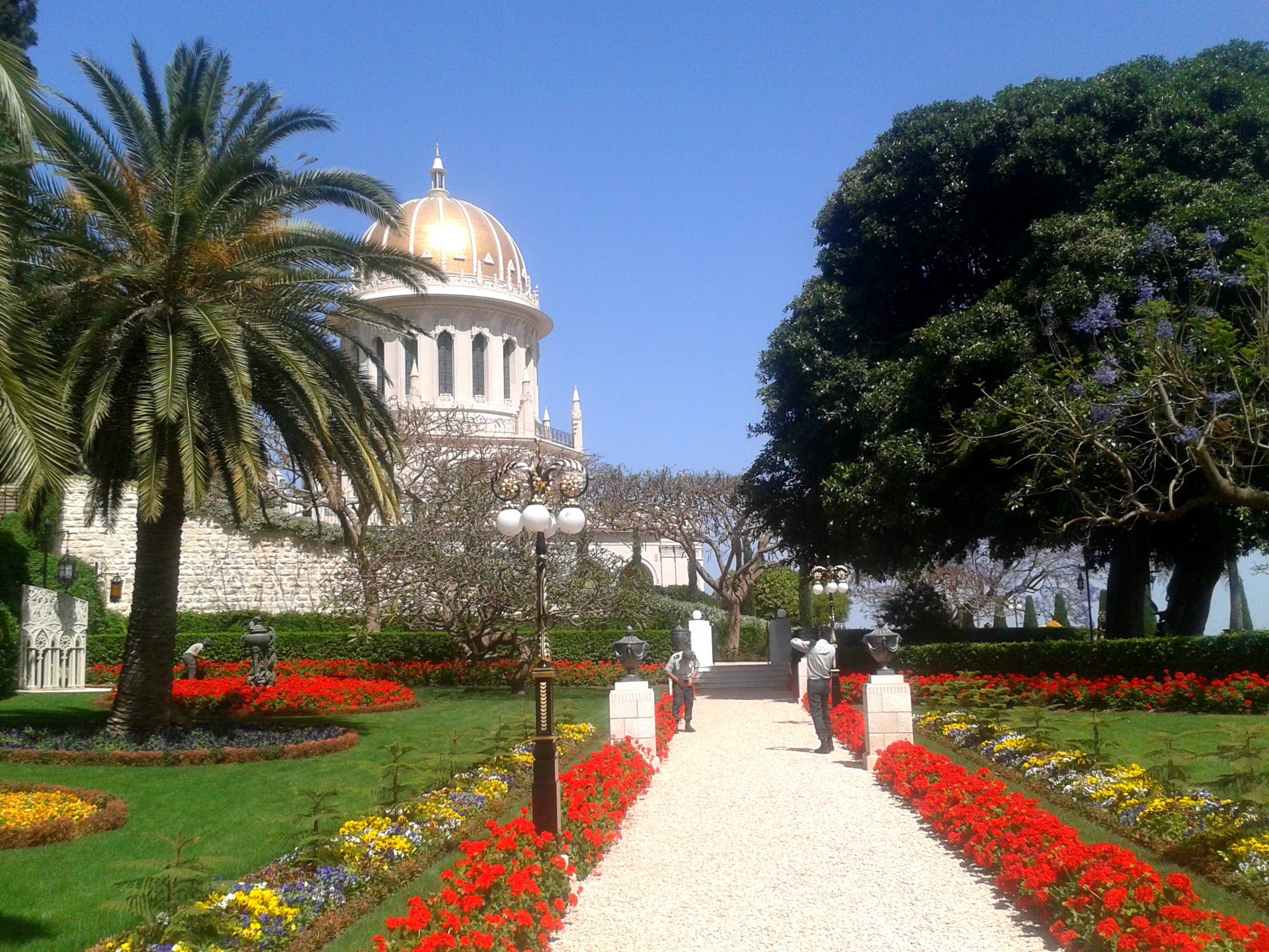
This blog post is about a surprise little trip one Sunday morning a few weeks ago, a trip of educational and fun purposes for our platoon. Our trip destinations were to the Bahai Gardens followed by paintballing, both conveniently located in Haifa. We boarded the base’s army bus and then drove to the other side of Mount Carmel to visit the Bahai Gardens, the huge terraced garden that marks the side of the mountain for all to see from miles away.

The Bahai Gardens of Haifa

The Bahai Gardens of Haifa

I had visited the Bahai Gardens twice before, taking the daily 12 o’clock tour of the first seven or so uppermost terraces, but our trip was to the next terraces down – a section I thought was closed to the public. We entered the gardens and walked down a shaded tree-lined path taking us to a junction with a nice stone house marked “Private”.

Private

Private

We stepped into the particularly hot sun and headed for the Shrine of the Bab, the morning feeling extra-hot, heated from a desert wind known as “sharav” (or in Arabic: “chamseen“). These desert winds, usually coming from the east, can even carry large amounts of sand and smother the country in heat for several days at a time. Despite the heat, the Bahai gardeners were working full steam ahead and there was even one guy working on the exterior of the shrine.

Working on the shrine's exterior

Working on the shrine’s exterior

As I have already written about the Bahai, and their Haifa gardens, as linked above, I will only briefly touch on some of the details. This shrine, the crown jewel of the garden, is a golden-domed tomb of the forerunner of the Bahai faith, the Báb who was born in Persia in the year 1819. The Báb was executed in 1850 and in 1909 his remains were smuggled to the Holy Land and he was buried on Mount Carmel. The shrine was completed in 1953 and the expansive gardens we see today were begun in 1987 and have only been completed and opened to the public in 2001.

Looking up at the Shrine of the Báb

Looking up at the Shrine of the Báb

Several of the soldiers in my platoon entered the shrine, removing their shoes as required. Nearly all who entered were either Muslim or Druze and I didn’t feel comfortable entering – I’m also a little unsure of its status in regards to Jewish Law, although it seems to be fine because it isn’t even a house of worship. I did, however, take a photo through a keyhole but it didn’t come out too interesting looking. We then proceeded to the observation section of that terrace, and then I took this photo as we walked back, looking out at Downtown Haifa (note the yellow haze coming in from the east, the aforementioned “sharav“).

Looking out at Downtown Haifa

Looking out at Downtown Haifa

Sweating buckets, we got back on to the bus and drove over the mountain, heading back to the Carmel Coast. There, we disembarked at the paintballing place outside the Congress Centre, near Castra. I had never been paintballing, so I was justifiably looking forward – itchy trigger finger and all. We entered the site and began donning protective gear: camouflage overalls, imported Russian flak vests and JT X-Fire masks. I made two decisions as I dressed; one, to leave my phone behind and two, not to wear my glasses under my mask. In retrospect, I should have taken a video of the battle that followed but the glasses situation wasn’t as flexible. We grabbed our Tippmann 98 paintball guns and headed up to the final staging area.

Gearing up

Gearing up

The first thing we all noticed was the incredible heat. Then we needed to choose teams – I heard a lot of suggestions such as “Bedouins vs. Druze” but in the end it was colour-coordinated and at random. We loaded up and entered the arena, forefingers caressing the smooth metal trigger. I mourned the fact that my visibility was limited – I could merely see heads and torsos on the far end of the field, broken up by tall dry grass and old oil drums. I spotted an easy target and sent some paintballs to him, not knowing if I had made contact or not. Then, bam! I watched a paintball hit my gun and then ricochet onto the far left side of my mask’s goggles. With the wet yellow paint just resting on my mask, I slithered my way to the next cover, occasionally firing at enemy troops.

Posing before the battle

Posing before the battle

What made the experience so interesting was that it was exactly like “Call of Duty” (or any similar FPS game): there was tall grass, assorted metal barrels and containers to hide behind, the sound of “bullets” pinging off said barrels and containers, and most importantly, a cacophony of Arabic yells – battle cries. The only language I heard during the gunfight was Arabic, talk about realism… I snapped out of my reverie, let loose some more paintballs and leapt behind some cover. I fired more and then realised I was shooting blanks. I turned to the man next to me and saw Ali Na’al behind the mask. “I’m out!” I cried, my voice muffled through the mask. Firing blanks himself, Ali admitted the same and so we sulked back to the last staging ground. I had thought that we were to reload and reenter the fray but I was wrong and the intense battle lasted mere minutes, as everybody ran dry. Examining myself, I found wet paint splattered in two more places, although indirect hits: my left thigh and right ankle. In summary I’d say that paintball is amazing and I’m really glad to have had the chance, but that corrective eyewear is a must, as well as smaller, more organised teams. With that, we shed our borrowed clothing and sat down for lunch before heading back to the base.

The Negev: Roadside Attractions

In Israel, Negev on May 11, 2014 at 3:31 AM

A few weeks back I was way down in the southern Negev, about an hour’s drive from Eilat, and was called back north for a driving mission. On the way up I decided to take my time and explore roadside attractions. I often stop off places to explore, but usually don’t have enough material to make a blog post about (sites such as the Mazor Mausoleum, the Maqam of Nabi Musa and the Ayit Waterfall). This particular time I had the chance to visit three interesting sites.

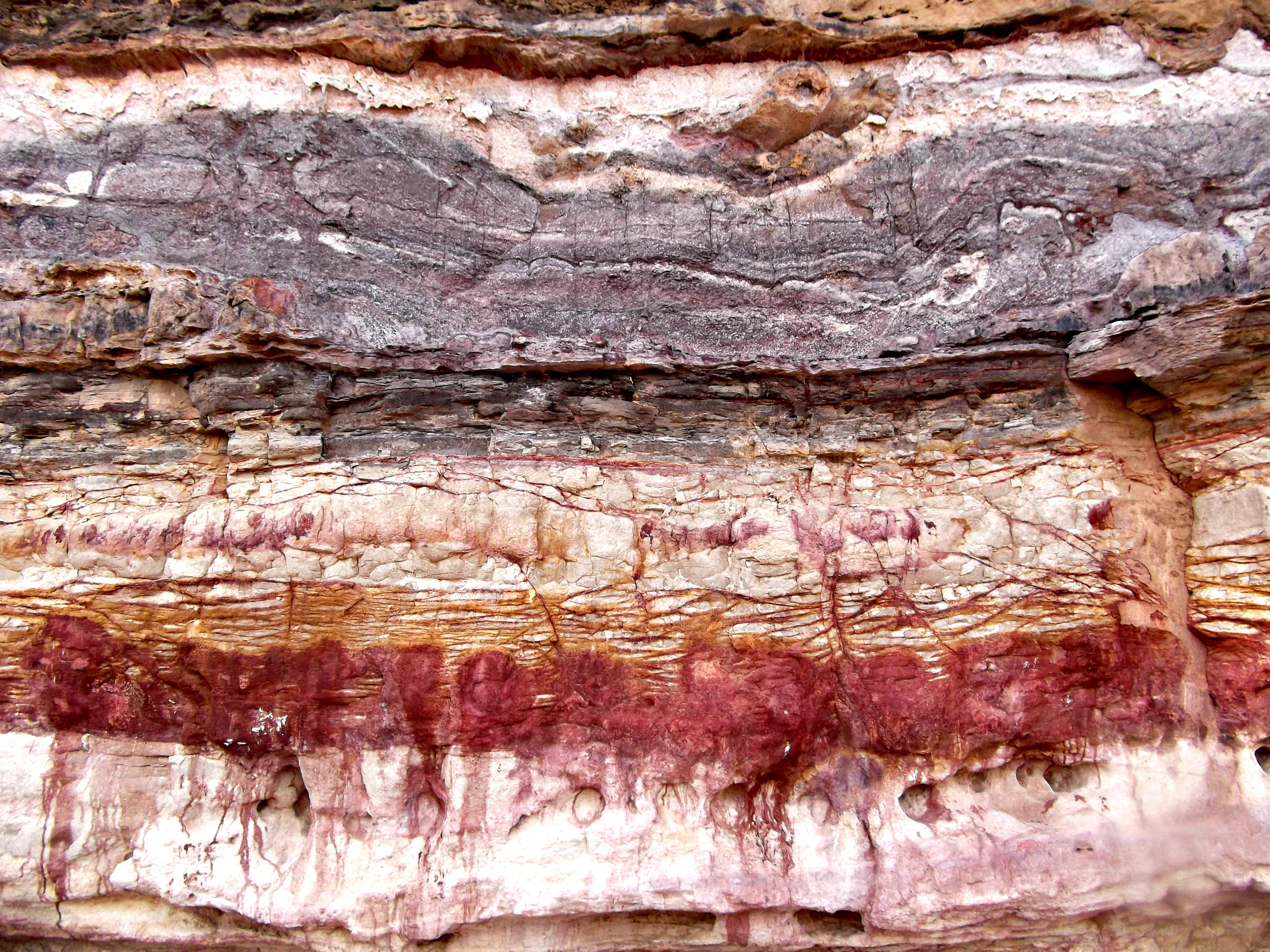
Close-up of the coloured sandstone wall

Close-up of the coloured sandstone wall

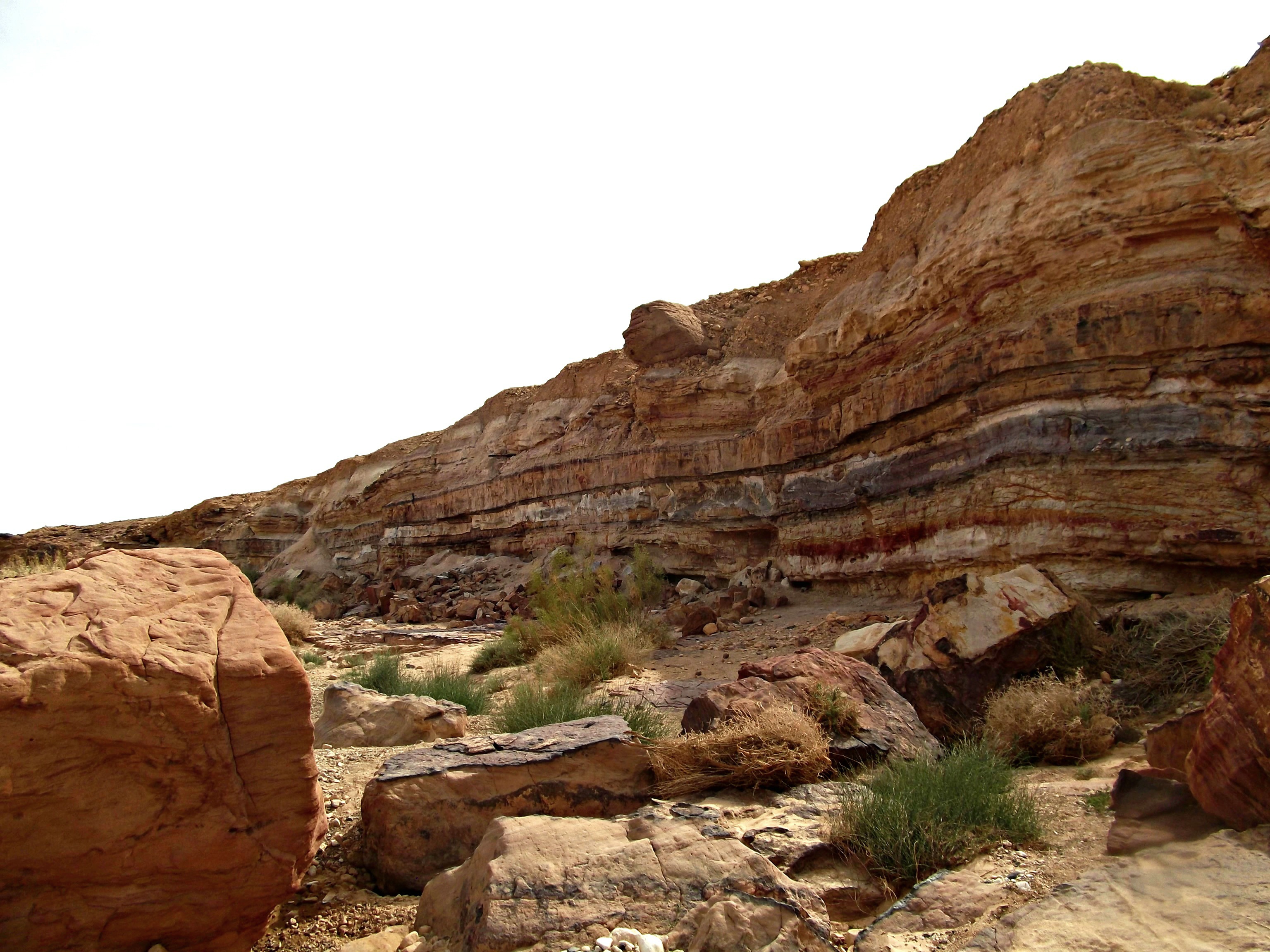
The first I came across was Wadi Ramon in the Ramon Crater, one of two streams which drain the enormous erosion crater. I had heard about some very interesting “coloured rock” formations, and that they are just a few minutes from the road. Leaving my truck, I climbed down into the dry streambed with just my camera and gun and began walking. Wondering if I’d see any snakes or scorpions, I scoured the sandy streambed with my camera ready as I tread. True to my source’s word, the coloured sandstone rock wall was very visible after just a minute walk.

Coloured wall of Wadi Ramon

Coloured wall of Wadi Ramon

Researching more online, I found a fascinating fact about the Ramon Crater: gypsum, a mineral, is heavily mined in the crater and there are underground galleries stretching out for 16 miles – that I’d like to see!

Looking down at the ''Lost City''

Looking down at the ”Lost City”

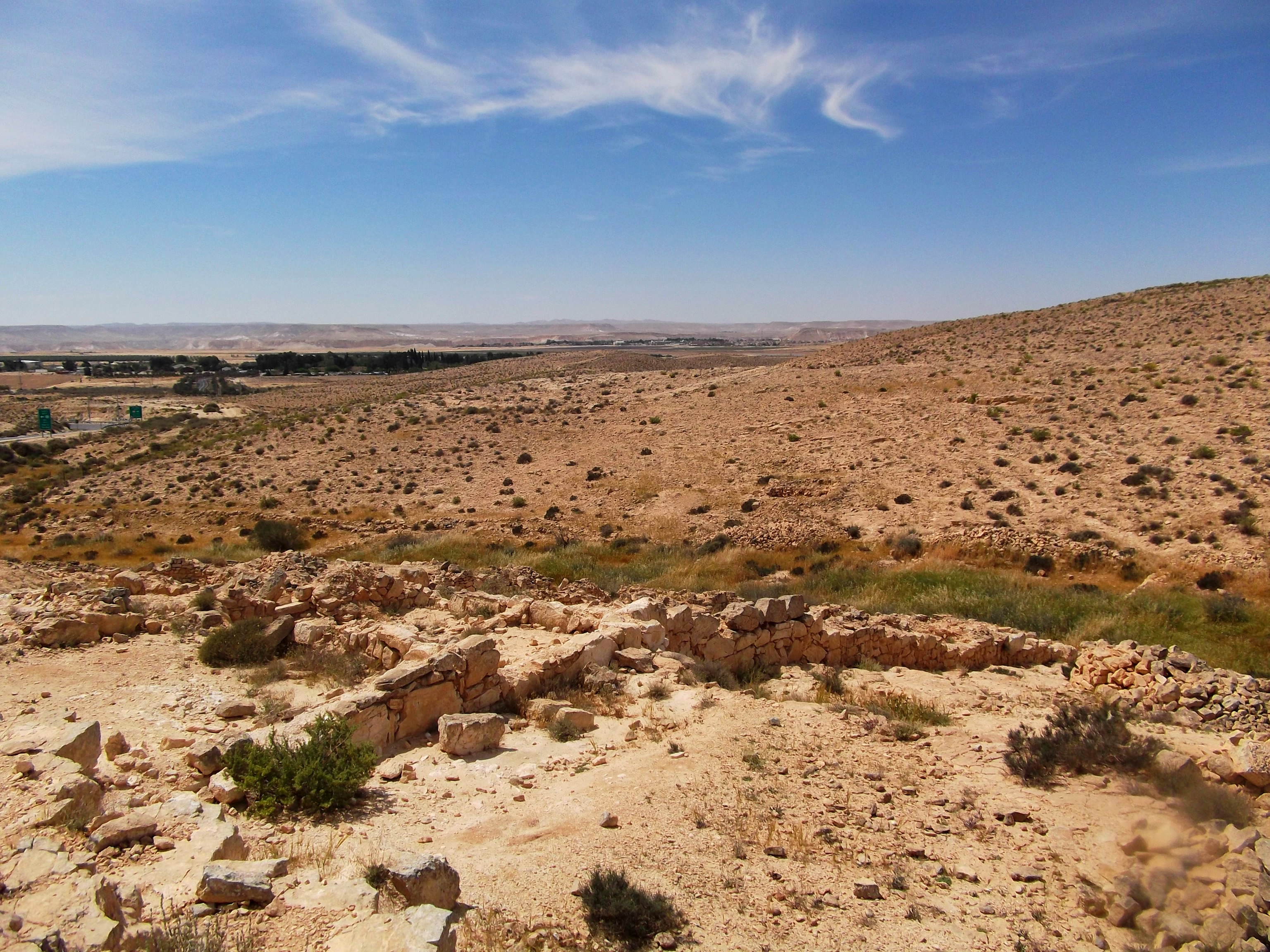
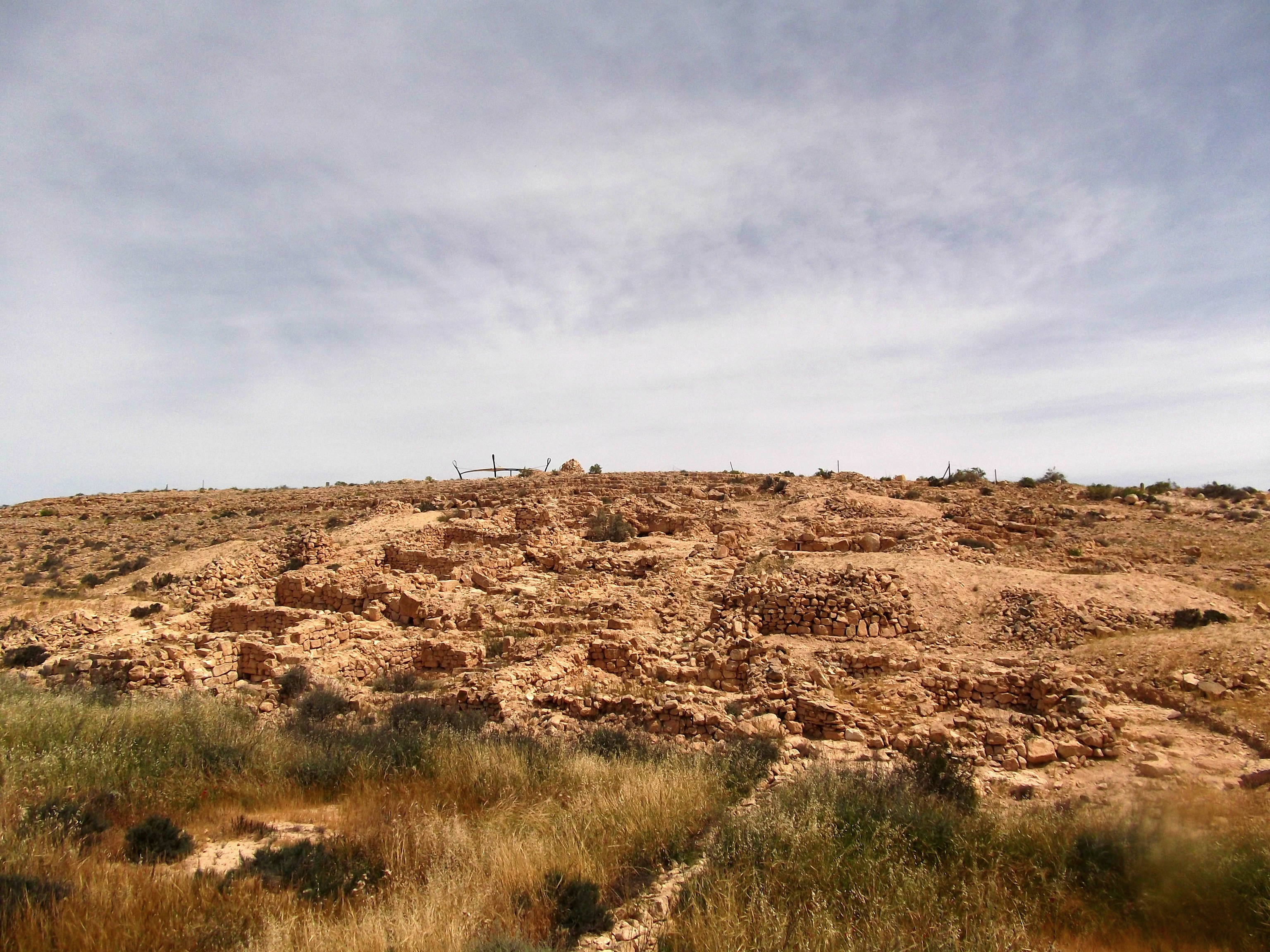
Driving further north, I stopped just after Sde Boker (where Ben Gurion lived and died) and happened upon a place I’ve never even heard of: the “Lost City”. What I’ve gleaned from online sources (including my absolute favourite: Biblewalks) is that this “Lost City” was a late Byzantine farming settlement dating back to the 6th-9th centuries CE. However, its history and identification was a mystery for many years, thus earning the name “Lost City”.

The ''Lost City''

The ”Lost City”

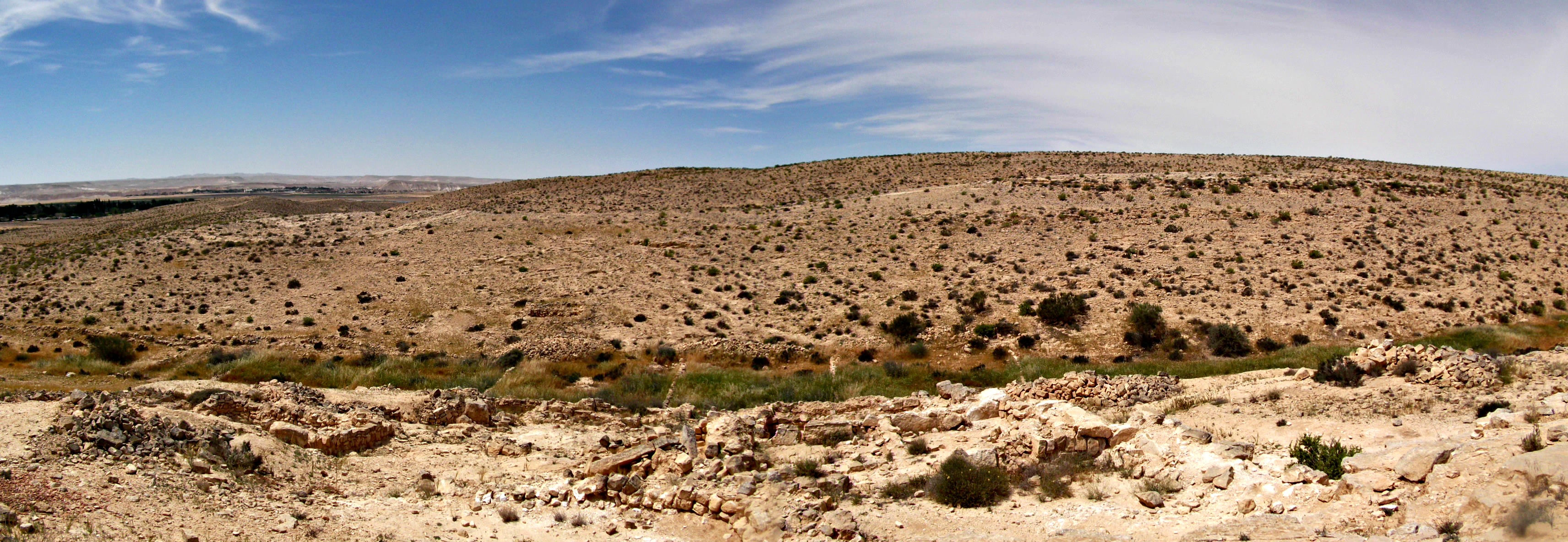
Being on the ancient trade route, this farming village would have had prime access to the Levantine, Arabian and perhaps even further markets. After extensive excavations, and a little reconstruction, the “Lost City” is comprised of some 350 rooms along a little valley where vegetation would grow, irrigated by a rudimentary terraced construction aimed to preserve as much of the scarce water as possible. In this slightly panoramic shot, the ruins and agricultural terraces can be seen:

Panoramic of the ruins and the agricultural terraces

Panoramic of the ruins and the agricultural terraces

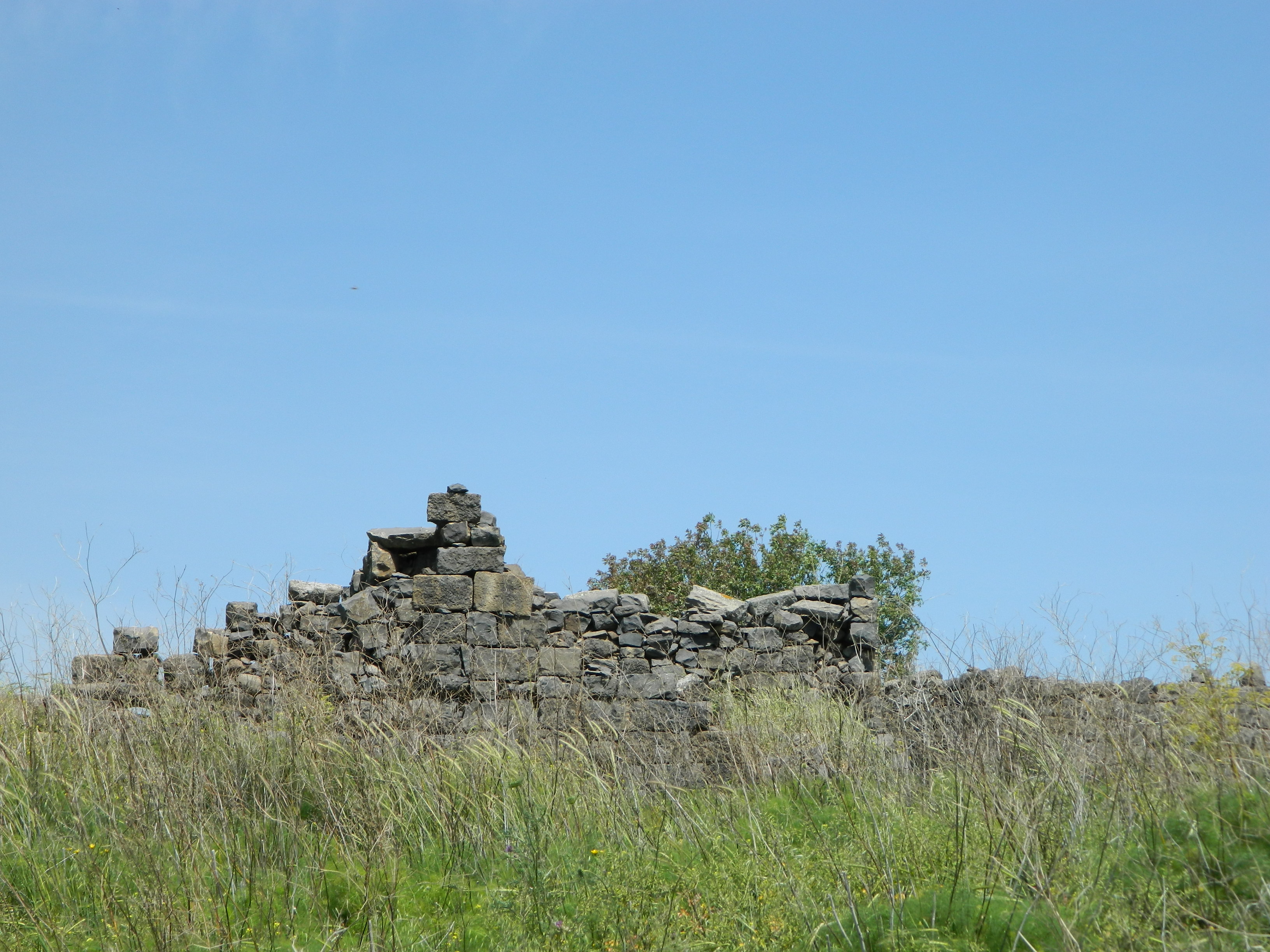
I saw that there are ruins of an ancient mosque, built some 1,200 years ago approximately, but I didn’t want to wander too far off so I decided to cross the road and search for a different ruins; a fortress said to be from the time of the Jewish kings. I came across these low stone walls, thought it might be the meagre remains, but found out later that I hadn’t found the Haluqim Ruins after all… so I don’t know what these walls and small ashlars are, perhaps a continuation of the “Lost City”. Maybe I’ll find the Haluqim Ruins next time…
Unmarked ruins

Unmarked ruins

The third site of interest is an old British Mandate police station located across from Rahat (the largest Bedouin city in Israel), not far from Be’er Sheva. It was at this station, the Rider Police Station, where the local gendarmerie (a military force charged with police duties) was located. I had passed the building many times and had finally decided to stop, but unfortunately, someone had bricked in all the doors and windows, so exploration was quite limited.

The Rider Police Station

The Rider Police Station

That basically concluded my exploration for the day, although I ended up driving to the upper Golan, clocking in about 350 miles of driving that day alone!

Ein Afeq

In Galilee, Israel on May 7, 2014 at 3:28 AM

On the first day of Chol HaMoed Pesach we took a family trip to Ein Afeq, a nature reserve near the Krayot just north of Haifa. As the hill section of the park is called Tel Afeq, it is often confused with the other Tel Afeq which is in the centre of the country, near Rosh HaAyin. This reserve, Ein Afeq, contains the remains of ancient waterworks (dams, walls and mills) and city ruins which date back to settlement thousands of years ago. That clarified, we drove over to Ein Afeq and began our walk through the park, slightly dismayed at the large crowds.

Recordane, the Crusader fortress

Recordane, the Crusader fortress

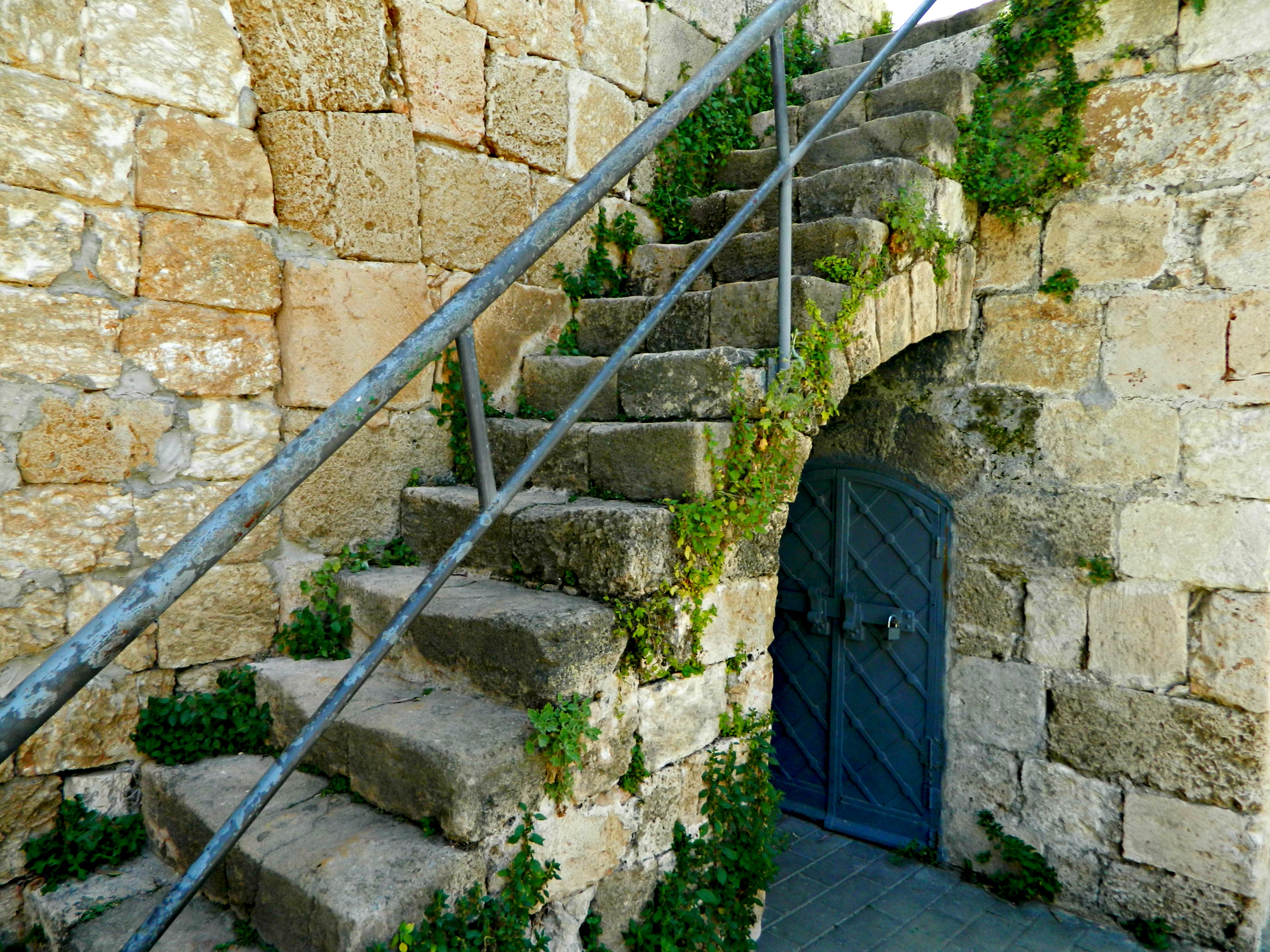
Starting with the springs, of which there are thirty or so, we immediately caught sight of the Crusader fortress and mill. Built in the mid 1150’s, the fortress of Recordane, together with its flour mills, were acquired by the Hospitallers, a Crusader Military Order. This very fortress was used as a Christian base when fighting Saladin, the powerful sultan of the Ayyubid Empire who defeated the Crusaders in 1187.

Interesting little fortress door

Interesting little fortress door

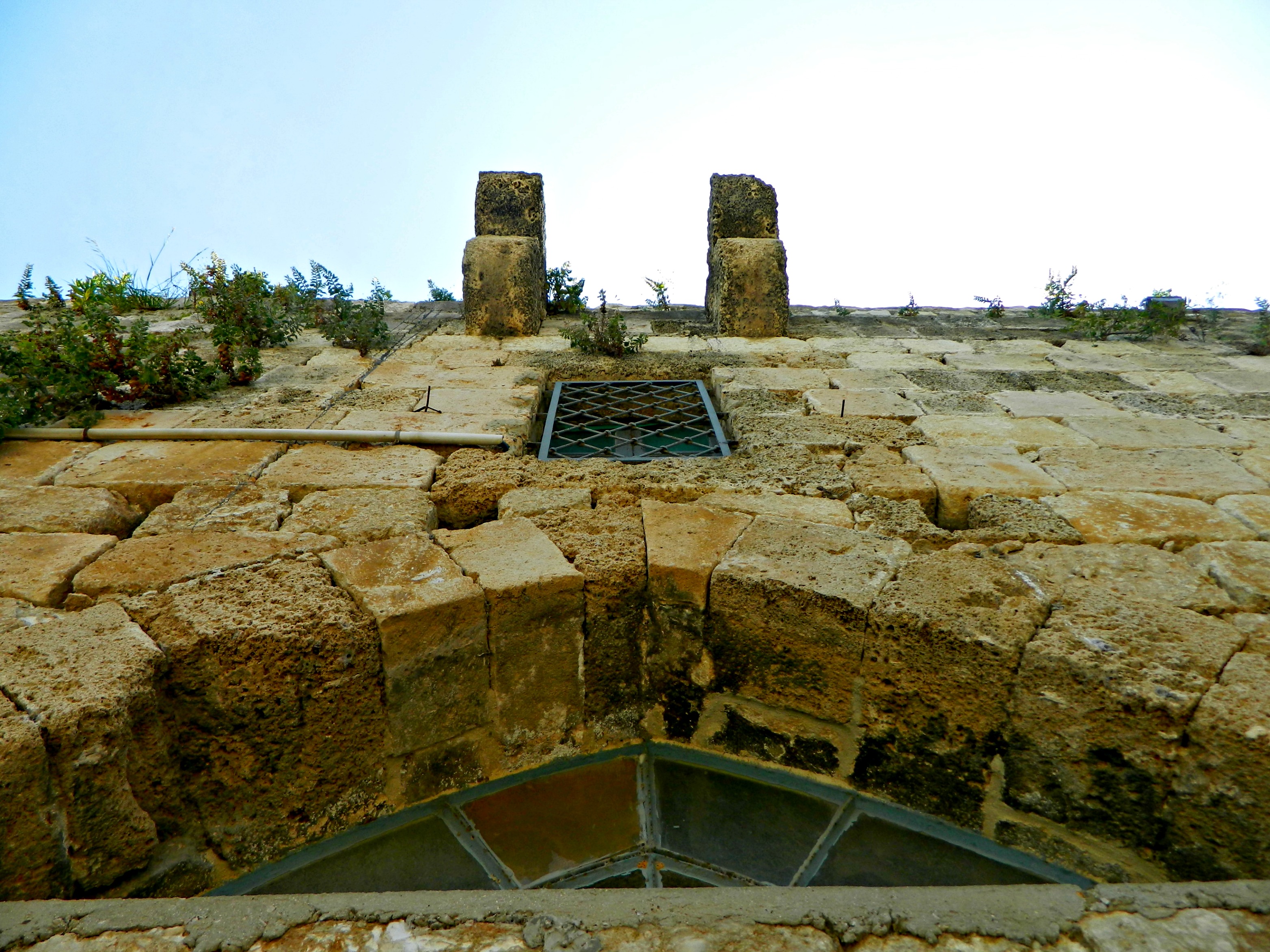
Later, in 1228, King Frederick II of Germany (one of the most powerful Christians to partake in the Crusades) used Recordane as a headquarters whilst negotiating a truce with the Ayyubid sultan Al-Kamil, effectively ending the Sixth Crusade. Even within the ranks of the Crusaders, Recordane and its mills were hotly contested between the military orders and, after intervention by the pope and a treaty signed at Akko in 1262, the Hospitallers built another fortress with mills nearby, of which just stone foundations remain. To this day the records are murky, no one knows precisely which mills and fortresses at Ein Afeq were owned by the Templars.

Fortress detail

Fortress detail

The mills of Recordane themselves, powered by the stream, were sporadically operating up until 1925. Initially the lead supplier of flour for Akko, the regional Crusader capital, the mills were destroyed by the Mamlukes in the 1300’s following the Crusaders final defeat and banishment from the Levant. Rebuilt by the Ottomans, these very mills were instrumental in providing the Turkish troops with flour during WWI. When the British took control of the region, they used the waterworks to direct water to new oil refineries. Due to Arab rioting in the late 1930’s, the British built a guard post atop the fortress and from the rooftop beside the concrete post I took this photo of the waterworks below:

Looking down at the waterworks

Looking down at the waterworks

Leaving the fortress we began the walk around the reserve, exploring the wetlands and the animals that call it home. The first we came across was a nutria (also known as a coypu), an alien species from South America valued for its fur. It seemed very accustomed to humans and allowed me to get real close, just look at those evil hazel eyes glinting in the sun as it eats the marsh vegetation:

Eyeing the nutria

Eyeing the nutria

We then reached the far north side of the reserve’s trails and I spotted water buffalo resting under a tree, escaping the midday sun. Seeing the nutria and the water buffalo instantly reminded me of our trip to the Hula Valley to watch the bi-annual crane migration.

Water buffalo resting under a tree

Water buffalo resting under a tree

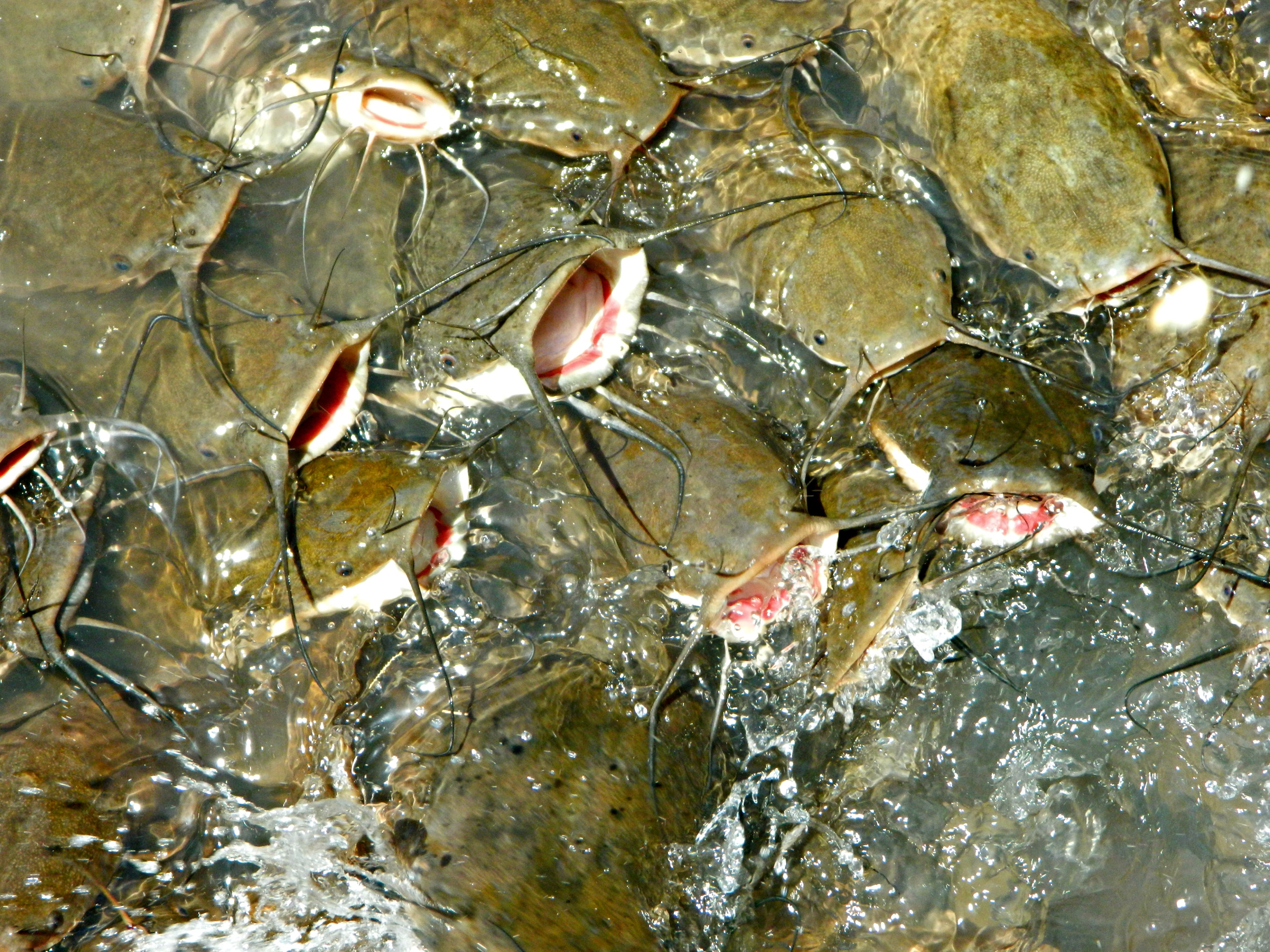
In some of the ponds on the reserve, large numbers of African sharptooth catfish frenzied at the murky water’s surface, eager for a quick snack from the human visitors. Here are two somewhat frightening facts about these fish: one, they can reach a maximum length of 1.7 metres (5 feet 7 inches) weighing up to 60 kilograms (130 pounds) and two, they can crawl on dry land to find a new watery home. Lock your doors, people!

Hungry catfish

Hungry catfish

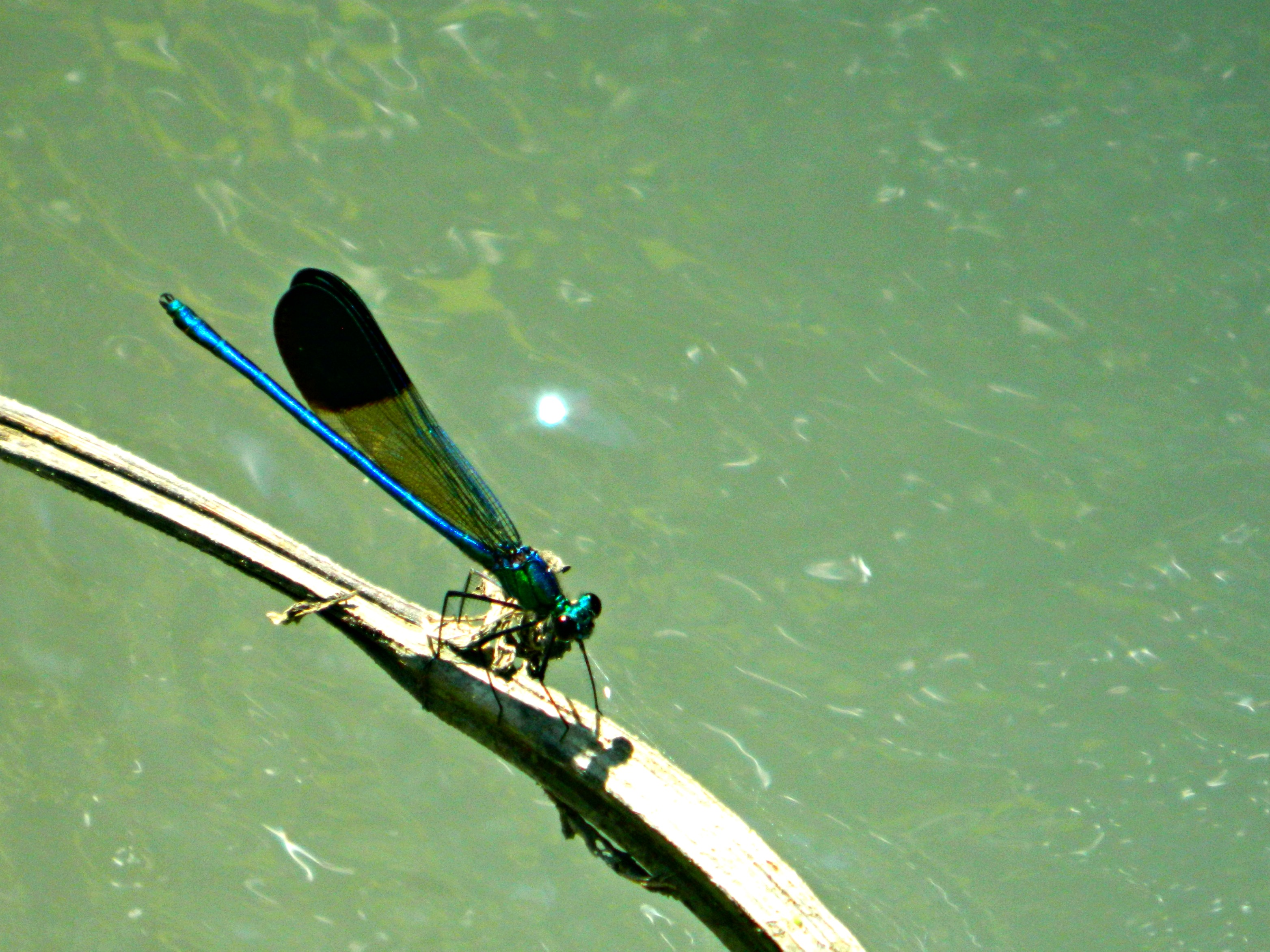
Along with the nutrias, water buffalo and catfish, there lives brilliantly-coloured damselflies:

A damselfly

A damselfly

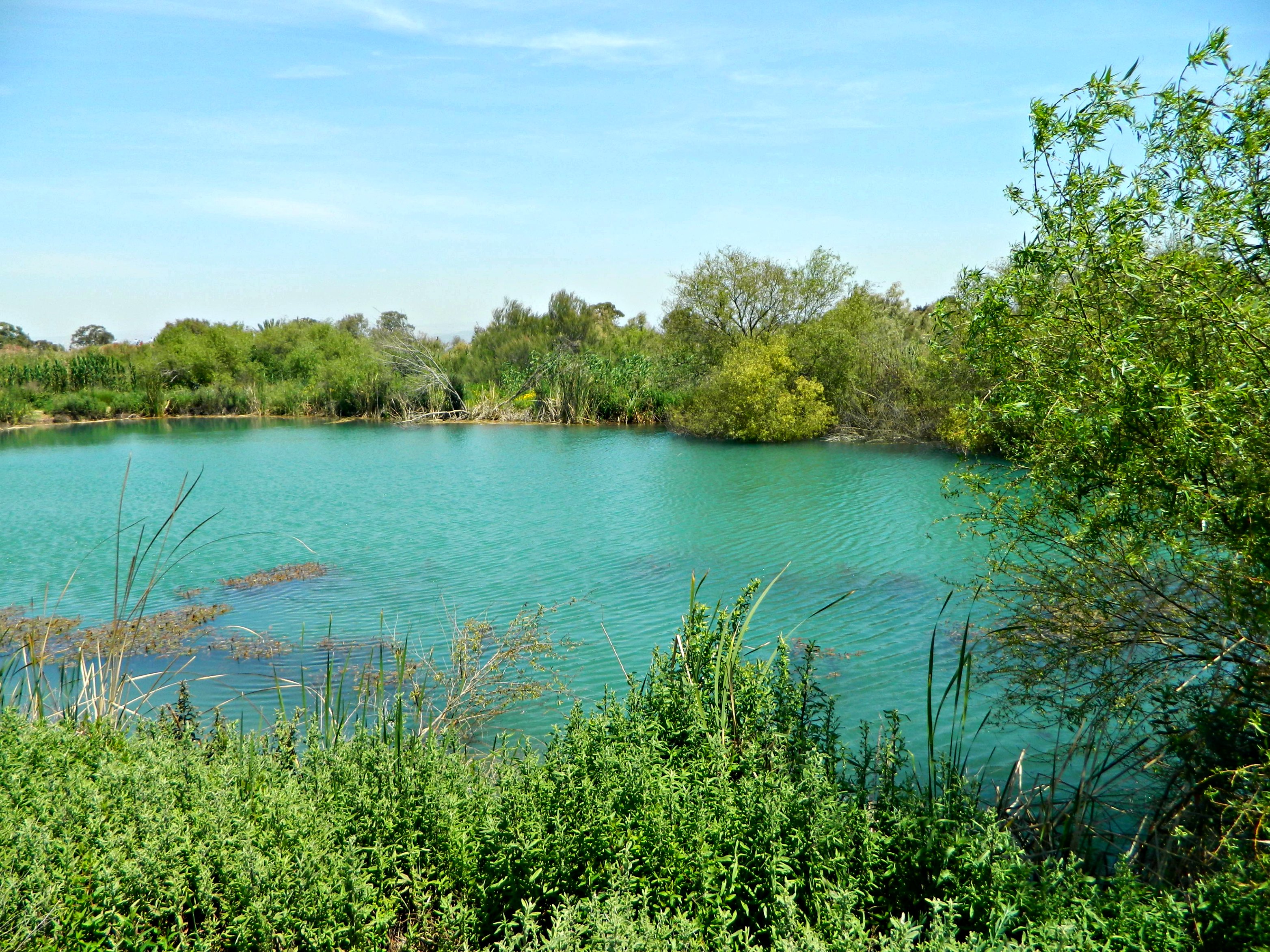
We reached the floating bridge and began to walk over the Great Lake (not such a “great” lake for one who grew up in Michigan).

The floating bridge over the Great Lake

The floating bridge over the Great Lake

This section I particularly enjoyed; the winding wooden platform, the periodic rushes and reeds, the dark shapes in the water materialising as catfish, tilapia and Caspian turtles.

A Caspian turtle spying on me

A Caspian turtle spying on me

With our feet back on dry land, we returned to the entrance, passing the beautiful, placid Moorhen Pool and the concrete British Mandate pumping station.

The Moorhen Pool

The Moorhen Pool

Joining the myriads of visitors, we sat down at the picnic area and bought some popsicles from the onsite vendor. After a little rest, under the shade of trees, we headed back to the car. Not wanting to regret anything, I made a last minute decision to quickly climb Tel Afeq to see if there was anything to see. I did just that and all I saw was a butterfly and the view from the hilltop, none of the thousands of years of history; Canaanite, Israelite, Hellenistic, Roman and Crusader.

Gamla

In Golan, Israel on April 30, 2014 at 4:00 AM

Following our hike to Gilgal Refa’im (sometimes referred to as “Stonehenge of the Levant”), we got back into the car and drove over to the Gamla Nature Reserve, just across the road. Passing dolmens along the access road, we parked and began the little loop which Gamla is most famous for: the Vulture Trail. But, on the way to see the vultures we passed by some ruins:

Deir Qeruh ruins

Deir Qeruh ruins

Walking along the trail, I noticed that there was more than just a wall to be seen – there was the ruins of Deir Qeruh, a Byzantine village. Something I hadn’t known before our trip, the name “Deir” signifies a Christian settlement (“deir” meaning monastery in Arabic), which carries over to today where we have villages such as Deir Hanna in the Galilee. I examined the ruins, photographed and then we continued on to the Vulture Lookout.

More Deir Qeruh ruins

More Deir Qeruh ruins

But before we reached the vultures there was the Gamla Lookout, with views of the ancient city ruins down below on the ridge. Gamla, the city, was built as a walled city dating from the times of Joshua, who led the Jewish People into the Holy Land. After capture the ruins were abandoned and then rebuilt during the Greek era. Due to the unique location of the city, being built on a ridge with only one entrance, it was named Gamla after “gamal” (camel in Hebrew), resembling the humped back, or so said Josephus. During the revolt against the Romans two thousand years ago the city was besieged by Herod Agrippa II who, subsequent to the failure of the siege, retreated.

The ridge of ancient Gamla

The ridge of ancient Gamla

As a follow-up, Roman Emperor Vespasian brought an army over from Judea and laid another siege. After a month they breached the walls of Gamla but were defeated in battle. Several days later, however, the Romans succeeded in conquering the city; killing the survivors and laying Gamla to waste. The city ruins were only discovered in 1968 and despite how interesting it looked, we decided against hiking down the steep mountain path to the ruins, and continued on to see the vultures.

Depiction of the Roman siege on Gamla

Depiction of the Roman siege on Gamla

Standing at the Vulture Lookout I watched an enormous Griffon vulture wheel overhead, and then two or three smaller Egyptian vultures on the far cliff face. The reason Gamla is known for its vultures is because the largest nesting colony of raptors is held on the rocky cliffs just north of the Gamla ridge. The Griffon vulture is truly a magnificent bird, with an enormous wingspan of up to 9 feet (2.8 metres) long. Although the population in Israel is quite low, just 25 pairs counted this year at Gamla so far, they are mentioned in the Bible some 28 times. I attempted to photograph both the Griffon and Egyptian vultures but my results weren’t too good so I turned to an expert, an ornithologist named Yoav Perlman who happens to take great bird photos; check out his birding blog here.

Griffon vultures at Gamla (photo: Yoav Perlman)

Griffon vultures at Gamla (photo: Yoav Perlman)

With the vulture sightings at a low, we looped back to the end of the Vulture Trail and plotted our next destination: the Gamla Waterfall.

Choosing our paths

Choosing our paths

Instead of hugging the cliff edge, as would seem most reasonable, we were taken on a longer path via a field – to protect the nesting raptors. At the start of this field walk we happened upon a fence which claimed to be electrified. I had a hard time believing they’d electrify a fence that didn’t seem to have any need. Touching it, I felt a friendly little zap – it’s always good to follow your instincts. After the electric fence, there was a large dolmen on the side of the trail. Dolmens are these weird rock tables, made up of one stone laid laterally upon two standing stones. Also known as portal graves, dolmens are assumed to be gravestones of sorts, however nobody really knows. What we do know is that they can be found all over the Old World; from Korea to Israel, from Somalia to France – they are truly all over.

A dolmen

A dolmen

Soon we were headed for the cliff edge and the sound of running water filled the air. Here we were standing on a little wooden bridge over the calm upper Gamla Stream before it continued over the cliff edge:

Standing above the Gamla Waterfall

Standing above the Gamla Waterfall

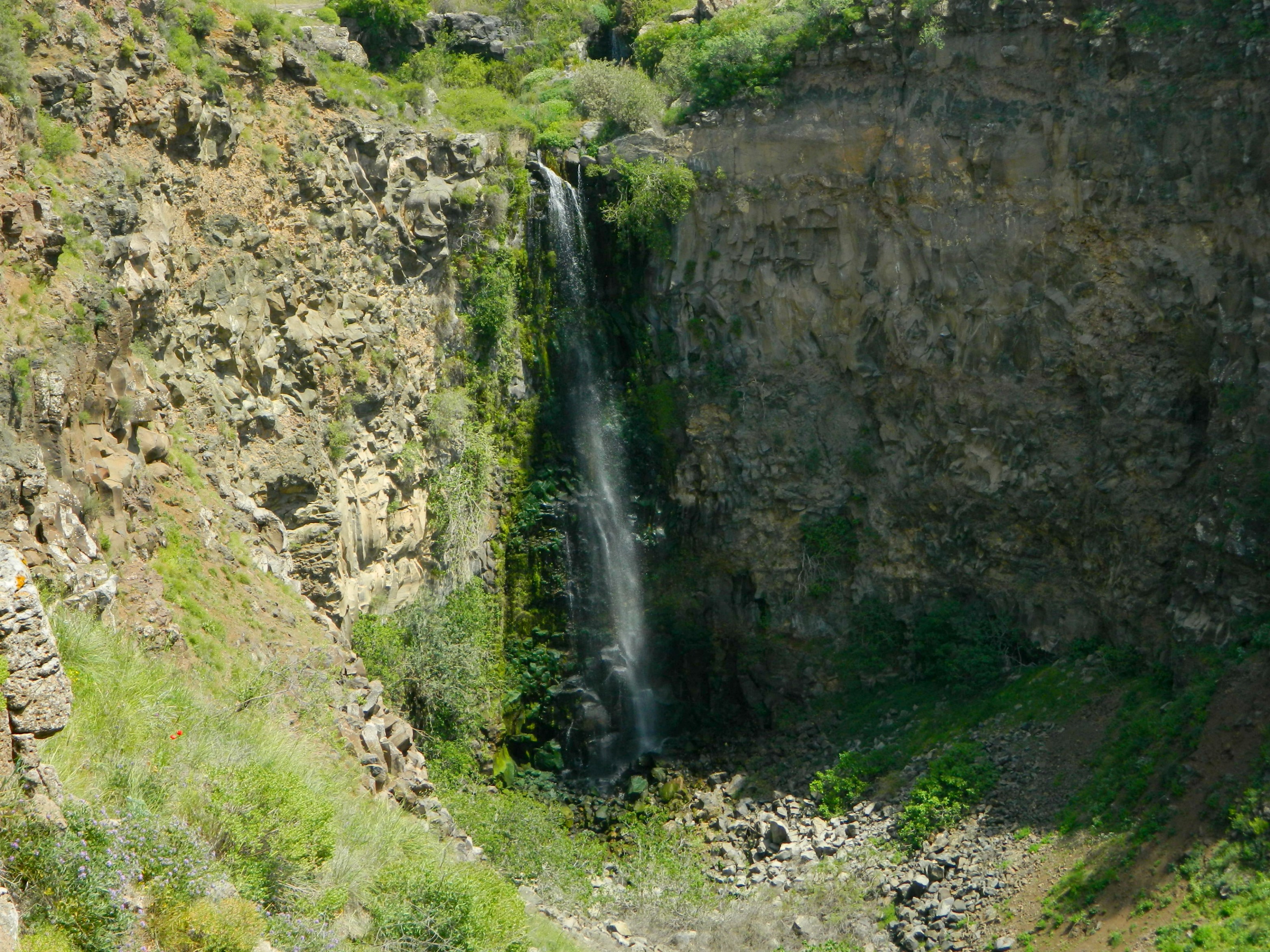
We reached the observation point and looked down at the waterfall. The Gamla Waterfall is the tallest waterfall in Israel, at the height of approximately 170 feet (51 metres).

The Gamla Waterfall

The Gamla Waterfall

It would have been nice to descend and to stand beneath the crushing water, but that is forbidden so we turned back the way we came. With a nice sunburn coming on we headed back to the car and headed home, but I still plan on revisiting Gamla to explore the ancient city ruins to write another blog post: Gamla II.