Israel's Good Name

Archive for the ‘Israel’ Category

Ramon Crater: The Carpentry Shop

In Israel, Negev on January 5, 2014 at 4:30 AM

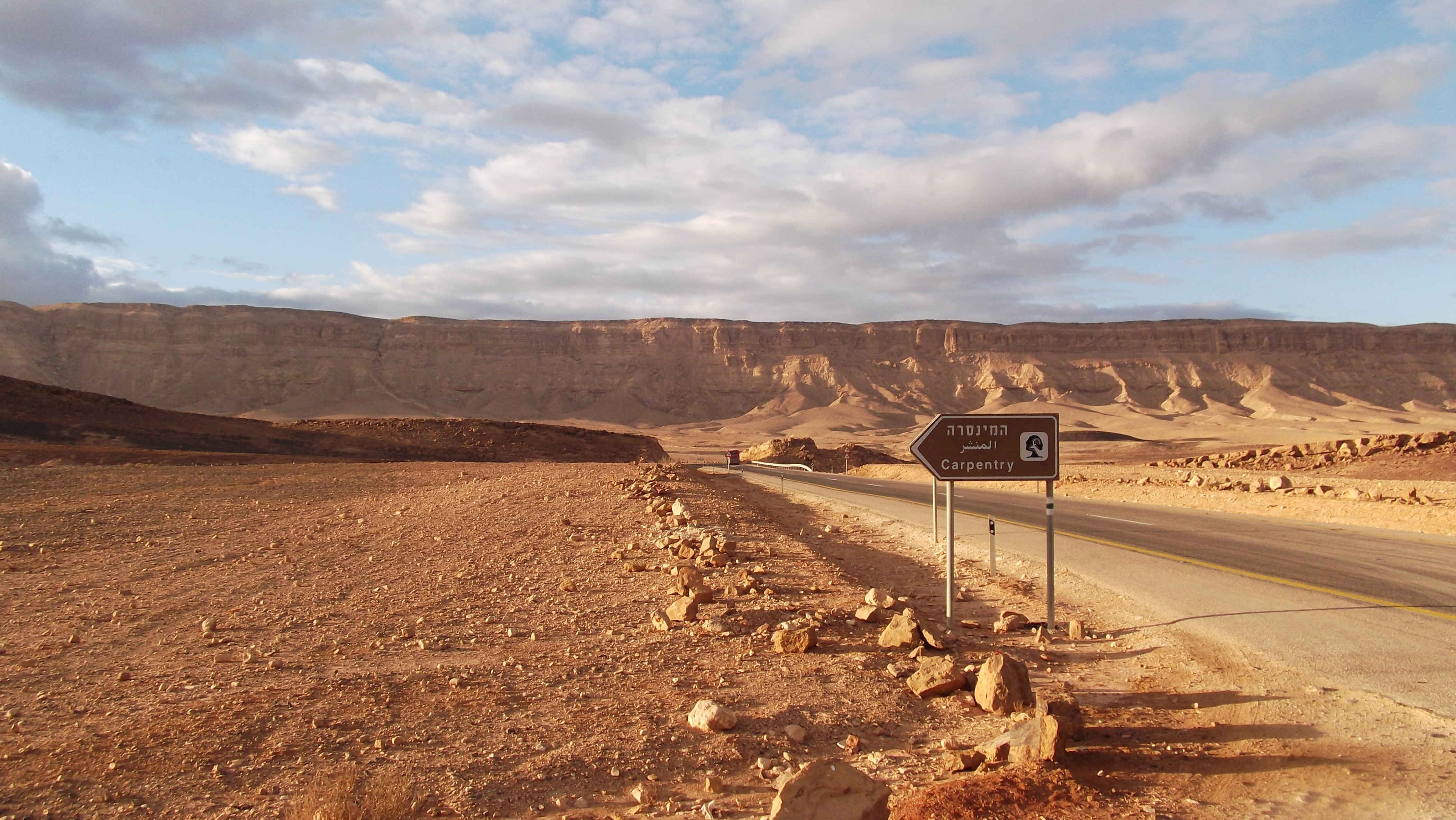
Just a little while back I was driving, once again, down south in the Negev Desert. This time I was crossing the Ramon Crater – Road 40 cutting across the crater floor. I had plenty of time for adventure and I had read earlier that a site called “The Carpentry Shop” was just a few hundred metres off the road. So, when I reached it, facing the northern rim of the crater, I turned in and stopped my truck at the entrance.

Entrance to The Carpentry Shop

Entrance to The Carpentry Shop

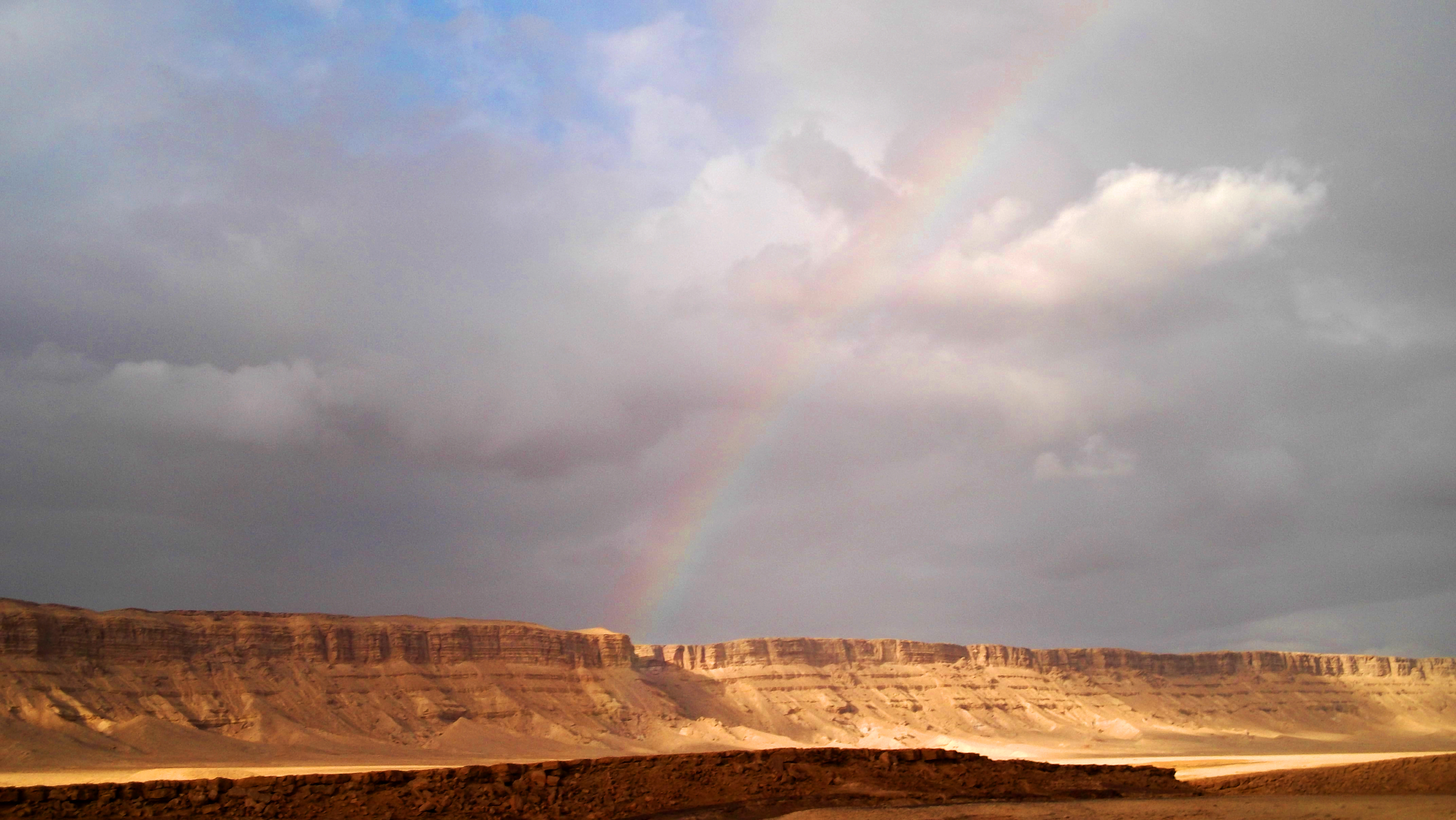
As I was contemplating driving to the little parking lot or leaving my truck at the side of the road I turned, looked out my window and saw an amazing rainbow against the iconic Ramon Crater rim. Feast your eyes!

Rainbow over Ramon Crater

Rainbow over Ramon Crater

I parked my truck in the little lot, got out and lingered behind a school group waiting for a bit of peace and quiet before climbing the hill that is The Carpentry Shop. As I stood at the base of the hill, hoping the angry clouds don’t empty themselves just as I start my tour, I noticed Mitzpe Ramon way up on the crater ledge and wondered if I’d be able to pinpoint this Carpentry Shop site from way up way.

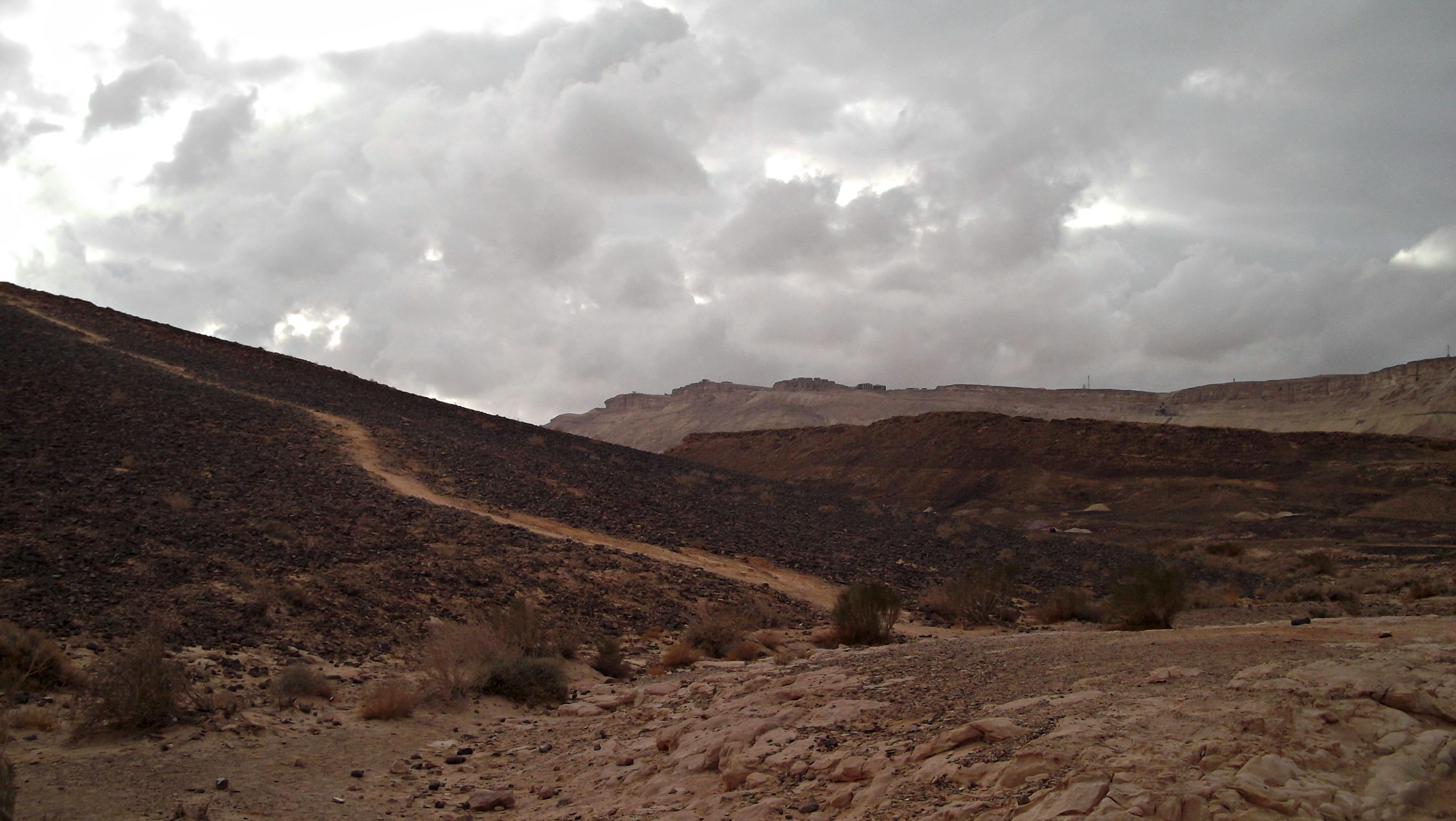
The Carpentry Shop on the left with Mitzpe Ramon in the distance

The Carpentry Shop on the left with Mitzpe Ramon in the distance

At last the group was far enough uphill so I began climbing. In effort to preserve the site, a special set of stairs has been constructed over the rocks to the top of the hill. As I climbed I noticed the specialness of the site more acutely. The rocks are all like bricks, rectangle and dark.

A huge pile of natural bricks

A huge pile of natural bricks

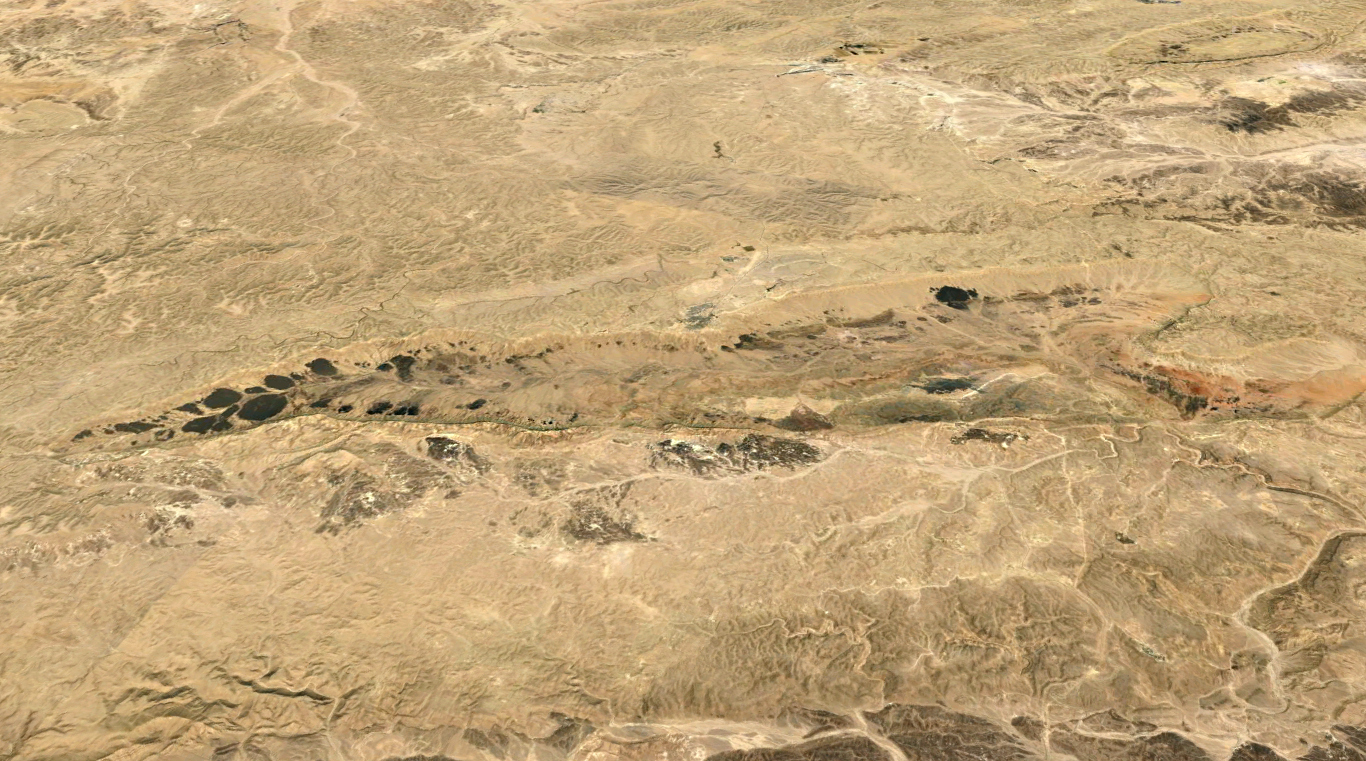
The scientific explanation for this great pile of natural bricks is that this whole hill was originally sand, the sand was heated from below and then cooled after being turned into a liquid, creating these “bricks” as I see them. The term “Carpentry” was dubbed after someone decided that the bricks looked like wood pieces used in a real carpentry shop. They must have never seen bricks before… Regardless, the interesting thing is that this hill, in this unique erosion crater, is the only place in the world where these molten rock formations can be found.

The Ramon Crater from space

The Ramon Crater from space

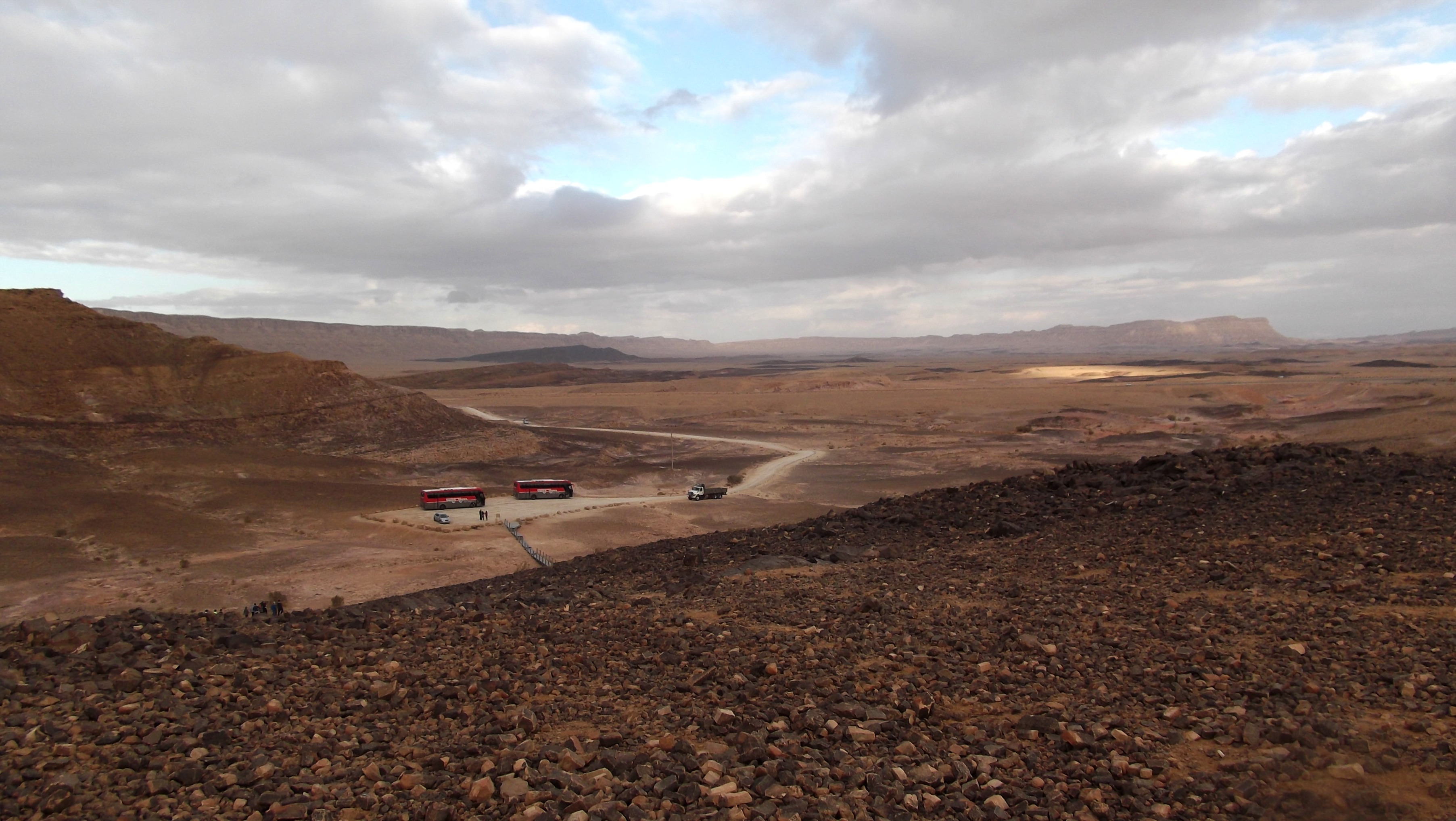
I reached the top of the hill and took this picture of the jagged crater floor and signs of humanity down below, including my truck:

Looking down from the hilltop

Looking down from the hilltop

Once I had finished looking at the great pile of natural bricks I headed back down and examined some sand patches. It is amazing how throughout the crater floor there are these patches of coloured sand, in all different colours. I found an orange patch and a pink-lavender patch just a few feet from one another. With that I got back into my truck and hit the road, just one of the Ramon Crater’s interesting features under my belt… with many more to be seen.

A special thank you to Mandy Detwiler for photographic help currently beyond me!

Tel Megiddo

In Galilee, Israel on December 29, 2013 at 10:08 AM

During Chanukah, while I was home, several members of my family and I took a little drive down to Tel Megiddo, in the Jezreel Valley area not far from Haifa. Herein lies the story of our adventure to the ancient city conquered and reconquered over twenty times, a city whose Greek name is Armageddon (a corruption of Har Megiddo, or Mount Megiddo).

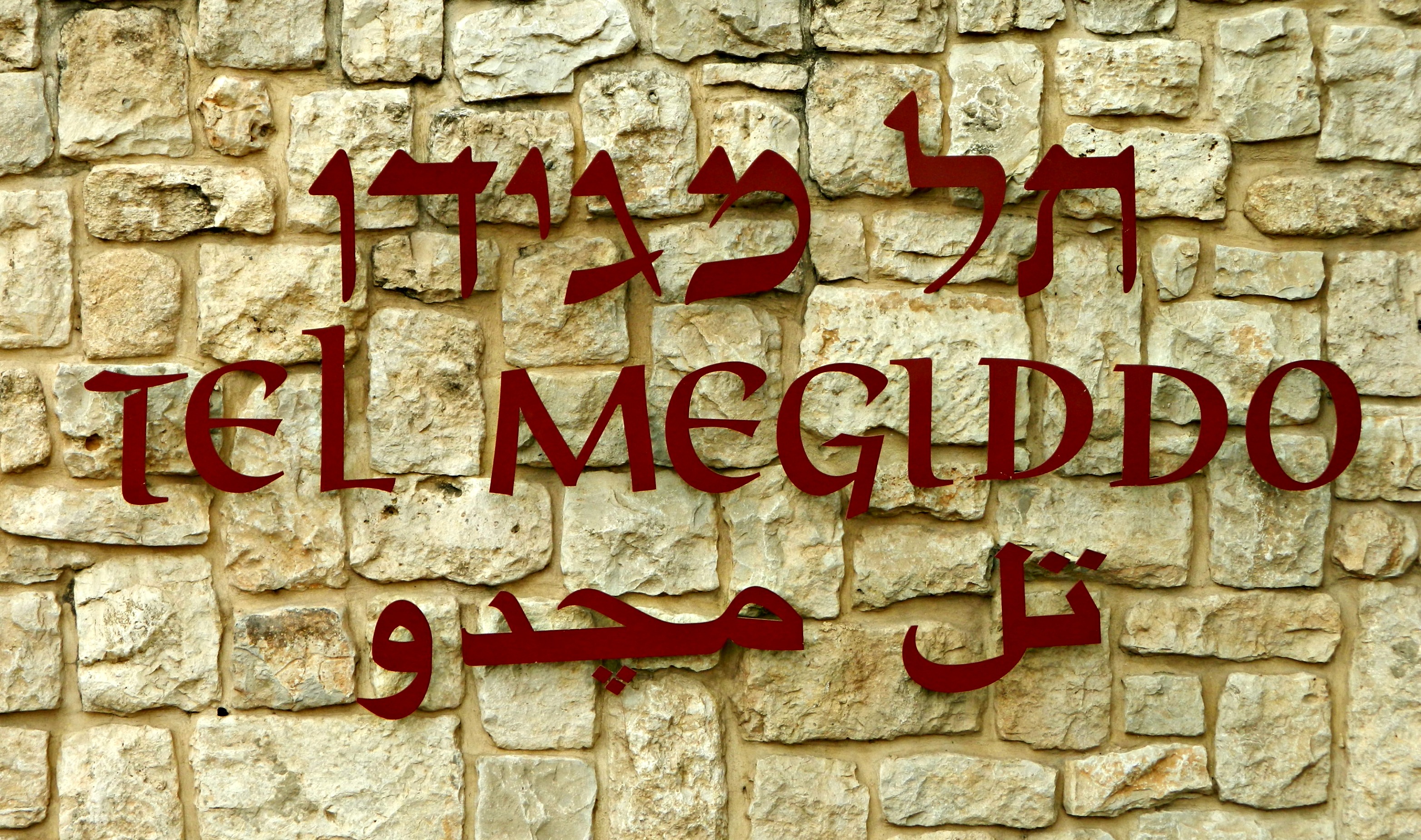
Tel Megiddo

Tel Megiddo

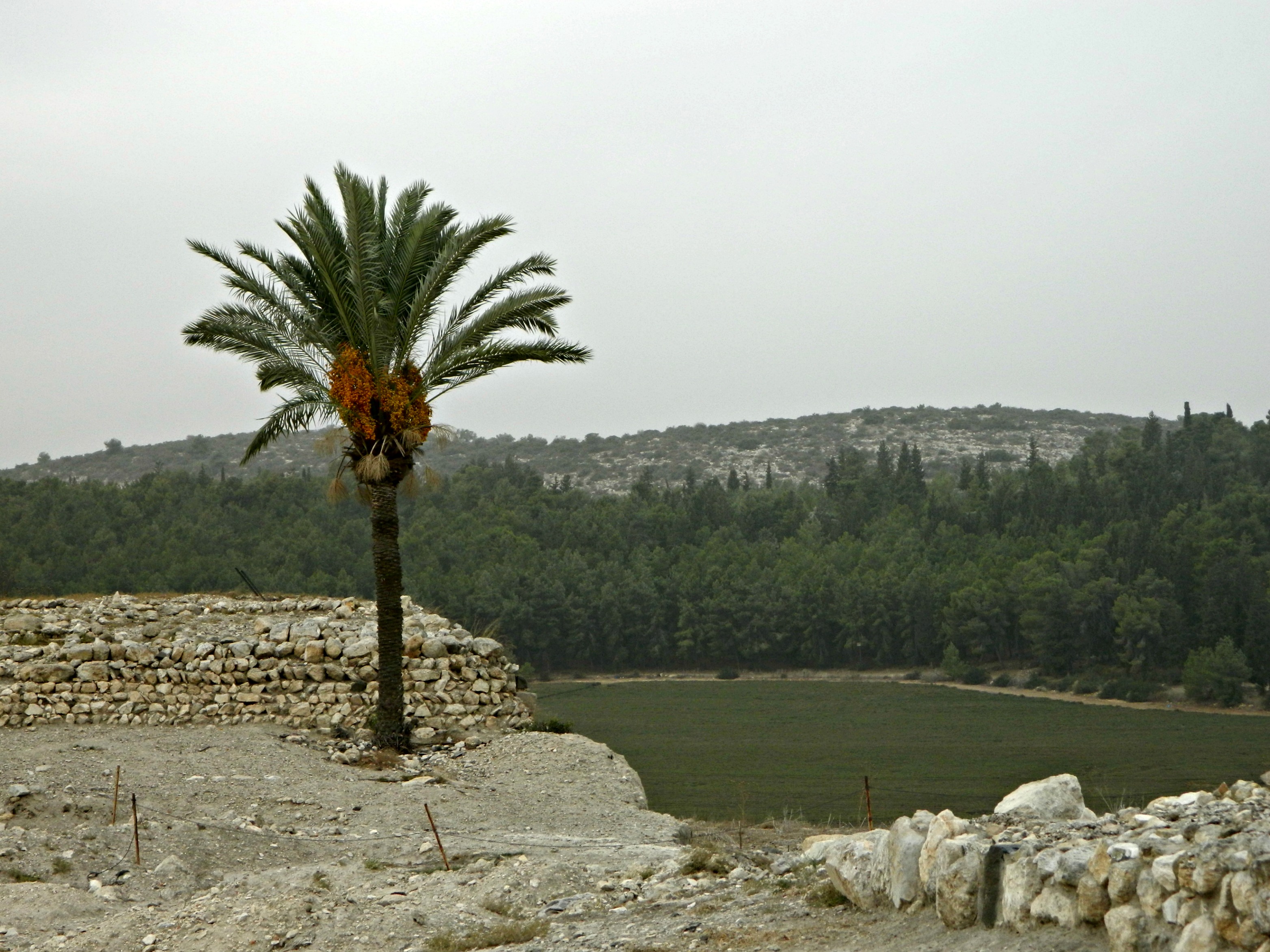
The day we visited happened to have been overcast and, despite the faint sunshine sneaking through the clouds, there wasn’t much to be done to improve the photographic element. Thus, my photos are rather lackluster and so I often used the many date palm trees on premise to liven up the scene, as seen here:

Tel Megiddo ruins and a date palm

Tel Megiddo ruins and a date palm

We began with watching a short video on the history of Megiddo and the important archaeological site it has become now. While the video played I noticed this great photo taken sometime between 1925 and 1939 of the Oriental Institute Expedition of the University of Chicago, funded by John D. Rockefeller, Jr:

Oriental Institute Expedition at Tel Megiddo

Oriental Institute Expedition at Tel Megiddo

Later, in the 1960’s, further excavations were conducted by famed Israeli archaeologist Yigael Yadin for the Hebrew University. Unearthing twenty-six layers of ruins, from the Jews to the Egyptians to the Romans, the same small area was built and rebuilt time and time again over thousands of years. Some of the very interesting historical battles that took place in and around Megiddo include: the Egyptians under Pharaoh Thutmose III vs. the Canaanites of Megiddo and Kadesh (1478 BCE), the Egyptians under Pharaoh Necho II vs. the Kingdom of Judah under King Yoshiyahu (609 BCE) and more recently, the Allied Forces under General Allenby vs. the Ottoman Empire (1918).

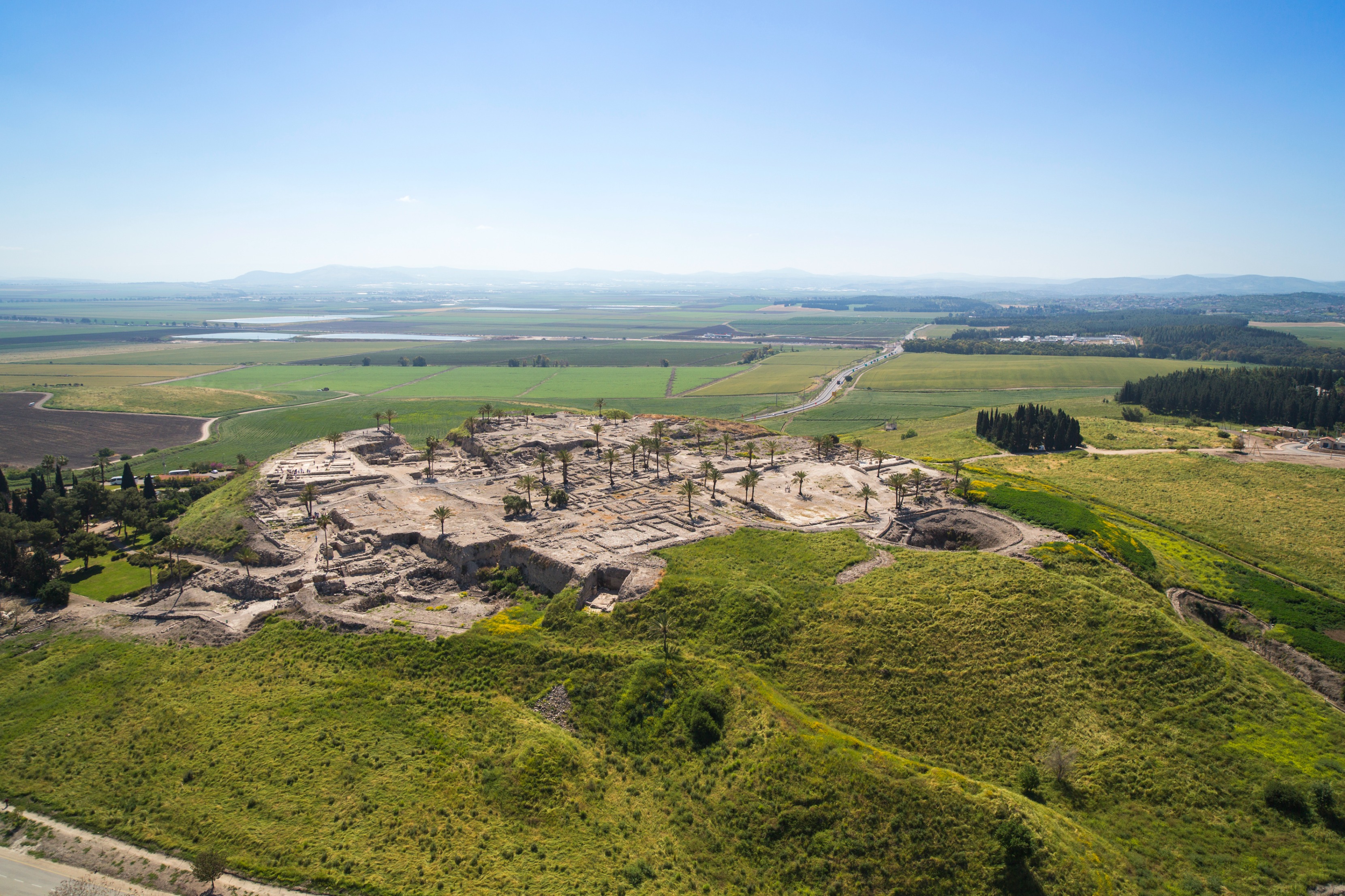
Tel Megiddo (photo by IsraelTourism, Flickr)

Tel Megiddo (photo by IsraelTourism, Flickr)

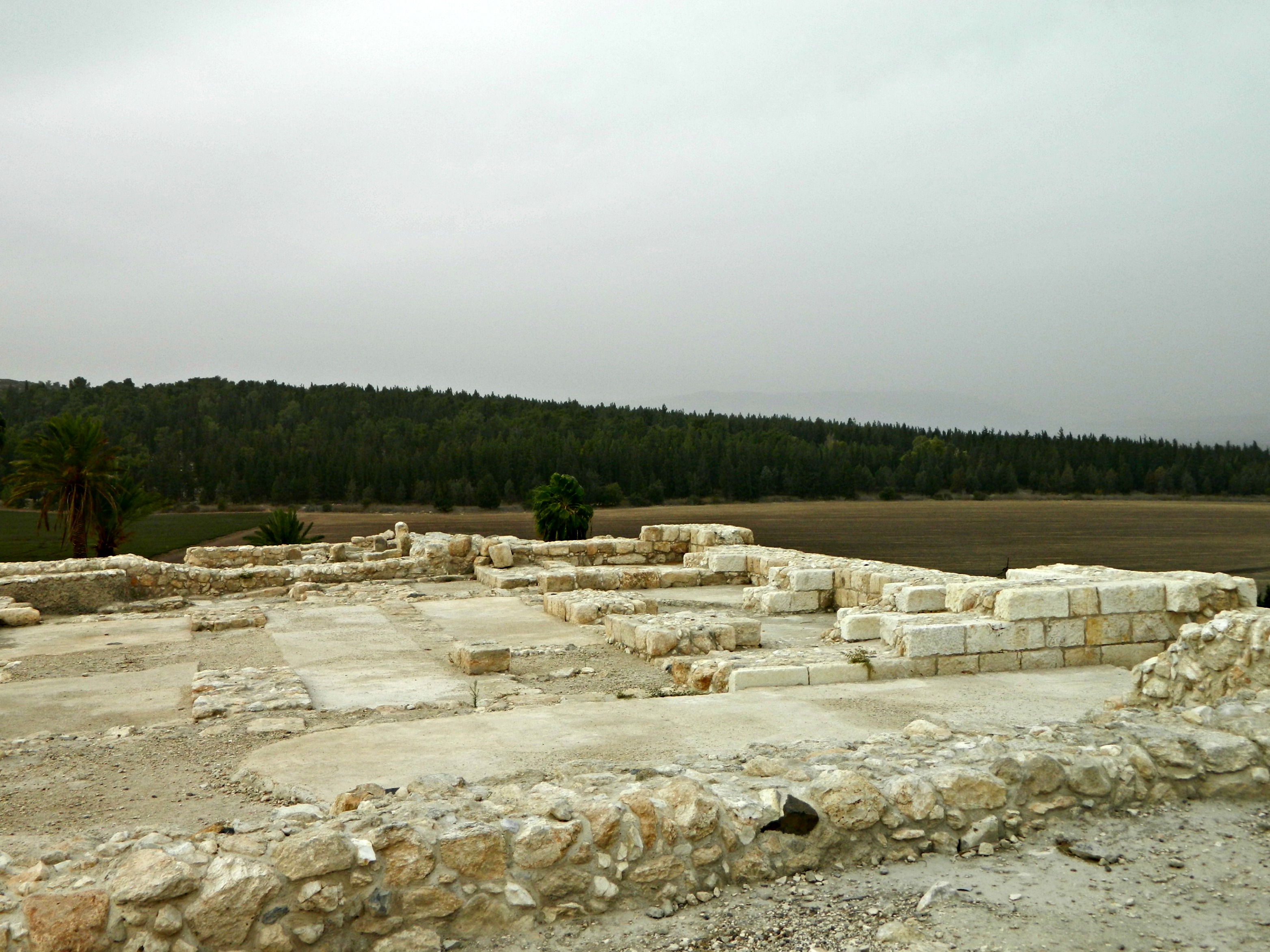
Entering through the Solomonic gateway, the path winds to and fro with little signs explaining what certain areas are and from what period they come from. Here, amidst a vast spread of short stone walls and partially excavated ruins is more modern looking “northern palace”. Finely cut masonry, the thick walls of the “palace” were originally thought to be from the time of King Solomon, however it is now believed to be dated from the time of King Ahab:

The ''northern palace''

The ”northern palace”

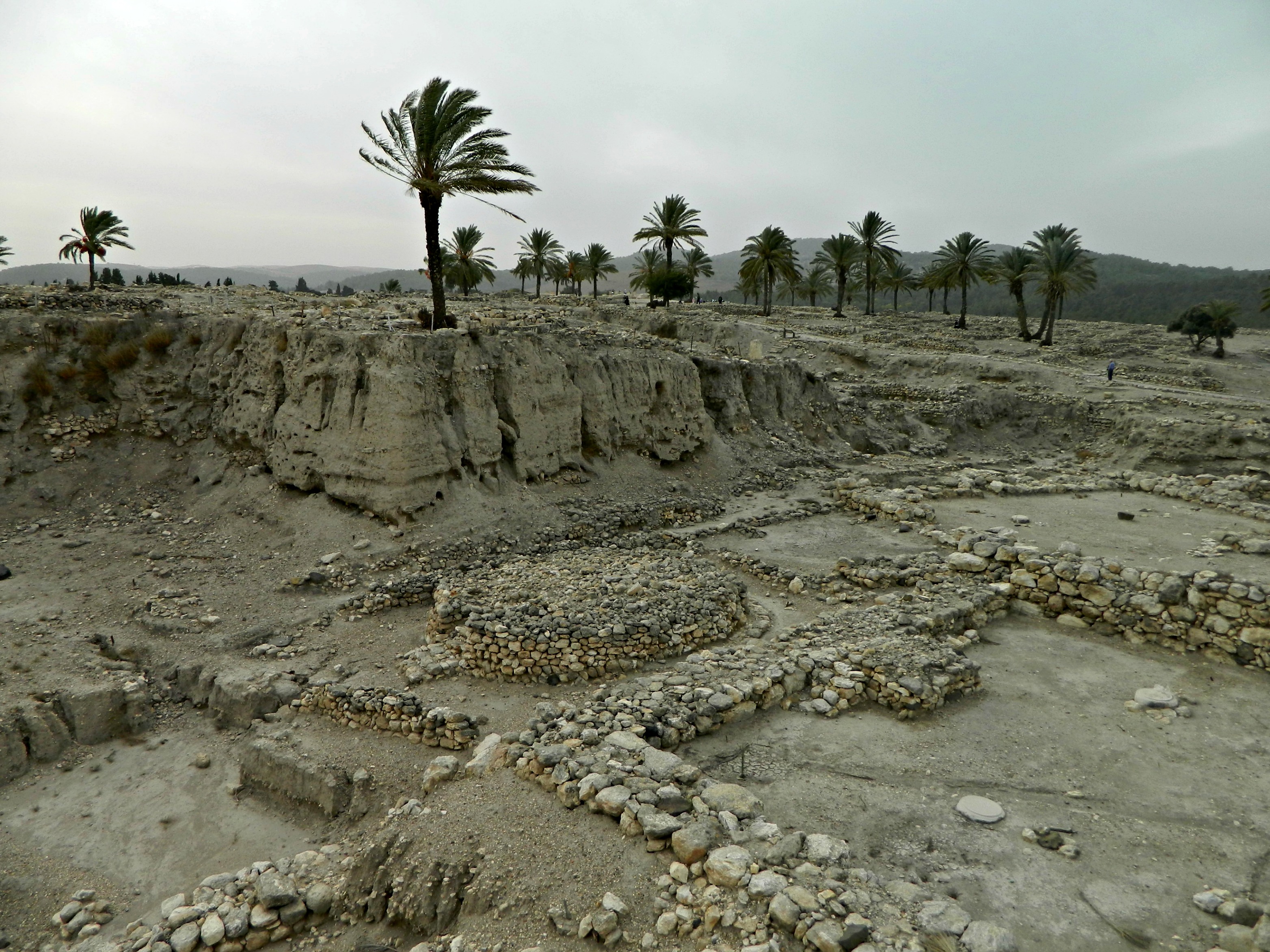
One of the big discoveries was of a Canaanite altar, a large circular mound composed of smaller rocks, buried numerous layers down:

Ruins including a Canaanite altar (centre)

Ruins including a Canaanite altar (centre)

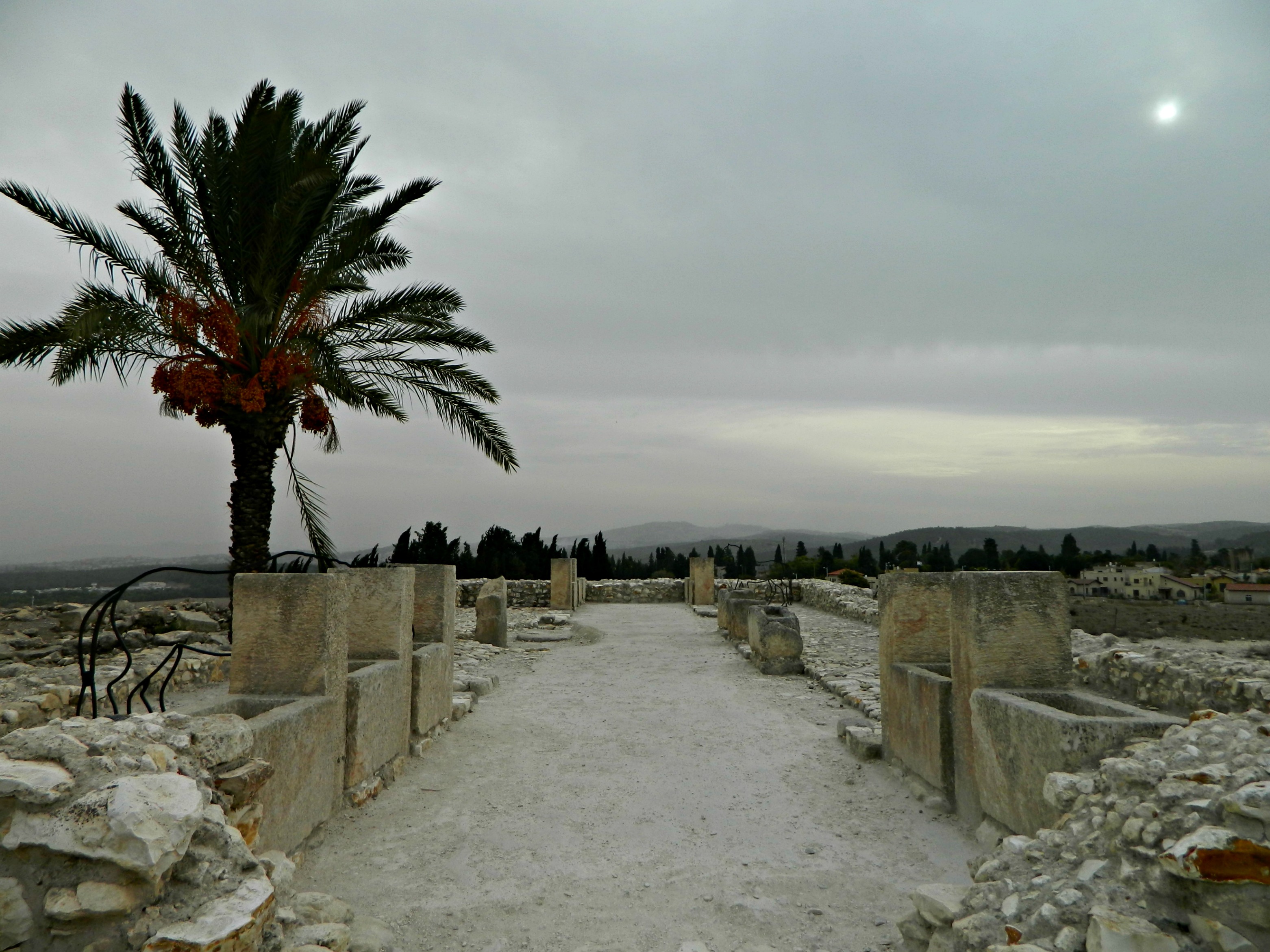
At the far eastern side of the ruins, looking over the Jezreel Valley towards Mount Tavor, the wind played a haunting tune as it whipped through the thin reed-like awning covering the lookout. There, gouged deep through the archaeological mound, many time periods can be looked upon at once – layers built up on the bedrock. Not far is the 450-cubic metre grain pit, lined with stone and straw, believed to be from the days of King Yeruvam (Jeroboam) II some 2,700 years ago. And then, on the western side of the hilltop are the stable complexes. Large to hold nearly 500 horses, the early excavators in the 1920’s and 1930’s believed the lot to be stables however more recent archaeologists suggest that the stables are actually warehouses or barracks. I personally like the stables version, and so does the Israel Parks Authority because many metal horses can be seen on premises, such as the one hiding under the date palm:

The stables

The stables

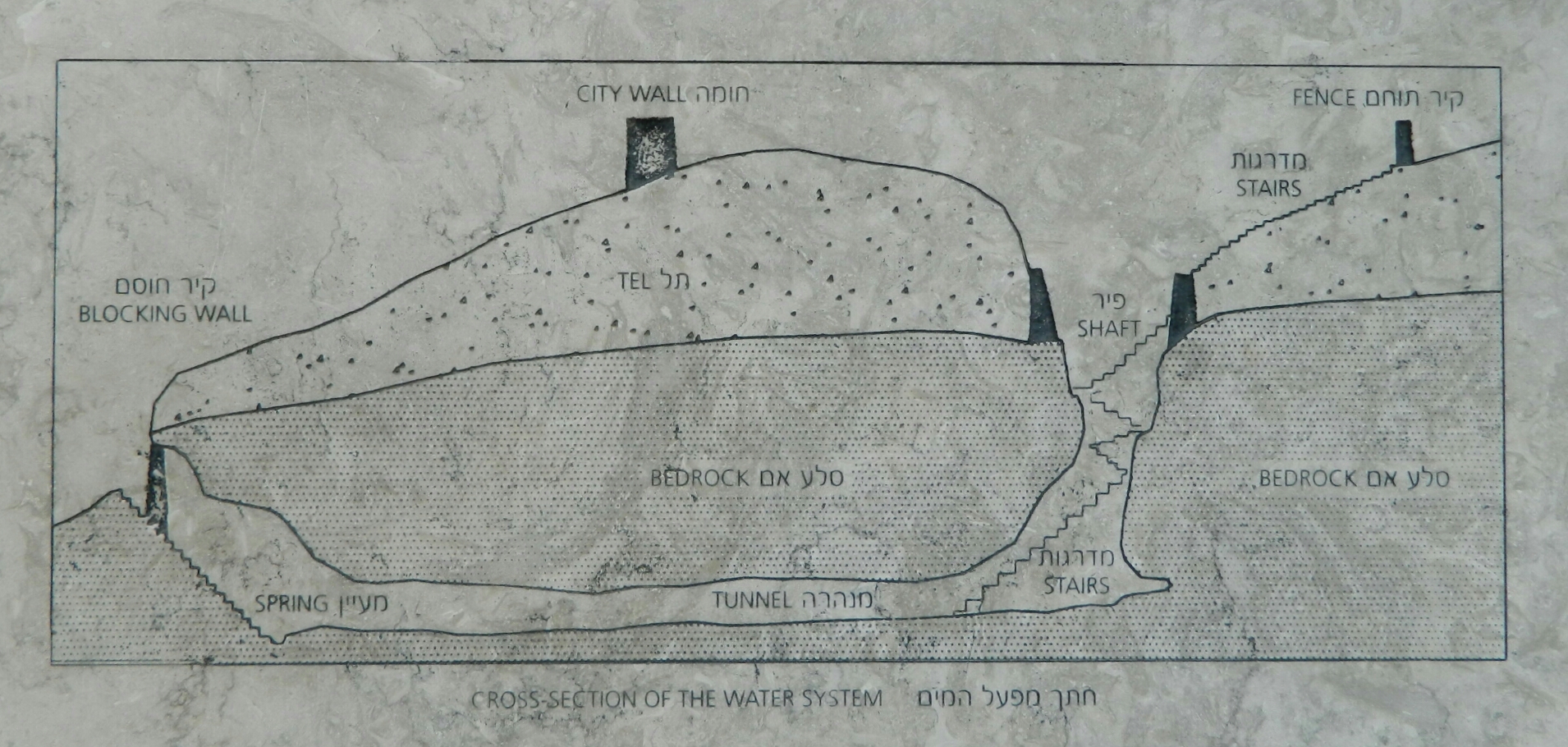
At the very western edge, where the trail seems to lead to nowhere, is the water system – an “L”-shaped shaft cut out of the bedrock to supply the city with water in time of siege. Built during the time of the Israelite kings, the 36-metre (120-foot) deep vertical shaft and the 70-metre (230-foot) long horizontal shaft hooked up to a freshwater spring emerged in a natural cave. They then blocked the cave’s other entrance, the one visible to those outside the city, and camouflaged it.

A stone etching cross-section of the water system tunnel

A stone etching cross-section of the water system tunnel

Here is the renovated tunnel, complete with electrical illumination and a safe wooden walkway:

The 70-metre long tunnel

The 70-metre long tunnel

And here, the modern stairs leading down to the spring from outside the city:

Coming up from the spring

Coming up from the spring

At the top of the staircase coming up from the dank spring, we took the long path back to the park entrance – along the extremely black asphalt road – and returned to our car. From the park we attempted to visit the Juara Museum but when we got there we discovered it was inside an army base and required reservation – maybe I’ll get to visit it one day on my army explorations. After the failed museum visit we headed into Yokneam and got dinner at a popular hummus restaurant, Hummus Eliyahu – highly recommended. Then we went home and lit the chanukiyah.

Mitzpe Ramon

In Israel, Negev on December 22, 2013 at 4:26 AM

Returning to the desert trilogy of blog posts… After visiting Sde Boker, Midreshet Ben Gurion and the ancient ruins of Avdat I pushed southwards and stopped at Mitzpe Ramon. A town on the northern ledge of Ramon Crater, Mitzpe Ramon is where the Parks Authority office is, as well as other sites of interest.

Mitzpe Ramon Visitors Centre on the rim of the Ramon Crater

Mitzpe Ramon Visitors Centre on the rim of the Ramon Crater

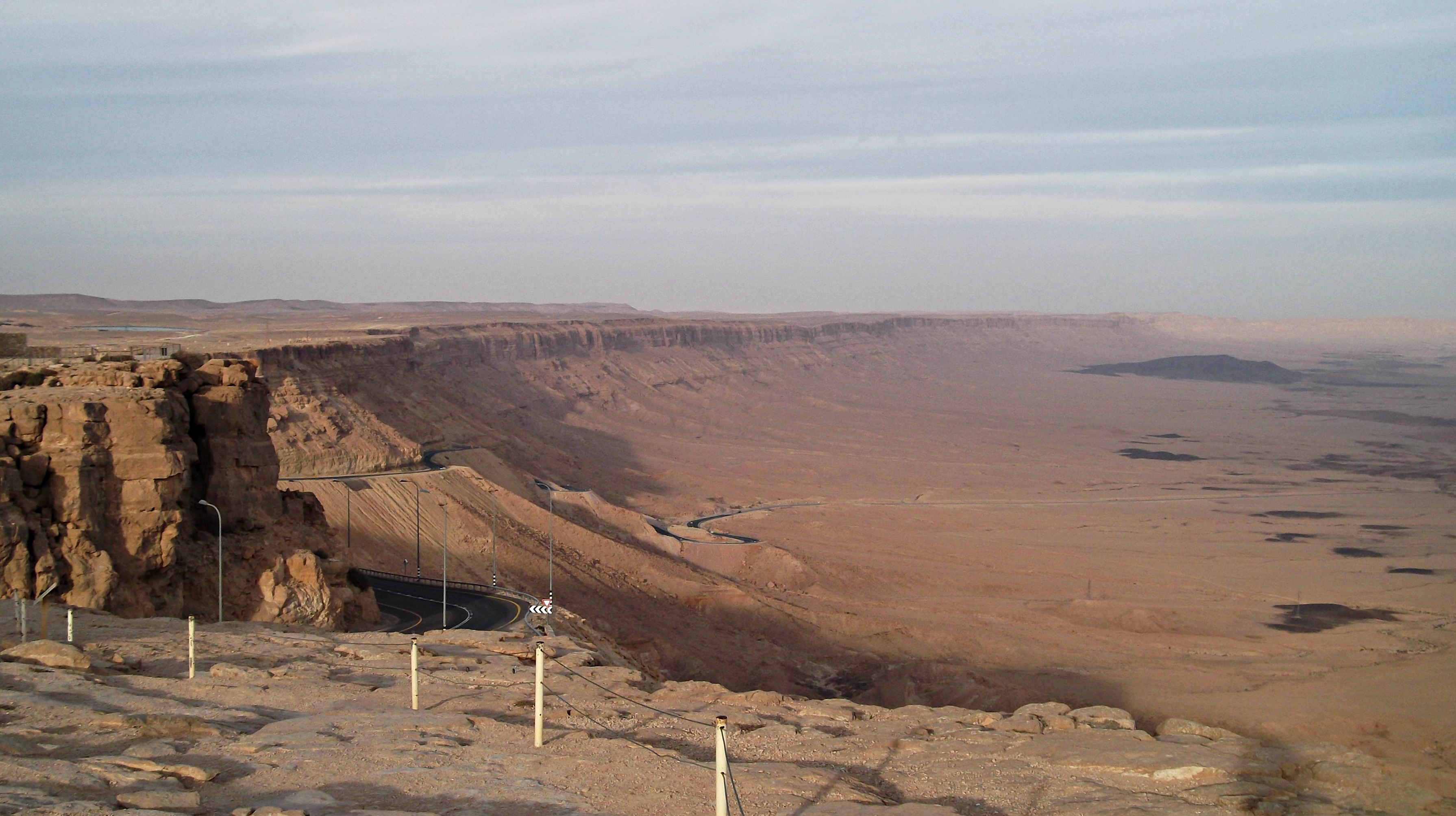
After parking the truck I headed into the Visitors Centre and found out that I had missed the last opening of the day, that I’d have to come back another day but that I was free to look around outside. Here is the view of the northern ledge of the Ramon Crater that I photographed that day:

The crater edge

The crater edge

Not left with many options, the sun gradually sinking over the horizon, I called it a day and made up my mind to try to come back. Two days later, after a nice night in the desert where I had a near run-in with a dangerous little yellow scorpion, I found myself with plenty of free time and so popped on a bus to Mitzpe Ramon.

Nubian ibex

Nubian ibex

The first thing I noticed was the abundance of Nubian ibex wandering around the town. I overheard someone comparing ibex in Mitzpe Ramon to cats in the rest of Israel, that they are all over the streets. It’s true. Next I entered the Visitors Centre and booked myself for an afternoon tour. With some time to kill, and the spirit of adventure coursing through my veins, I visited Bio Ramon. A side attraction attached to the Ramon Crater (also known as Makhtesh Ramon), Bio Ramon is a small “desert zoo” hosting both wildlife and flora. Here is a horned viper (Cerastes cerastes), found in the Ramon Crater as well as other areas of the Negev:

A horned viper in Bio Ramon

A horned viper in Bio Ramon

After a partially-guided tour of Bio Ramon I had lunch and then eventually, as the hour of my Visitors Centre appointment approached, I made my way to the edge of the crater. The Ramon Crater is a whopping 38 kilometres long, 4-10 kilometres wide – the largest of Israel’s erosion craters. Along with the Small Crater and Large Crater to the north and two mini-craters at Mount Arif, the Ramon Crater joins two Egyptian craters in the Sinai Peninsula as being the only erosion craters on Earth.

Ramon Crater

Ramon Crater

Shaped like an elongated heart, the Ramon Crater has interesting rockforms, and a great variety of wildlife that come out mostly at night. Animals of interest include ibex, wild asses, gazelles, foxes, wolves, striped hyenas and even leopards. While the wildlife are hard to spot, the natural beauty is not, and from this balcony lookout, one can look straight down at the crater floor:

''Balcony lookout''

”Balcony lookout”

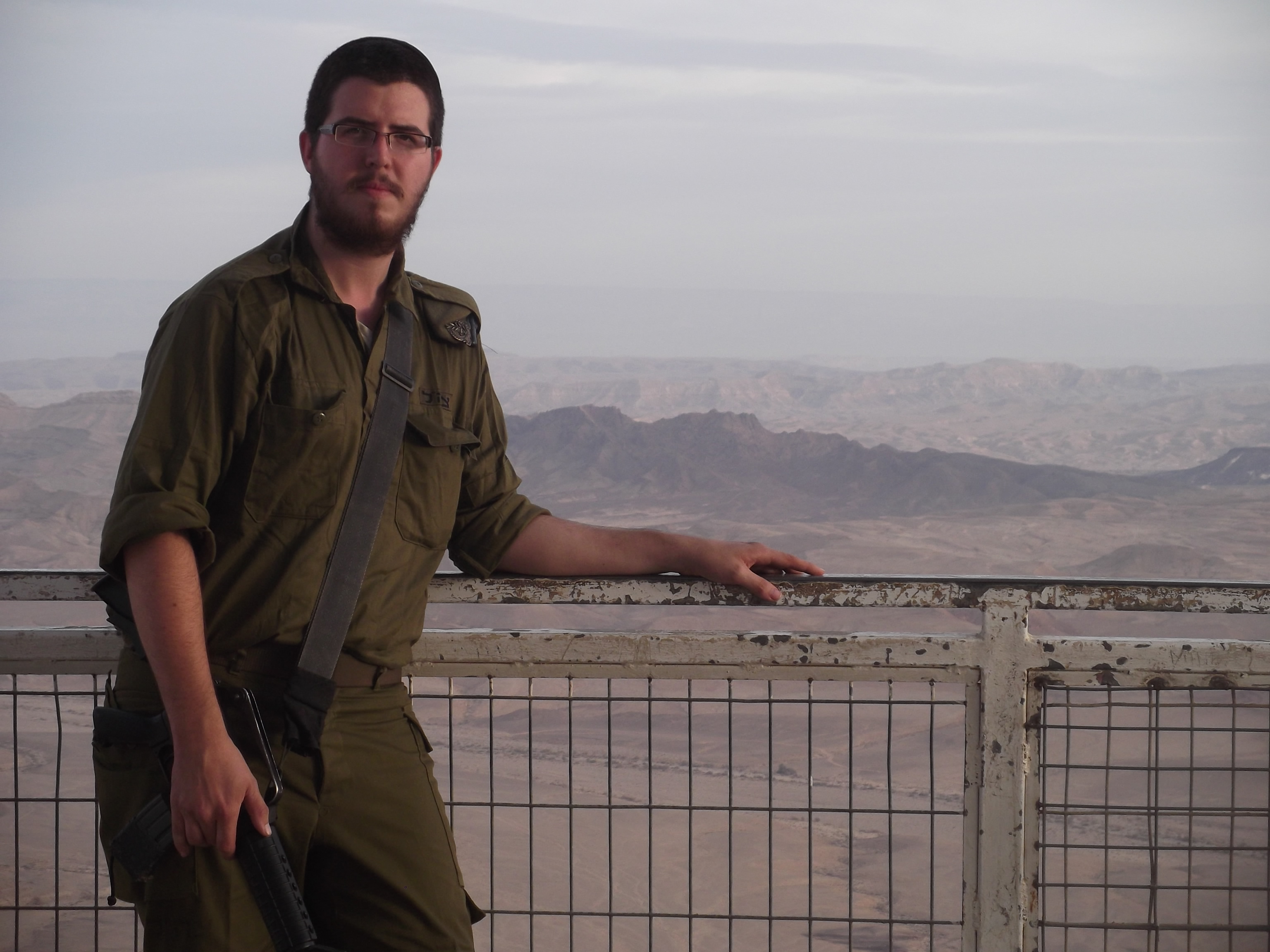
I had someone take my picture while I stood on the wooden planks separating me from the crater floor way down below; here it is:

Defying death

Defying death

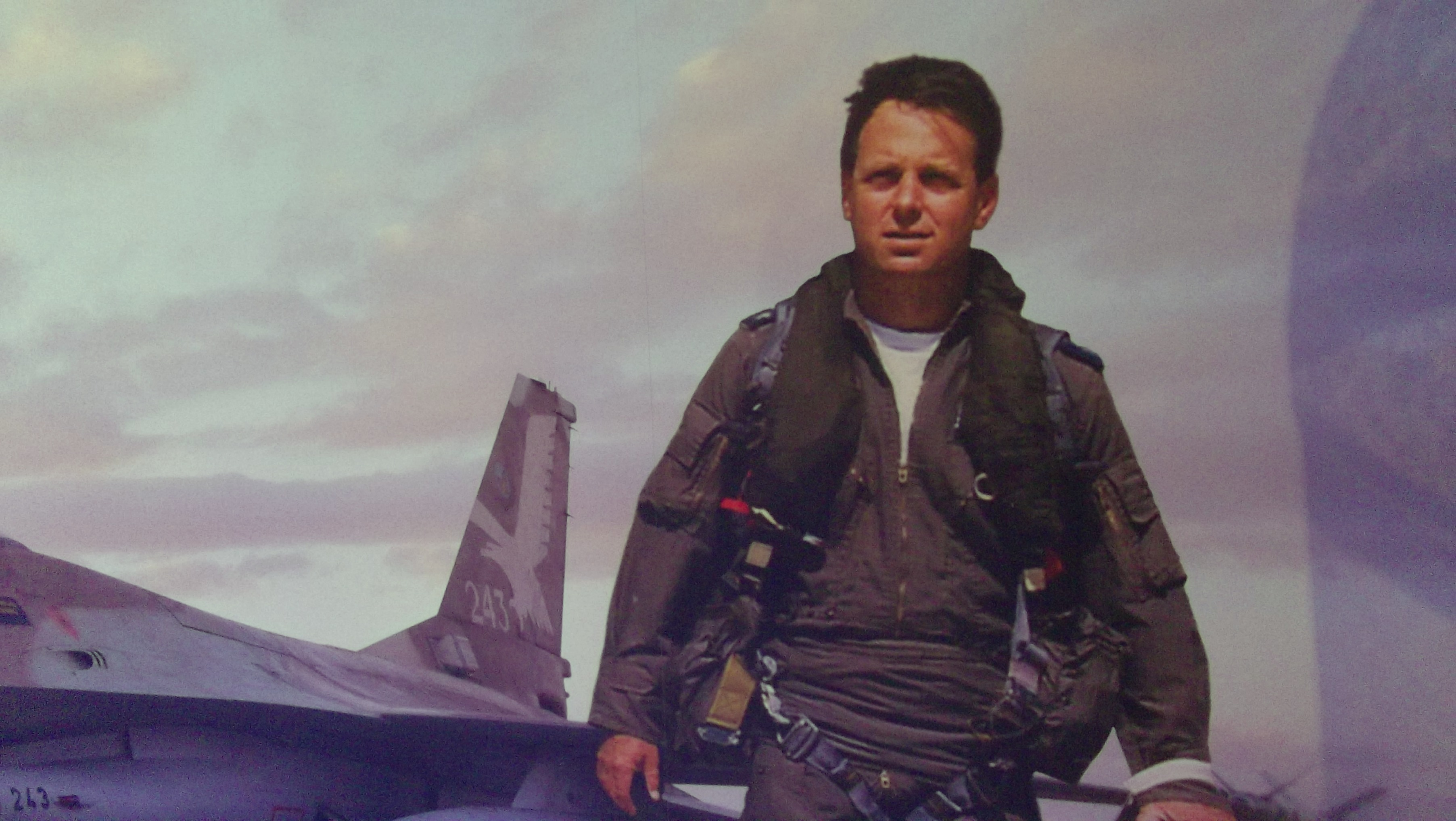
At last I was admitted into the Visitors Centre and the tour began with Israeli hero Ilan Ramon, a colonel in the Israeli Air Force and Israel’s first astronaut. I remember reading in the papers shortly after I moved to Israel about the death of Ilan’s son, Asaf Ramon, who was killed in a plane crash – himself an IAF pilot as well.

Ilan Ramon as an IAF fighter pilot

Ilan Ramon as an IAF fighter pilot

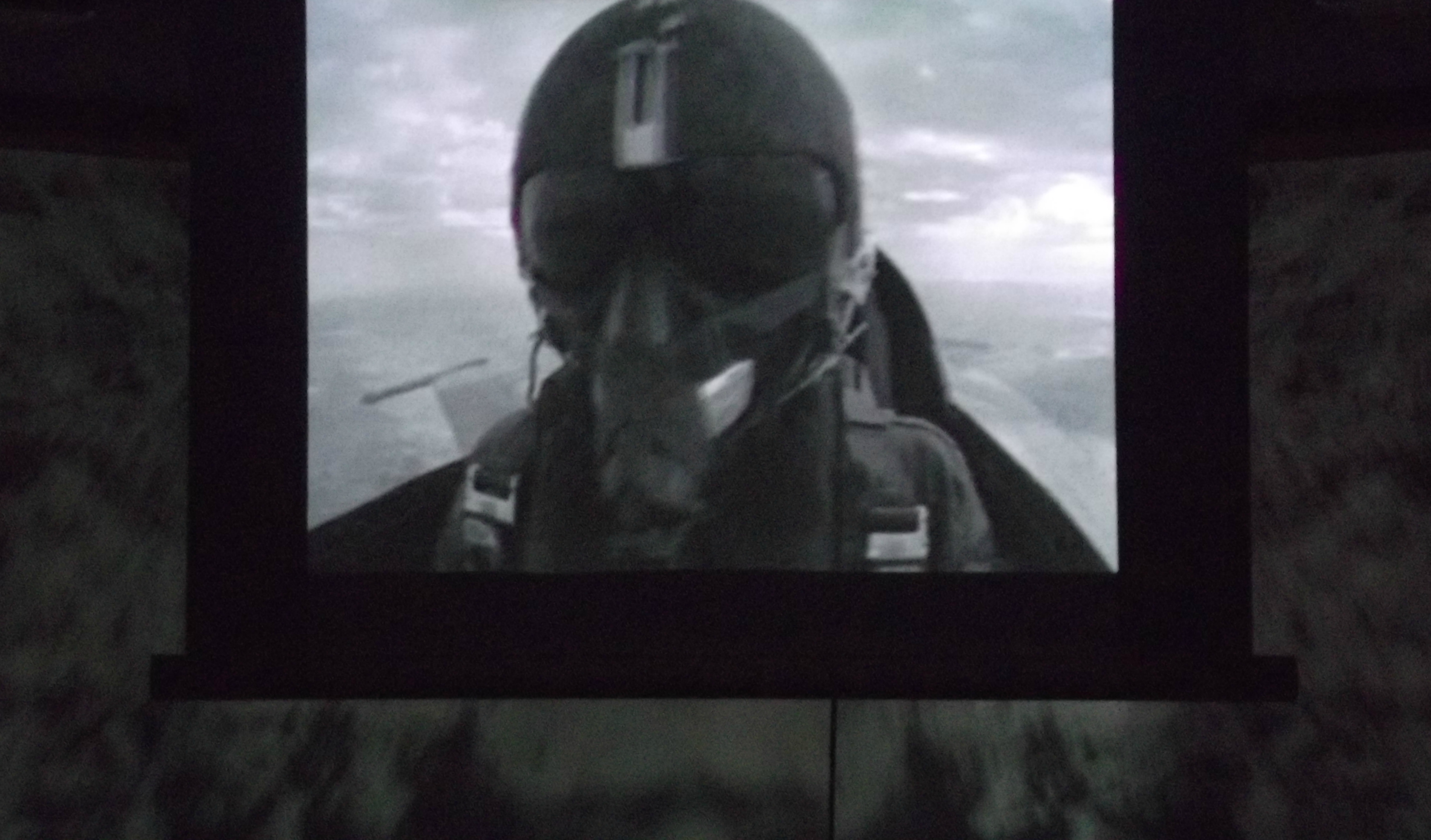
Ilan Ramon was a crew member of NASA’s Columbia space shuttle and was killed tragically, to the world’s horror, as the shuttle disintegrated upon re-entry into Earth’s atmosphere on February 1, 2003 just sixteen minutes before their scheduled landing. I never thought much about the story, nor the man involved, but I must say, the Visitors Centre did a great job at opening a window into the life of Ilan Ramon. But before Ilan became an astronaut, he was a fighter pilot in the IAF and was the youngest of the eight pilots to take part in Operation Opera – the daring bombing of Iraq’s unfinished Osiraq nuclear reactor in 1981.

Operation Opera in the video

Operation Opera in the video

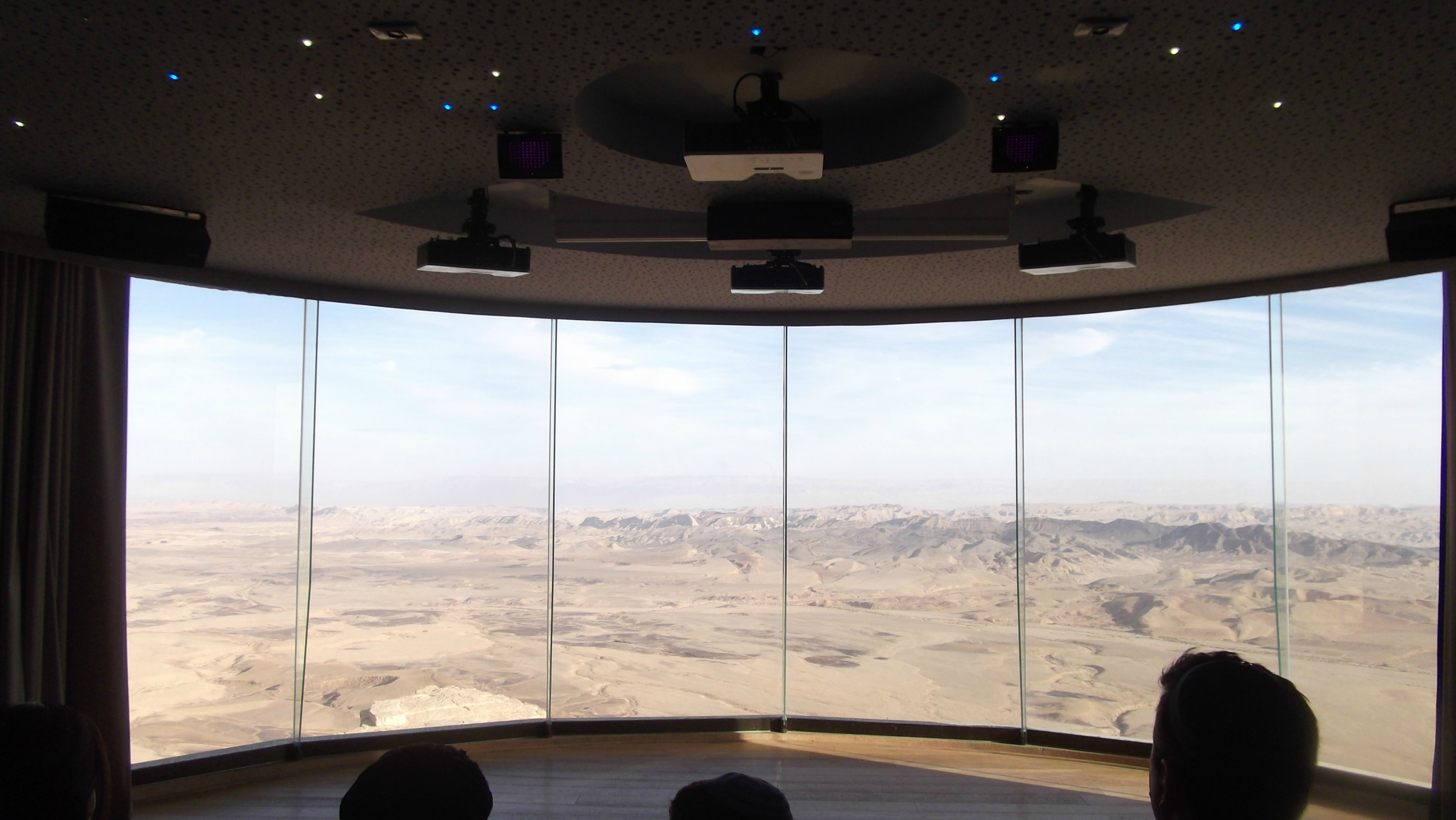
The film that led us into the life of Ilan Ramon came to a close with his death, showing footage from both the shuttle and NASA’s “Houston” space centre. Concluding with a connection of the Ramon Crater and space (Israel’s research telescopes are stationed on the rim of the crater), the curtains opened up and bright desert light filled the room, the vast crater directly before us:

The curtains open to reveal the crater

The curtains open to reveal the crater

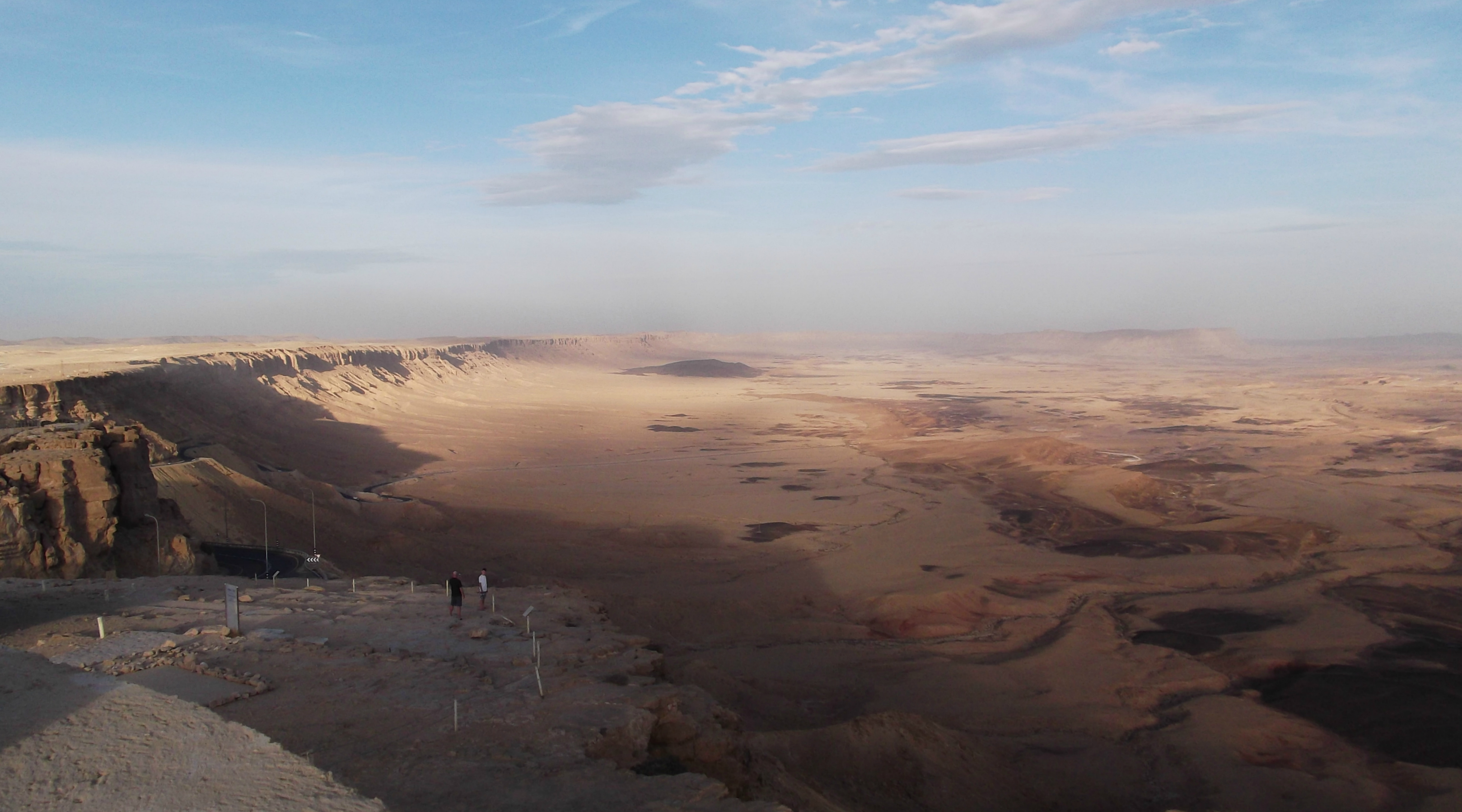
After an exhibition on the creation of the erosion crater, including hands-on activities and a great flexible rubber model of the crater area, we headed on up to the roof for an even better view of the Ramon Crater.

The crater edge from higher up

The crater edge from higher up

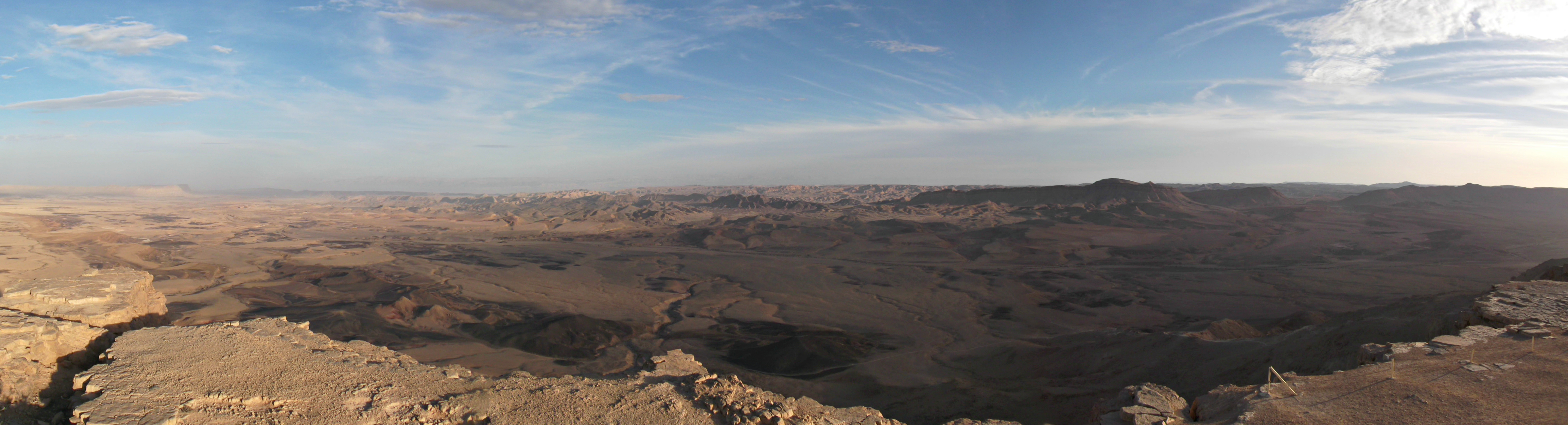
And last but not least, a panoramic of the Ramon Crater:

Panoramic of the Ramon Crater

Panoramic of the Ramon Crater

And so ended my adventurous week in the desert.

Jerusalem: City of White Gold

In Israel, Jerusalem on December 17, 2013 at 6:45 AM

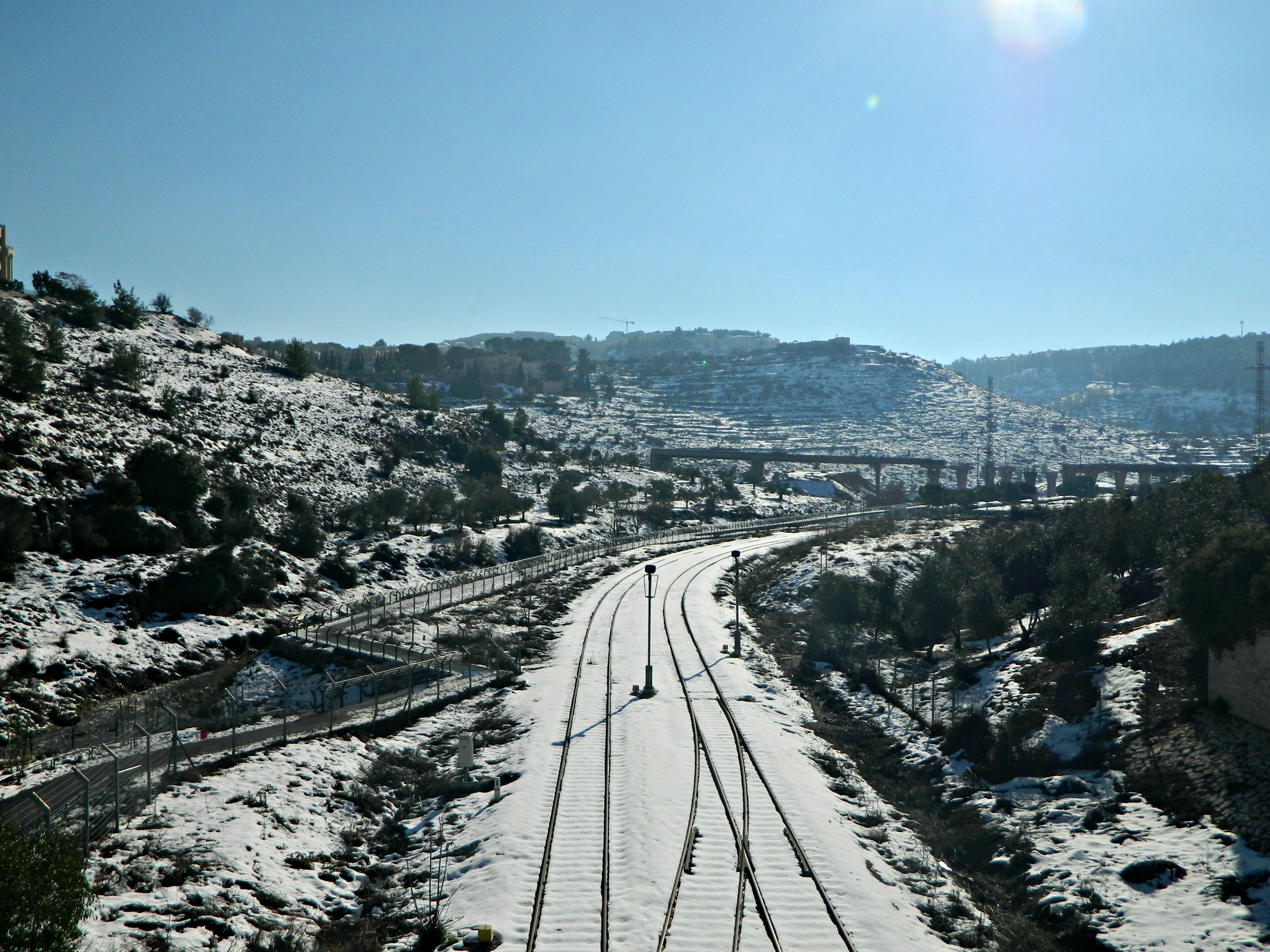
This blog post interrupts the three-part “desert adventure” (of which only Ben Gurion: Life and Death and Avdat have already been published, to date) to focus on an event which threw some of the country into shock and the media into a frenzy – the huge snowstorm that hit Jerusalem. We in Ma’alot got a little dabbling of snow over the weekend, but nothing like the two feet of snow the capital got. The snowstorm got so intense that the city was effectively shut down and isolated, the army (Homefront Command in particular) brought in and four people even died. Thousands if not more spent Shabbat without power and so, in the wake of the storm I did go, visiting “Jerusalem of White” to see it for myself.

Snow-covered train tracks in Jerusalem

Snow-covered train tracks in Jerusalem

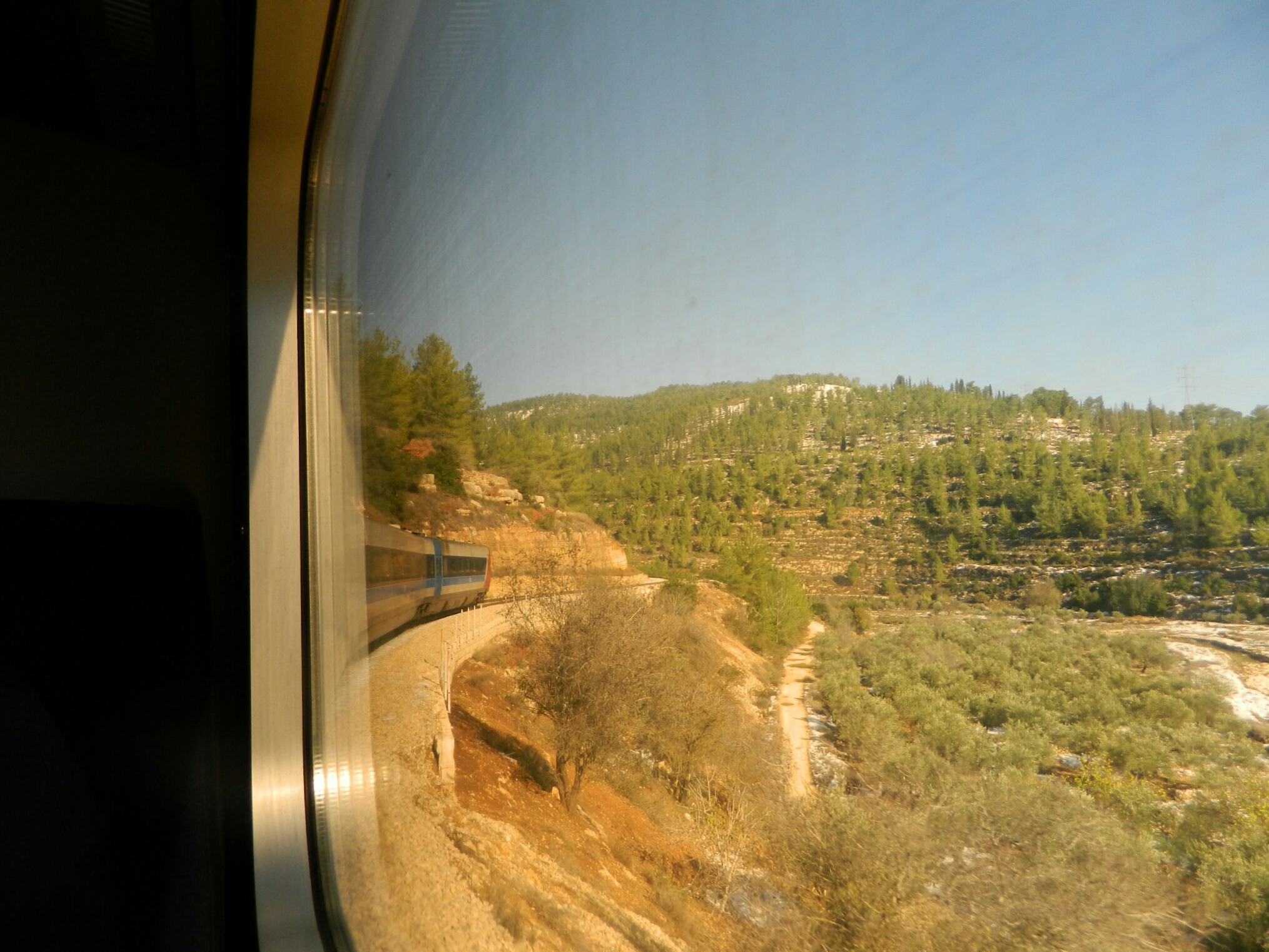
Part of a huge storm that hit the Middle East, the Golan and Upper Galilee region were hit with even more snow (those living in Tzfat had similar troubles to those in Jerusalem) but I was already headed down south on military business. I took the train from Tel Aviv to Jerusalem, hoping that the mountainous route would be spectacular but to my surprise there was almost no snow until we reached the Jerusalem Malcha station.
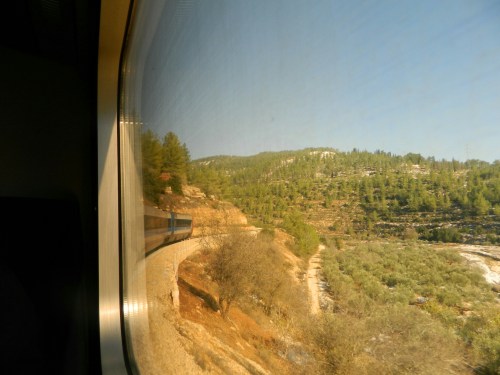
Approaching Jerusalem by train

Approaching Jerusalem by train

Waiting around to see whether or not the buses were running, I was asked by an American fellow for bus help. Then an Oriental tourist. Then an Israeli family. Pretty soon I was surrounded by a clamoring mass of cold, stranded people all looking to me for salvation. I had to explain that I was not in capacity as “helpers” like those soldiers wearing reflective orange vests from Homefront Command, and that I had no idea about the buses. I then hightailed out of the area, taking the road to the Old City on foot.

Idle Egged buses

Idle Egged buses

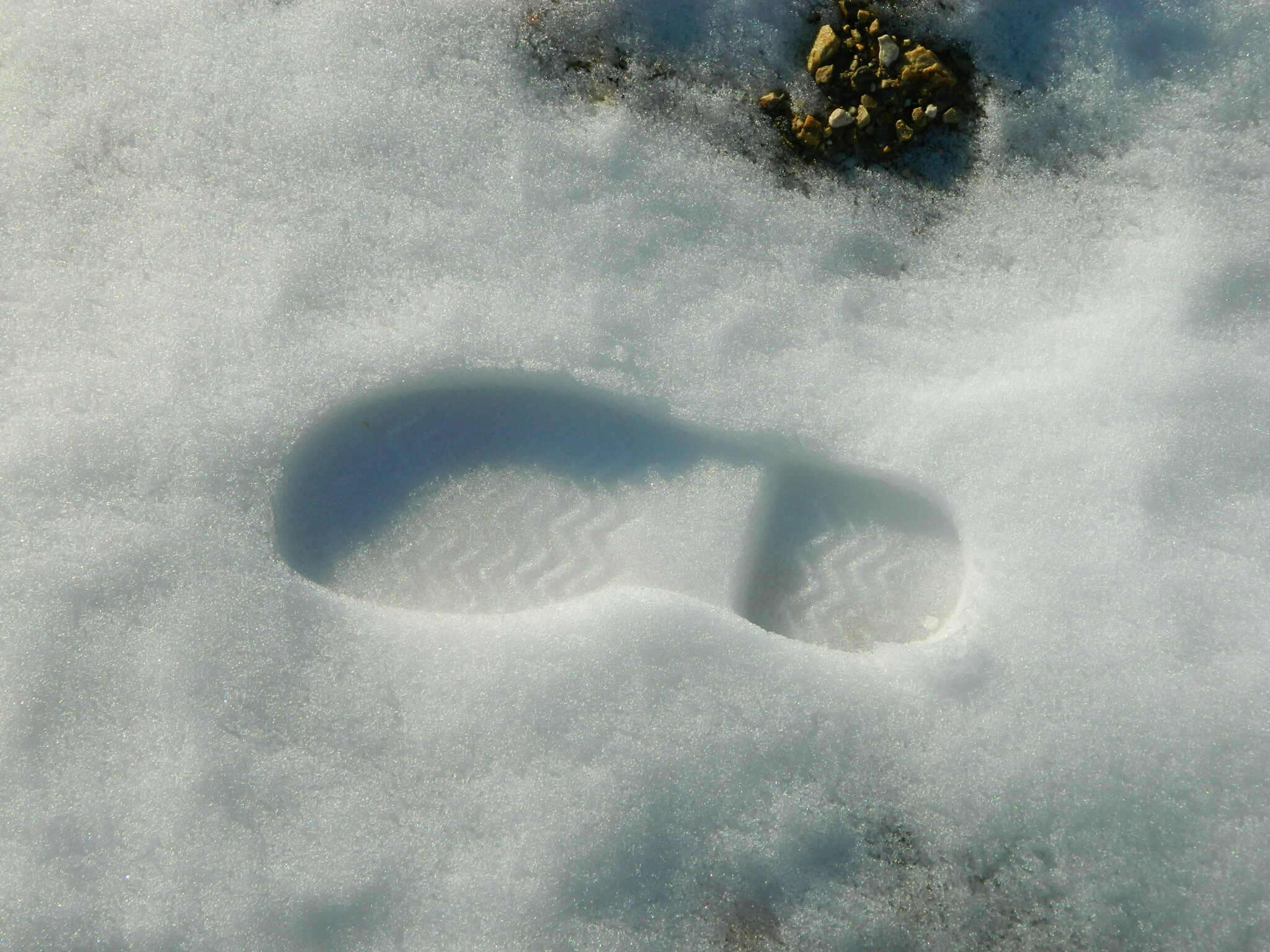
I noticed as I walked that the farther I penetrated the city, the deeper the snow got. I stopped along the side to mark my territory with a footprint – gotta love the feeling of untouched snow crunching underfoot.
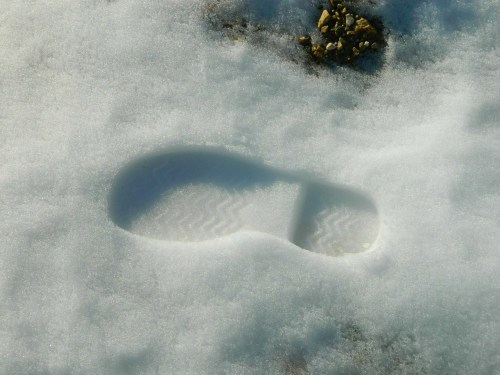
Brill boot footprint

Brill boot footprint

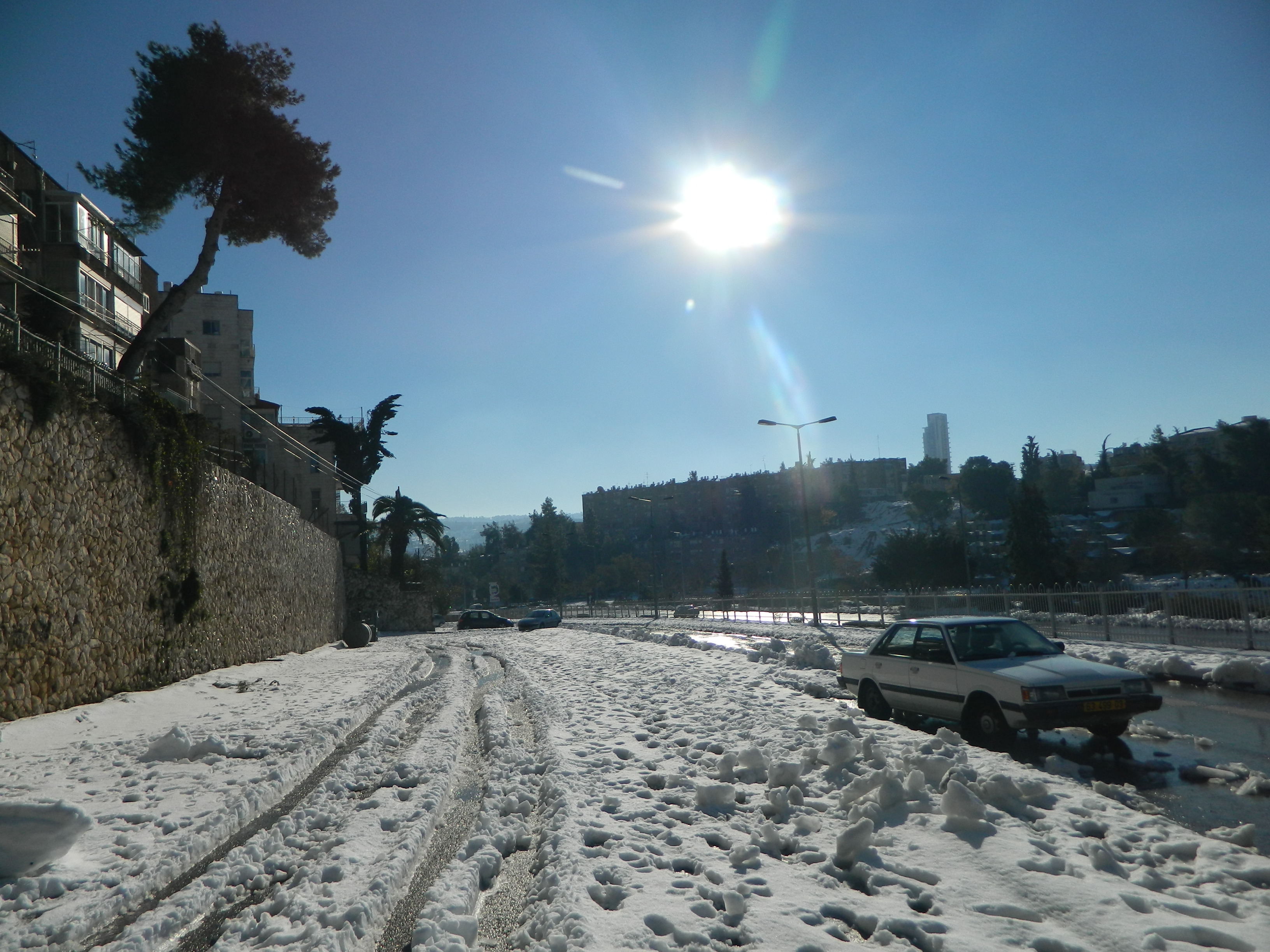
I entered into the residential areas, not seeing anything familiar save the big green signs pointing me in the direction of the Old City. At one point, slipping in the snow sliced apart by slushy tire tracks, I turned around and took some pictures.

Snow in the residential areas

Snow in the residential areas

As I walked I passed by people playing in the snow. Whether children lobbing hunks of snow at one another, or rebellious youth carefully sculpting a snowman, the snow brought smiles to so many faces.
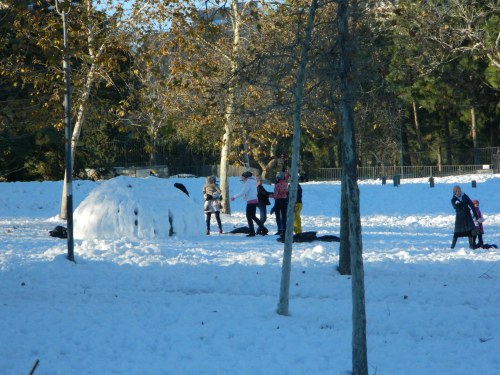
Playing in Independence Park

Playing in Independence Park

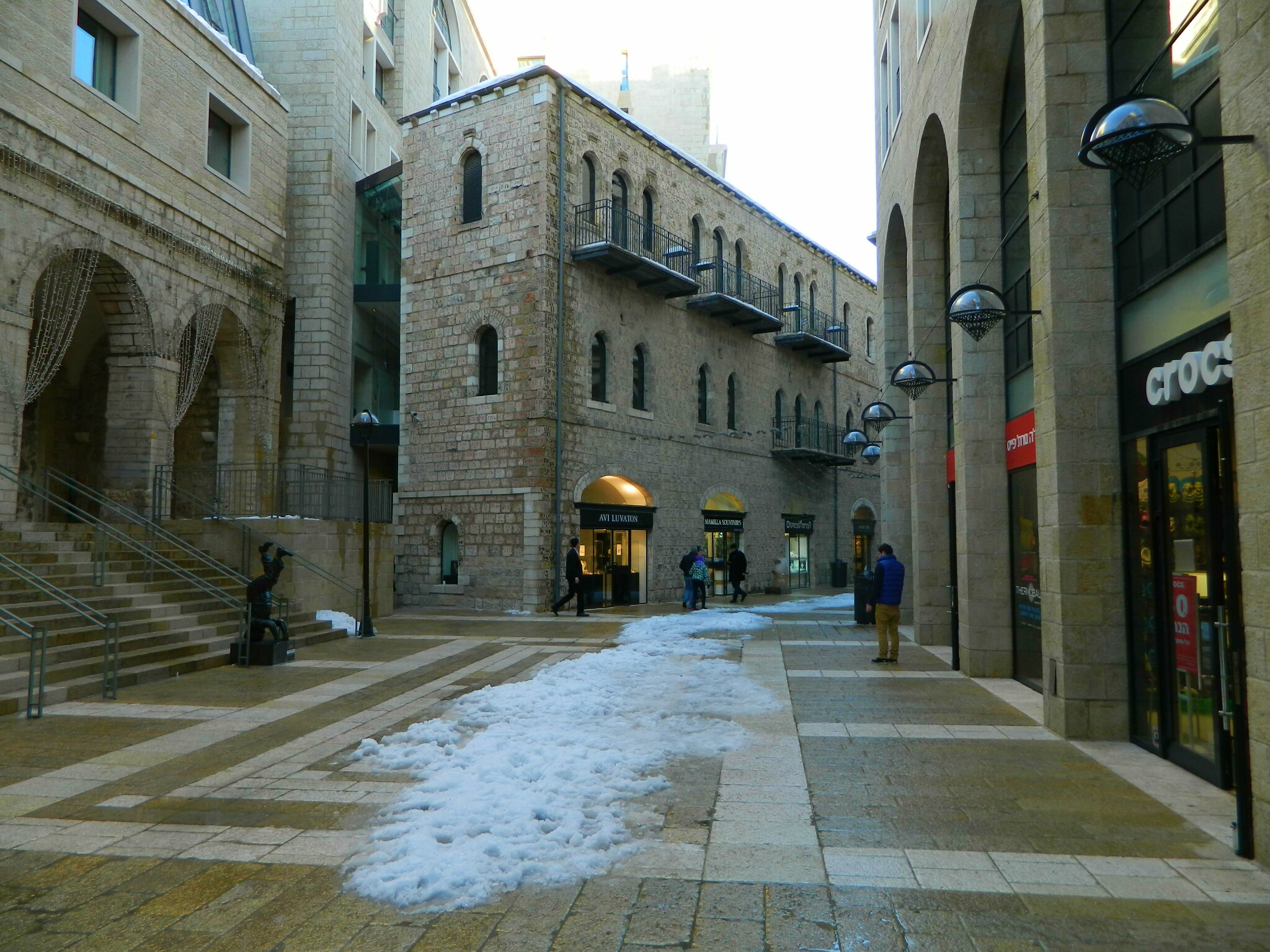
I got stopped by a US Consul guard who informed me that I wasn’t allowed to take pictures of their vehicles, their guard booths or their building. I explained to the cautious man that I was an American so it should be fine. We had a laugh and I found out he was stationed in the sister-base of mine down south, although in Givati (Infantry) Special Forces. With that I smiled, wished him a joyous guard shift and continued down the road to the Old City. Before long, I entered Mamilla Mall – from there it already feels like the Old City.

Mamilla Mall with some snow

Mamilla Mall with some snow

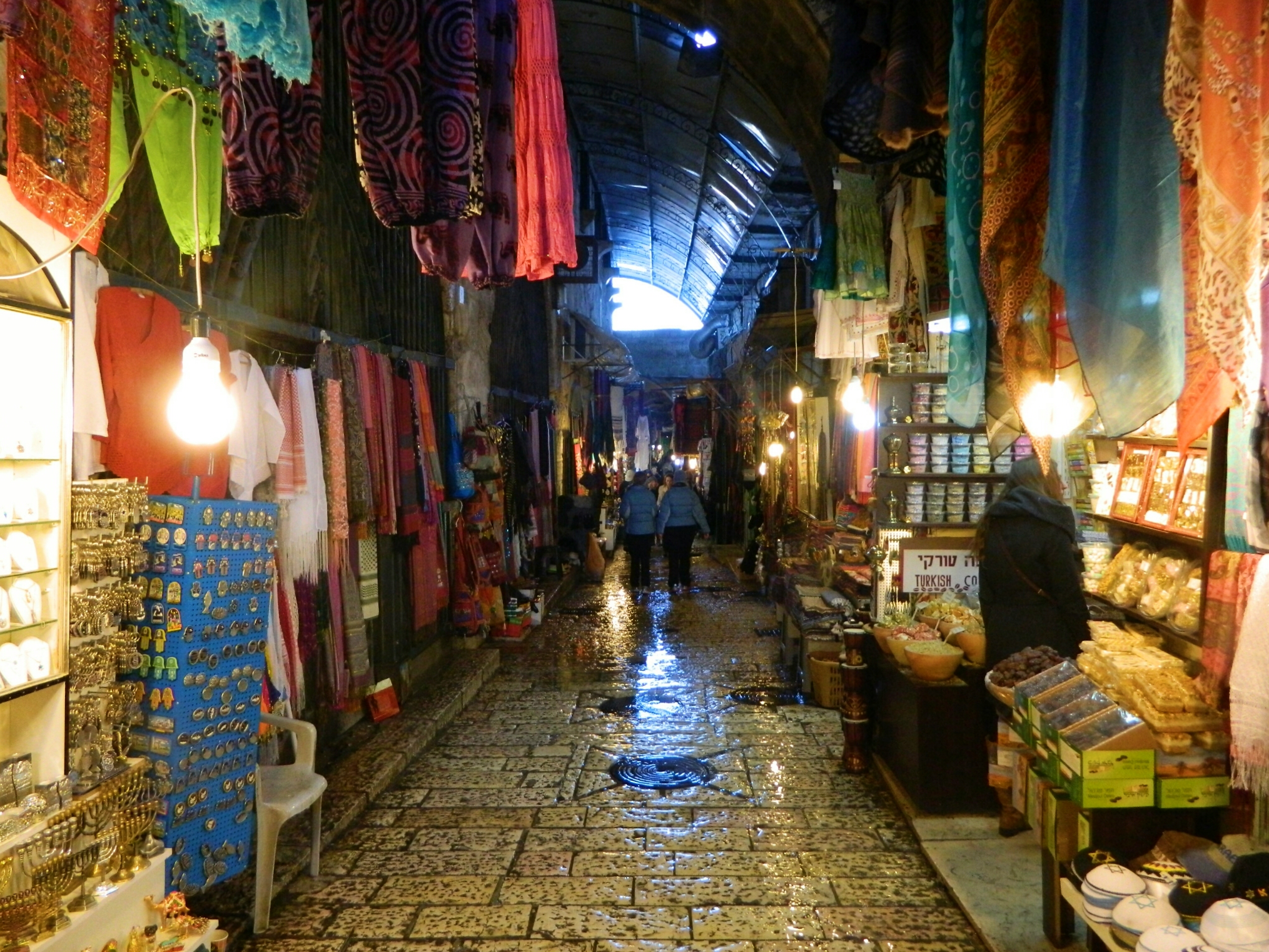
After slipping too many times to count in the snow/slush/ice I had a very close call in Mamilla, in front of a lot of people. Thankfully, I did not capsise and continued on to Jaffa Gate with honour intact. I entered the Old City and began the maze that leads to the Kotel (Western Wall). As I walked over the slippery wet stone floor  in the narrow alleys and corridors, I realised how nice the endless Arab shuk (or shall I say, souk) looked with everything all gleaming from the melted snow – here’s what I saw:

Glistening Arab shuk

Glistening Arab shuk

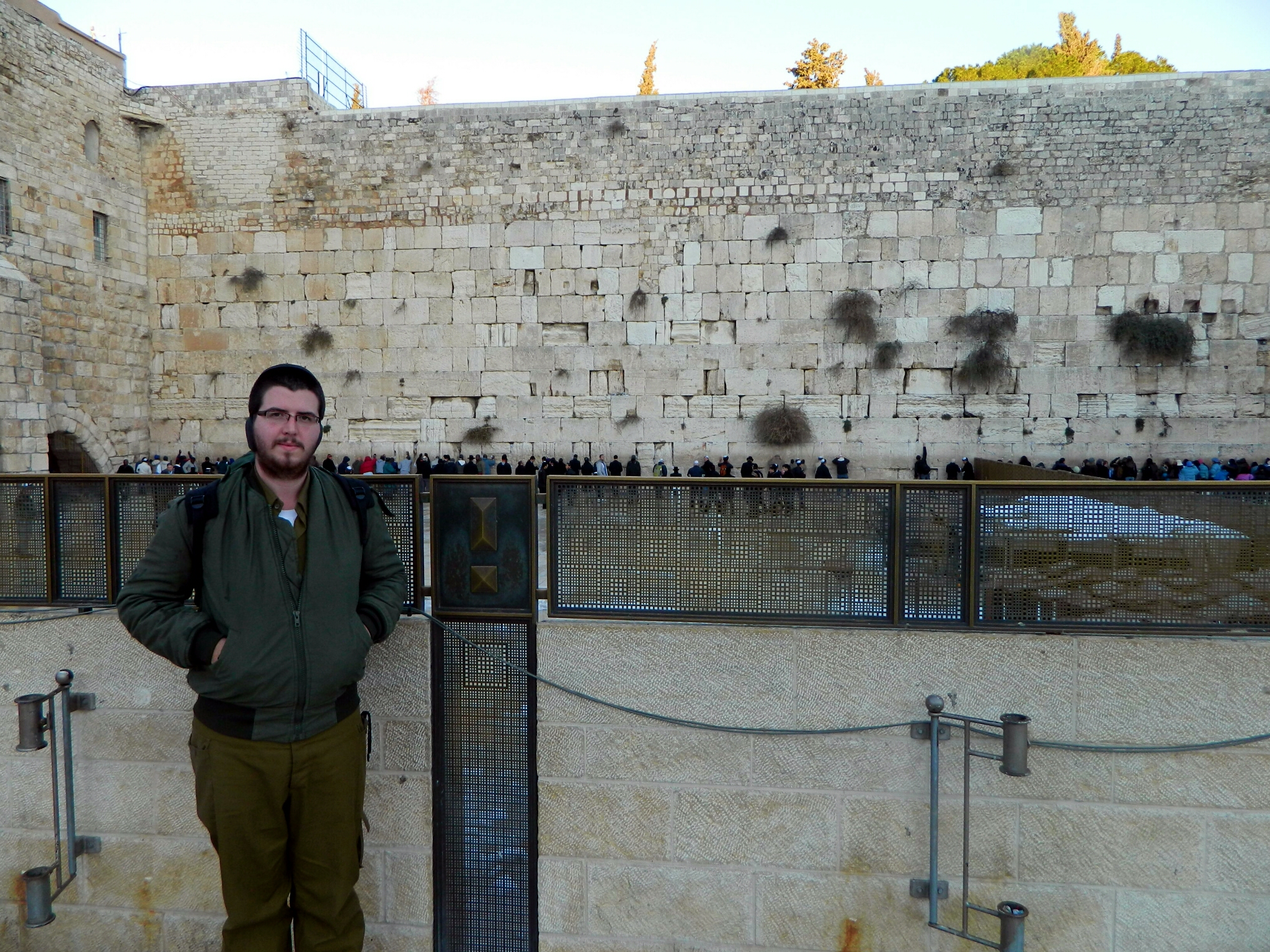
At last, after over seven kilometres (approx. four miles) of somewhat laborious walking, I reached the Kotel. There I relaxed, prayed and had some European guy take my picture. I was hoping to be able to see some snow in the photo but the local workers washed it all away with huge hoses (leading to another problem: ice).
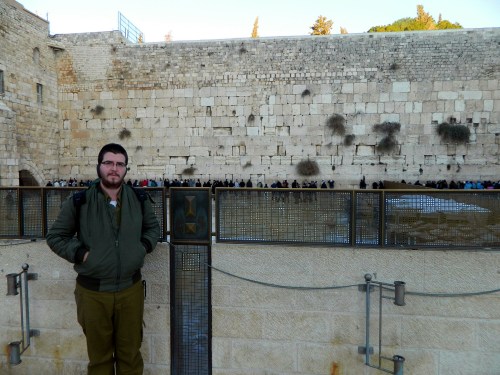
Cold at the Kotel

Cold at the Kotel

Choosing this time to walk through the Jewish Quarter, I climbed up the stairs past groups of bundled-up tourists and stopped on a particularly icy landing to take this photo of the moon coming up over the mosque dome and minaret:

Moon over mosque

Moon over mosque

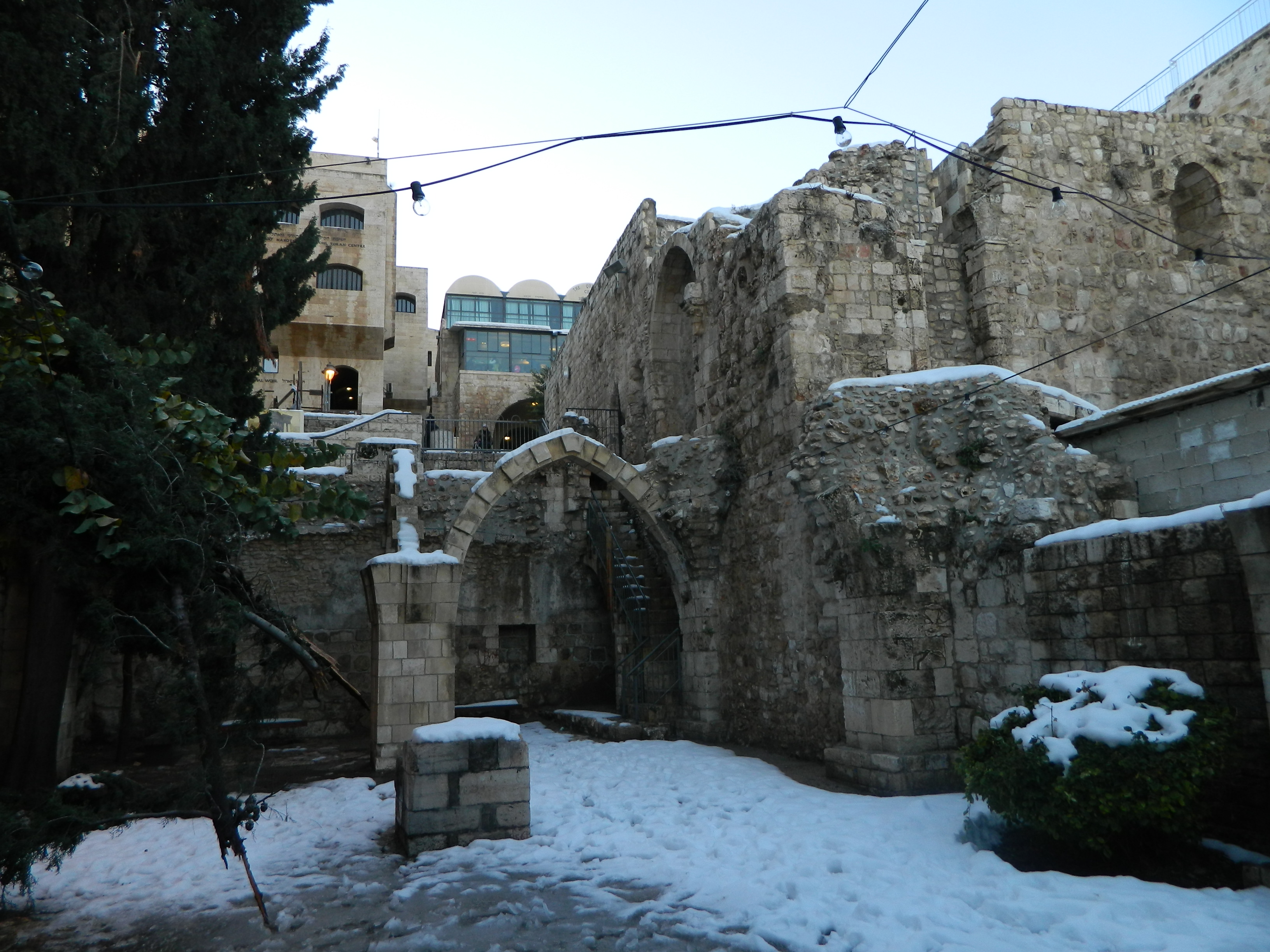
Moments later, I came upon something I was hoping I’d see, a chunk of old Jerusalem ruin covered with snow. The angles offered to shoot the arches weren’t promising but I tried to capture the setting the best I can:

Snow-covered ruins in the Old City

Snow-covered ruins in the Old City

I stopped for a bite to eat as the sun went down and then continued on through the Jewish Quarter, walking down the narrow corridors to the Jaffa Gate (I still don’t really know my way around the Old City and that usually results in me blindly following people as they turn corners here and there all willy-nilly).
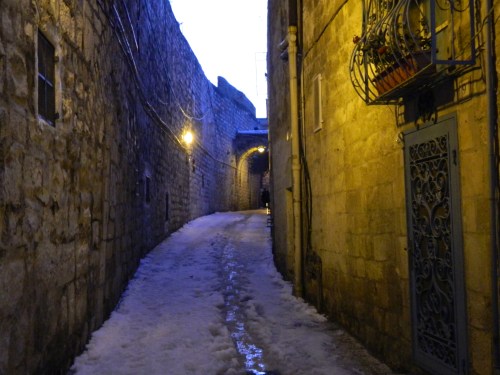
Narrow corridors at dusk

Narrow corridors at dusk

Once I’d exited the Jaffa Gate I seized the opportunity to photograph the last moments of light standing over the traffic on the bridge that connects Mamilla to the Old City.
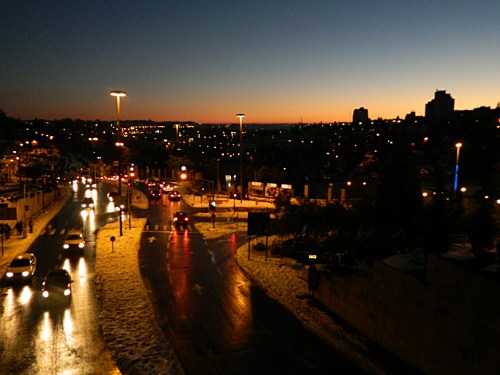
Traffic and snow in the last minutes of light

Traffic and snow in the last minutes of light

I then turned northwest and headed up Jaffa street, following the tracks of the light rail – closed down due to the weather. It was a cool feeling strolling with all walks of life down the partially cleared street; there was a quiet in the air and little clouds kept coming out from each and every face.

Jaffa Street and an idling light rail train

Jaffa Street and an idling light rail train

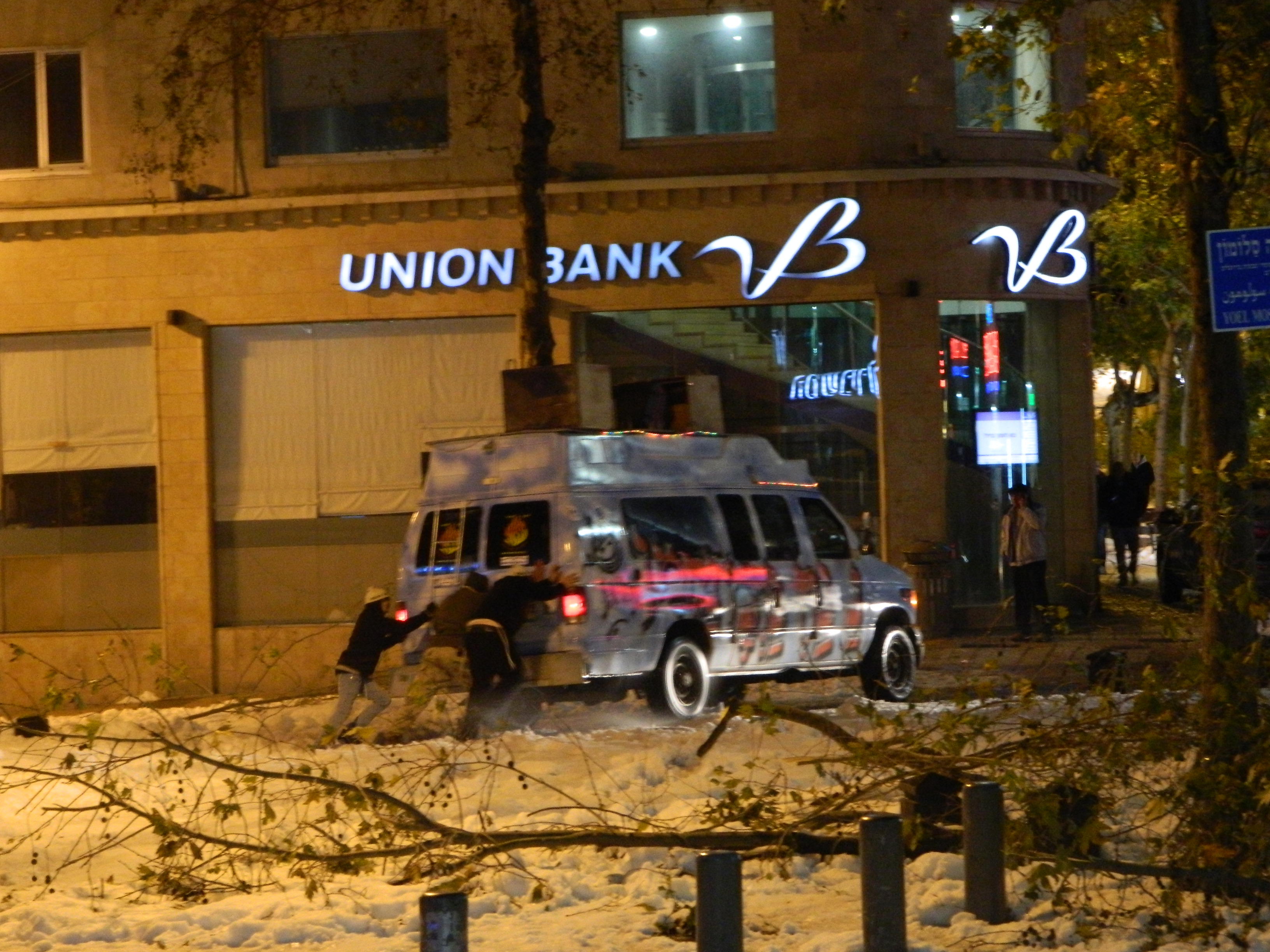
At one spot I noticed a commotion going on at the side. A Breslov “Na Nach” van had gotten stuck in the snow (or something) and they had to push it free – if only they would have worked to music, like they always play.

Breslov ''Na Nachs'' having car trouble

Breslov ”Na Nachs” having car trouble

After walking some four kilometres (2.5 miles) from the Kotel to the Central Bus Station, I reached the third floor where the 480 bus to Tel Aviv departs from, to hear an announcement that due to the weather and police advice all intercity buses have been canceled. That left me with just the train, which is in the far southwest corner of the city. With no energy to walk that, especially after already walking eleven kilometres (seven miles) that day in Jerusalem alone, I kinda lingered around waiting for a local bus that headed that way. Cold and tired I waited… and waited. At last I found a bus that eventually reached near the train station. I hopped aboard, found a seat and had an interesting conversation with some local youth. An hour later I was in the train station and 8.5 hours after my return trip began I was home. What a trip!
Avdat

In Israel, Negev on December 15, 2013 at 4:41 AM

After visiting Sde Boker and Midreshet Ben Gurion, the home and burial place of Israel’s first Prime Minister David Ben Gurion, I drove a few kilometres south to Avdat, a national park preserving an ancient mountain-top city. I had once passed this extraordinary ruins, seeing it from the road, and now I had the time and opportunity to explore it.

The mountaintop city from the road

The mountaintop city from the road

Using my handy “year park pass” I gained entrance and watched an interesting video about the site and about the Incense Route, an ancient trade route extending from the southern Arabian Peninsula (Yemen and Oman on our maps) and ending in Gaza, a port city on the Mediterranean Sea.

The Incense Route

The Incense Route

The Nabateans, a nomadic people which expanded into a powerful kingdom, ruled the area of the Incense Route some 2,200 years ago. As they became more and more organised they built fortresses and waystations for the convoys making the journey from the Arabian Peninsula to the Mediterranean Sea. After Petra, the famous tourist destination in Jordan (also the filming location of key parts in Indiana Jones and the Last Crusade), Avdat was one of the most important stop along the Incense Route – station #62. As such, the city was further expanded and built up by the Romans and Byzantines after the Nabateans were annexed by the Roman Empire, polytheism turning to Christianity.

Bathhouse ceiling

Bathhouse ceiling

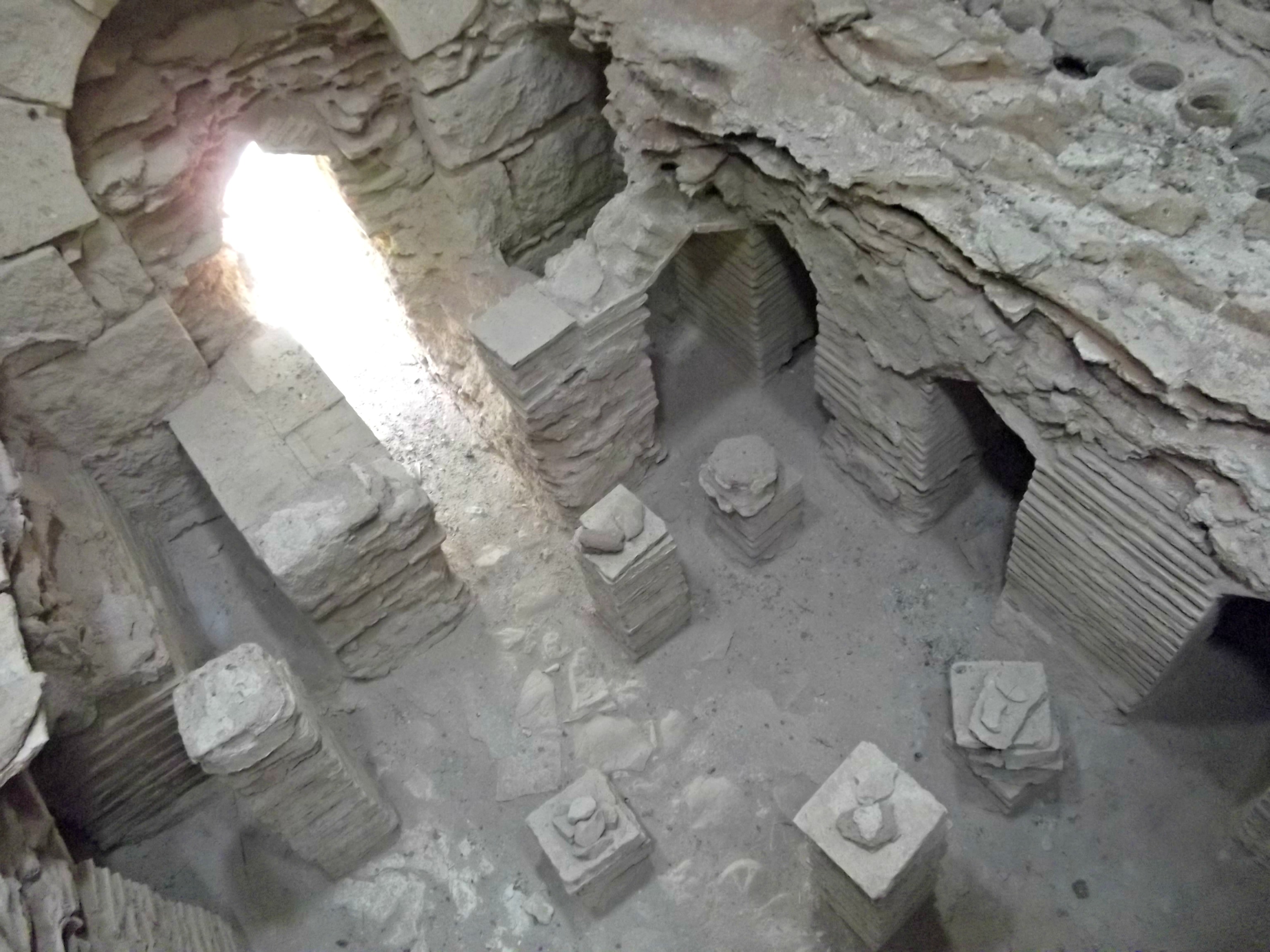
With nothing but my gun swinging at my side, I started my journey at the Byzantine bathhouse. There I found an nearly fully intact structure with a great domed ceiling (above) and these reconstructed tile pillars arranged on the depressed floor:

The floor of the bathhouse

The floor of the bathhouse

Next I trekked up the mountain to the base of the ancient Nabatean city, which was believed to have been called Ovdat or Obodat named after the Nabatean king Obodas II. Half-way up I came across the first tier of ruins, a Byzantine house likely belonging to a middle-class citizen, perhaps a wine merchant.

Byzantine house

Byzantine house

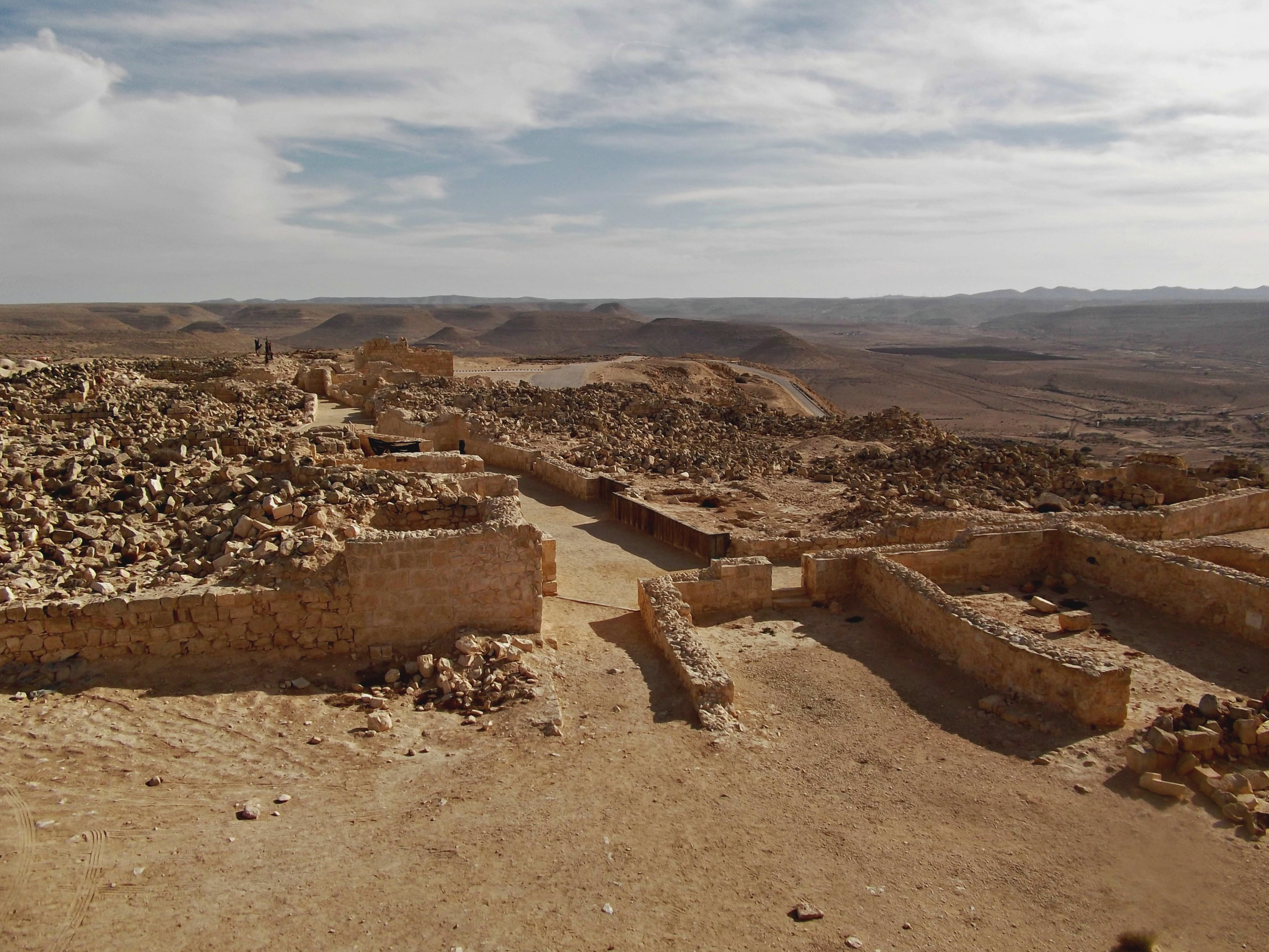
After winding in and out of the ruins, passing through and around little caves in the bedrock, I climbed further upwards and made my way through some more Byzantine ruins up to a Nabatean temple, the pillared edge of the acropolis. Here is looking down at the aforementioned Byzantine ruins, the desert and Road 40 down below:

Looking down at the ruins

Looking down at the ruins

The main expanse, a developed plateau comprised of numerous houses of worship and more, starts with the Nabatean temple on the western edge and continues eastward to the two Byzantine churches (St. Theodoros’ Church and the “northern church”). Here are the pillared ruins of the “northern church” and then the pillars of the Nabatean temple in the background:

The ''northern church'' and the Nabatean temple behind

The ”northern church” and the Nabatean temple behind

As I passed through, crossing over from Byzantine to Nabatean and Roman, I became well-aware of the midday desert sun beating down on me. I walked in the shade of the great walls and entered the city fortress. A large open plot (just under 30,000 sq. feet), the inhabitants during the Byzantine era used the fortress for numerous purposes – a prayer chapel was even constructed on the north side. In the centre of the fortress is a cistern, fed by runoff channeled through the floor, and outside a little ways northeast is an large army camp (110,000 sq. feet). Here is the fortress and the temples/churches complex beyond the wall, as seen from the guard tower:

The city fortress

The city fortress

Having finished exploring the northern complex I moved on over to the southern complex, partially seen here:

The Byzantine Quarter

The Byzantine Quarter

I walked through the Byzantine Quarter, a residential area first built during the Roman period. Mostly fallen ruins, the neighbourhood was basically destroyed in an earthquake sometime around 630 CE. I climbed the Roman Tower, complete with Greek inscriptions, and then, after a quick drink from a faucet, headed for the Roman Villa. Seeing the acropolis from the south, I took this photo:

Avdat acropolis

Avdat acropolis

After the Roman Villa I entered the Roman burial cave, dug into the bedrock and containing more than twenty burial niches. Here is the entrance, with depictions of the sun, moon and an altar on the lintel (and a glimpse of the burial niches inside):

Roman burial cave

Roman burial cave

After leaving the cave I walked the rest of the way down the mountain and headed back for my truck. Next stop, Mitzpe Ramon!
Ben Gurion: Life and Death

In Israel, Negev on December 3, 2013 at 8:59 AM

Last week I spent a few days in the desert down south, driving my army truck around and going on adventures in my spare time. One day I was fortunate enough to have many, many hours of spare time and visited numerous interesting sites, among them two national parks. The first stop was Sde Boker, the little Negev kibbutz where David Ben Gurion – Israel’s first Prime Minister – staked his claim and settled down.

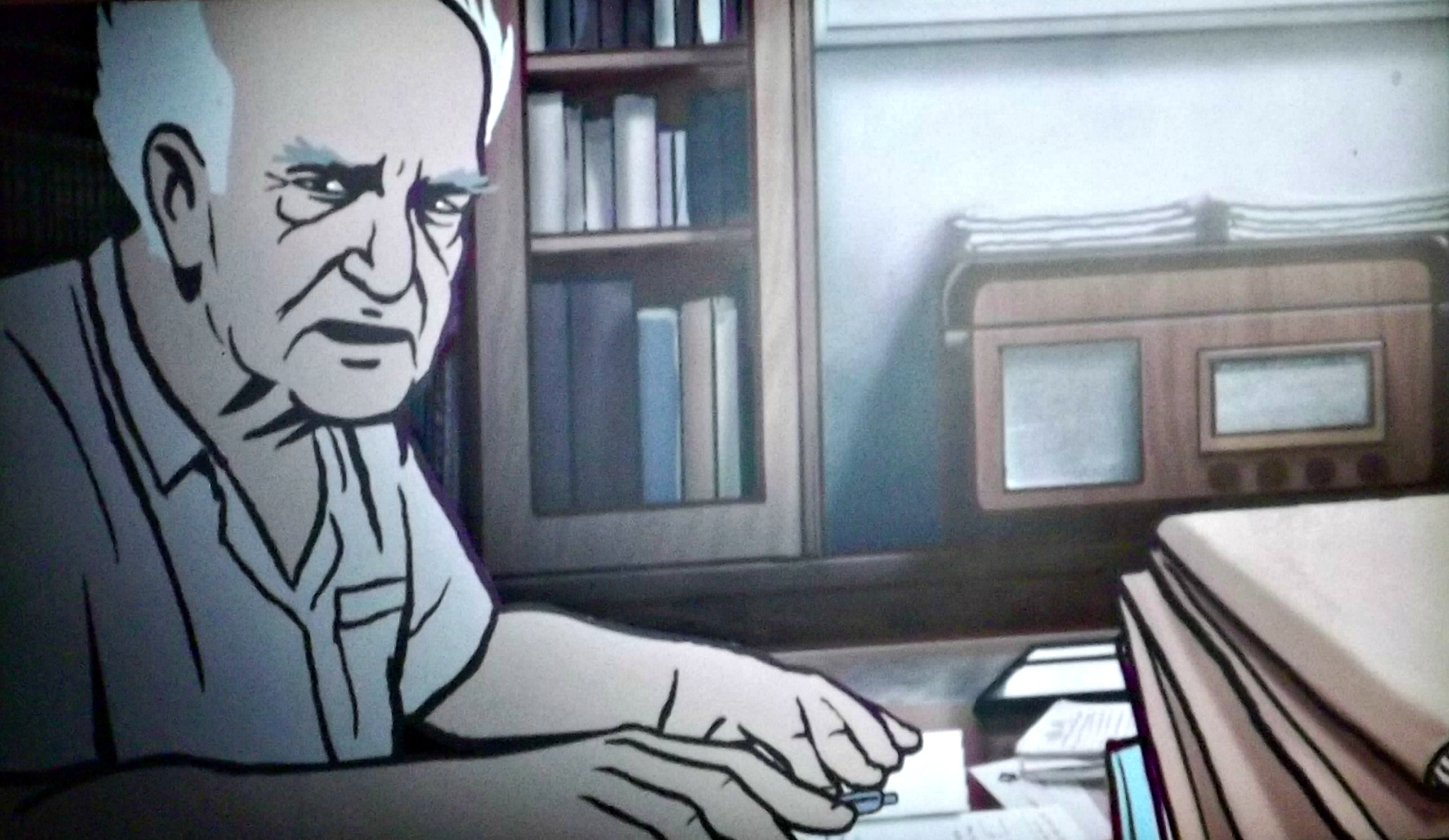
Animated David Ben Gurion

Animated David Ben Gurion

I parked outside the kibbutz and walked over to the historical site, Ben Gurion’s little house. Within the property, belonging to the kibbutz, I found a winery store and then various huts leading up to the front office. In two of these huts I found screens, and attempted to watch the animated film depicting David Ben Gurion’s life but, alas! the computer shut down mid-screening and so I temporarily abandoned the video presentations. Composed of superb animation, which reminded me of the “The Adventures of Tintin” TV show, and a richly accented English voice, I really enjoyed the video (screenshot above).
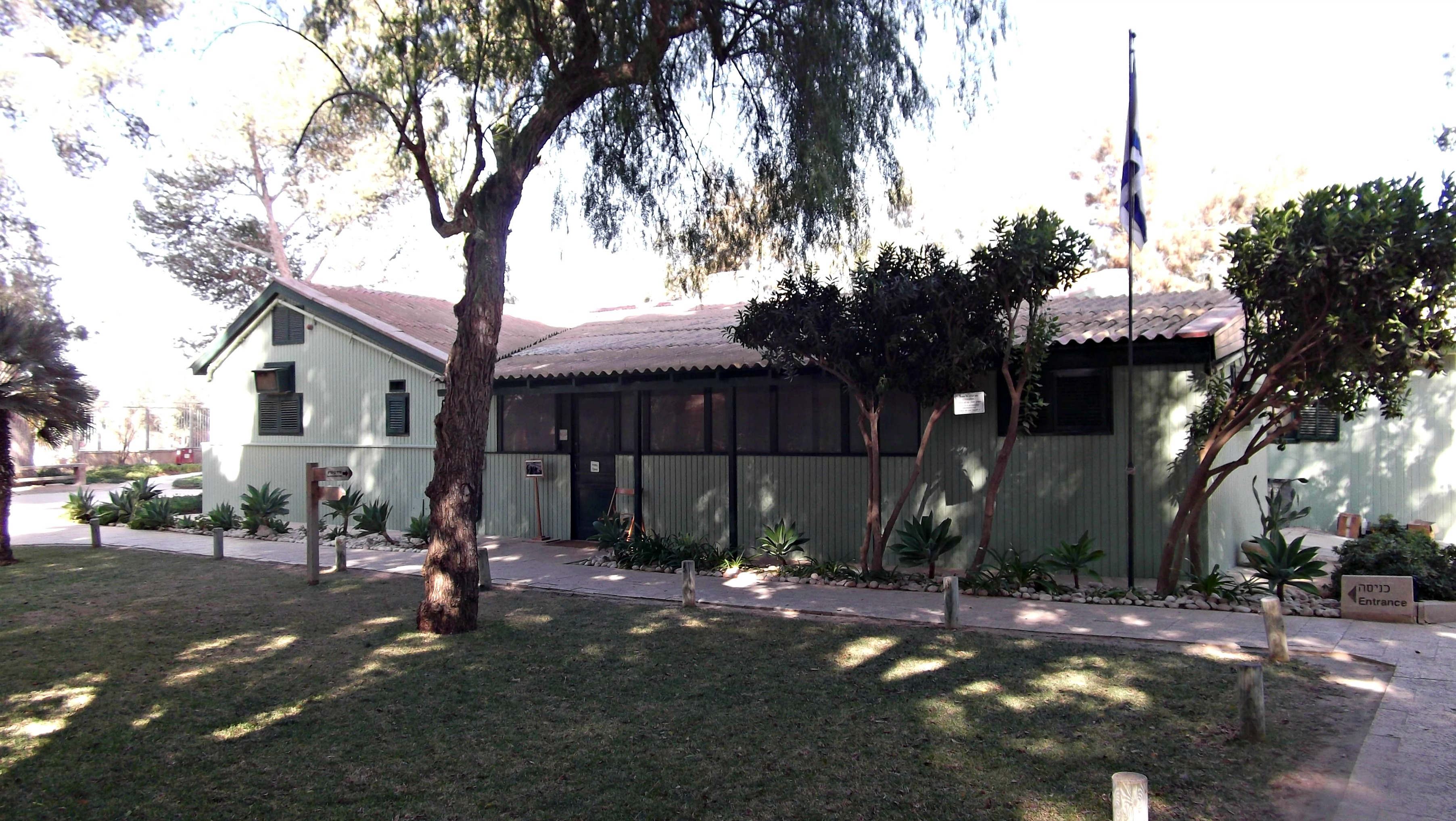
The Ben Gurion residence

The Ben Gurion residence

A brief synopsis on a pretty influential life, David Ben Gurion (originally David Grün) – often referred to as the “founding father of Israel” – was born in Poland (Czarist Russia) in 1886 and immigrated to the Holy Land in 1906 where he began working on settlements. By 1915 Ben Gurion was expelled by the reigning Ottoman Empire and made his way to the United States, there further aligning himself with Zionism. In 1918 he enlisted in the British Army’s Jewish Legion and returned to the Holy Land. In 1935 he was elected Chairman of the Jewish Agency and on May 14, 1948 announced the establishment of the State of Israel. Becoming the fledgling country’s first Prime Minister, Ben Gurion switched between politics and living quietly on Kibbutz Sde Boker, in the above house.

David Ben Gurion and quote

David Ben Gurion and quote

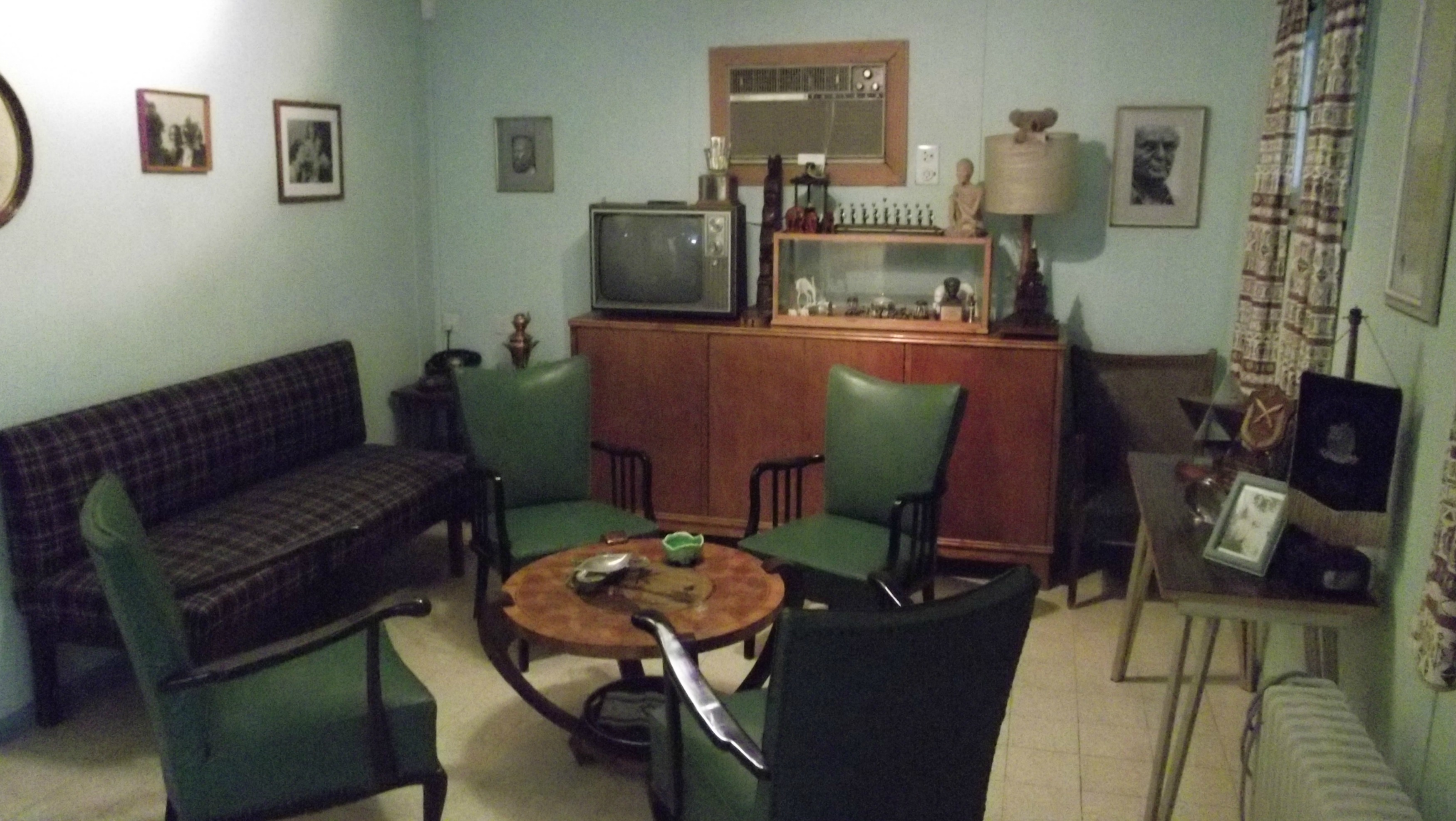
I entered the little green wooden house – left exactly as it was back then – and looked around, starting with the living room. An informational plaque on the wall explained the identity, and sometimes origin, of the various items and knick-knacks placed throughout the little room. I felt like I was in an Israeli version of Greenfield Village.

The Ben Gurion living room

The Ben Gurion living room

After inspecting the living room, bedrooms, library, kitchen, bathroom and outside yard of the Ben Gurion residence I met up with a docent, likely a member of the kibbutz. He insisted on returning my entrance fee, seeing that I came alone and I behaved myself so nicely. Despite my persistent refusal he managed to slip the coins into my pocket and so I gave up and then asked him for advice. Being a local, this man instructed me on where to go next – Ben Gurion’s burial place at Midreshet Ben Gurion. His instructions were good and sound, and I slipped my truck into a great parking spot at the national park’s entrance:

Parked truck

Parked truck

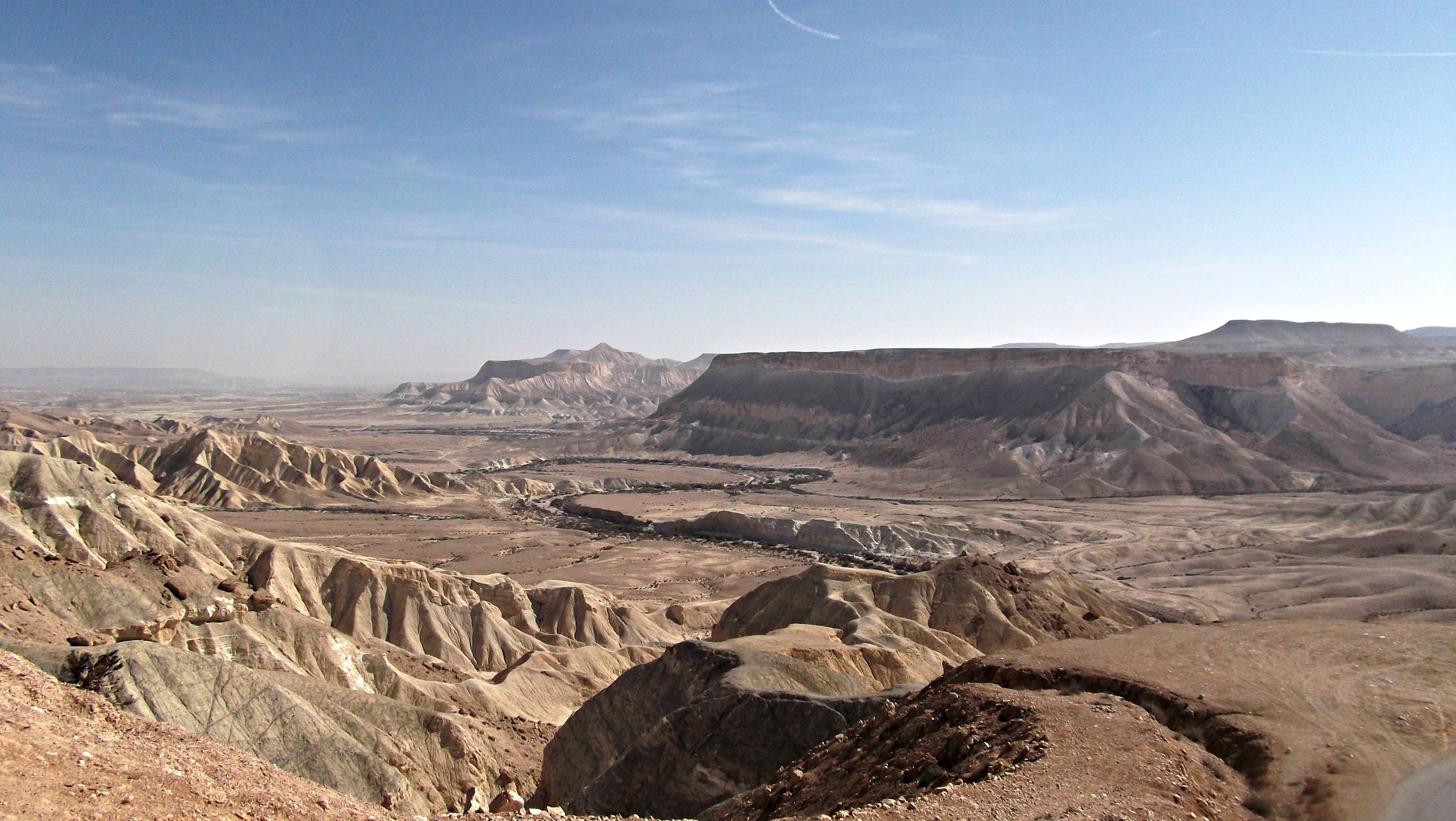
I walked through the well-designed park path and made my way to the burial spot, where my guide back in Sde Boker told me that I would see one of the best views in the Negev. Entering the plaza, I did see an incredible view – one that could easily pass for an alien planet:

View from the plaza

View from the plaza

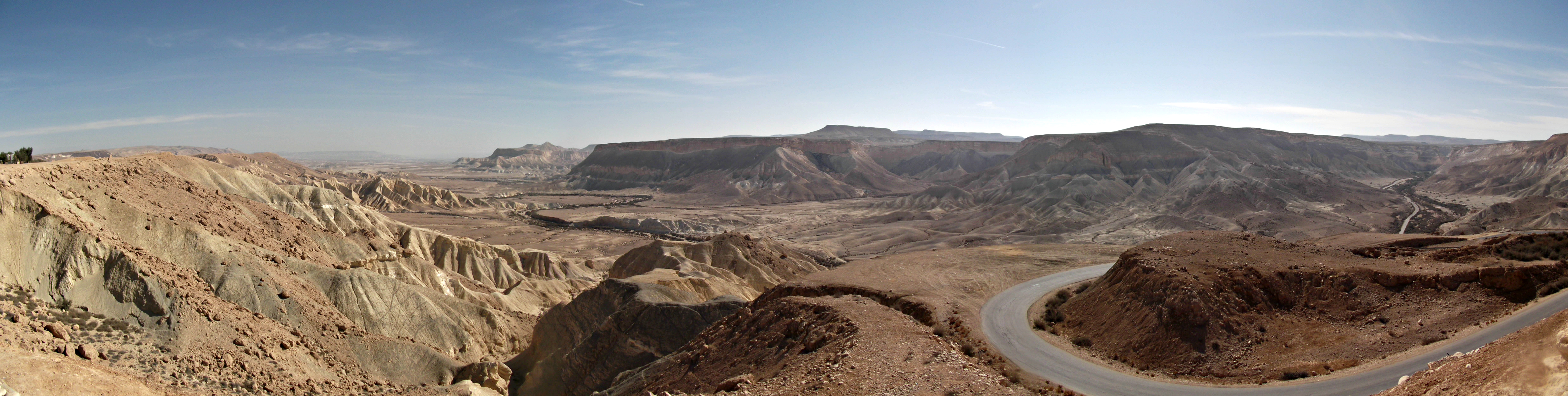
And here is a panoramic which includes a wider shot of the intense desert view and the windy road heading down to Ein Avdat, another national park:

Panoramic view

Panoramic view

I stood and photographed for a while and then began to look around. I noticed that an army unit was getting an official tour and asked them which unit they were. The answer: “Oketz“, the IDF elite canine unit. Cool. Next. two IAF fighter jets did a screaming flyby, passing not too far over our heads and definitely capturing our attention. On their return trip, heading back to the wilderness, I tried capturing them on camera but it came out blurred.

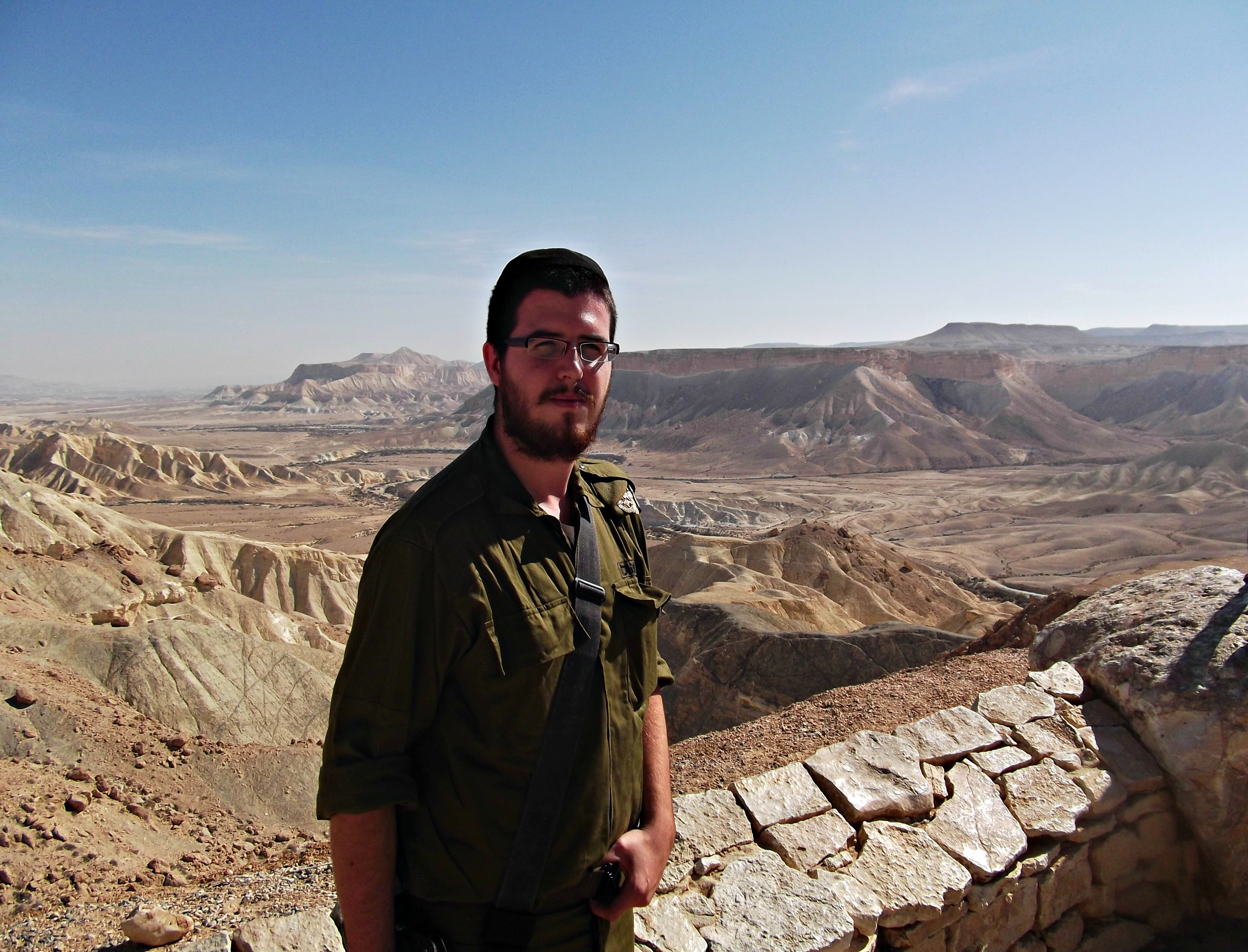
The casual tourist

The casual tourist

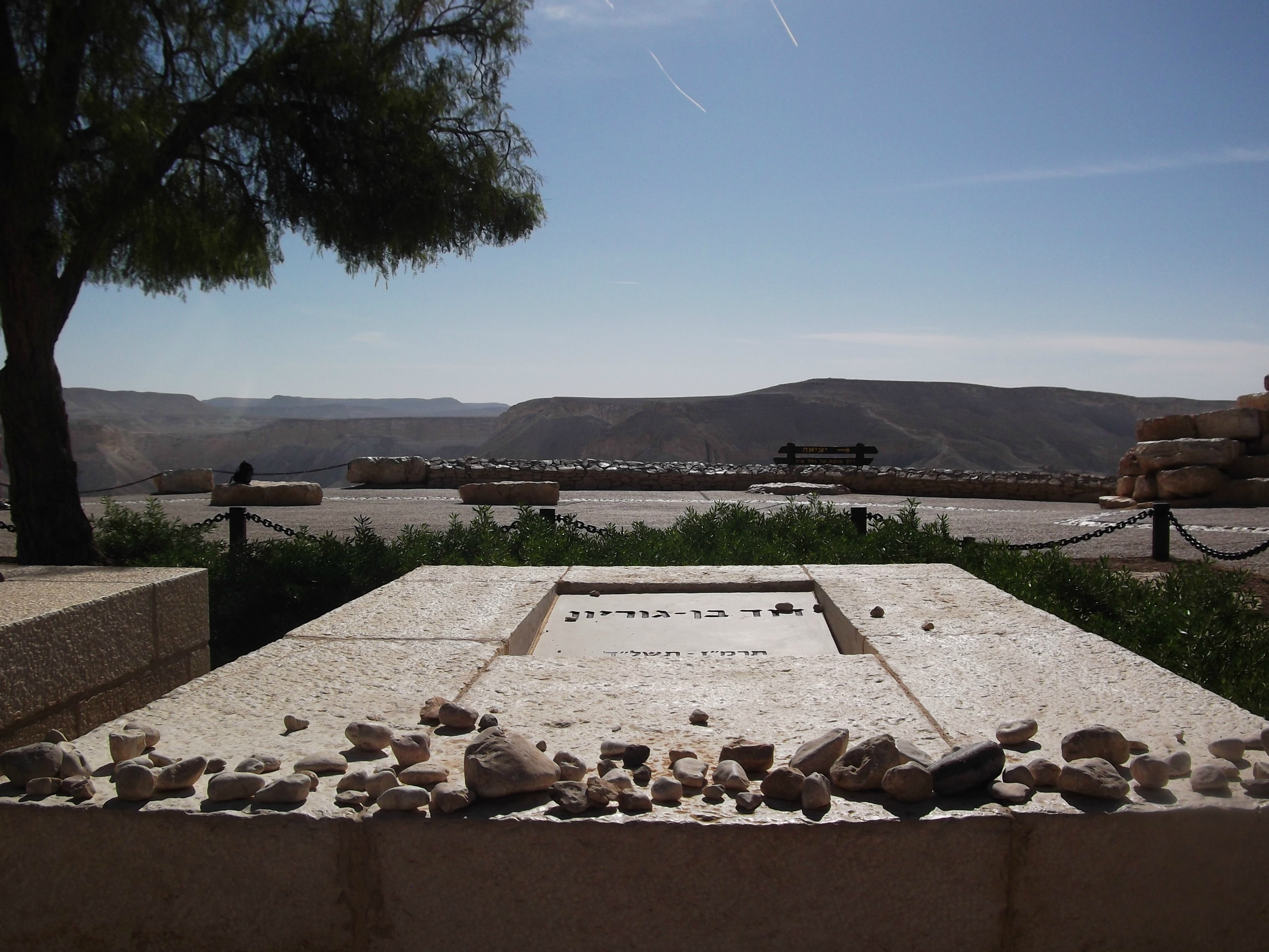
David Ben Gurion died in 1973, immediately after the Yom Kippur War, and was buried with minimal fanfare and no eulogies (as requested). Here is David Ben Gurion’s gravestone, looking out over the Negev which he so loved, resting alongside his wife who passed away back in 1968:

David Ben Gurion's grave

David Ben Gurion’s grave

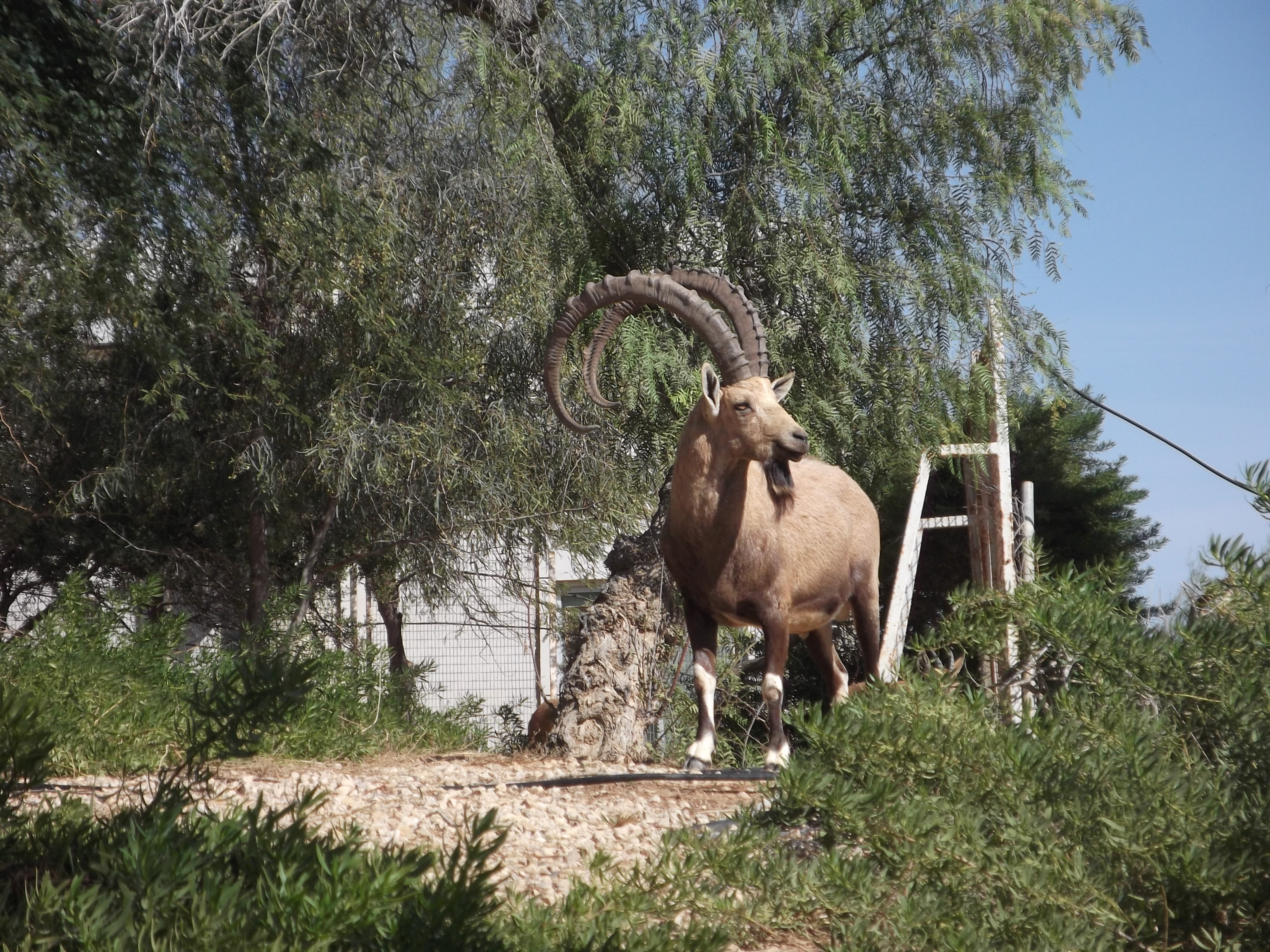
As I headed back down the pleasant stone and shrubbery walkway, lined with trees, I stopped and became aware of a presence. Glancing to my right I started, for I saw an ibex watching me. I’ve never come across an ibex in the “wild” and was a tad on the startled side. But then I came to my senses and began to use my camera, capturing the friendly beast for you to see – the Nubian ibex:

An ibex

An ibex

As I left the park, headed for my next destination – the national park Avdat – I took this photo of this pleasant green area, a break in the yellowish tan of the Negev desert:

Midreshet Ben Gurion

Midreshet Ben Gurion

Capernaum & Mount Arbel

In Galilee, Golan, Israel on November 24, 2013 at 4:29 AM

Over a week and a half ago I got a day off and decided to take a little excursion, one I had planned (but failed to execute) for my birthday a little while back. The idea was to circle the Kinneret (Sea of Galilee) and to stop wherever looked interesting. My sister and a friend joined me, and off we went on the adventure. We were off to a rocky start, unaccustomed to driving a manual and stalling a few times, but before we knew it we were at Capernaum, at the northern end of the Kinneret.

Ancient synagogue at Capernaum

Ancient synagogue at Capernaum

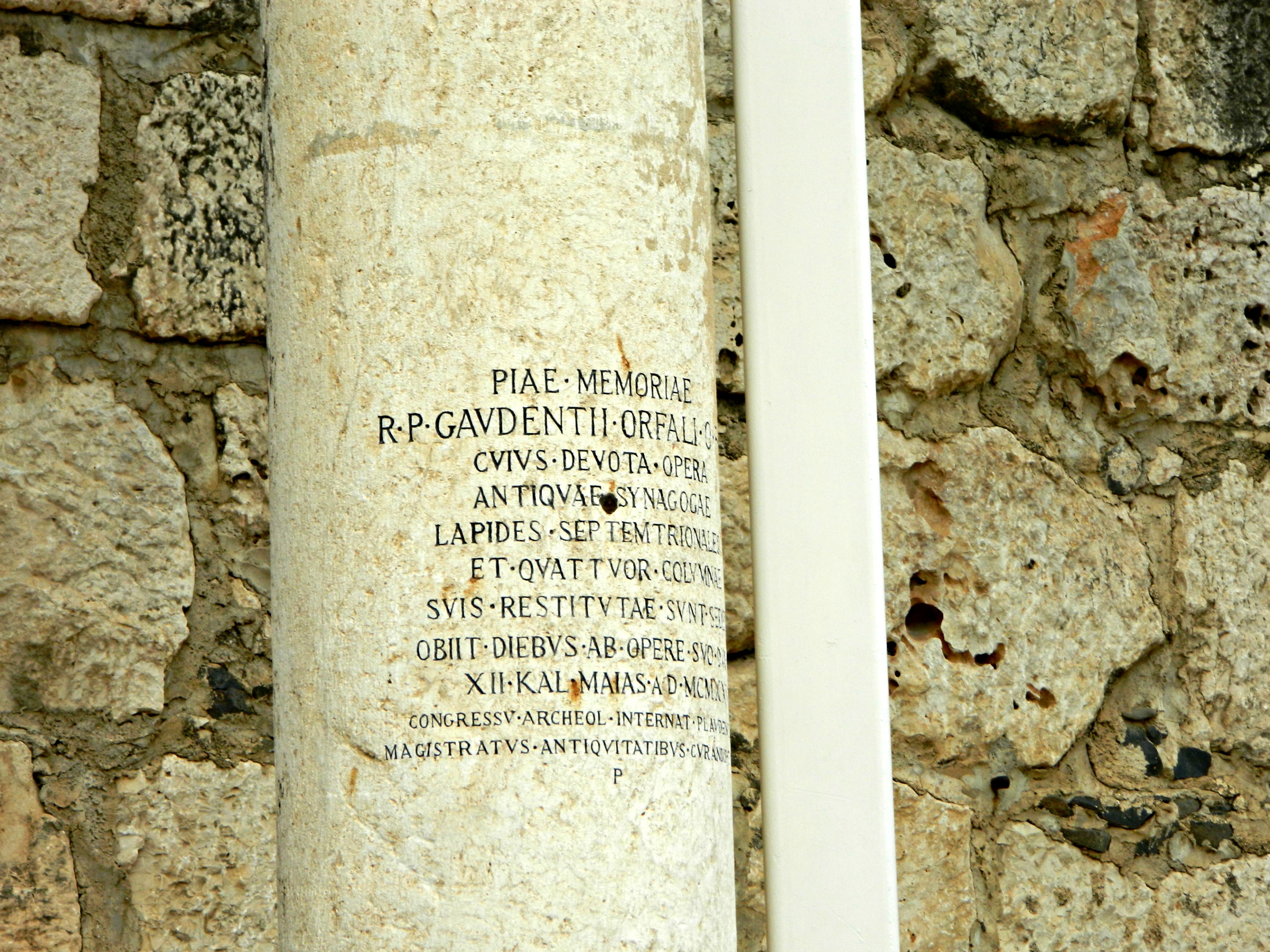
We parked and made our way through the throngs of people, mostly foreign pilgrims with a handful of priests and clergymen. Paying the nominal entrance fee we set out to explore what Capernaum is all about. As we’re not terribly interested in the Christian sites, we breezed through, taking a gander at the ruins of the Octagonal Church, the old Roman town built of basalt and at last, the ancient synagogue as seen above. Built from large white stone blocks, the synagogue dates back to the 4th or 5th century, believed to have been built upon the ruins of an older church – one believed to have been involved in the dawning of Christianity. Here is a stone pillar with a memorial dedication written in Greek (note how the spelled “internet” wrong towards the bottom):

Greek engraved into a pillar

Greek engraved into a pillar

Continuing on to the neighbouring sites, we watched a boatload of pilgrims set sail, figuratively, for a nice boat ride on the Kinneret. I’ve often wondered where to get a Kinneret boat ride, although I believe the general non-pilgrim rides originate somewhere in Teverya (Tiberias).

Pilgrims on a boat

Pilgrims on a boat

Between the little pier and the Capernaum site we found a eye-catching church, one that is quite visible from the road. Due to the overcast, the vibrancy isn’t quite what it is in person but here is the Church of the Seven Apostles, where we peered into the doorway and then headed back to the car.

Church of the Seven Apostles

Church of the Seven Apostles

With several false leads, and not wanting to spend too long in one particular place to keep good pace, we found ourselves on a straight stretch – the eastern bank of the Kinneret, in the Golan. With the clouds clearing up on the east, the soft mountains/hills on the left side of the road were quite the picture and so I did just so, capturing them for you today:

Rolling yellow mountains of the Golan

Rolling yellow mountains of the Golan

Then we spotted an outlook and pulled into the gravel for a look-around. We stood up on the edge of the hill, a marked minefield just before us, and photographed ourselves and the view. The dismal weather didn’t afford us any great views of the opposite bank, this is the best there was to offer:

The Kinneret from a Golan outlook

The Kinneret from a Golan outlook

Coming back around the bend, at the southern end of the Kinneret, we pulled into the shopping centre at Tzemach Junction and got schnitzel sandwiches. Sated and ready for more adventure, we got back into the car and passed Kibbutz Degania and then Yardenit. Entering Teverya I once again found myself getting lost, although last time with a laden truck was far more inconvenient. Activating the ever-handy Waze app, we directed ourselves through the congested and complicated city and onto Road 7717 heading for Mount Arbel.

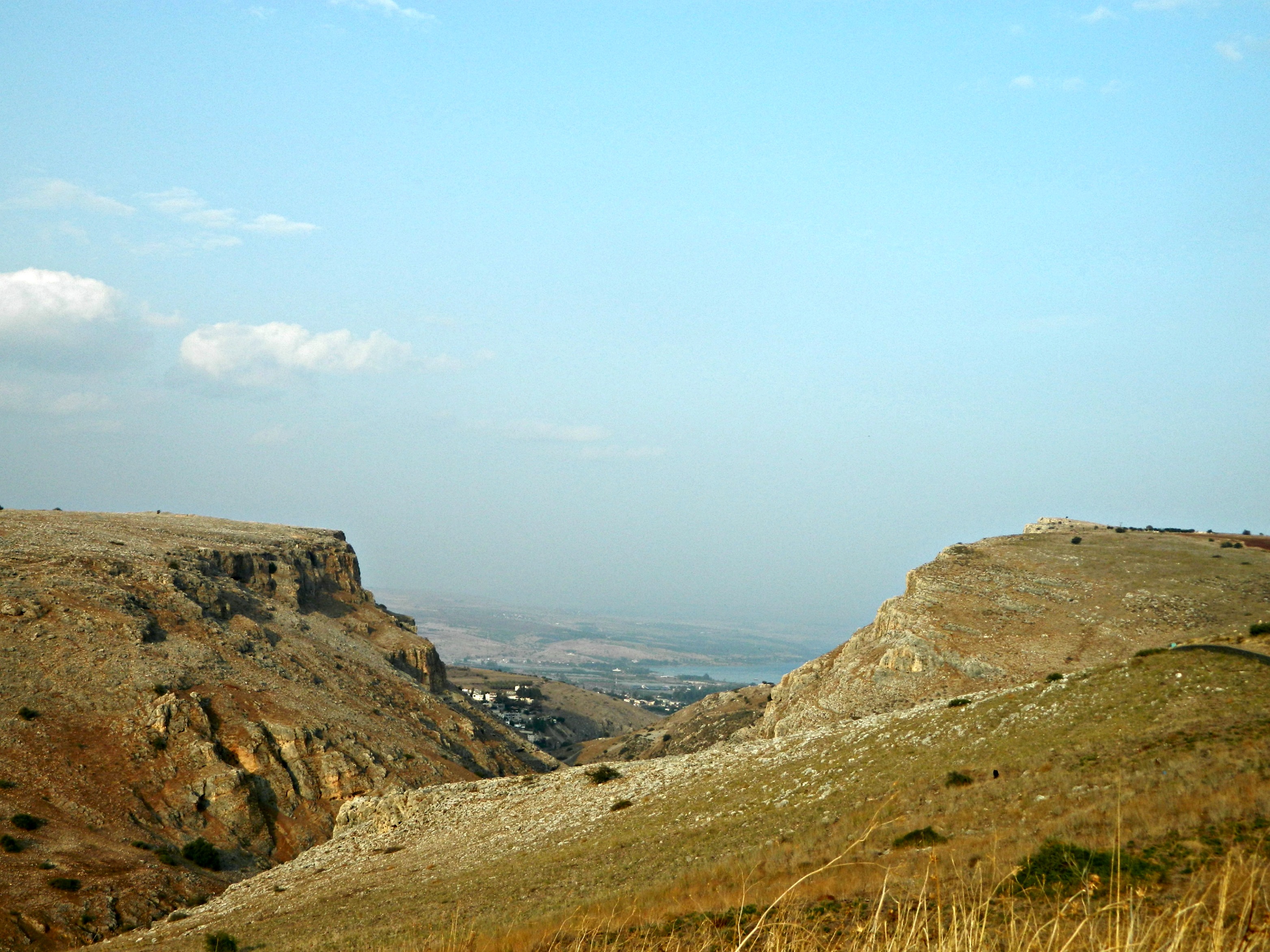
Sharp edge of Mount Arbel and the Kinneret down below

Sharp edge of Mount Arbel and the Kinneret down below

Driving up the mountains on the western side of the Kinneret I was surprised to suddenly see a sign that read “Sea Level” – it’s weird to think of the Kinneret so low in the grand scheme of things. As we looped up to Mount Arbel this is what greeted us, Mount Nitai on the left and Mount Arbel on the right.

Mount Nitai on the left and Mount Arbel on the right

Mount Nitai on the left and Mount Arbel on the right

We reached Mount Arbel and then I noticed it was a national reserve, and that they had closed at 3:00 PM, a mere half hour earlier. Ditching the car at the gate, we valiantly strode in and were stopped by a park worker. He uttered words like “no”, “closed”, “tomorrow” but we would hear none of it. We complained that we were Americans and that we couldn’t just come back at the whim of it, that we drove up the mountain to see the view from the peak. More words of negativity but at last, when we were about to give up, he made a compromise. He would allow us five (5) minutes at this lower observation point and then we had to skedaddle. We thanked him, big smiles beaming at him, and hustled off to the observation point. Craggy rocks loomed up out of nowhere and the cliff edge appeared.

The adjacent Mount Nitai

The adjacent Mount Nitai

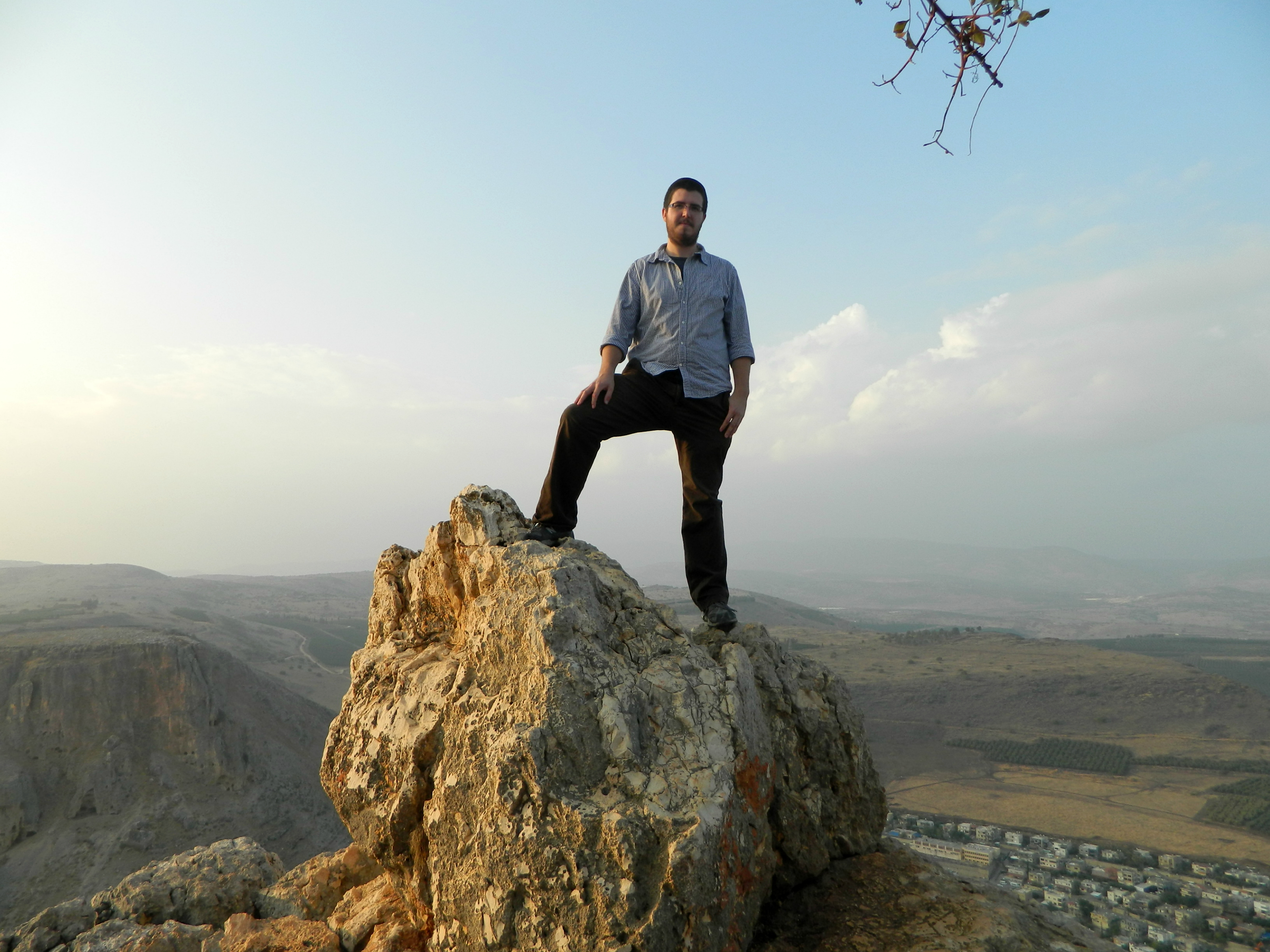
I climbed up on some big precipices and had my sister take my photo. Here is one of them, of which I am rather pleased with:

Standing tall

Standing tall

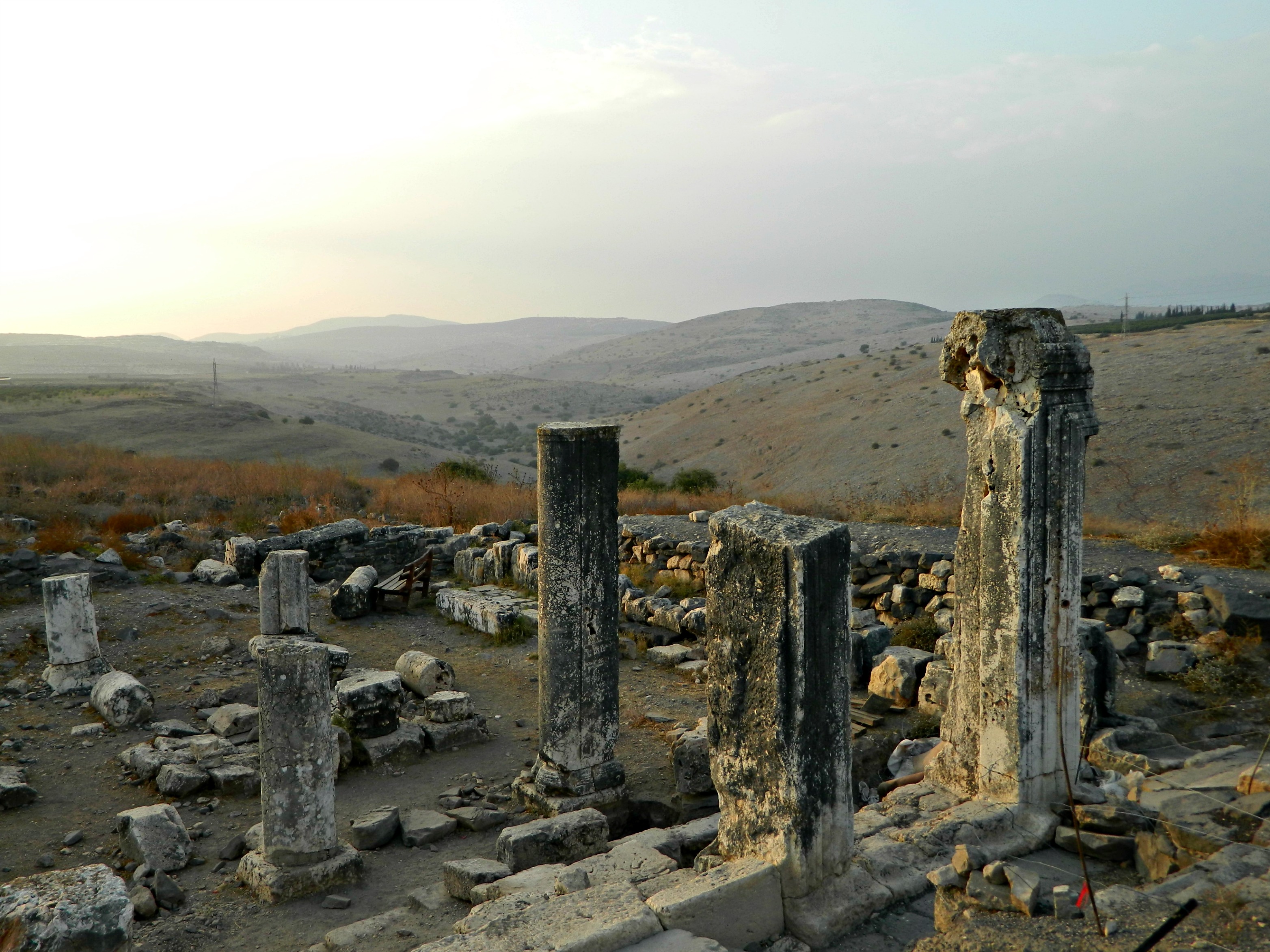
According to Wikipedia the drop from Mount Arbel’s peak is approximately 400 metres (1,300 feet) but that doesn’t seem completely accurate. It also states that the sheer rock drops down 110 metres (360 feet). Regardless, it’s a great drop and is the only place in Israel where thrill-seekers do base jumping. However impressed we were with the view, when we returned to the park worker he told us that it was nothing compared to the real Mount Arbel observation point. That just means that I have to go back one day… But the day was not done yet. On the way back down we pulled into a tiny parking lot and walked a few hundred feet to the ruins of the ancient Arbel synagogue. Columns and square building stones still remain but the general structure has been knocked down.

Ancient synagogue at Arbel

Ancient synagogue at Arbel

We spent a few minutes at the synagogue, basking in the waning sun’s golden rays, and then headed back home. Just a few sites checked off from circling the Kinneret this time around, but yet so many remain and as such, so many more adventures await.

Ashkelon

In Coastal Plain, Israel on November 10, 2013 at 7:25 AM

Last week began with a drive down to Ashkelon where I spent four days in an FIDF-sponsored army resort with a handful of fellows from my base and a whole mob of Border Policemen, Armoured Corp and Intelligence soldiers and some from the Navy as well (blog post here). The resort is located at the southern end of Ashkelon, kind of close to the Gaza border, and pretty much borders the Ashkelon National Park (the subject of this blog post). Due to the fact that this R&R (Rest and Recreation) was held on an army-operated site, we weren’t allowed to wander off and explore. While waiting for the bus back home Thursday morning I recalled seeing the proximity of the park on a map and decided that, since I am so close, it would be a waste not to have a little adventure. And so I walked on over in my dress uniform and carrying my heavy backpack, bought a special soldier year-pass to all national parks and reserves for a nominal ₪50 (~$14) and headed on into the park.

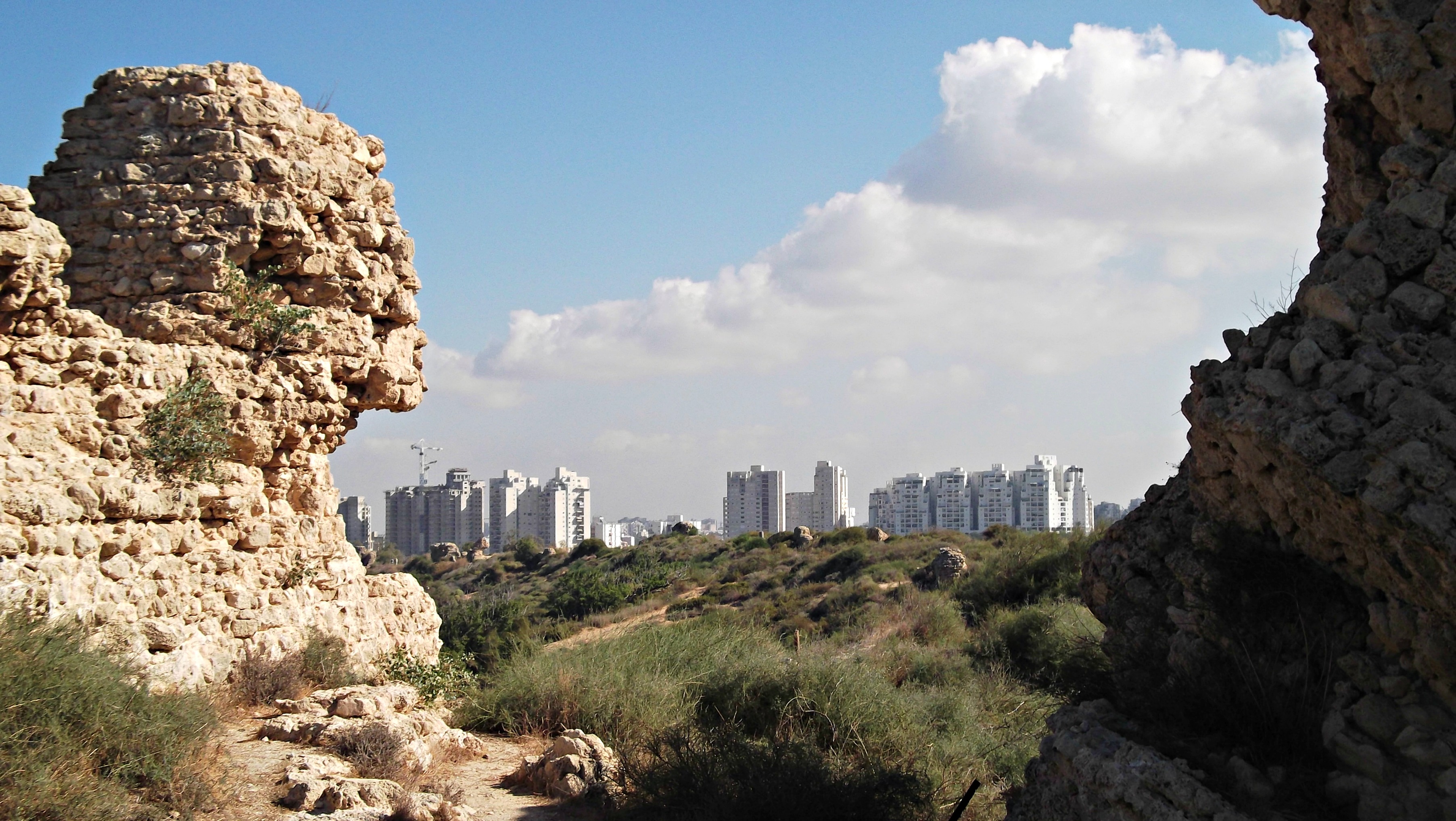
Modern Ashkelon through the ruins of ancient Ashkelon

Modern Ashkelon through the ruins of ancient Ashkelon

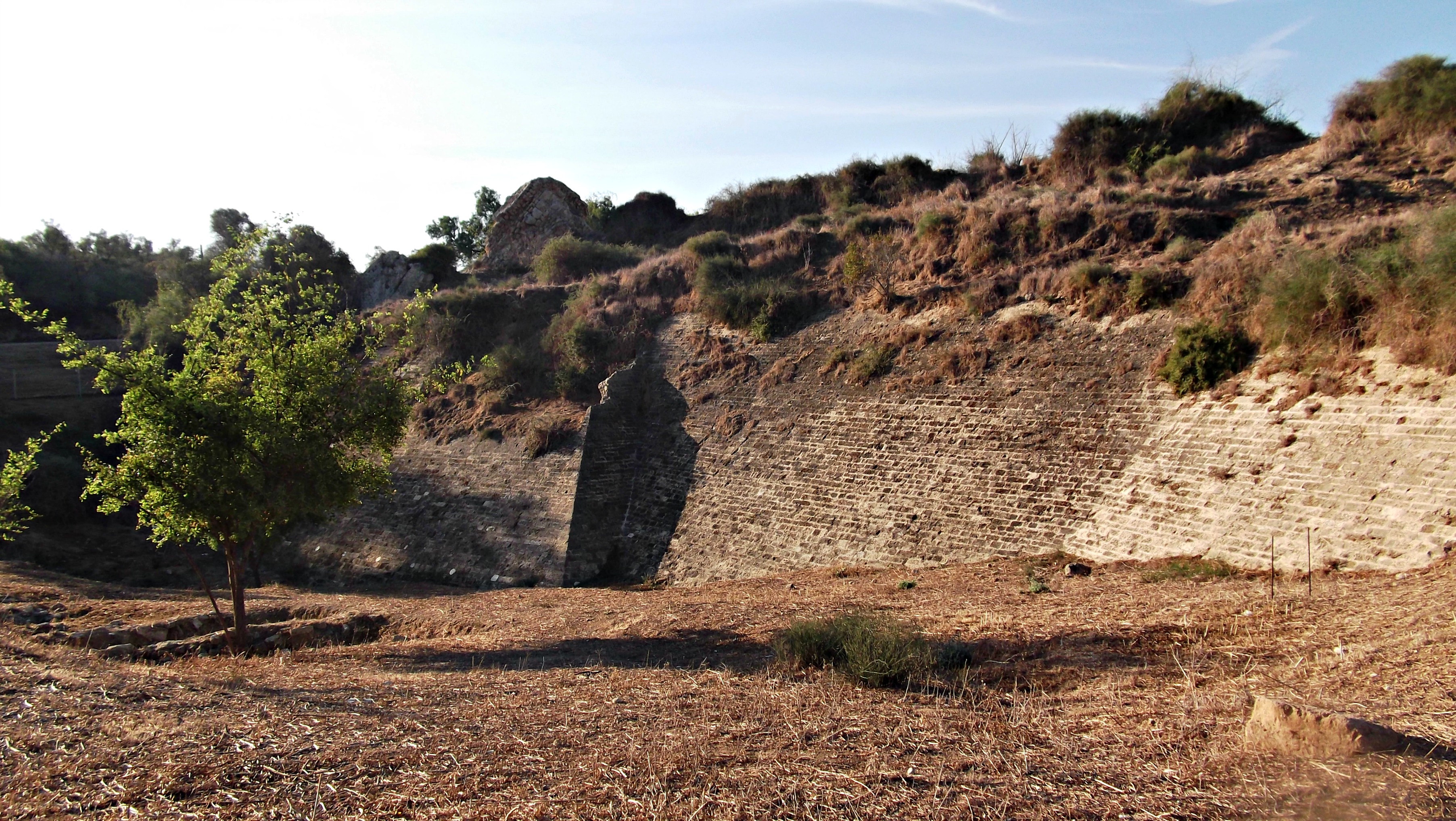
An interesting piece of trivia I read was that scallions, cousins of the onions, were named after Ashkelon, perhaps they were initially farmed here. Back to the park, the first historical segment I came across was the Crusader moat wall built right next to the Canaanite gate, said to be the oldest gate in existence.

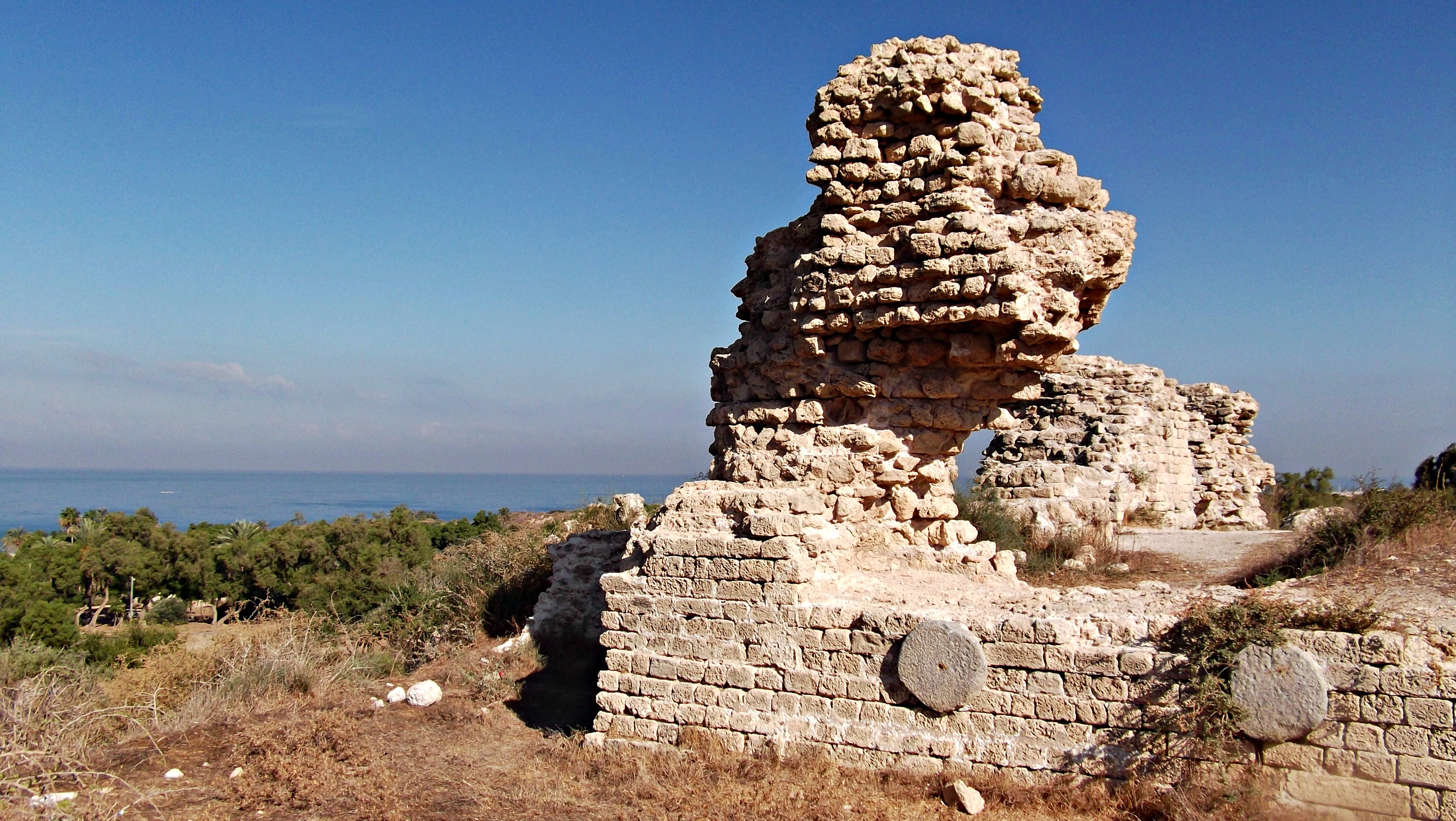
Crusader moat wall

Crusader moat wall

From along that wall, through the gate and onto the large sandy hill that was the northernmost section of ancient Ashkelon, a great view of the sea and modern Ashkelon – including the R&R centre – was to be seen:

Panoramic view of the sea and modern Ashkelon

Panoramic view of the sea and modern Ashkelon

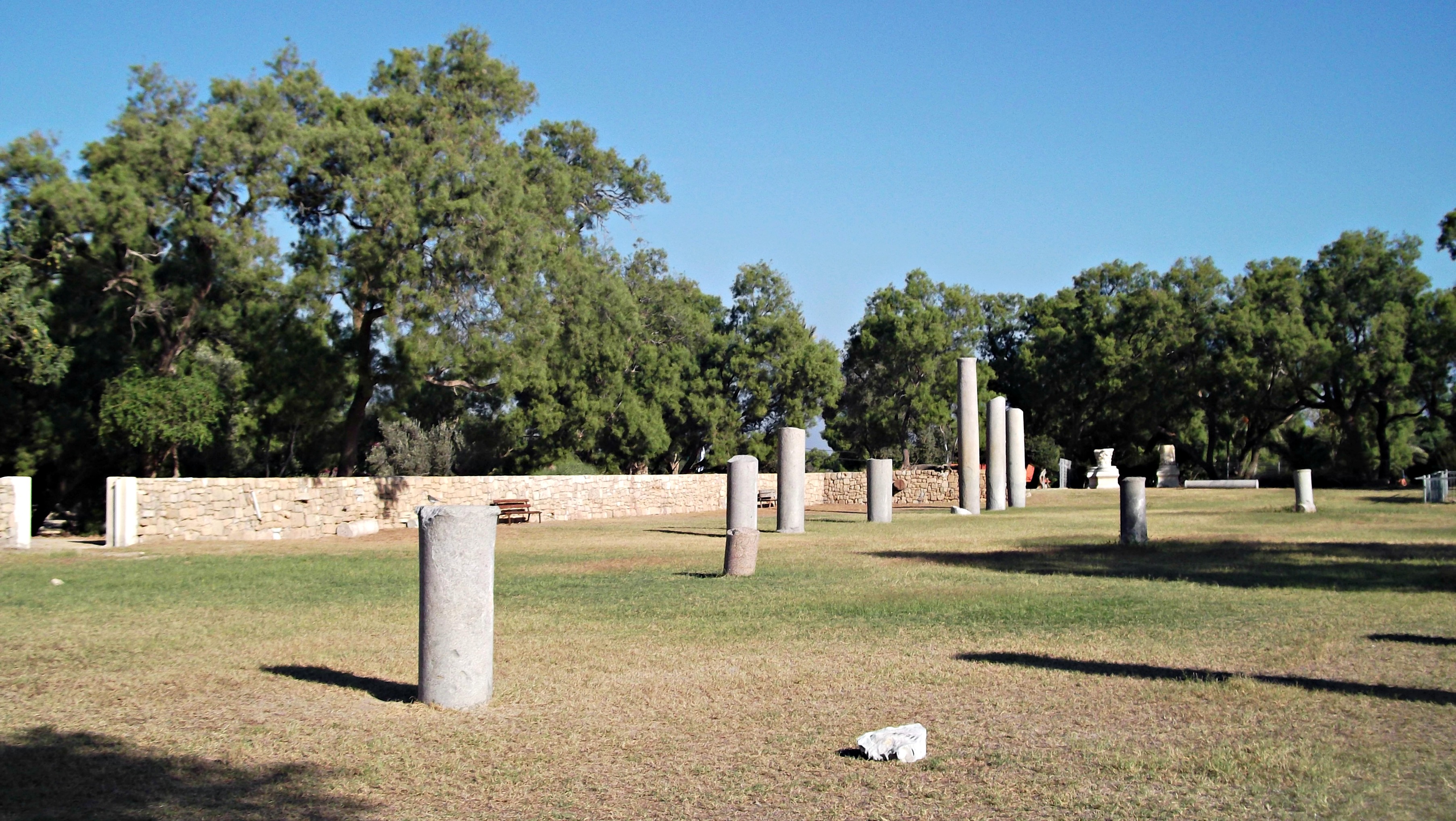
Heading south to the main parking lot, I made my way by numerous outdoor water faucets which I presume are linked to the many natural wells located on-site. From the wells I descended to the beach and seeing that the real sites were further south, looped back and swung by the Basilica, built by the Romans.

Basilica pillars

Basilica pillars

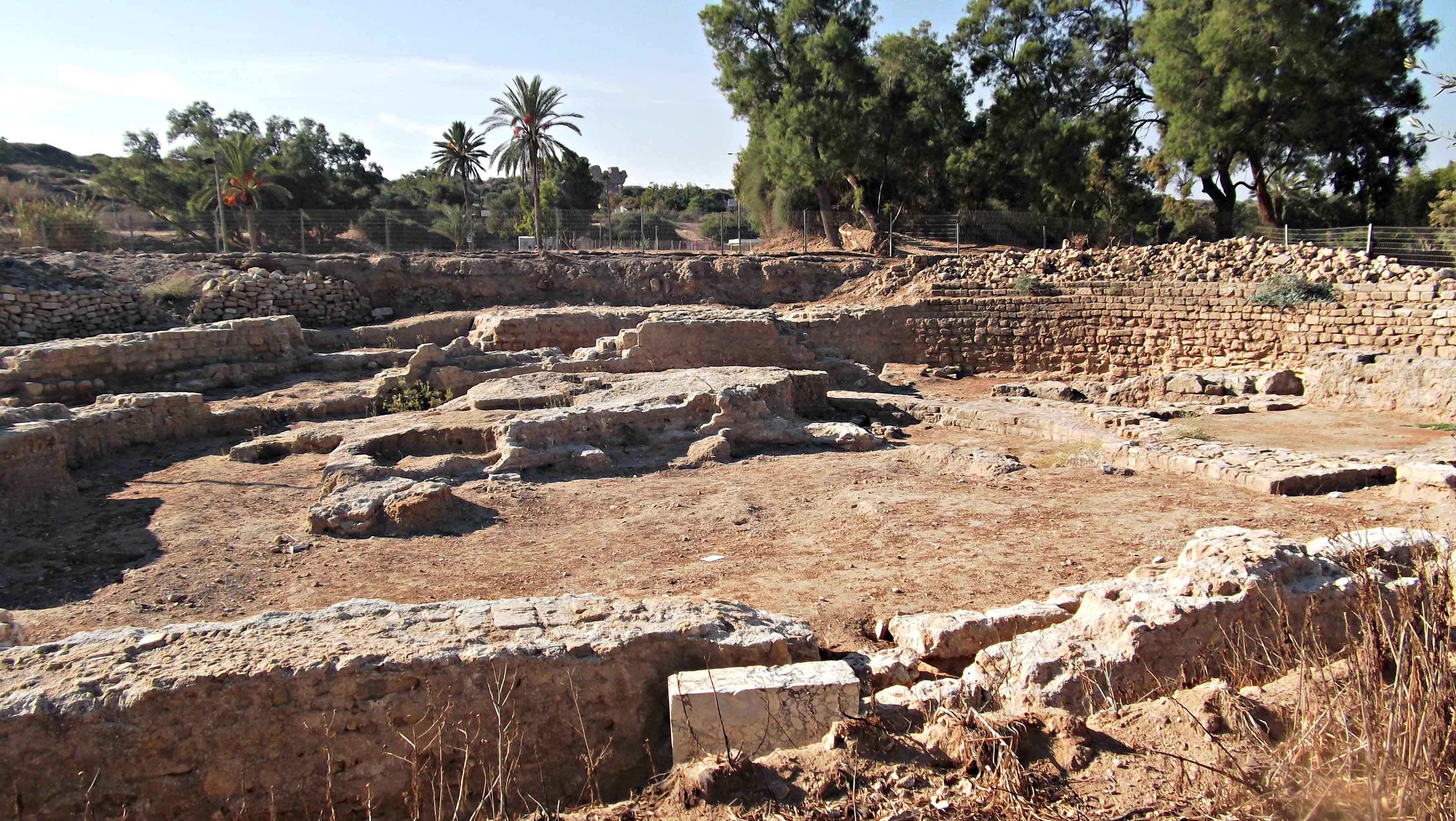
And nearby the pillars of the Basilica further excavations have been done, revealing more as to the nature of the Roman site. The excavations were originally started in 1815 by Lady Hester Stanhope in search for an alleged gold hoard buried under a mosque but when their efforts bore no golden fruit they abandoned the site. Later, in 1921, real archaeology came to the area and the British made headway into ancient Ashkelon’s past – the Canaanites, the Phoenicians, the Persians, the Romans, the Byzantines, the Muslims, the Crusaders and, of course, the Jews, all living in Ashkelon at one point or another.

Basilica excavations

Basilica excavations

After the Basilica I headed to the outer edge of the park to walk the aptly named “Wall Walk” – a trail along the old wall winding around towards the sea. The wall in question was built by the Fatimid Caliphate and only scattered pieces are intact today. Built on a natural sandy ridge, the wall walk is elevated over the park, providing excellent views. However, the walk itself was sun-baked and slow, each step in the thick sand a burden with my boots and heavy backpack on my shoulders.

Section of the outer wall

Section of the outer wall

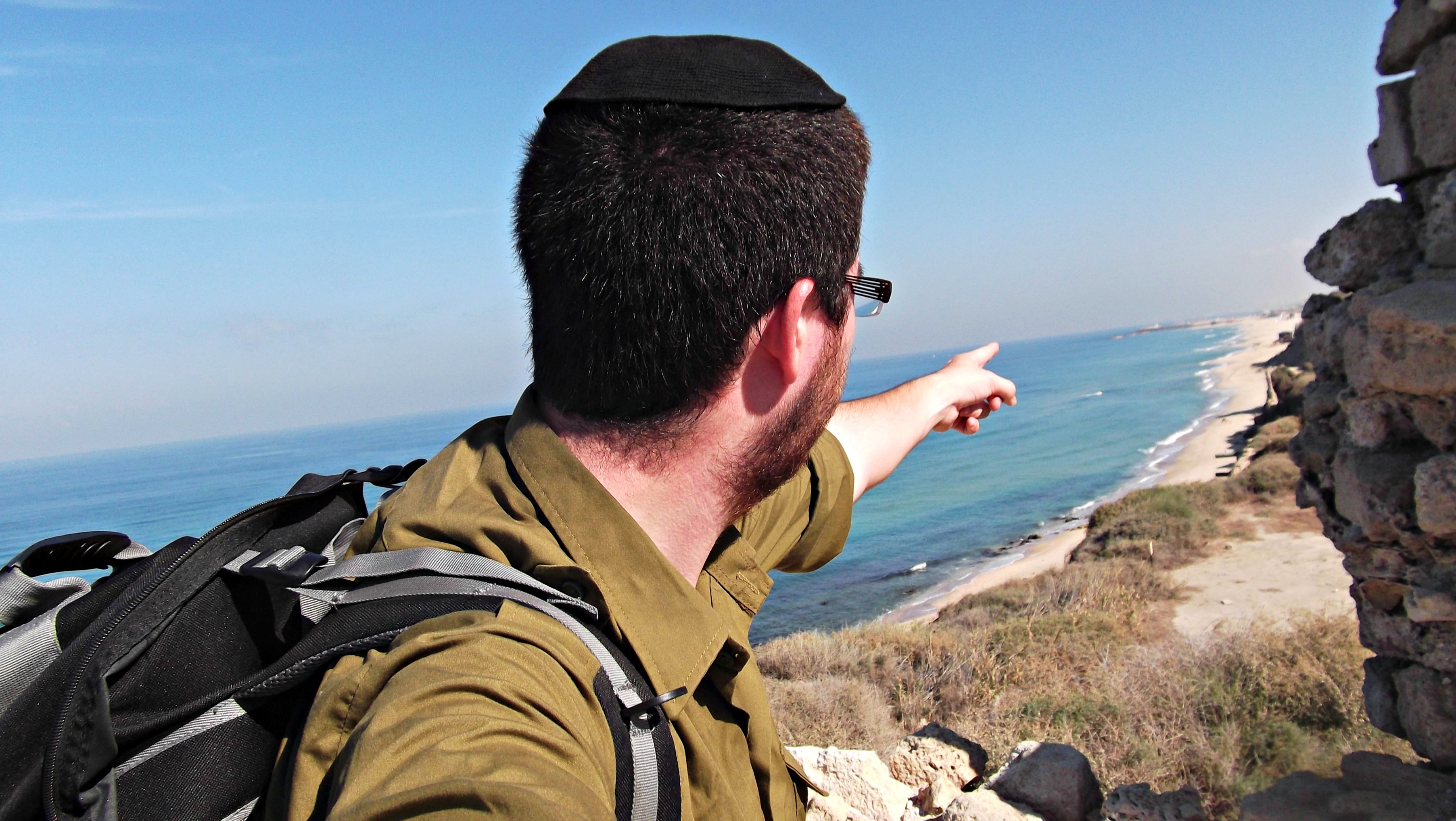
At one point I stopped in the shade of a wall segment and watched some crows fight each other mid-air over scraps of food. With the lush park and the gentle sea as a backdrop, the aerial dogfights happening nearly eye-level yet so close. I imagined Leonardo Da Vinci would have greatly appreciated watching nature’s testament to the power of flight with me, had he been present. Towards the end of the walk, I photographed myself being your tour guide… showing you where north is:

At Ashkelon National Park

At Ashkelon National Park

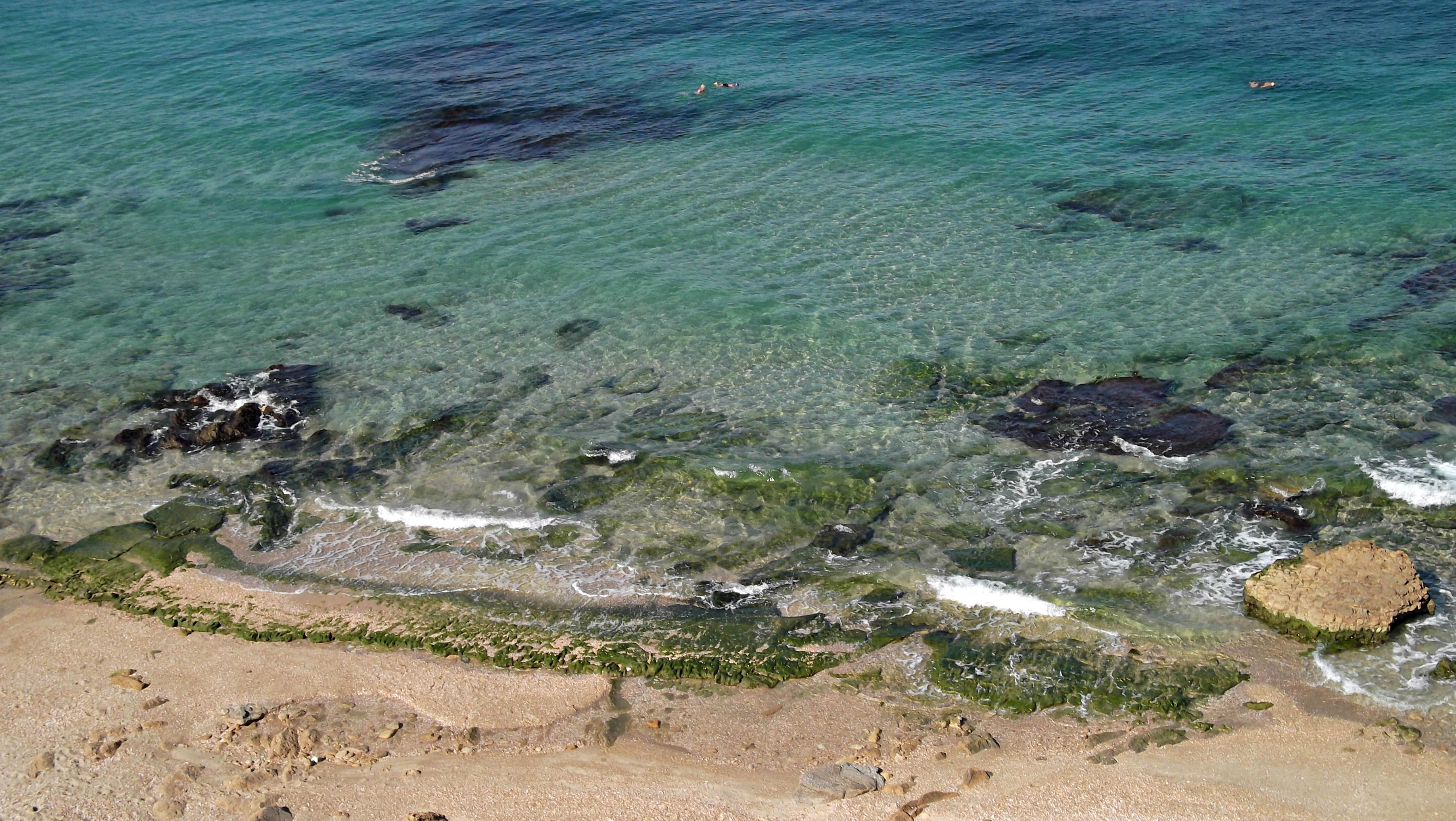
Looking down at the sea, I spotted some people swimming down below frolicking amongst the ruins of ancient Ashkelon. As I took one of the photos a kestrel happened to have flown by, within the camera’s sights, but the bird was blurred so here is a regular photo:

The coast where chunks of ruins still lay today

The coast where chunks of ruins still lay today

I then made my way down to the water, where I was told one can see the ruins quite well. I was told correctly, ruins greeted me with every turn. How this park is not more famous beats me, one can even swim among the Roman ruins (similar to the famous underwater Greek ruins in Greece). Here a column and wall chunk have been partially buried in the sand:

A pillar and building chunk partially buried in the sand

A pillar and building chunk partially buried in the sand

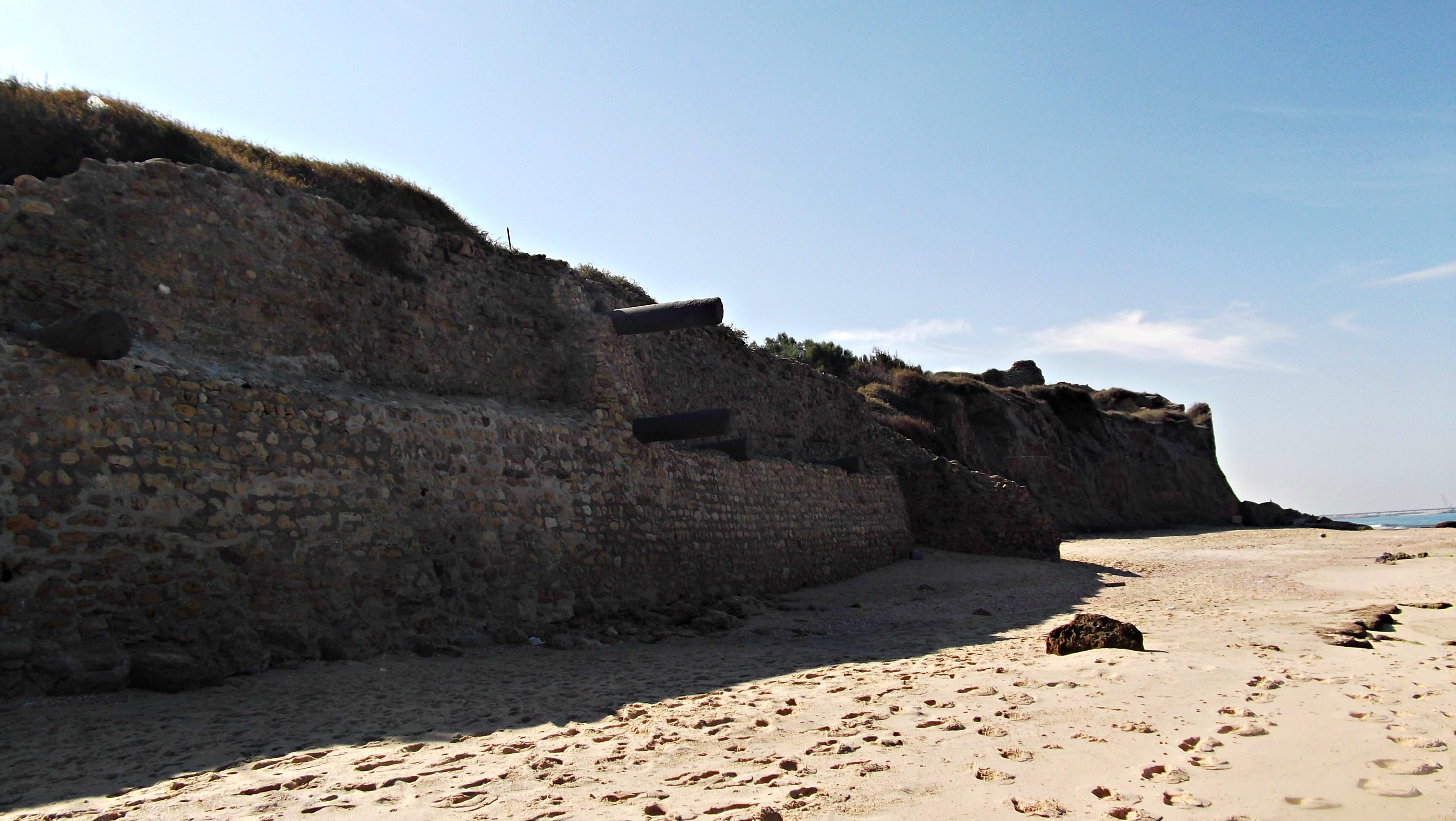
Photos do not do this place justice, the ruins on the brink of the water, the ruins within the water, all is too much to be captured on film. Perhaps an aerial shot taken from a helicopter might better illustrate the true magnificence. The ruined city must be seen in person.

City ruins on the beach

City ruins on the beach

As I walked along the water, keeping close to the lapping waves where the sand is firmest, I found myself mesmerised by a tinkling sound. It was the sound of gentle waves nudging the mounds of pastel seashells, each shell softly clinking against the next.

The beach

The beach

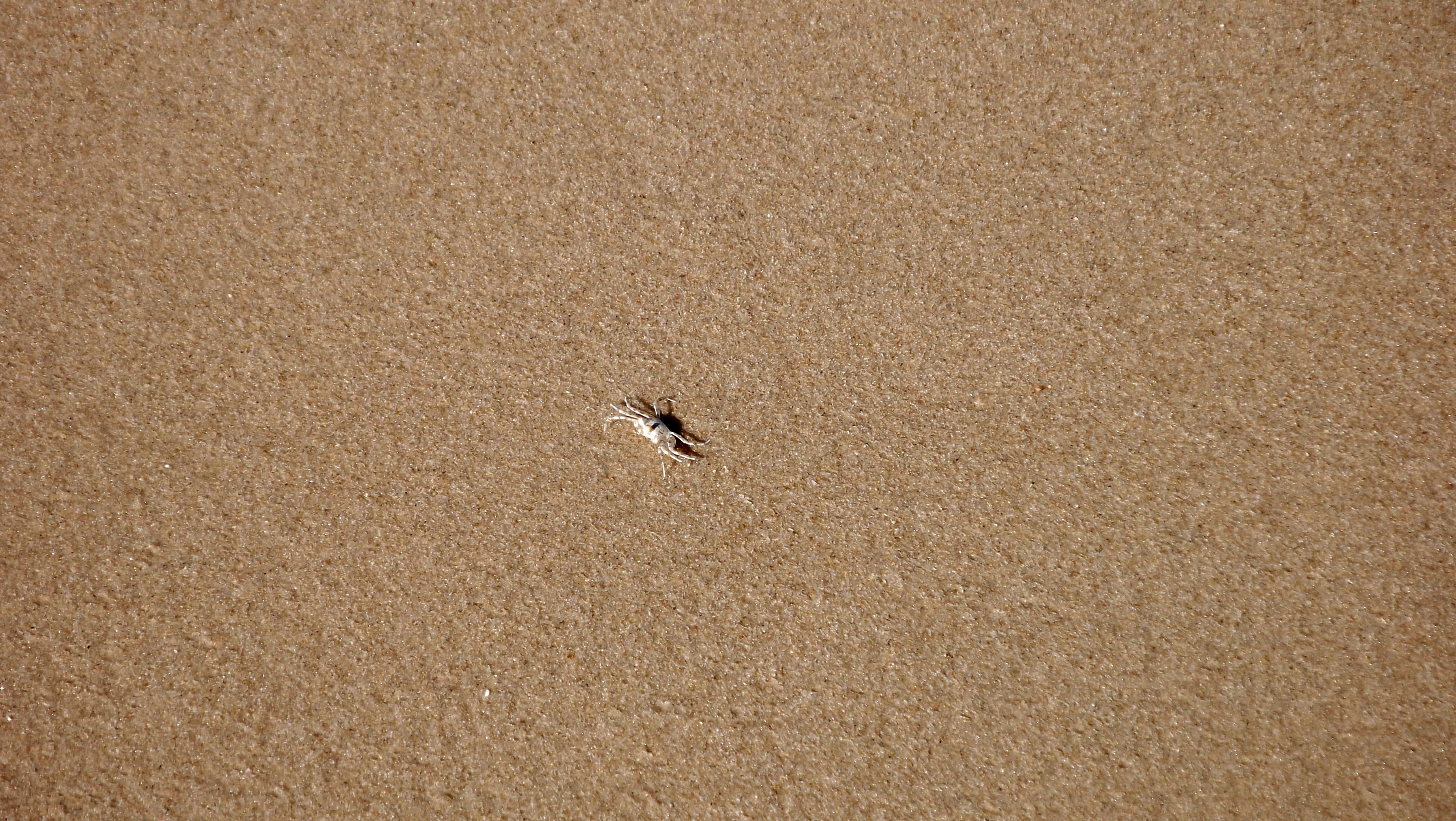
Then I noticed a little crab scuttling about and seeing that he had small pinchers, too small to ward me off, I tried to catch him. I was unsuccessful in my attempts.

Fiesty little crab

Feisty little crab

I climbed the stairs out of the beach and headed for the exit, filling up my water bottle and drinking heavily. As I neared the gate a park worker asked me if I’ve been drinking enough water. I replied in the affirmative and he correctly guessed which base I hailed from. Continuing further, I exchanged some words at the park entrance (including my water consumption) and witnessed something unusual. A man in a small pickup approached and said he has a delivery, some eagles. I peered into the truck and saw some vicious talons and some patterned wing feathers emerging from a sack – interesting cargo, to say the least. With that I bid them farewell and headed off to the bus where I was to begin my 5+ hour journey back home.

Army Trip: R&R and Yom Sport

In Coastal Plain, Israel on November 6, 2013 at 2:23 PM

This double-event blog post covers two separate trips taken one week after the next to the FIDF’s Rest and Recreation Centre in Ashkelon. The FIDF, which stands for Friends of the IDF (Israel Defence Force), is an organisation that pools donations together for the benefit of the Israeli soldiers. On every military base, and in every remote outpost, there are signs of the FIDF – be it a gym, mobile synagogue or “wellbeing centre.” That being said, this R&R centre in Ashkelon is another of FIDF’s endeavours to pad the rough edges of soldiering and I fully approve.

FIDF logo

FIDF logo

Part I – four days of R&R in the beach-side resort:

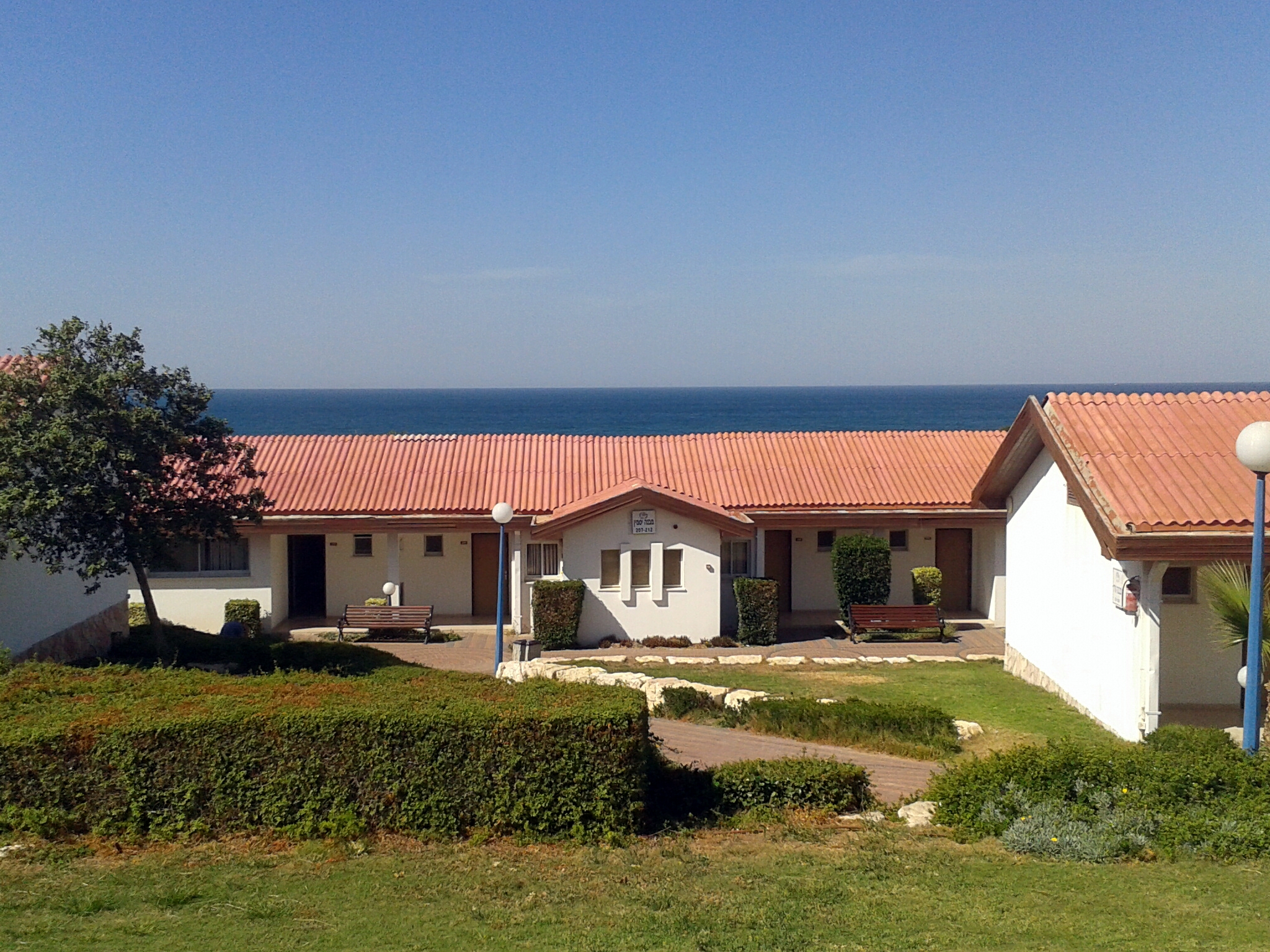
It started Sunday morning, a few weeks back, when a small group of eleven soldiers from my base gathered together and drove down to Ashkelon. Our group comprised of truck drivers like myself, a commander and an officer. We disembarked at the centre, ate lunch and settled into our rooms in the Jasmine bungalow.

Our Jasmine bungalow

Our Jasmine bungalow

Nestled between modern-day Ashkelon and the ruined ancient Ashkelon, a national park, the R&R centre hosts hundreds of soldiers every week (usually combat or combat-support soldiers, like my friends and I). We walked along the sun-baked paths and explored our new digs, marking out activities that we’d like to do throughout the week.

Off to the pool!

Off to the pool!

After dinner the fellas went to watch a movie in the auditorium while I, uncermoniously, went to bed early. The following day took us to the sauna and pool where we took turns roasting and drowning ourselves. There was an organised race set up and, not surprisingly, the winner was from Shayetet 3 (Flotilla 3) of the Israel Navy.

Swimming contest at the pool

Swimming contest at the pool

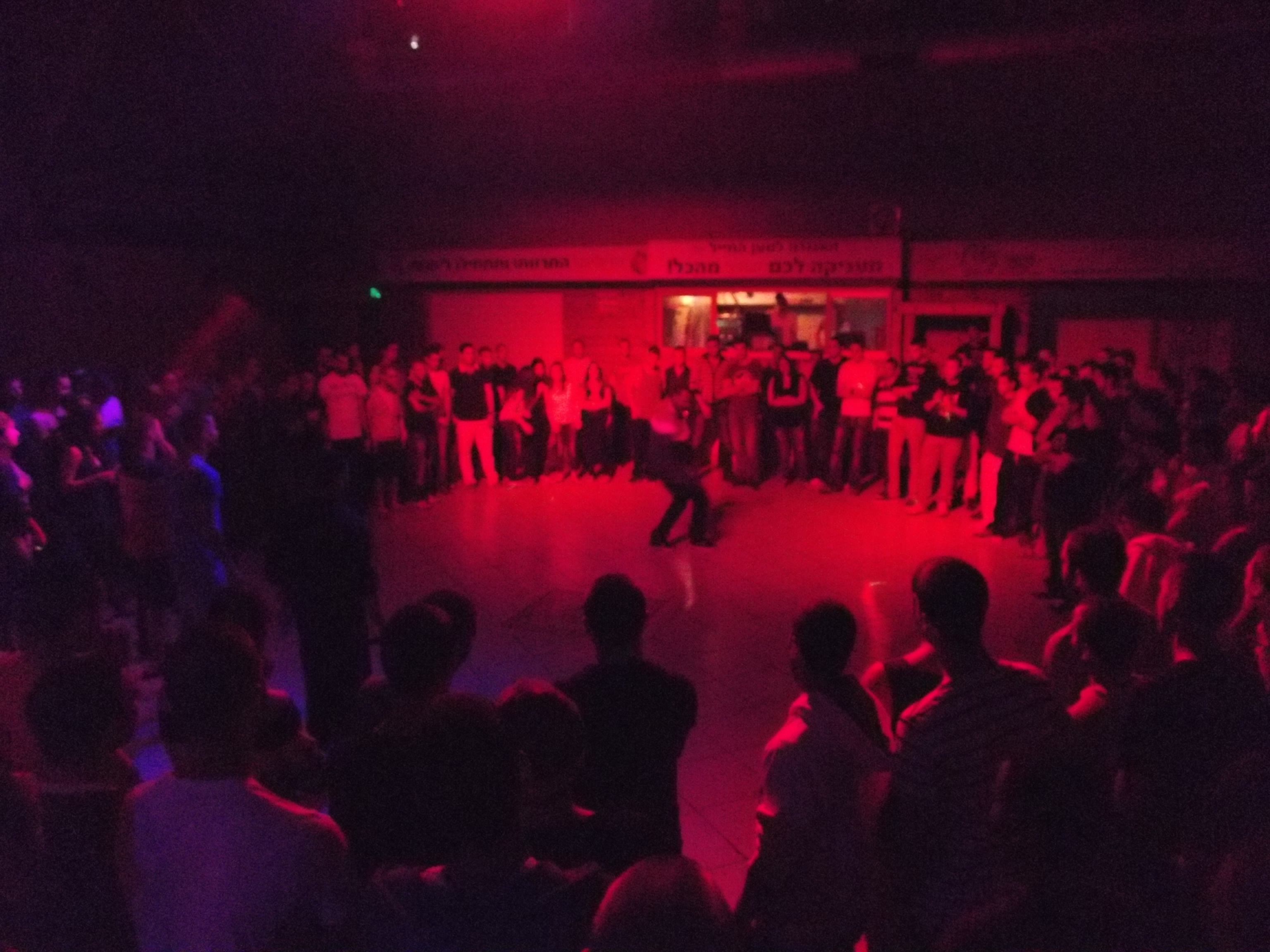
That night we found ourselves in the local “club” – an alcohol-free dance club with ear-piercing music thumping till 3am. There too an organised contest was held, this time dancing instead of swimming. A friend of mine participated, and while the judging was hotly contested, he was not deemed winner.

Dance contest

Dance contest

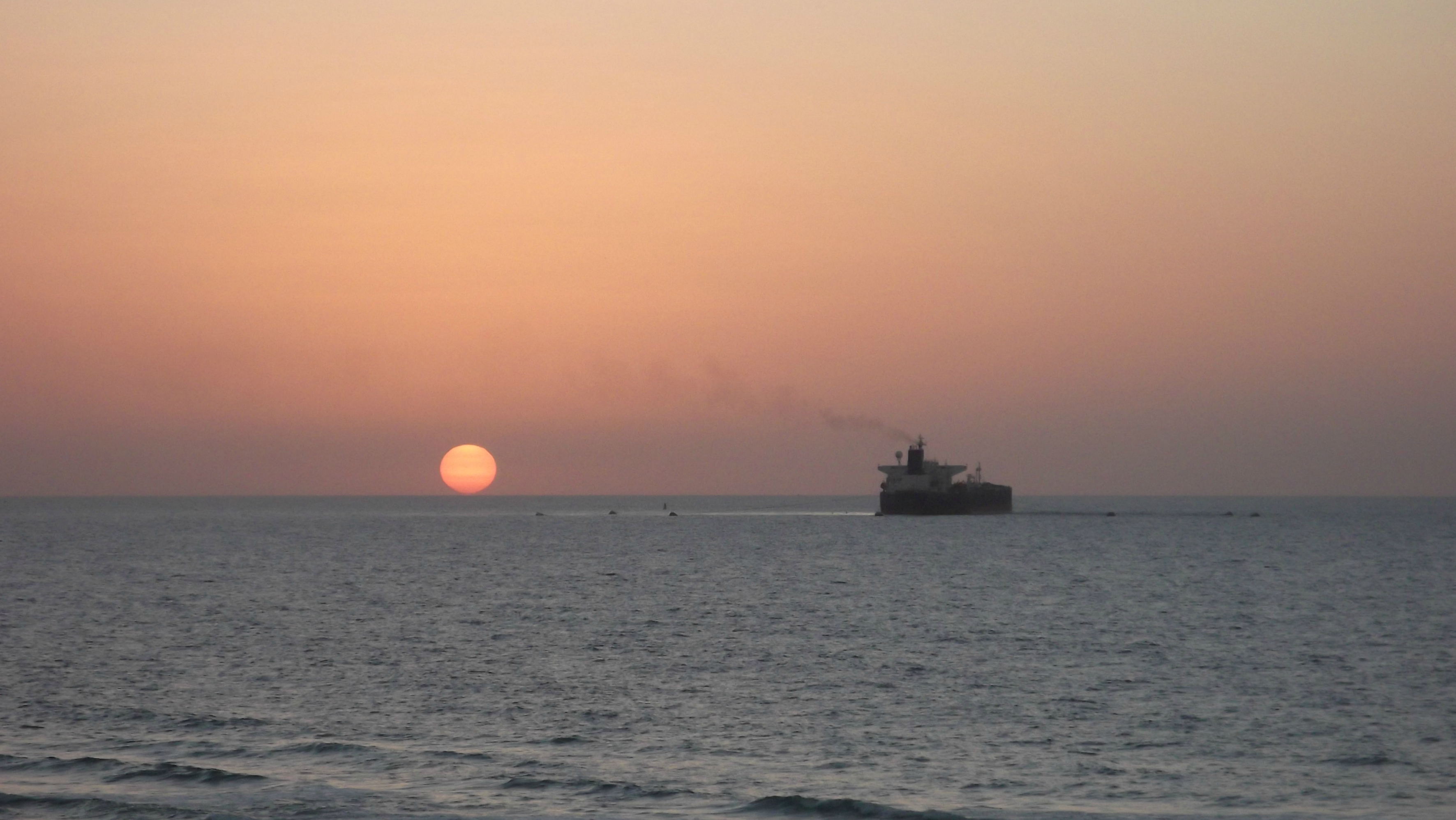
The next day some of the fellas went off to play tennis and I went off to find fellow Americans – of which there were a handful, mostly in some Foreign Affairs unit down south. As the Jewish world is incredibly small and interconnected I succeeded in finding someone who knew someone I did. Later that afternoon I sat on a sandy bench and watched the sun set over the warm Mediterranean Sea, a ship chugging away nearby.

Of ship and setting sun...

Of ship and setting sun…

Resting up well in the nights with the window open to the pleasant sea breeze and spending the days eating well, swimming, sauna-ing and enjoying the other activities on-site we burned up the week pretty quickly. The last night of R&R we all headed into the auditorium to enjoy a performance from one of Israel’s stand-up comedians, Kobi Maimon. There were some pretty funny jokes, to say the least.

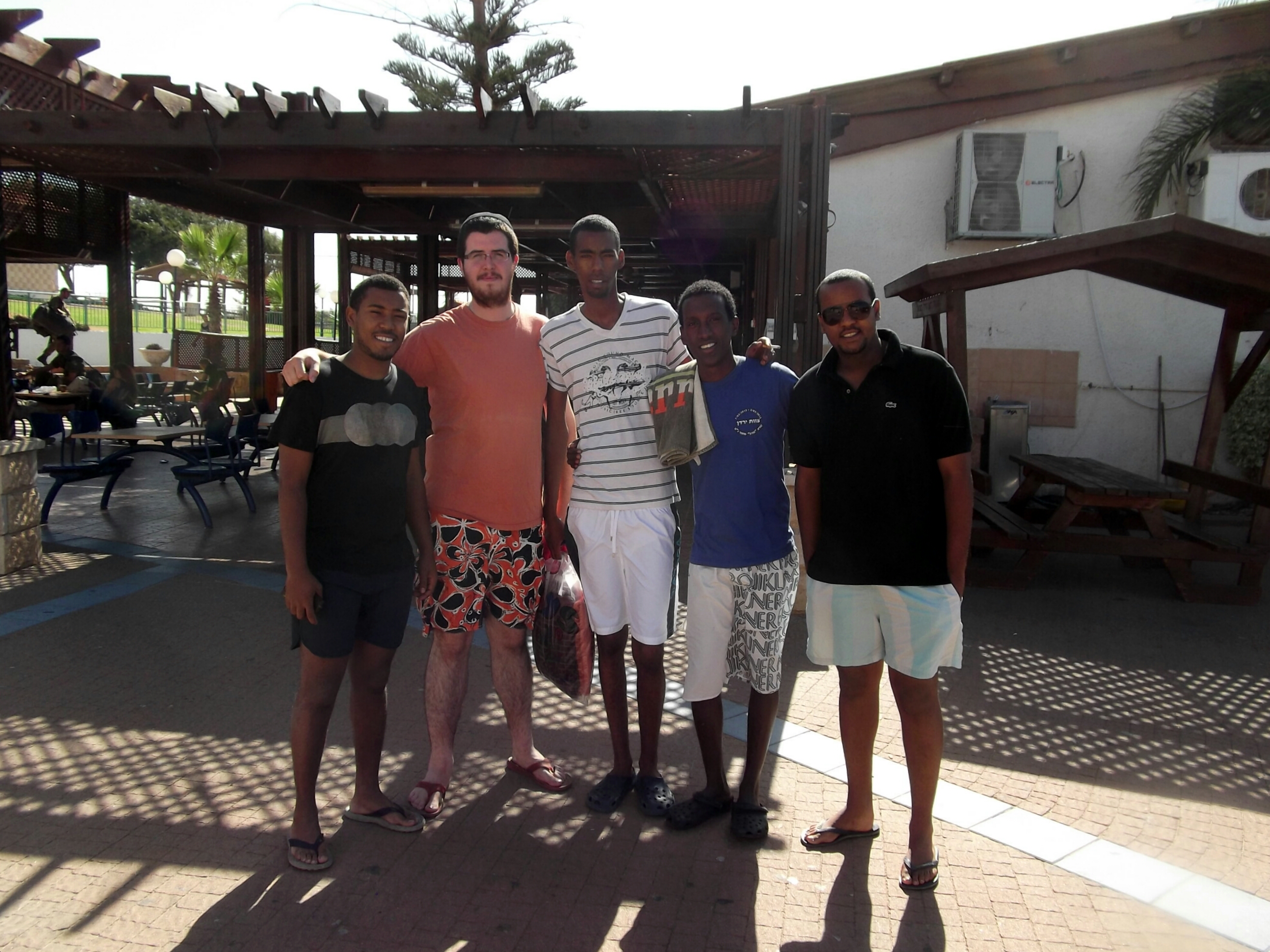
Lunch with the fellas

Lunch with the fellas

The following morning, Thursday it was, we packed up our things, tidied up, had a nice breakfast and headed out. While waiting for the bus to the train, I recalled that the Ashkelon National Park was just a few minutes away. I hastily bid farewell to my friends and headed to the park, the subject of my next blog post.

Part II – Yom Sport for all three “Hovala” battalions:

After positive feedback from our small hand-picked group that enjoyed the week of R&R at the Ashkelon centre, it was decided to host the truck driving brigade’s Yom Sport (Sport Day) at the centre as well. The purpose of the day is to break the daily grind and to offer the soldiers a chance to bond and to catch up, as we don’t see much of each other in our job. The three bases, Knights of the North, Centre and South, were present, each wearing a different coloured t-shirt.

Knights of the Centre celebrating

Knights of the Centre celebrating

Sadly, I had forgotten my camera and so had to photo-document with my cell phone’s camera. From the over-bounding quantities of food to the noise of over a thousand happy people, mostly soldiers in active service, we got the day started with some opening words from the brigade commander, Colonel Gil Galron – a nice chap who originally was a naval officer. With that the day was launched into high gear, with numerous games to compete in and watch. One game that I observed was the Israeli-style dodge-ball competition between our base and the southern base. My captain participated and was, in fact, the last one standing from our team – we lost.

Dodge-ball

Dodge-ball

Later, there was enthusiastic self-propagated singing and dancing from some of my base’s ethnic groups and as the sun went down, two small concerts out on the main soccer field. The first was a finalist in a singing reality show, and I got a free CD, and the second was a heavy metal band who didn’t have quite the right crowd at hand. After belting out AC/DC’s “Highway to Hell” to the joy of a select handful, they packed up their musical equipment and we all headed down to the buses, tired but grateful from a long Yom Sport at the Ashkelon R&R centre.

Note: the FIDF is a wonderful organisation doing wonders for the IDF, if you’d care to become a part and donate, details can be found on their website HERE. For more information on FIDF’s SPIRIT R&R Program, click HERE.

Nachal Kziv II

In Galilee, Israel on October 20, 2013 at 4:29 AM

A little over a week ago I had the pleasure of visiting the nearby Nachal Kziv (Kziv Stream) with a friend of mine who I met in the army, Nechemya from Tzfat. Starting our hike Friday morning, we spent a good seven hours in the park and returned to my house with time to prepare for Shabbat. Walking the long winding road down to the stream, we first stopped at an old Crusader building (which some say was a mill but since there is a mill downstream, I wonder if this building is really another mill or perhaps a different sort of building). Seizing the moment, Nechemya grabbed a metal cable that hung down and climbed up into the second-story window:

Climbing into the second-story window

Climbing into the second-story window

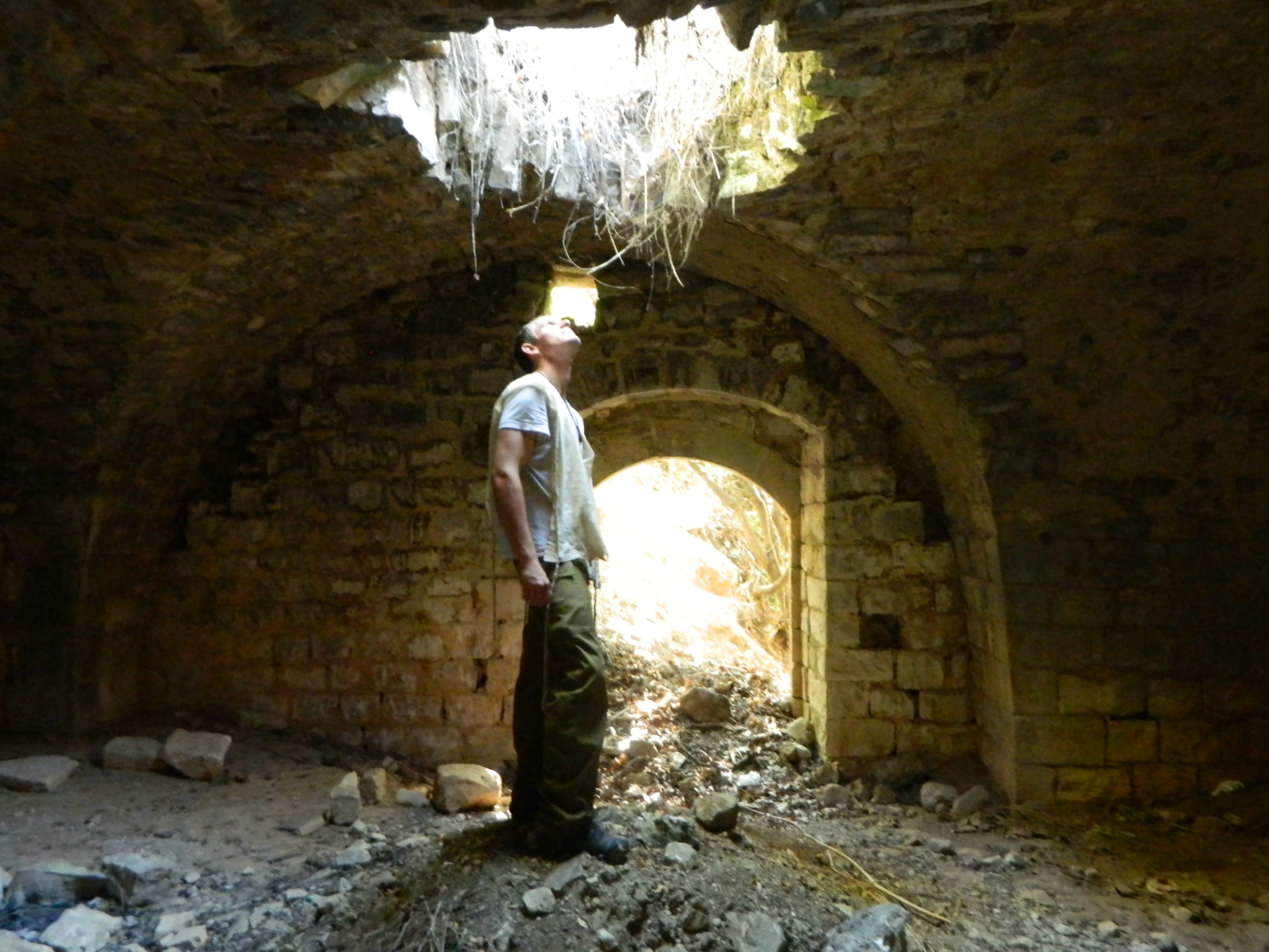
I joined him, taking an easier side entrance and we found that within the double-room interior, a section of the ceiling had caved in. I thought it looked rather alien, the vegetation hanging down from the illuminated “portal”:

The ''portal'' in the ceiling

The ”portal” in the ceiling

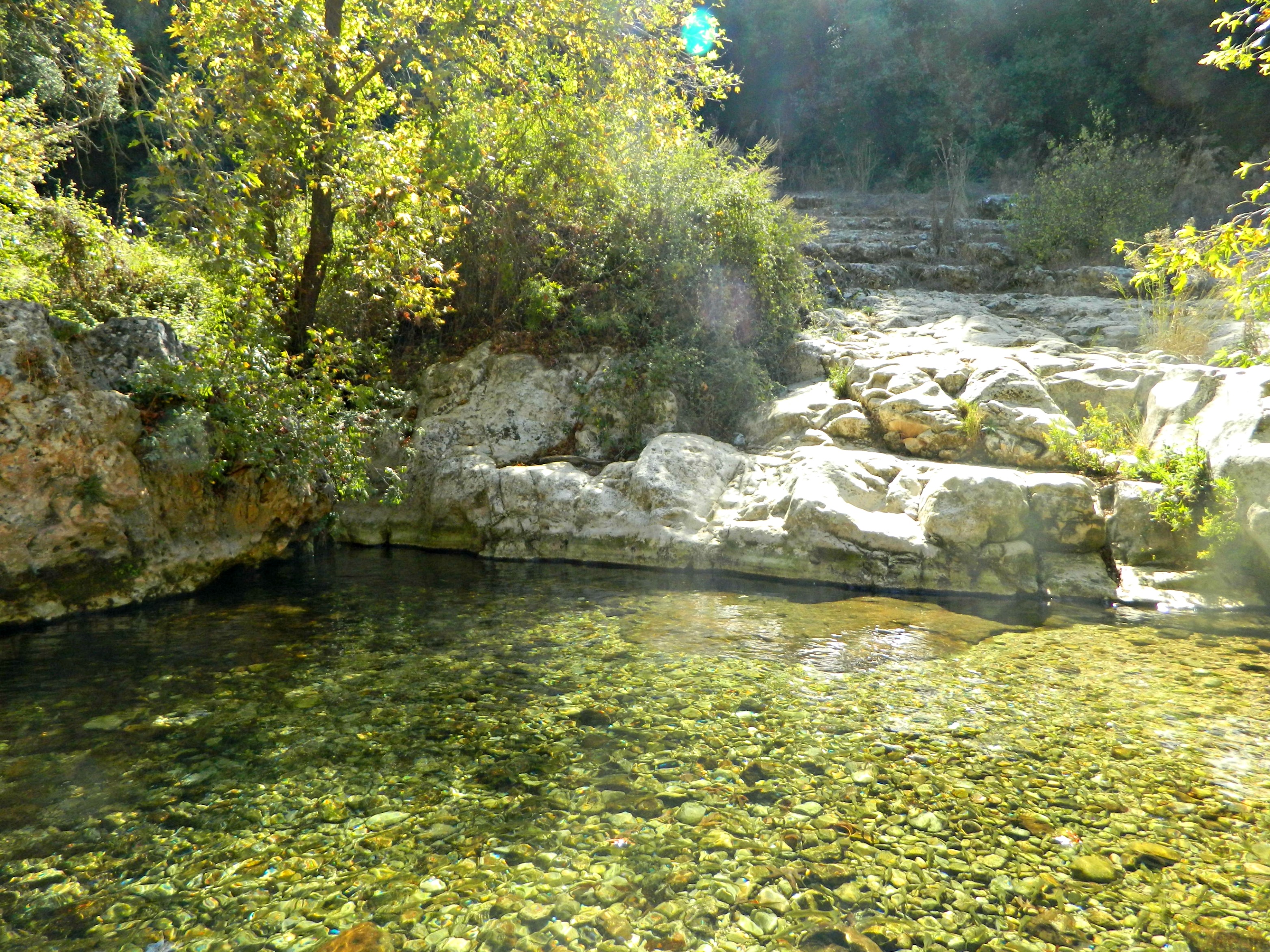
We continued on with our hike, passing the little Crusader inn and crossing over the stream over and over. At one point we stopped at a rocky streambed and I attempted to find a geode for Nechemya to see. He disappeared behind some boulders and came out holding the biggest geode I have yet seen in Nachal Kziv. Next we took the by-path to the Ein Tamir area – my favourite section of Nachal Kziv which we skipped last time. Due to the fact that it is the end of the summer – the dry season – the water level is quite low. First, the glassy little teaser pool:

The teaser pool

The teaser pool

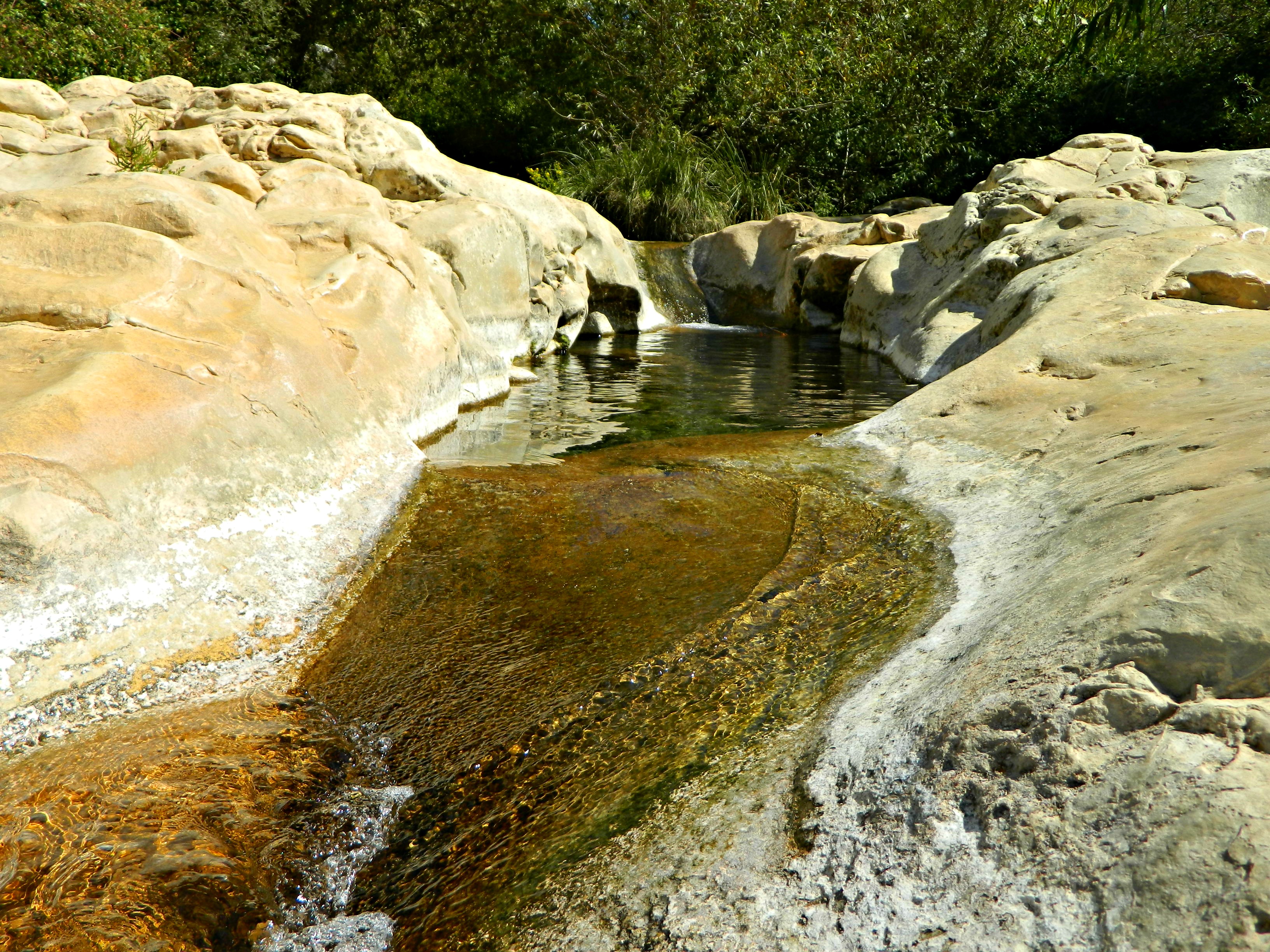
After the first pool we moved over to the interesting area where cold spring water rushes through smooth channels and slides in the bedrock. I love sliding on the slick algae from one pool to the next. Here is a little slide:

A slick algae slide

A slick algae slide

There are fish and frogs sharing the pools with humans, here is one little frog that decided to go swimming with me:

Little brown frog

Little brown frog

And here is another shot of part of the pool area:

The spring water flowing through the rock

The spring water flowing through the rock

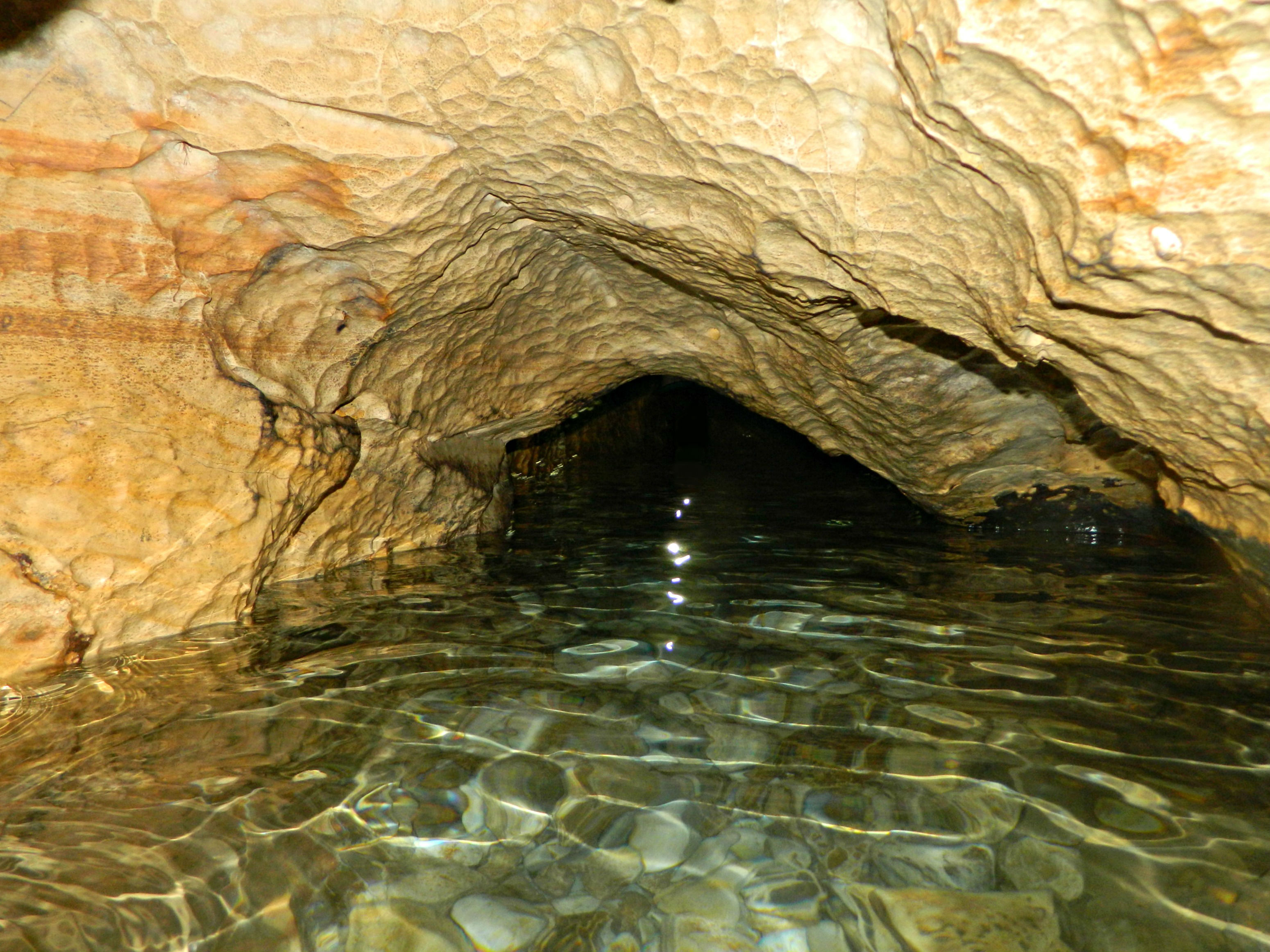
Next we attacked the little cave, a veritable tunnel in the rock wall. This is my favourite cave ever – the narrow entrance, the crystal clear cold water, the smooth rocks, the low parts that call for near swimming – it’s the best. Here is the classic bubbly cave interior, looking out after a few feet:

The immediate interior of the cave tunnel

The immediate interior of the cave tunnel

And as we walked in deeper, using Nechemya’s phone as a flashlight, I turned back and took another photo:

And deeper into the cave

And deeper into the cave

And then facing the gloom, another shot:

Going deeper into the dark cave

Going deeper into the dark cave

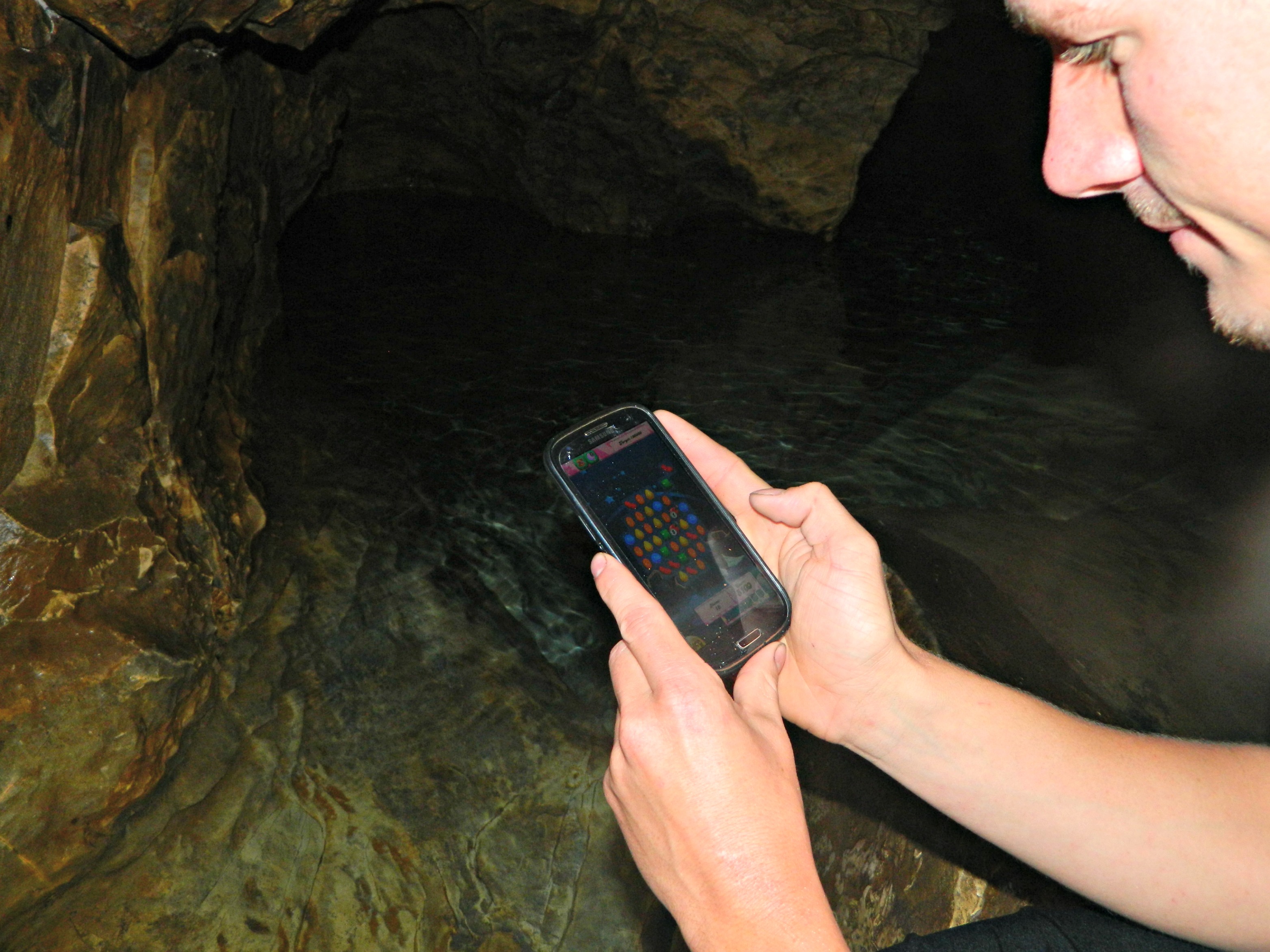
I can’t state enough how much fun it is to walk through this cave with the cold clear water underfoot. Always wear sandals or similar protective footwear but there aren’t any animals in the cave and the water is numbingly cold which makes walking deeper and deeper a fun experience. At one point Nechemya got really bored and sat down on a rock to play some Candy Crush – can’t blame him…

Playing Candy Crush

Playing Candy Crush

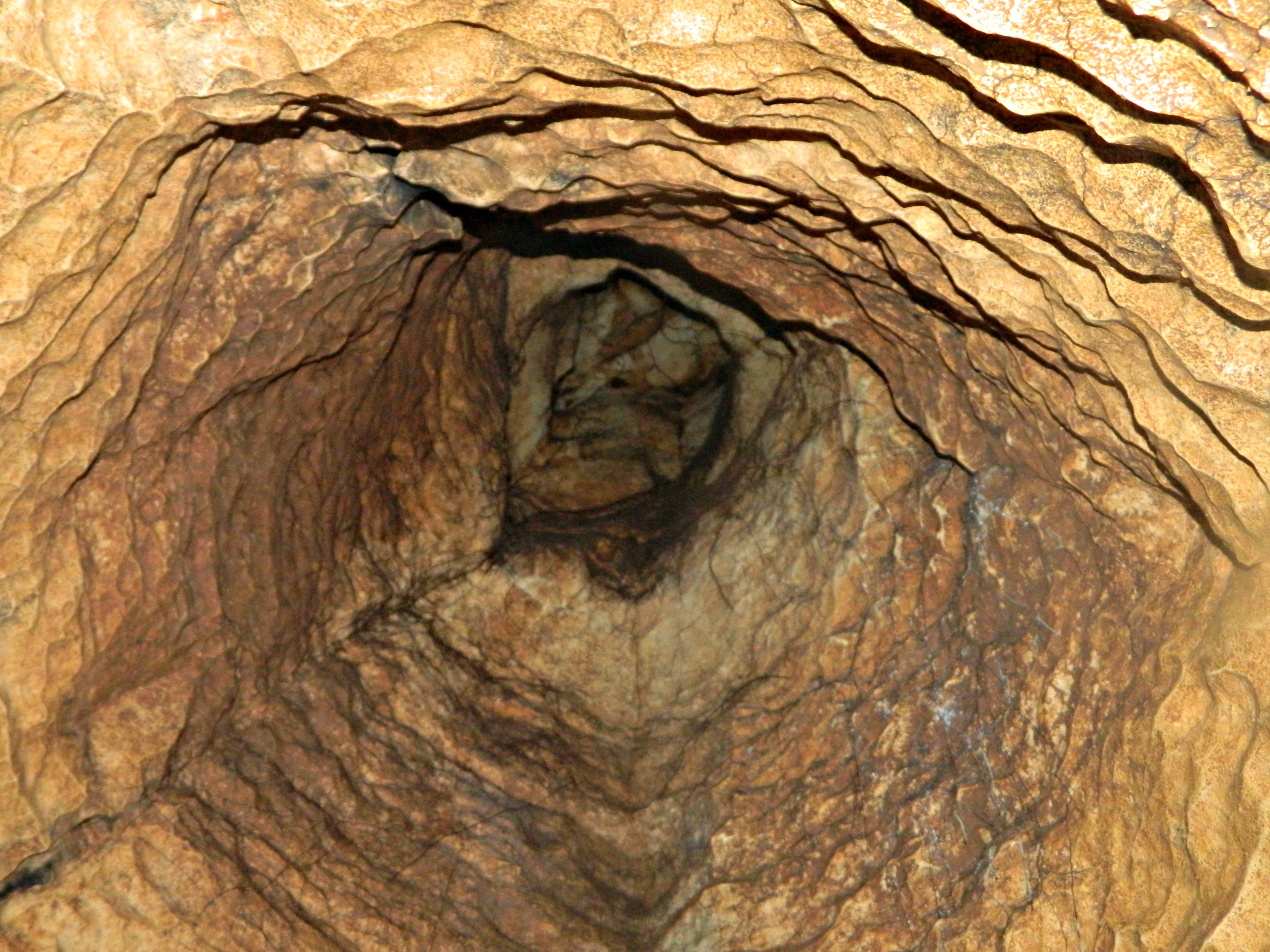
Pretty deep into the cave, here is this creepy alien-looking tunnel that goes straight up:

Weird alien-like vertical tunnel

Weird alien-like vertical tunnel

At last we reached the end, had some laughs taking photos in the pitch blackness and then headed back, chattering and shivering as we sloshed and scooted our way through the cold tunnel. At last we saw the light of day at the end of the tunnel and made it out. We broke out into the sunlight soaking wet and somewhat numb from the spring water. We basked in the noon sun, warming ourselves, and then continued on to the main swimming hole. Not surprisingly, the pool was quite shallow and the waterfall at the head was quite small and not the powerful blast of water I remember last time I swam in the pool.

Nachal Kziv's main swimming hole

Nachal Kziv’s main swimming hole

One thing that was the same as I remember was the incredible amount of fish that swarm about and nibble on human toes.

Fish

Fish

After a little time in the swimming hole we got out and decided to head back. Along the way we went off-trail, looking for adventure. What we found instead was this little waterfall and a miserable water hike with slippery rocks and tons of raspberry vines which scratched us repeatedly:

A gentle little waterfall

A gentle little waterfall

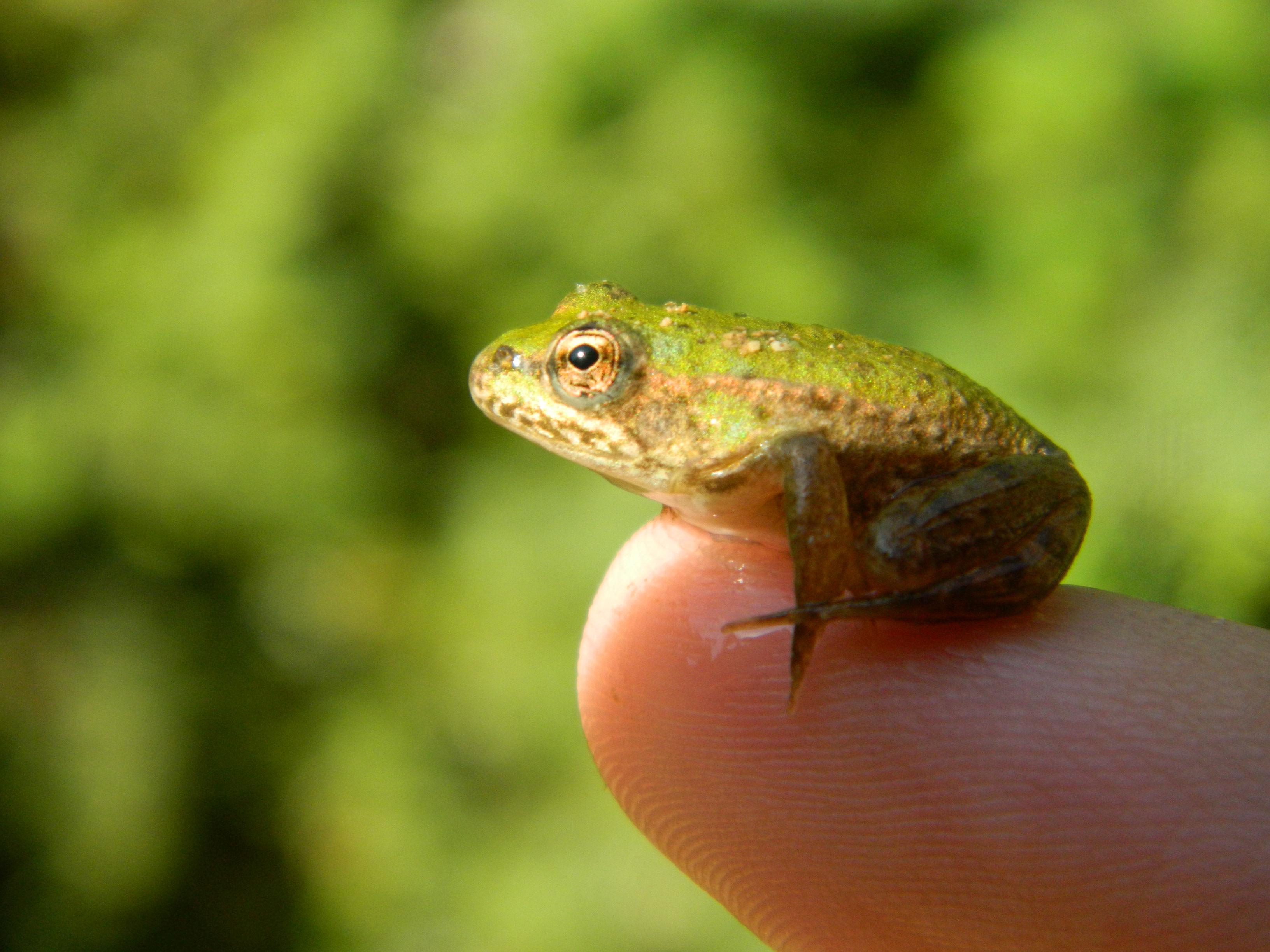
In between attacks from the raspberries, I found this tiny little green frog and held him captive for a photo-shoot. This is my favourite photo of him, and one of the last before he jumped away:

Tiny green frog on my finger

Tiny green frog on my finger

Not only do frogs live there, Nechemya found this crab shell – when I asked him to hold it on the end of his finger the eyestalks moved which was creepy in the extreme, so he opted for a bamboo stick:

Crab shell head on bamboo

Crab shell head on bamboo

After fighting our way through the dense thorns and then climbing up a steep dirt bank we found ourselves back on the trail. As we headed back we discussed coming back and climbing the sheer rocks walls that line Nachal Kziv – maybe one day!

Craggy cliff walls

Craggy cliff walls