Israel's Good Name

Archive for the ‘Israel’ Category

University Trip: Doq & the Good Samaritan Museum

In Israel, Jordan River Valley, Judea on January 26, 2022 at 10:20 AM

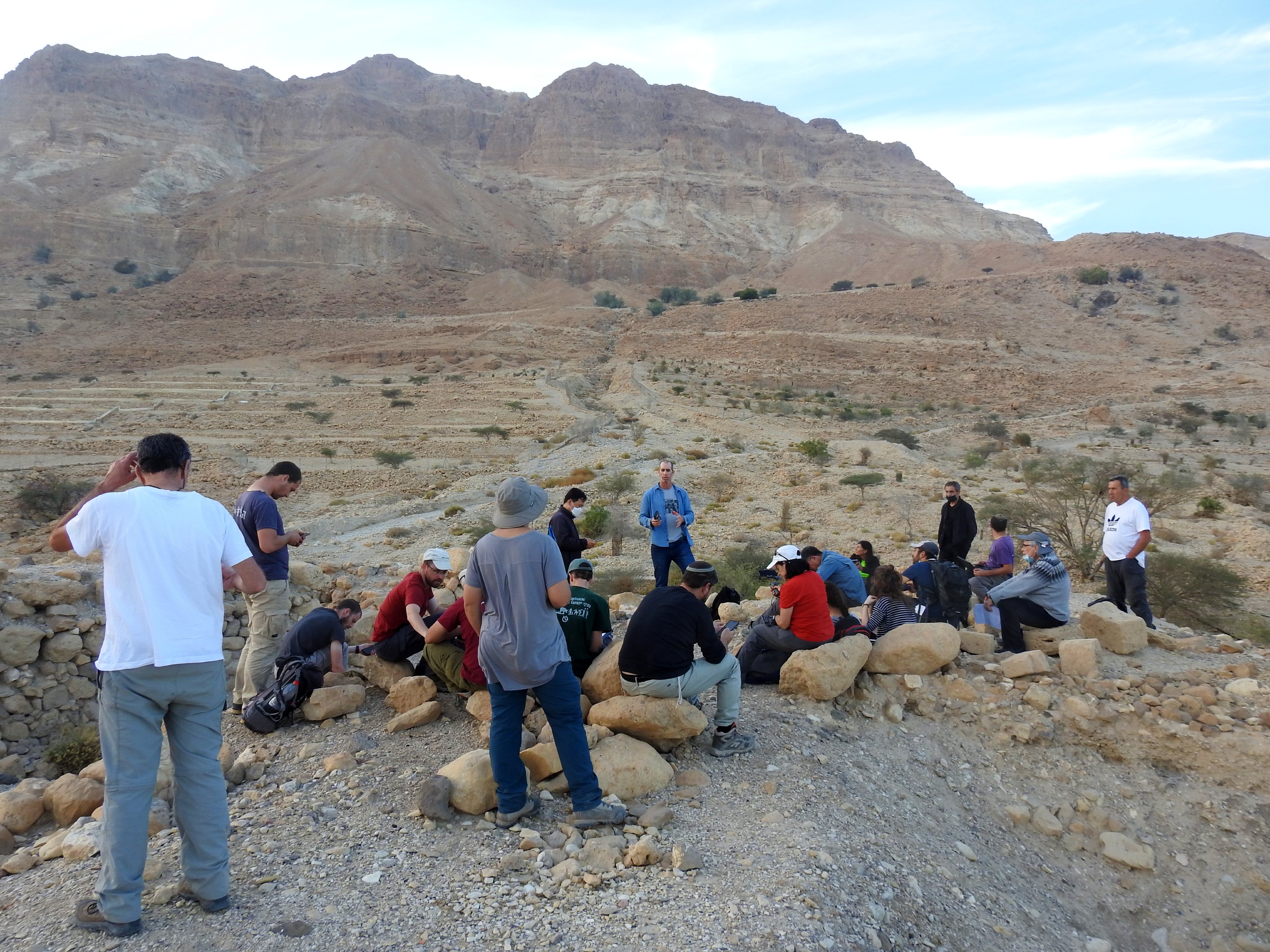
Riding on the coattails of my excursion to some fascinating sites around Nachal Tirza, I embarked on another trip with my university department at the very end of December. This was to be the first of three sequential field trips to the Judean Desert with Dr Dvir Raviv, each of the days dealing in turn with the northern, central and southern regions of the desert.

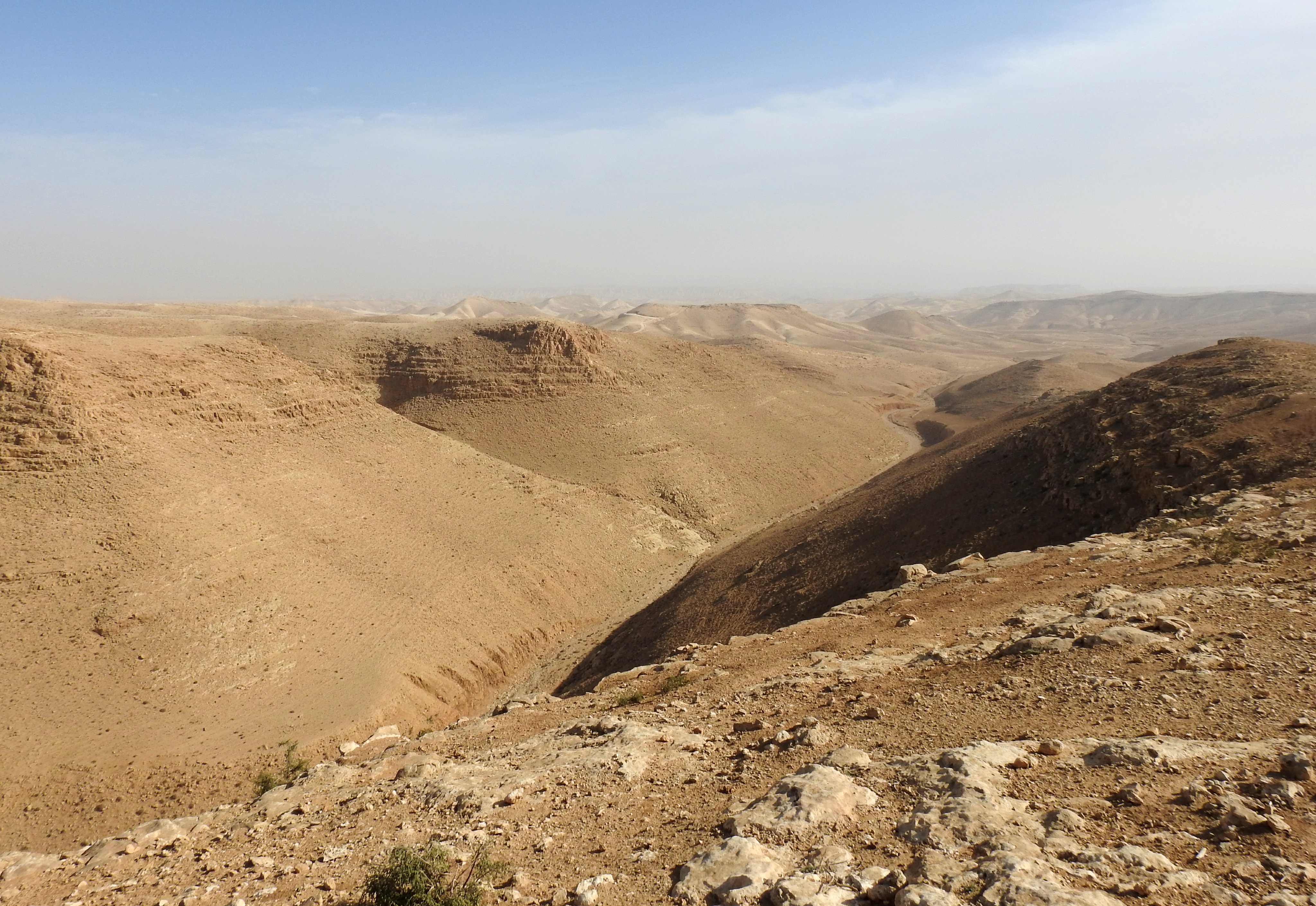
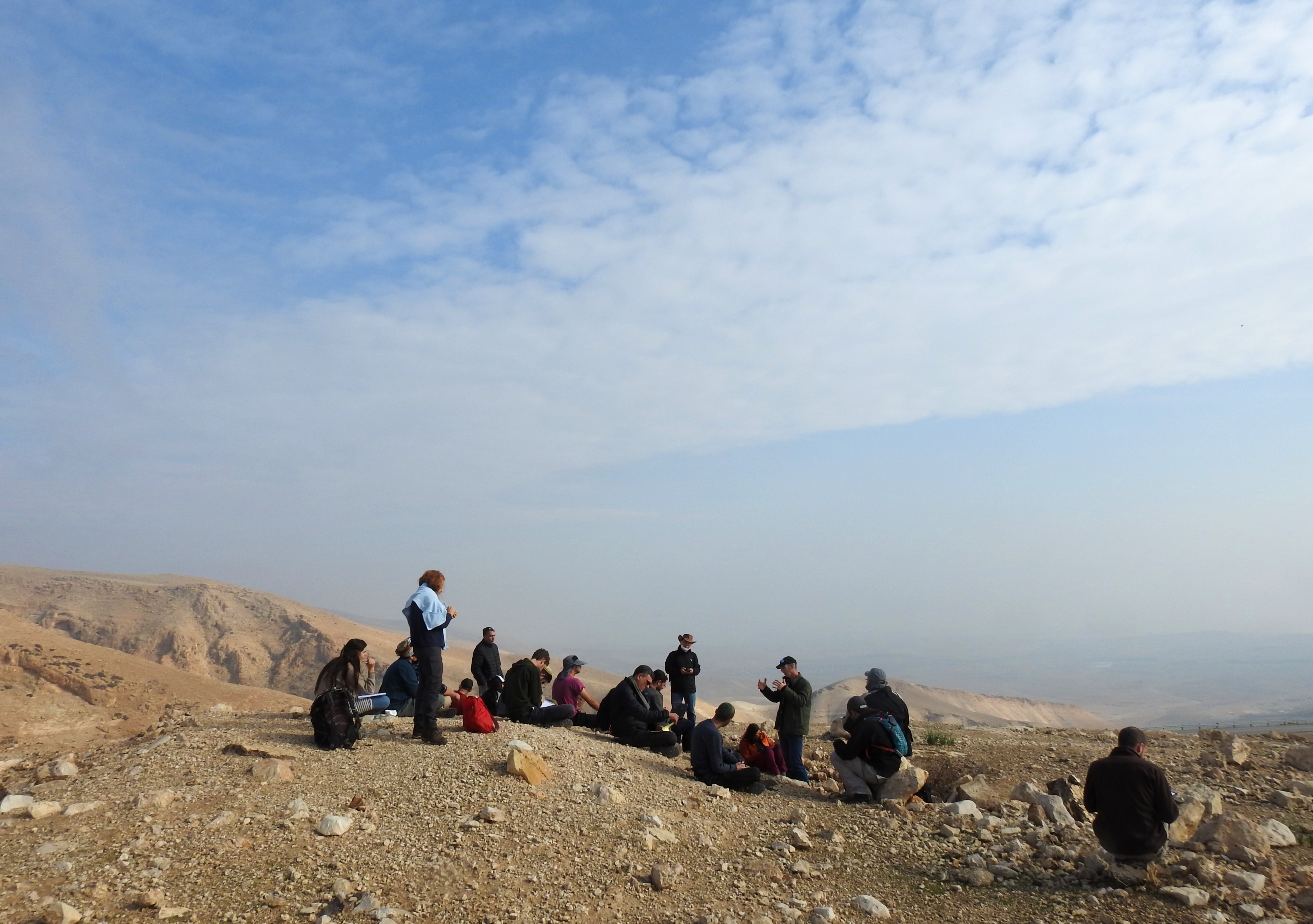
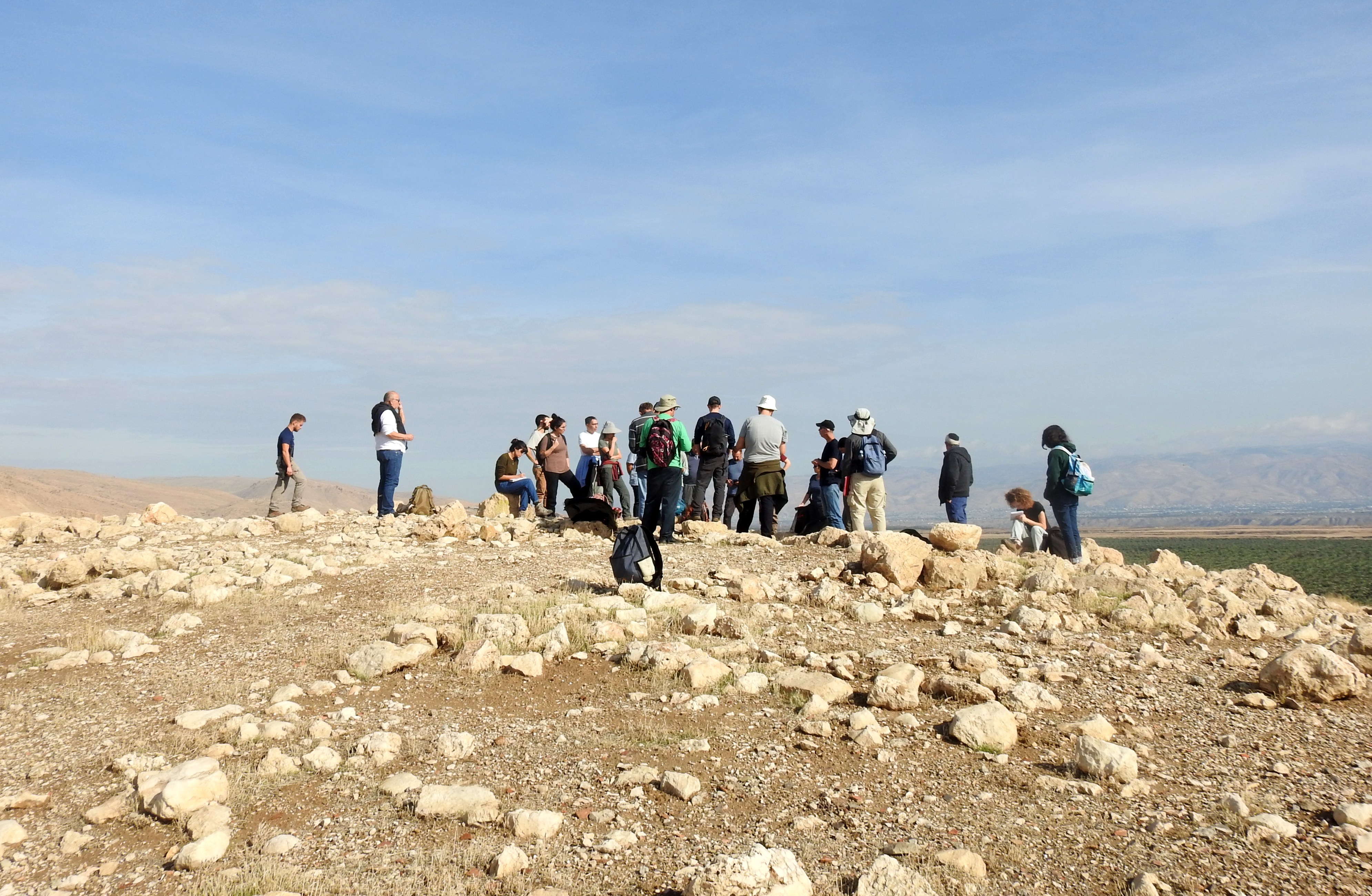
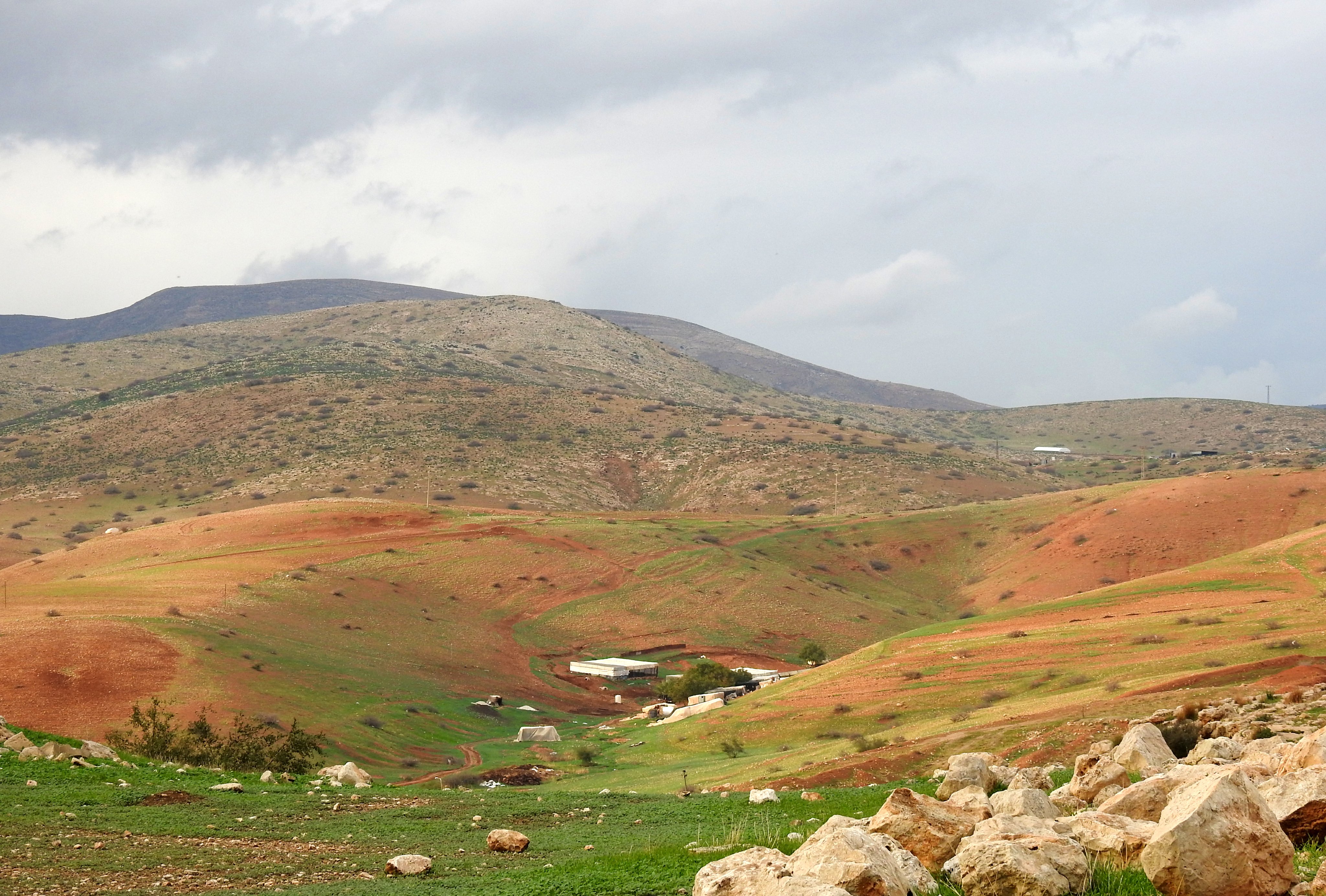
Looking out over Tariq Abu George

Looking out over Tariq Abu George

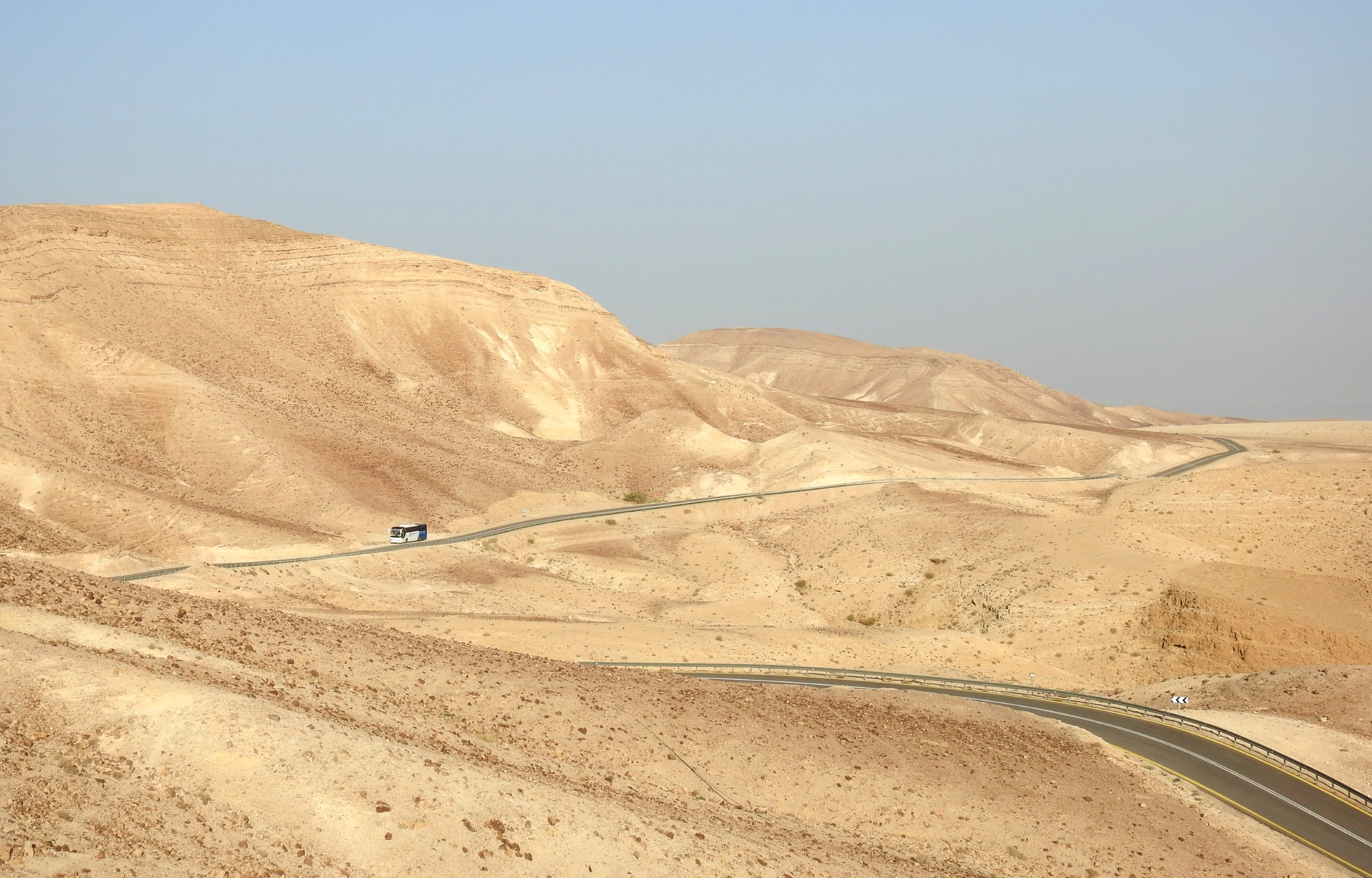
Being as this was the first day, our first destination was a small hillock overlooking Tariq Abu George, an important road that was paved by the Jordanians on the remains of an old Roman road. It was named after British army officer Edwin G. Bryant, previous superintendent of the Akko prison, who was nicknamed “Abu George” by his Arab admirers.

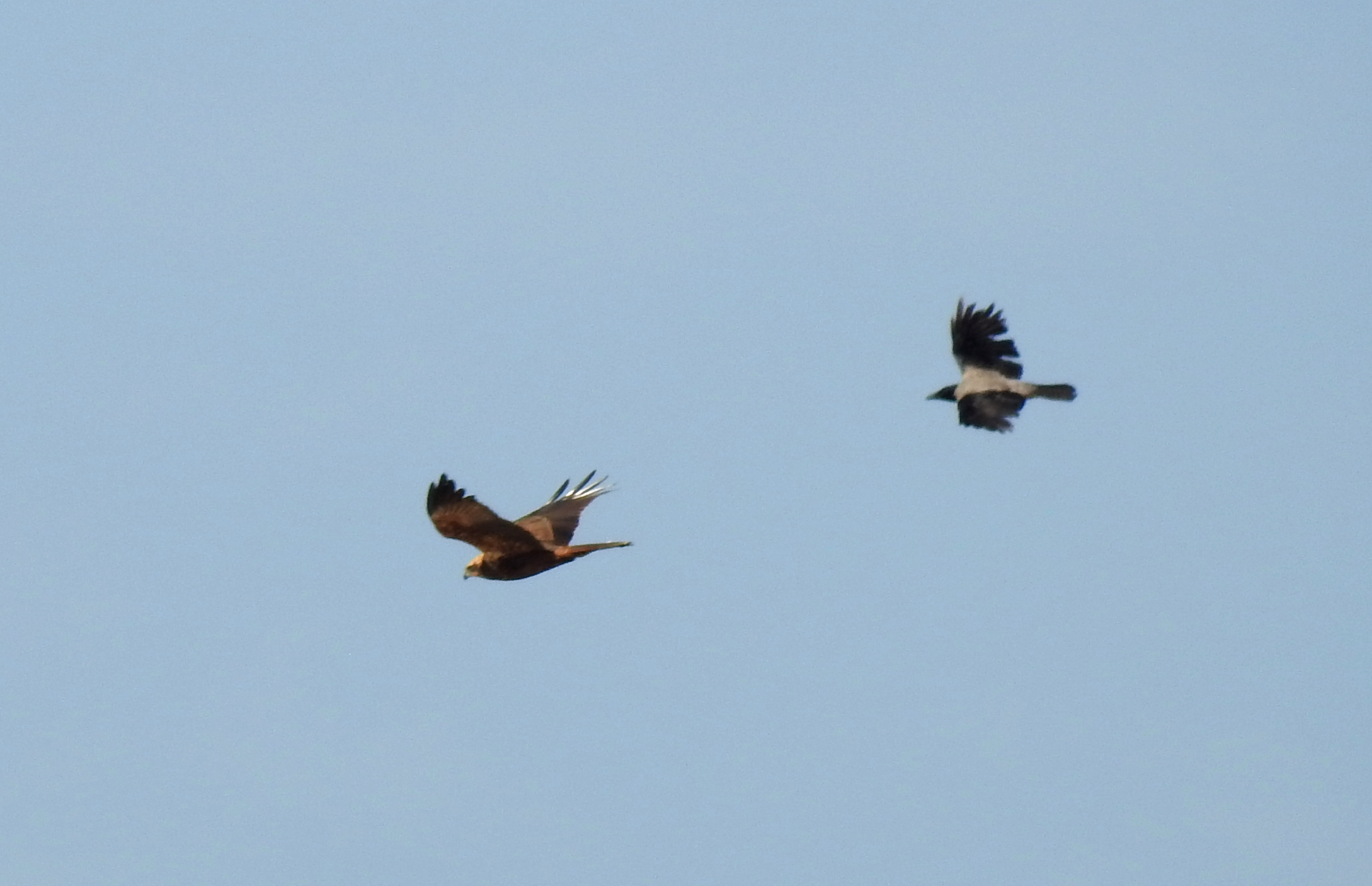
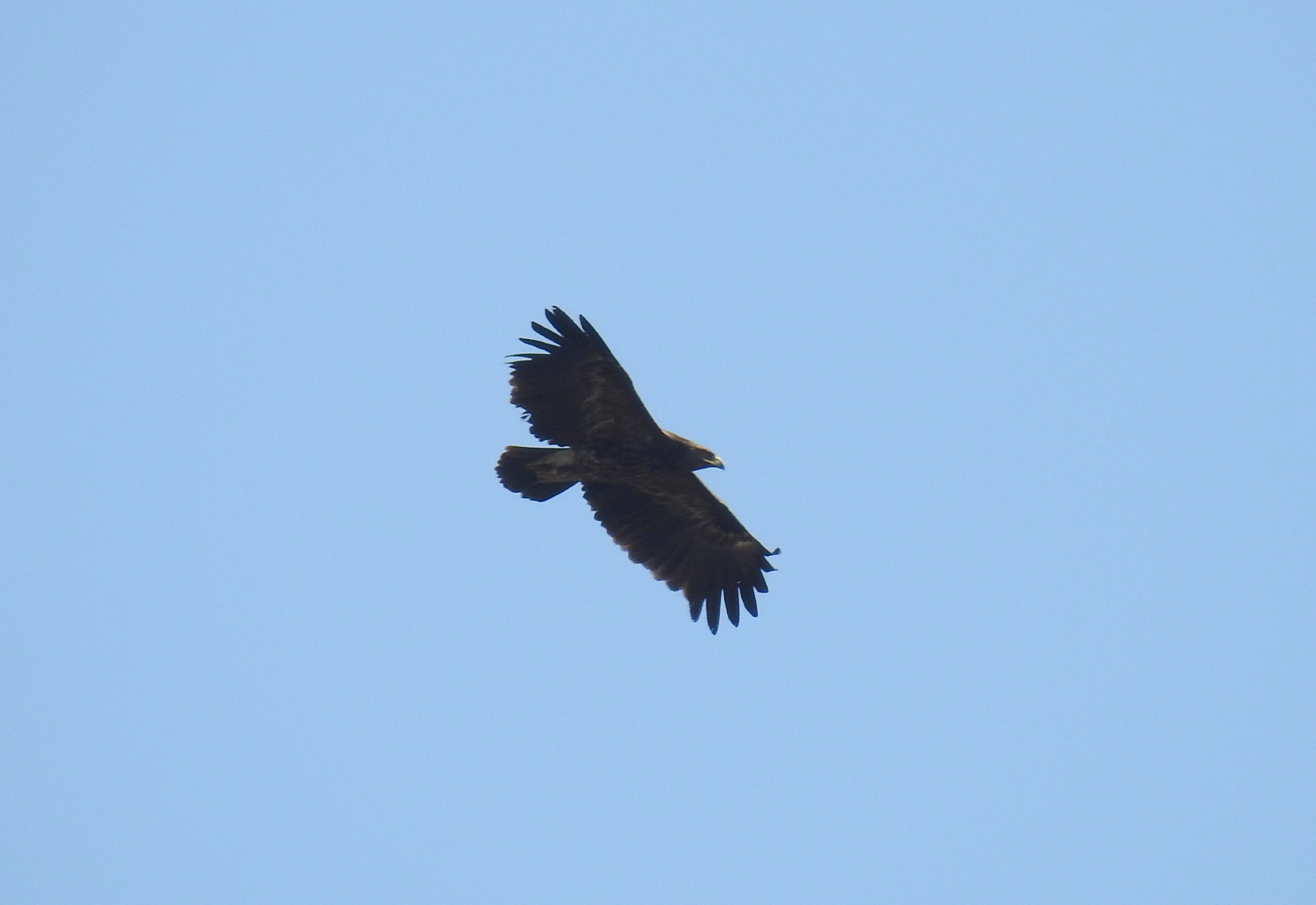
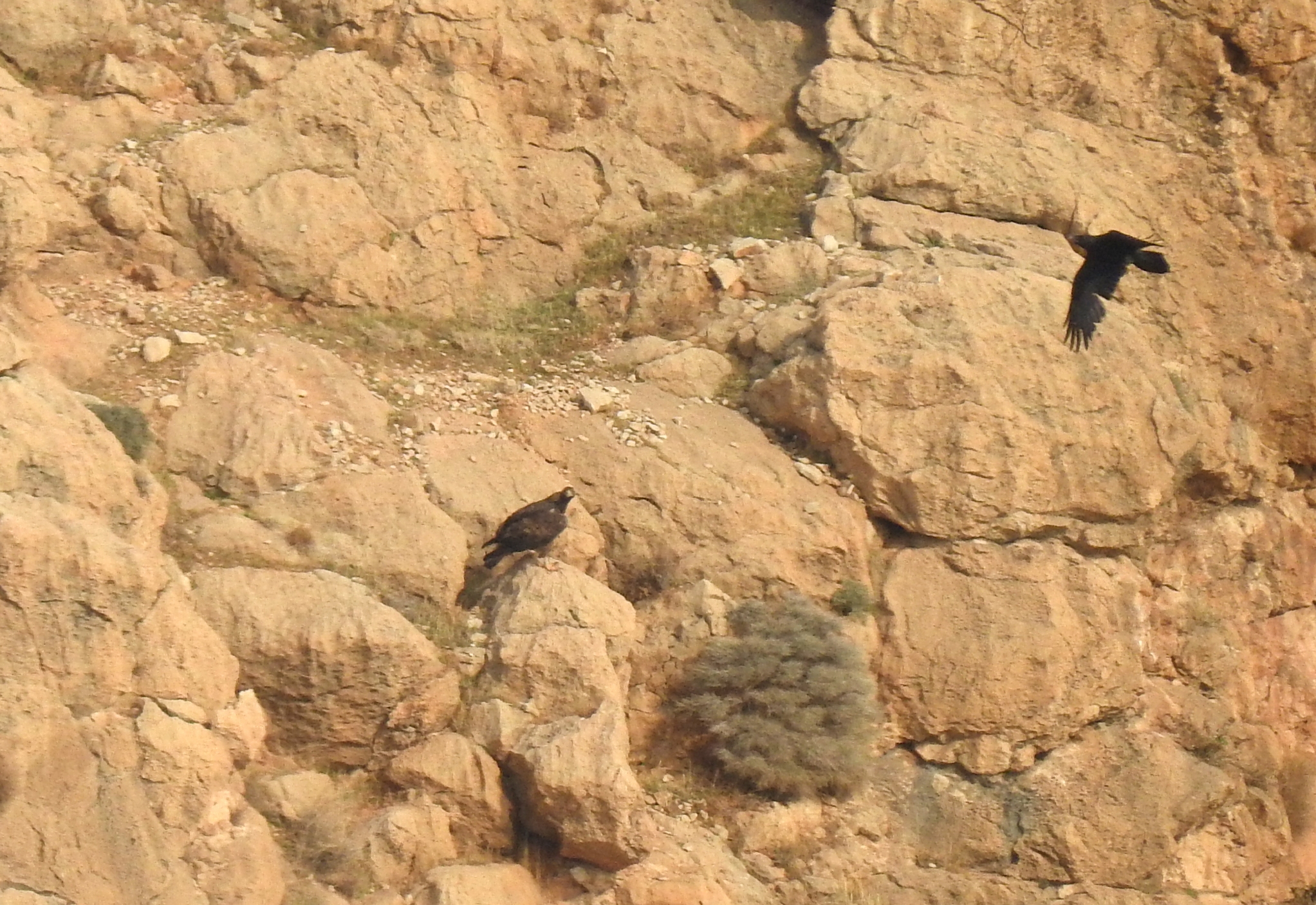
Golden eagle being mobbed by a common raven

Golden eagle being mobbed by a common raven

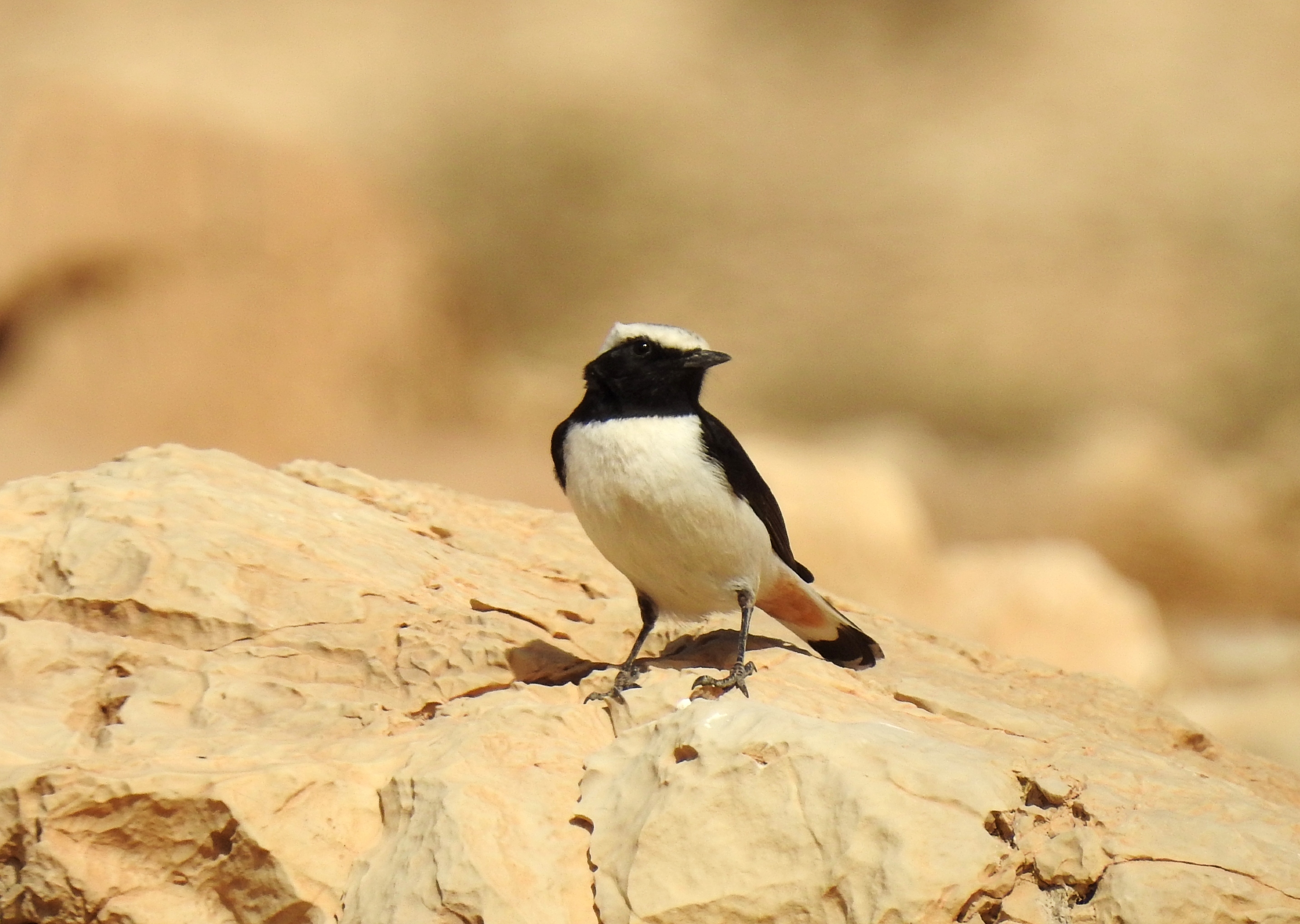
The reason we were visiting this hillock was to take note of the geographical divide between the southern end of Samaria, and the subsequent start of the Judean Desert. While we surveyed our arid surroundings, I made note of some bird activity around me. First, I spotted a pair of buzzards far off over a ridge to the west, and then a small flock of alpine swifts. Next, much to my surprise, I noticed two somewhat rare golden eagles being mobbed by a few gregarious northern ravens. I had only ever seen golden eagles twice before – and both of those had also been on field trips with Dr Raviv (HERE and HERE)!

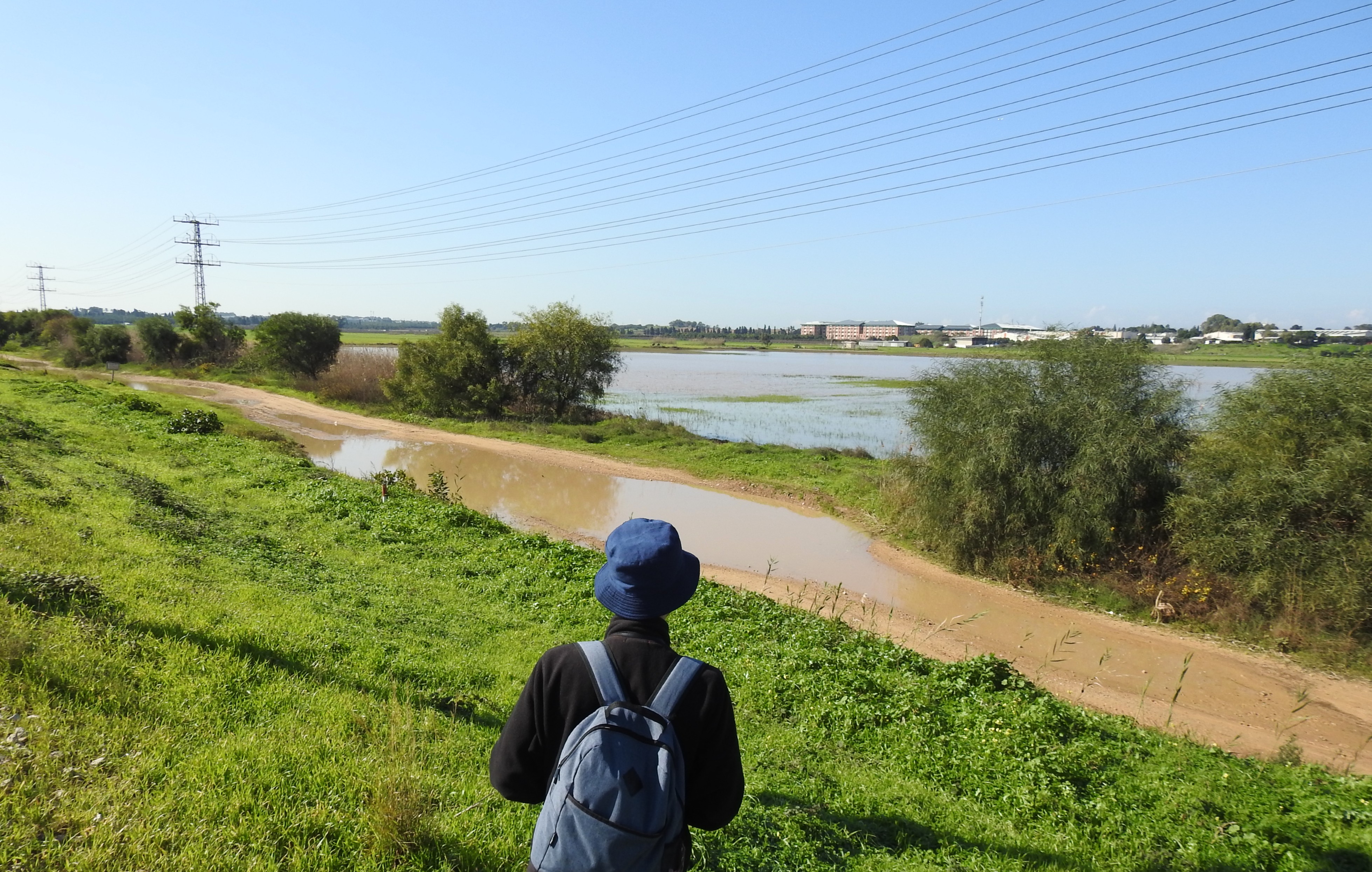
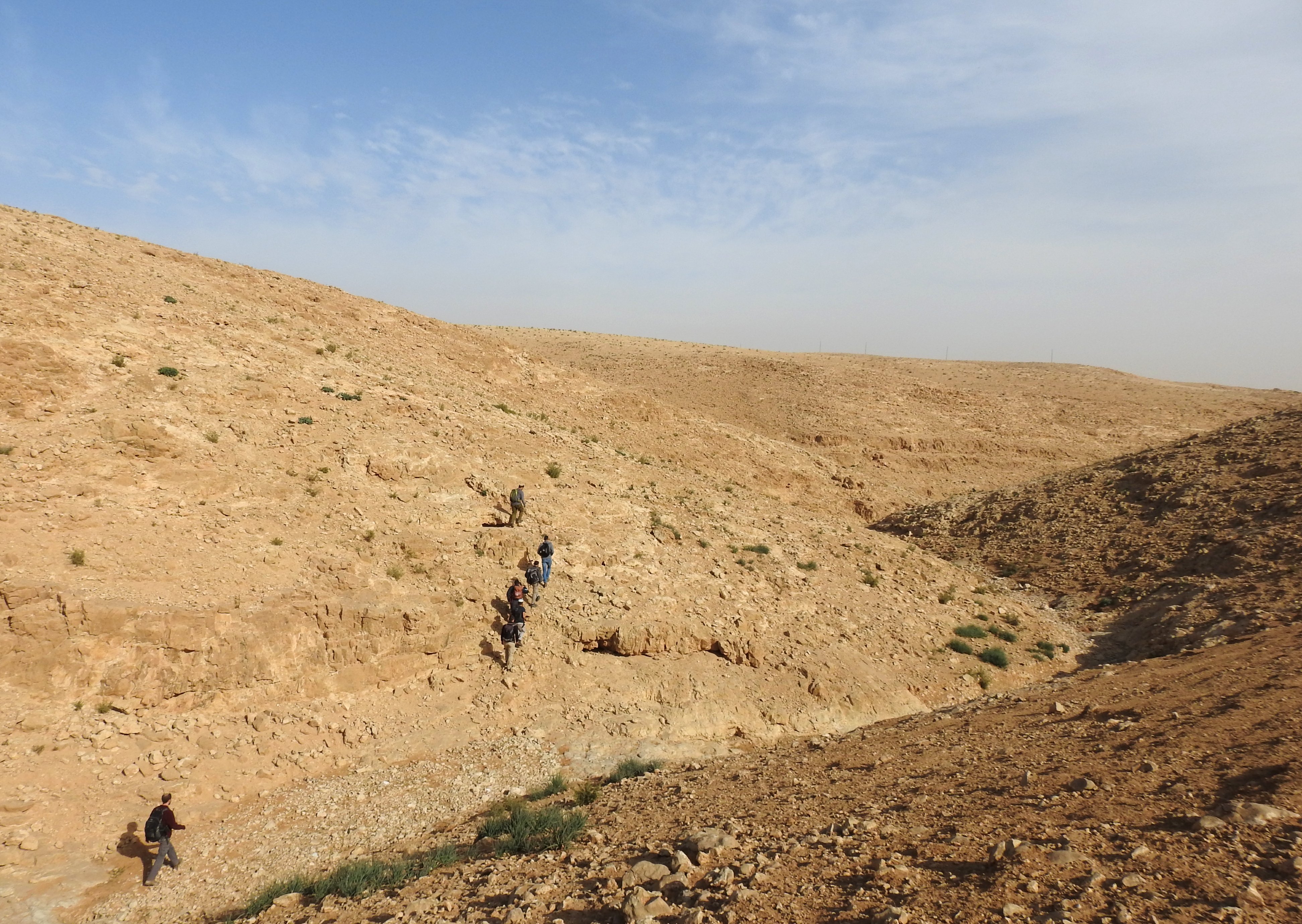
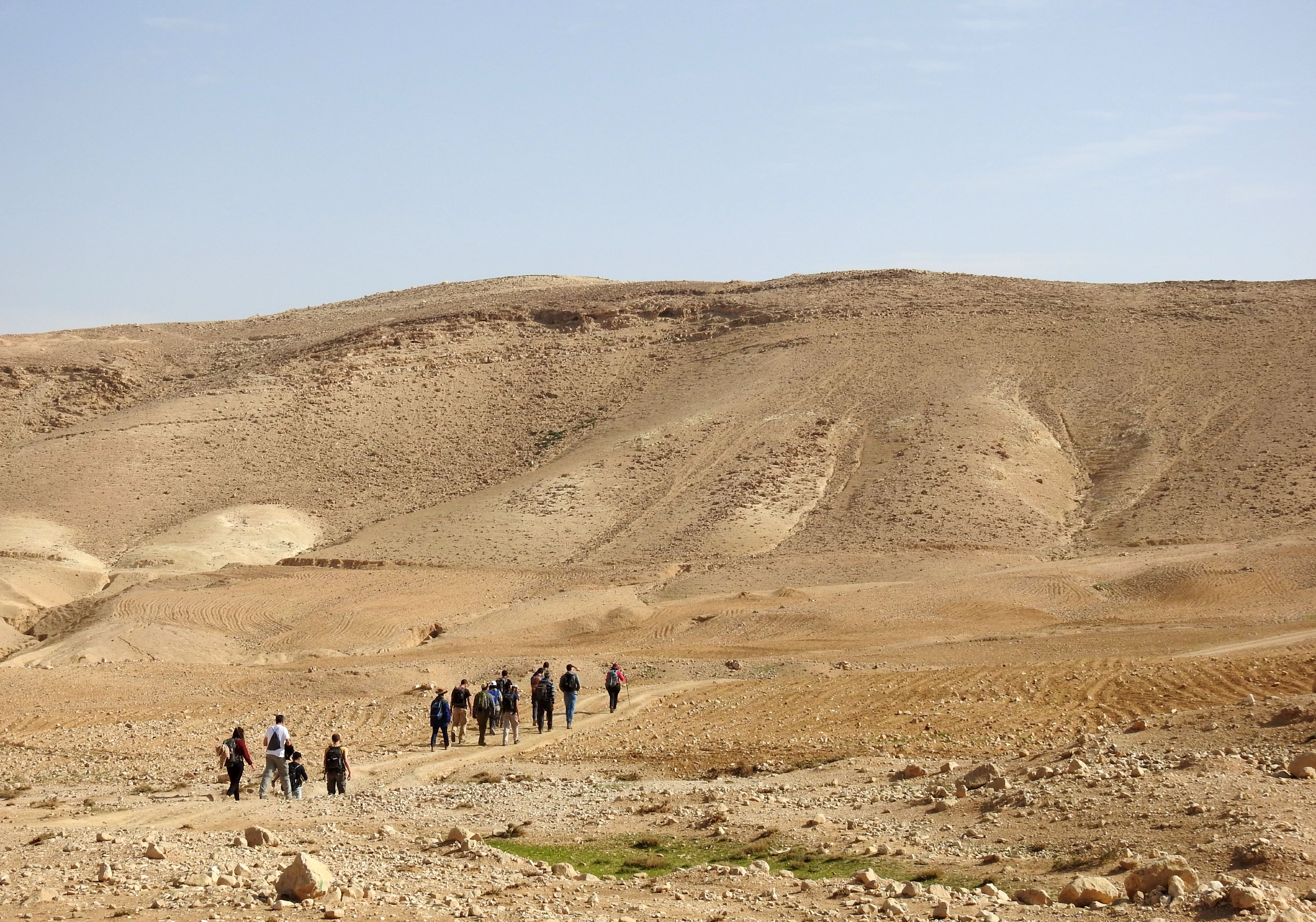
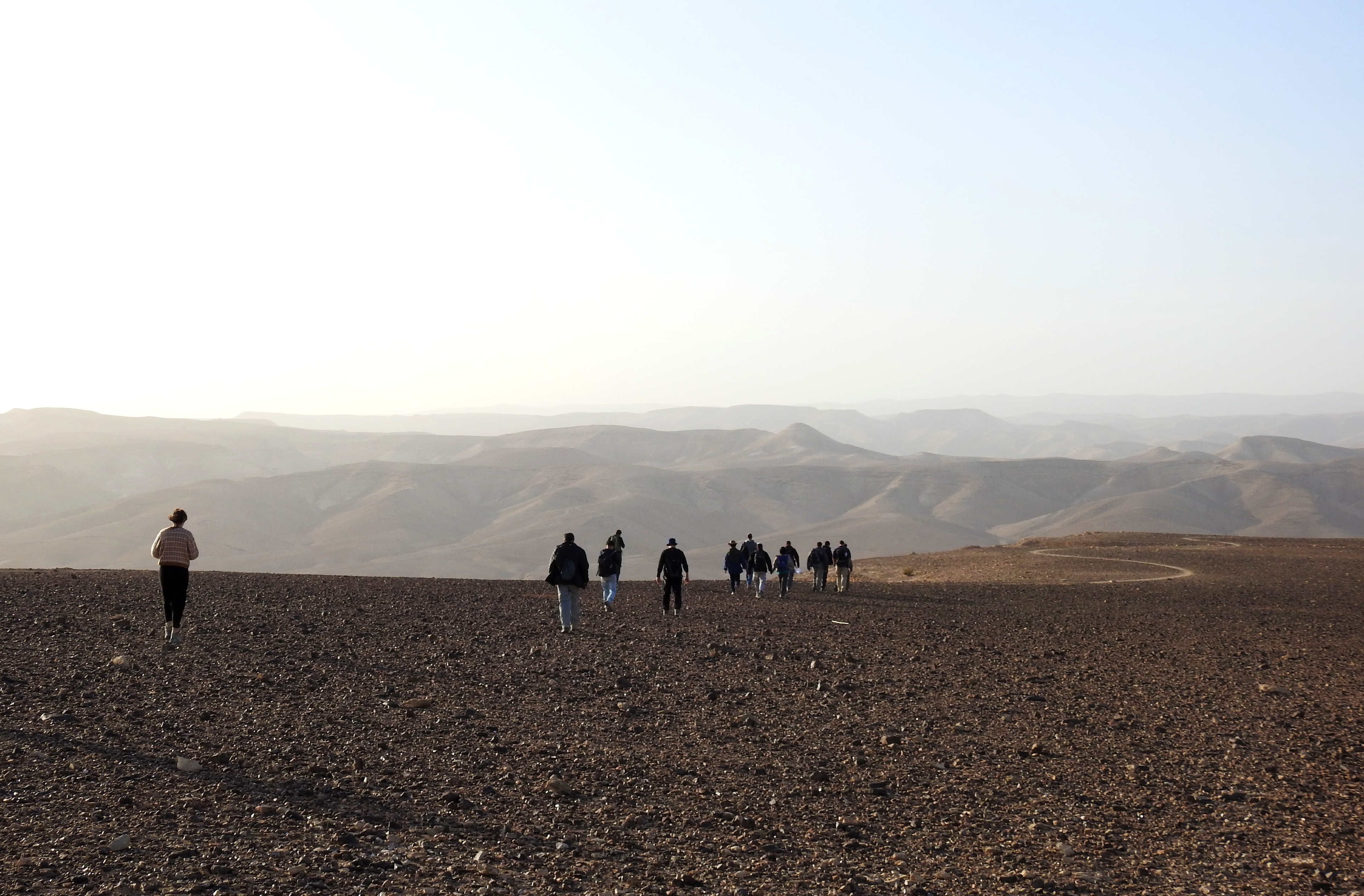
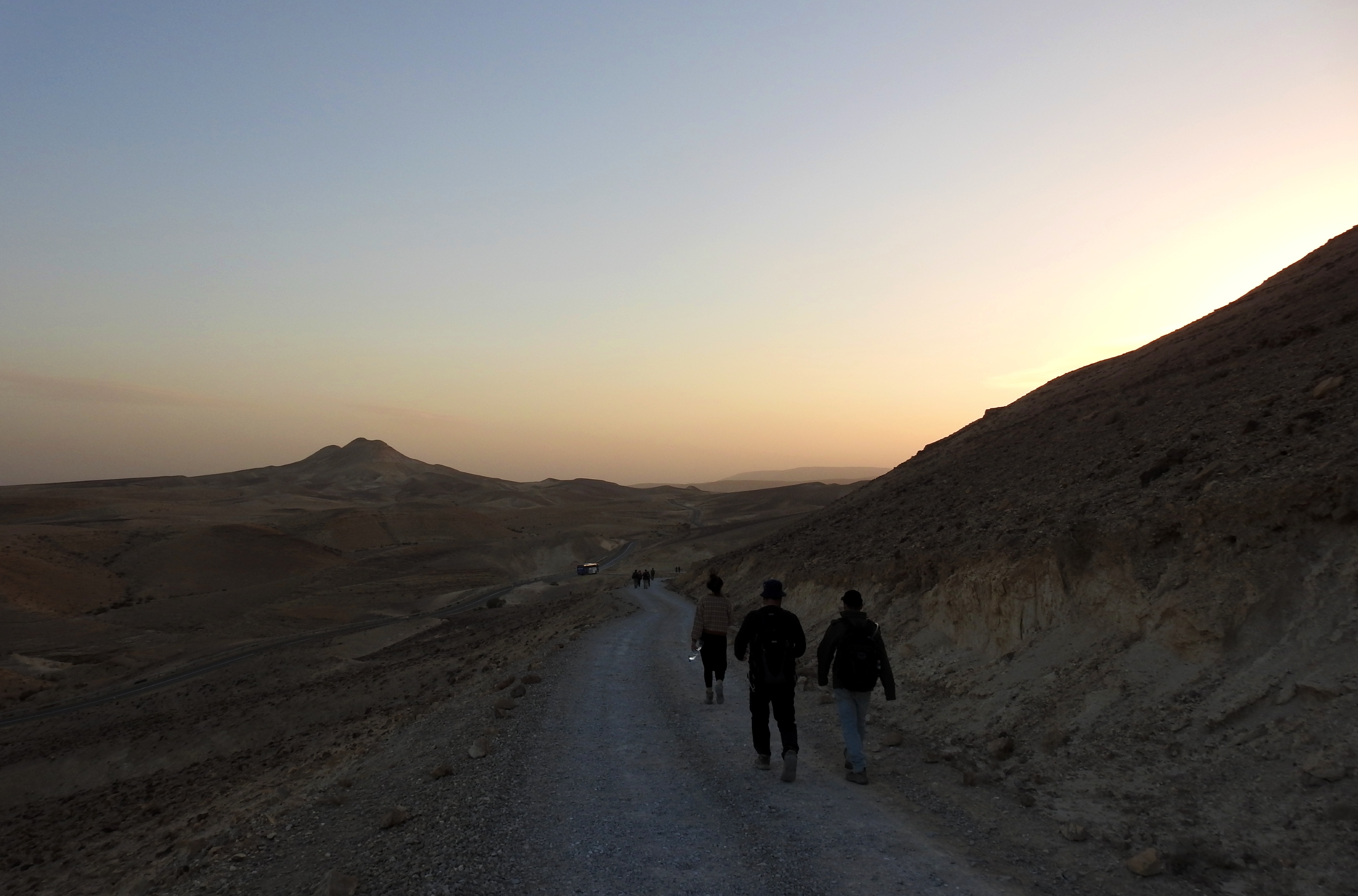
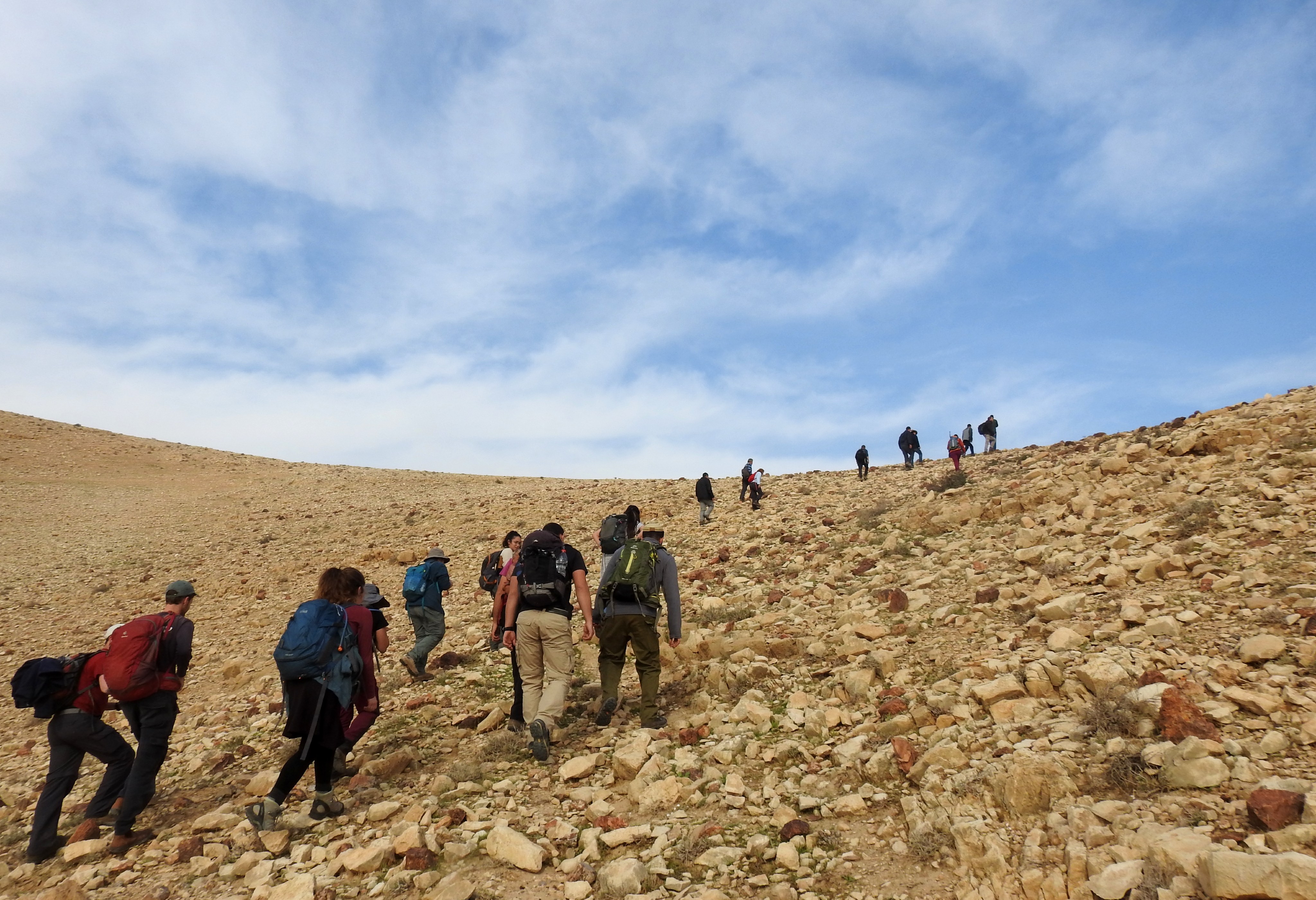
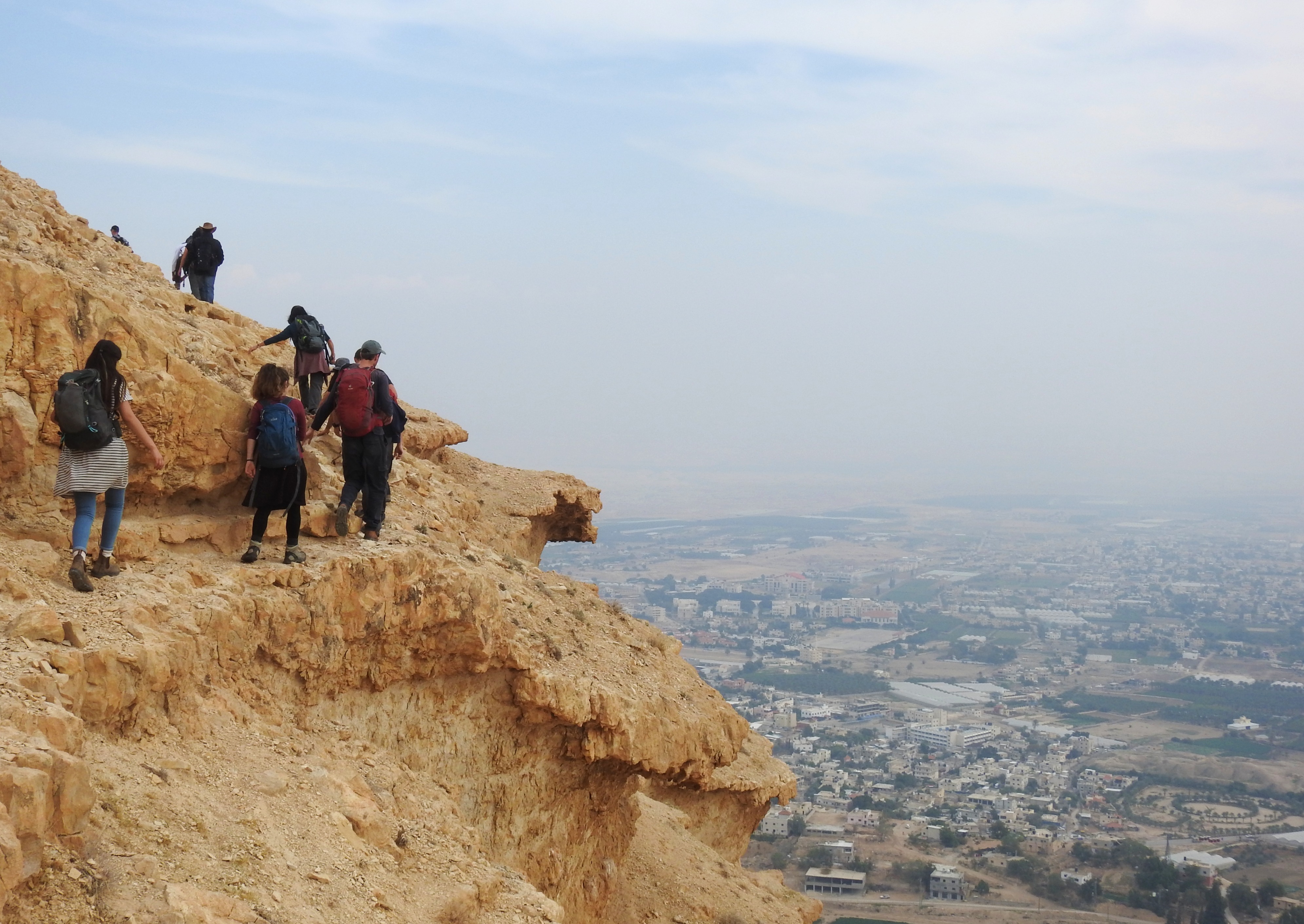
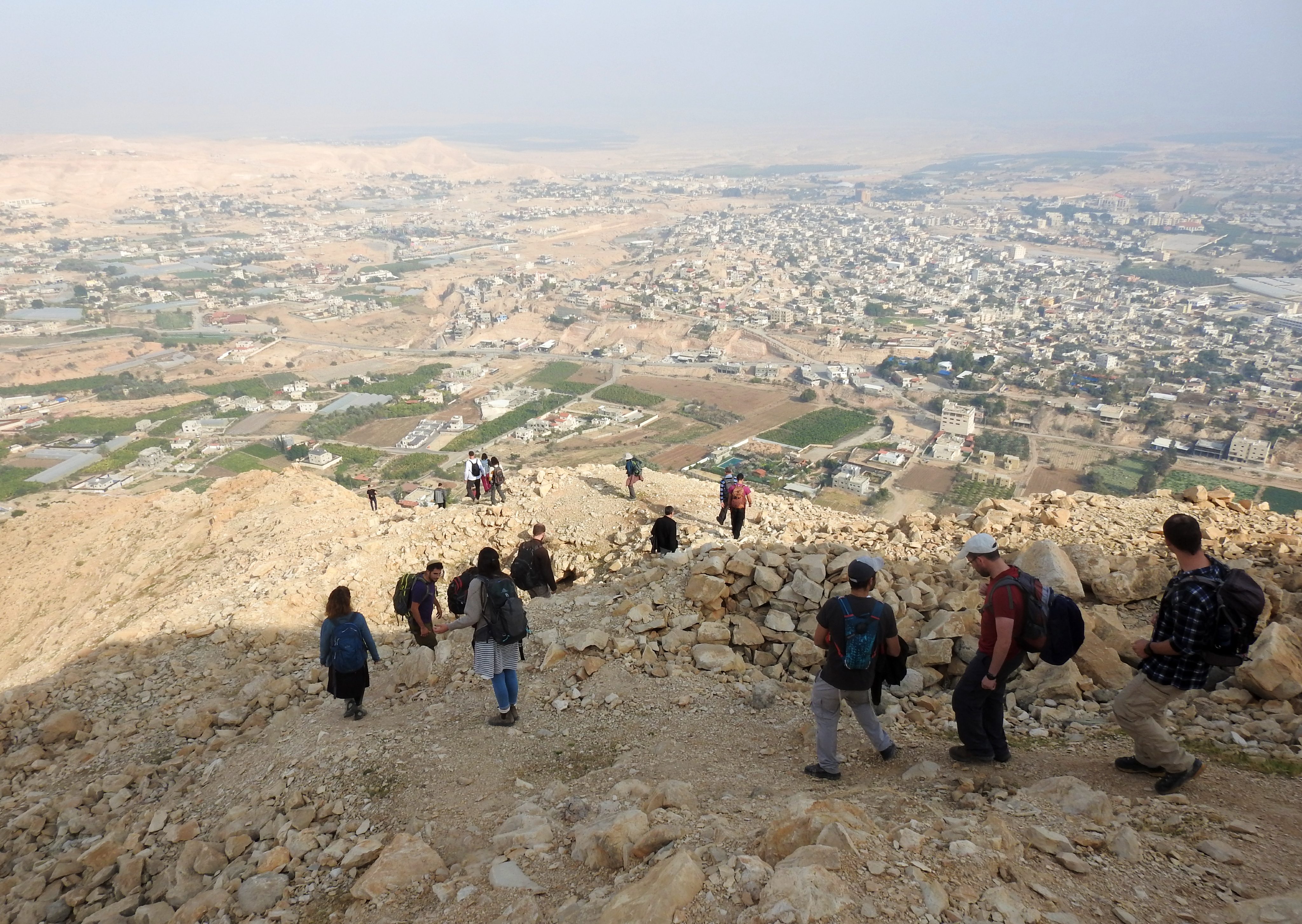
Hiking in the direction of Doq

Hiking in the direction of Doq

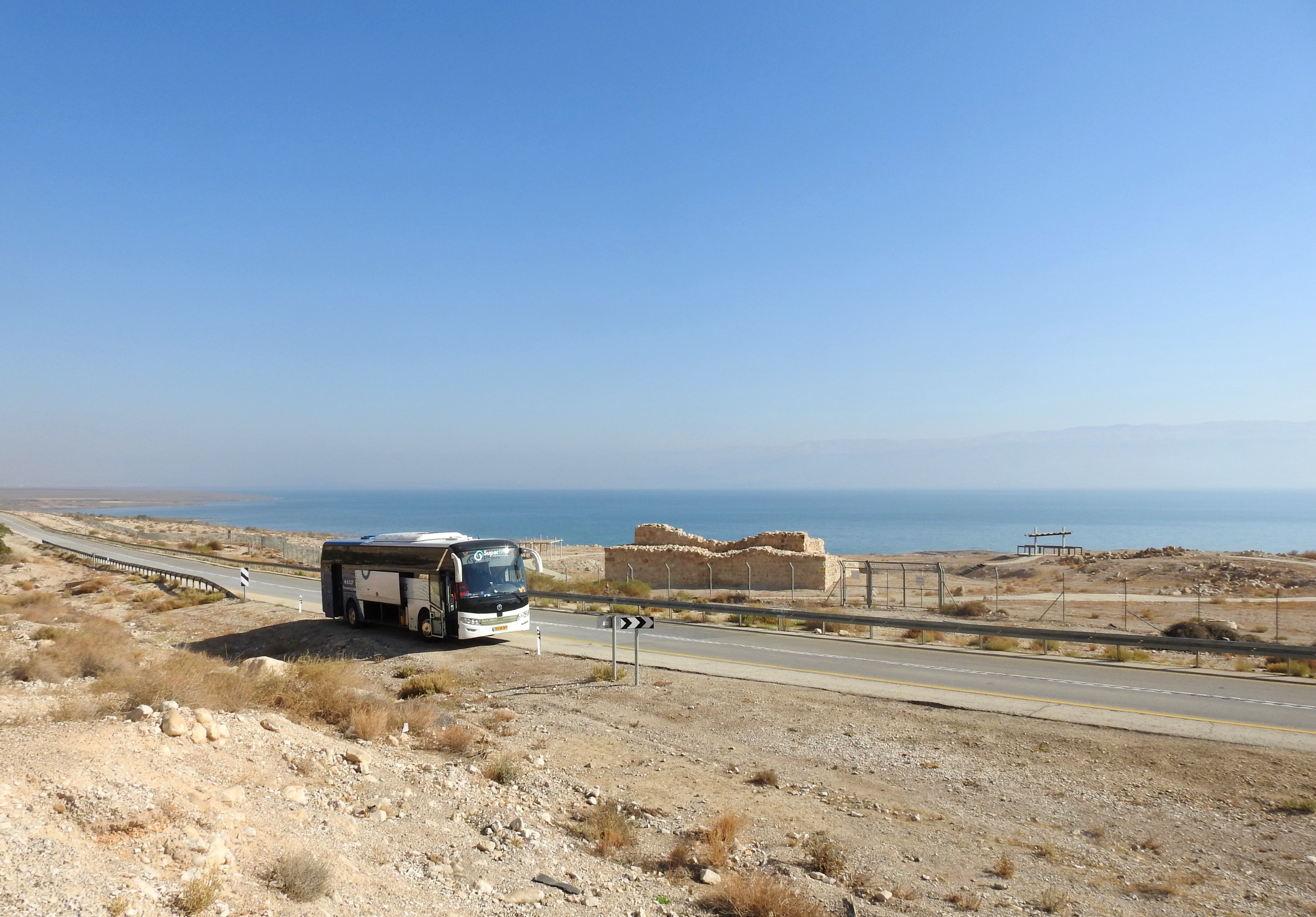
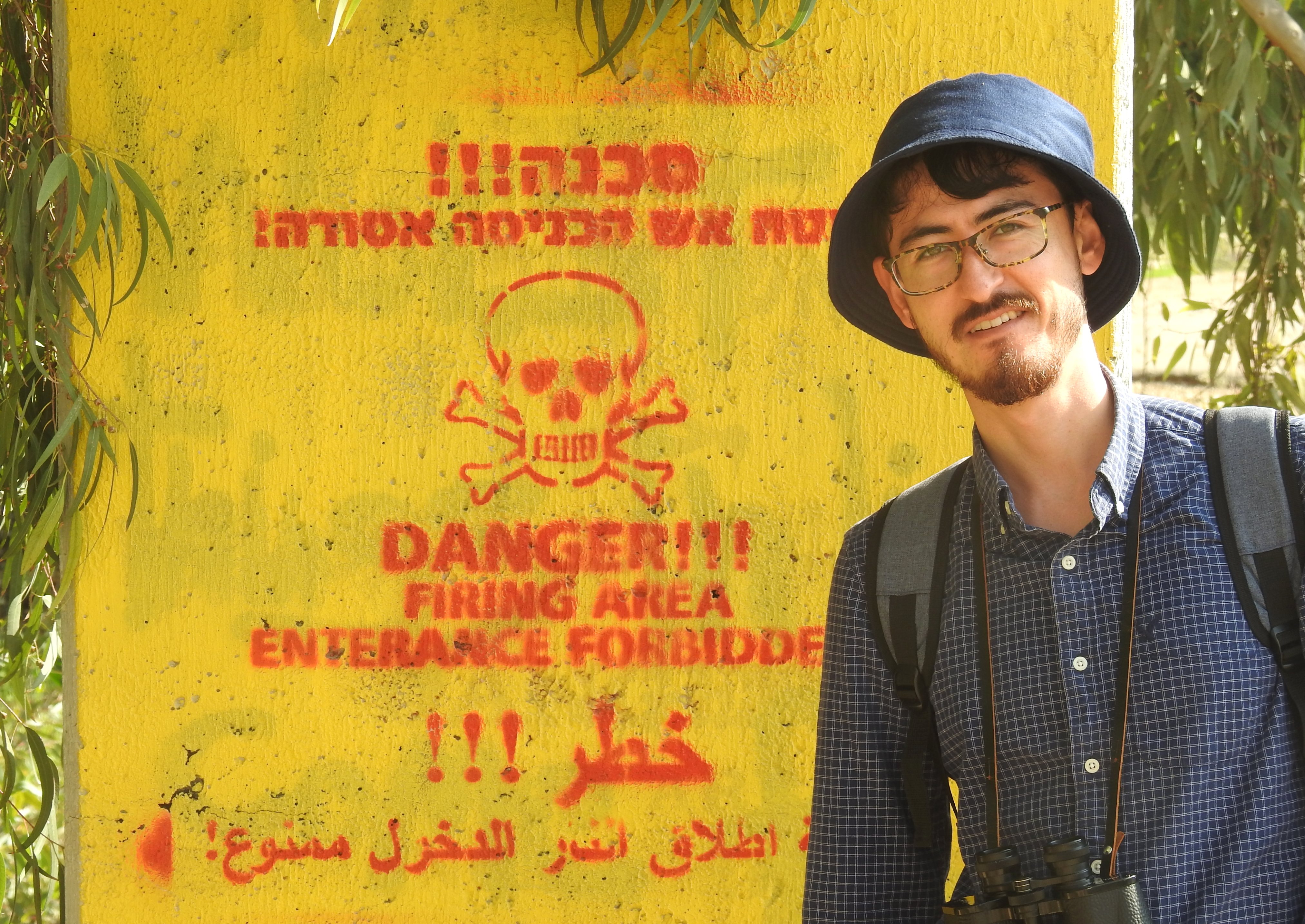
Hiking back down the hill to our bus, we then headed for our first real destination of the day, the Hasmonean fortress of Doq. However, getting there was no small challenge, and our bus took a meandering route that led us through a Magav (Israel’s gendarmerie) training base and subsequent firing zones. As we drove I looked out the windows and noticed quite a nice amount of great grey shrikes, black redstarts and other birds. At last, our bus reached the vicinity of Doq and we all got out for a nice hike.

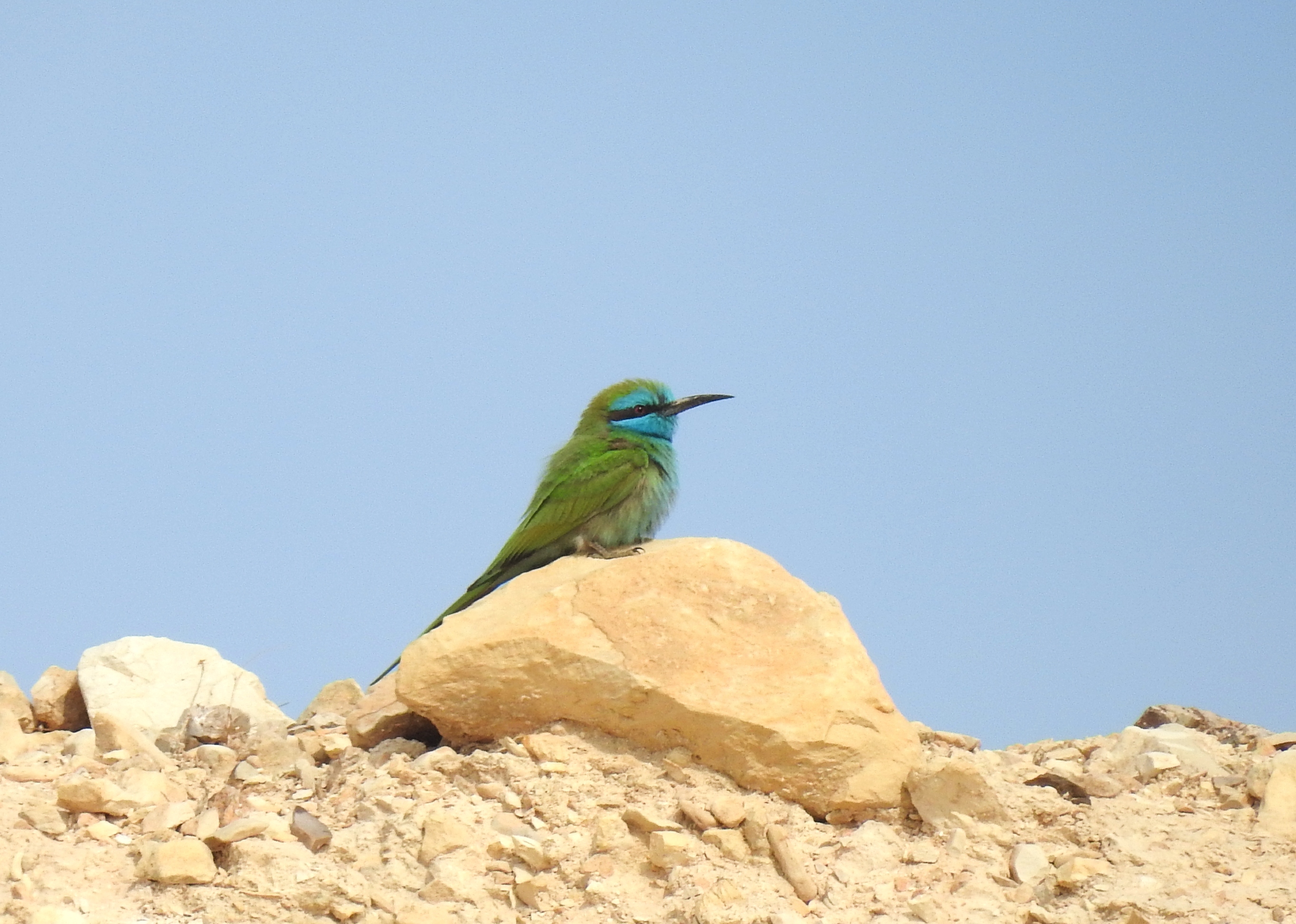
Under the watchful gaze of the Arabian green bee-eater

Under the watchful gaze of the Arabian green bee-eater

Overlooking the ancient city of Jericho, Doq was built during the Hasmonean period, and served as a fortress commanding the region. According to the Book of Maccabees, it was built by Ptolemy son of Abubus, the local governor appointed by Antiochus VII Euergetes, ruler of the Seleucid Empire some thirty years after the story of Hannukah. While the land was still in conflict between the different regional players, Doq was depicted as being the site of treachery against the Hasmoneans during a power struggle over Jerusalem.

Making our way to Doq

Making our way to Doq

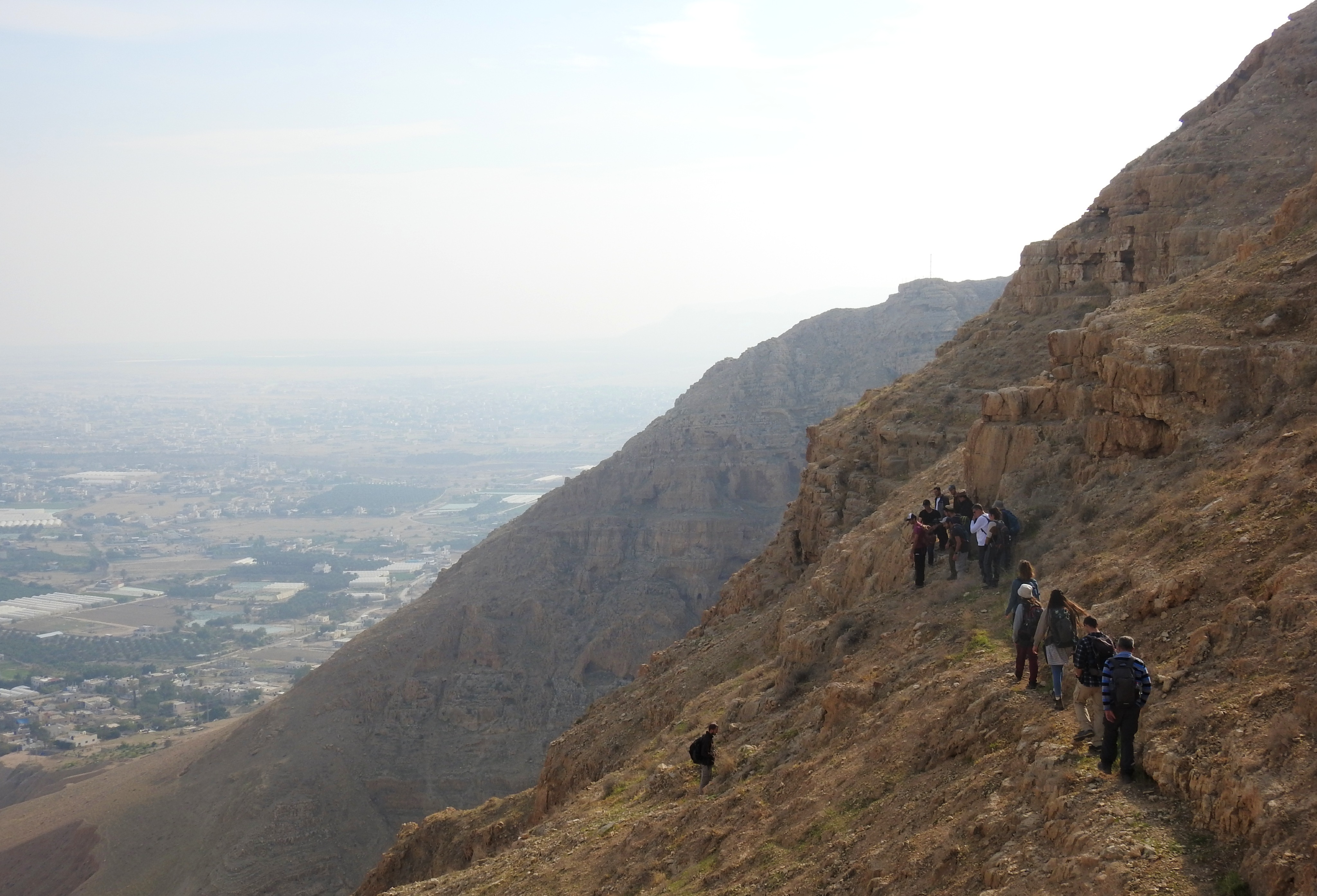
Our visit to Doq (also referred to as Dagon by Josephus) began alongside the dry Wadi el-Mefjer, where an Umayyad-built dam once stood to keep the seasonal flooding from destroying the crops down in the vicinity of Jericho. We hiked up and down the rocky slopes of the Qarantal ridge as we approached the first lookout, where we were able to survey our surroundings.

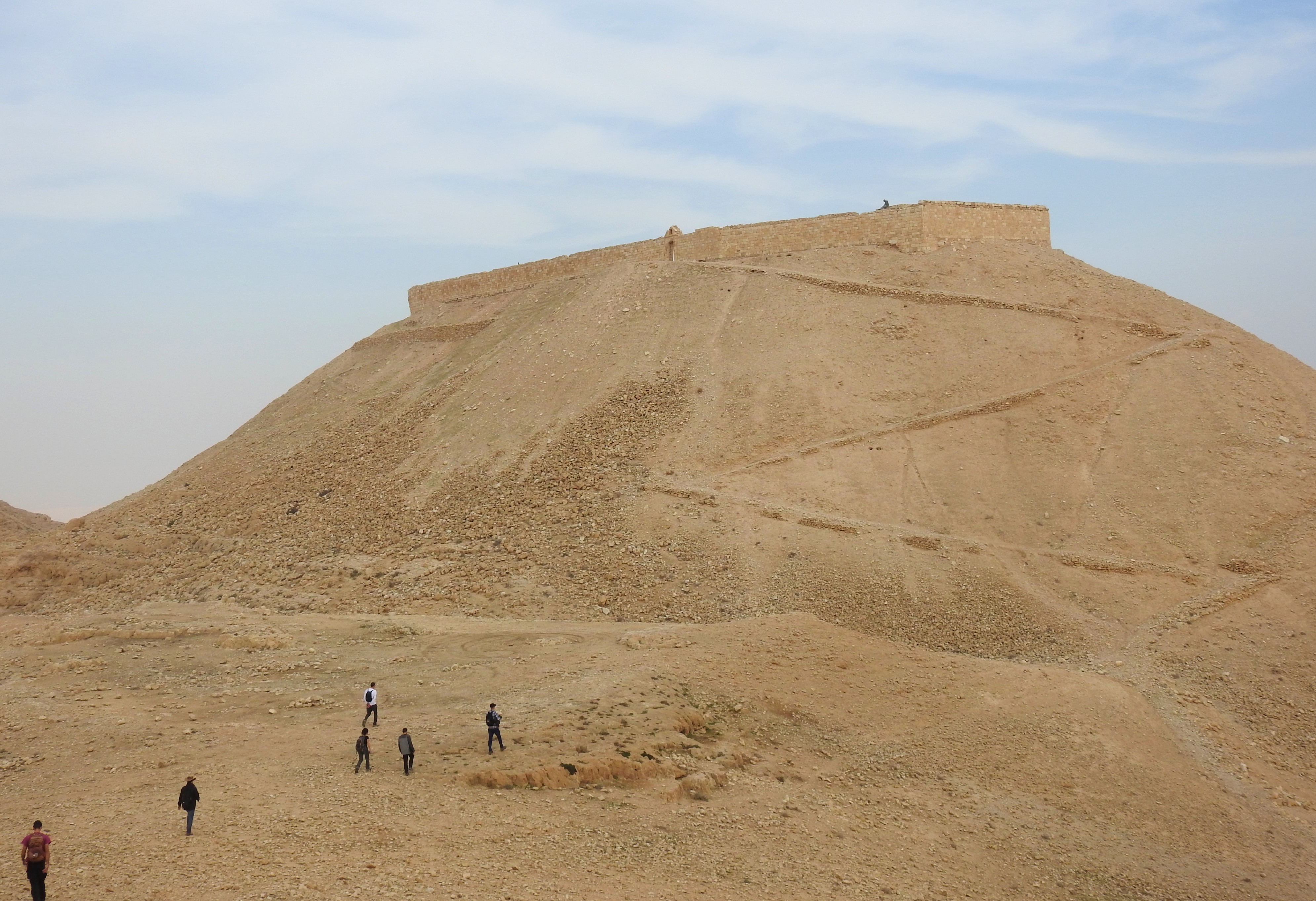
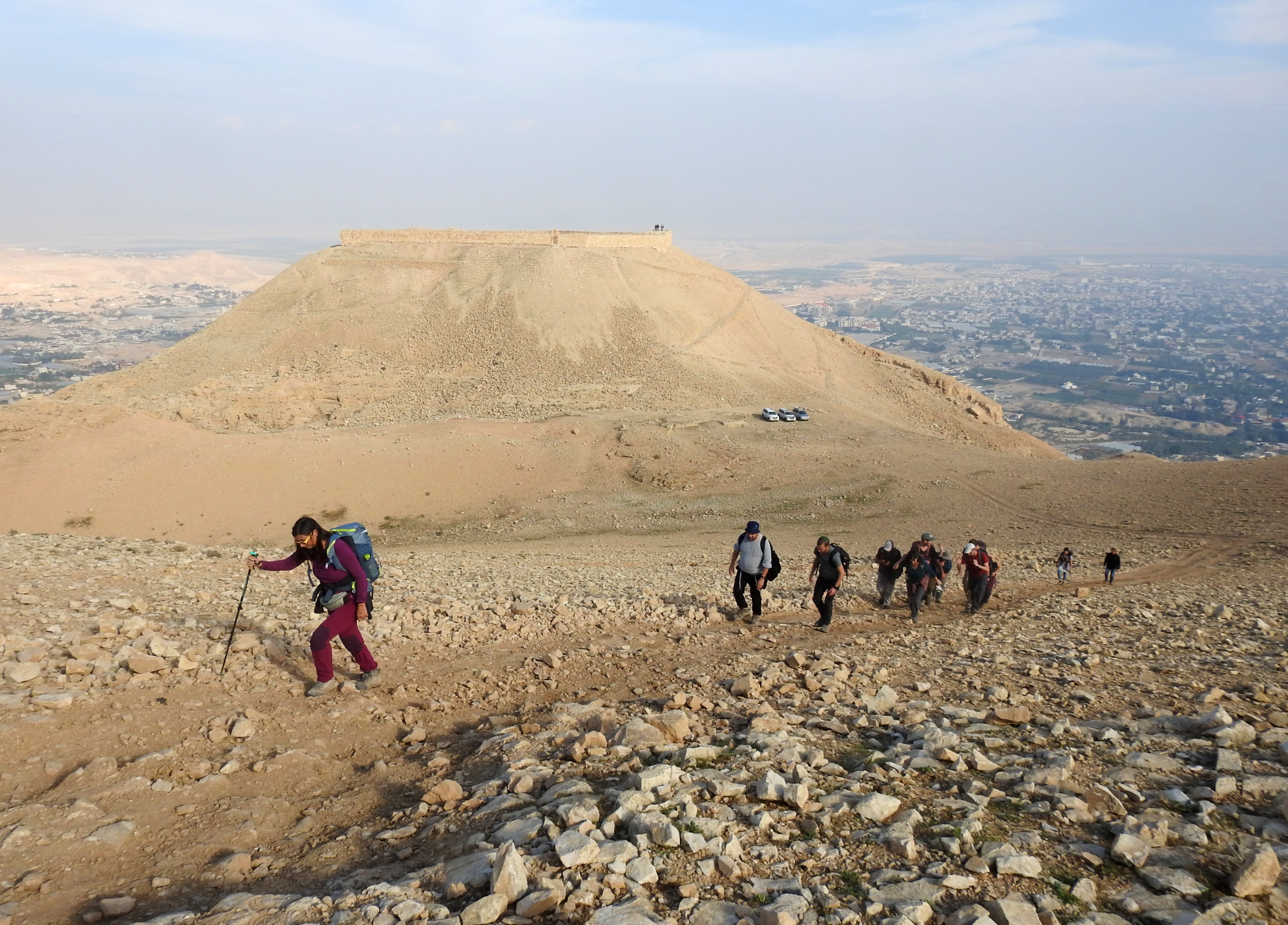
Approaching Doq from the southwest

Approaching Doq from the southwest

From the lookout we pressed onward, climbing the zigzagging path that leads to Doq. Along the way we could see the restored Qarantal Monastery, also known as the Monastery of the Temptation, which was built on the cliffside overlooking Jericho. The monastery was initially built during the Byzantine period, when monasticism swept through the arid regions of the Holy Land, and then rebuilt in 1895 by the Greek Orthodox Church.

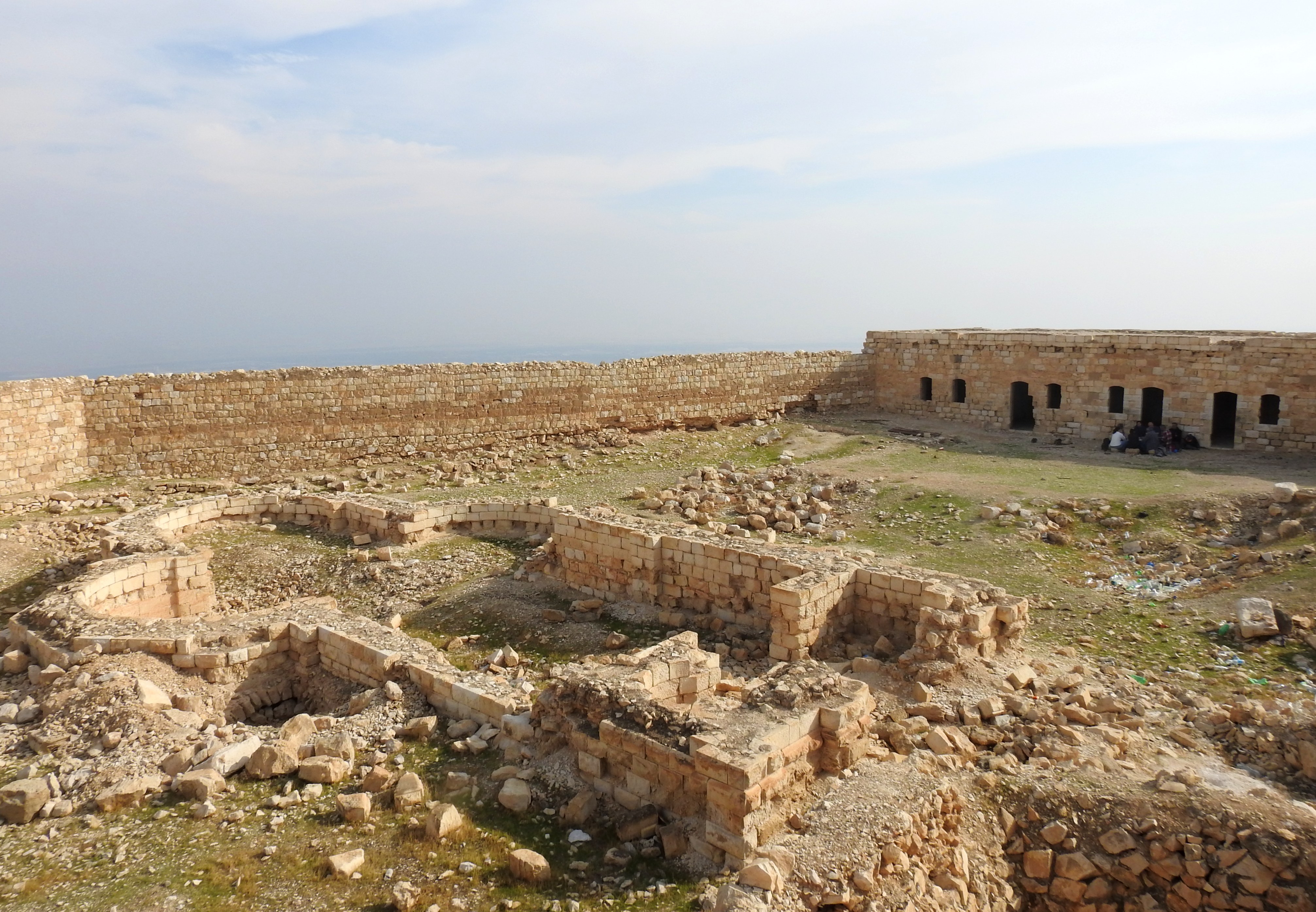
The more recent ruins atop Doq

The more recent ruins atop Doq

At last we reached the peak and we entered the ruins of Doq via a small, yet enchanting doorway that provided a break in the long western wall. However, these ruins were not of the original Doq, but rather also part of a revival attempt by the Greek Orthodox Church in the late 1800s.

Corinthian capstone from the original Doq

Corinthian capstone from the original Doq

Within, we saw that there was a large rectangular area, marked by a cross-shaped collection of low walls, and a series of arched rooms along the southern wall. We climbed to the roof of the rooms and took in the magnificent view that spread out before us of Jericho and the Qarantal beside us.

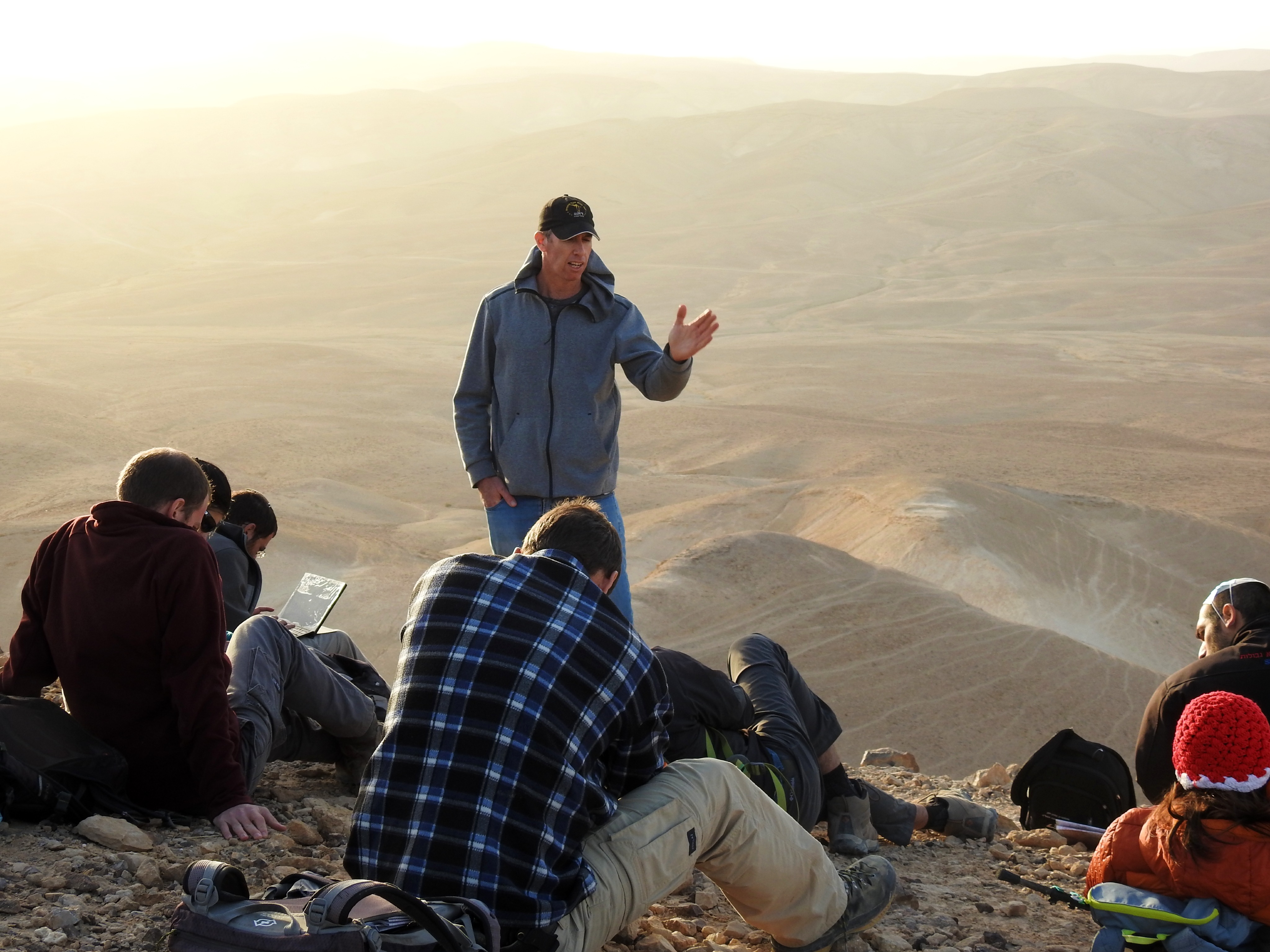
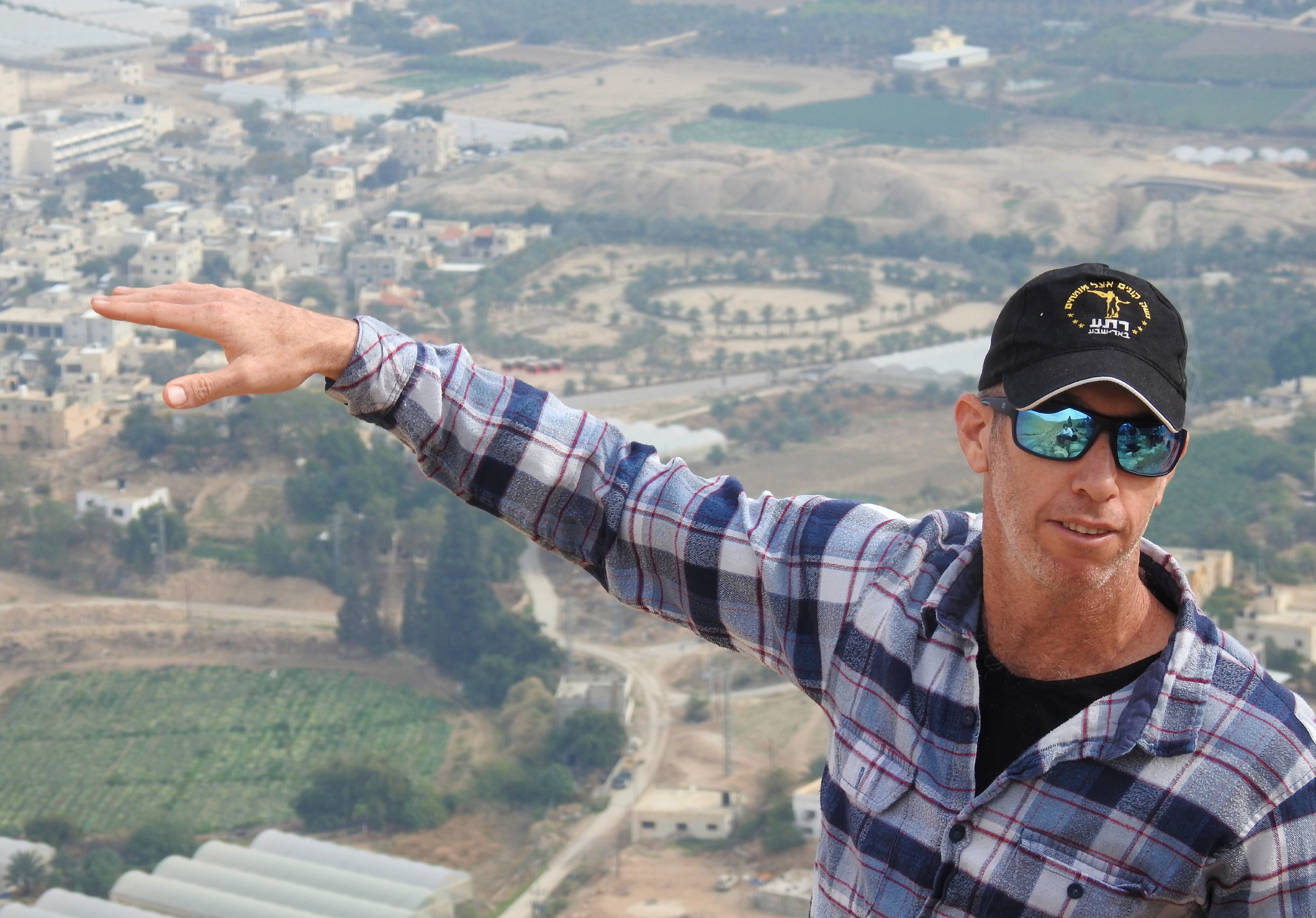
Dr Dvir Raviv backdropped by ancient Jericho

Dr Dvir Raviv backdropped by ancient Tel Jericho

Dr Raviv then gave us an geological survey of the surrounding area, and pointed out the various archaeological landmarks in the city, including the original Tel Jericho, the Shalom Al Yisrael Synagogue, the Herodian hippodrome, an Early Islamic sugar mill and other sites.

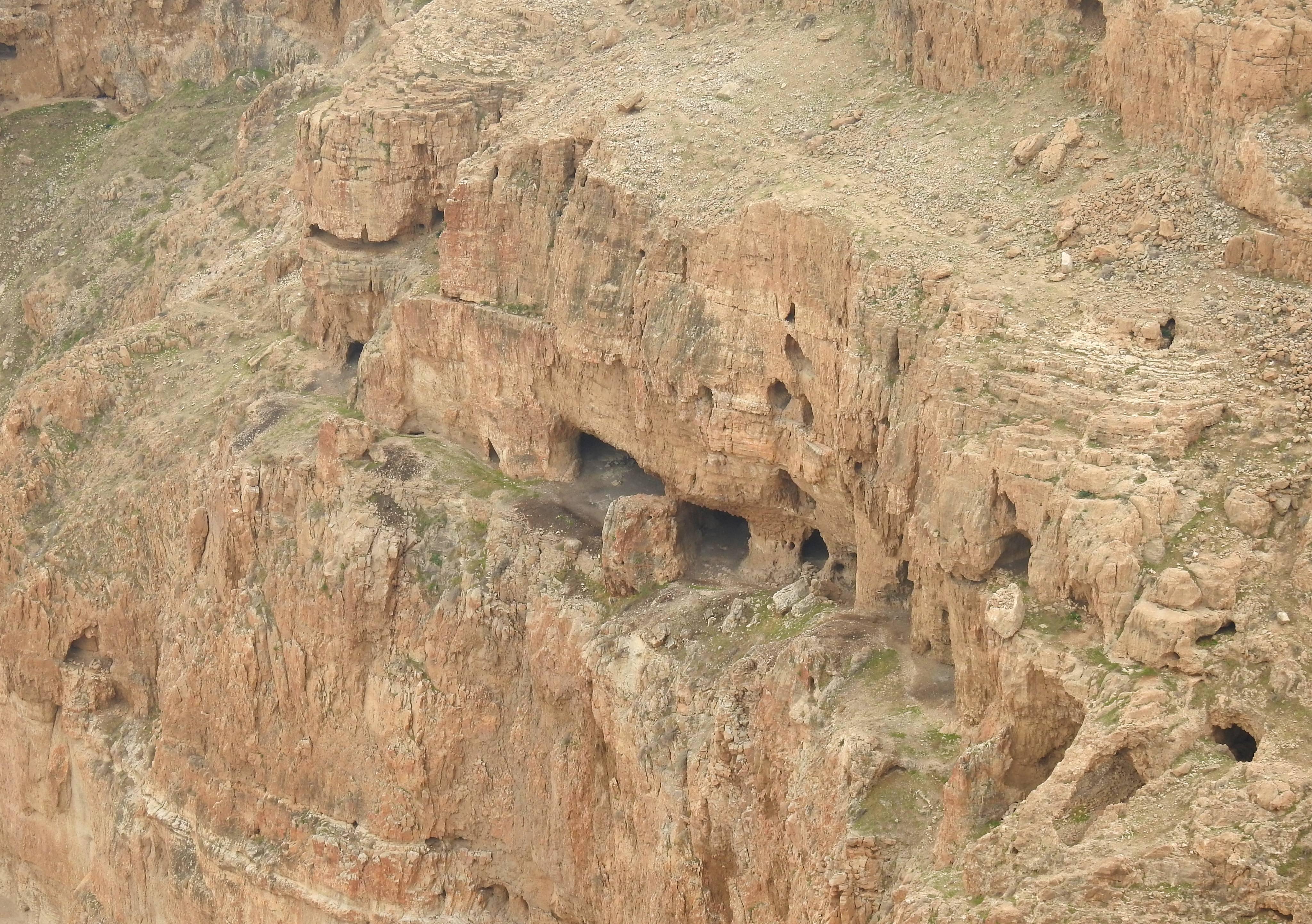
The large cave complex of the Qarantal

The large cave complex of the Qarantal

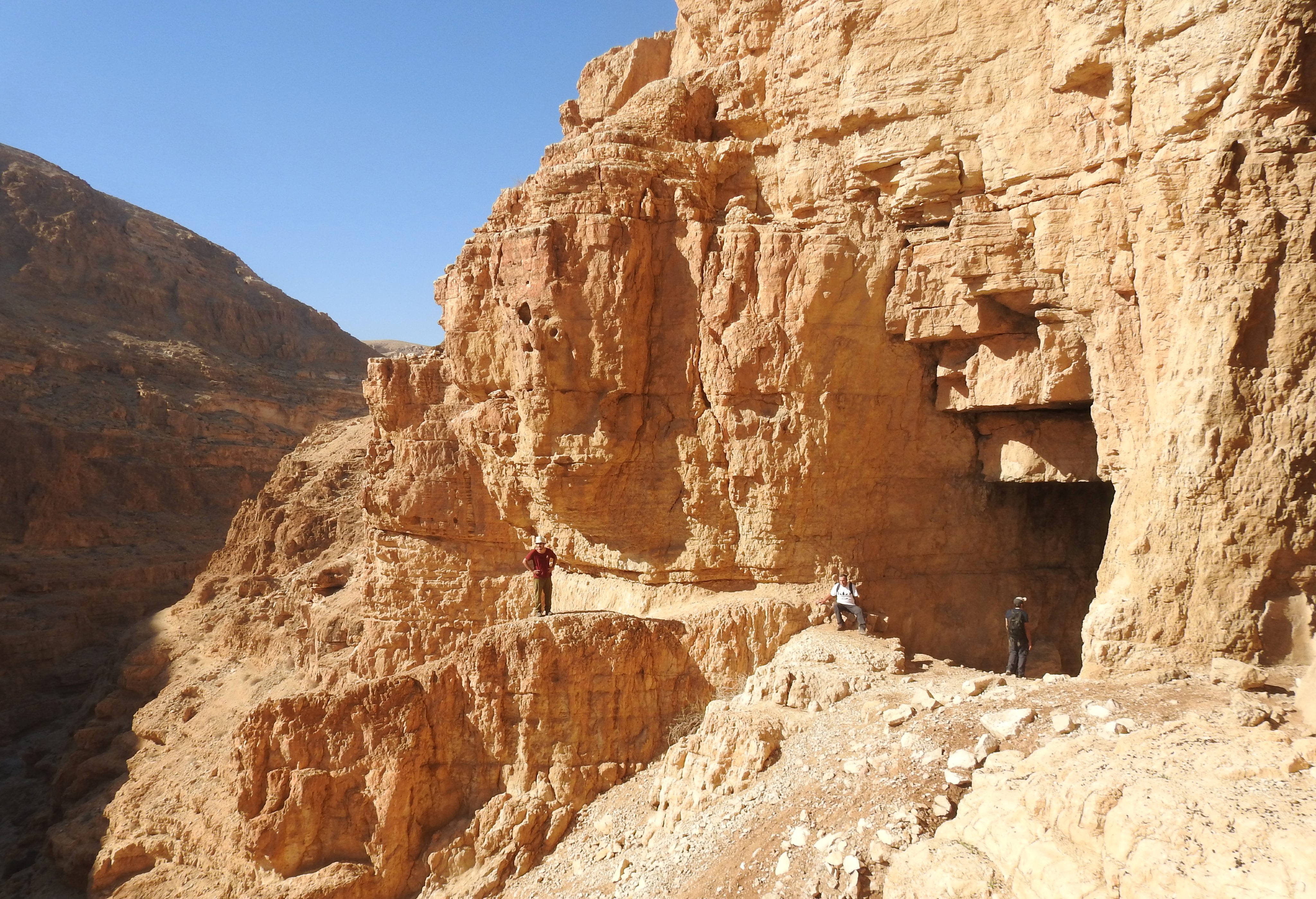
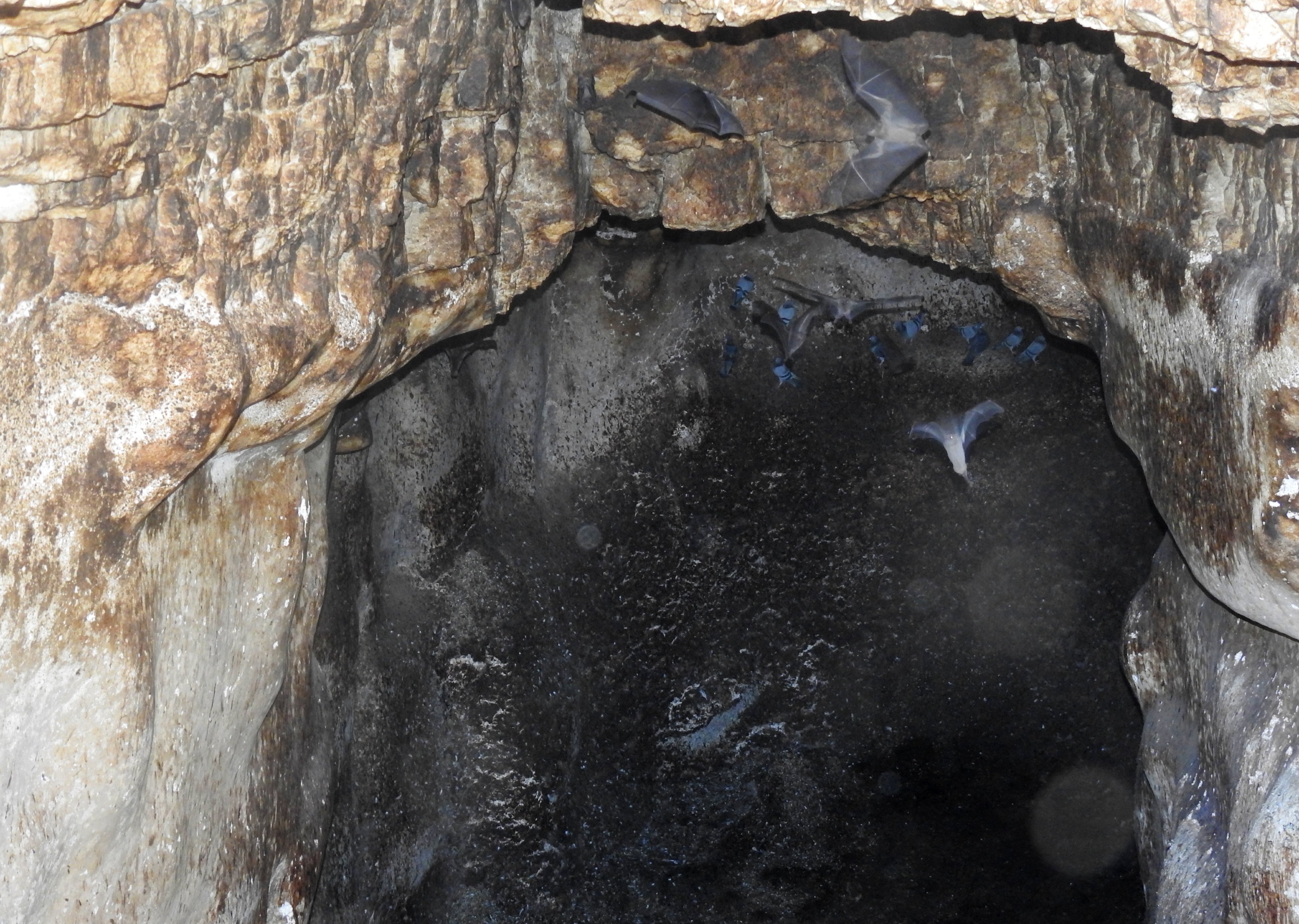
Turning to the Qarantal ridge, he then pointed out a series of caves marking the craggy cliffside. These were the Caves of the Spies, where it is believed the Israelite spies of the biblical story of Jericho had fled to, as well as other caves that were used in antiquity.

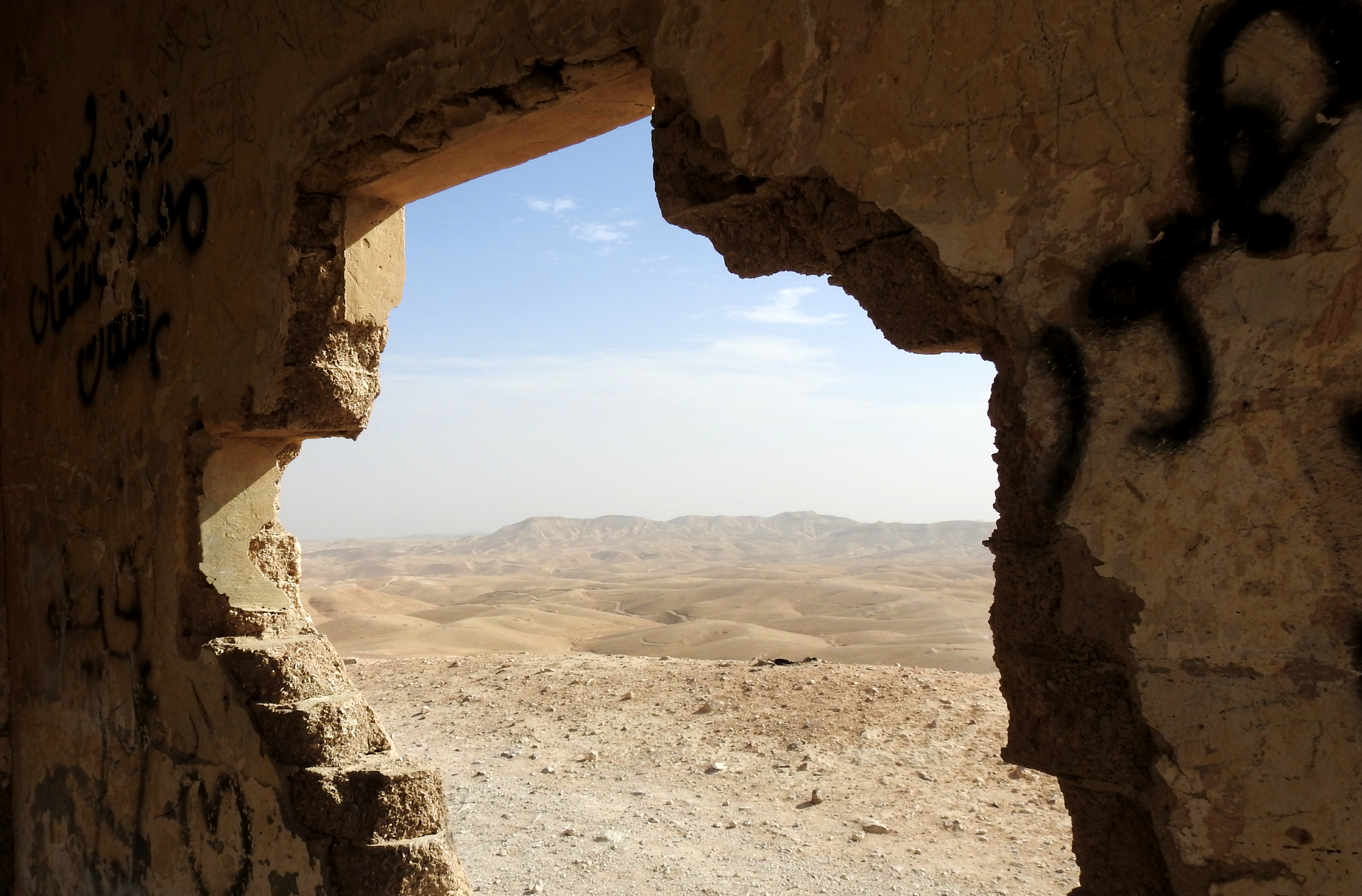
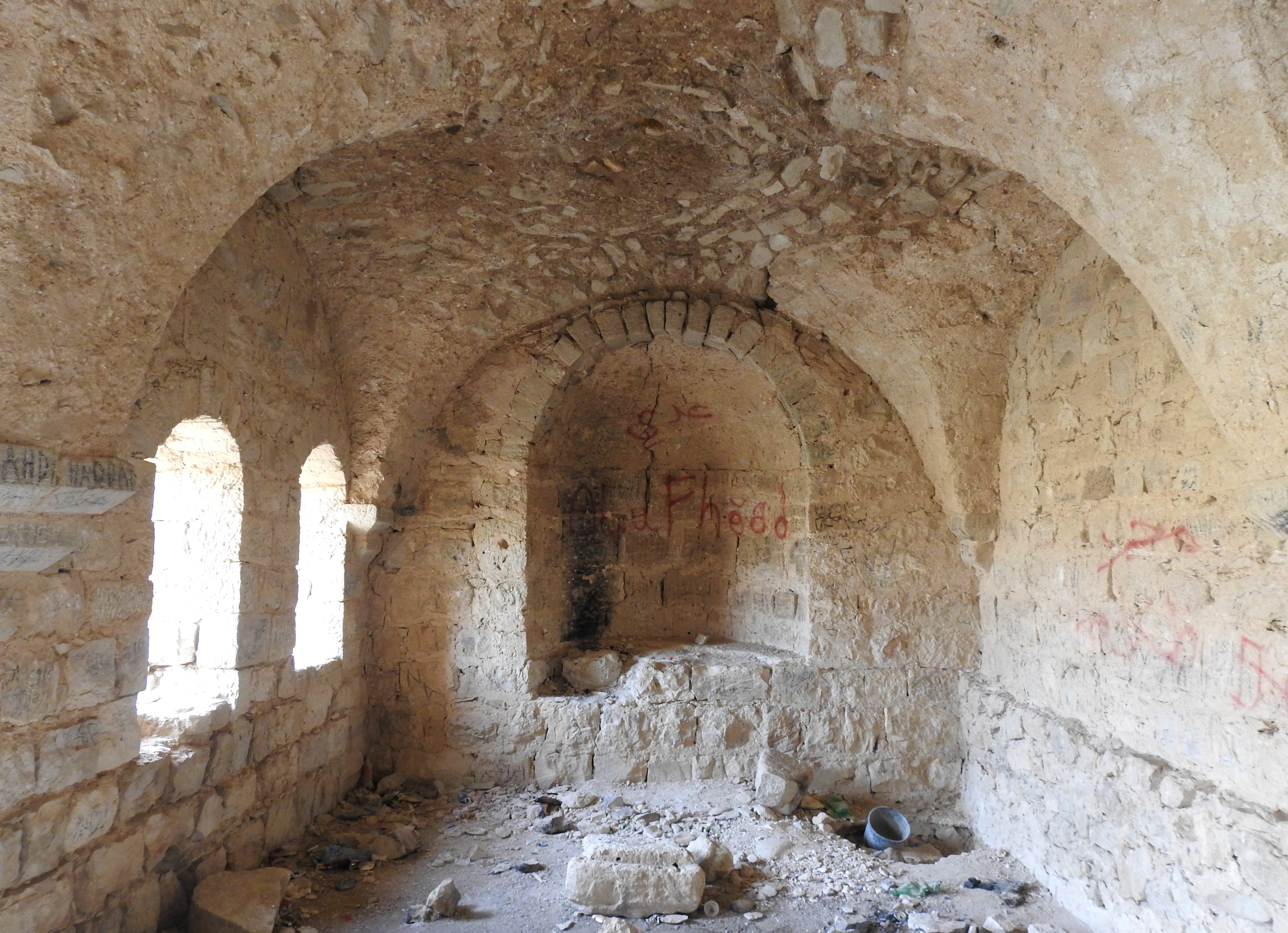
Inside the vaulted rooms

Inside the vaulted rooms

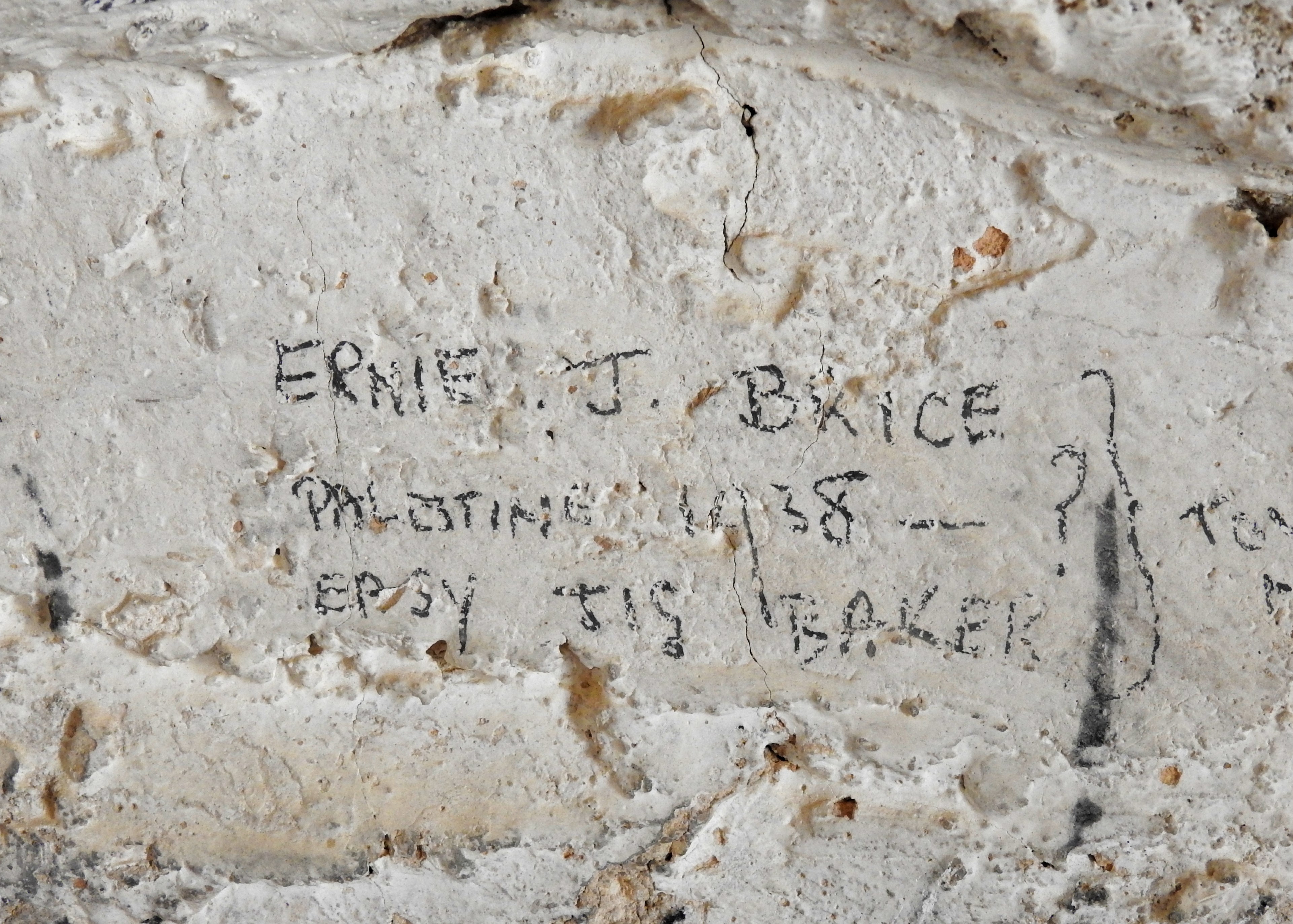
Wandering off to explore the vaulted rooms below us, I found something that intrigued me greatly. Upon the stone walls were written the names of past visitors, many of which were either in Arabic or in plain English. Some of the English graffiti was clearly signed by British soldiers who were likely stationed in the country. One particularly legible scrawl was by one Ernie J Brice, noting his time in Mandate Palestine from 1938 until unknown.

Graffiti left inside Doq's lonely rooms

Graffiti left inside Doq’s lonely rooms

I happened to search this name and found that apparently he was the transmitter operator at the British consulate when Israel was established. His name came up in a 1948 Palestine Post write-up about Israel’s first espionage case, the fledgling government against a British citizen named Frederick William Sylvester who was spying for Israel’s enemies (see more HERE and HERE).

Hiking down to examine the water system

Hiking down to examine the water system

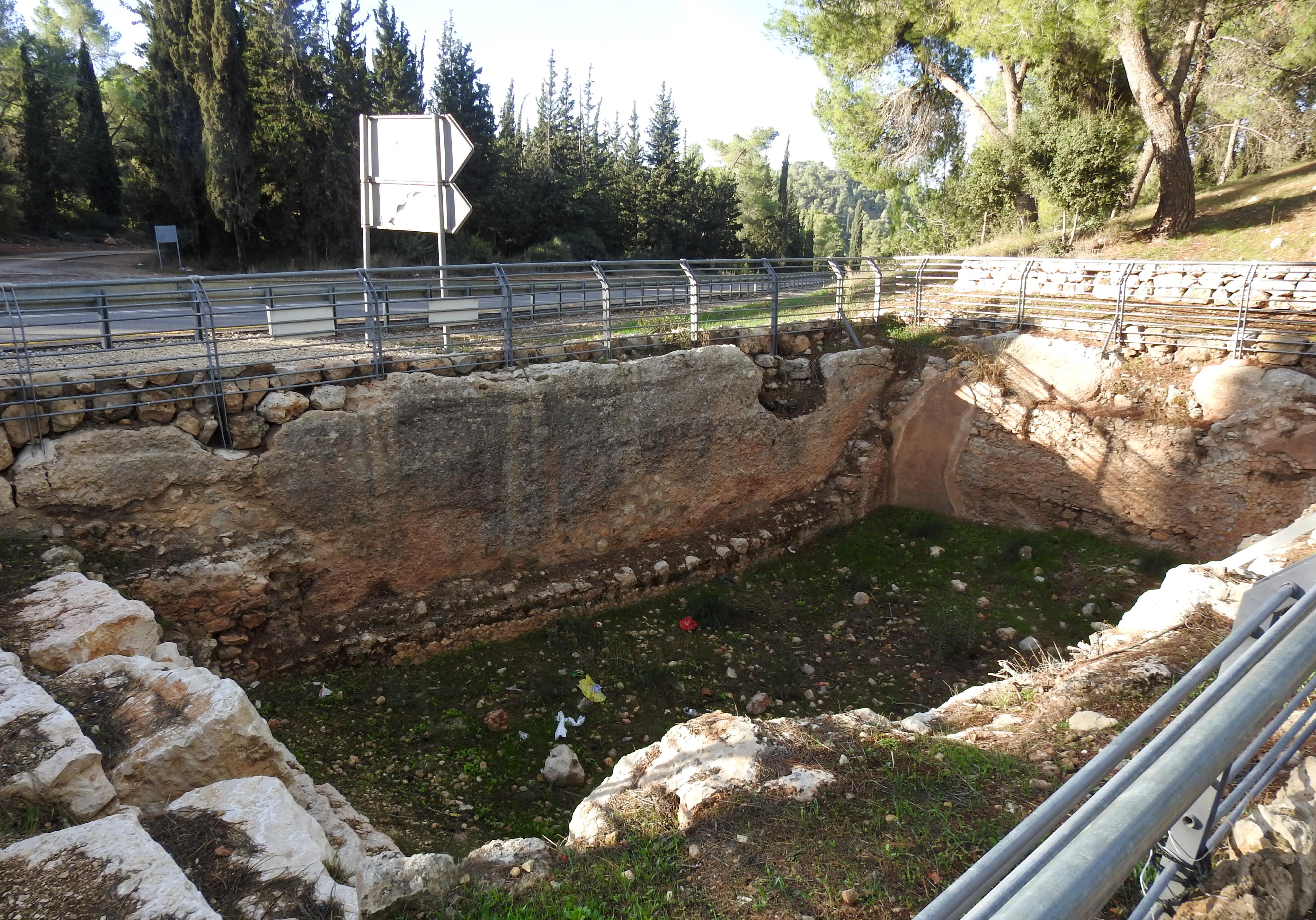
We then explored the remains of the to-be Greek Orthodox Church which incorporated what it believed to be a key shape in the construction, with scattered regal column capitals that bear testament to the grandeur that once was two thousand years ago. From there we left the confines of the wall and began to explore the ancient water system that joined a hewn channel with numerous cisterns.

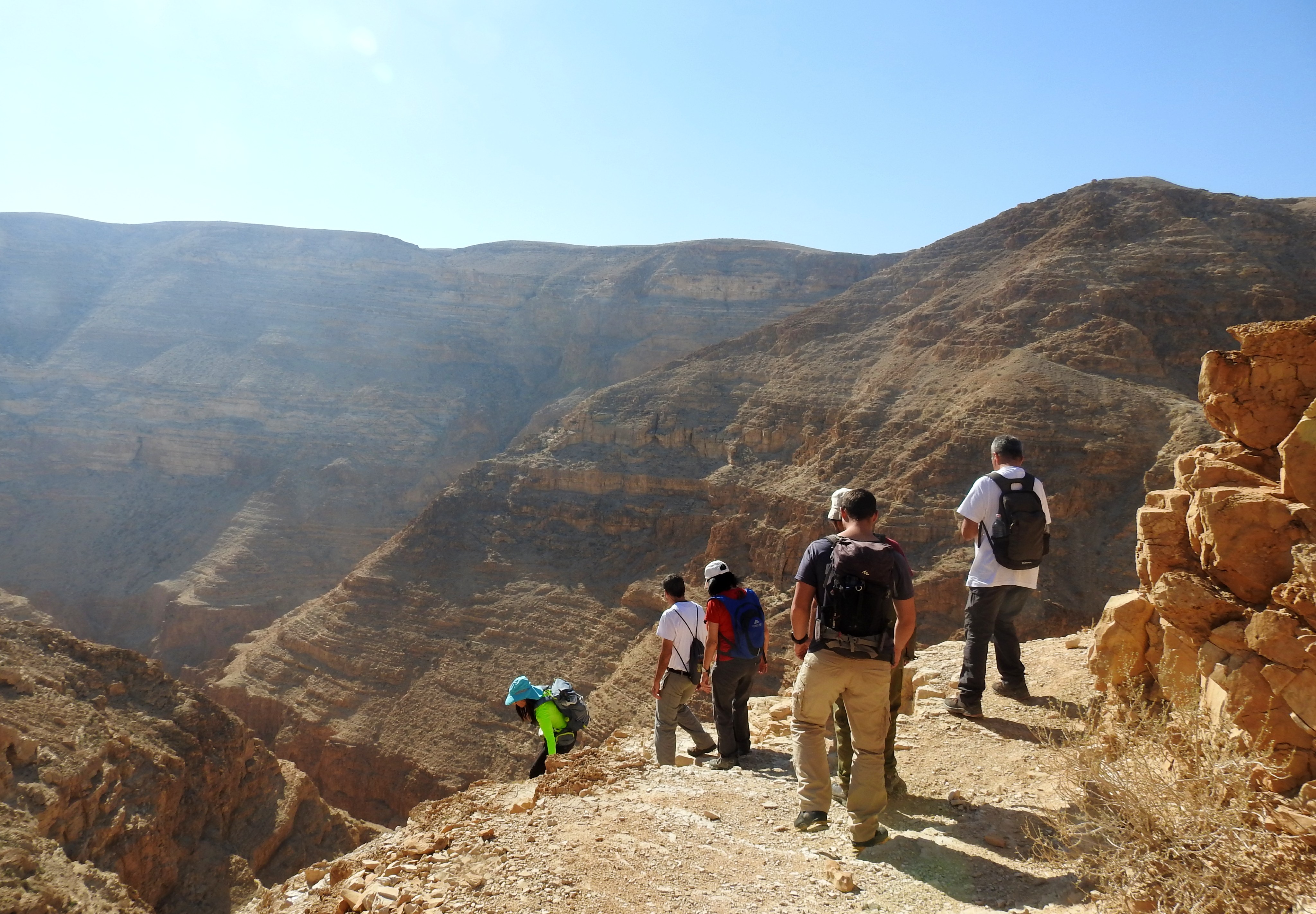
Walking along the water channel on the eastern slope

Walking along the water channel on the eastern slope

Clinging to the craggy cliffside, we walked down the channel and examined the hard work that it took to create such an intricate system in such an arid place – only discovered in 1972. That, and the increasingly breathtaking views of Jericho spread out before us, with the aforementioned Qarantal Monastery just below.

Peering inside one of the system's cisterns

Peering inside one of the system’s cisterns

Hiking the way back was via the same channel, continuing along the northern slope until we reached the adjacent ridge where a practically indiscernible small fort crowned the peak. We stopped there to catch our breaths, looking back at Doq and the areas we had just hiked. Refreshed, we then hiked back to the bus to be shuttled to our next destination of the day.

Hiking up to the small fort

Hiking up to the small fort

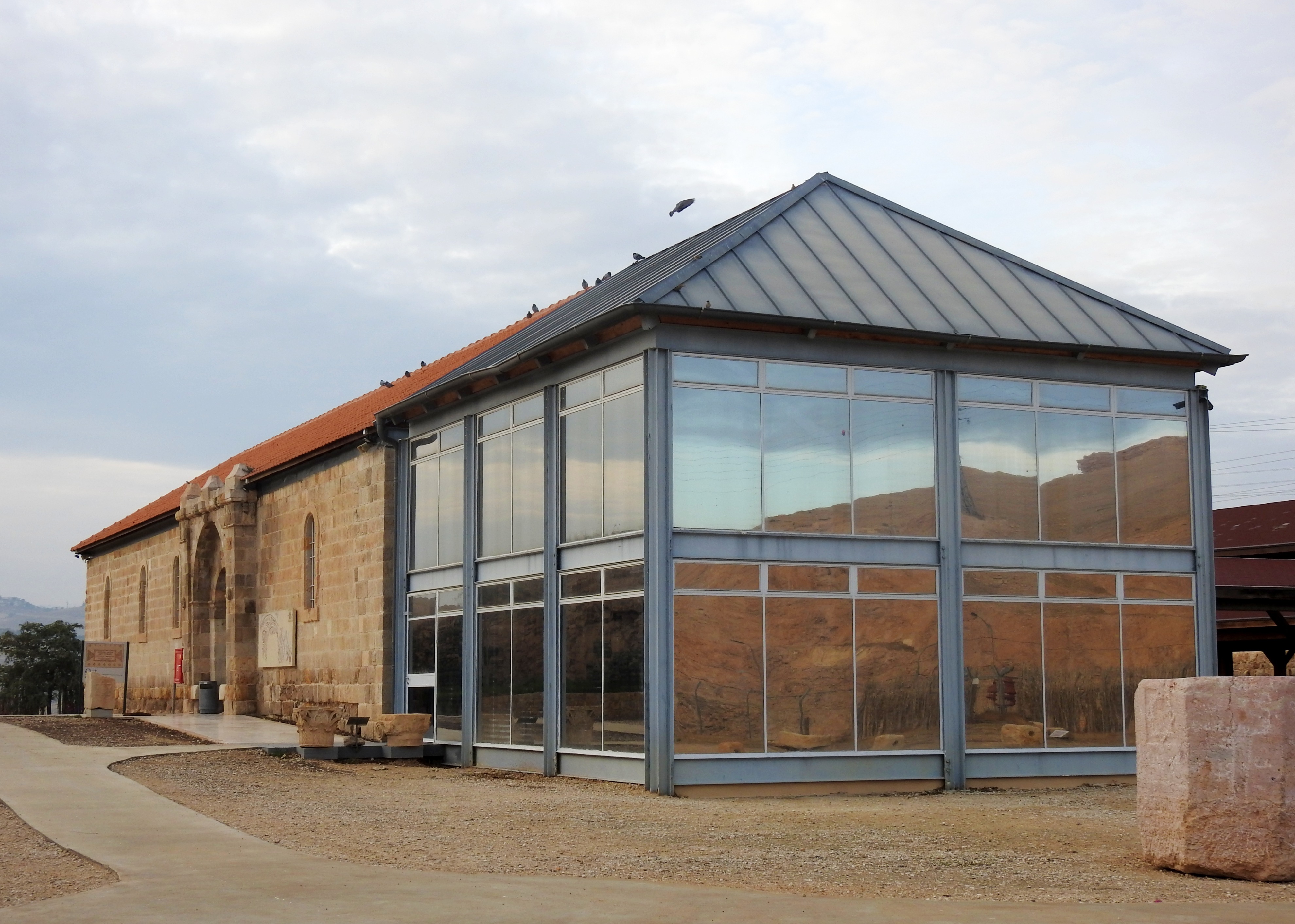
Arriving at a place that I have had my eyes on for years, I was eager to get out and explore. We were at the Good Samaritan Museum, a mosaic museum housed on the ruins of a 2,000-year old wayfarers station, and later as a Byzantine-era inn from where its name originates. I had seen the museum site back in early 2018 when I had visited Castellum Rouge, a Crusader fortress built just across Road 1, and now was its time to shine.

The Good Samaritan Museum

The Good Samaritan Museum

Immediately inside the site’s gates we saw the showcased underground dwelling cave that dates back to the Second Temple period as well as a grand mosaic from the ancient synagogue at Gaza featuring a fine collection of artistic fauna. Many, if not all of the mosaics on display at the museum are those found in archaeological sites that wouldn’t otherwise be able to support the conservation on-site. Thus, when need be, the Israel Antiquities Authority systematically transplants and preserves these fragile works of art to be displayed for all.

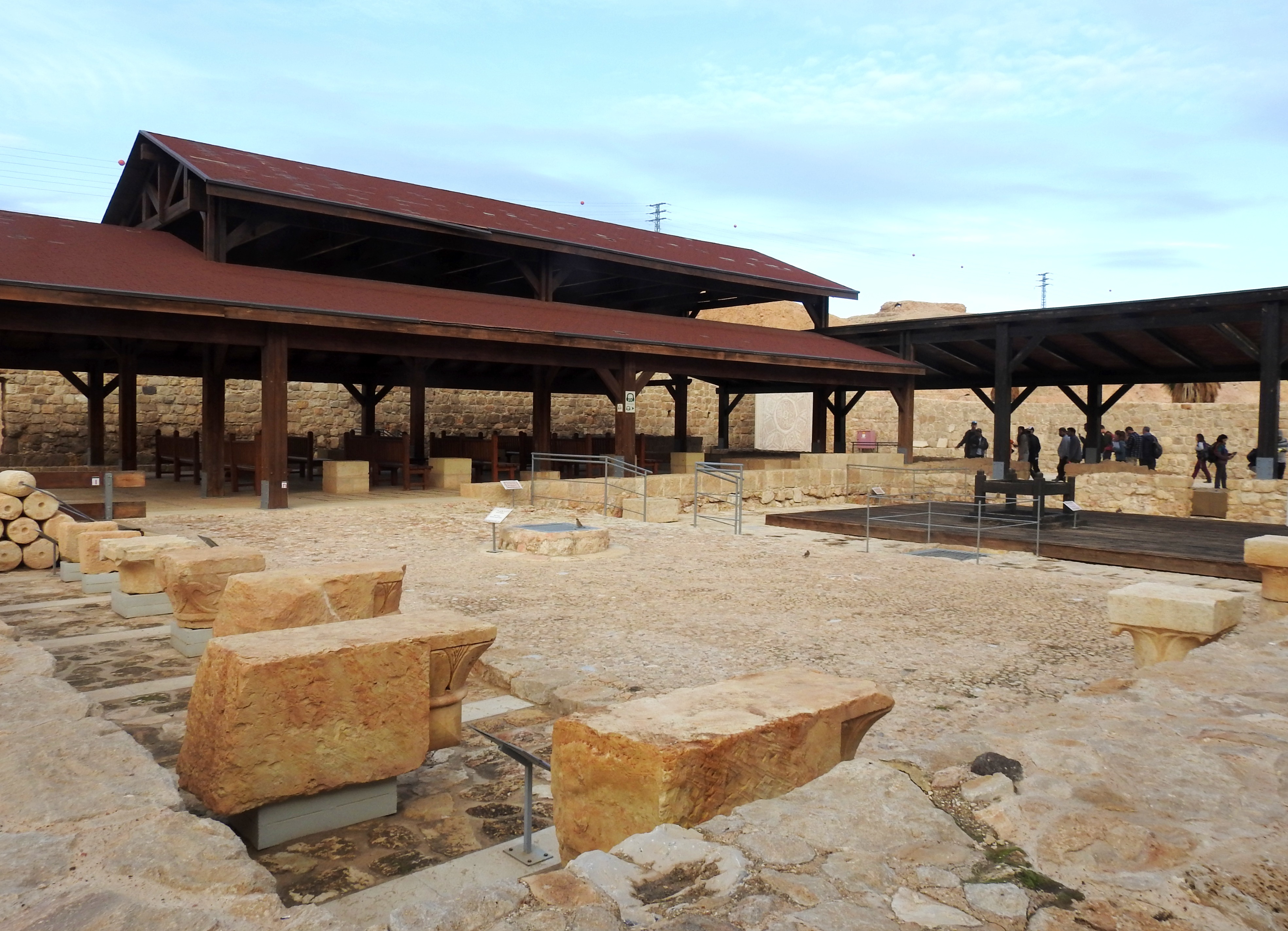
The outdoor exhibits of the museum

The outdoor exhibits of the museum

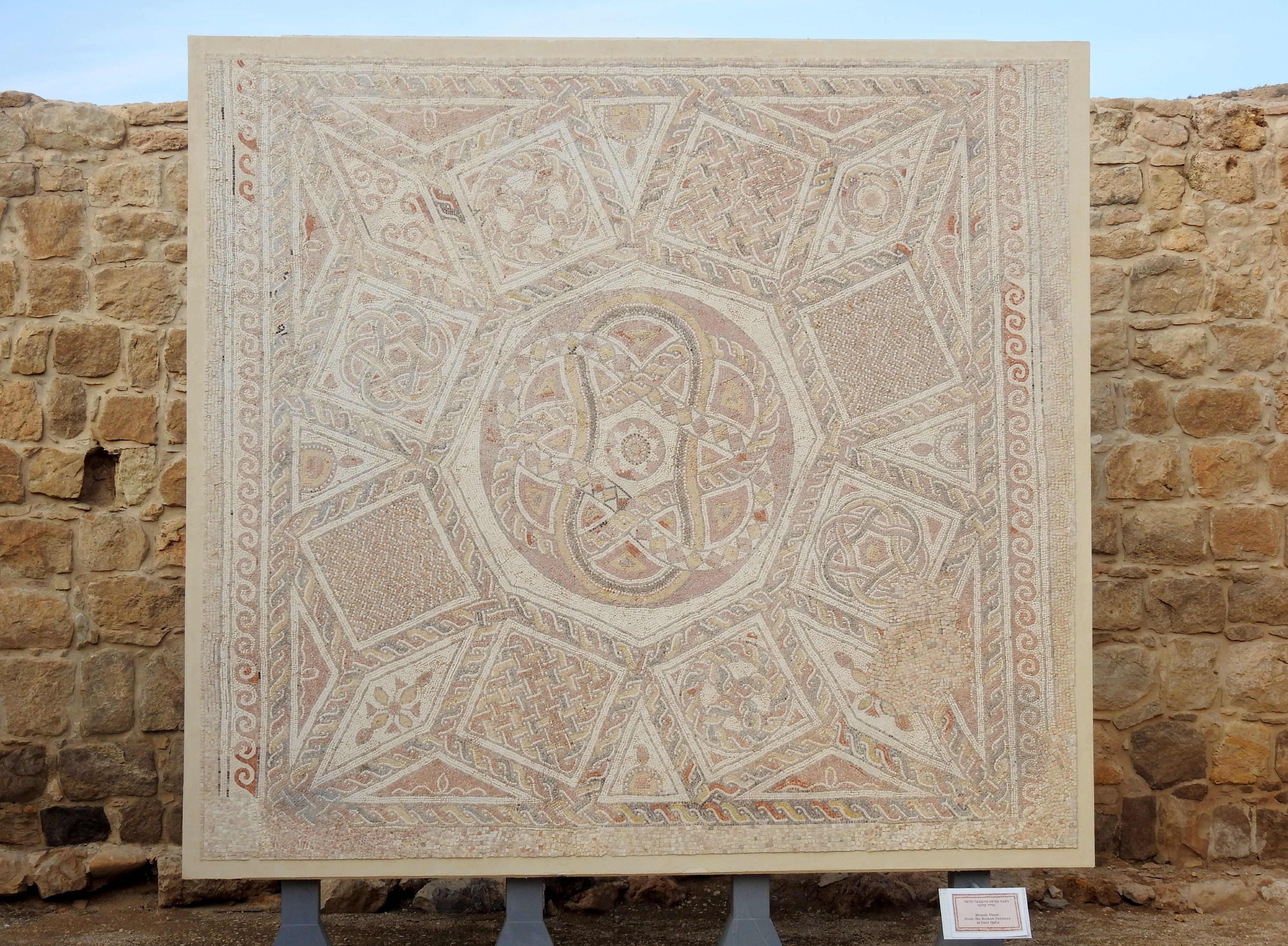
It’d take a long time to list all of the magnificent mosaics that I saw that day, but there are some that stand out for several reasons. The mosaic that excited me most was the one found at Khirbet el-Lattatin, an interesting site just a kilometre or so away from my parents-in-law’s home in Givat Ze’ev. But there were those that impressed with their sheer beauty, such as the mosaics of the church narthex and the Roman fortress at Deir Qal’a, both stunning in their geometric patterns.

The Roman fortress floor from Deir Qal'a

The Roman fortress floor from Deir Qal’a

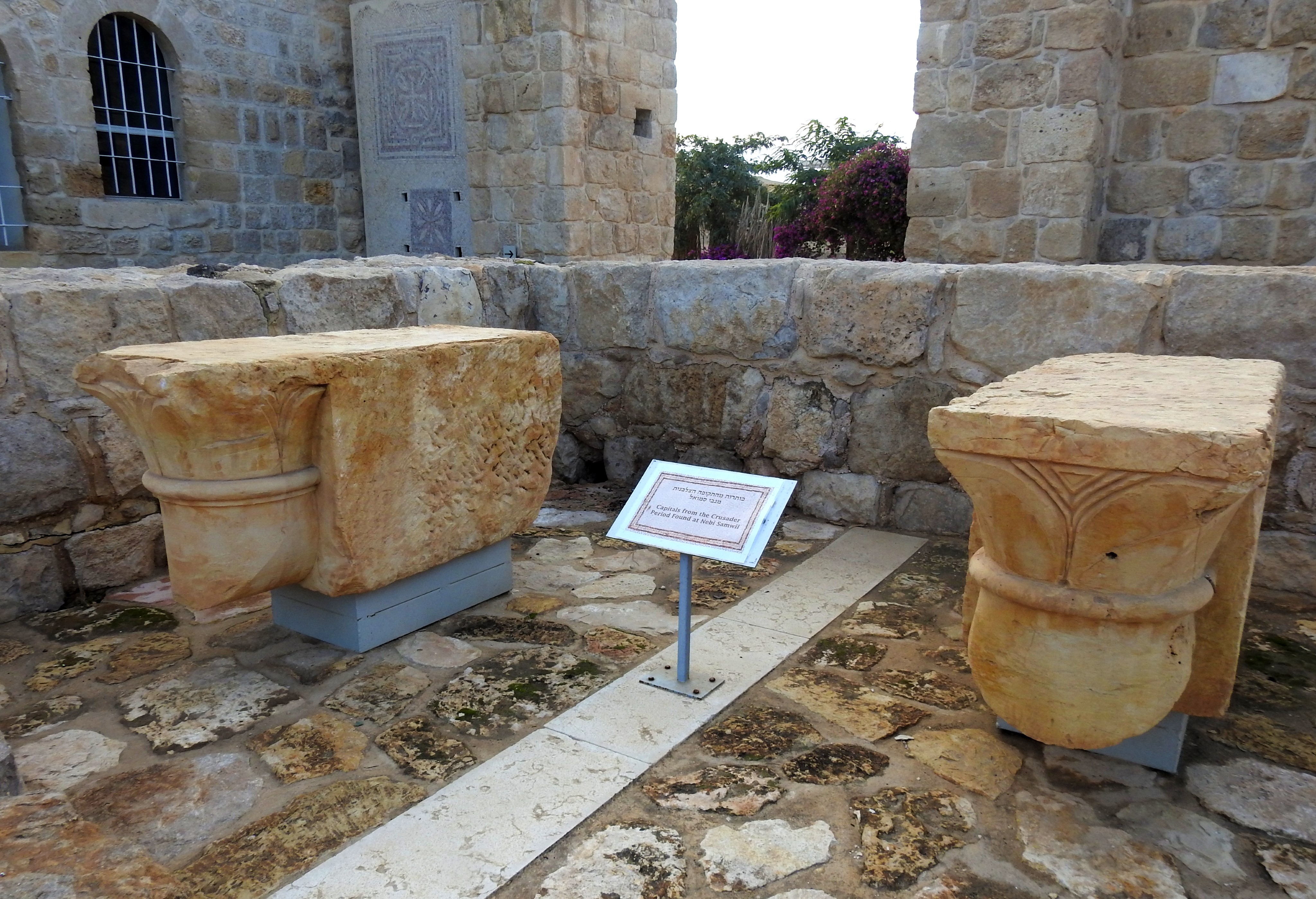
These were all part of the outdoor exhibits, where mosaics are incorporated among the ruins of structures from the Second Temple and Byzantine periods, as well as a water cistern from the Crusader period. I enjoyed seeing capitals from Nabi Samuel, as well as hewn sarcophagi from Shechem (Nablus), but I was also eager to see inside the museum’s central building, originally built during the Ottoman period to serve as a police station guarding the treacherous road outside.

Capitals from Nabi Samuel on display

Capitals from Nabi Samuel on display

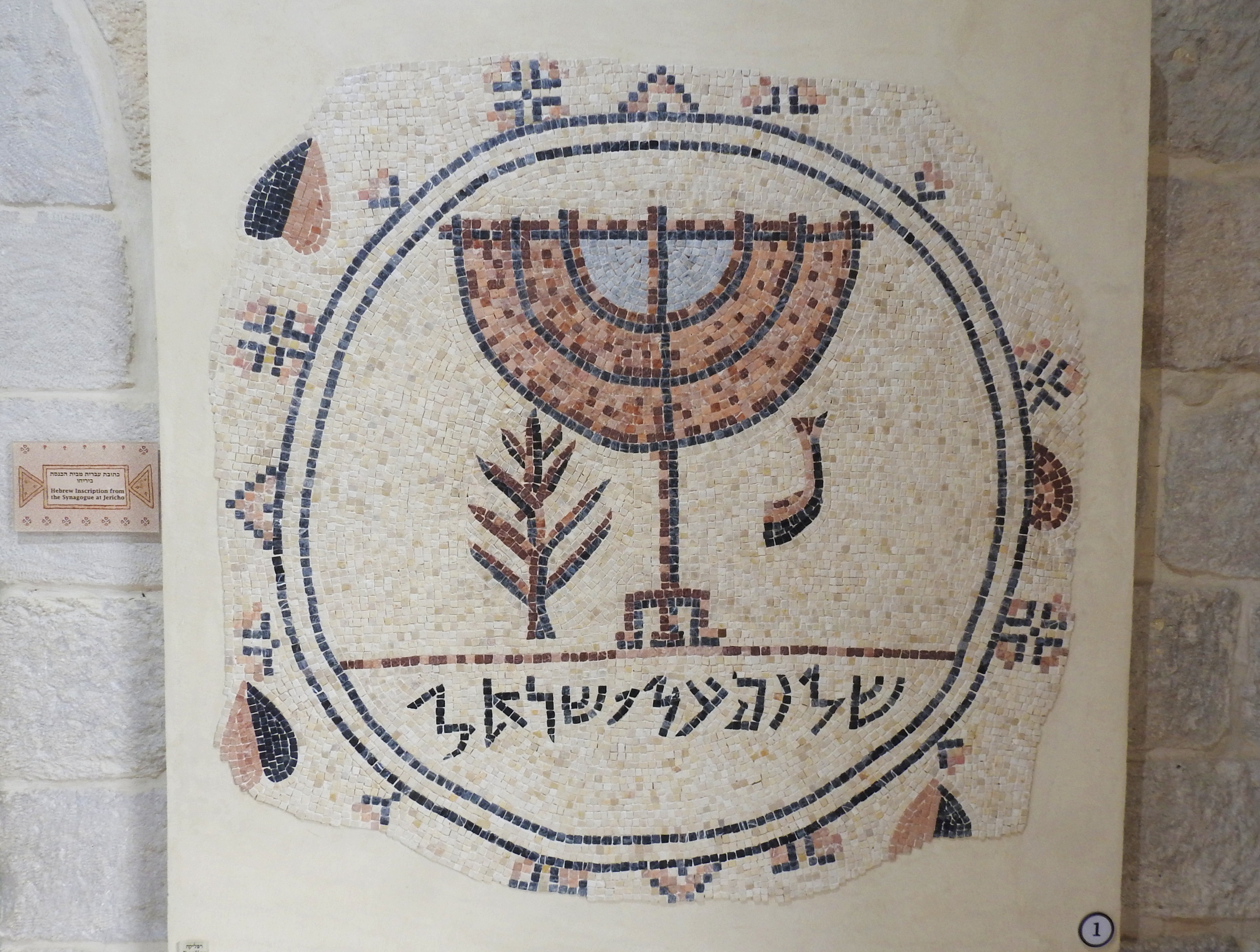
Entering, and rejoicing in the respite from the cold winds outside, I quickly became overwhelmed at the sheer quantity of mosaics on display. The six consecutive rooms, each full of mosaics and other accompanying artefacts, was almost too much to be properly enjoyed in one brief visit. Some did stand out, especially the inscription mosaic from the aforementioned Shalom Al Yisrael Synagogue in Jericho.

The eponymous mosaic from the Shalom Al Yisrael synagogue of Jericho

The eponymous mosaic from the Shalom Al Yisrael synagogue of Jericho

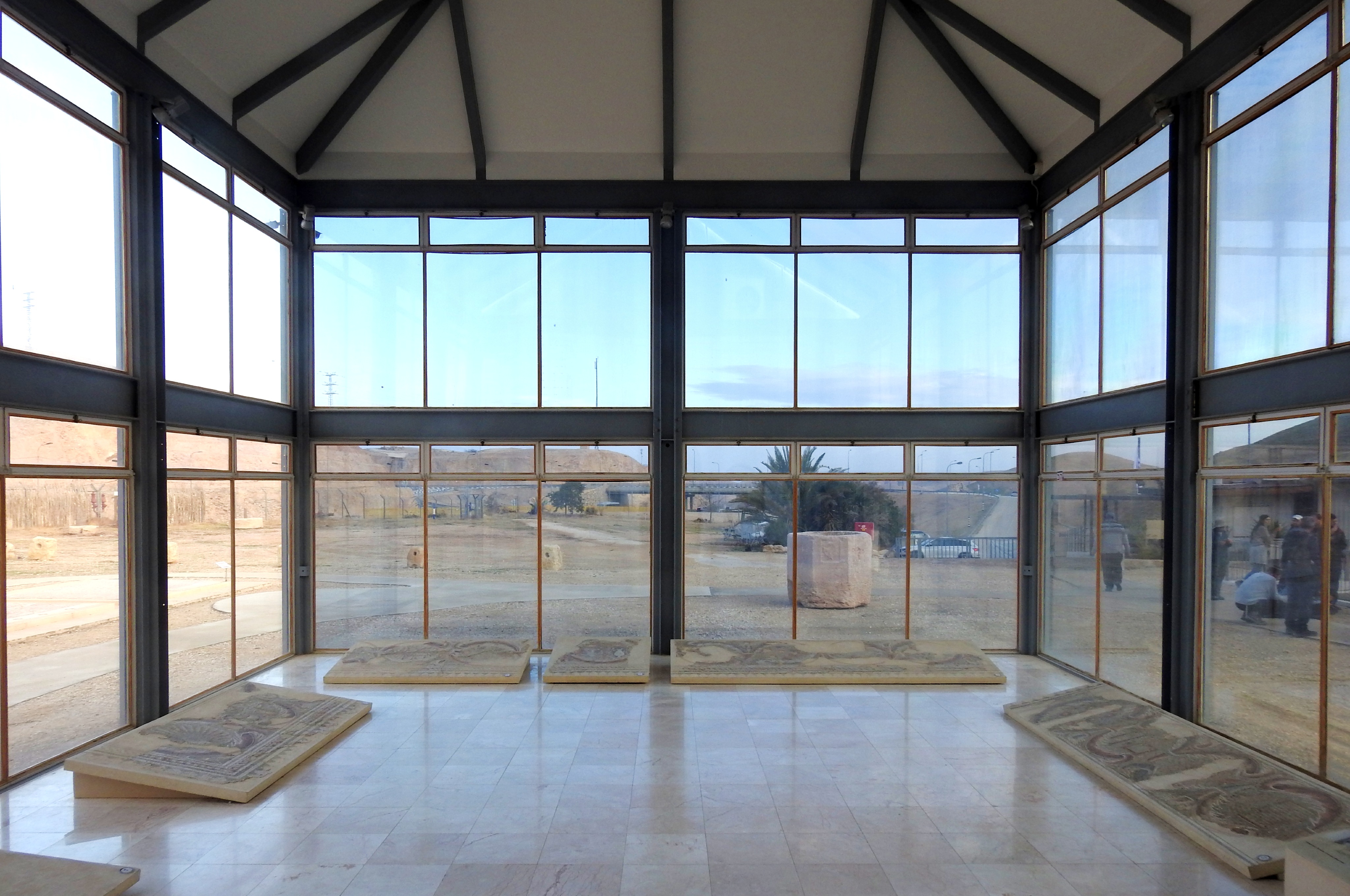
During the Byzantine period, when mosaic floors became an integral component to religious structures, the art was used by all faiths. I became impressed with the quantity and quality of the Samaritan mosaics, hailing from sites such as Mount Gerizim, El-Khirbe and Sha’alavim. However, it was the Samaritan synagogue at Khirbet Samara that took the proverbial cake, the mosaic remains showcased in a large glass-walled room.

Within the room dedicated to Khirbet Samara

Within the room dedicated to Khirbet Samara

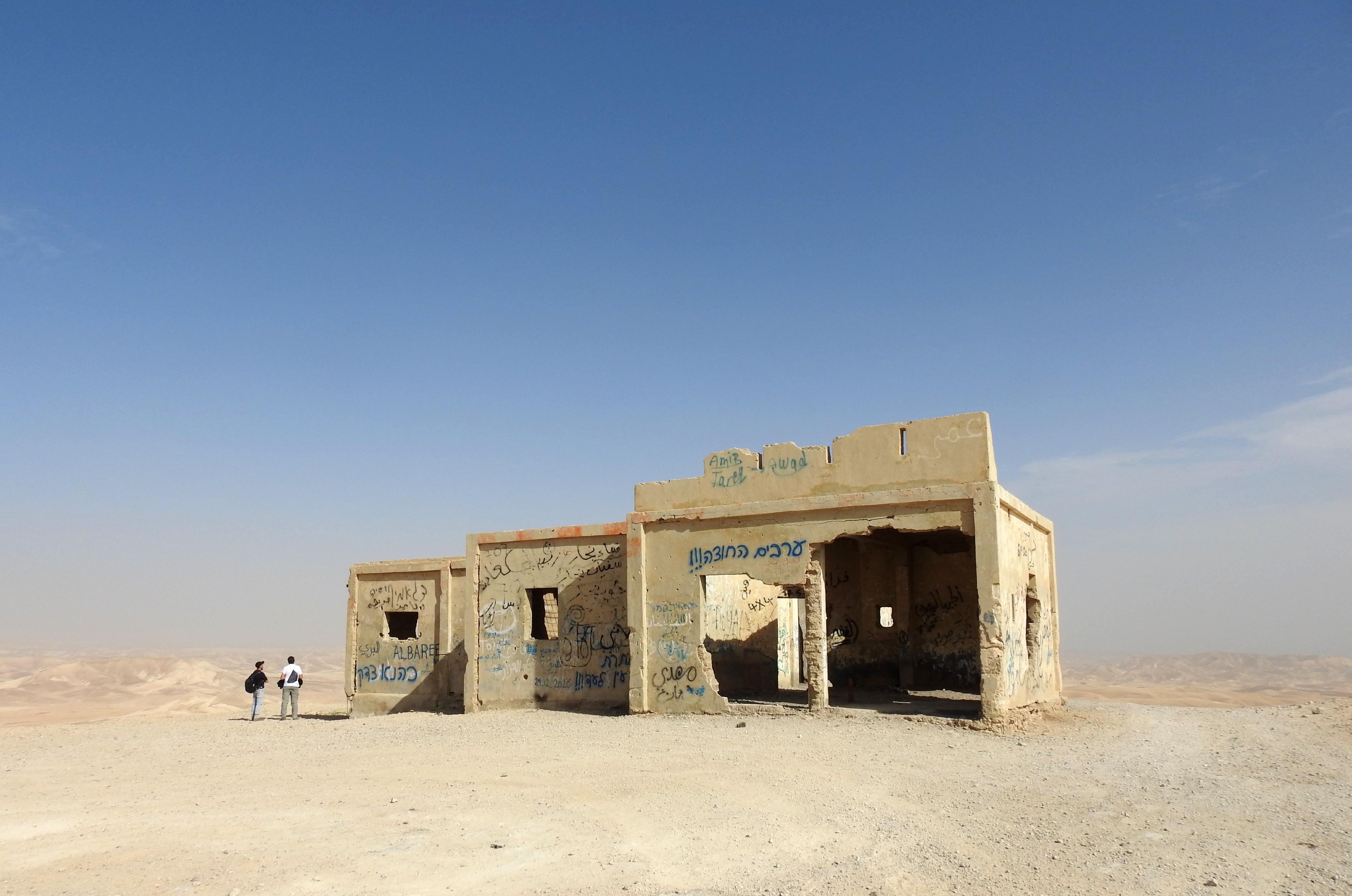
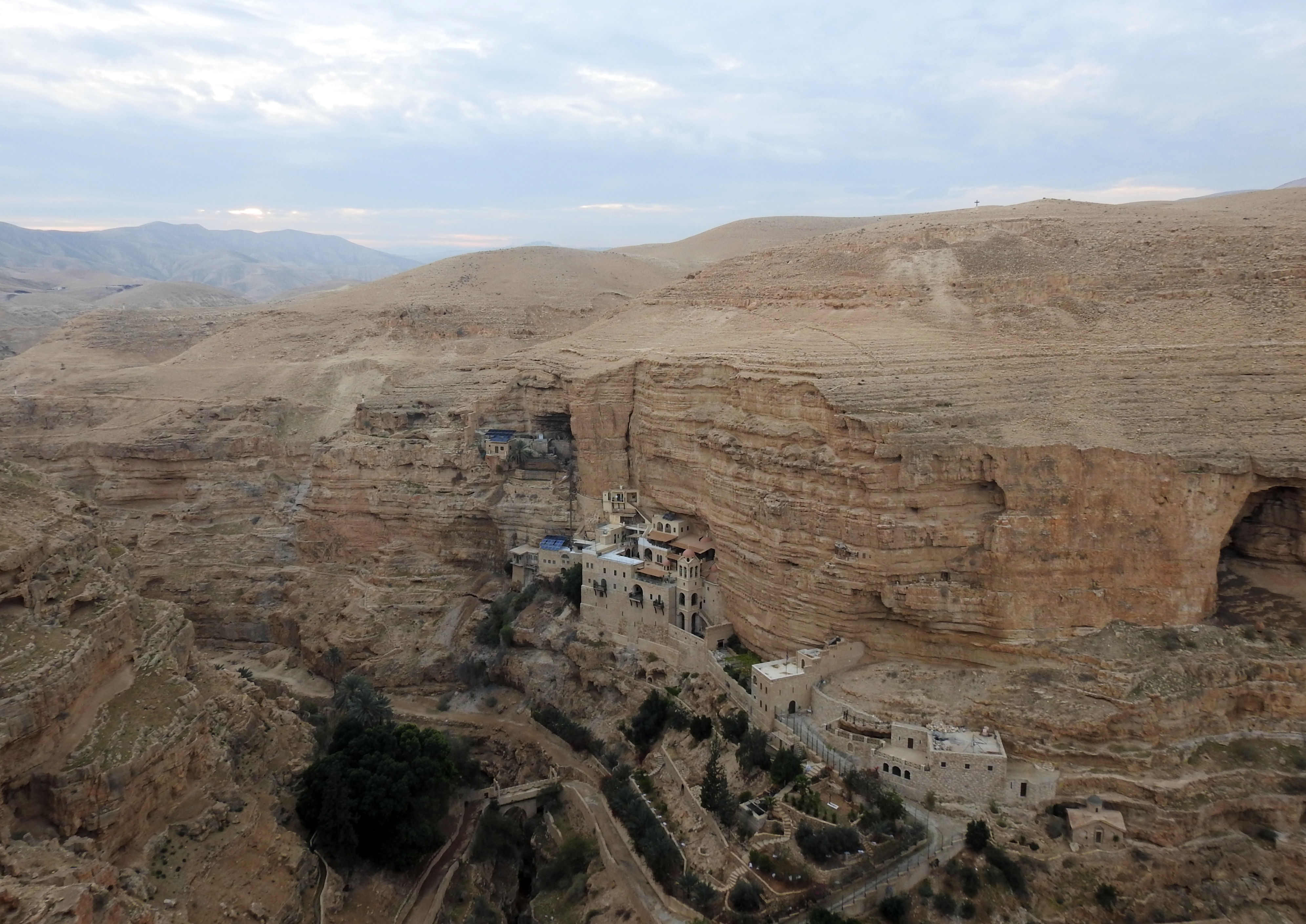
I looked around until it was time to get back on the bus for one last stop. The sun was slowly sinking, and Dr Raviv had one last place he wanted us to see before bringing this first field day to an end. Thankfully, it was not far and before we knew it, we were back outside again and climbing up a short hill to an excellent observation point looking out over Wadi Qelt and the Monastery of St George.

Ending our day at the Monastery of St George lookout

Ending our day at the Monastery of St George lookout

Evening was setting over the picturesque desert, marked by a flock of alpine swifts calling overhead as they welcomed the dusk. Plus, to boost our high spirits even more, a tiny birthday celebration for one of the students was held. The enchanting calls of Tristram’s starlings echoing in the wadi was our last audible memory of the day, accompanying us as we scurried back to our bus for the long ride back home.

University Trip: Sites around Nachal Tirza

In Israel, Jordan River Valley on January 16, 2022 at 10:15 AM

It has been difficult not going on any field trips offered by my Land of Israel Studies and Archaeology department in the past year and a half or so. The last one I had attended was to Tel Arad and Tel Be’er Sheva with Prof Aren Maeir, and the time had come to once again embark on a group tour of some exciting places that I wouldn’t ordinarily be visiting on my own. This time, towards the end of December, I set out on a trip to four archaeological sites in the Nachal Tirza area with Prof Shawn Zelig Aster and Dr Dvir Raviv, the latter being one of my thesis advisors.

The region of our adventure

The region of our adventure

With our target destination being located in the Jordan River Valley area of the country, it was quite a drive to get there coming from Bar Ilan University. Although, on the way, we passed el-Jenab Cave, which I happen to be researching for my thesis and thus pleased me deeply. That, and the breathtaking views of the mountains and wadis on the eastern side of the watershed made the trip already exciting. Before we arrived at our first stop, we had a quick break at a rest stop near Pazael, where I found hundreds of black kites still resting before taking to the skies.

Roosting black kites

Roosting black kites

When we were back in the bus and headed for our first site – Khirbet el-Makhruk – we drove past staggering numbers of both black kites and starlings flying in the vicinity of local garbage dumps. I’d estimate that there were tens of thousands of each, and an additional couple hundred white storks to complete the spellbinding picture. However, this trip was about geography and archaeology and so the bus let us out near Adam Junction and we began the short hike to Khirbet el-Makhruk.

Atop the eastern fortress at Khirbet el-Makhruk

Atop the eastern fortress at Khirbet el-Makhruk

Since we had just experienced a week-long storm, even the arid Jordan River Valley region had received rainfall which was the catalyst for a very exciting event in the circle of life. After the rains, termites come out of their underground complexes and those with wings take to the skies. We swatted the drone-like termites as they flew past, one of them finding its way into my shirt, but then we noticed something incredible. When we had reached the eastern fortress of the ancient site, we saw Israeli gold scorpions running about in broad daylight, nabbing the confused termites and quite literally eating them on the go. Unfortunately, I don’t have the proper macro equipment to capture this moment the way it needs to be, but to witness it was astounding.

An Israeli gold scorpion running off with a termite

An Israeli gold scorpion running off with a termite

Khirbet el-Makhruk is a complex of small fortresses dating to the Iron Age, or when the Israelites were active, built atop the ruins of an Early Bronze Age city. Not much remains of the ruins, but back then the site was vitally important in its task of keeping the settled hinterland safe. While looking around the eastern hilltop, I found evidence of recent artefact looting, as well as a freshly broken rim of what appears to be an Iron Age jug.

Exploring the circular tower

Exploring the circular tower

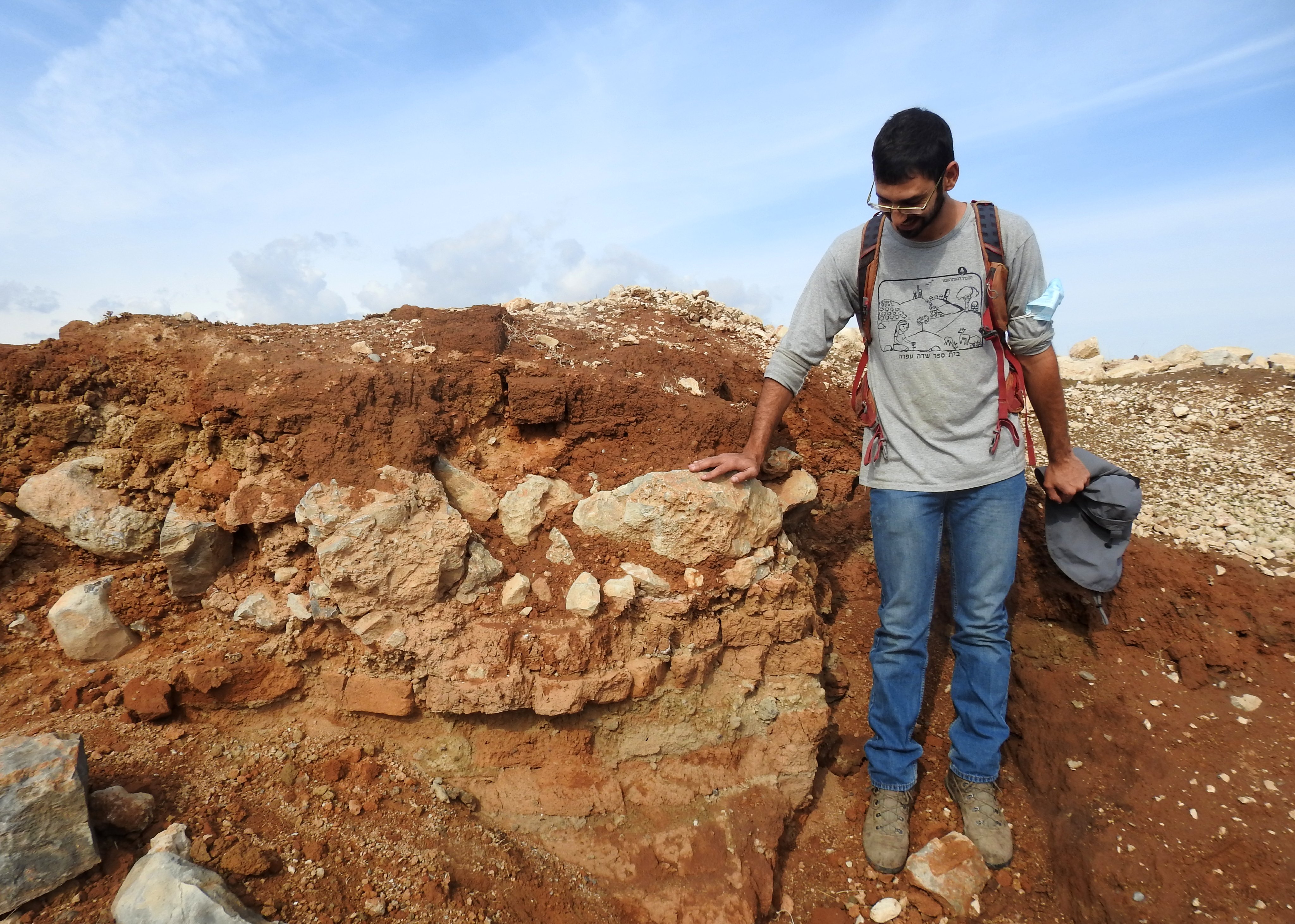
We continued up to the small circular tower which effectively guarded the southern side of the complex. There, in the jumbled ruins, I found a painted sherd that either dates to the Late Bronze Age or the Mamluk period, depending on who you ask.

Late Bronze Age or Mamluk painted pottery

Late Bronze Age or Mamluk painted pottery

From there we continued on to the northern fortress which was most recently ravaged by IDF fortification trenches, although Ottoman bunkers dating to WWI can also be found in the vicinity. Here we found a recently exposed mud brick wall, beautifully intact and utterly raw evidence of the construction efforts that went into this key site.

Freshly exposed ancient mud brick wall

Freshly exposed ancient mud brick wall

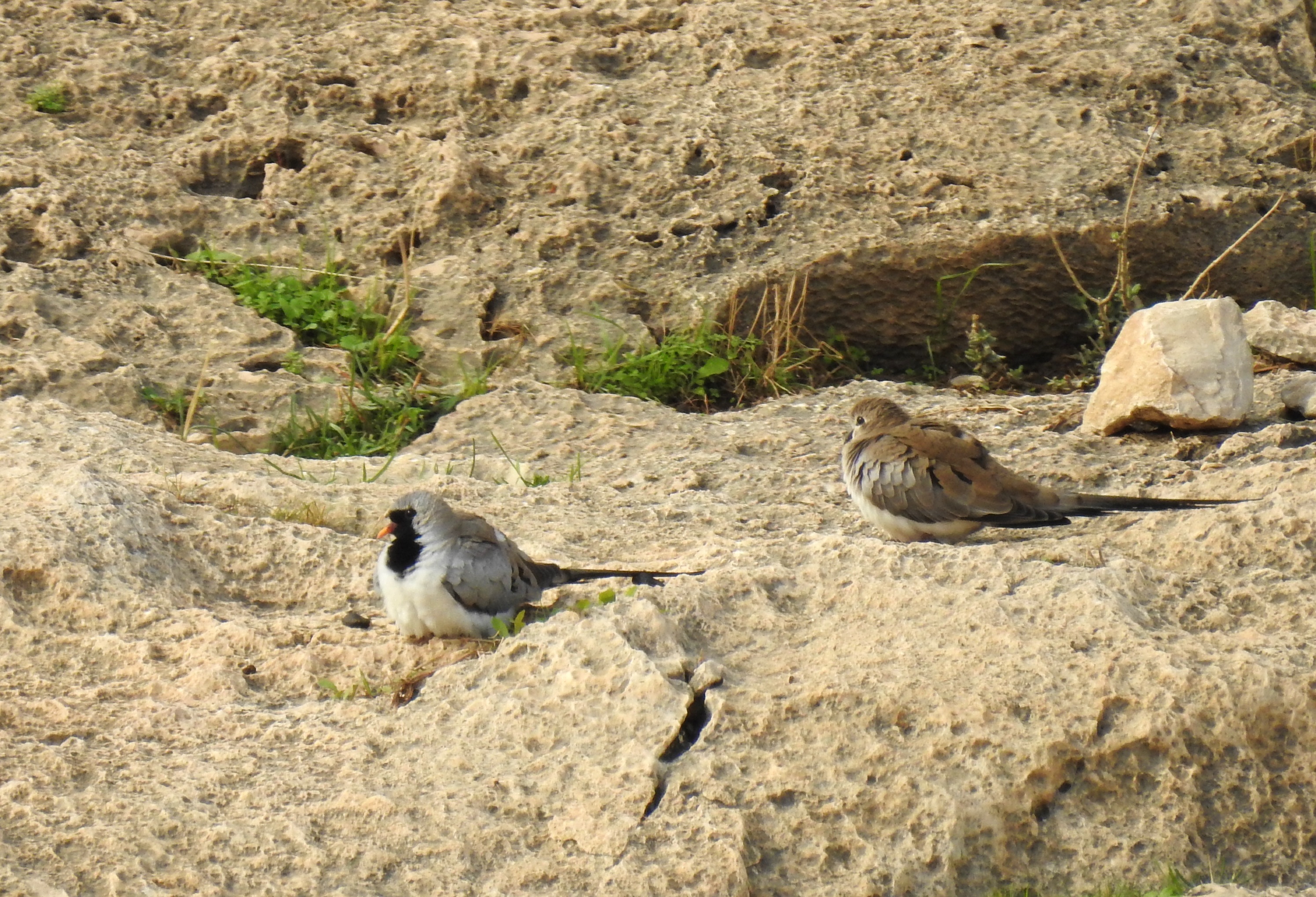
We documented it fully, and began the hike back down to the waiting tour bus. Along the way, I had some pleasing birding moments, including some beautiful green bee-eaters, a flushed sand partridge and my very first Namaqua doves.

My very first Namaqua doves

My very first Namaqua doves

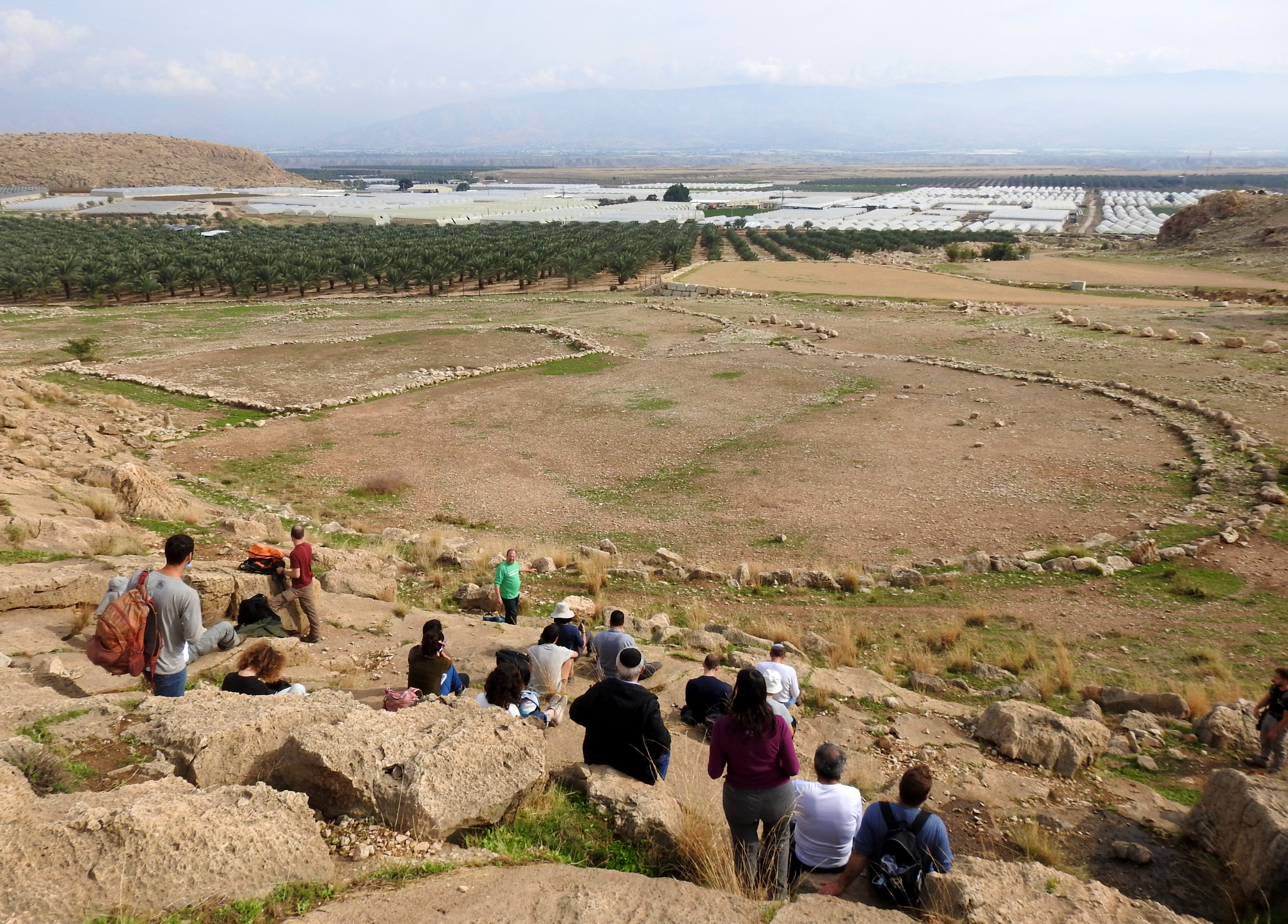
Our bus driver deposited us next outside a date plantation just south of Argaman, where we hiked along the wadi to our next site of interest, Bedhat esh-Sha’ab. Also referred to as Gilgal, this is a unique site attributed to ceremonial usage during the Iron Age. The late archaeologist Adam Zertal suggested that Bedhat esh-Sha’ab was one of the first places the Israelites camped upon crossing into the Holy Land. The other possible candidates also share a distinct footprint-shaped outline, which may connect to biblical terminology concerning conquest.

Bedhat esh-Sha'ab or Gilgal

Bedhat esh-Sha’ab or Gilgal

At any rate, this site is located at the foot of a stepped slope which served as an amphitheatre of sorts during our visit there. Nummulite fossils can be found on these rocks, and sure enough we found some as we searched about. Indeed, I had even quite accidentally photographed a nice grouping of the orange, coin-shaped fossils when taking a picture of a nearby blackstart.

A blackstart perched on a nummulite-dotted rock

A blackstart perched on a nummulite-dotted rock

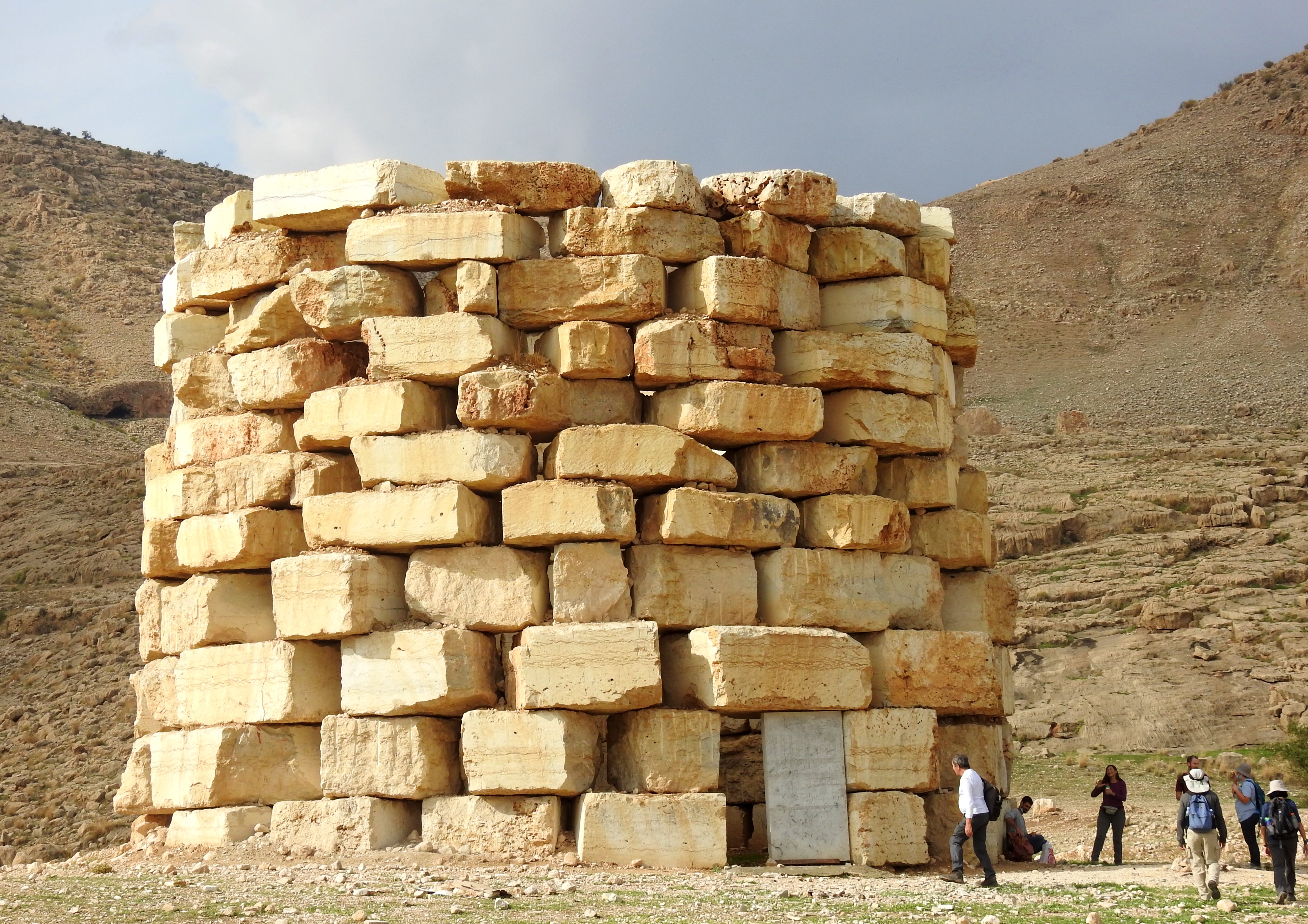
In more recent years, there were efforts to make Bedhat esh-Sha’ab/Gilgal a proper tourist attraction, and a gigantic megalithic tower was erected. While there’s really not much to see inside the beast, we did notice some local lads climbing up to the top to enjoy the lofty views.

The behemoth of a tourist attraction

The behemoth of a tourist attraction

We hiked back to the bus and were shuttled over to the next site on our itinerary, the Roman hilltop fortress known now as Horvat Heraf. Located just north of Argaman, a mere two and a half kilometres from Bedhat esh-Sha’ab, this was a permanent military camp for the Roman army in the Jordan River Valley region. Interestingly enough, this quite noticeable site wasn’t documented by early archaeologists, nor by the British surveyors. It was discovered in 1968, during an emergency survey after the Six Day War, and was, only then, properly analysed and named.

Making our way up to the Roman army camp fortress

Making our way up to the Roman army camp fortress

A fortress of large proportions, the inner section measures a whopping 3,400 square metres, with an additional “lean-to” constructed on the southern side. Three entrances are built into the roomed walls, and a praetorium (officer’s headquarters) in the very centre – see an aerial image of the camp HERE. We were quite understandably impressed by this visibly authentic site, and set about looking for interesting ceramic fragments and maybe even ancient Roman coins (of which we found none).

The ruined praetorium in the centre of the complex

The ruined praetorium in the centre of the complex

What made this extra titillating for me was the fact that this fortified camp was constructed during the reign of Emperor Hadrian, in connection with the Bar Kokhba Revolt (132–136 CE). The evening before, friends Adam and Vered, Bracha and I watched Thermae Romae, a quirky Japanese movie about a Roman architect trying to improve upon the existing Roman bathhouses under the behest of none other than the very same Hadrian. It’s interesting to compare narratives of such a famous, or infamous, historical figure.

Beautiful shades of topography

Beautiful shades of topography

After a light drizzle, we headed back down the mountain and back into our awaiting bus to be taken to the final site for the day. This one was located a bit further upstream, and should be referred to as Khirbet Merah al-‘Enab (Hums a-Tahta), following the advice of Prof Aster. This site is the ruins of an Israelite fortress which helped defend the natural topographical roads that led into the heart of Samaria.

Part of the Israelite fortress at Khirbet Merah al-'Enab

Part of the Israelite fortress at Khirbet Merah al-‘Enab

We arrived on location to see that the site is the literal backyard of a local Arab family, whose patriarch watched us keenly as we enjoyed their hospitality. Our lecturers gave a brief rundown of the site and its importance to the region, and when we left, Prof Aster had a quick conversation with our host in Arabic and it turns out that the both remembered each other from a previous occasion some years back – always charming. With that we made one final hike back to our bus, and off we went back in the direction of Bar Ilan University, bringing yet another field trip to a successful end.

Horvat Hanut & Salvatio Abbey

In Israel, Judea on January 9, 2022 at 9:08 AM

Continuing with my explorations with friend and fellow archaeologist Avner Touitou, we were so inspired by the rich archaeological finds of the region of our last trip – Beit ‘Itab – that we decided to go back. However, this time we fancied the scattered ruins just over two kilometres south, namely Horvat Hanut and the Salvatio Abbey, also known as Khirbet Matta or Horvat Tanur. And so, in early December, we took another Friday morning trip out to the Bet Shemesh region and zeroed in on the collection of intriguing sites.

An adventure with Avner

An adventure with Avner

Parking at the KKL-JNF lot for the Matta Forest, we made our morning preparations and promptly began to explore the first site, Horvat Hanut. Also known as Khirbet el-Khan, the site was primarily occupied during the Byzantine period, following the local road being paved during the Roman period, and then rebuilt as a khan (caravanserai) during the Ottoman period.

The Byzantine church turned Ottoman khan

The Byzantine church turned Ottoman khan

Of interest was a large plastered pool, a sizable winepress and a church that likely belonged to a monastery. While the Ottomans built their khan over the ruins of the church, the original ornate mosaic floor is still somewhat intact (after extremist vandalisation in 2012), and is wholly impressive.

Detail of the Byzantine mosaic floor

Detail of the Byzantine mosaic floor

On one end of the mosaic there’s a Greek commemoration text stating that the floor was laid when Theodoros was head of the monastery, sometime in the 500s CE. Making our way to the far side of the church ruins, we found the crypt where a single sarcophagus was probably stored.

The large Byzantine pool

The large Byzantine pool

Just outside of the church is the extensive winepress installation, a collection of pools and treading floors which were used to help fund the monastery. In true Byzantine fashion, the floors of the winepress were also covered in a mosaic, albeit the simpler, less costly white one that is quite common.

The Byzantine winepress

The Byzantine winepress

From the ruins of Horvat Hanut we began our descent of the hill, towards the other exciting destinations that awaited us. It had recently rained, and the rocks were particularly slick combined with the mud, so the going was slow. Hiking carefully, we breathed in the fresh mountain air and admired the various winter blossoms that had bloomed between the rocks and the trees. As we walked we could spot the various ruins of interest on the opposing slope, which we were soon to explore.

Hiking through the woods

Hiking through the woods

At last we made it to the valley, where Nachal Zanoach flows thanks to the numerous little springs. The first of these is Ein Matta, with its tiny pool of gurgling spring water. But, we did not come for the watery delights, for an old house commanded our attention and awakened our curiosity.

Outside the old house next to Ein Matta

Outside the old house next to Ein Matta

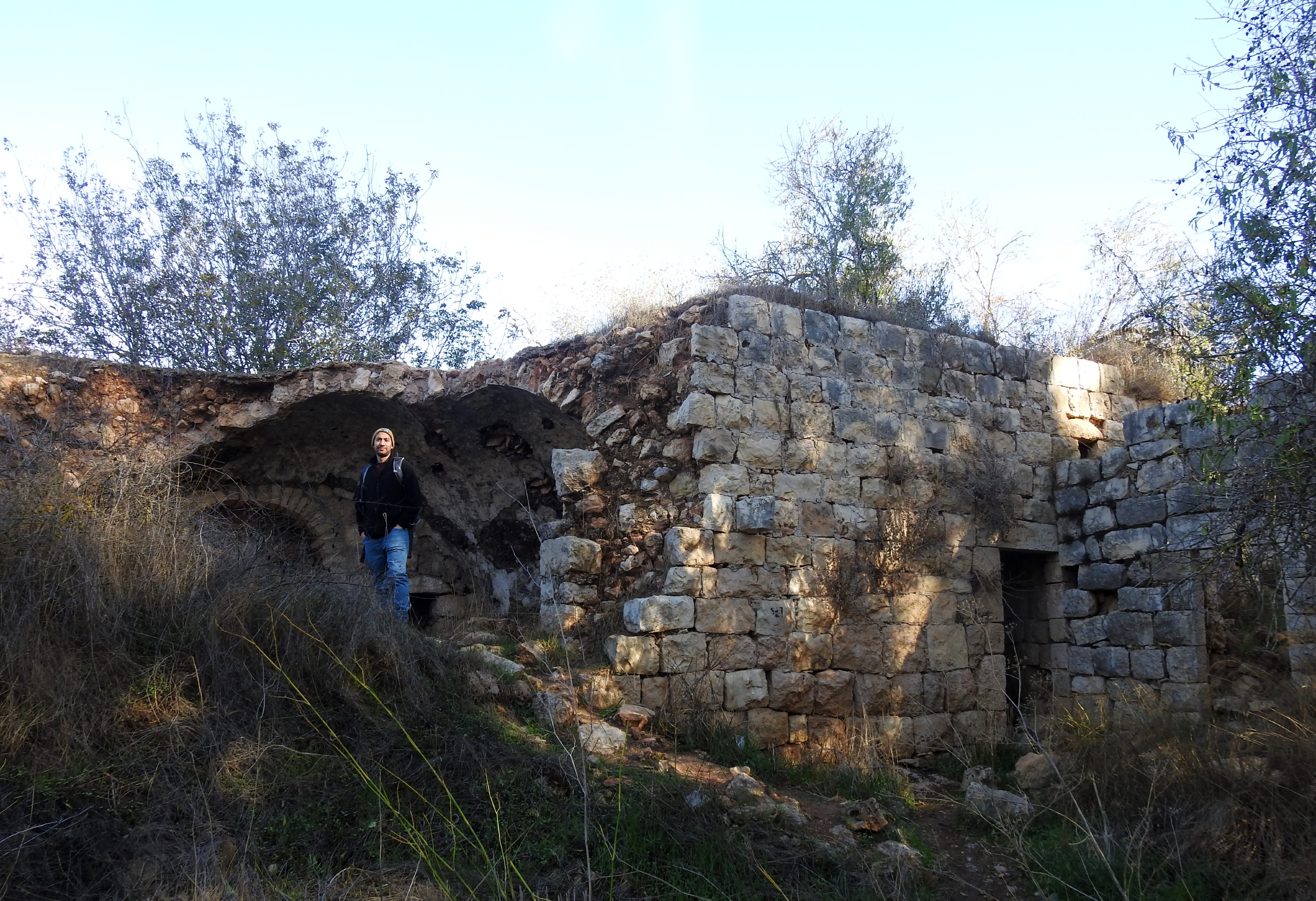
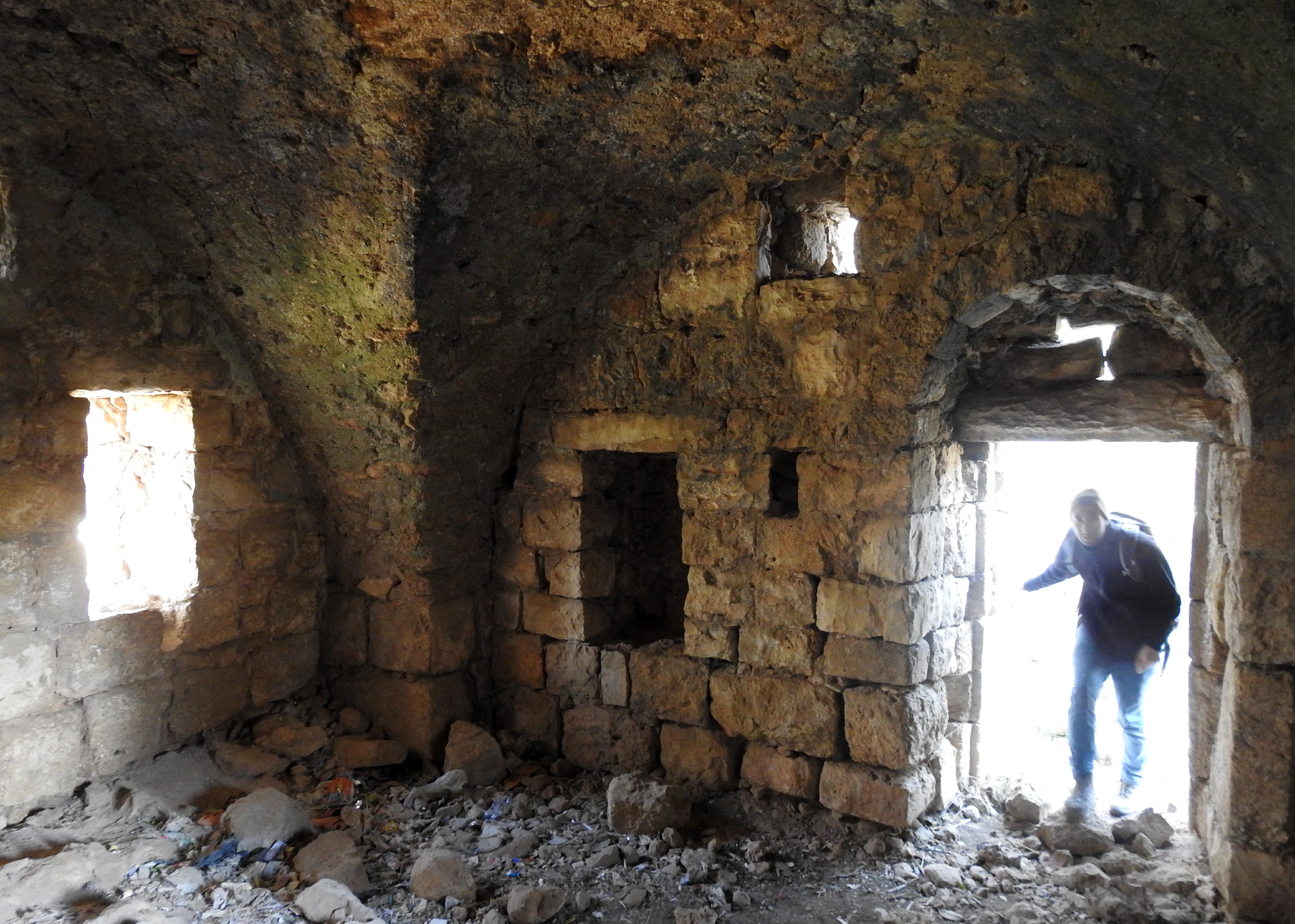
After a bit of research, this house appears to have been Crusader/Mamluk in origin, with visible signs of continued use and reconstruction in later, more modern periods. On site, we explored it and made note of its charming look and location, the idyllic home beside the bubbling brook.

Inside the old house next to Ein Matta

Inside the old house next to Ein Matta

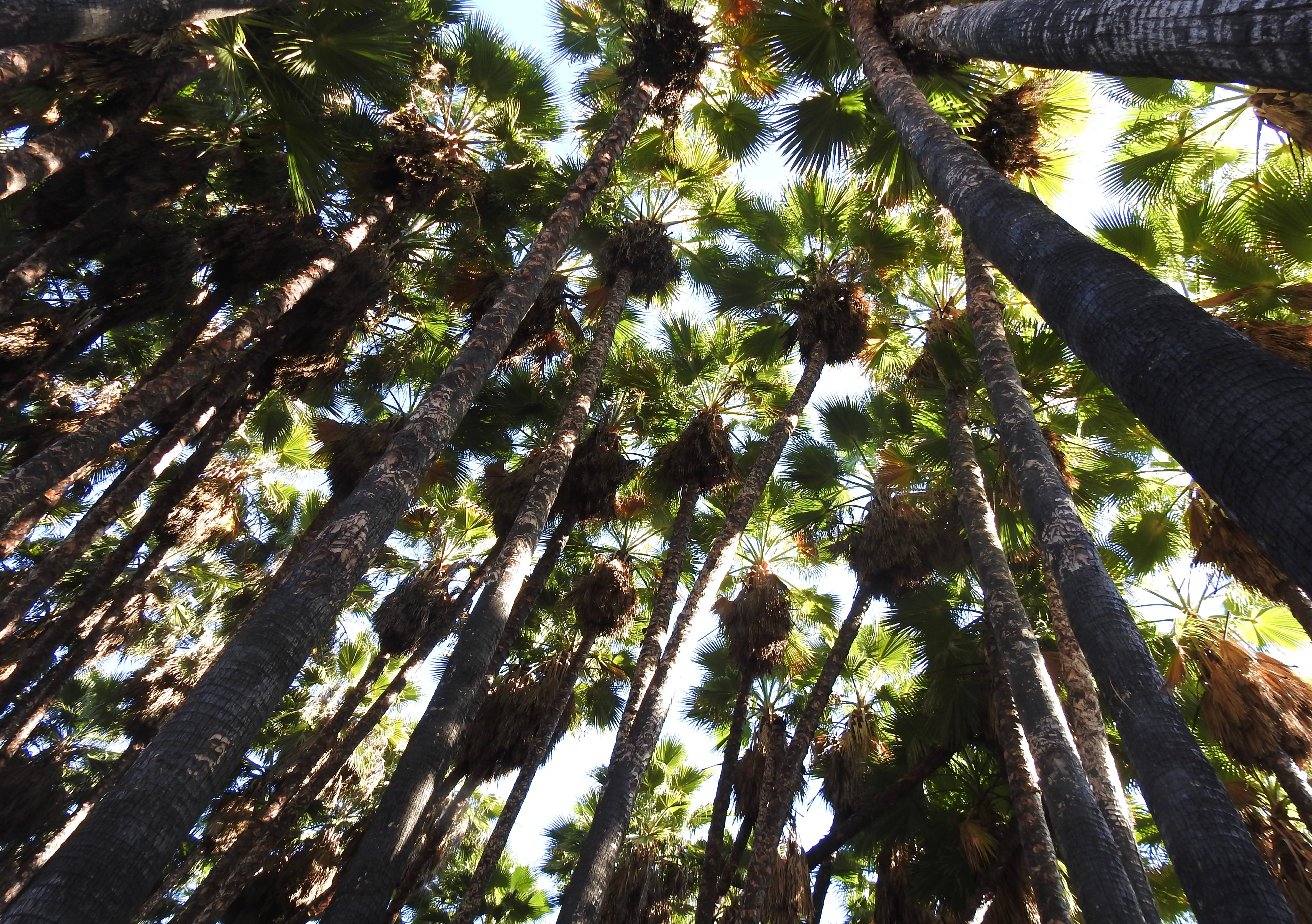
Poking up over the native trees, watching us tiny creatures below, towered the grove of robust washingtonia palms. These behemoths beckoned us closer, to be enchanted by their unnatural appearance in this cold, drippy valley. As we climbed over the bramble and onto the tiny clearing before the grove, I instantly was taken back into the spellbinding novels of Jules Verne, where primordial worlds still exist. We walked slowly through the grove, feeling miniature between the rows of blackened trucks, and proclaimed our wonderment of this place.

The towering washingtonia palms

The towering washingtonia palms

As we pondered as to why these trees were planted, and how they looked so ridiculous when they collapsed in a state of shriveled death, I felt another presence join us. I turned around to see an unsuspecting jackal loping towards us, yet when I saw him, he saw me and both of us reacted in alarm. I tried firing off a picture and it about-faced and fled from the scene, scarcely giving me time to even alert Avner of our furry visitor.

Salvatio Abbey from the outside

Salvatio Abbey from the outside

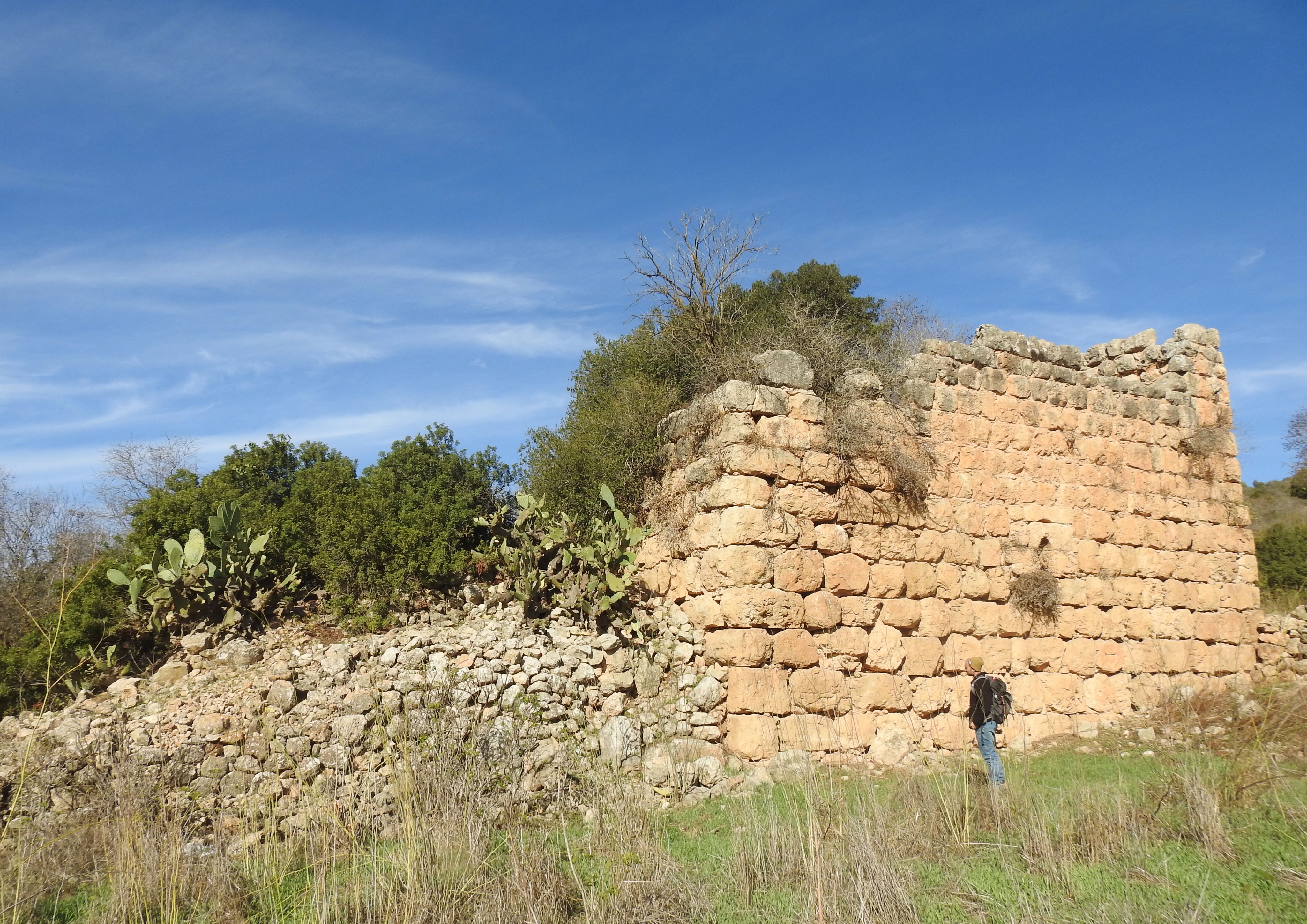
When we finished with the grove, we carried on and headed for the next attraction – the ruins of Salvatio Abbey. Built as a Cistercian Catholic monastery in 1161, it is believed that the several houses surrounding the grand central structure served as community housing, despite being built prior to the abbey. Our first glimpse of the complex was the great eastern wall of the abbey, built of ashlars and flanked by rubble walls on either side. With the onset of the Mamluk rule, and the European Christians leaving the land, the small village was resettled by Arabs and renamed ‘Allar al-Sifla, and then eventually abandoned permanently in more recent years.

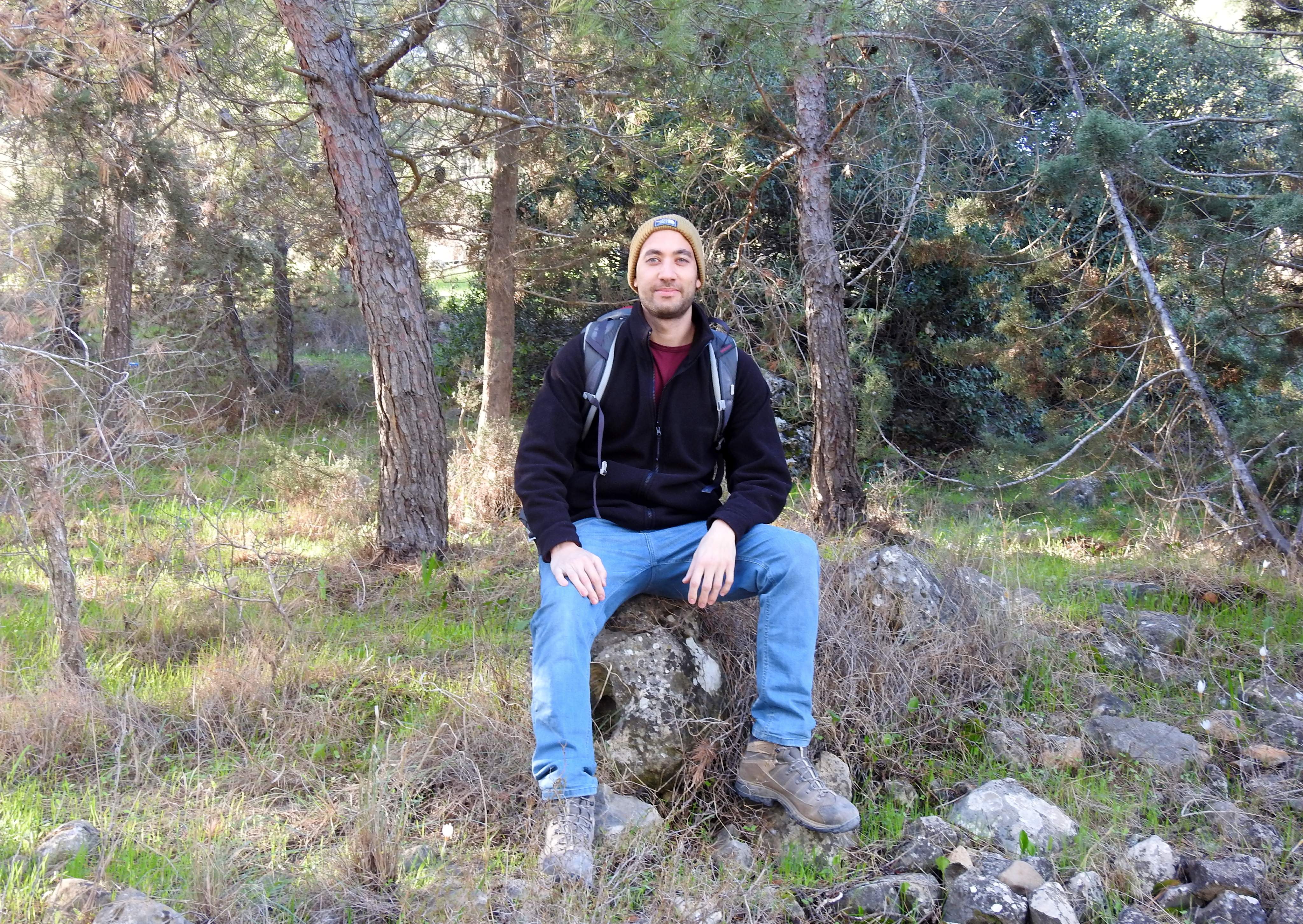
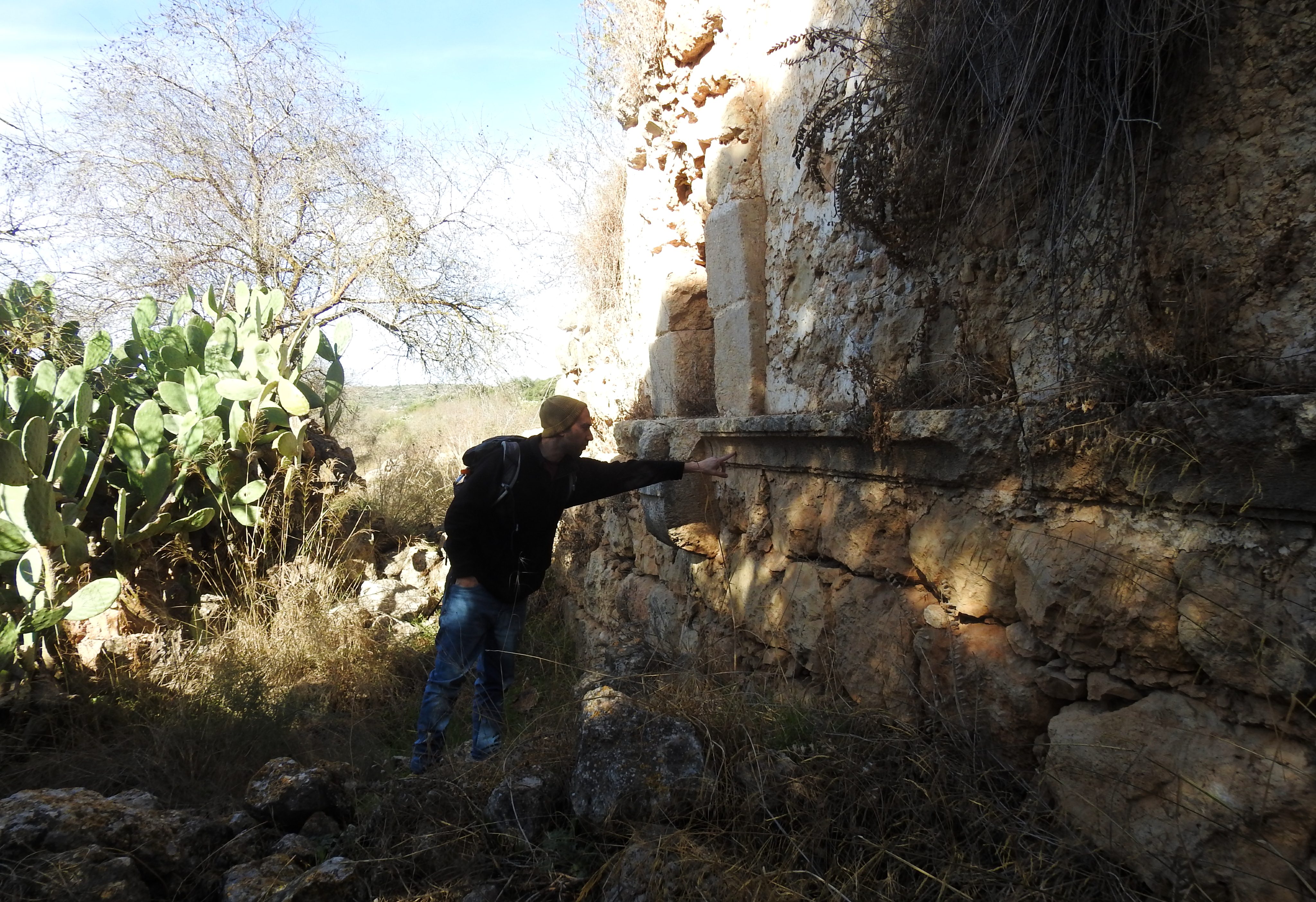
Avner admiring the fine masonry of the abbey chapel wall

Avner admiring the fine masonry of the abbey chapel wall

We gained entrance to the complex just outside the abbey, climbing over the fallen walls from where we surveyed our surroundings. The overgrown grass obscured some of our visibility, but we could clearly see the more elaborate architecture that the abbey boasted. We entered the ruined chapel, where elegant arched windows and a finely-cut ovolo corbel captivated our attention. Despite the vegetation and the rubble, the nearly untouched ruins filled us with imaginative ideas of excavations and discoveries – naturally, we both lament the general lack of interest in medieval archaeology in the country.

The overgrown ruins of the Salvatio complex

The overgrown ruins of the Salvatio complex

As Avner examined the grand wall with more detail, I climbed past the dried golden henbane and cactus to the top of the western wall, where I could see the other side of the chapel’s wall. Avner located a cistern, and we made a final sweep of the abbey area before making our way to the northern side. There, we admired the great walls once again and set off to find the final site of interest for the day, the arched tunnel of Ein Tanur.

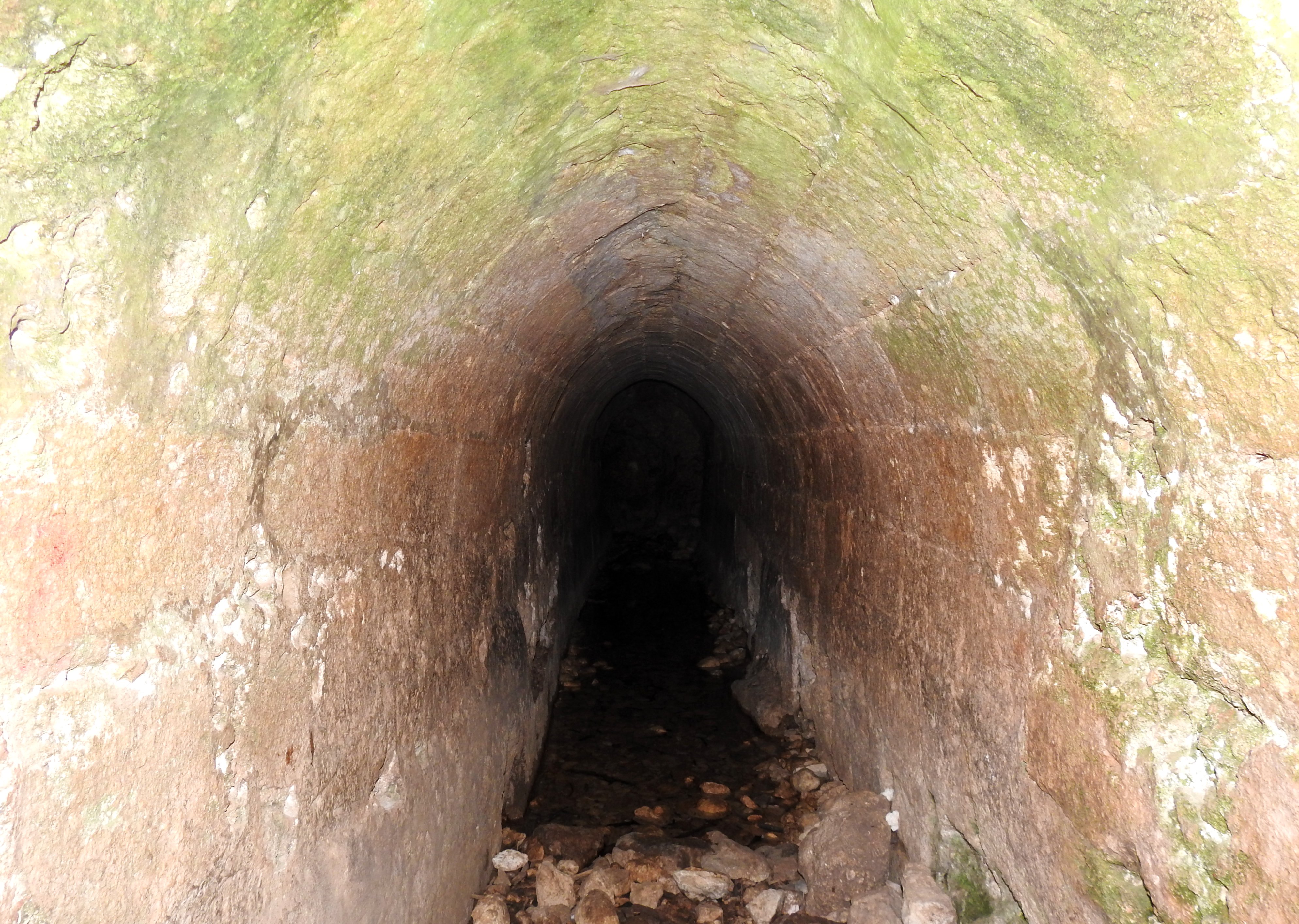
Within Ein Tanur's arched tunnel

Within Ein Tanur’s arched tunnel

Simply hiking down the gentle slope back to the bottom of the wadi, we chanced upon the spring in a tight cluster of fig and other fruit trees. While the water was solely located inside the expertly-crafted arched tunnel, we appreciated the amount of work that went into making the spring more usable for the local inhabitants in times of old. With that final thought, we headed back to the trail and made our laborious way back up the slippery path to the car lot. Unfortunately, we had no time to explore the delightful “Caesar Trail”, a Roman road with hewn steps believed to have been built during the reign of Hadrian, so that will have to be saved for another day.

Ruins around Givat Ze’ev

In Israel, Jerusalem on January 2, 2022 at 10:33 AM

This post is about two documented excursions to the ruins in the outskirts of Givat Ze’ev, a small city nestled between Jerusalem and Ramallah. I’ve become somewhat acquainted with the city and its outskirts in recent years, as my in-laws are residents of the Neve Menachem neighbourhood on the eastern side of the city. Avid walkers, my in-laws took me out on several undocumented visits to the various archaeological remains in the vicinity, located in open garrigue scrubland. Then, in August of 2020, I had the opportunity to document a trip to some ruins, accompanied by Bracha and our local guide, my father-in-law, David Berman.

Satellite view of the area (photo Google)

Satellite view of the area (photo Google)

We made our way through the construction sites to a stretch of concrete was once the main road north of Givat Ze’ev, since replaced by a larger road and a security checkpoint. Our destination was the ruins of Khirbet el-Lattatin, the ninth mile marker north of Jerusalem which even appears on the famous Madaba Map from the 6th century CE. Due to the site’s locational importance in antiquity, a wayfarer’s station was built in the Byzantine period, complete with a basilica plan church. As time progressed and the Arabs took control from the Byzantines, the church was somewhat repurposed as an agricultural installment, yet travelers still sought shelter on-site. The complex seemed to have gone out of use in the 9th century CE, according to archaeological finds such as pottery and coins.

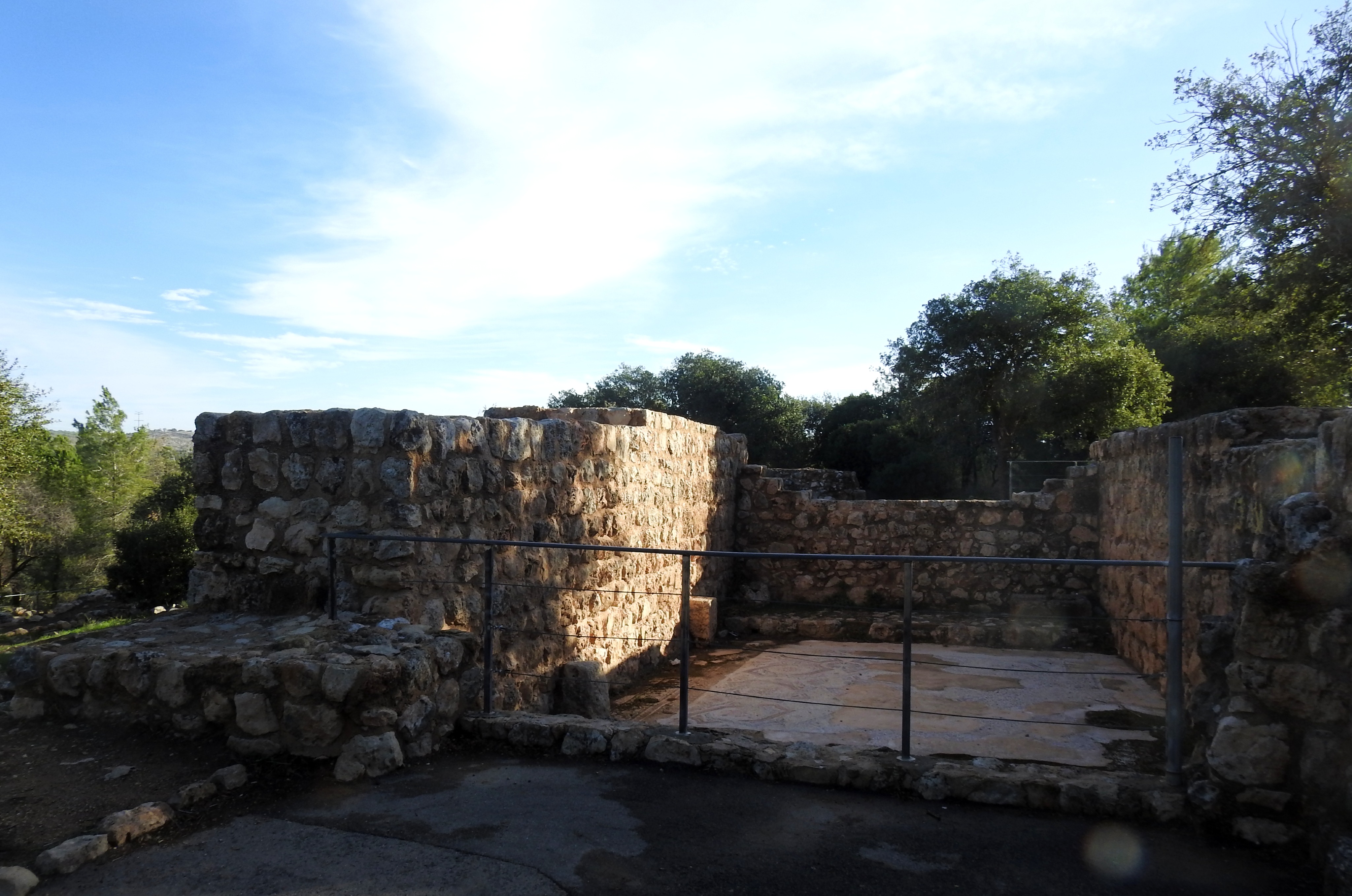
The ruins of Khirbet el-Lattatin

The ruins of Khirbet el-Lattatin

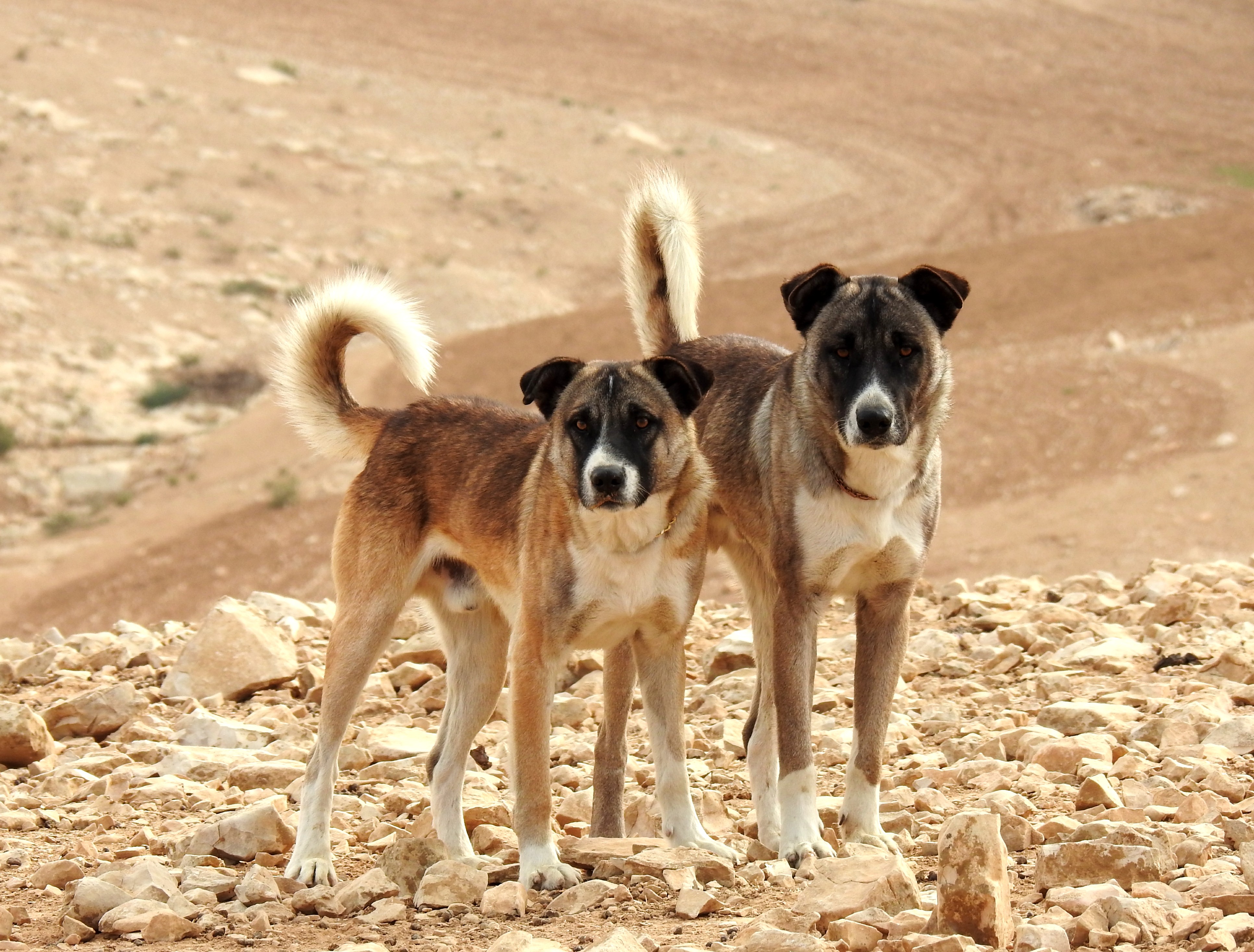
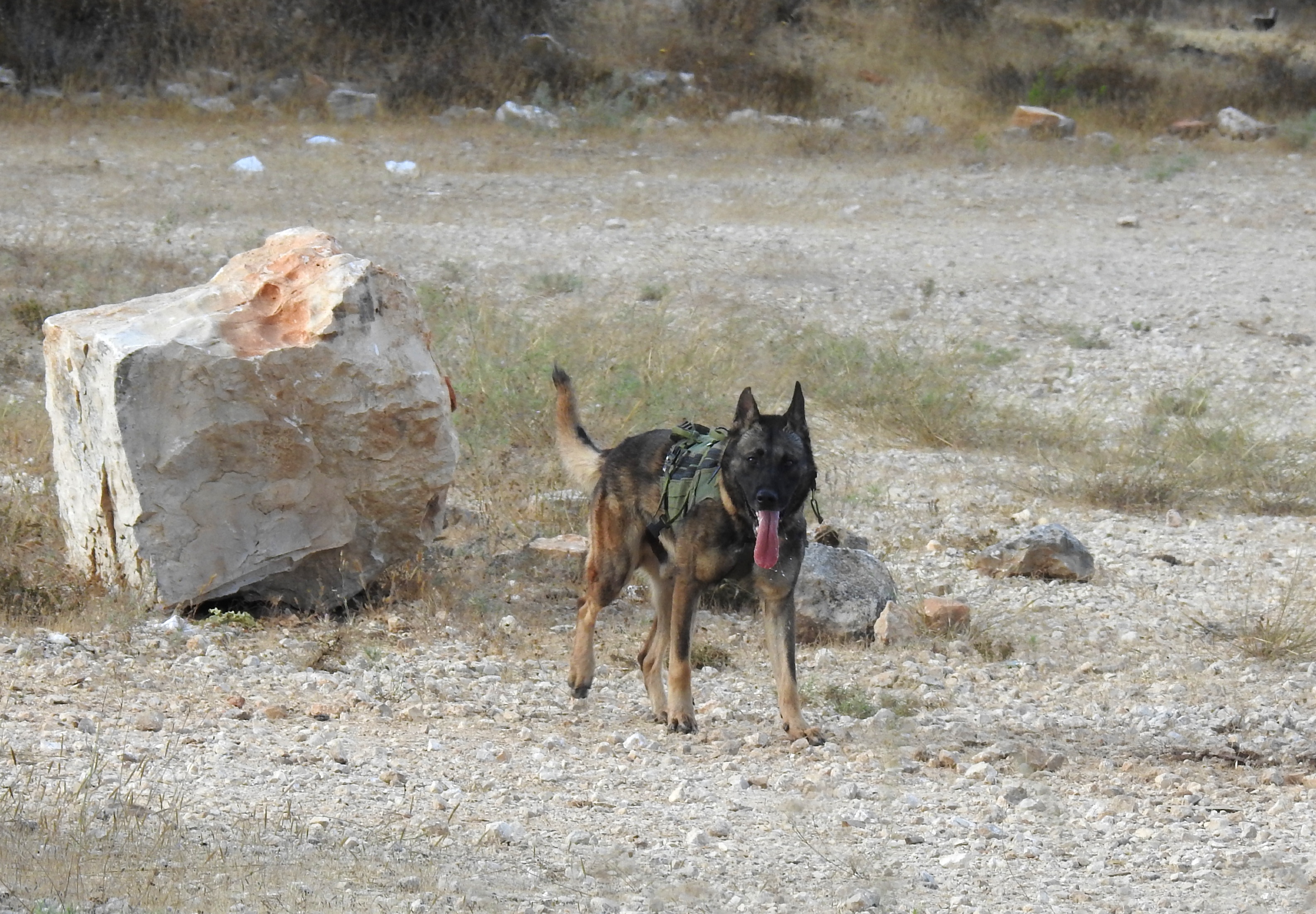
Upon approach we noticed two things: the remains of a nice ashlar wall, likely connected to the ruins, and a collection of IDF soldiers and dogs from the elite “Oketz” unit. Checking with the soldiers that we weren’t interrupting any important training session, we left the road and found the semi-concealed ruins of Khirbet el-Lattatin which were excavated in 1995. What we saw before us was a complex of rooms and partial walls, nothing quite discernable so we climbed down into the ruins.

Byzantine floor mosaic

Byzantine floor mosaic

A simple white mosaic floor from the Byzantine stage of construction was easily found, as were these round floor features which looked to have belonged to the Arab agricultural complex. We explored the rooms from below, walking in and out of the many rooms and making note of interesting things. I found a thickly plastered wall section, incised with a simple chevron motif, and of its origin and purpose I still don’t know. It was peculiar to the eye to see some different building styles, but due to the site’s dramatic change under new ownership, it only made sense.

What appears to be the apse of the Byzantine chapel

What appears to be the apse of the Byzantine chapel

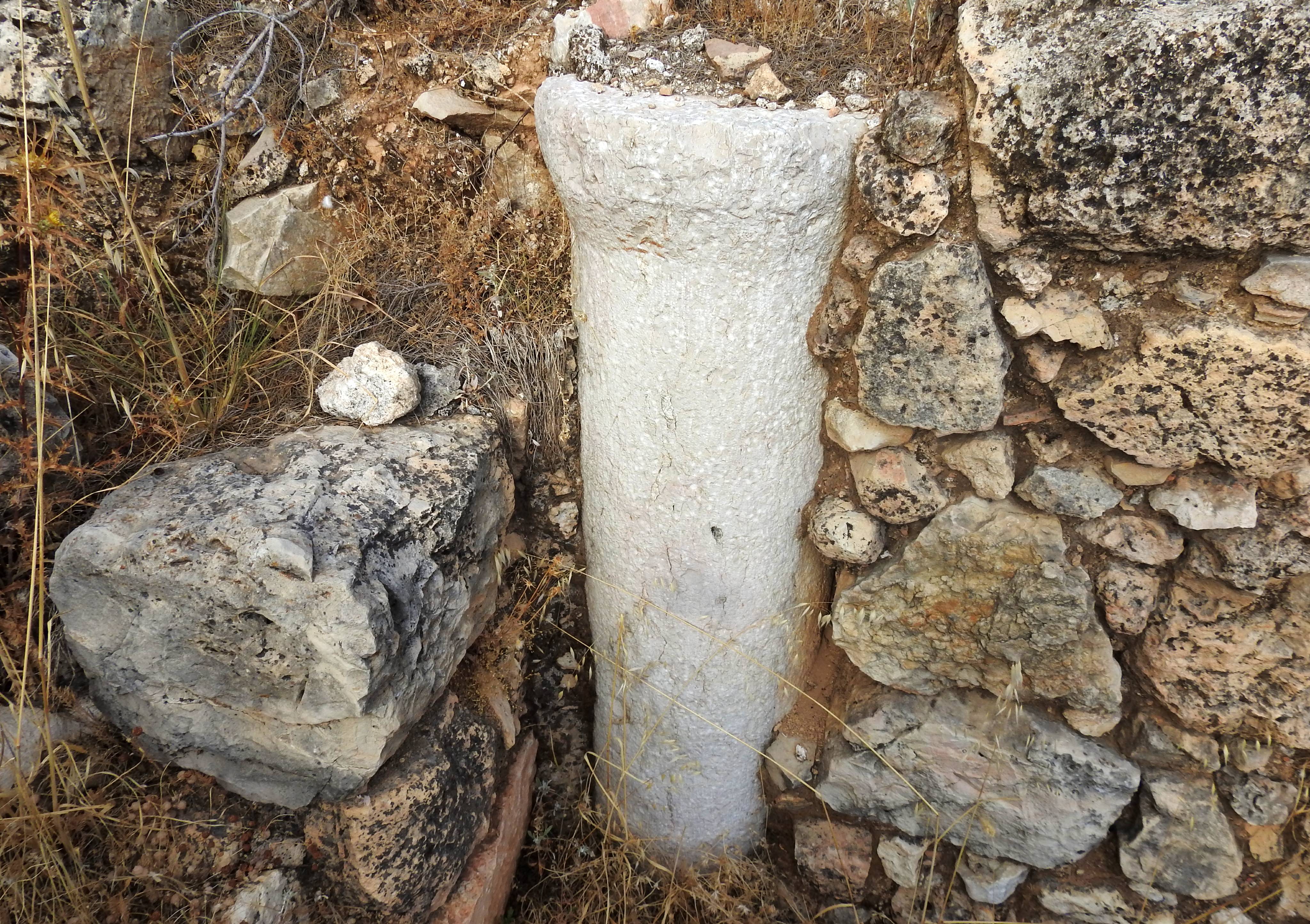
Also of interest were a collection of columns and bases, with one column still embedded in the sunken wall, which were originally part of the Byzantine church. In addition, we found the empty water cistern where a Sinai fan-fingered gecko was hiding, scampering away when I tried taking its picture. Overall, it was quite an interesting site, especially so close to home, so to speak. We headed back, finding a dried ram skull in the grass, bringing an end to the fun outing.

Basilica column still buried in the dirt

Basilica column still buried in the dirt

On a previous visit we had taken this abandoned road to the end, where a large agricultural watchtower is located, but this time it didn’t warrant the effort just for one photo (see HERE instead). There are other captivating ruins in the immediate area that we didn’t end up seeing, including other watchtowers, hewn mikvahs and a hewn burial cave.

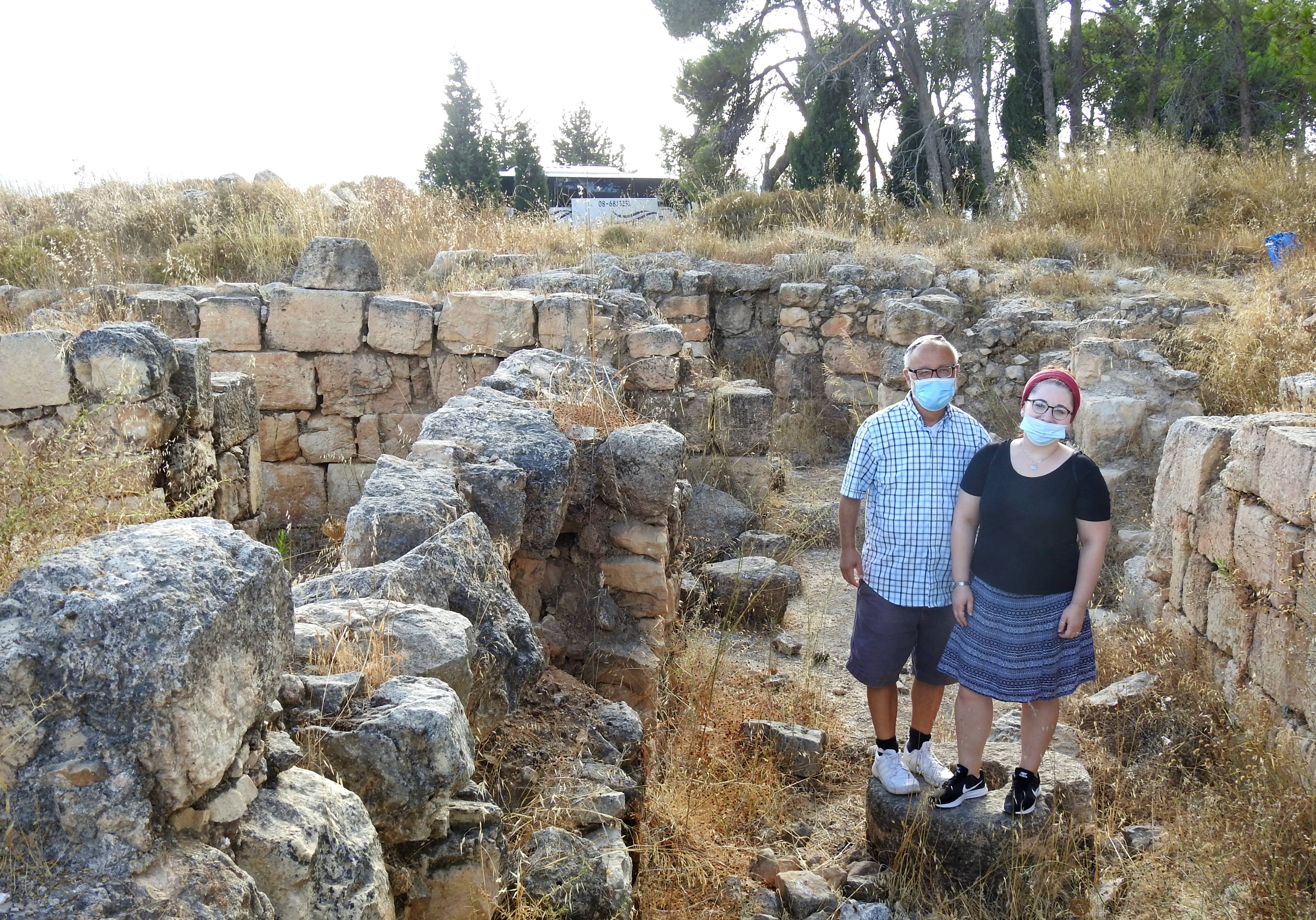
Happy adventurers in the ruins

Happy adventurers in the ruins

When researching Khirbet el-Lattatin I found a fascinating document (see HERE) from the archive of the Department of Antiquities of Mandatory Palestine detailing a local villager’s visit when he reported finding antiquities in a local burial cave (which seems to be the same one that we missed). Within the report, written in the Queen’s English, it says that the villager found and presented to the British part of a limestone ossuary, several bracelets and other jewelry that were actually found and looted from the bones within the ossuary, one of which he had initially gifted to his daughter!

Happy "Oketz" dog

Happy “Oketz” dog

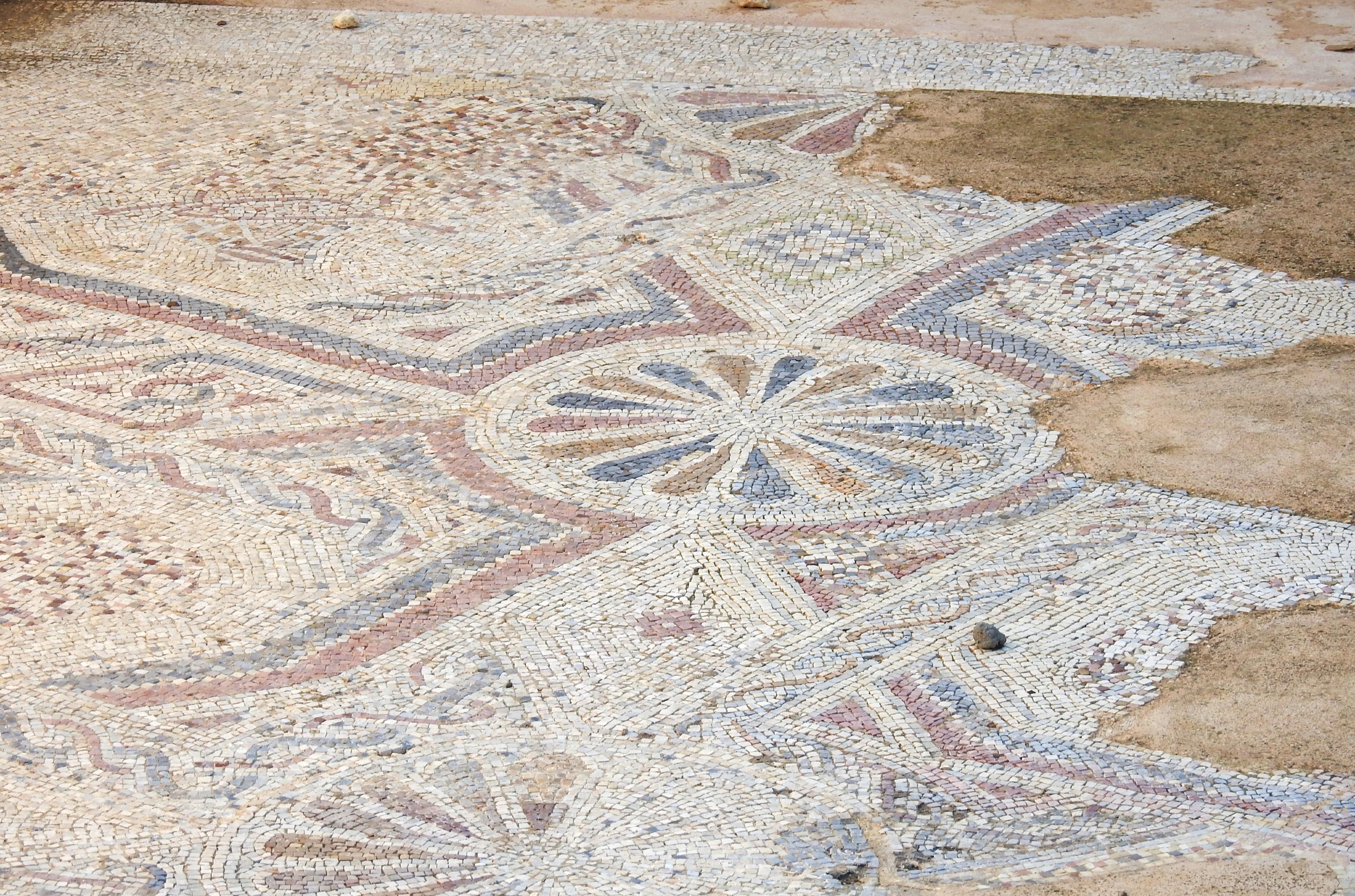
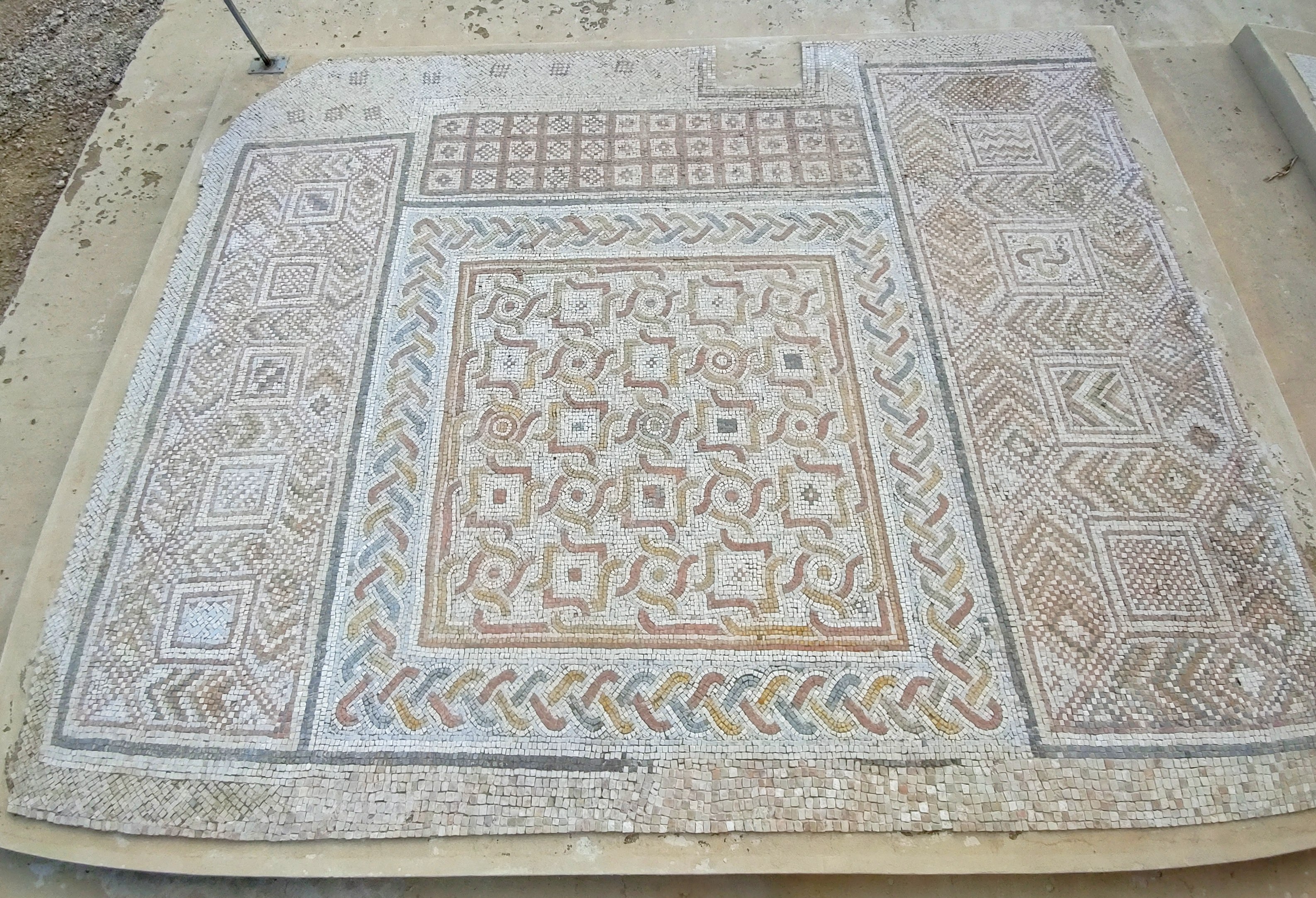
If that’s not enough post-adventure excitement, just after I had written this post I had gone on a field trip with my university department. Among the sites on the day’s itinerary was the Good Samaritan Museum, where assorted mosaics from around the country are preserved and displayed. To my surprise, one of the first mosaics that I saw there was one from Khirbet el-Lattatin – the original Byzantine church floor that was transplanted to the museum for safekeeping. Not having known of its existence in the first place, this finding was electrifying and so I’m adding a wide-angled photo of it to this post for maximum effect.

The fancy mosaic floor of Khirbet el-Lattatin displayed at the Good Samaritan Museum

The fancy mosaic floor of Khirbet el-Lattatin displayed at the Good Samaritan Museum

Excited by my first adventure, my next archaeological excursion took place only in the beginning of December, 2021, when I had a few hours on one particularly chilly afternoon to explore the local hill – named after a squad of Palmach fighters who set out on a mission only to fail and later be commemorated in various ways. The hill is just north of the Neve Menachem neighbourhood, and is home of a semi-active archaeological excavation, which I had tried to join two years ago, but it was being postponed due to the initial coronavirus outbreak.

Open garrigue scrubland outside of Givat Ze'ev

Open garrigue scrubland outside of Givat Ze’ev

With camera and binoculars safely secured around my neck, I set out for the slopes, happily seeing my first signs of wildlife in the form of a male black redstart and a handful of chirpy chiffchaffs in the conifer line that borders the city. Entering the open garrigue scrubland, I encountered the many tiny caves and visibly quarried bedrock along the southern side of the hill. The Steven’s meadow saffron was in blossom, as was the winter saffron, both classic winter wildflowers despite it being so cold.

Hewn bedrock atop the hill

Hewn bedrock atop the hill

The walk up the hill is best taken along the flat bedrock that wraps around the southern side, decorated with hewn cup marks and agricultural installations that were full of the last rain’s water. As I walked along the unintentional path, I kept scanning for birds but only a few stonechats were to be seen. Then, climbing up on some rocks, I saw a medium-sized bird fly out from shelter and managed to get it in my binoculars before it disappeared over the ridge. I was elated as I had just seen my first (living) woodcock, a very elusive bird that can be seen locally in the winter months.

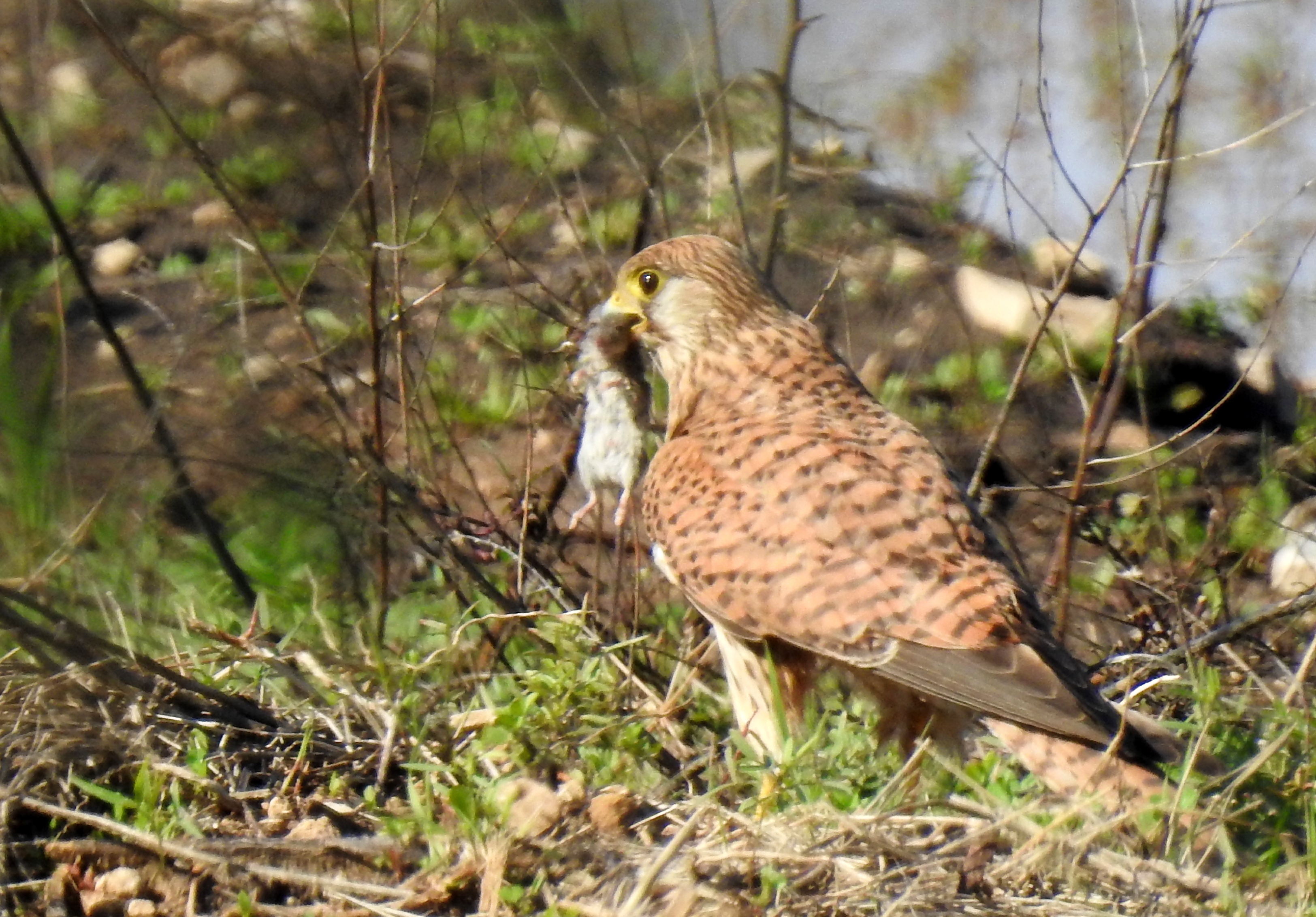
Kestrel in the cold wind

Kestrel in the cold wind

With a smile on my face I then reached the archaeological excavation area, where ongoing efforts to learn more about this hill’s role in history have been happening. Thus far, it was revealed that a fortress was built in the Middle Bronze age (some 4,000 years ago), and that the site was also in use in the Iron Age, during the time of the First Temple. Frankly, there’s not much to see at surface level, save some stubby wall bases and scattered potsherds.

Recent excavation efforts

Recent excavation efforts

As I walked around the northern side of the hill I noticed more excavation areas, some with exposed walls, as well as more modern simple rock walls that divided the slope up into designated areas. With not much to see, I continued around to the eastern slope and made my way down into the flat area in the direction of the nearest Arab village. The bird situation didn’t improve much at first, with just more territorial stonechats perched hither and thither, but then I saw a nice long-legged buzzard who soared off into the distance.

A donkey friend

A donkey friend

When I reached the easternmost point of Givat Ze’ev, located to my right, I discerned a small flock of corn bunting on a small tree, which gave me hope. I continued along the dirt road outside the city, where ploughed fields and chilly orchards provided a change in scenery. The birding improved, if only by a little, with some starlings, greenfinches and another black redstart. With my free time running out, I turned back around and headed into the city, making my way back to my in-law’s place. These trips served as a successful and joyous preliminary reconnoitering of the immediate surroundings, but there is still more to be seen and documented in the days and years to come.

Agamon Rishon LeZion

In Central Israel, Israel on December 12, 2021 at 8:07 AM

In mid-October, after a flurry of birding trips to the field of Givat HaShlosha and Nachal Rabah, I decided to change the pace a bit and to explore some rich wetlands not too far away from where I live. Incidentally, there were a few choice birds that I had previously seen reported on eBird, and since I was keen to snatch up a few potential “lifers”, I rose in the predawn hours and arrived at my destination – the artificial lake just outside of Rishon LeZion – not long after sunrise.

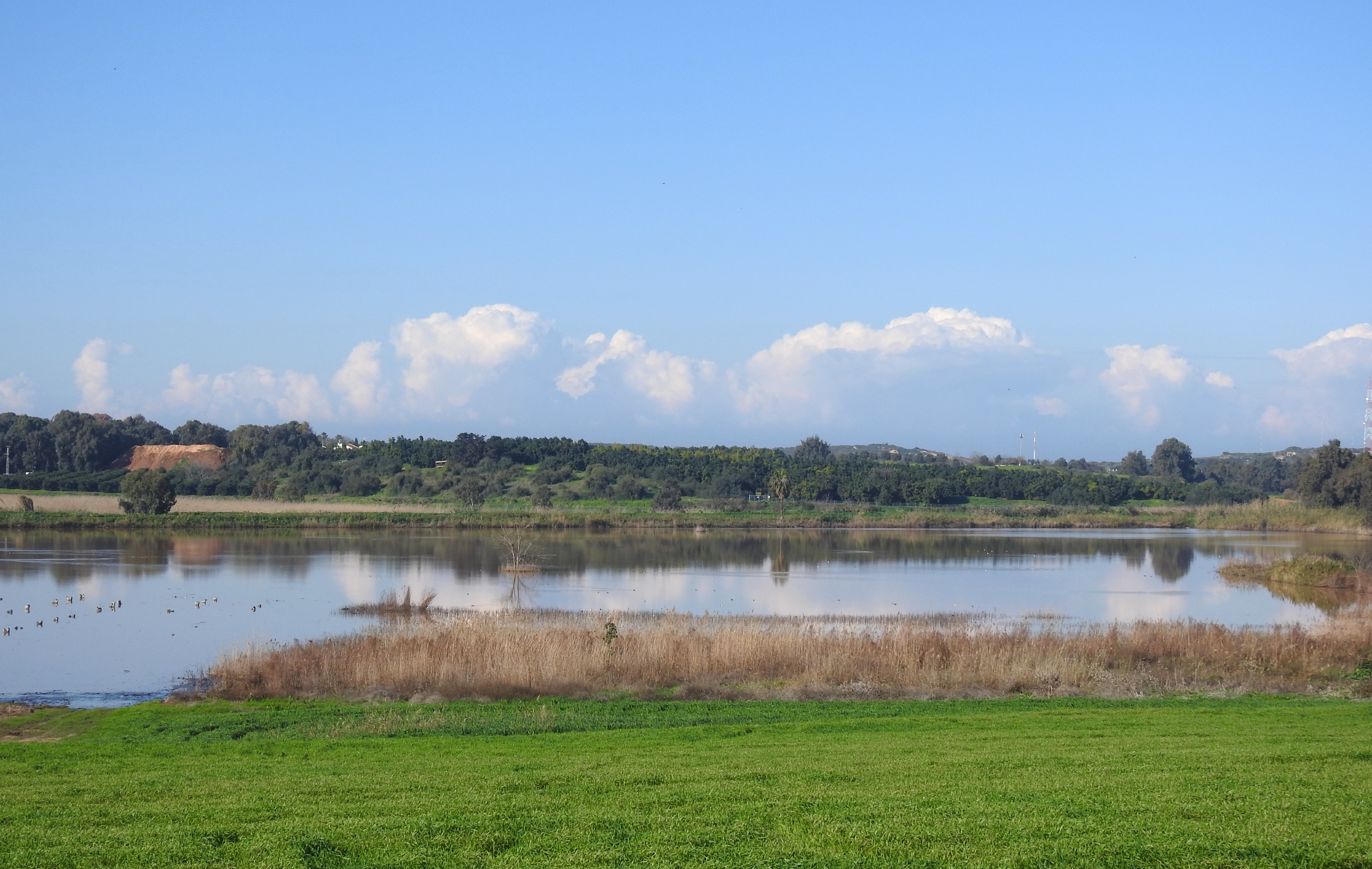
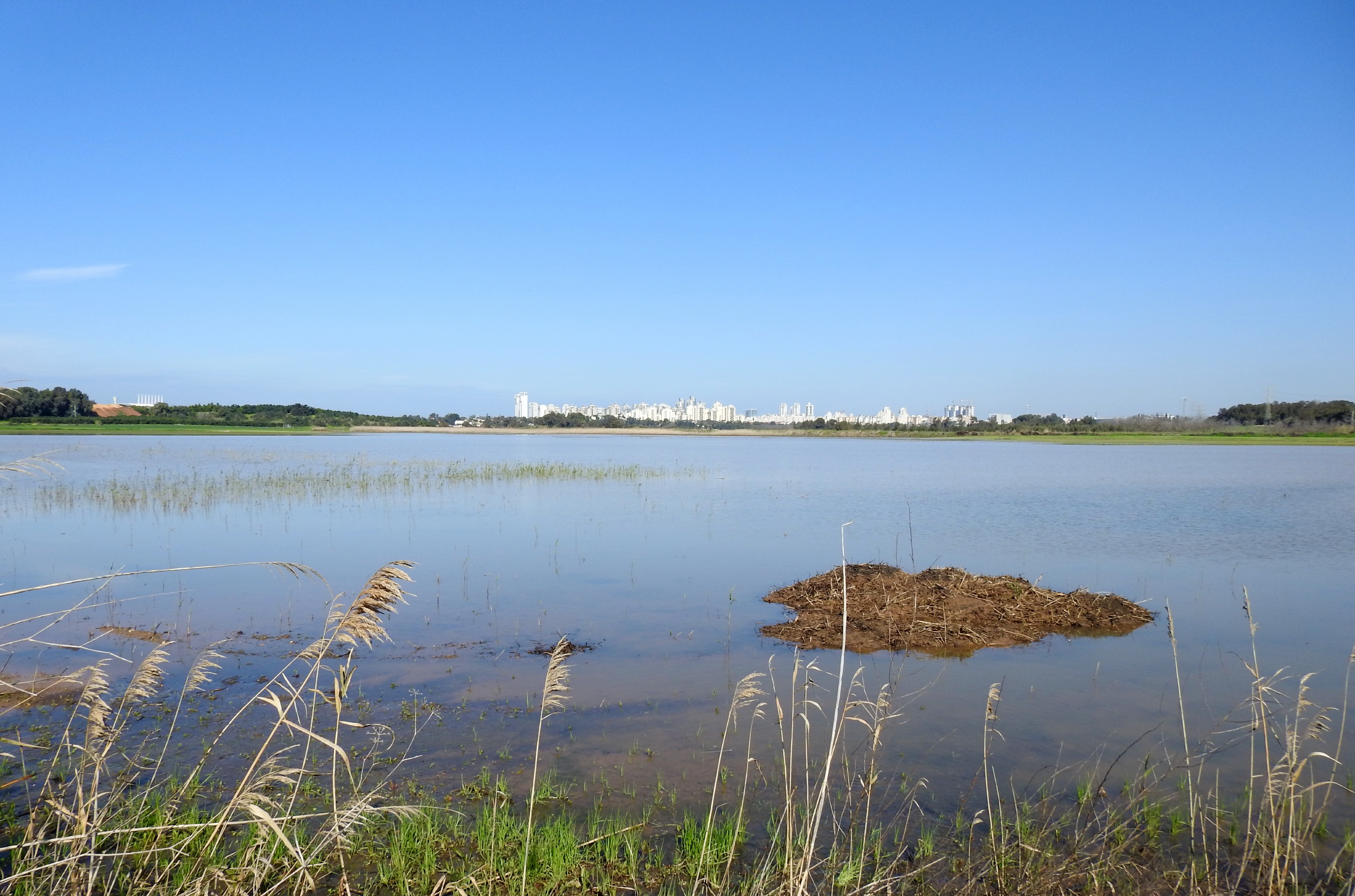
Early morning at Agamon Rishon LeZion

Early morning at Agamon Rishon LeZion

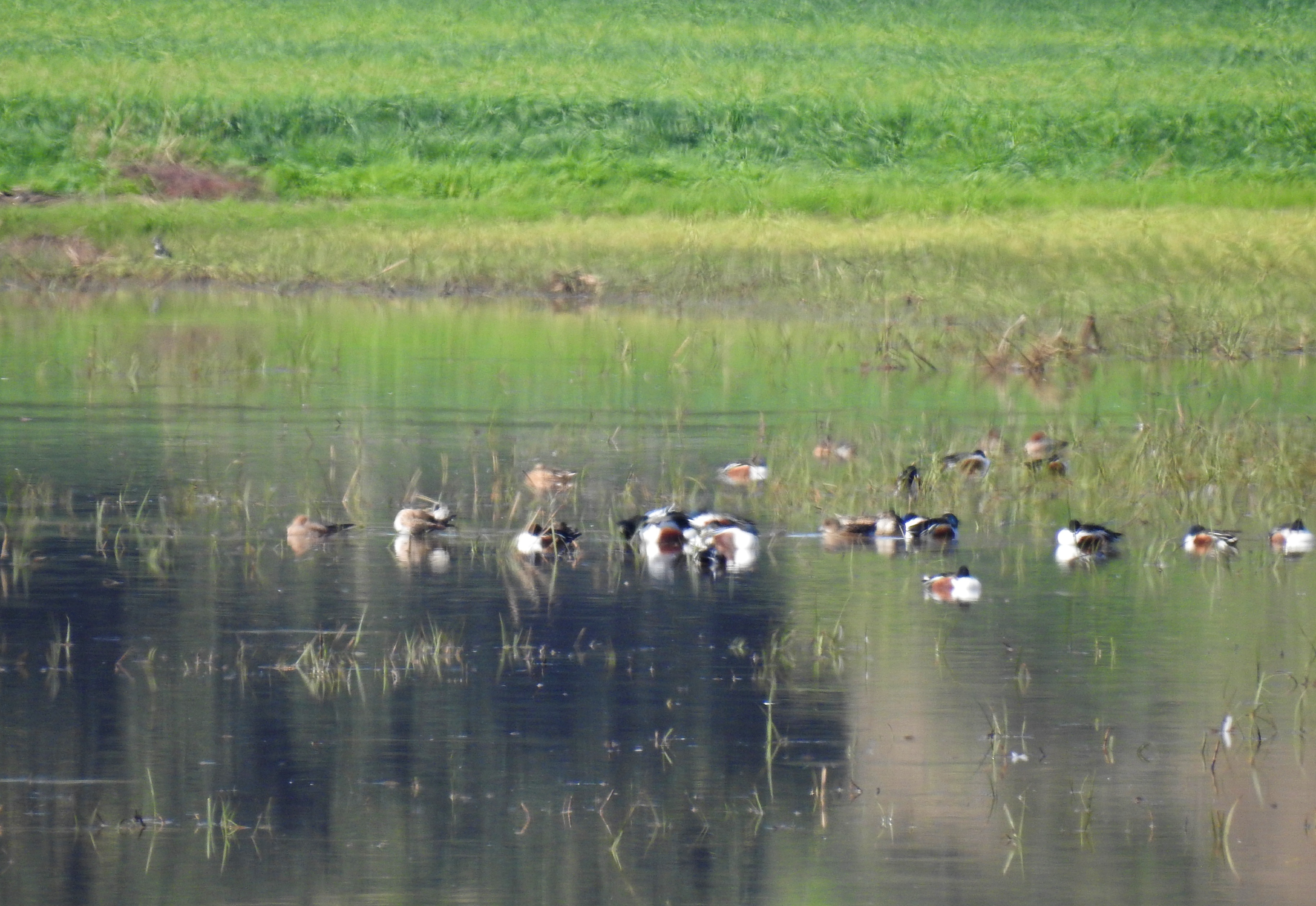
I had been to a nearby Lake Nakik in the summer of 2019, when Adam and I explored the neighbouring dunes for the first time (see HERE), but somehow the Agamon had slipped through our fingers. My expedition began at the eastern banks where I used my binoculars to scan the lengths of the shorelines around me, finding an expected assortment of egrets, herons and shorebirds. Kingfishers and barn swallows zipped back and forth over the placid lake, completing the serene scene with their controlled flights.

Grainy photo of the African swamphen (right)

Grainy photo of the African swamphen (right)

My first exciting find came when I scanned the reeds a bit more carefully, and then noticed a bird that was bigger and more colourful than a common moorhen – it was an African swamphen! This was my first “lifer” of the day, and in retrospect I could confirm that there was a second one tucked back a bit further, and thus more obscured by the thick reeds. When it got a little brighter out, I was able to discern more species of waders in the muddy shallow section to the south, as well as a reed warbler that appeared in the reeds beside me.

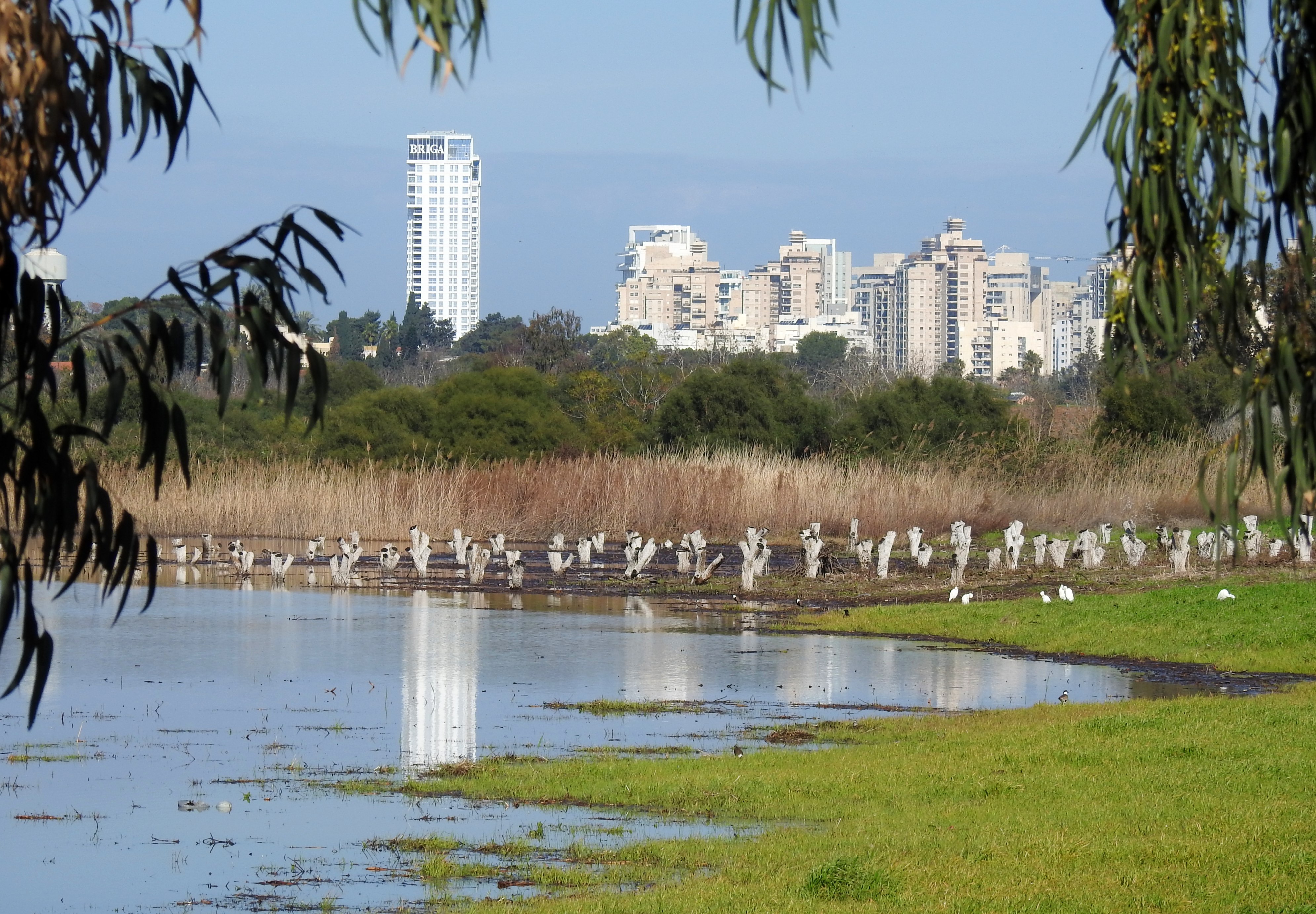
Picturesque views from the deck

Picturesque views from the deck

Eager to see more of the small lake, and from different angles, I continued on my semi-circuit, walking past the FlyBox building where an intriguing, if pricey, weightless flying experience can be had. The trail took me through a small overgrown area and I emerged at the northern side of the lake, where the observation decks have been installed. The sun was still coming up through the dense cloud cover as I took in my new view, seeing more herons and egrets fishing in the shallows.

Grainy photo of the whiskered tern in flight

Grainy photo of the whiskered tern in flight

Another “lifer” appeared in the form of a whiskered tern – a graceful white acrobat skimming over the water’s surface in search of small fish to catch. The tranquility of the lake scene with the muted early morning colours filled me with inner peace, and I sat there basking in the moment. When I had moved on down to the deck, sitting in the western lookout, large raindrops started falling out of the sky. I sheltered my camera and enjoyed the light shower, feeling refreshed from my first rains of the season.

One of the more unusual bird sightings I've ever had

One of the more unusual bird sightings I’ve ever had

The rains brought out the birds, interestingly enough, and I watched a particularly plucky sedge warbler bounce about in search of food. A bluethroat and some white wagtails joined in on the fun, racing about in between the raindrops. When the rain ended I went back to the first lookout in hopes of finding a little bittern, which was actually waiting for me at the base of the structure – our encounter catching both of us off guard. Reflexes kicked in, I tried snapping some pictures while it tried escaping through the thick reeds. The sun eventually broke through the clouds and I decided it was time to head to work, but not without telling others of my relaxing, yet exciting, visit.

Revisiting the lake (photo Adam Ota)

Revisiting the lake (photo Adam Ota)

Sure enough, the following week I revisited the lake, but this time with company: Bracha, Adam and his girlfriend Vered. We retraced the steps that I had taken days before, seeing largely the same selection of birdy friends, minus the elusive swamphen. This time we popped into the large mall complex at the northern side of the lake to grab an iced coffee, and had a picnic as well.

Picnic at the lakeside (photo Adam Ota)

Picnic at the lakeside (photo Adam Ota)

We feasted on cheesy pastas and rich French toast that Adam cooked on his portable burner – more exciting culinarily than my previous tour. Such a delightful place to visit, and relatively easy to get to with public transportation, that I foresee more visits in the future.

Beit ‘Itab

In Israel, Judea on November 30, 2021 at 4:08 PM

In the beginning of October, I embarked on yet another Crusader ruins-themed adventure with my friend Avner Touitou, this particular trip highlighting the lesser-known fortified manor called Beit ‘Itab located in the mountains between Jerusalem and Bet Shemesh. The name itself actually belongs to the village that existed before, during and after the fortress, as the estate’s name was not preserved (to the best of my knowledge). It was believed to have belonged to Crusader knight Johannes Gothman, who owned nice properties in the Kingdom of Jerusalem, and who was later captured and had his land sold by his wife to pay for his ransom. Avner and I had encountered this Johannes when researching manuscripts, and his name had rung a bell because he was believed to have owned the fortified manor of Khirbet Luza, a site we had visited back in December of 2019.

The ruins of Beit 'Itab

The ruins of Beit ‘Itab

Our journey to Beit ‘Itab began in the early morning with a drive out of the urban centre of the country and into the scenic mountain roads which brought us to the USA Independence Park, where we found a little lot to leave the car. Leaving the shade of the Greek strawberry tree, we started down the Beit ‘Itab trail with its picturesque mountain views and signage that pointed us in the right direction.

Setting out on the scenic trail

Setting out on the scenic trail

We passed a few vineyards along the rocky terra rossa road, seeing not much other than one or two shrikes. Suddenly, I stopped Avner in his tracks and took some quick photos of a beautiful female semi-collared flycatcher which we had caught unawares. She flew up and we continued down to the natural spring system of Ein Hod, which marks the lower end of the archaeologically interesting part of our adventure.

Semi-collared flycatcher on a gnarly fence wire

Semi-collared flycatcher on a gnarly fence wire

Shaded from the morning sun by oaks and a particularly gnarly fig tree, we examined the constructed spring pool and channel, built sometime in antiquity. We were far too excited to see the fortress ruins, so we hurriedly continued on the trail, pausing only briefly as a cacophony of throaty bird calls were heard, followed by a sleek sparrowhawk which apparently failed a sneak attack on some unsuspecting prey-to-be. The trail up the slope was rough and flanked with loads of cactus plants, threatening to puncture us as we plodded upwards. At last, the fortress came into view as we approached it from the northeast.

The springs of Ein Hod

The springs of Ein Hod

There was a dry moat of sorts which prevented us from entering the ruins willy-nilly, so we continued on the trail to the southern side where the official entrance is. Great views of the coastal region made it immediately clear to us why one would build on such a hill, although lugging water up the slope must have been exhausting work. The manor of Beit ‘Itab was renovated and added to during the later Ottoman period, so it was a bit of a challenge for us discerning what belonged to our period of interest, and what was “modern”.

Looking into the vaulted chamber

Looking into the vaulted chamber

Upon entry we embarked on a circular tour of the site, starting with a crudely built vaulted chamber of unknown purposes. The fortified manor was, in essence, a rectangular enclosure of buildings that ultimately formed a secure courtyard. We exited via the other side of the vaulted chamber and began walking along the semi-ruined western walls in the direction of the Ottoman building which was erected in the middle of the courtyard. We could plainly see that there were different stages of development in many sections of the ruins, and even the materials and quarrying efforts varied from here to there.

Admiring the arches

Admiring the arches

As we attempted to unravel some of these mysteries, we enjoyed the simple pleasures of appreciating the architecture and craftsmanship that went into building this remote fortress. A narrow staircase on the northern end of the ruins excited us temporarily, as we were also looking for the upper semi-collapsed entrance of an enigmatic escape tunnel that was carved through the mountain side, ending in a columbarium near the springs below. Alas, it was not the tunnel, and we continued on, treading carefully along the overgrown walls flanked by sumac and palm trees.

Sneaking into the columbarium cave

Sneaking into the columbarium cave

The eastern side proved to be the least interesting, and we made it back to the southern gate without having spotted the tunnel entrance – perhaps it was overgrown with vegetation. We had our final looks at the ruins from atop the vaulted chamber’s roof and then began the hike back down the slope in search of the lower tunnel entrance. This too proved to be a difficult task, and time was ticking away rapidly. We found a tiny cave, but not the right cave, yet it was the thread that unraveled into the proverbial ball of yarn. Scrambling uphill, we then found a promising looking cave with a warning sign outside. We had found the lower entrance, so we quickly nipped inside.

The joy of finding the secret tunnel

The joy of finding the secret tunnel

The cave itself was small, and was used at some point as a sparsely-populated columbarium, relegated now to the usage of wild animals. A pile of fresh porcupine droppings intrigued us, yet no porcupine was to be seen. There was no time to actually enter the tunnel, no matter how much we wanted to, so we gathered ourselves and scooted back out. We hiked back to the car quickly, pleased with what we had found, yet full of wonder as to the lore of this once-majestic manor which had commanded the local village and surrounding lands.

NB I have opened a new blog – Israel’s Good Bird – dedicated just to my birding trips. These posts are written more as a cursory summary with additional important information, as well as obligatory pictures. Feel free to check it out, and subscribe if it interests you!

Hai Bar Carmel

In Haifa, Israel on September 13, 2021 at 10:35 AM

A few weeks ago, in the middle of August, Bracha and I enjoyed a nice trip to the Hai Bar Carmel nature reserve, located on Mount Carmel. A part of the overall Mount Carmel national park, this small reserve is notable for its breeding and rehabilitation program that helps repopulate the country’s vulture and deer populations. Even though I had been to various parts of Mount Carmel – and certainly Haifa itself – I had not yet stepped foot into the famous Hai Bar. Thankfully, while making extended weekend plans up north at my folks’ place, the idea to visit came up and we made it happen.

Taking in our scenic surroundings

Taking in our scenic surroundings

Getting to the park was relatively simple on paper, and it was just a single bus ride from the nearest Haifa train station. We had packed smartly, with just two backpacks, and disembarked just outside of Haifa University ready to conquer any trail in our path. But before any conquering could be done, we stared out at the sweeping view of the tree-covered mountain that tapers off into the cool Mediterranean Sea. We could see roads and trails snaking down the slope below us, but we did not know quite where to go. Navigating with the help of Google Maps, we set off on a rural road that took us on a long, winding route all the way to the Hai Bar reserve.

Bracha taking in the view

Bracha taking in the view

There were a few highlights along the way, deserving of mention, before we reached the reserve’s open gates. First, the largest Schneider’s skink I had ever seen appeared in front of us and slithered under a large boulder. I was desperate to catch it with my camera so I crouched down and snapped some shots, catching only a bit of its tail with my extended lens. Upon examining the photos later, I noticed that there were shed snakeskins, ghostly remains of a snake that once found shelter during its moulting session. Unfortunately, I hadn’t noticed it while we were there and, although I tried my best, experts informed me that there was no definite way to identify what snake species left behind that papery memento.

T93 making a pass overhead

T93 making a pass overhead

As we trotted down the gradient road, chatting softly into the wind, Bracha excitedly pointed to a large bird of prey slowly rising from the woodlands before us. It was a griffon vulture – the first of the day – and one of the largest raptors found in Israel. Our trot picked up in speed as we made our way towards the soaring vulture, and before we knew it, we were passing through the park’s reception-office. Immediately outside the office-gift shop is a large wooden balcony overlooking the same majestic view that we had been enjoying ever since we had gotten off our bus.

The balcony

The balcony

Next, we found a small theatre of sorts where a short nature film about the reserve and its unique role was playing. As mentioned before, the reserve runs breeding and rehabilitation programs for vultures and deer. Vultures in the wild face the ever-present danger of poisoning, where ranchers, or perhaps other parties, poison carcasses in efforts to curb predatory attacks on their flocks and herds. This can potentially be a death blow to a large chunk of the ecosystem, as many animals – big and small – feed from carrion. The lives of many vultures in Israel have been lost due to this senseless approach, but that’s not the only danger they face.

The vulture cage

The vulture cage

Another big one, which affects eagles and other large raptors as well, are unprotected power pylons which can electrocute the birds instantaneously should they accidentally make contact with two sections simultaneously. In efforts to curtail the damages done by poisoning, the National Parks Authority operates several feeding stations where “safe” carcasses are deposited as an easy buffet for carrion-loving creatures. The electrocution issue remains to this very day, with only some of the deadly pylons suitably refitted with protective shields by the Israel Electric Company.

Persian fallow deer in the enclosure

Persian fallow deer in the enclosure

In regards to deer, the main issue had historically been over-hunting, and it was a well-thought out plan to reintroduce deer species that had since disappeared from the wild in Israel. One such species was the Persian fallow deer, whose new population partly originated in an elaborate smuggling operation bringing a handful of female does via the last El Al flight out of Tehran before the Islamic Revolution which soured diplomatic relations. I warmly recall seeing one of the released descendants of these deer in Nachal Kziv, one of the Mediterranean habitats chosen to host renewed deer populations. Another example is the roe deer, a species which once populated the Carmel region and whose repopulation project was launched in 1996. Sadly, I have no warm memories of any roe deer of any kind, but that might change one day.

The dried fire salamander breeding pool

The dried fire salamander breeding pool

As would be expected, part of the reserve is fenced off plots of land where these animals live, at least for now. We saw, in addition to the aforementioned fallow and roe deer species, a small herd of wild goats ambling about in a shaded yard. Despite their wild-sounding name, these are, in fact, domesticated goats, and as such, there are no plans to release them into the wild. It was delightful seeing all the even-toed ungulates minding their own business in their enclosures, but there were more exciting things to be seen and so we kept going. One notable feature is the fire salamander breeding pool, built to help bolster the Mount Carmel population of this incredible species – of which I have only ever seen tadpoles, when I visited the Sasa Museum several winters ago. Interestingly enough, this is the southernmost population of this species in the entire world, so this pool – dry in the summer months – must be doing a good job.

The feeding station on the opposite slope

The feeding station on the opposite slope

The highlight of this visit was undoubtedly the vultures, and as we approached the hallowed lookout, from which so many photos are taken, we could see the soaring griffons casting great shadows on the gentle slopes below. A caged white-tailed eagle distracted us temporarily, but we tore ourselves away and reached the lookout. I was agape as I took in our surroundings – from the rehabilitation cage stocked with both griffon and Egyptian vultures, to the countless soaring vultures and the eye-catching feeding station on the opposing slope.

T36 being friendly

T36 being friendly

First, we acknowledged the rather friendly griffon vulture tagged “T36”, who stood on the cage and watched us in a carefree manner. According to the experts, “T36” was born in the Hai Bar Carmel’s breeding facility and released into the wild in 2012. Another friendly griffon, tagged “T60” was also locally born and released in 2013. Other, more wild griffons soared at a safe distance – most of them without any tags or other identifiable markers. The tedious photographing of the twenty-thirty vultures provided just one other griffon that had readable tags – “T93”, who was surprisingly born and transplanted from Catalonia, and released in the Golan in 2019.

Griffon vultures at the feeding station

Griffon vultures at the feeding station

As mentioned, the feeding station across the wadi took a lot of my focus, as I attempted to photograph everything that moved at that great distance – hoping to catch some Egyptian vultures and common ravens. Only the latter made an appearance, which provided some excitement to the already exciting time we were having. Another winged creature was spotted standing atop of an old cow carcass – a lone cattle egret, perhaps mourning his namesake. It suddenly dawned on me that this is the feeding station that is live-streamed on YouTube, highlights of which I had watched here and there in recent years (see HERE for more). I quickly pulled out my phone and found the ongoing live-stream, hoping that there’d be something exciting happening on-screen. Alas, just the mopey cattle egret graced my screen, but I thought the concurrent watching of the station – both in person and online – to be too eventful not to share.

Screenshot of Vulture Feeding Station 1 courtesy of Charter Group Birdcams

Screenshot of Vulture Feeding Station 1 courtesy of Charter Group Birdcams

We watched the vultures soar, land and take off until we figured that it was time to move on with our day. I was sad that no free-flying Egyptian vultures were seen, but the sheer quantity of griffon vultures was so unexpected that I felt more than pleased with what we had seen. We made our way back out of the park, hitching a quick ride to the main road before heading over to the adjacent Haifa University to get our bus. As we began the journey back down Mount Carmel and towards our target train station, we watched the novel and not-yet-opened cable car system that looks quite enjoyable as a means of public transportation. It’s slated to open to the public in October, so we have to be patient until we can ride the great swinging orbs up and down the famed mountain of old. Thus ended our trip to the fascinating Hai Bar Carmel, where nature gets a second chance – and we get to watch.

Museum of Natural History

In Central Israel, Israel, Tel Aviv on September 1, 2021 at 8:20 AM

In the beginning of July, shortly after the semester ended, Bracha and I went on a short trip to Tel Aviv to visit the Steinhardt Museum of Natural History. This museum was opened just a few short years ago, and houses the country’s largest collection of flora and fauna, as well as an impressive collection of archaeological remains as part of a human history section. Ever since the iconic structure was built – shaped symbolically like Noah’s ark – I had been looking forward to a visit. Now, accompanied by Bracha, I was able to finally see the long-awaited natural treasures within the giant boat building.

The Steinhardt Museum of Natural History in Tel Aviv

The Steinhardt Museum of Natural History in Tel Aviv

The museum is divided into some nine permanent exhibitions, of which two were my favourites – which I shall make note of in due time. Immediately upon entrance, our eyes delighted with the sight of scores of soaring birds, representing the great bird migration which takes place here in Israel biannually – in the spring and autumn seasons. These taxidermy birds dangled overhead, in a long curved line, ranked in order of size.

Picking out my favourite raptor

Picking out my favourite raptor

I must confess, it was a tad challenging identifying some of the birds as they were far closer than I’d even see them in the wild – and occasionally, taxidermists inadvertently manipulate the appearance of the model, distorting the natural look. That being said, it was a charming game trying to distinguish between the various eagles, buzzards and honey buzzards.

Habitat dioramas

Habitat dioramas

Another exhibition which was visible in the entrance hall was named “Israel’s Landscapes”, and consisted of a series of dioramas of different Israeli ecosystems. This exhibit was one of my two favourites, and I marveled at examining each and every preserved mammal, bird, reptile, amphibian and bug that found themselves representing their brethren out there in the wild. Having explored a great deal of different ecosystems in Israel, it was exciting to see which animals were represented – and like the exhibit before, we played the identification game. Bracha was able to show off her knowledge as she named a good number of animals and birds that she has grown acquainted with in recent years.

Desert habitat diorama

Desert habitat diorama

We progressed to the next floor, where we found the large “Form and Function” exhibit, showcasing the different skeletal forms of various animals. As one might suspect, each animal has a skeletal structure that allows it to perform its best in its given environment, while meeting its specific needs. One taxidermy model which really entertained us was a stuffed caracal leaping up, as they do, to catch a fleeing black francolin. Other exciting specimens included a dolphin skeleton, a stuffed albatross, and a stuffed bee-eater, one of Bracha’s favourite birds – and rightly so.

The caracal's eternal leap

The caracal’s eternal leap

The next room was a step forward in modernity, with a state-of-the-art model of Israel with designated interactive sensor pads that begged to be pressed. Giving in to our curiosity, we moved around the giant table, activating the sensors to receive artistically-delivered information. With each palm-print, a different section of the country – representing different ecosystems – transitioned from the pristine nature to what could be if the human footprint is unchecked.
Interactive map of Israel

Interactive map of Israel

We watched as the area of Nachal Taninim, once a lush wetlands populated by Nile crocodiles, slowly morphed into the place that it is today. Likewise, the whole Tel Aviv region, the deserts, forests and seas, each adversely affected by the presence of man.
A glimpse into the past

A glimpse into the past

After that reflective moment, we gazed deep into the glassy eyes of two species that have since gone extinct in Israel – the lion, and the Syrian brown bear. Interestingly enough, it was during the Crusader period – the time period of my academic pursuits – that the lion was locally hunted into extinction. Perched behind the stuffed bear were two avian species with disapproval stamped on their faces – the bearded vulture (or lammergeier) and the brown fish owl. The owl was reported centuries ago in Nachal Kziv and in other water sources in the north, while the vulture has been reduced from a breeding local to a rare visitor.

Syrian brown bear

Syrian brown bear

From there we moved on towards a series of multimedia exhibitions about our human footprint on the nature around us, and then on to a more wholesome display. This featured an acacia tree, native of the arid desert, and an array of animals that live in and around this low tree. As to be expected, there were a nice handful of mammals and birds – such as the Arabian wolf, gazelle, Arabian babbler, bee-eater and more. I really appreciated seeing the impressive lappet-faced vulture represented in the diorama, especially since one was found in the desert back in April, perched atop what could very well be an acacia tree (see photos HERE).

Life around the acacia tree

Life around the acacia tree

Moving along, the next bit was about nature’s scavengers which included the vulture species in Israel – the Griffon, Egyptian and occasional black, or cinereous vultures – as well as striped hyenas and ravens. There’s something so exciting about scavengers, rank odours aside, so I really appreciated being able to see stuffed versions from such a close, and intimate distance. One day it would be a real treat to be able to visit the desert feeding station near Sde Boker where the National Parks Authority provides safe carrion for these magnificent creatures (see some astounding footage HERE).

Striped hyena and Egyptian vulture

Striped hyena and Egyptian vulture

The next exhibition was another of my favourites, titled “Treasures of the Collections”, including the historical taxidermy collection of zoologist Ernst Johann Schmitz who moved to the Holy Land in 1908. This assortment of stuffed animals, presented in a well-appointed, if ludicrously overfilled, red-painted study amazed me to no end. Thankfully, there was a small interactive screen where more in-depth information could be accessed about specific specimens. The leopard on display was collected in 1910 in Beit Horon, not far from where Bracha’s folks live, and was, in fact, the last wild leopard to be hunted in the mountains of the Jerusalem area.

The Ernst Johann Schmitz collection

The Ernst Johann Schmitz collection

While the Schmitz collection did keep me occupied for a while, there were also other fine taxidermised specimens to be examined. We walked around the open displays, eyeing a wide range of animals from deer and large cats all the way to beetles and butterflies. It would take an exceptionally long time to retell all of the goodness that is this fascinating exhibit, so just a few select bits – those that caught my eye – shall be represented here. Firstly, I was enthralled by the simple, yet relatable, display of chukar partridges, portraying the subtle plumage differences between chukars found in the desert areas, to those found in the more wooded Mediterranean areas.

Fossilised ostrich egg

Fossilised ostrich egg

Next, an approximately 5,000 year old ostrich egg, fossilised over time and found in archaeological excavations at Tel Baruch. Lastly, a spotlight on the endemic Yarkon bream, a species of freshwater fish that nearly went extinct. It was the researchers involved in this museum which ran the breeding and reintroduction program to repopulate the Yarkon River and other streams in the area. I remember reading about the fish when I visited the Yarkon National Park, so here was an exciting window into the background of this fishy success story.

Getting some fresh air on the museum balcony

Getting some fresh air on the museum balcony

It was at the end of this exhibition that we took the chance to step out onto the balcony, a nice patio that overlooks Tel Aviv and, in the foreground, its Zoological Research Institute. We relaxed in the shade of the ark’s upper floors and happened to see a nice sprinkling of birds fly past, including ibises, egrets and a lone sparrowhawk. Back inside, we took the elevator up to the fourth floor where we embarked on a tour of what makes us human. It began with an eye-pleasing depiction of human diversity, a photographic project titled “Humanæ” by artist Angelica Dass. In this clever depiction of humanity, she matched the solid background of each snapshot with the precise colour palette shade of the subject’s skin.

''Humanæ'' by artist Angelica Dass

”Humanæ” by artist Angelica Dass

The transition of humanity and the era of early tools were subjects familiar to me from several classes on prehistory and flint tools. I was pleased to see that the museum portrayed the knapped stone hand tools in such an artistic way, which helped me enjoy what I’d ordinarily say is the least interesting time period of archaeology. Bracha then found a fun game to play where one spins a wooden dowel faster and faster in order to create a successful fire on the screen. This mimicry of fire-starting the old-fashioned way was fun, and a whole lot easier than doing it in real life.

Tools of the early humans

Tools of the early humans

Another game featured symbolism and what we, as the visitor-player, interprets each to be (i.e. the dove as a symbol of peace). Yet another version of this game, focusing on human facial expressions, was also fun and we scored similarly (545 vs 518). Moving along, we marveled at ancient chickpeas and other fun grains, before examining some interesting human bones that were displayed to show how anthropologic researchers learn more about individuals and societies of the past.

2,000 year old chickpeas from the City of David

2,000 year old chickpeas from the City of David

Finished with the museum, we headed downstairs and had a brief peek at the gift shop before continuing outside for some fresh air and chuckles at the animal-themed caricature exhibition outside. There we found witty cartoons of the animal world, some of which really tickled our fancy. It was with a smile that we bid farewell to the mighty ark and boarded a bus for central Tel Aviv.

Sunset at the beach

Sunset at the beach

We had a nice dinner at La Lasagna, a popular lasagna restaurant on Dizengoff street, before heading over to the beach to watch the sunset. The sinking sun painted the sky in the most vibrant shades of red before plunging our world into relative darkness. In true Anthropocene form, it was the intense wattage of Tel Aviv – the concurrent human footprint in the otherwise stark nychthemeron pattern – that illuminated our surroundings and made us extra mindful of our presence on this planet that we call home.

Qaqun

In Coastal Plain, Israel on August 24, 2021 at 2:41 PM

In the beginning of June I was fortunate to embark on yet another adventure with my friend Avner Touitou, fellow Medievalist and MA student at BIU. Following our theme of visiting lesser-known Crusader sites, such as Khirbet Luza, Ashdod Sea Fortress, Le Destroit and others, this trip focused on the old Crusader ruins of Qaqun. Yet, after Avner picked me up from a pre-designated junction, we had a few places to visit before we made our way to the ruined castle.

Qaqun fortress

Qaqun fortress

Our first destination was Nachal Alexander, which I already visited in 2018 and 2019, but this was Avner’s first time. We took a temporarily redirected route along the Israel National Trail from the mouth of the stream towards Khirbet Samara, a house built in the end of the 19th century by the Samara family of Tulkarem in order to oversee their watermelon fields in the nearby land. From there we continued on to Mikhmoret, a coastal moshav, where we enjoyed the warm waters of the Mediterranean. From there we headed to get lunch at the chic Haoeh Bacafe café, in Kfar Haroeh, a moshav named after the late Rabbi Kook of religious-Zionist fame.

Having a bit of lunch

Having a bit of lunch (photo Avner Touitou)

After some artisanal pizza and iced coffee with ice cream we gathered ourselves up and made our way to the star destination of the day, the Crusader ruins of Qaqun. Upon parking, we made note of a large war memorial dedicated to the 1948 battle for Qaqun. The Alexandroni Brigade attacked, conquered and then held off a small army of approximately 200 local Arab troops, as well as Iraqi tanks and infantry. It was a bloody battle; it was the greatest Iraqi loss in the war, and sixteen Israeli soldiers were killed as well. We read the story as inscribed on the memorial stone, paid our respects and then began our ascent of the fortress-crowned hill.

The Battle for Qaqun monument

The Battle for Qaqun monument

The first structure we came across was what is believed to have been a mosque, a two-story stone building which was built where a church once stood. Inside, we found a nice square room complete with a mihrab, a prayer niche in the wall facing Mecca, and three smaller niches of unknown purposes. A fruit bat skeleton and a lone grasshopper – which posed beautifully for me in the dark room – were the only other life forms of interest within the structure. With the main attraction up ahead, we climbed out of the mosque ruins and made our way to the fortress just a few dozen metres away, passing a buzzing beehive tucked into a recess in the ashlar wall.

Peering into the church/mosque

Peering into the church/mosque

Aided by the excellent, if brief, overview of the fortress from Pringle’s fantastic handbook entitled Secular Buildings in the Crusader Kingdom of Jerusalem, we digested the relatively brief history of Qaqun. While remains from earlier periods have been found on-site, the Crusader fortress was first mentioned in 1123, and then referenced again in 1253 as being controlled by the lord of Caesarea. Just twelve years later it was conquered and refortified by Baibars, of Mamluk fame.

A calm grasshopper within the ruined church/mosque

A calm grasshopper within the ruined church/mosque

A subsequent attempt to recapture it by King Hugh of Cyprus and Prince Edward of England failed, and the fortress remained in Mamluk hands, becoming a regional headquarters to replace the role of nearby Caesarea. The exceptional and trustworthy BibleWalks website shed more light on the later history, stating that Qaqun was the site of a desperate battle between the defending Ottomans and the French military expedition under Napoleon in 1799, which resulted in a French victory. The fortress saw violence and destruction again in 1834 when a local uprising was quelled by the Egyptian Governor Ibrahim Pasha.

Fine Crusader masonry

Fine Crusader masonry

Most recently, the site was surveyed in 1983 by the aforementioned Pringle, and then, in 2007, the Israel Antiquities Authority (or, IAA) launched a conservation project to clean up and somewhat reconstruct the fallen ruins. Naturally, Avner and I fantasized about excavating the fortress ourselves, and we discussed where we would start and what we thought we might find where. But first, before we entered the impressive stone structure, on a wood platform that overlooked the green fields to the east, there was another sign about the 1948 battle with a more in-depth look at the fallen Israeli soldiers.

Remains of the fortress' outer walls

Remains of the fortress’ outer walls

Turning to the ruins, we entered the fortress via a narrow opening in the thick stone walls. Within, we found an overgrown “secret garden” scenario, where the ruins themselves were often hard to see. We scoured the inner chambers, and wondered out loud what lies buried deep below the surface buildup. The two-story interior had been reduced to one uneven layer, but the tops of the arched rooms below still showed, offering glimpses to hidden and long-forgotten chambers filled with decades, and even centuries, of dirt.

Within the ruined fortress

Within the ruined fortress

One notable addition to the sturdy stone construction was a ceramic pipe connecting between the two floors. According to BibleWalks, this pipe served as an archaic telephone of sorts – providing a way for people within the fortress to communicate with each other in an easier, more efficient way. I wonder if the ceramic pipes in Montfort Castle, another Crusader ruin, were installed for the same purpose. At any rate, we continued on through the interior and exited via a small staircase that took us to the outside, this time at the north side of the building. We found that the entire western side of the fortress – a series of large vaulted rooms – was a relatively inaccessible mess of displaced stone blocks and more overgrown vegetation.

The western side of the fortress

The western side of the fortress

With that our tour of Qaqun was essentially over, so we headed back down the hill to Avner’s parked car. Scouting the area around us, we briefly contemplated making a quick detour to check out the lone standing Crusader fortress wall at Khirbet Bergth (or, Bourgata), but decided not to due to the developing traffic on the main roads. So, we made our way back down to our respective homes, bringing an end to yet another successful Crusader-themed adventure with Avner Touitou.

Babylonian Jewry Museum

In Central Israel, Israel on July 1, 2021 at 12:10 PM

Just over a month ago, towards the end of May, I took a bus over to nearby Or Yehuda to meet up with my wife, Bracha. A soon-to-be graduate of social work, Bracha was doing her third year of fieldwork at the Welfare Centre of Or Yehuda, where she tended to the social needs of the city’s citizens. Having heard about her place of work throughout the academic year, it was finally time to visit – and to check out some of Or Yehuda’s star attractions together.

The Babylonian Heritage Centre

Bracha met me at the bus stop across from our first destination of the day, the titular Babylonian Jewry Museum. An impressive building, the Babylonian Heritage Centre commands the respect deservant of such an interesting topic and we were excited to see what was in store for us. Inside, we secured tickets and began our tour of the two-storied museum. But first, a few anecdotes which proved to make our experience all the more poignant. Or Yehuda began as a grouping of immigrant and refugee absorption camps, where mass immigration from countries such as Libya, Turkey and Iraq took place in the 1940-50s. As such, Bracha’s clients belonged largely to that very same demographic. Additionally, in the course of this academic year’s curriculum, she  took a class on the Ben Ish Hai, the famous rabbi of Baghdad from the turn of the last century. Now, the pieces can all fit together nicely.

Model of a Babylonian yeshiva during the 7th-13th centuries

The museum’s layout began us on a chronological tour of the Babylonian community, with an exhibition on the first Jews who were exiled by Nebuchadnezzar. A beautifully animated video gave us a historically-based perspective of exiled Jews who had grown accustomed to life in Babylon, and were offered the idea of returning to the Holy Land – as was the case starting in 538 BCE. Alongside this video were artefacts and replicas to help illustrate life so long ago.

Antique Torah scroll cases

The exhibition then merged into more modern times, with artefacts and information about the Babylonian Jewish community in the 18th-20th centuries, which had spread to the nearby lands such as India and Singapore. The highlights were a handful of ornate Torah scroll boxes, as well as a transplanted aron (or ark, where the scrolls are kept in a synagogue). Naturally, life extended beyond the religious and the exhibition continued into the daily life of the community – full of interesting facts and artefacts alike.

A glimpse down the alley

The next bit was my favourite, a fine example of how to properly present historical still life. The museum painstakingly recreated an old Baghdad alley, complete with windows peering into the various stores and workshops that would have existed then. We walked down the dim alley, admiring the mannequin tailor and jeweler as they toiled away timelessly in their neat shops. I particularly enjoyed the intricate detail given to the setting beyond the exhibited shops and storefronts, such as the beautiful wooden dormers which poked ever so elegantly over the quiet street.

The jeweler hard at work

The end of the quaint alley led us into a recreated synagogue, with the grand wood teva (or, central platform from which the services were led) serving as a worthy centerpiece. This teva originally belonged in the Great Synagogue of Baghdad, where the famed and aforementioned Ben Ish Hai gave his cherished sermons. Encircling the teva were windows into the circle of Jewish life, and likewise the various annual holidays. We particularly enjoyed looking at the ethnic foods that were served at the different social events that took place in the synagogue.

The teva of the Great Synagogue

From there the subsequent exhibitions focused on the more modern, from the tragic Farhud pogroms in 1941, which served as a catalyst to the brave efforts that the Jewish community made to reach the Holy Land after the founding of the State of Israel. It was humbling to read about the many Jews who lost their lives both within Iraq and on their way to Jerusalem, so much senseless loss.

Fun Iraqi foods

Our tour continued on with a display of superstitious talismans, a tradition that somehow still clings to some community members to this very day. Next, we went upstairs and saw relics of the time when Or Yehuda consisted of immigrant and refugee absorption camps. Representations of that hard life filled a corner of the large room, including a temporary tent home for fresh immigrants, and a small shop of canned and dry goods to feed the newcomers. From there we took a jump back in time with the exhibition of traditional Iraqi homes, starting with a comfy sitting room overlooking the bustling Or Yehuda street outside. Next, a more upscale sitting room – the most ornate room in a traditional home, where guests would be entertained.

Incantation bowl against demons from Mesopotamia in the 5th-8th centuries

The final exhibits concerned marriage and the glamorous outfits that the bride and groom wore to their wedding ceremonies. We laughed as we imagined ourselves wearing such exciting brocade robes, being cheered on by an imaginary crowd of proud Iraqi Jews. A chronologically-arranged display of ketubot (traditional Jewish marriage contract), each of which was handwritten on a beautiful sheet of what appeared to be parchment. A quick look at the temporary photographic exhibit titled “Family and its Many Faces” and we finished our grand tour of the excellent museum. When we had left, having thanked the staff for our lovely visit, we explored the town a bit more. It was certainly fun to see where Bracha spent so many of her weekdays, getting a glimpse into the life that I had heard so much about throughout the year.

Dinner at Samarkand

Feeling a bit hungry, it was time for dinner and so we headed for a Libyan restaurant which we had pre-designated months prior. To our dismay, the restaurant was closed for the day, so we settled for an ethnic restaurant or another kind: Samarkand, a server of Uzbek and Bucharian food. It was enjoyable going out for dinner, but we both realised pretty quickly that this Central Asian cuisine wasn’t quite what we were looking for. Regardless, it was a nice ending to an exciting visit to the charming Or Yehuda. Perhaps another visit is in order…